



TL;DR: Gorgeous and relaxing but emotionally flat, Tales of the Shire is a cosy-life sim that nails the look of Middle-earth but not its heart. Fun in small doses, forgettable in long stretches.
Tales of the Shire: A Lord of the Rings Game
Introduction: When the Shire Stops Being Enough
There’s a moment in Tales of the Shire—somewhere around my twenty-third in-game day—when I finally understood why Bilbo packed his bags and vanished into the night. I’d been fishing by the Bywater pool, watching the digital sunlight sparkle on the water, when it hit me: this was beautiful, yes. It was gentle, yes. But after the twelfth fish and the fiftieth carrot, the Shire’s soft embrace started to feel less like a home and more like a velvet-lined cage.
Wētā Workshop’s Tales of the Shire: A Lord of the Rings Game promises something no Tolkien game has ever attempted before: not the clashing of swords or the shadow of Mordor, but the daily rhythms of hobbit life. Forget Balrogs and Black Riders—your greatest adversary here is a grumpy neighbour who thinks your tea isn’t brewed quite right.
And that premise is delicious… in theory.
The trouble is, much like the Shire itself, Tales of the Shire is lovely to look at, comforting to inhabit, and—after a while—just a little bit suffocating.
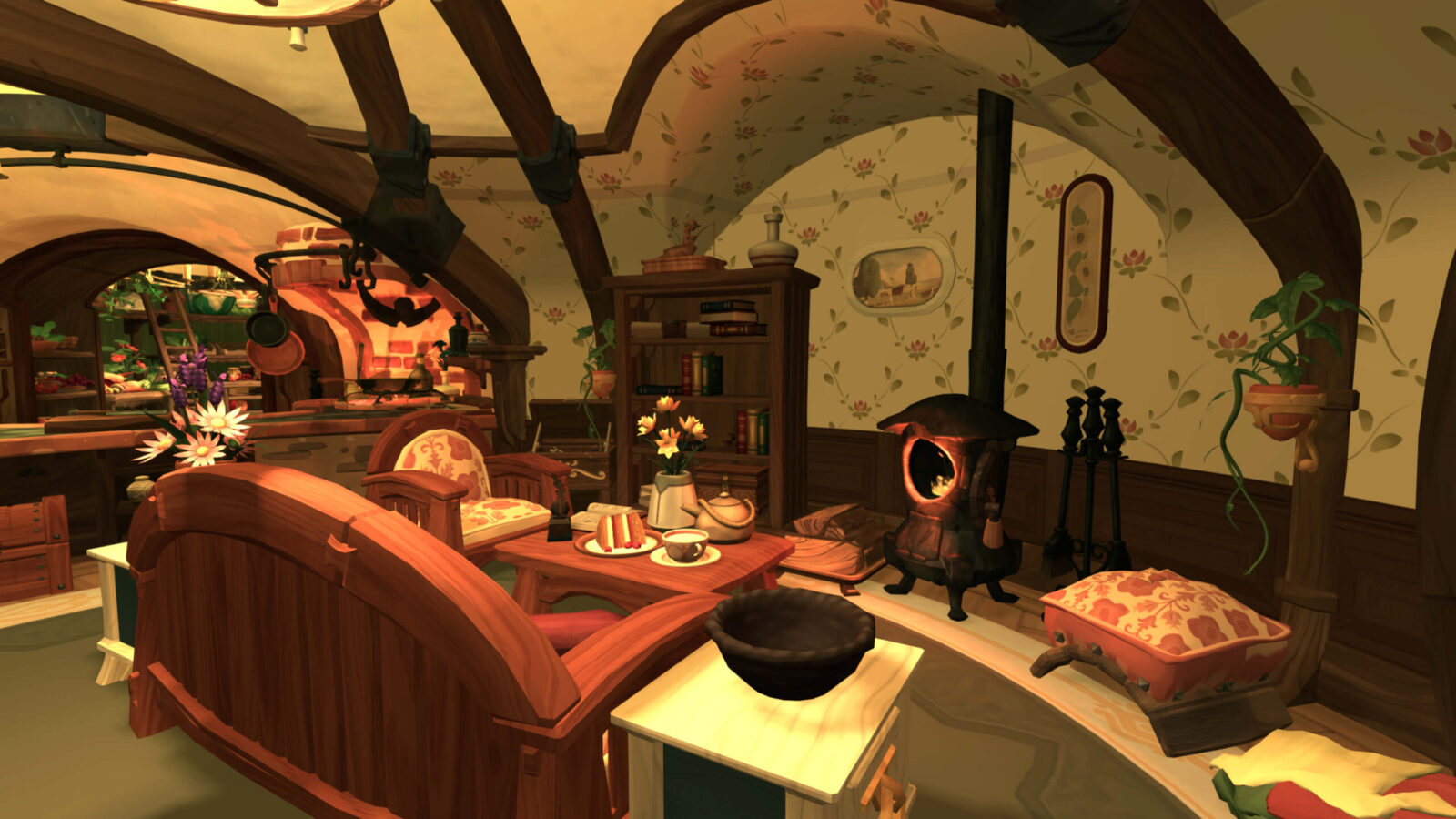
The Premise: A Hobbit’s Life, Digitised
Set in the Third Age, long before Frodo’s journey, you arrive in the sleepy hamlet of Bywater as a new hobbit from Bree. The grand stakes? Convince the local council to recognise Bywater as an official village. This involves running errands, helping with infrastructure, and ingratiating yourself with the townsfolk via conversation, gift-giving, and an alarming number of shared meals.
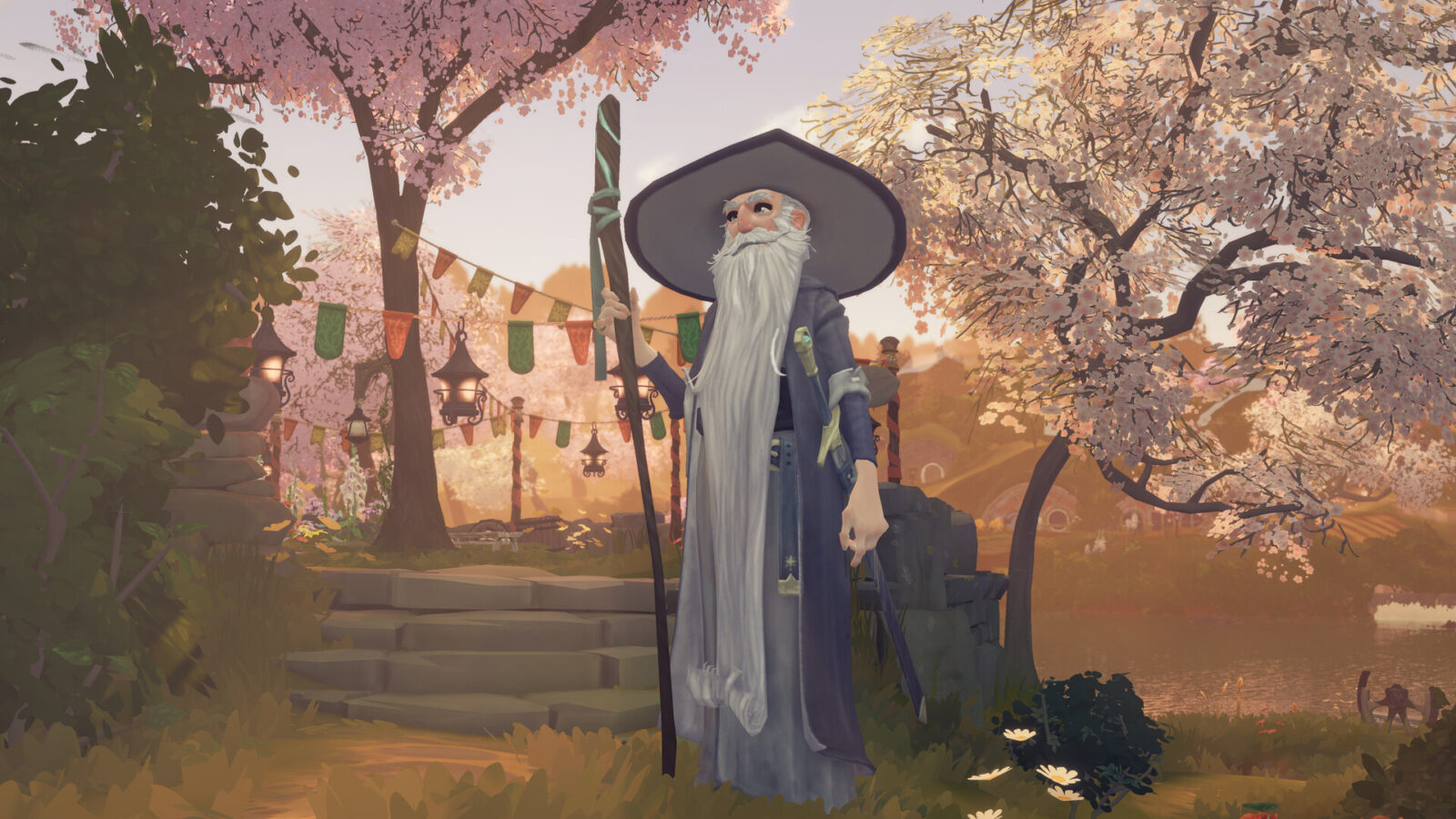
This is not a Tolkien world of danger or darkness. The closest you’ll get to peril is forgetting to water your peas before bedtime. Even Gandalf—yes, he pops in—feels less like a harbinger of epic quests and more like that uncle who drops by unannounced and finishes all the seed cake.
The structure is familiar to anyone who’s dabbled in Stardew Valley, Animal Crossing, or Harvest Moon: forage, farm, fish, cook, befriend, repeat. Days are short, the map is small, and your life revolves around the humble art of keeping your larder stocked.
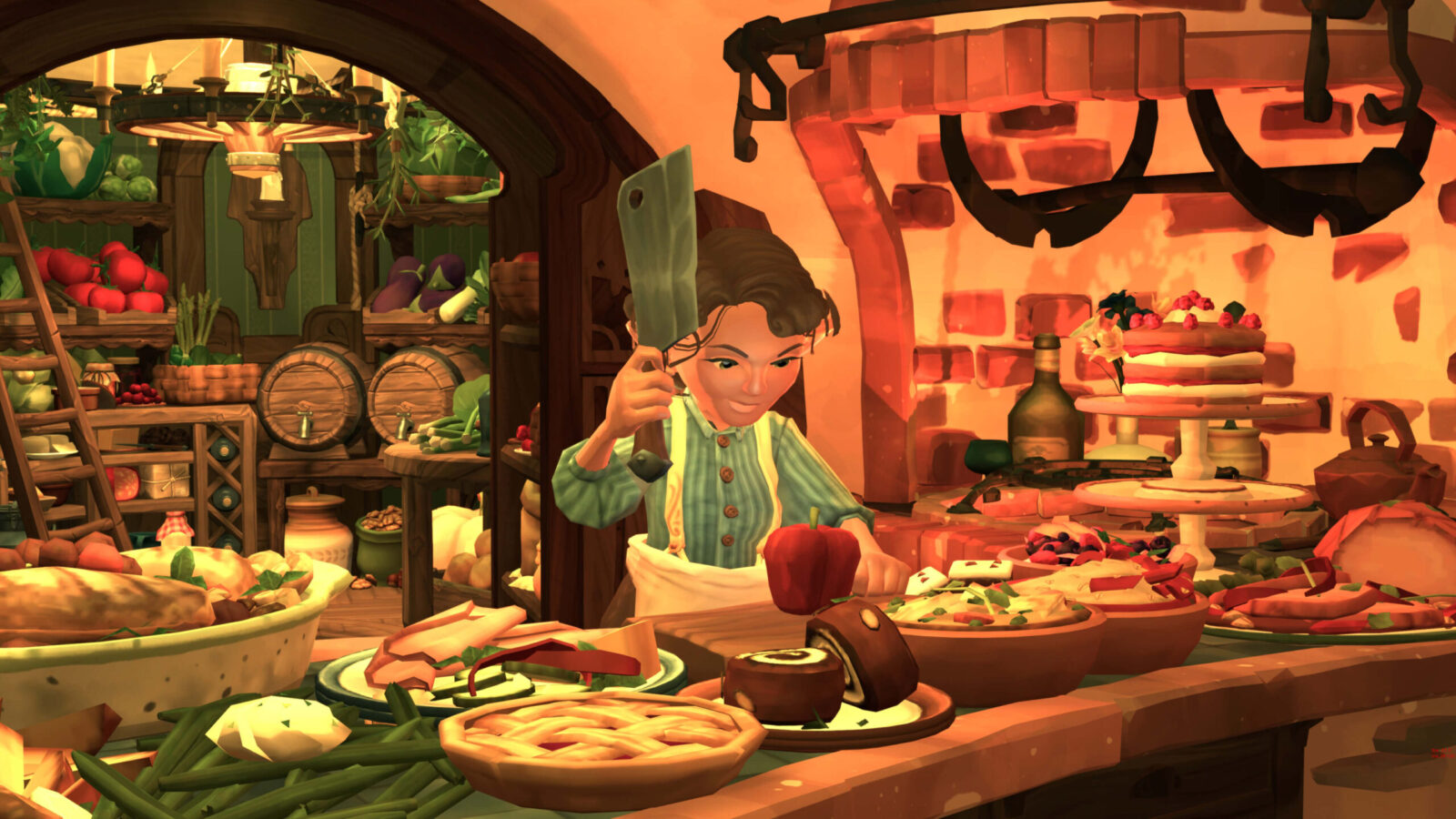
The Shire’s Look and Feel
Here’s where Tales of the Shire absolutely nails it: the atmosphere.
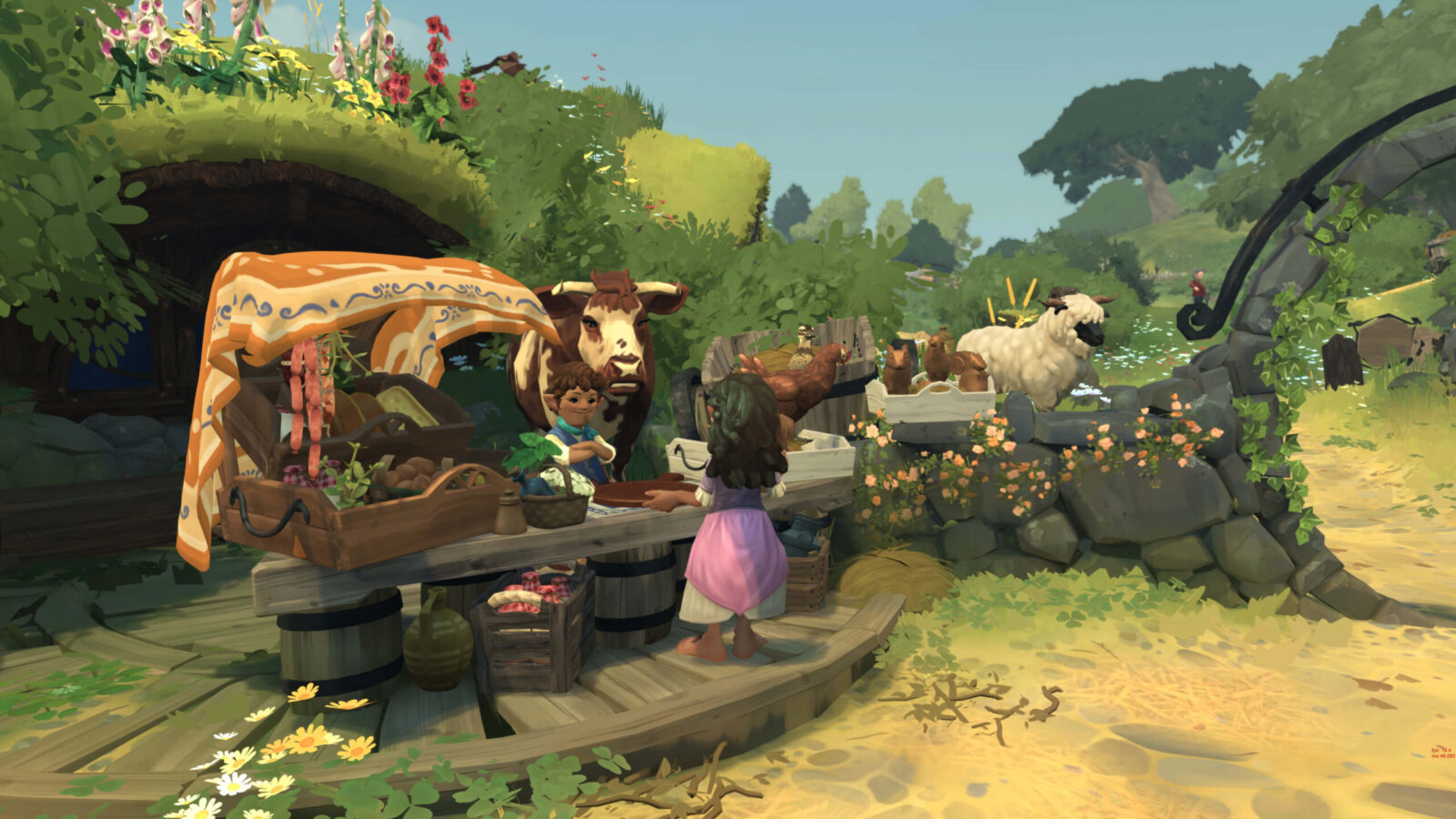
The chunky, painterly art style drips with bucolic charm. The Green Dragon Inn glows with warm lantern light. Washing lines sway lazily in the breeze. The grass is so green it could have been painted by an elf with an unhealthy obsession with chlorophyll. Wētā Workshop clearly understands the look of the Shire, and they deliver it in a way that’s both twee and tactile.
There’s also a wonderful attention to Tolkienian geography. The Three-Farthing Stone is there. The winding paths feel pulled from Pauline Baynes’ illustrated maps. Even the surnames—Took, Brandybuck, Cotton—anchor you firmly in Middle-earth’s social web.
But here’s the thing: no matter how pretty a hobbit hole looks, it’s still just four walls if you don’t fill it with stories worth living.
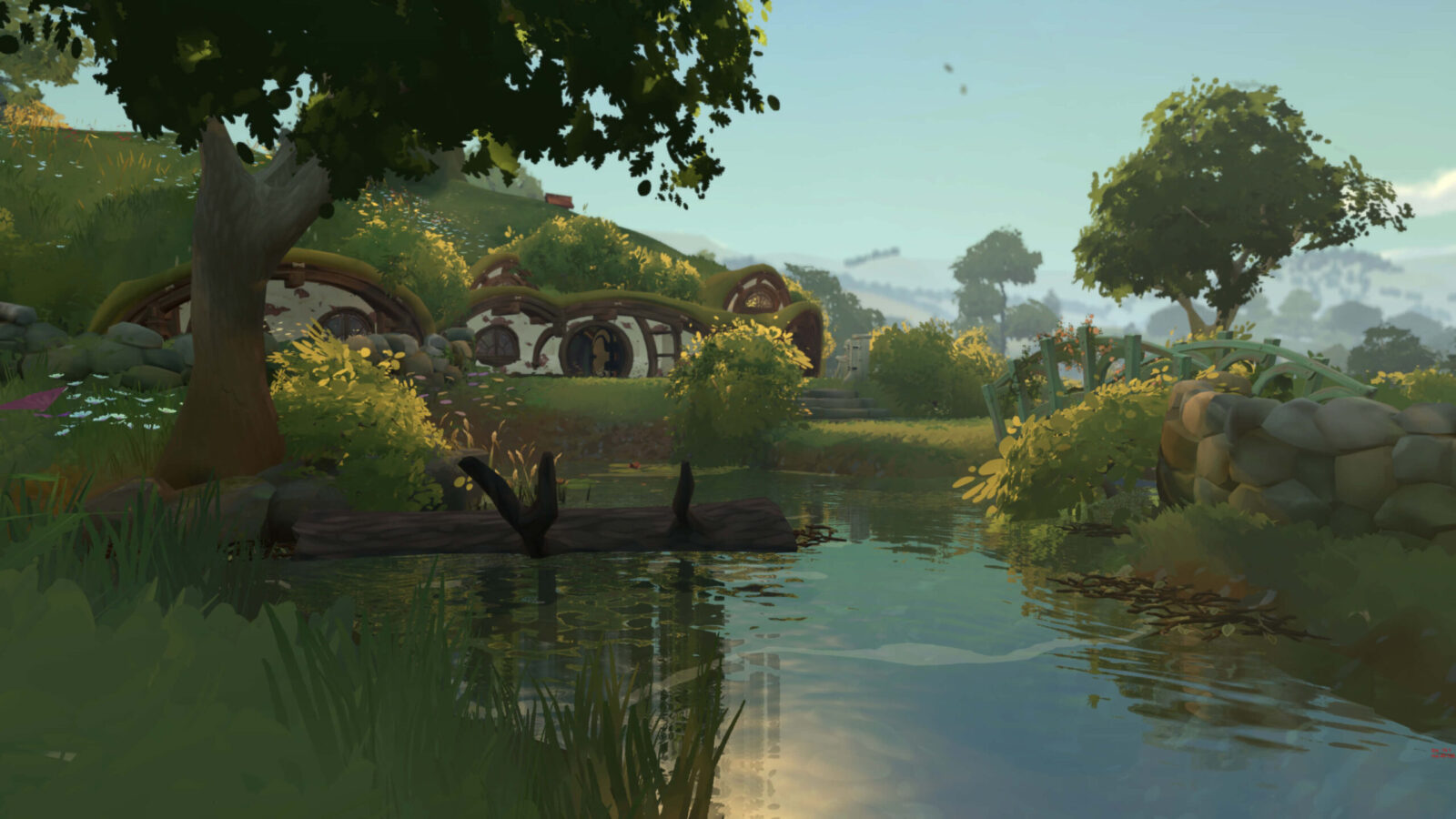
The Gameplay Loop: Second Breakfast, Third Yawn
Every cosy life sim lives and dies by its loop. In Stardew Valley, there’s an almost hypnotic progression: the slow expansion of your farm, the deepening bonds with the townsfolk, the lure of mysterious caves. In Tales of the Shire, the loop is… well, polite. Too polite.
Your main activities boil down to:
- Foraging vegetables, fruits, and nuts.
- Fishing in scenic spots for the day’s catch.
- Buying seeds, planting crops, and waiting.
- Cooking meals to please specific NPCs.
The cooking system is one of the game’s bright spots. It’s a delightful mash-up of Cooking Mama and Breath of the Wild’s ingredient alchemy. Each recipe asks you to balance textures and flavours—sweet, savoury, crunchy, soft—by chopping, mixing, and sautéing while consulting a “flavour compass.” Cook well, and your hobbit neighbours reward you with friendship points, better ingredients, and the warm glow of culinary smugness.
The trouble is that the stakes are so low, and the rewards so incremental, that even these charming mini-games start to feel like washing dishes: something pleasant the first few times, but eventually more chore than choice.
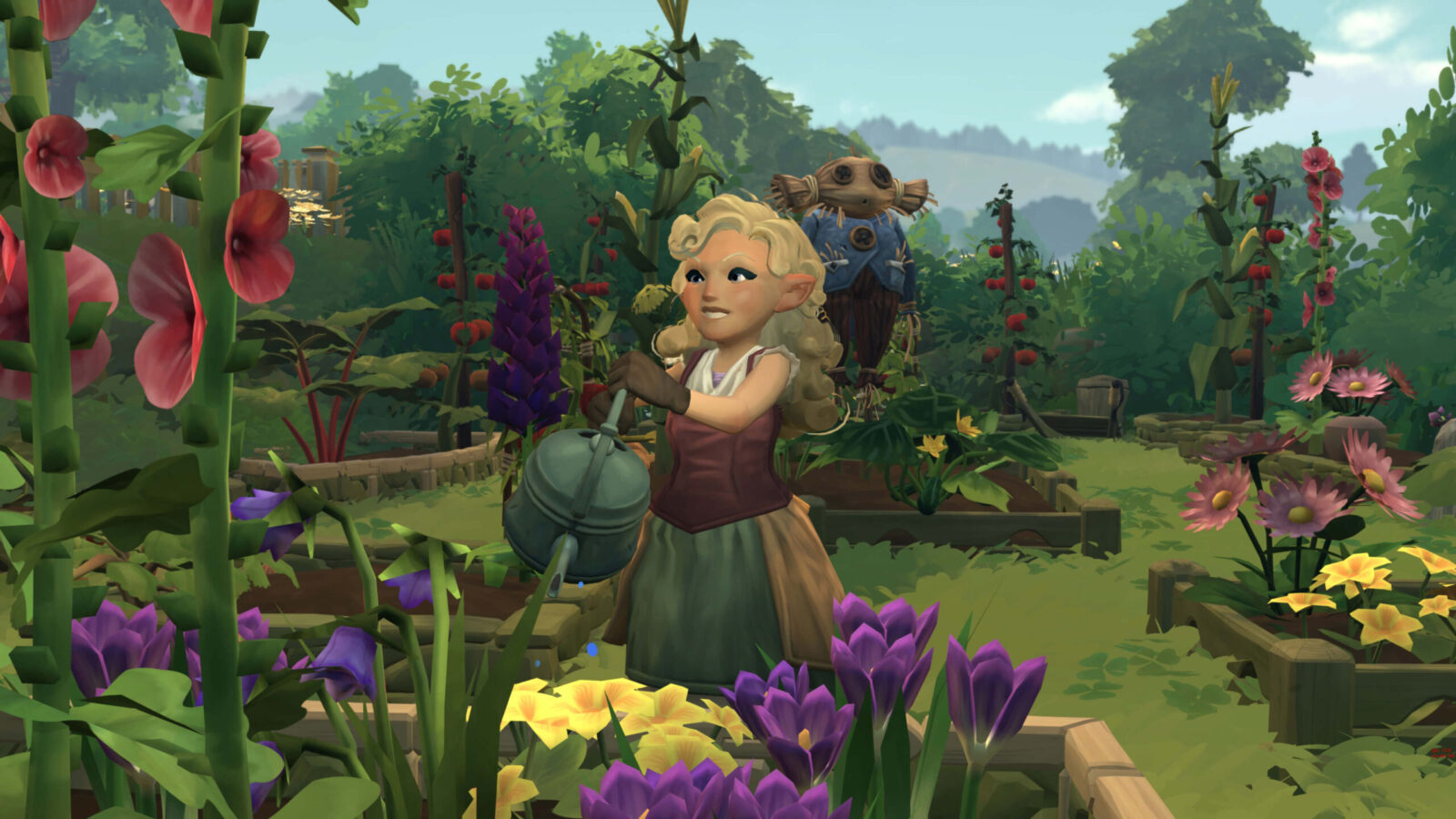
The Emotional Flatline
Let’s address the troll in the room: Tolkien’s world is not just about comfort food and garden parties. Yes, the Shire is idyllic, but its charm in the books comes from contrast—the looming awareness that beyond its hedgerows lies danger, grief, and heroism.
Tales of the Shire refuses to acknowledge that other side. Even mild interpersonal conflicts between hobbits are resolved in a single conversation. No grudges, no misunderstandings that sting for days. Every quarrel ends with a smile and a slice of pie.
And here’s the problem: without a shadow, the light feels less meaningful. Without risk, reward feels hollow. You can spend dozens of hours in Bywater and never once feel the emotional tug that Tolkien wove into even the most minor of his side characters.
The Bigger Picture: Cosy Games and the Problem of Too Cosy
We live in a golden age of cosy games. From Unpacking to Dordogne to Palia, developers have tapped into our collective craving for low-stakes escapism. And I get it—I’ve spent entire weekends tending to virtual gardens to avoid tending to my inbox.
But Tales of the Shire illustrates a hidden trap of the genre: if you strip away all tension, all complexity, you risk creating something that feels more like a waiting room than a living world.
In the Shire of this game, nothing ever truly changes. Your relationships improve, your kitchen gets fancier, but the emotional topography remains flat. And for a world as richly imagined as Middle-earth, that feels like a missed opportunity.
Verdict: Comfort Without Substance
There’s a lot to like in Tales of the Shire. It’s beautiful. It’s gentle. It’s full of Easter eggs for Tolkien die-hards. If you want a game that’s basically a hobbit-flavoured warm blanket, this will serve you well.
But as a Lord of the Rings experience, it’s incomplete. The Shire may be home, but home in Tolkien is always a place you return to, not a place you never leave. Without even a whisper of that larger world, the game risks becoming what Bilbo himself feared most: something predictable.