
TL;DR: Rechargeable batteries with built-in USB-C charging. No dock, no hassle, just plug in and go. Once you switch, disposable batteries start to feel outdated.
STATIK Rechargeable Batteries
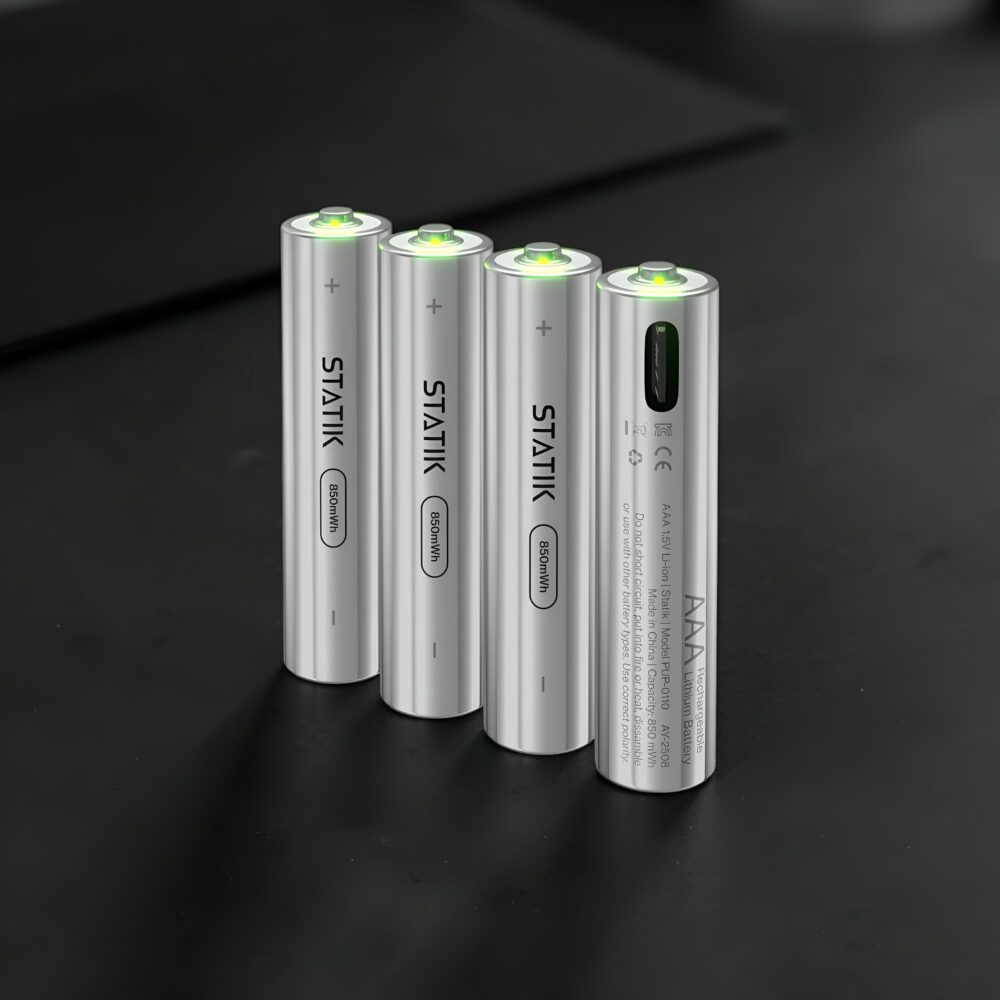
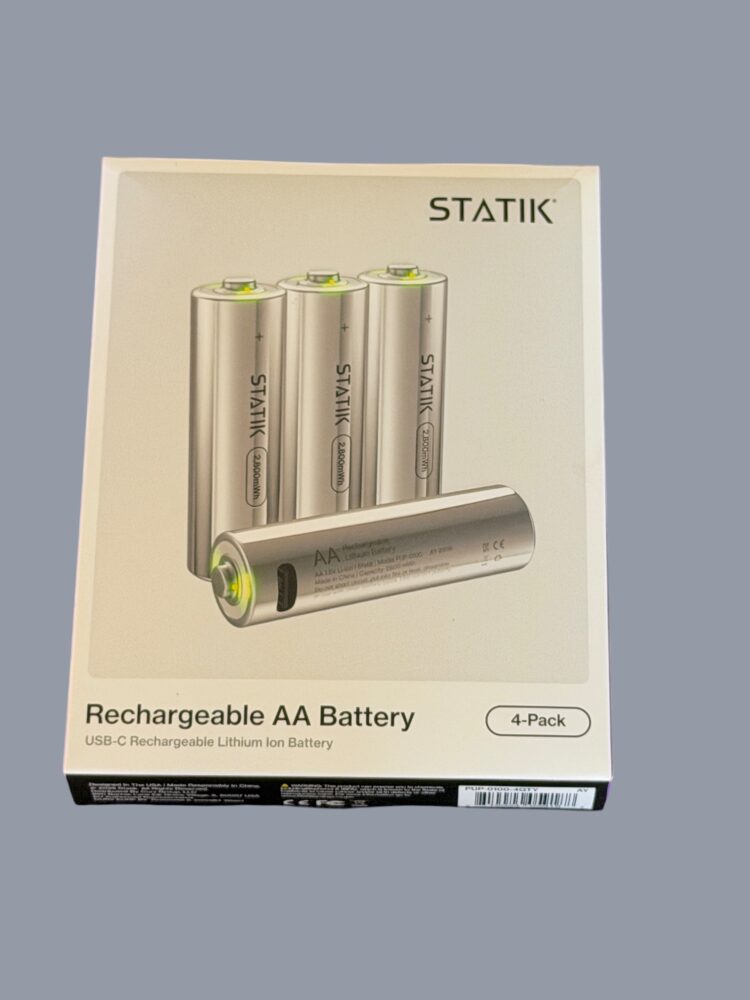
I didn’t expect to spend this much time thinking about batteries. Of all the tech rabbit holes I’ve fallen into over the years—mechanical keyboards, overengineered USB hubs, gaming setups that look like they belong in a spaceship—batteries were always just… there. Invisible. Replaceable. Forgettable. But then I switched everything in my apartment over to STATIK’s USB-C rechargeable batteries—available in both AA and AAA models—and somehow this tiny, boring piece of tech turned into one of the most quietly transformative upgrades I’ve made in a long time.
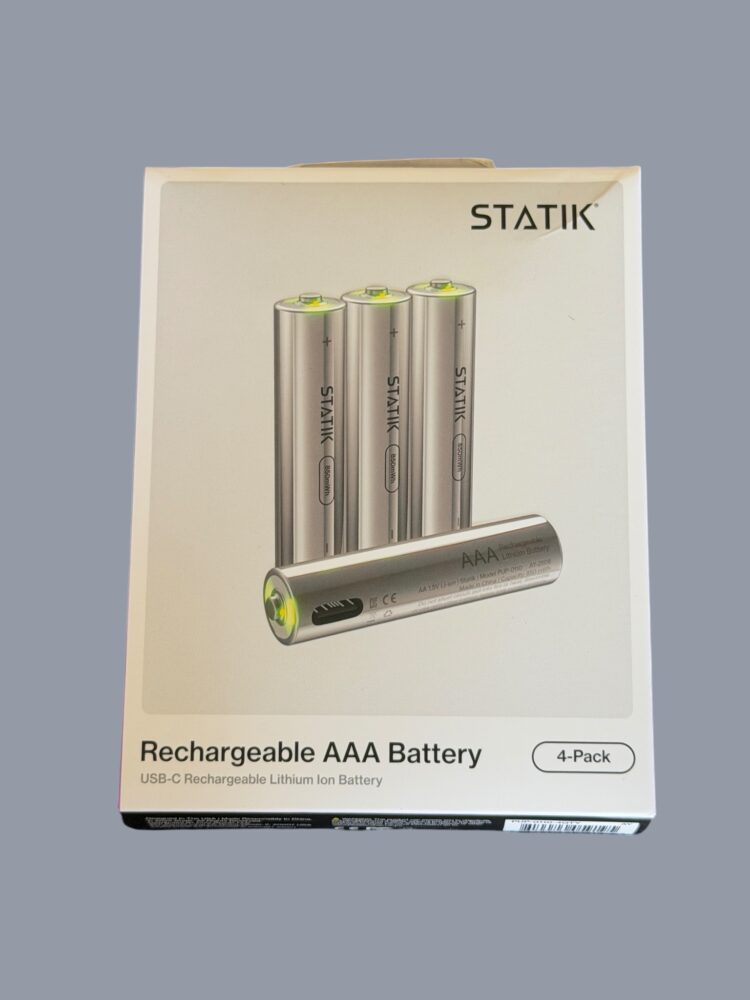
But then I switched everything in my apartment over to USB-C rechargeable batteries, and somehow this tiny, boring piece of tech turned into one of the most quietly transformative upgrades I’ve made in a long time.
It started, like most good upgrades do, with irritation.
The breaking point we’ve all had
You know the moment. Something dies at the worst possible time. Your controller cuts out mid-match, your remote stops responding right as you’re getting comfortable, or your wireless mouse suddenly feels like it’s betraying you during actual work.
Then comes the ritual. You open a drawer full of random batteries, half-used ones mixed with dead ones, and you start playing this weird guessing game of “which one still has life left?”
That cycle gets old fast.
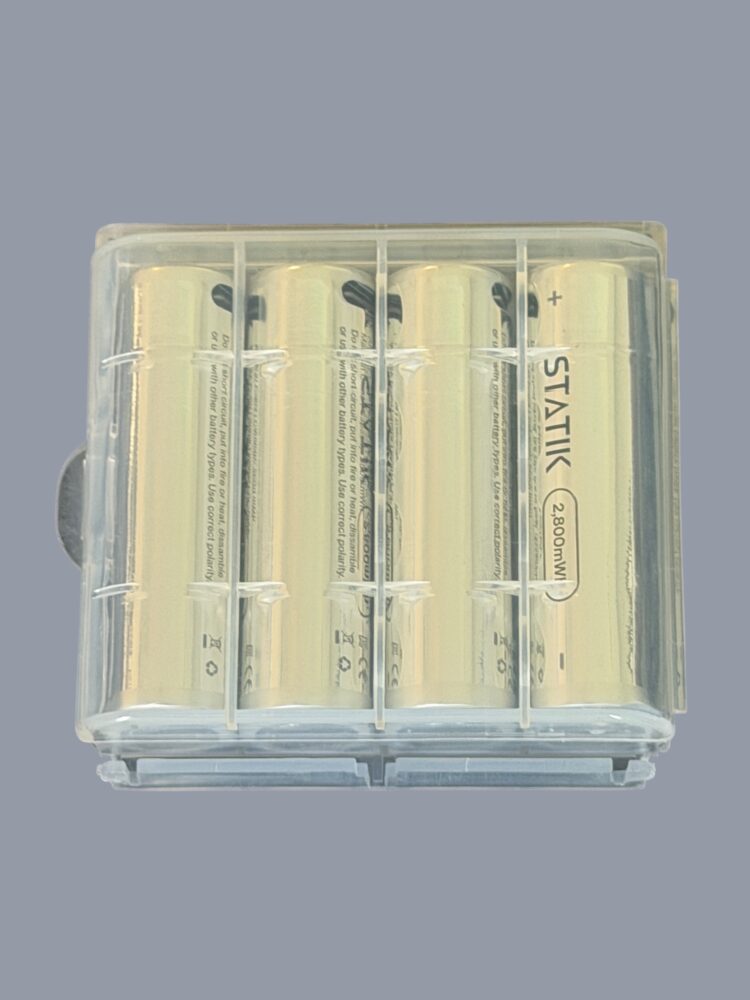
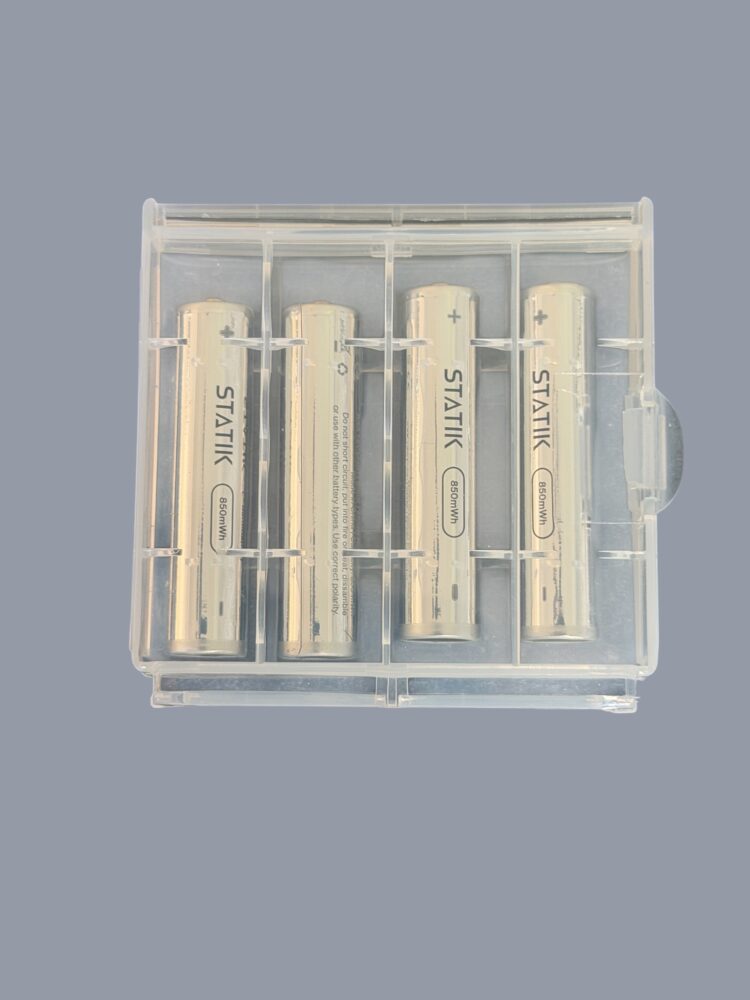
And every time it happened, I had the same thought: everything else in my life charges with a cable—why am I still dealing with this?
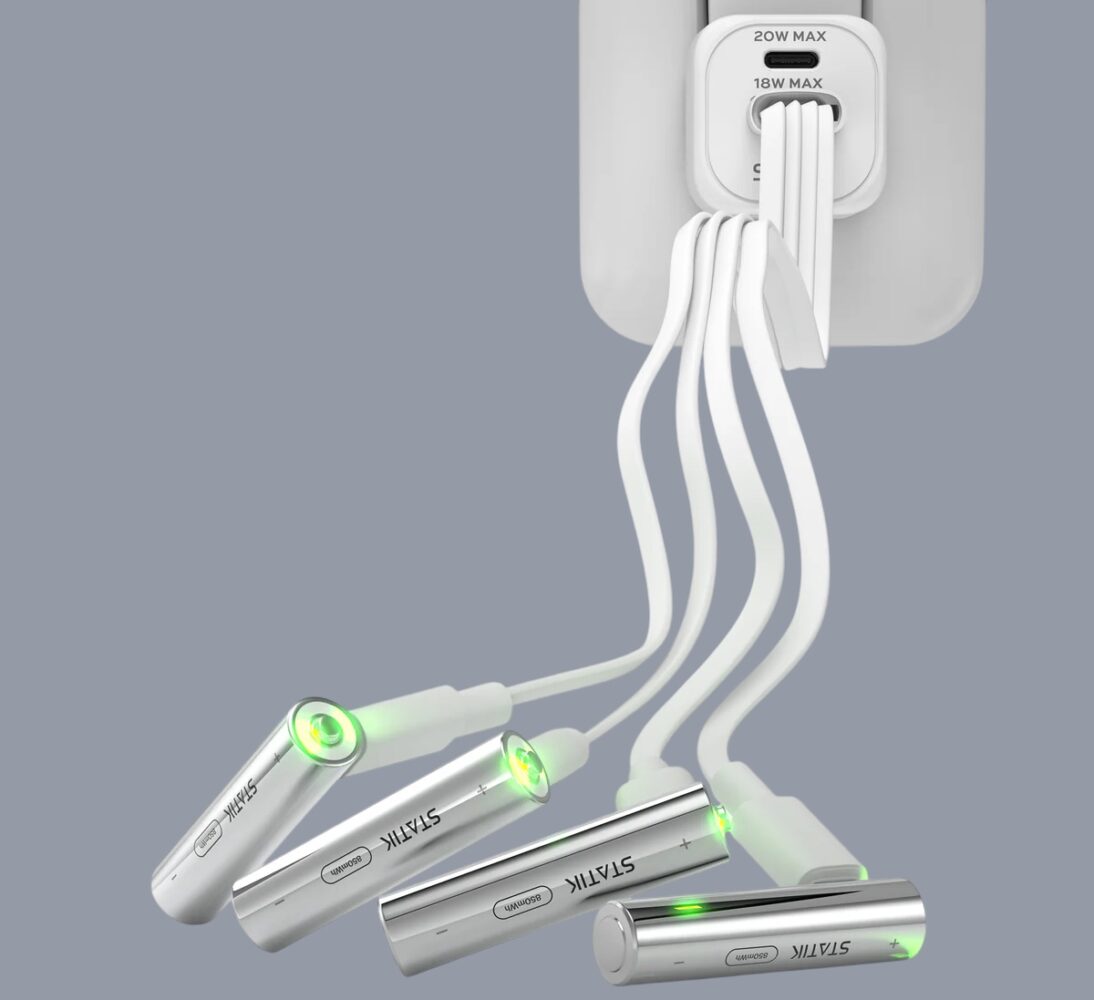
So I switched. Not to the old-school rechargeable setup with the bulky charging docks (I’ve suffered through those before), but to batteries that charge directly via USB-C.
And yeah, the first time I plugged one into a cable, it felt strange. Like I was breaking some unwritten rule. But within a day, it started to feel completely normal—and everything else started to feel outdated.
Charging batteries like actual modern tech
The biggest shift here isn’t just that they’re rechargeable. It’s how they fit into your daily routine.
Instead of treating batteries like disposable items, you start treating them like devices. Something runs out of power, you plug it in, and you move on. No ceremony, no setup, no dedicated charging station taking up space on your desk.
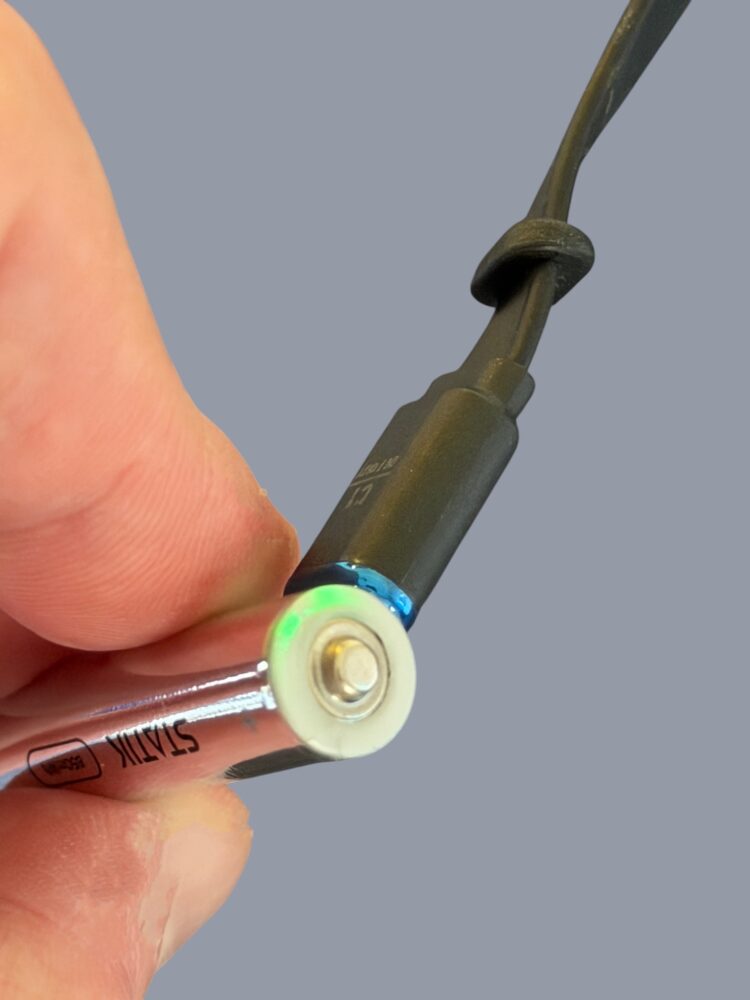
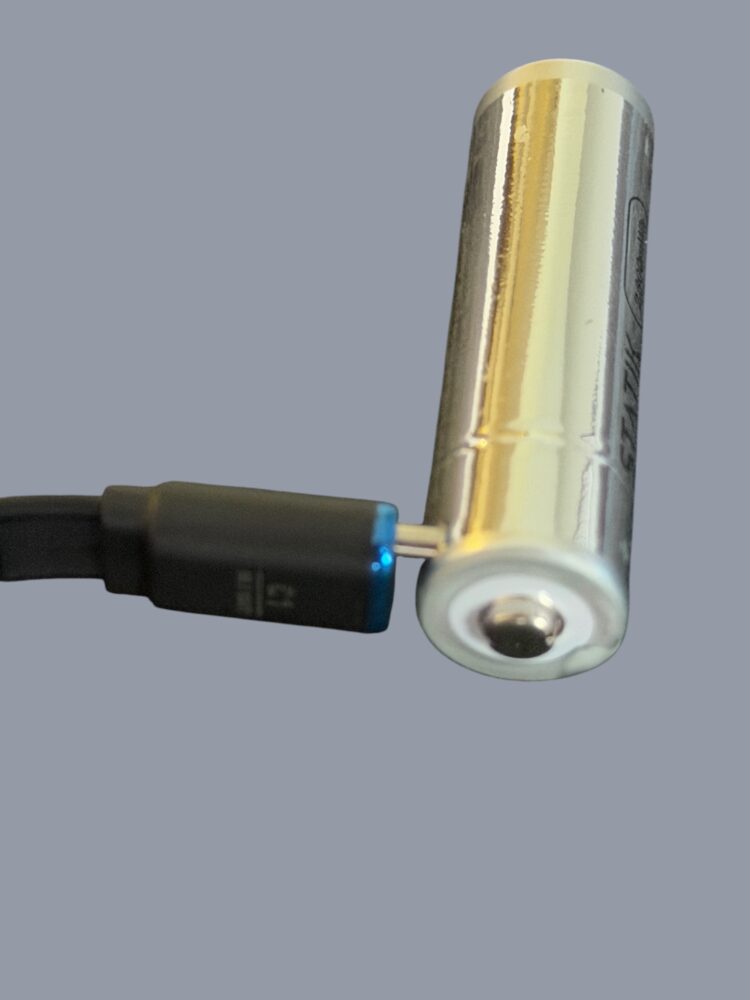
At one point, I had multiple batteries plugged into a single USB port using a splitter cable, and it felt weirdly satisfying. Efficient in a way that makes older charging methods feel clunky and overcomplicated.
And the best part? It blends seamlessly into everything else. My desk is already a mess of USB-C cables powering my phone, headphones, and other gadgets. These batteries just slide into that ecosystem without demanding anything new from me.
No new habits. No learning curve. Just less friction.
Performance that stays out of your way
I was half-expecting some kind of compromise here. Usually when something becomes more convenient, you lose a bit of performance or reliability. That’s the trade-off we’ve all learned to accept.
But these batteries don’t really play that game.
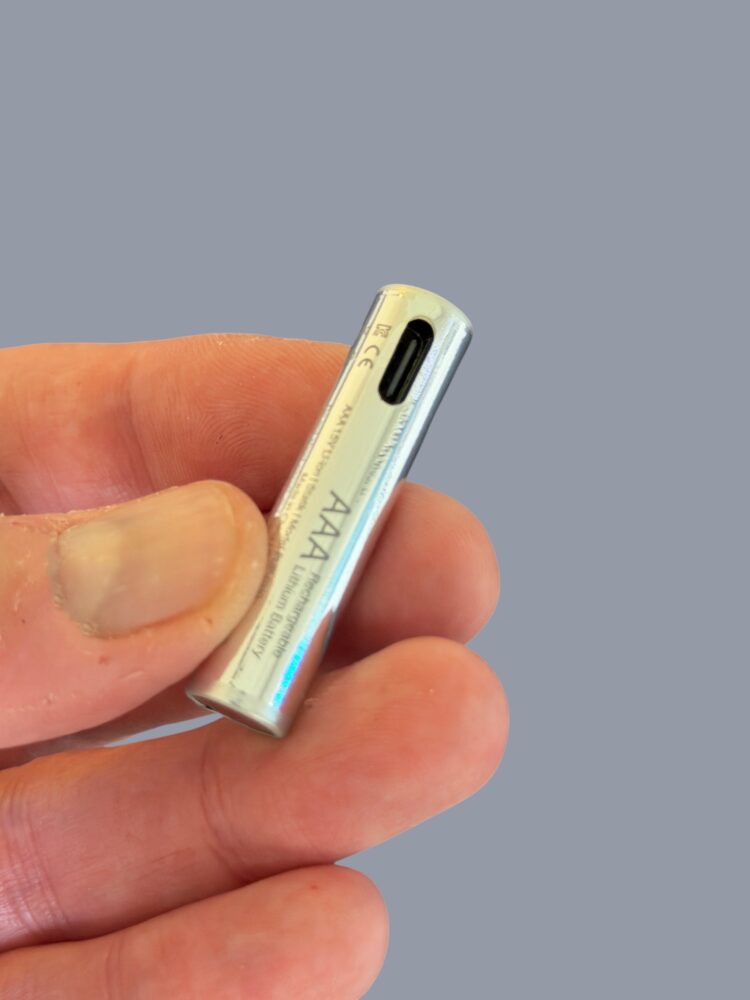
They deliver steady, consistent power, which turns out to be more important than I realized. Devices behave the way they’re supposed to. No weird drop-offs, no gradual decline into “kind of working but not really.”
My controller feels normal. My mouse feels normal. My remote works exactly when I expect it to.
And honestly, that’s the highest compliment I can give. They disappear into the background and just do their job.
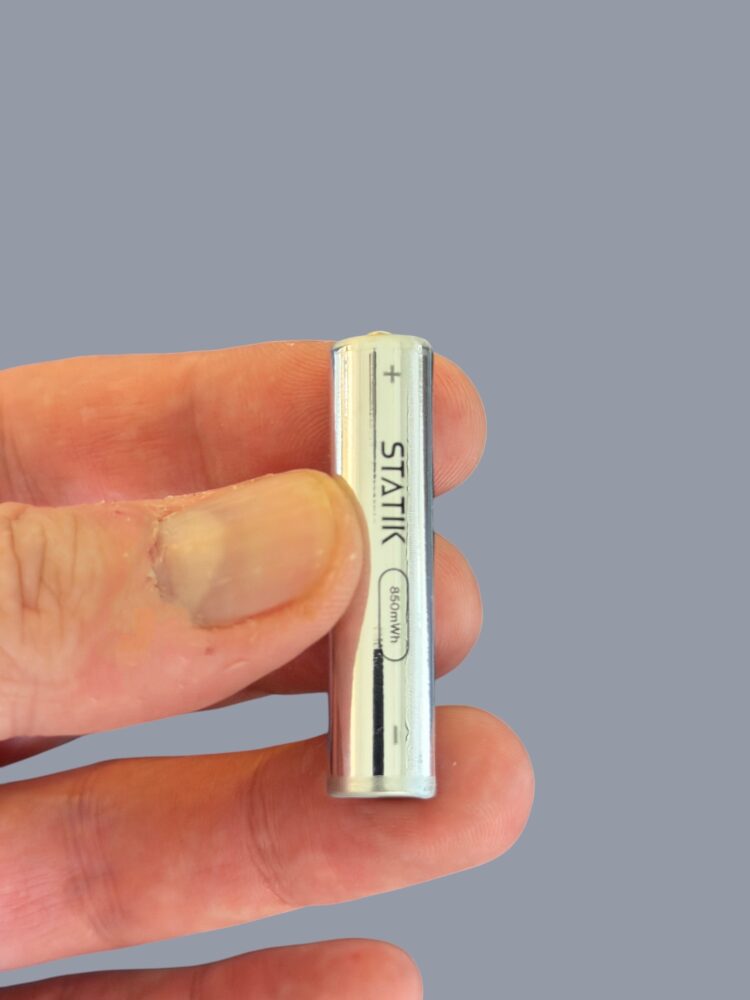
Battery life itself is solid—right in line with what I’d expect from good disposable batteries. The difference is that when they’re empty, that’s not the end of the story. It’s just a quick recharge away from being ready again.
And that changes everything.
The mental shift you don’t see coming
This is the part that surprised me the most.
Switching to rechargeable batteries—especially ones this easy to deal with—completely changes how you think about them. They stop being this constant, low-level annoyance and start feeling like a solved problem.
There’s no more “do I need to buy batteries?” thought in the back of your mind. No more hoarding spares. No more guilt about throwing them away.
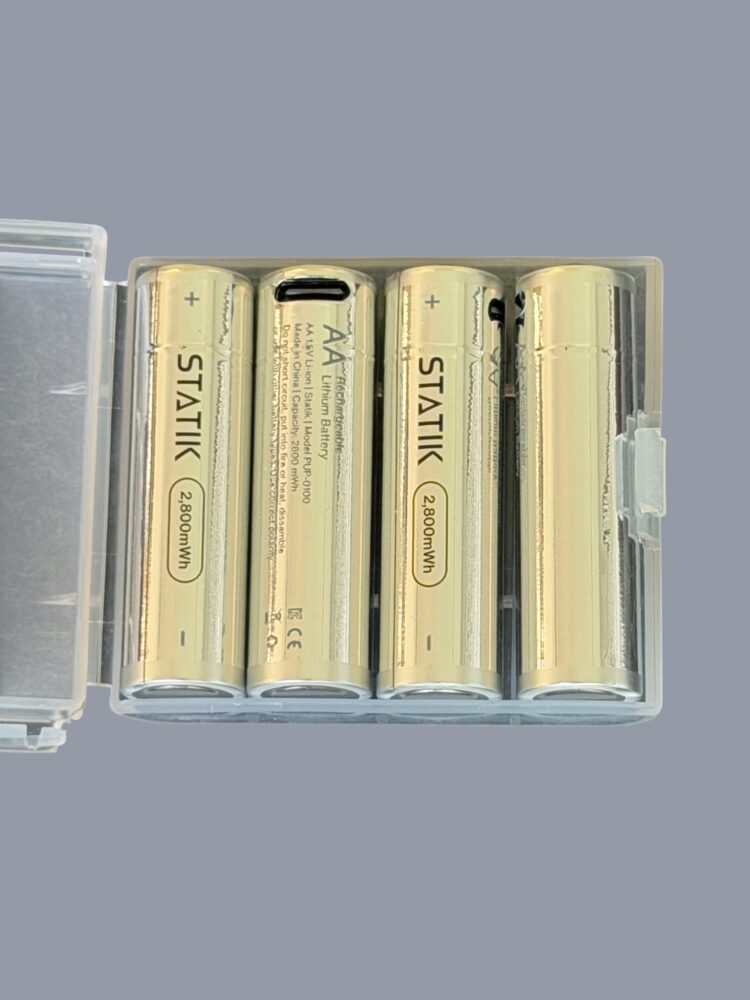
You just… have them. And they work.
It’s one of those subtle quality-of-life upgrades that doesn’t scream for attention but makes everything smoother. Like faster Wi-Fi or a better chair. You don’t notice it every second, but you definitely feel it when it’s missing.
The trade-offs that come with the convenience
Nothing this convenient comes completely without compromise.
Because the charging tech is built into each battery, they’re slightly bulkier than traditional ones. In most devices, that’s a non-issue. Everything I tested handled them just fine. But in tighter battery compartments, you might feel that extra bit of thickness.
The LED indicators are also pretty minimal. They tell you when the battery is charging and when it’s done, but that’s it. No detailed stats, no fancy feedback. Personally, I prefer that simplicity—it keeps things straightforward—but it’s not going to satisfy anyone looking for hyper-detailed control.
And if you’re someone who already invested in a full rechargeable ecosystem with a high-end charger and neatly organized battery rotation, this might not feel revolutionary. The real appeal here is for people who want something simpler, not something more complex.
Why I don’t see myself going back
After a couple of weeks, these batteries stopped feeling like a “new thing” and just became part of my routine. Which, ironically, is exactly why they stand out so much in hindsight.
Good tech doesn’t demand attention. It quietly removes problems. And that’s what’s happening here. The entire experience of dealing with batteries—the waste, the inconvenience, the unpredictability—just fades away. You stop thinking about it entirely.
Now, when I see disposable batteries, they feel like a relic. Not unusable, just unnecessary. Like there’s a better way to do this now, and once you’ve experienced it, it’s hard to justify going back.