

We’re living in the golden age of true wireless earbuds. Not the “hey look, no wires!” phase from 2016. Not the awkward growing pains era of battery anxiety and random Bluetooth tantrums. I’m talking about the mature phase. The era where flagship earbuds are less about gimmicks and more about refinement, specialization, and philosophical differences.
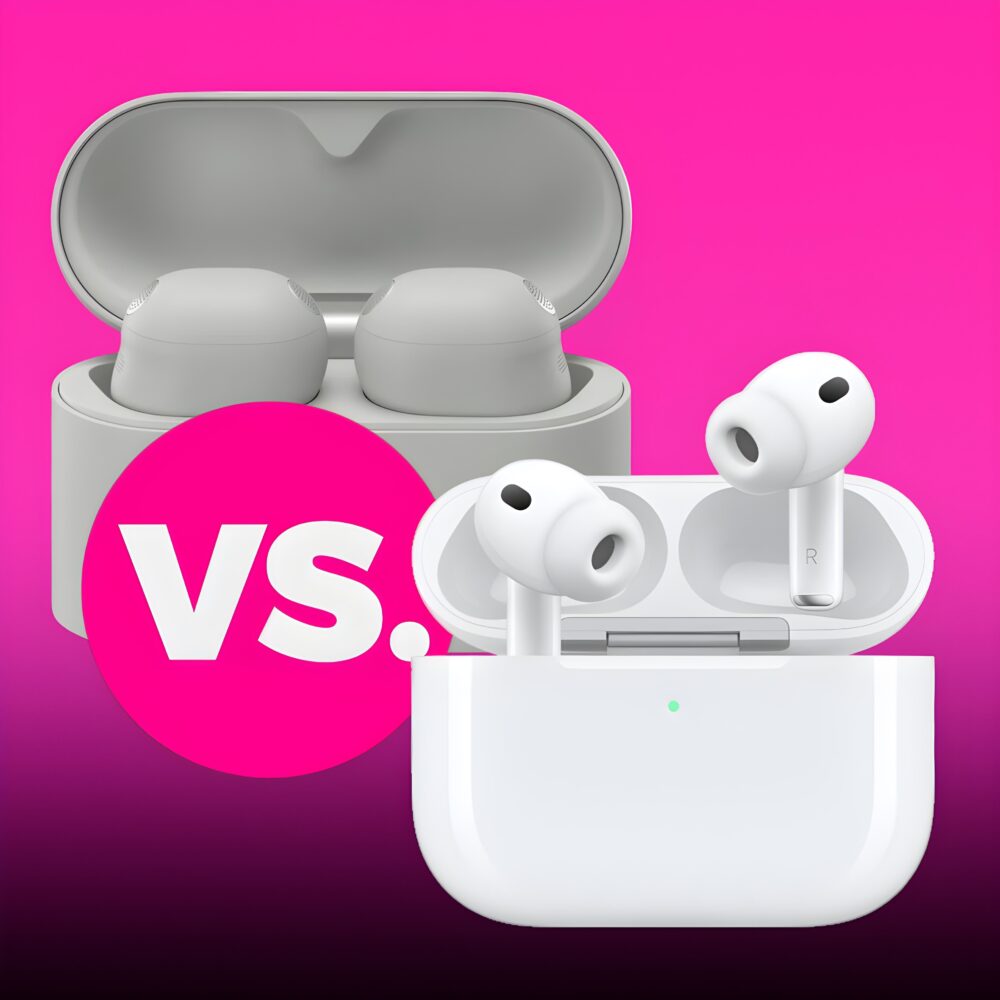
At the center of that conversation right now sit two heavyweights: the Sony WF-1000XM6 and the AirPods Pro 3.
Both received glowing praise. Both earned top scores. Both push their respective brands’ identities to their logical extreme. But they win in very different ways.
Sony wants to dominate silence. Apple wants to dissolve into your life.
This is not about declaring one “better” in a vacuum. It’s about understanding what kind of user you are — and which philosophy aligns with your daily reality.
Let’s go deep.
Design and Fit: Precision Engineering vs Invisible Familiarity
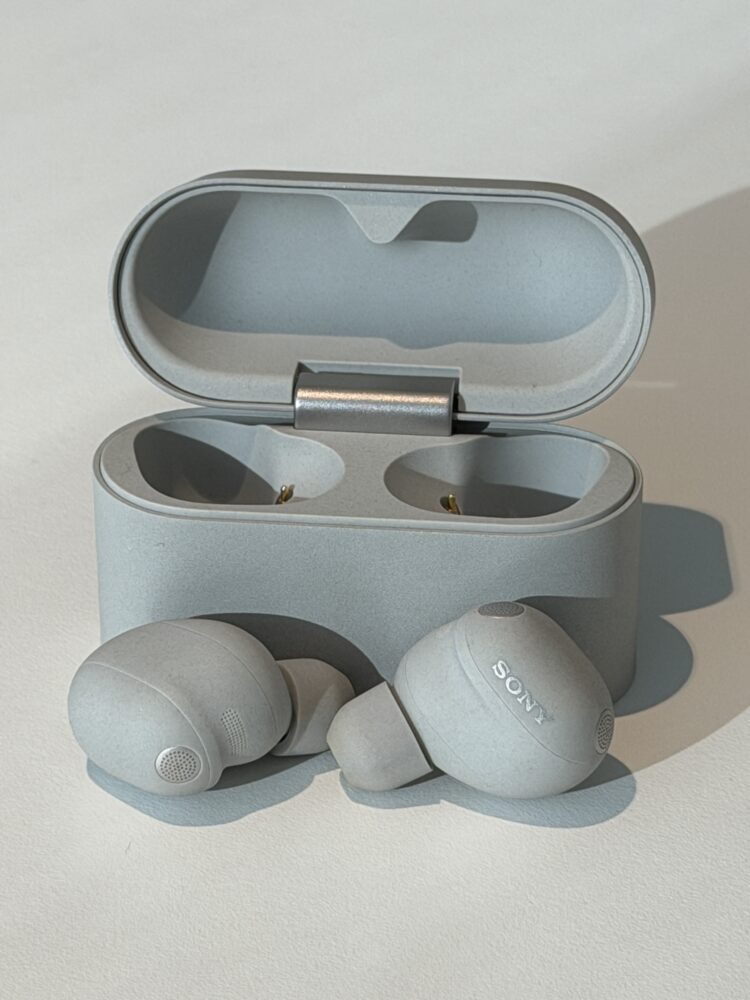
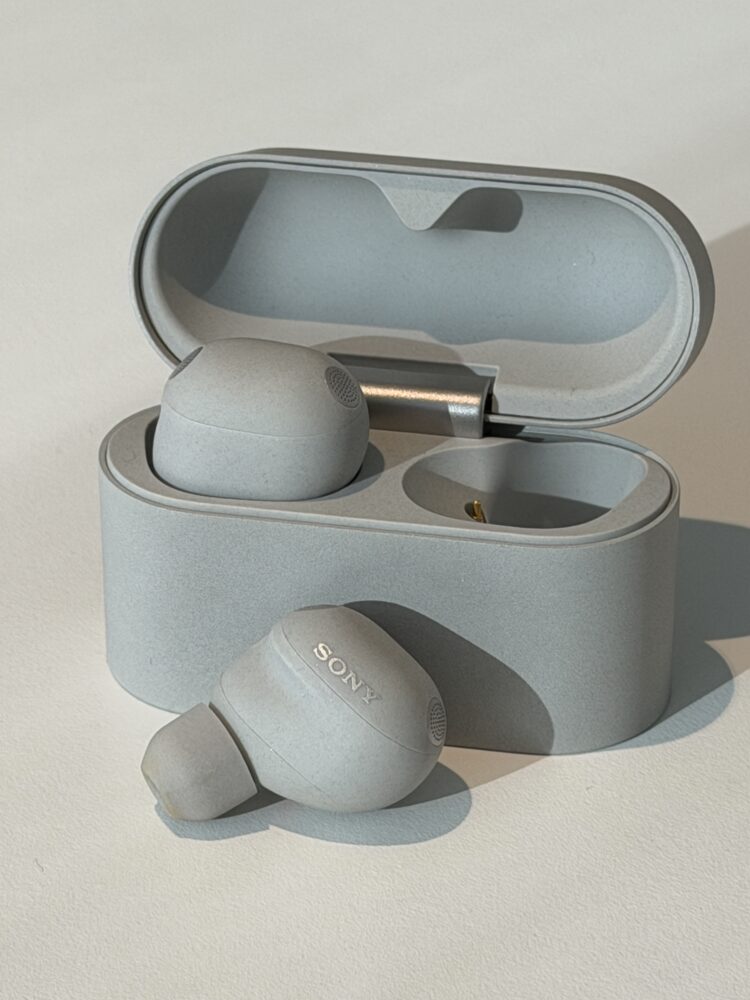
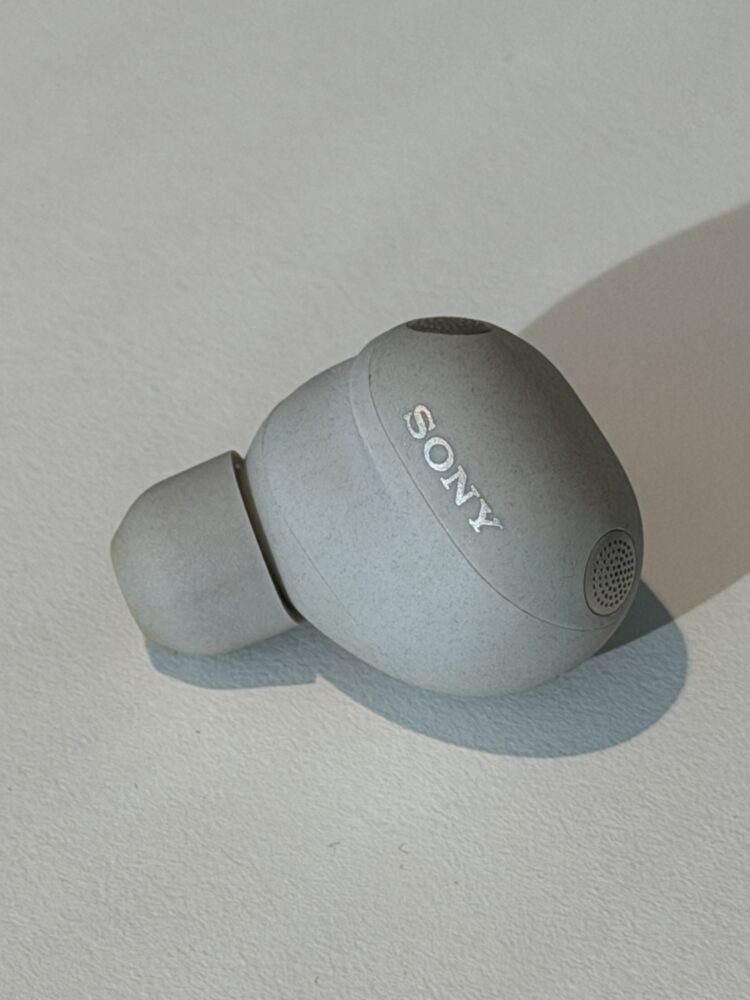
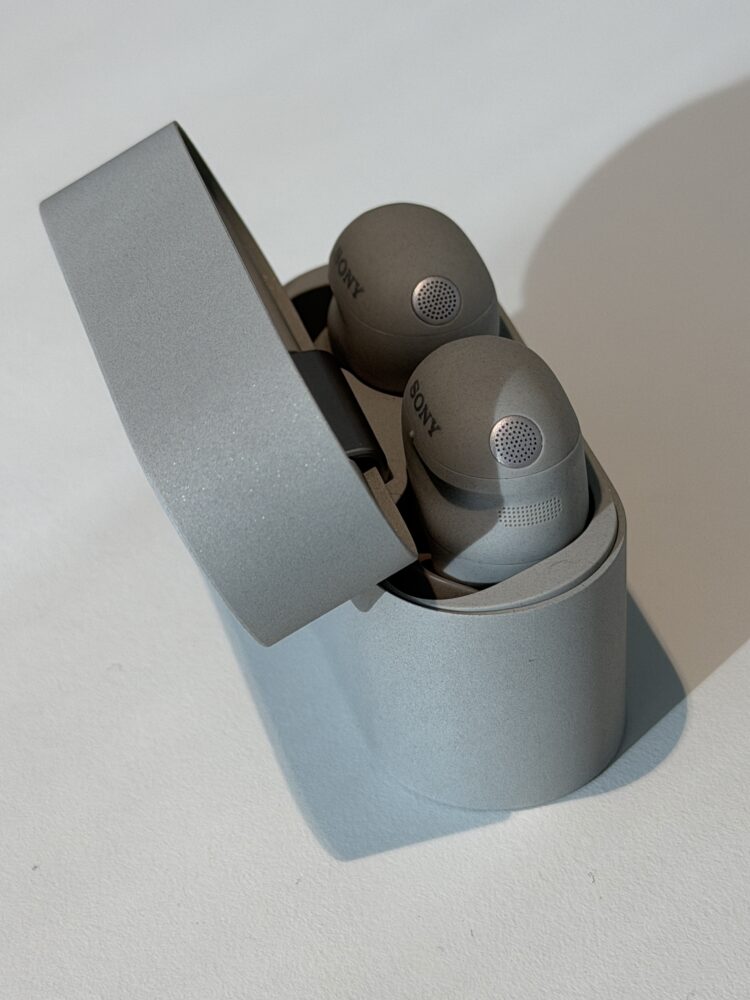
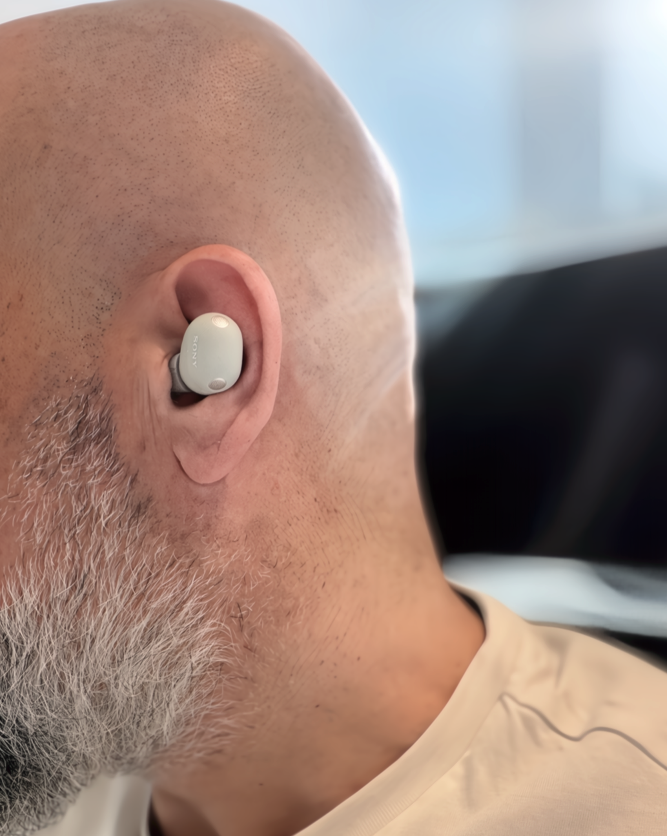
Sony has always leaned into the “serious audio” aesthetic, and the WF-1000XM6 continue that tradition. They are slimmer than previous generations but slightly longer, with a more sculpted ergonomic surface. They protrude a bit more than the AirPods Pro 3, and they are not trying to be discreet. When you wear them, they are visible. There’s intention in their design. They feel like tools built for performance.
That design isn’t just visual. Sony reworked the internal structure to distribute weight more evenly across the ear. Once seated properly, they feel secure and stable, especially for longer listening sessions. But here’s where honesty matters: they demand effort. The included foam tips are powerful for isolation and acoustic sealing, but they are sensitive to positioning. A slight twist or shallow insertion can alter both sound quality and ANC performance. When you get it right, the transformation is dramatic. When you don’t, it can feel slightly off. These are earbuds that reward patience.
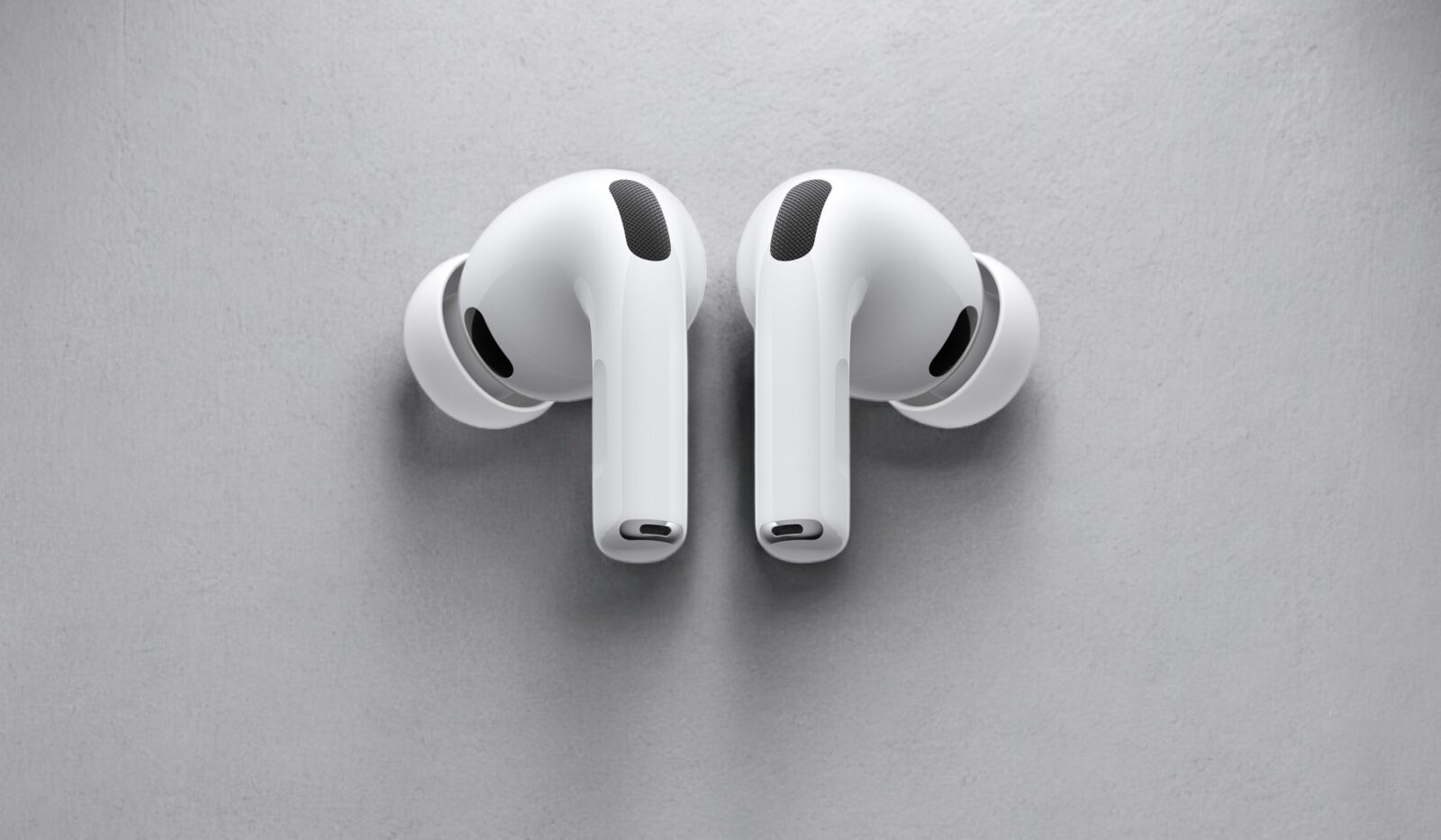
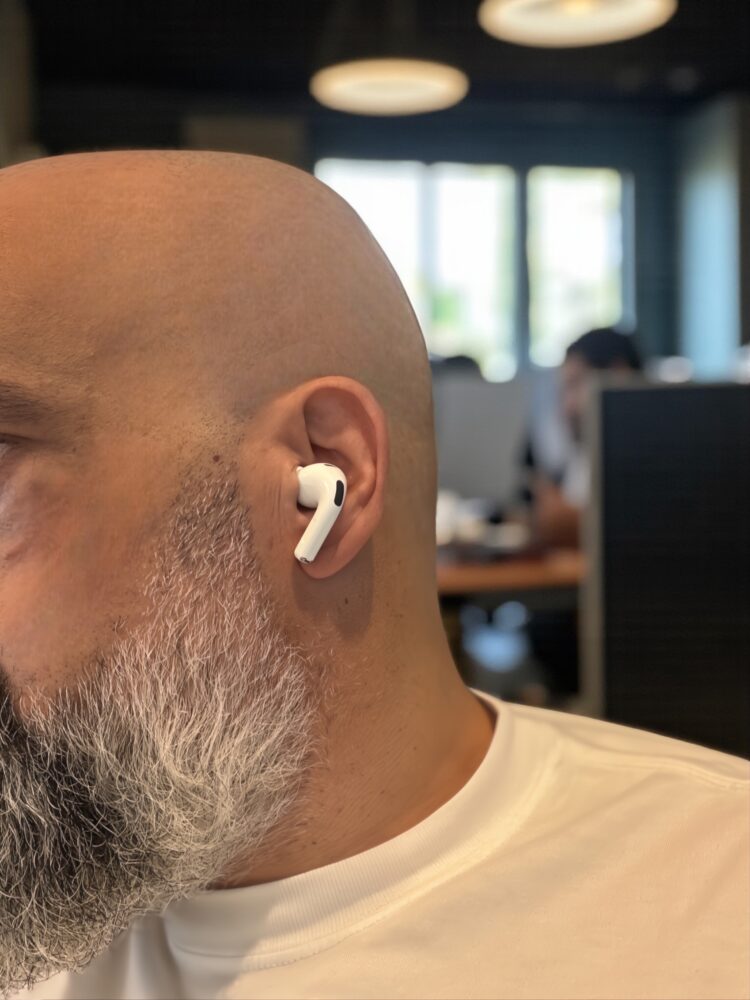
Apple took a very different route with the AirPods Pro 3. The redesign is subtle, almost invisible unless you compare them side by side with their predecessors. The stems angle slightly forward to follow the natural geometry of the ear canal, and the new foam-infused silicone tips strike a balance between softness and structural support. Apple also introduced an extra-extra-small ear tip option, which may seem minor until you realize how many users struggle with fit inconsistencies.
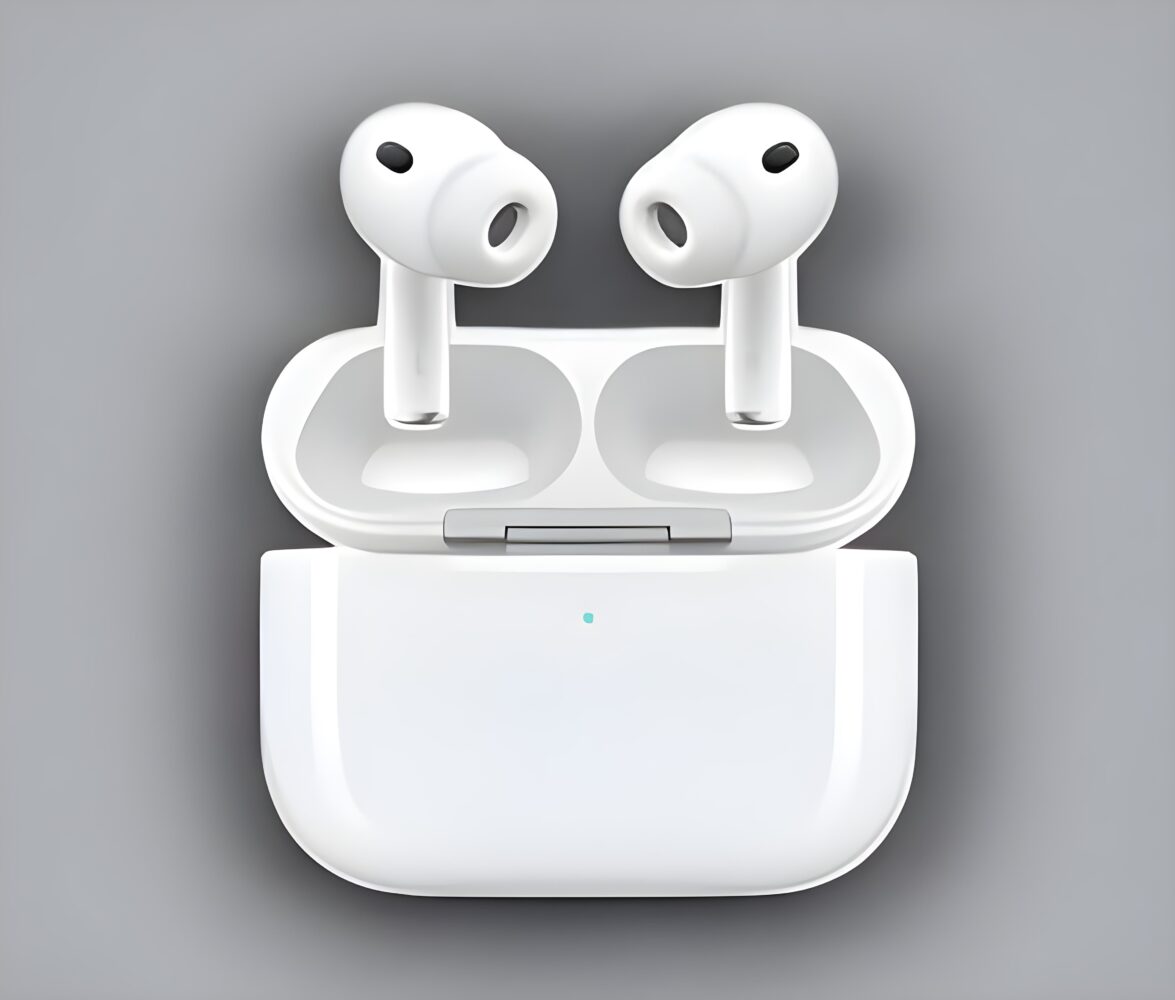
In daily use, the AirPods Pro 3 feel easier out of the box. They require less adjustment. There’s less trial and error. They settle into the ear with a kind of quiet confidence, and for many users, they will feel “right” faster than the Sony pair.
The charging cases reflect each brand’s priorities. Sony’s case is compact but slightly taller than previous models, with a sharp-edged, modern aesthetic. Apple’s case is marginally taller than before as well, partly due to the internal reconfiguration. Apple continues to integrate Ultra Wideband precision finding and a built-in speaker for location alerts, making the case itself feel like a smart device rather than just a battery shell.
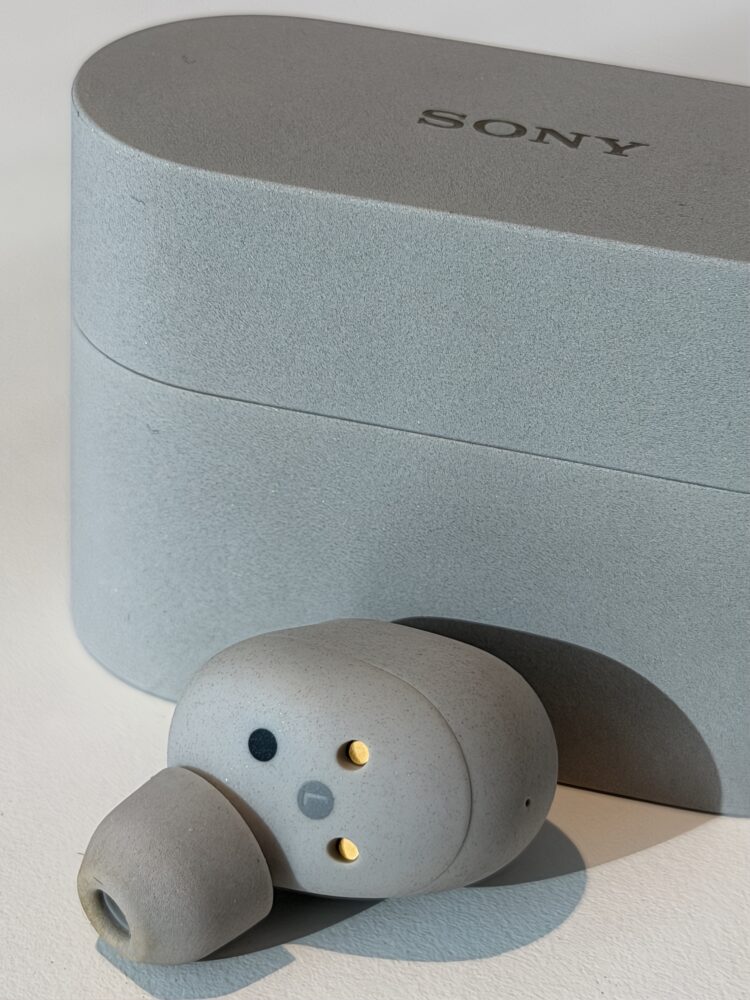
In this category, Sony offers performance-first ergonomics that shine when dialed in. Apple delivers immediate comfort and refinement. Neither is flawed; they simply cater to different tolerances for adjustment and experimentation.
Sound Quality: Emotional Weight vs Long-Term Listenability
Sound is where brand philosophy becomes unmistakable.
Sony’s tuning on the WF-1000XM6 is mature, balanced, and emotionally engaging. The bass extends deep without turning bloated. It carries weight, not exaggeration. Sub-bass frequencies feel physical yet controlled. The midrange is rich and expressive, allowing vocals to breathe naturally without being overshadowed. Instruments maintain texture and separation, giving complex mixes room to unfold without collapsing into congestion.
There’s a sense of intentionality in Sony’s sound signature. It doesn’t chase extreme brightness or overwhelming punch. Instead, it aims for depth and immersion. Listening sessions can feel cinematic, especially with well-produced tracks. Combined with LDAC support for high-resolution streaming on compatible devices, Sony caters directly to users who care about audio fidelity and nuance.
Apple approaches sound differently with the AirPods Pro 3. The tuning is balanced, slightly forward in vocals, and designed for fatigue-free listening across genres. Spatial Audio improvements add better separation and positioning, making live recordings and multi-layered tracks feel more dimensional. Bass has improved presence compared to previous generations, but Apple avoids pushing it to the point of dominating the mix.
Apple retained the H2 chip from the previous generation but refined its implementation. The improvements come not from raw hardware changes but from acoustic adjustments and software optimization. The result is a sound profile that feels polished, versatile, and consistent.
However, Apple still does not support full lossless audio over Bluetooth. For most users, this will not matter. The sound quality is excellent in practical use. But for audio purists chasing maximum bitrate performance, Sony’s codec flexibility gives it an edge.
Sony delivers emotional engagement and a slightly richer tonal body. Apple delivers balance and long-term comfort. If your priority is immersive listening with depth and tuning flexibility, Sony has the advantage. If your goal is consistent performance across music, podcasts, calls, and video without fatigue, Apple excels.
Active Noise Cancellation: The Crown and the Challenger
Active Noise Cancellation is where the comparison becomes more decisive.
Sony’s WF-1000XM6 push noise cancellation into an almost surreal territory. With four microphones per earbud and the new HD Noise Cancelling Processor QN3e working alongside additional processing units, the earbuds analyze environmental noise in real time and adjust dynamically. The result is exceptional suppression of low-frequency rumble and, more impressively, midrange speech.
That midrange performance is critical. Many earbuds handle engine hum and HVAC noise well. Fewer manage to reduce nearby conversations effectively. Sony’s implementation blurs voices into abstract sound rather than intelligible speech, which dramatically increases the sense of isolation. When properly sealed, the effect can feel transformative.
Apple significantly improved ANC in the AirPods Pro 3 compared to earlier versions. Real-world usage reveals noticeable gains in reducing chatter, transit noise, and ambient distractions. Apple claims dramatic improvements, and while marketing numbers always deserve skepticism, the experiential difference is clear.
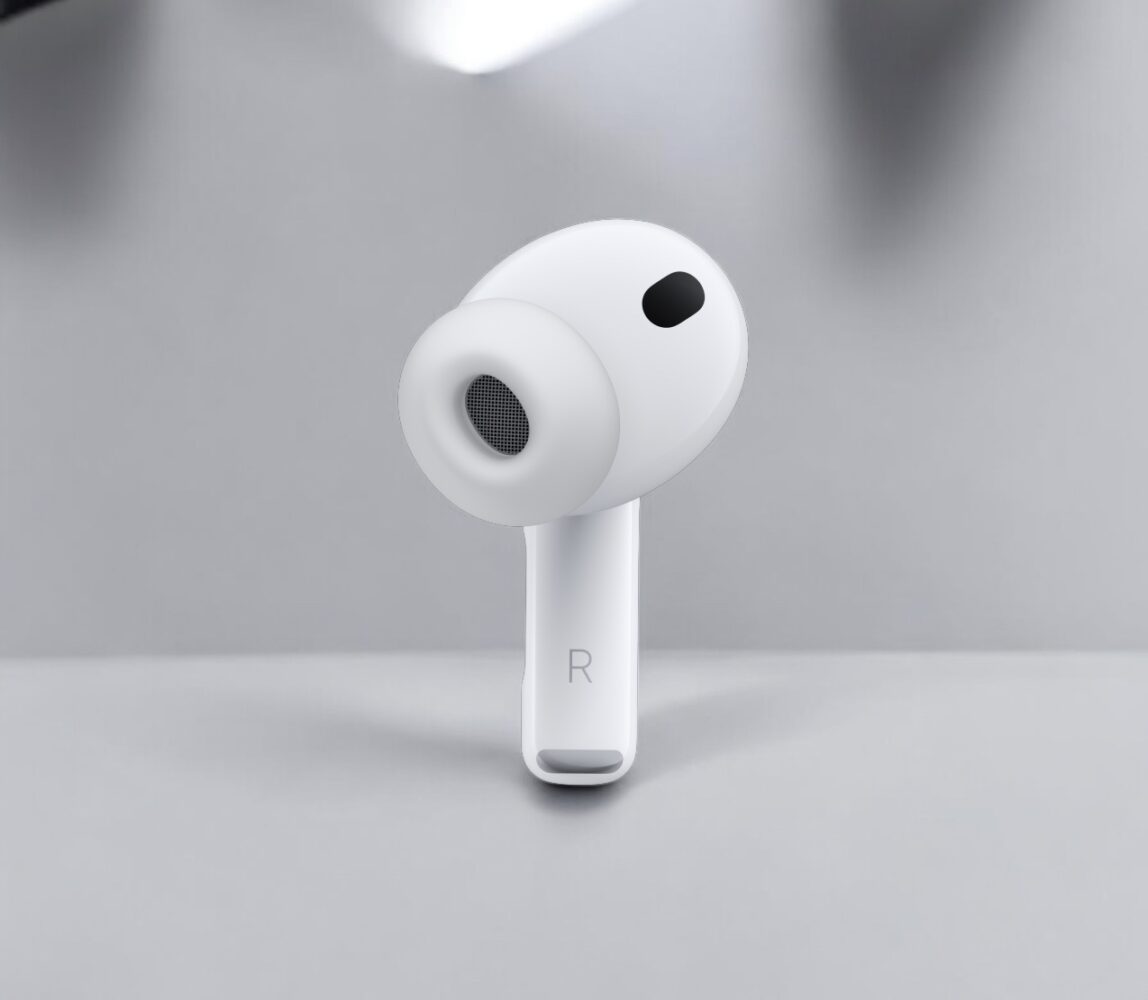
Yet when directly compared, Sony still holds the upper hand in pure suppression intensity, particularly in voice-heavy environments. Apple’s ANC is refined and effective, but Sony’s is more aggressive and enveloping.
In the ANC category, Sony currently wears the crown. Apple stands very close, but Sony’s edge in midrange cancellation gives it the lead.
Ecosystem and Intelligence: Integration vs Independence
This is where the battlefield flips entirely.
The AirPods Pro 3 are not just earbuds; they are ecosystem extensions. If you own an iPhone, Mac, iPad, and Apple Watch, the integration feels seamless. Pairing is instant. Device switching is automatic and nearly invisible. Audio handoff happens without conscious effort.
Apple layered additional functionality on top of that foundation. The built-in heart rate monitoring system uses a photoplethysmography sensor inside the earbud to track pulse data and integrate with Apple Fitness and the Health app. When paired with an Apple Watch, the system intelligently determines which sensor is more accurate in a given context.
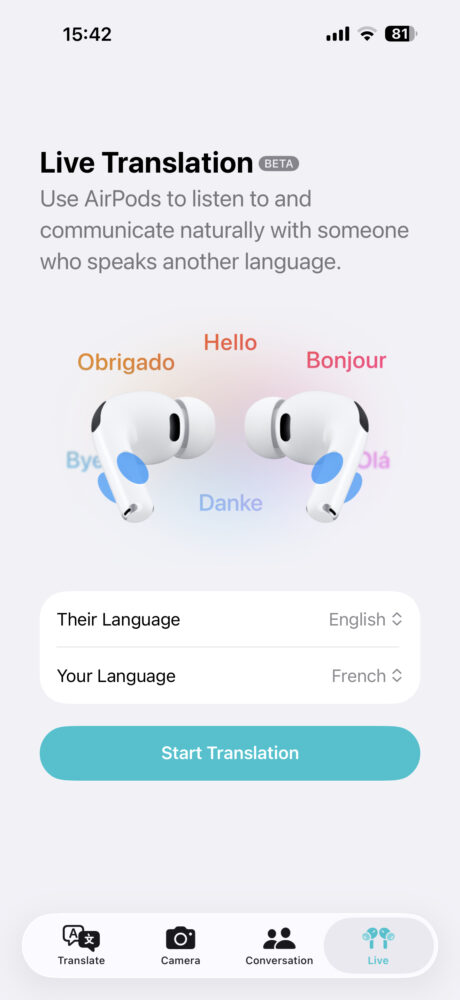
Live Translation adds another futuristic layer. Conversations in supported languages can be translated directly into your ears with minimal delay. While not flawless and currently limited in language support, it demonstrates Apple’s broader ambition: transforming AirPods into wearable intelligence hubs rather than mere audio devices.
Sony’s approach is more platform-neutral. The WF-1000XM6 support high-resolution codecs, Auracast for emerging broadcast standards, and robust customization through the Sound Connect app. They integrate well with Android devices and support voice assistants, but they do not attempt to become health monitors or translation tools.
Apple wins decisively within its ecosystem. If you live inside that environment, the AirPods Pro 3 feel like an organic extension of your devices. Sony offers flexibility and technical customization, but not the same level of lifestyle integration.
Battery Life and Daily Reliability
Battery life between these two models is closely matched in overall numbers. Both deliver around eight hours of in-ear listening time with ANC enabled. Total battery life with the charging case hovers around twenty-four hours.
Sony maintains strong consistency, and its connectivity improvements, including a larger antenna, reduce dropouts in crowded environments. The stability feels reliable and mature.
Apple improved single-session battery life compared to previous generations, though total case capacity decreased slightly compared to its predecessor. In practical daily use, both models easily cover long commutes, flights, and workdays.
Reliability is excellent on both sides. Neither model feels compromised in this category.
Call Quality and Communication
Sony upgraded call clarity with bone conduction sensors and dual microphones to isolate the user’s voice. In noisy environments, voice pickup remains clear and intelligible, though heavy wind can introduce minor digital compression artifacts.
Apple continues to excel in call integration, particularly within FaceTime and iOS environments. Voice isolation is strong, and clarity remains consistent across various noise conditions.
Both perform at a flagship level. Apple’s ecosystem synergy may give it a slight edge in certain contexts, but Sony holds its own confidently.
Verdict
The Sony WF-1000XM6 represent a focused pursuit of audio excellence and class-leading active noise cancellation. They are engineered for immersion, for listeners who want to carve out silence and sink into music with depth and precision. Their ANC performance currently stands at the top of the category.
Sony WF-1000XM6
The AirPods Pro 3 represent Apple’s broader vision of invisible technology. They combine strong sound, improved noise cancellation, health tracking, translation features, and seamless ecosystem integration into a package that feels less like a gadget and more like a daily companion.
AirPods Pro 3
If your primary goal is the most powerful noise cancellation available, Sony is the winner.
If your priority is effortless integration inside the Apple ecosystem with added intelligence and lifestyle features, AirPods Pro 3 take the lead.
Both are exceptional. The difference lies not in quality, but in philosophy.