
TL;DR: Snoopy Presents: A Summer Musical is a beautifully crafted return to Peanuts form, blending heartfelt storytelling with original songs that hit all the right emotional notes. Centered around Charlie Brown’s effort to save his beloved summer camp and Sally’s reluctant journey into independence, the special balances humor, nostalgia, and surprisingly mature themes. Ben Folds’ music elevates the material with bittersweet warmth, and the animation pays loving tribute to Schulz’s classic style without feeling dated. It’s not just a kids’ special—it’s a soulful, resonant ode to memory, change, and the magic of childhood summers.
Snoopy Presents: A Summer Musical
The Peanuts Gang Goes to Camp—and Into Musical History
For the first time in 35 years, the Peanuts gang sings. Not just sings, but harmonizes through a story laced with longing, childhood anxiety, and a surprising amount of emotional resonance. “Snoopy Presents: A Summer Musical,” the latest animated special from Apple TV+, isn’t just a delightful detour into song—it’s a tender, cleverly constructed tribute to what made Peanuts timeless in the first place: the quiet inner lives of kids who are far more emotionally complex than most adult characters on prestige television.
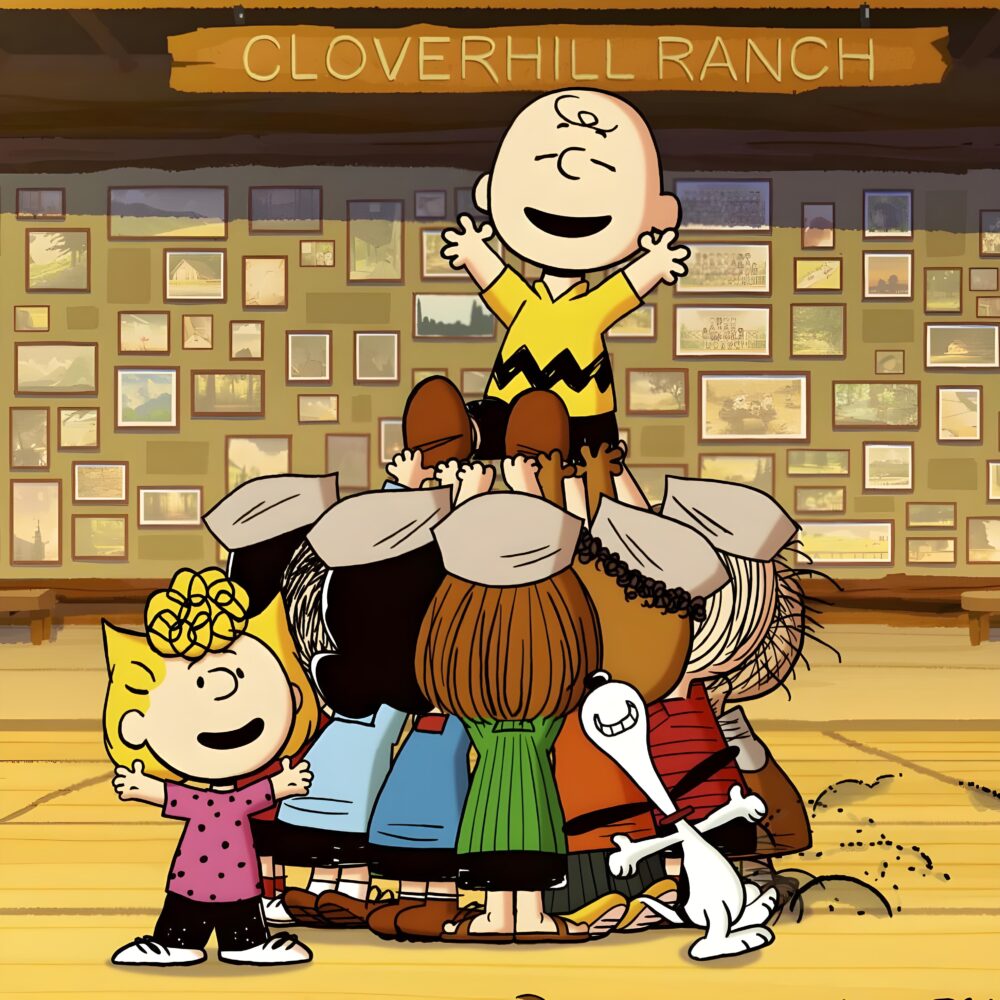
The premise is charmingly low-key and deeply nostalgic. The kids are headed to sleepaway camp at Cloverhill Ranch, a place that’s one part Camp Nowhere, one part 1960s watercolor memory. Charlie Brown is thrilled to return for what might be his final summer, but Sally—his ever-quirky younger sister—is less than thrilled. She doesn’t understand the camp rituals, hates the insects, loathes the freezing lake, and quickly turns her dread into a showstopping musical number about lumpy beds and regrettable breakfasts.
Yet, as the story unfolds, Sally begins to thaw. And so does the audience.
Nostalgia, Remixed Through Melody
The musical component is where this special truly sets itself apart. With five original songs anchoring the story, the special manages to balance Peanuts’ signature emotional restraint with genuine Broadway-worthy flourishes. Two songs come from veteran composing trio Jeff Morrow, Alan Zachary, and Michael Weiner—whose upbeat, lyrical sensibilities fit the early camp scenes like a well-packed lunchbox. The remaining three are penned by Ben Folds, whose entry into this world feels both unexpected and entirely perfect.
Folds approaches the material with warmth and complexity, avoiding the easy trap of infantilizing the themes. His trio of songs, “When We Were Light,” “Look Up, Charlie Brown,” and “Leave It Better,” give the special a soft melancholy edge. These aren’t just musical numbers—they’re soliloquies set to melody. Especially in the final act, his music plays a vital narrative role, replacing pages of potential exposition with clean, emotional storytelling. The songs don’t talk down to kids, nor do they overshoot into melodrama. They exist in that rare middle space Peanuts has always thrived in—honest, quiet, and wise beyond their years.
Charlie Brown, the Optimist
One of the most interesting creative decisions in this special is its portrayal of Charlie Brown. Typically, Charlie is the lovable loser, eternally struggling, almost pathologically self-defeating. But here, he’s different. There’s a lightness to him. At camp, he’s in his element, genuinely happy, perhaps for the first time in years of animated specials. This joy makes his eventual fall back into doubt all the more affecting.
When Charlie learns the camp is being shut down after the summer due to low attendance, he takes it upon himself to save it. He rallies the troops to throw a fundraising concert, calling upon past campers and current misfits alike. This initiative isn’t born of blind hope—it’s born of deep emotional connection to a place that helped shape him. When things begin to fall apart on concert day, and the skies threaten the entire plan, Charlie’s despair is palpable. He reverts briefly to that familiar “Good grief” spiral. But through music and support, he climbs back out—an arc that feels more honest and redemptive than anything he’s been given since the golden days of the strip.
Snoopy’s Side Quest and the Heart of the Story
Snoopy, as always, has his own subplot—lighter in tone, but thematically rich. He finds what he believes to be a treasure map and sets off with Woodstock to uncover riches. Predictably, the riches turn out to be less financial and more sentimental, a message that dovetails beautifully with the main plot’s focus on memory and place. Snoopy doesn’t say a word, but he doesn’t have to. His expressions, movements, and musical cues tell the story of a character who is both comic relief and emotional glue.
This treasure hunt parallels Charlie Brown’s effort to save something intangible: a feeling, a memory, a shared space of joy. While Charlie organizes, Snoopy searches. Both are trying to preserve something they know they’ll miss when it’s gone.
A Schulz Legacy Brought Full Circle
What gives this special its extra resonance is the fact that it’s not just written by the Schulz family—it’s inspired by their real-life experiences. Craig Schulz, son of Charles Schulz, based the camp on Cloverleaf, a real ranch he once attended and, admittedly, hated. His memories—of leaving early, of feeling out of place, of being a reluctant camper—are stitched into the DNA of the story. Even the emotional turning points, especially Sally’s arc, feel like they’ve been lifted from real moments rather than manufactured story beats.
There’s a clear desire here to honor the spirit of Charles Schulz, not just in character design or tone, but in message. This isn’t a reboot for the sake of modernizing. It’s an evolution—written by someone who grew up inside this world, left it, and then returned with greater clarity.
Animation That Honors the Past Without Freezing In It
Visually, the special is a masterclass in restraint. The “enhanced 2D” style used here feels like a natural evolution of Schulz’s original work, not a reimagining. It retains the classic pen-and-ink feel, but adds subtle layers of depth—lighting, shading, textured brushwork—that give scenes a warmth they never had in earlier specials.
There’s a particularly stunning moment when the campers sing under a canopy of fireflies, with the sky painted in soft gradient hues and Snoopy howling gently at the stars. It’s one of those rare animated moments that feels painterly, even poetic.
The animation also sneaks in clever visual callbacks. Look closely, and you’ll see character models from the original 1950s comic strip making brief appearances, like time travelers visiting the next generation of Peanuts kids. These aren’t Easter eggs so much as love letters—small acknowledgments of the brand’s long, tender journey.
A Musical for the Peanuts Generation—and the One That Raised Them
Snoopy Presents: A Summer Musical is a celebration not just of summer camp and Peanuts nostalgia, but of the enduring emotional interiority that Charles Schulz built into these characters. It is, in many ways, a musical about holding onto what matters, even as the world changes around you. That message—whether filtered through Sally’s reluctant self-discovery, Charlie Brown’s quiet resilience, or Snoopy’s golden doghouse dreams—rings with surprising clarity in a world currently addicted to noise.
The songs don’t just entertain—they enrich. The characters don’t just rehash old beats—they grow, slightly, in small but meaningful ways. The story doesn’t just echo the past—it reframes it for a new audience, while never betraying the tone that made Peanuts a global institution.
Even the commercial tie-ins—Peanuts 75th anniversary mugs, Crocs, and Coach bags—can’t dilute the sincerity of what the creative team has pulled off here. This is the rare kind of branded content that doesn’t feel like content at all. It feels like art.
Final Verdict
“Snoopy Presents: A Summer Musical” is more than just a nostalgic callback or an anniversary cash-in. It’s a graceful, emotionally astute return to form—deepened by music, enriched by memory, and elevated by a creative team that clearly cares about the legacy they’re preserving. It’s bittersweet without being maudlin, hopeful without being naive. In short, it’s Peanuts done right.