
TL;DR: Sleep Awake has killer ideas and a few genuinely terrifying moments, but its routine stealth and dense, dry lore make large portions feel more sleepy than scary. Brilliant premise, mixed execution. A solid but inconsistent horror outing.
Sleep Awake
There’s a special kind of terror that only sleep-deprivation can conjure — that fuzzy, half-dreaming haze where the world feels just one skipped frame away from falling apart. When I first heard that Sleep Awake, the debut horror game from Eyes Out and Blumhouse Games, revolved around a global condition preventing humans from sleeping without facing lethal nightmares, I was immediately onboard. Not “mildly curious,” but late-night Reddit thread about cursed VHS tapesonboard.
The premise? Fantastic.
The vibes? Immaculate.
The execution? Well… let’s say it kept my eyes open, but not always for the right reasons.
Playing Sleep Awake feels like I stumbled into an all-nighter study session with a brilliant friend who keeps insisting they’re explaining something revolutionary, but their notes are messy, the timeline is scrambled, and they keep nodding off mid-sentence. The game wants to be a surreal stealth horror masterpiece — a Still Wakes the Deep-level experience — but too often the tension dissolves into tired mechanical déjà vu.
And yet, beneath the groggy pacing and textbook stealth, there are sparks of something great. Something ambitious. Something that could’ve been an instant horror classic if the gameplay had matched the vision.
A city where sleep is treacherous, and the world-building is dense enough to induce its own fatigue
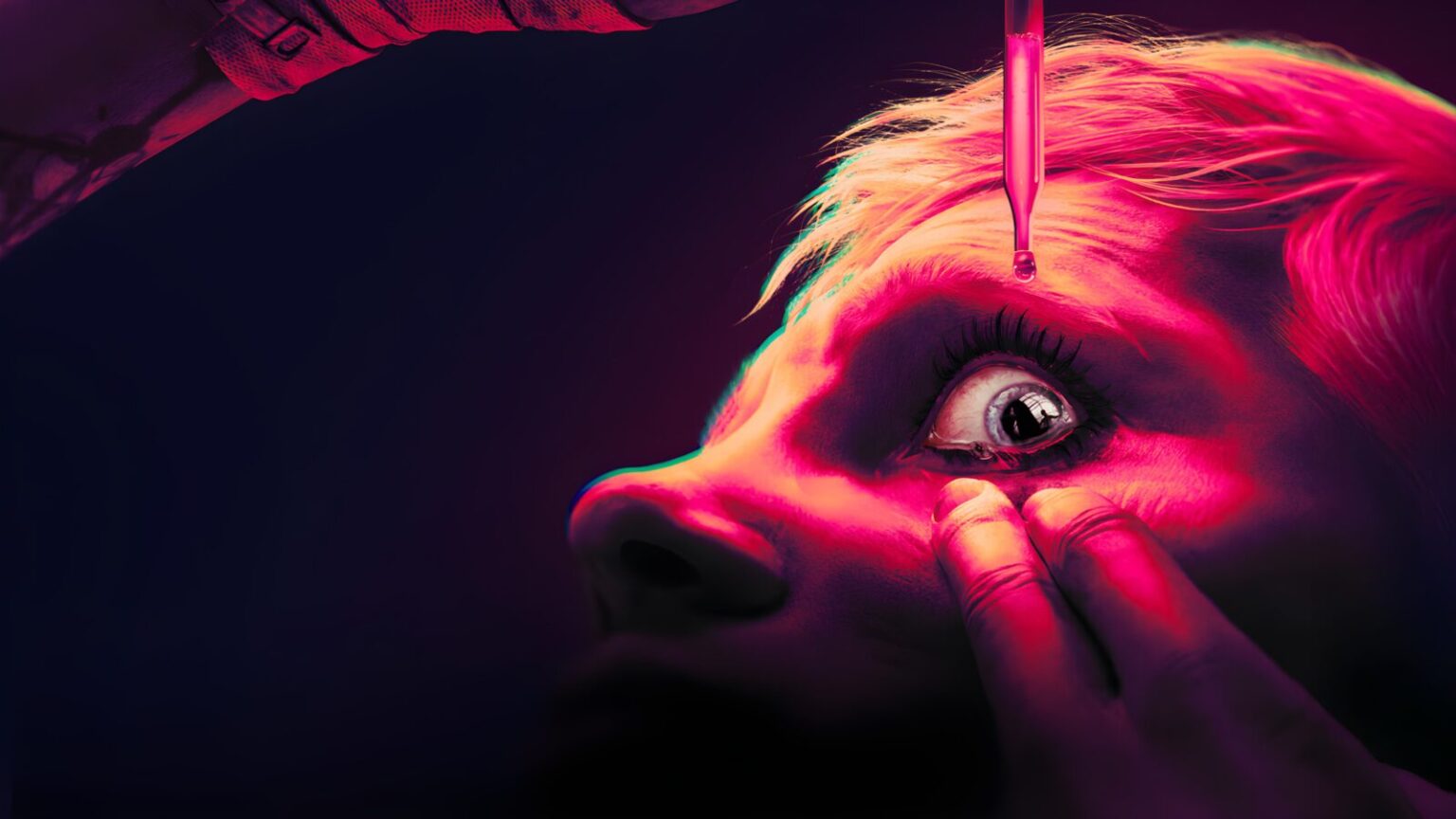
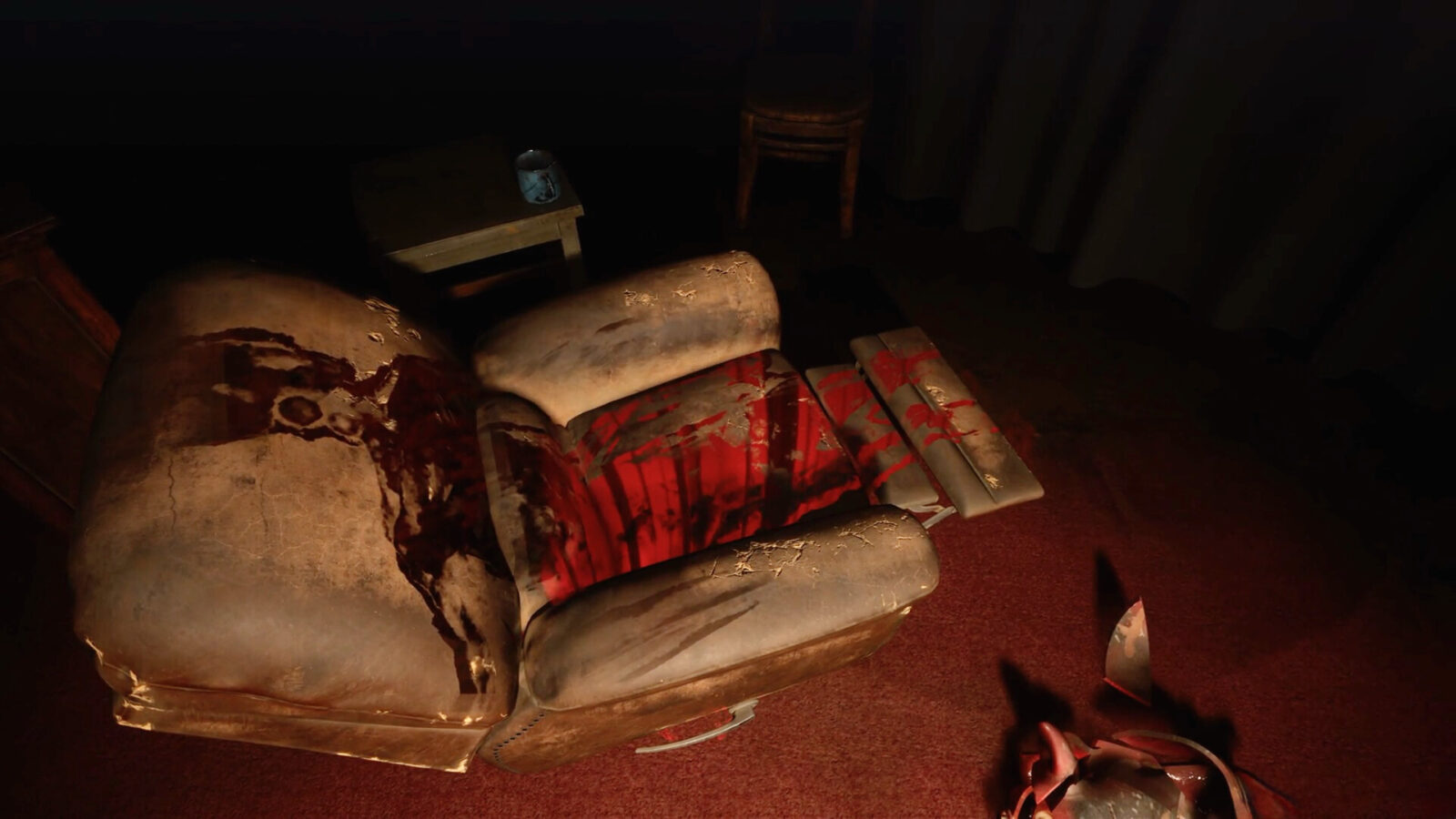
I start my journey as Katja, a woman who’s seen more tragedy than any one person should reasonably endure in a 3–4 hour runtime. She opens the game by mixing an illegal eye-serum narcotic, and this is the least distressing thing she does before breakfast. Her world is a dystopian police state filled with gas mask enforcers, totalitarian posters, collapsing housing blocks — the sort of environment that screams “we have OSHA violations in our nightmares.”
It’s an intriguing world, and the environmental storytelling occasionally hits beautifully bleak notes. But the fiction? Dense. Proper-noun dense. “Mysterious calamity known as The Hush” dense. The kind of dense that makes you feel like you walked into a sequel to a novel you never knew existed.

And look — I love complicated horror universes. I enjoy chewing through lore until my brain feels like it took psychic damage. But the textual flavor in Sleep Awake feels strangely dehydrated. The documents are dry, clinical, and long enough to make me consider investing in a second monitor just to manage the reading. It’s the narrative equivalent of eating a bowl of unseasoned rice crackers and being told they’re symbolic.
I kept waiting for something genuinely emotional to anchor me to Katja’s world. Instead, I spent most of the game parsing technobabble from characters who speak like they’re contractually obligated to withhold personality.
When the nightmares finally arrive, they’re too busy looking cool to actually scare you
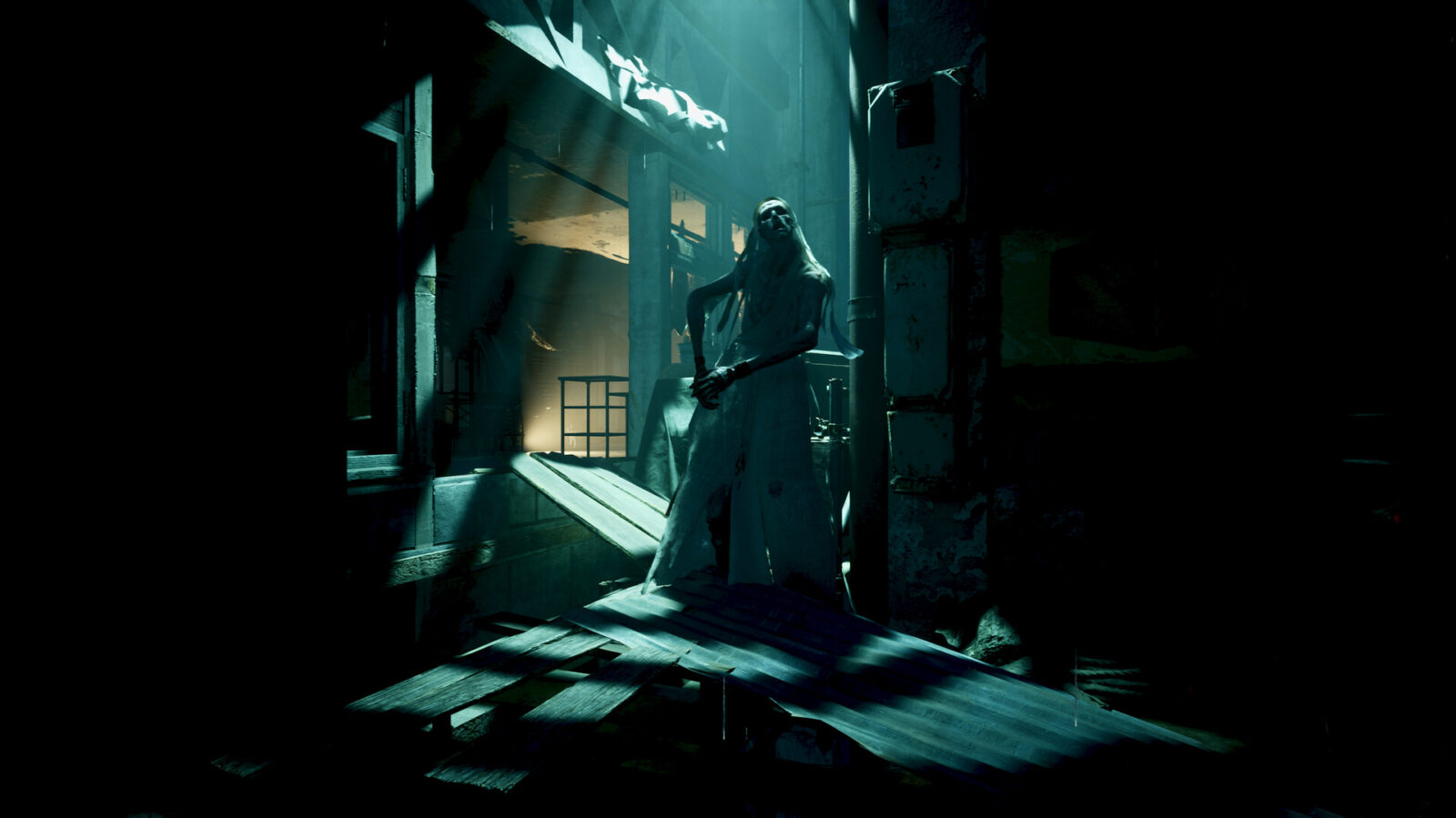
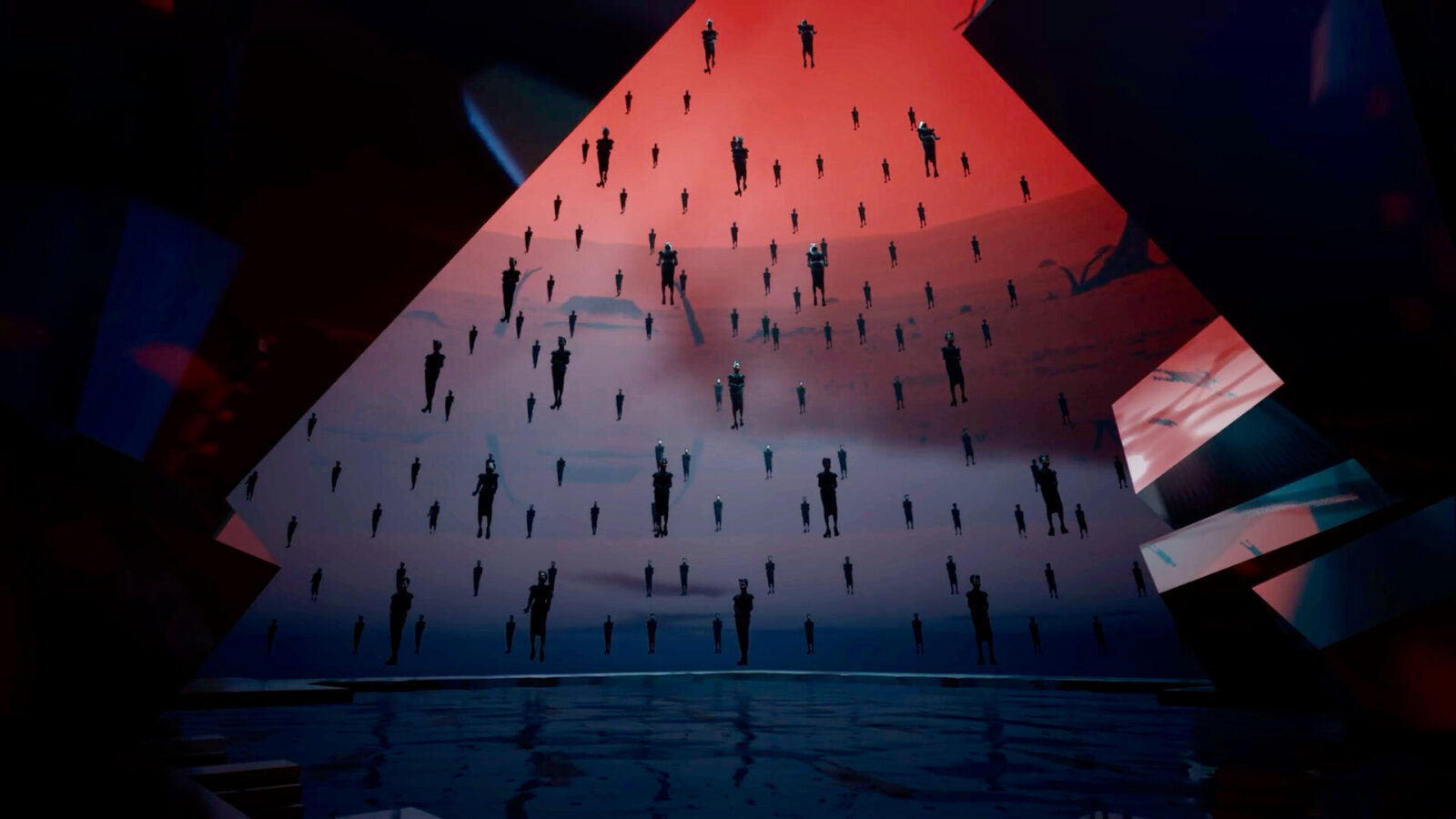
The thing is… Sleep Awake knows how to look disturbing. It nails that fever-dream aesthetic that’s more arthouse than outright terror. Filing cabinets slide out of walls like they’re performing interpretive dance. Hallways twist into spatial nonsense. Live-action screaming faces slam into the frame like someone slipped analog horror into my cutscenes.
But these moments often happen when I’m safe — too safe.
No threat. No pressure. No reason to feel anything except, “Huh. That’s neat.”
Horror imagery without fear is just a haunted museum tour: visually striking, emotionally weightless.
The rare moments where hallucinations and gameplay intersect? That’s when Sleep Awake briefly flirts with brilliance. But the game holds its best tools at arm’s length for most of the runtime, like it’s afraid I’ll misuse them.
Stealth so familiar I could do it in my sleep… which might be the biggest irony of all
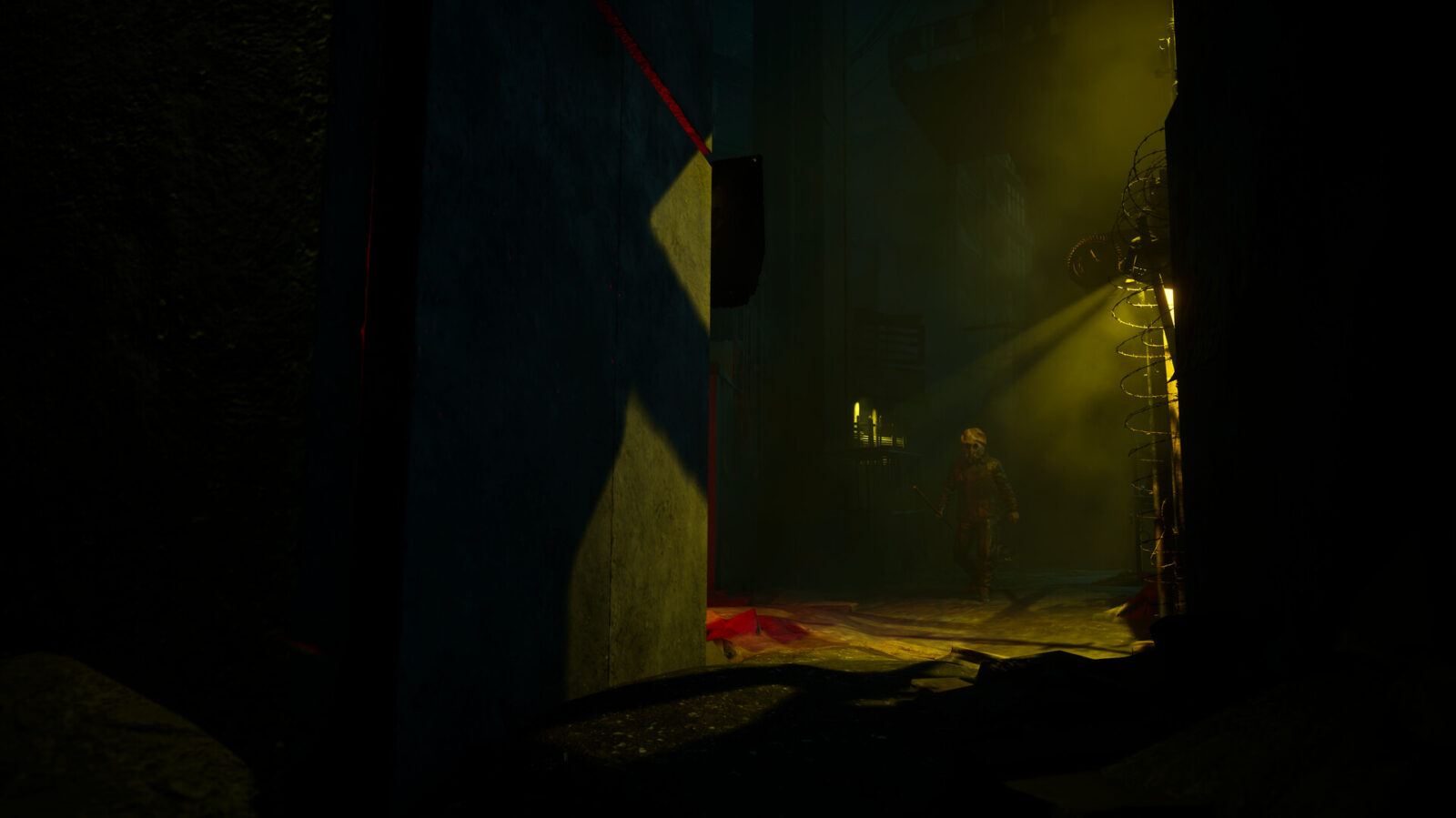
Most of Sleep Awake’s gameplay revolves around avoiding identical gas-mask men wielding the universal signifier of dystopian violence: big sticks. You crouch. You crawl through vents. You wait for patrol patterns. You hide behind environmental objects that scream “videogame stealth corner.”
And look, I love stealth. I’ve played Dishonored enough times to dream in chokehold button prompts. But the gas-mask guards here lack imagination, surprise, or anything beyond “threatening mall cops.” In a horror game built around hallucination and sleep-deprivation, these enemies feel painfully literal.
Compared to Still Wakes the Deep — a masterclass in turning a single creature into pure nightmare fuel — Sleep Awake’sprimary stealth threats feel like they wandered in from a canceled PS3 launch title.
They work. They function.
They are also the least frightening possible choice for this world.
Which is wild, because the late-game proves the developers can build something terrifying when they let themselves.
The second half wakes up — but only after you’ve yawned through the first
Around the midpoint, Sleep Awake suddenly remembers it’s a horror game. Out of nowhere, it hits me with a creature so unsettling and so cleverly designed around a “don’t look at it” mechanic that I physically tensed up. Its audio design? Perfect. Its threat? Real. This enemy alone feels like the thesis statement the rest of the game misplaced in a drawer.
But it arrives late.
Too late.
And it leaves too early.
It’s like the developers built a Ferrari engine and chose to install it in the final mile of a scenic bus tour.
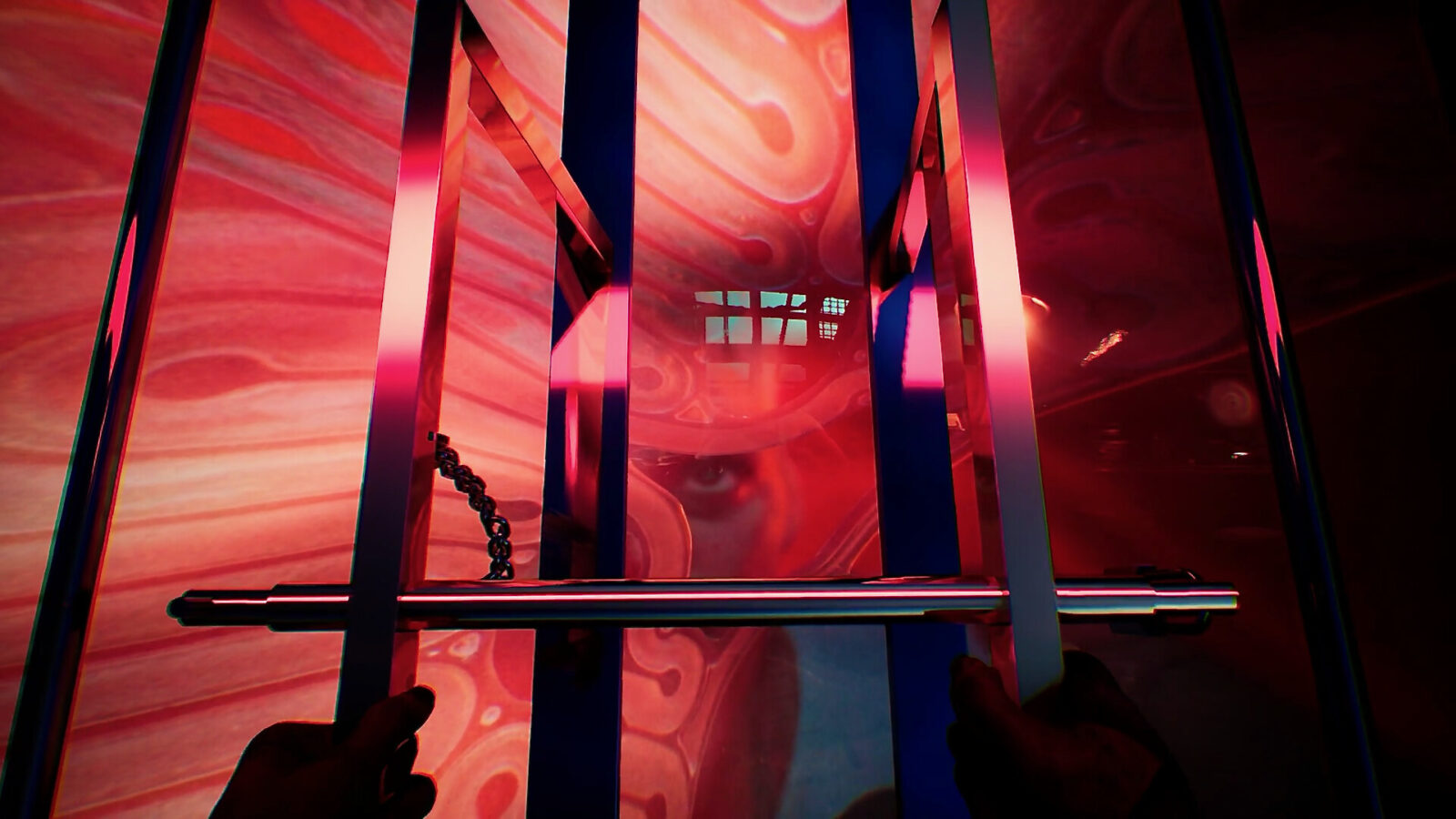
Another late-game monster also shows a spark of invention — not as successful, but still dripping with creativity miles ahead of the gas-mask brigade. Both of these enemies prove the studio has real horror potential. Enough that I feel confident saying Sleep Awake could’ve been unforgettable if its best ideas weren’t siloed into the final stretch.
Instead, the emotional arc of playing it went like this:
- Hour 1: “This world is wild.”
- Hour 2: “Okay but where is the gameplay tension?”
- Hour 3: “Why am I still sneaking past the same three dudes?”
- Final stretch: “HOLY—why didn’t you do this earlier??”
- Credits: “I’m both impressed and annoyed.”
A brilliant premise burdened by familiar design
Sleep Awake feels like the horror game equivalent of a lucid dream you can’t fully control. The ideas are ambitious. The imagery is bold. The audio stabs you with sharp little needles of dread. But the mechanical backbone is too safe, too familiar, too unwilling to take the risks its story screams for.
Eyes Out clearly has the vision to create something extraordinary. But here, they’ve built a game that’s half uncut nightmare fuel and half stealth sections I’ve already played in a dozen other titles.
And much like its insomnia-afflicted world, the game feels stuck between states — half awake, half dreaming, unsure which one it really wants to live in.
Verdict
Sleep Awake is a horror game with a phenomenal concept and flashes of nightmarish brilliance that suggest a studio with real potential. But too much of the experience leans on unremarkable stealth, dry world-building, and enemies who feel like leftovers from older, safer games. The second half finally finds its footing with inventive threats and stronger imagery, but by then, much of the tension has already slipped away. A visually striking, occasionally chilling, but uneven entry in the stealth-horror space.