

TL;DR: Slay the Spire 2 keeps the brilliant deck-building foundation of the original game but enhances it with new characters, refined mechanics, upgraded visuals, and co-op play. It may look familiar at first glance, but its thoughtful improvements make it the definitive version of the Spire experience and one of the strongest roguelike deck-builders available today.
Slay the Spire 2
The moment I heard Slay the Spire 2 was real, I felt a weird mix of excitement and dread that only happens when a sequel follows a game that practically colonized your brain. Slay the Spire wasn’t just another indie roguelike deck-builder for me; it was that dangerous “one more run” machine that somehow swallowed entire evenings without warning. I’d sit down for what I swore would be a quick climb up the Spire and suddenly it would be 2 a.m., my tea was cold, and I was muttering at my monitor because the Heart just annihilated the carefully engineered deck I had spent forty minutes crafting. So when Slay the Spire 2 arrived in early access, I didn’t want a revolution. I didn’t want Mega Crit to completely reinvent the genre it basically helped define. If I’m being brutally honest, I just wanted the same magic again, maybe with a few clever twists so I could pretend I wasn’t replaying the exact same obsession.
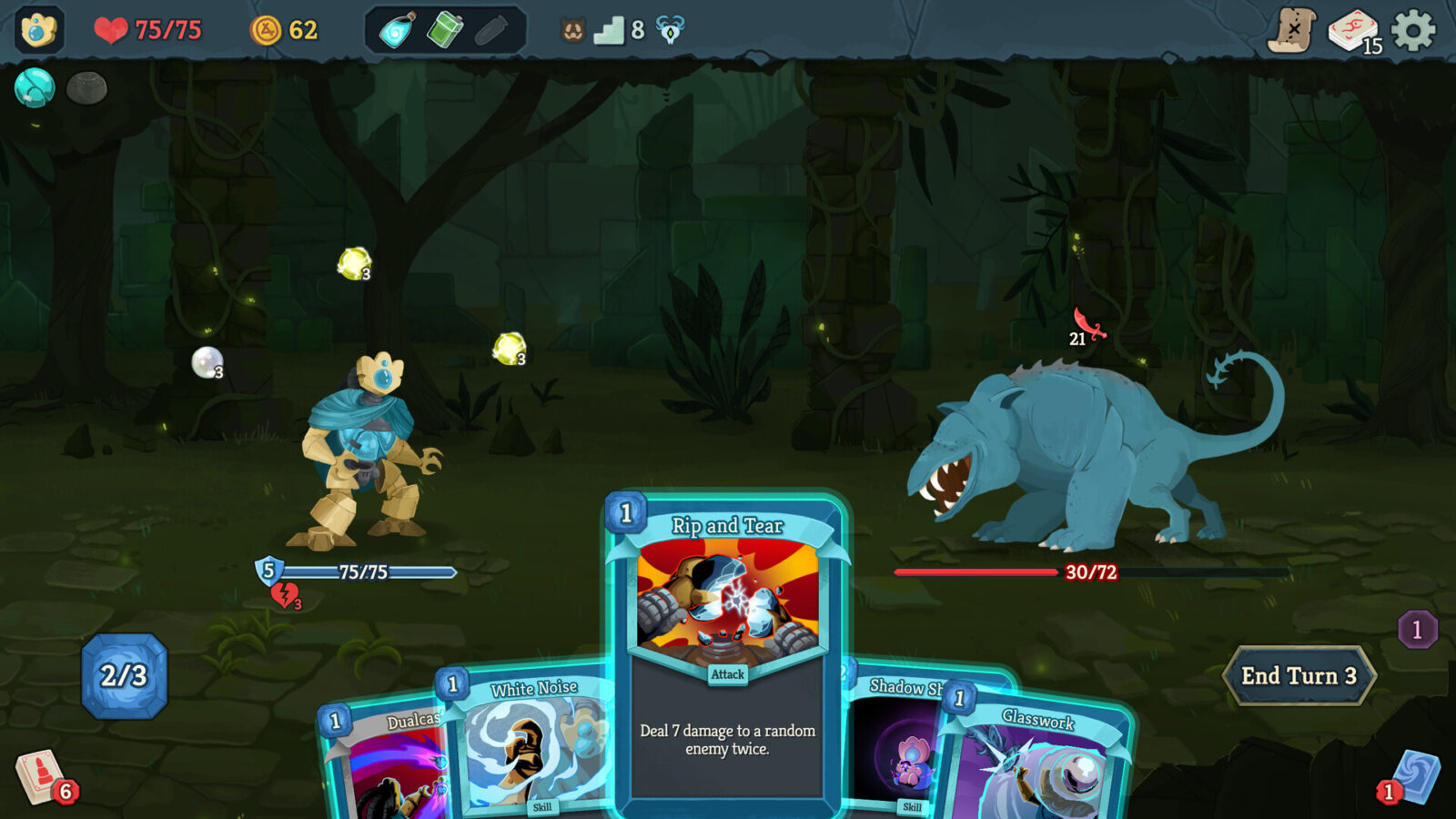
After about seventeen hours with Slay the Spire 2, I’ve come to terms with something funny: this sequel absolutely understands that desire. It knows exactly what players loved about the first game and refuses to toss it out in the name of innovation theater. The familiar rhythm is still here. You pick a character, chart a route up the tower, build a deck card by card, and hope that the fragile ecosystem of attacks, defense, relic bonuses, and energy management you’ve assembled doesn’t collapse under the pressure of a brutal boss encounter. The core loop remains one of the cleanest, most elegantly addictive systems in modern strategy games, and the sequel wisely treats that foundation like sacred ground rather than something that needs to be blown up and rebuilt.
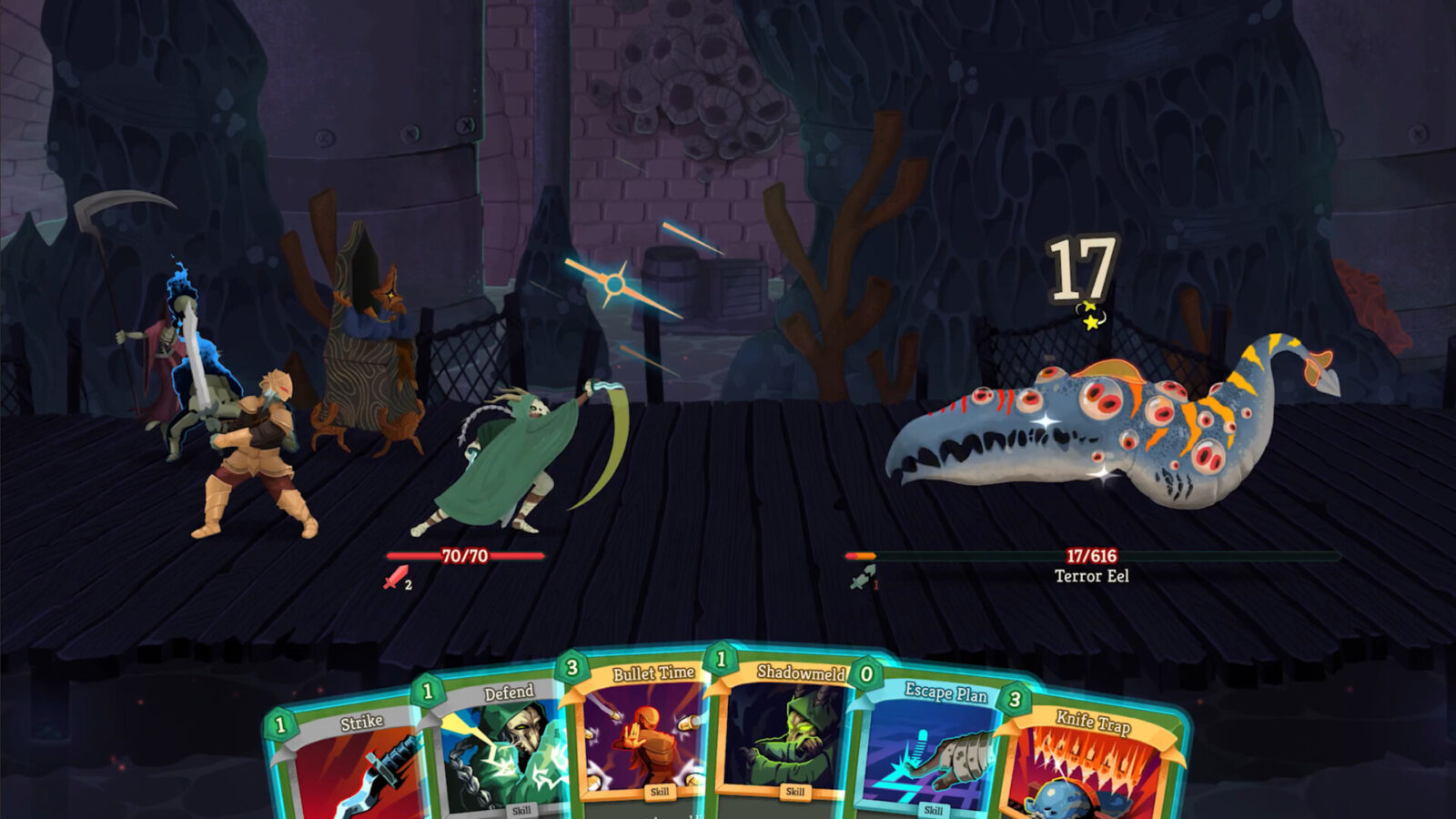
Returning players will immediately recognize the old crew. The Ironclad still embodies brute force with his risky health-based mechanics, the Silent still rewards delicate planning with poison stacking and intricate combos, and the Defect remains the weird science experiment of the roster, juggling orb mechanics that feel half strategy game, half electrical engineering puzzle. Sliding back into these characters feels like opening a favorite save file from years ago, except the game quickly reveals that your old habits don’t quite work the same way anymore. Cards interact differently, enemies behave in new patterns, and strategies that once felt bulletproof suddenly need rethinking. That subtle shift creates a strange sensation where the game feels familiar enough to be comfortable but unpredictable enough to stay exciting.
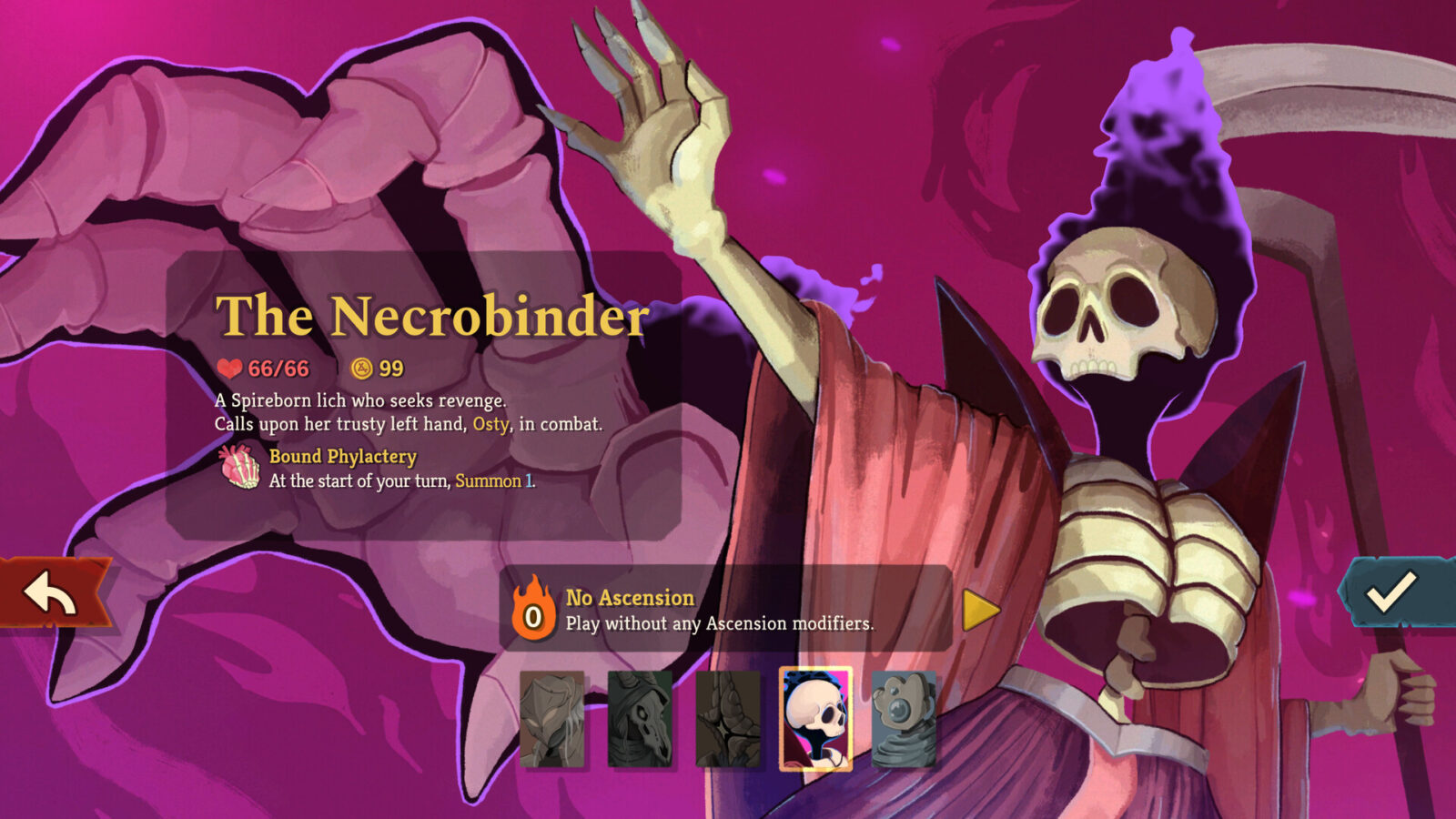
The real spark of freshness comes from the new characters. The Necrobinder, in particular, immediately became my personal favorite because the entire playstyle revolves around a skeletal companion named Ostry. Controlling a character who literally drags a skeleton hand into battle sounds like the setup for a gimmick, but in practice it adds a fascinating tactical layer. Ostry functions as a hybrid of shield, damage dealer, and occasional lifesaver depending on how you build your deck. There were moments during my runs where the skeleton absorbed lethal damage at the exact right time, and I genuinely felt grateful to this little pile of animated bones like it was a loyal RPG party member rather than a mechanic in a card game. Other runs ended with Ostry being instantly destroyed and me staring at the screen wondering how my carefully planned strategy had unraveled so quickly. That push and pull between control and chaos is exactly the kind of dynamic Slay the Spire thrives on.
The Regent introduces another interesting wrinkle by adding a second resource to manage during combat. That might sound like a small tweak, but in a deck-builder where every point of energy matters, introducing a parallel resource system subtly reshapes the entire pacing of fights. Suddenly the decision to play a card isn’t just about the immediate effect but about the future tempo of the encounter. I found myself hesitating over choices that would have been automatic in the original game, which is exactly the kind of design trick that keeps long-time players engaged without overwhelming newcomers.
A lot of people online have thrown around the phrase “this feels like DLC,” and I understand why that reaction exists. At a glance, Slay the Spire 2 looks very similar to its predecessor. The structure is nearly identical, the card-based combat remains intact, and the overall flow of climbing the tower hasn’t radically changed. But the deeper I played, the less that criticism made sense. This sequel isn’t trying to reinvent the formula because the formula was already brilliant. Instead, Mega Crit has taken a scalpel to every part of the system, refining mechanics, adding new relics, adjusting card interactions, and creating enemy encounters that punish old habits. The cumulative effect is subtle but powerful. Each run feels just different enough to force fresh thinking while still delivering the strategic satisfaction that made the original game legendary.
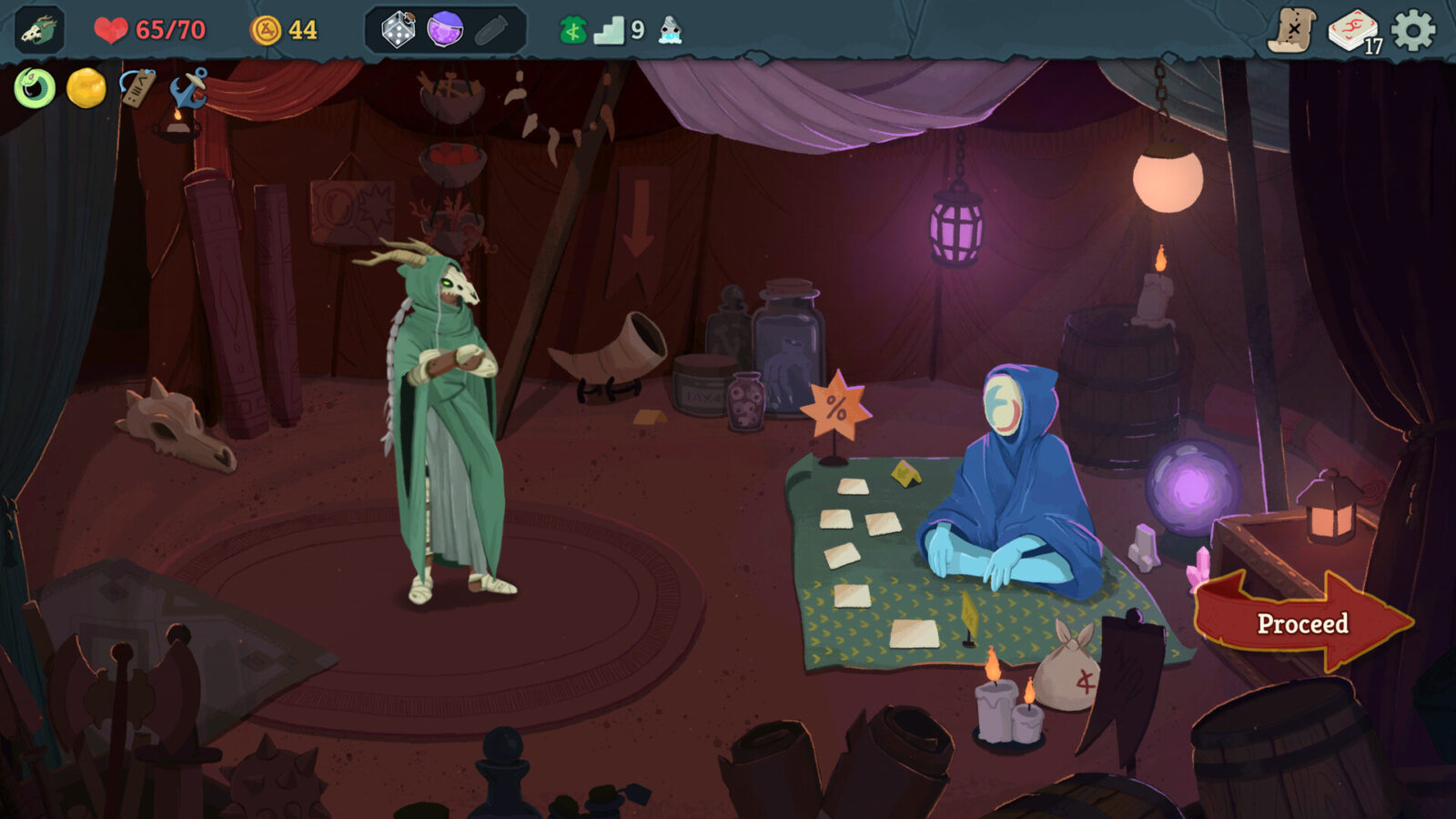
One of the most surprising upgrades comes from the visual presentation. The first Slay the Spire had a certain indie charm, but it was never the kind of game you booted up for visual spectacle. The sequel doesn’t suddenly transform the experience into some hyper-detailed AAA showcase, yet the improvements are obvious the moment combat begins. Animations are smoother, character art carries more personality, and enemies feel more alive in motion. The tower itself also feels richer and more atmospheric, as though the world has finally caught up with the strength of the gameplay design. There’s also more narrative texture scattered throughout the experience, including a timeline that expands the lore of the Spire in ways I never realized I wanted from a deck-building roguelike.
The new cooperative mode adds another dimension to the experience that feels both chaotic and strangely brilliant. Playing Slay the Spire with friends transforms the careful solitude of the original into something closer to a strategic board game night. Every decision becomes a group discussion, every relic pickup sparks debate, and every disastrous mistake turns into collective laughter or collective despair depending on the outcome. Watching different players bring their own deck-building philosophies into the same run creates unexpected combinations that you’d probably never discover alone. Sometimes the synergy is incredible, and other times the entire plan collapses into hilarious failure, which somehow feels perfectly in the spirit of the series.
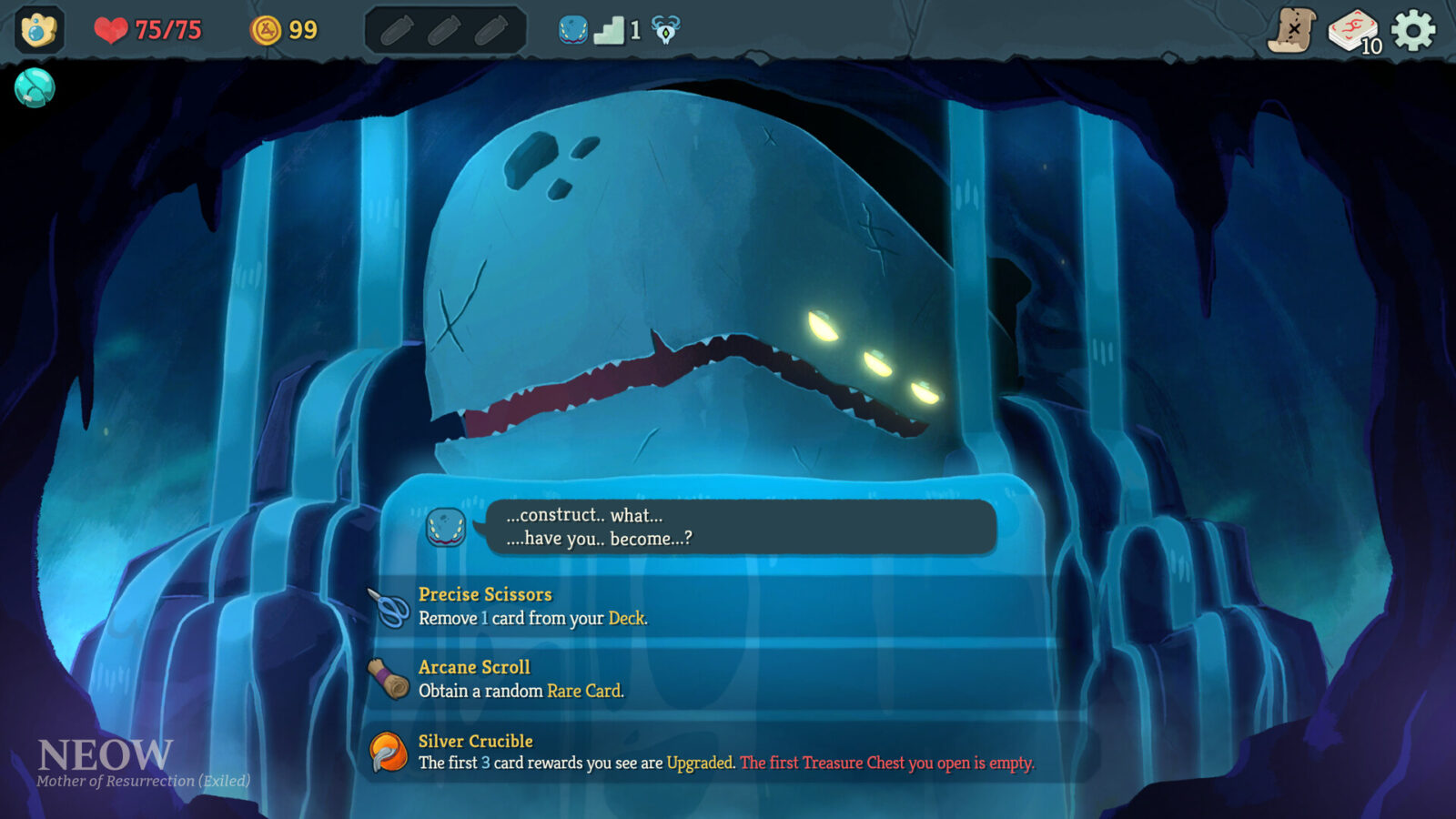
Even in early access, Slay the Spire 2 already feels remarkably complete. There are still balancing tweaks to come and the occasional placeholder art asset that looks like it escaped from a developer’s quick sketch pad, but those rough edges barely register once a run gets going. The strategic depth remains as intoxicating as ever, and the small design improvements accumulate into something that feels less like a sequel chasing novelty and more like the definitive evolution of the genre.
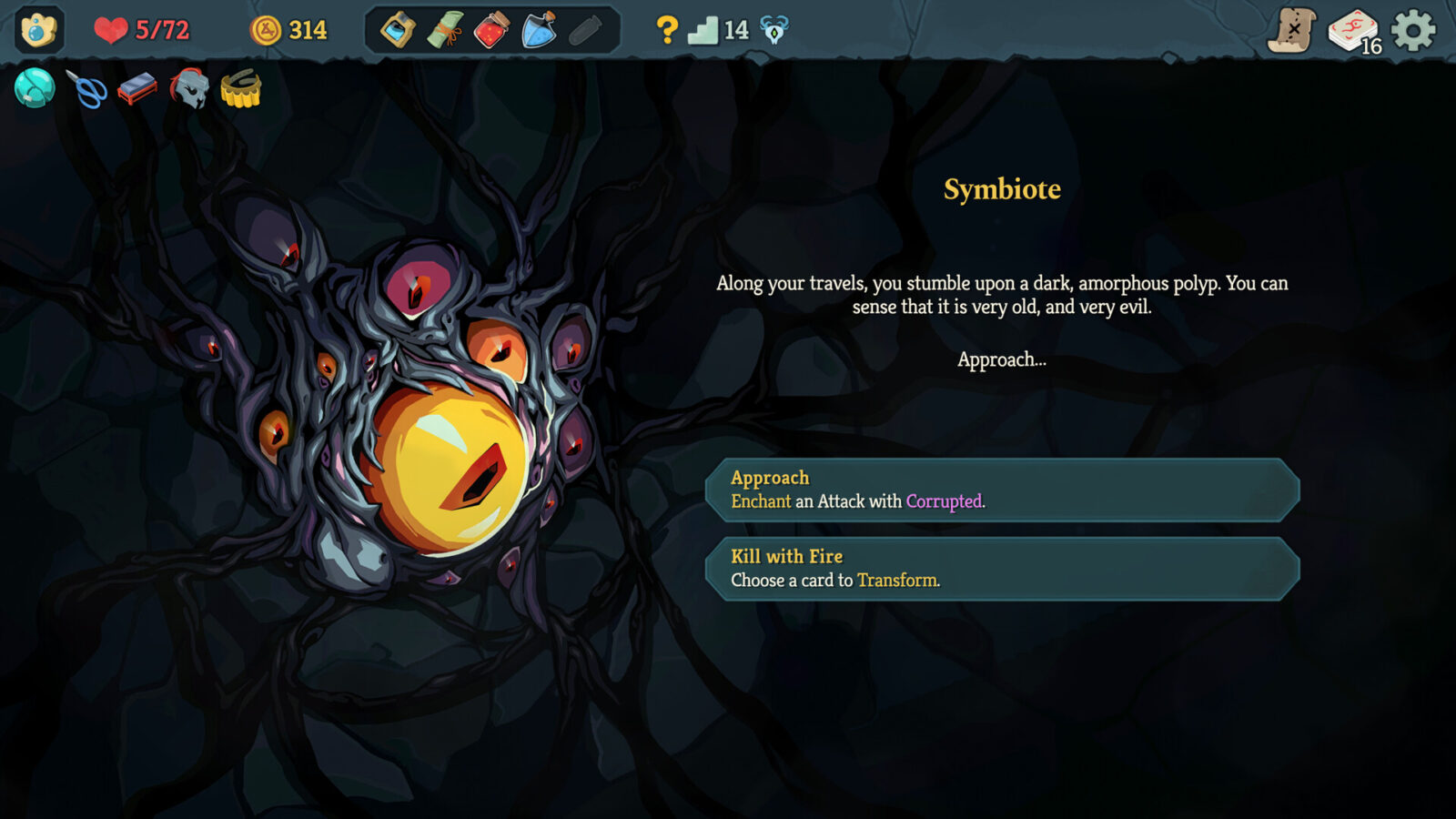
What fascinates me most about Slay the Spire 2 is how comfortable it is with restraint. In a gaming industry obsessed with bigger, louder, and more radically different sequels, Mega Crit chose the opposite approach. Instead of dismantling what worked, they expanded it carefully, adding layers and polish until the entire system feels sharper and more refined. That design philosophy might not generate flashy marketing headlines, but it results in something far more valuable: a sequel that understands exactly why players fell in love with the original game.
Verdict
Slay the Spire 2 doesn’t attempt to reinvent the roguelike deck-builder formula that made the original game so beloved. Instead, it refines that formula with new characters, smarter mechanics, improved visuals, and cooperative gameplay that expands the experience in meaningful ways. What initially looks like a modest sequel gradually reveals itself as a deeply polished evolution of one of the most addictive strategy games ever made. It respects the original while quietly raising the bar for the entire genre.