
TL;DR: The Samsung Galaxy S26 Ultra is a flagship that trades bold innovation for rock-solid consistency delivering excellent performance, a versatile camera system, and genuinely useful features like Privacy Display, but at a price that’s harder to justify in a market that’s finally catching up.
Samsung has released the Galaxy S26 Ultra into a market that no longer rewards big promises on specs alone. At the top end of the smartphone category, every major flagship already has a fast chip, a bright screen, a big battery and a long list of AI tools.
That means the S26 Ultra has to justify itself differently. It does that from a premium starting point: 256GB and 512GB models come with 12GB of RAM, while the 1TB version steps up to 16GB, and Samsung is positioning the phone around its 6.9-inch display, 200MP main camera, built-in Privacy Display, customized Snapdragon 8 Elite Gen 5 chip and 5,000mAh battery. Samsung also claims a 21% thermal improvement through a redesigned vapor chamber, peak brightness of 2,600 nits, and faster 60W charging.
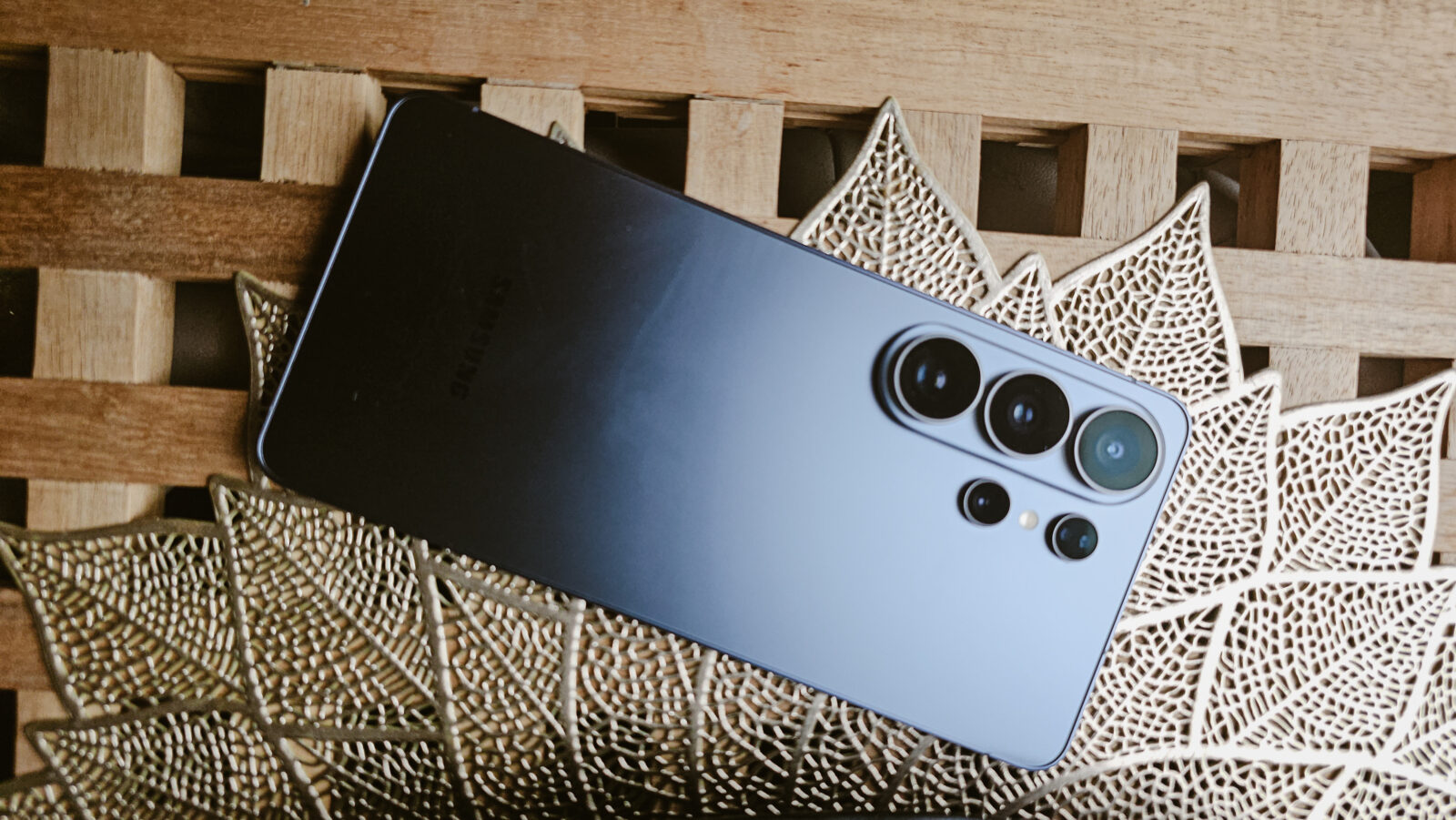
After a week of using it in, that positioning makes sense. It sells itself on being hard to trip up. The S26 Ultra feels built for people who want a phone that simply works, feels familiar and that is the real justification for the price.
It is for users who will actually use the zoom, record a lot of video, run their phone hard, and care about display privacy in public spaces. However, it is less convincing for someone who just wants a big Samsung phone and upgrades every year.
Display
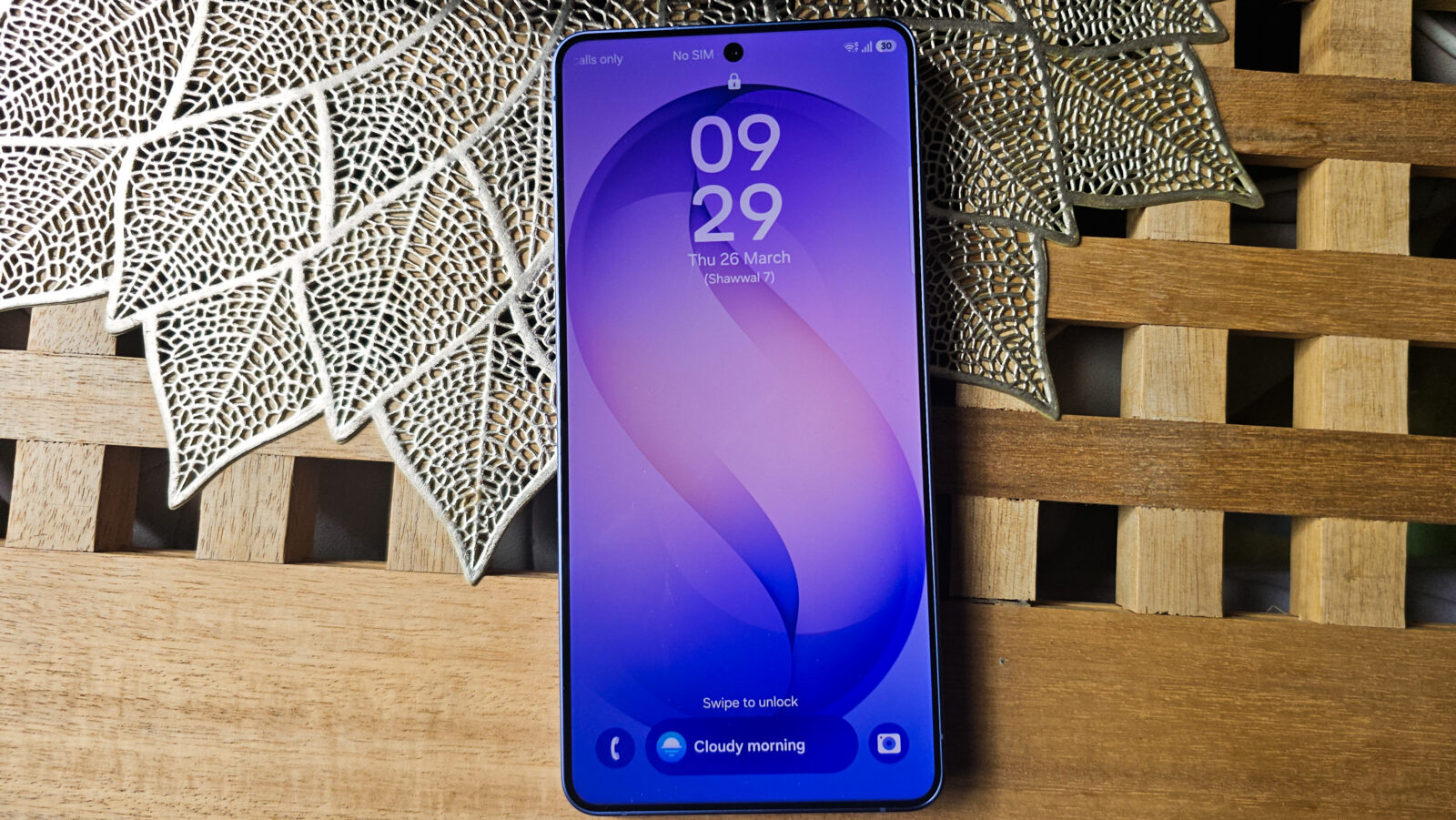
The display is one of the easiest things to appreciate quickly. Samsung gives the S26 Ultra a 6.9-inch Dynamic AMOLED 2X panel, and on paper that is exactly what you expect from an Ultra device. The more useful addition is Privacy Display. It as a built-in privacy screen that keeps the panel visible head-on while dimming it from side angles, and it can be set to work across the whole screen or only for certain apps and notifications.
In practice, that feature is genuinely useful. It is not something I would keep on all day, because there is a visible trade-off in clarity and brightness, but in public spaces it makes sense. On a flight, in a coffee shop, in a meeting, or even just when replying to messages in a busy room, it adds a layer of control that most flagship phones still do not offer. It feels less like a gimmick and more like a feature Samsung thought through properly.
Outside of that, the screen is simply very good. It gets bright enough to stay usable outdoors, and that matters. It goes up to 2,600-nit peak brightness and image processing has improved through its updated display pipeline and the panel stays readable, color-rich and stable in bright conditions.
Camera
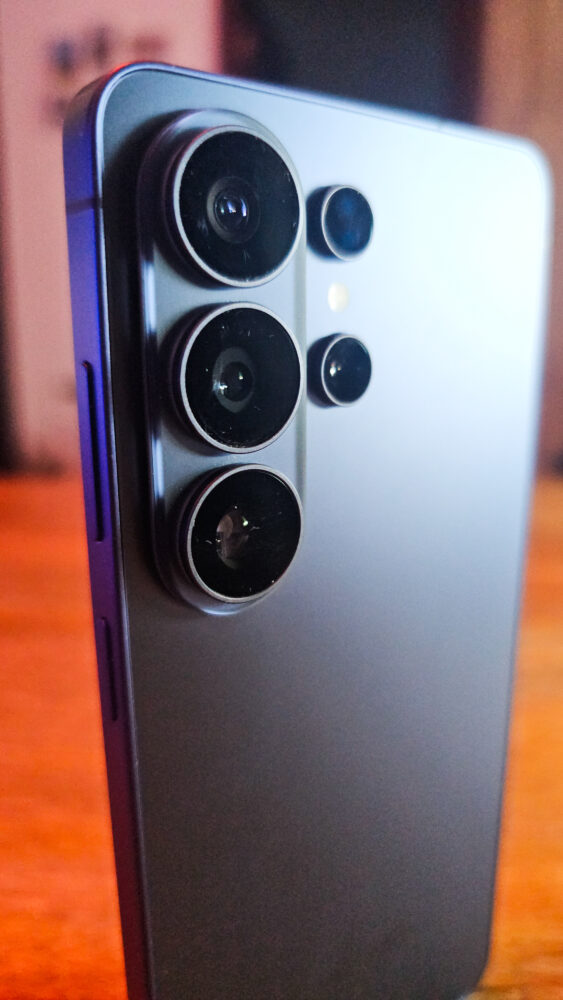
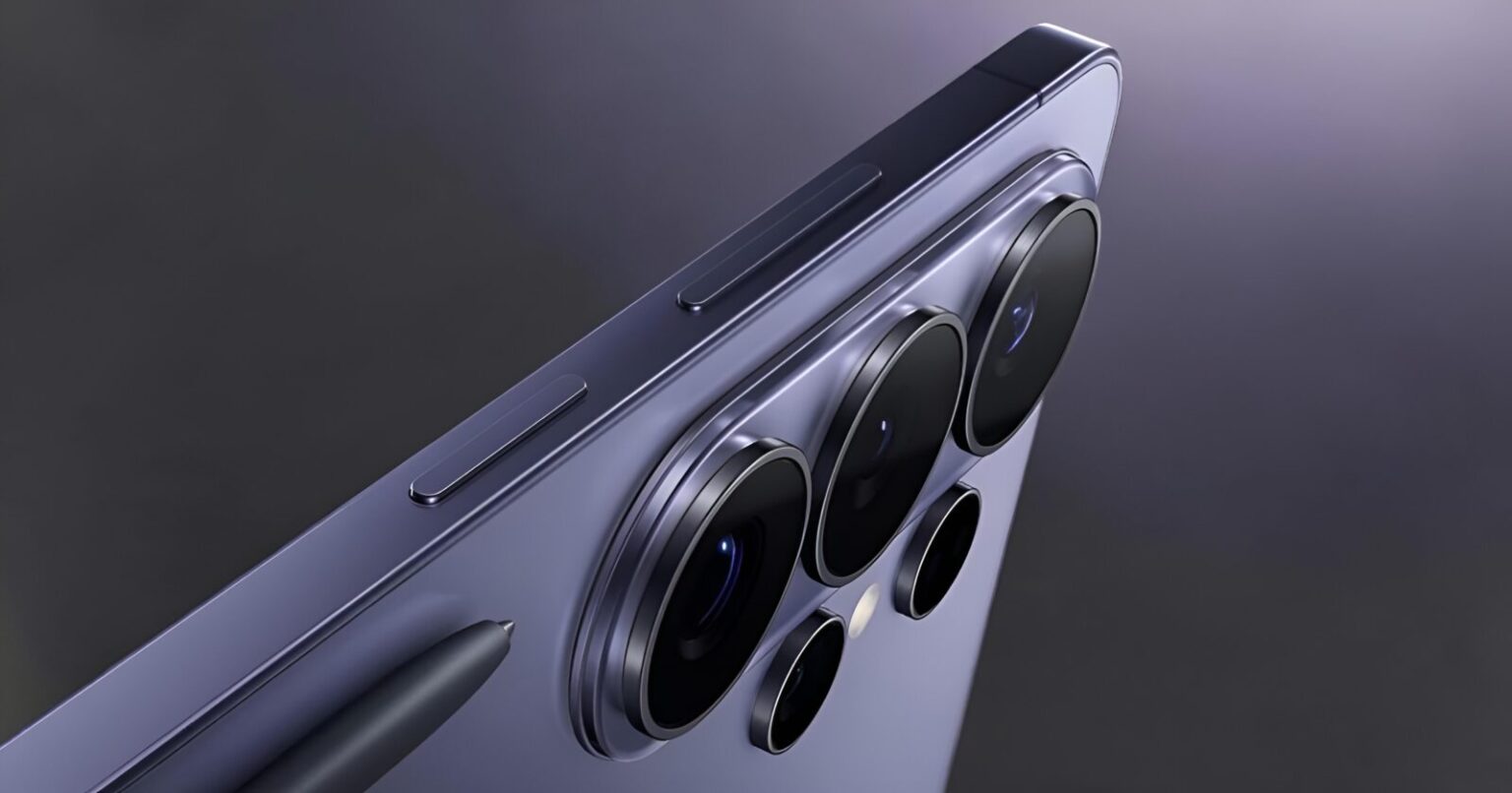
The camera is still the main reason to consider the S26 Ultra over cheaper Android flagships. The S26’s camera hardware hasn’t changed too much: a 200MP main camera with an f/1.4 aperture, a 50MP ultra-wide, a 50MP telephoto with 5x optical zoom and 10x optical-quality zoom, plus a 10MP 3x telephoto. It also leans heavily on Nightography video, ProVisual Engine and AI Zoom as key parts of that package.
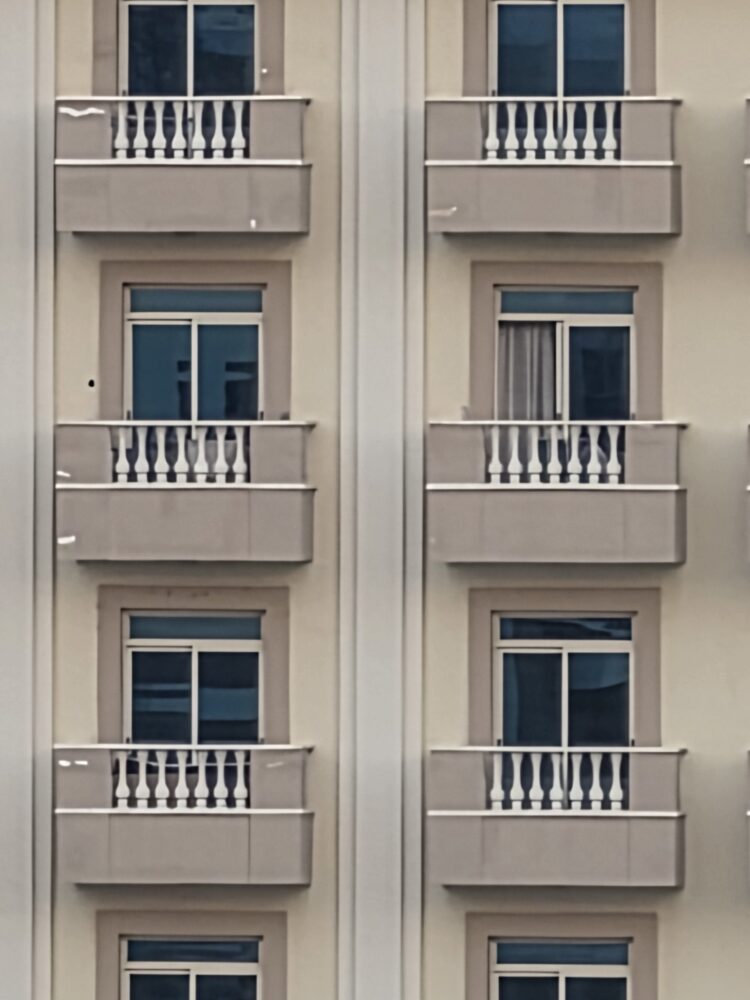
The zoom has vastly improved as you can see in these night time shots here.
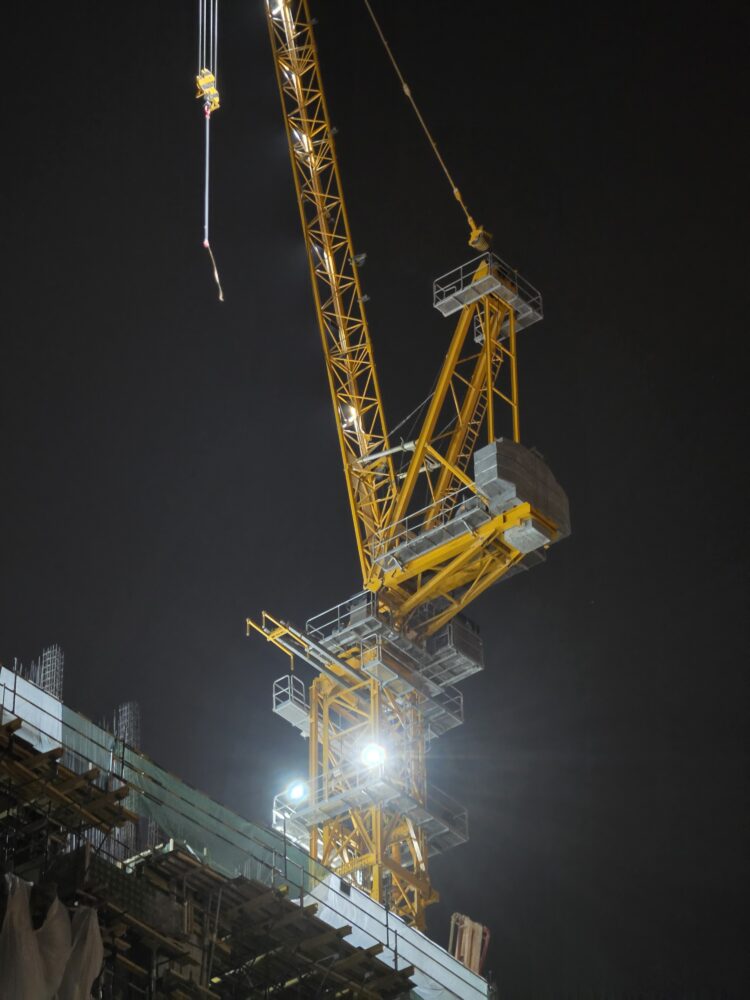
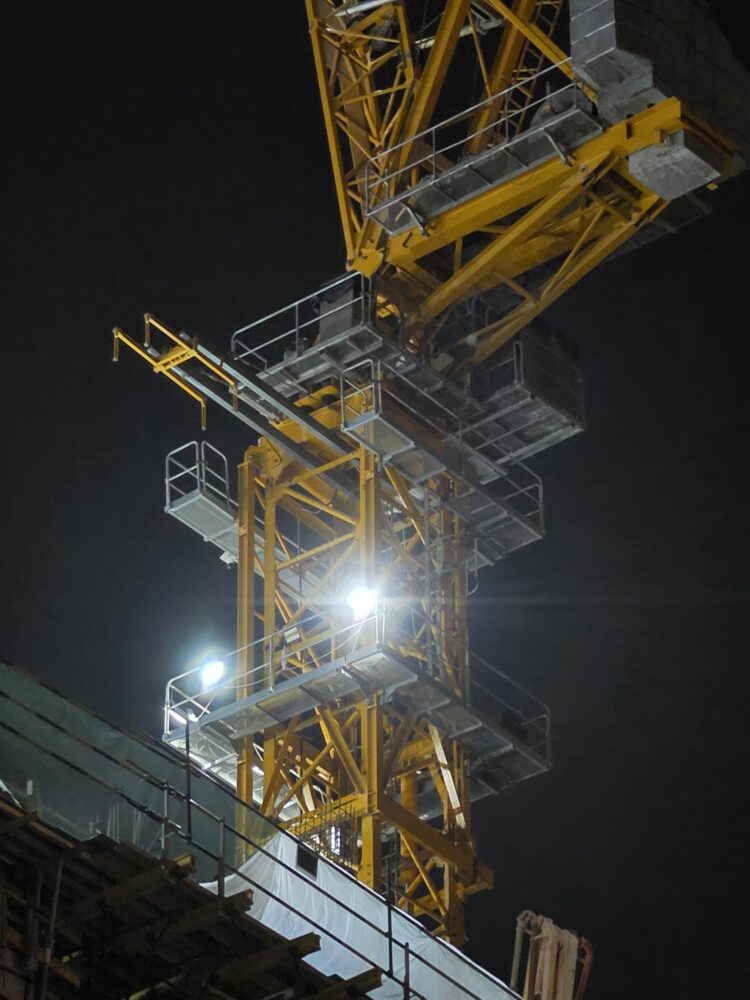
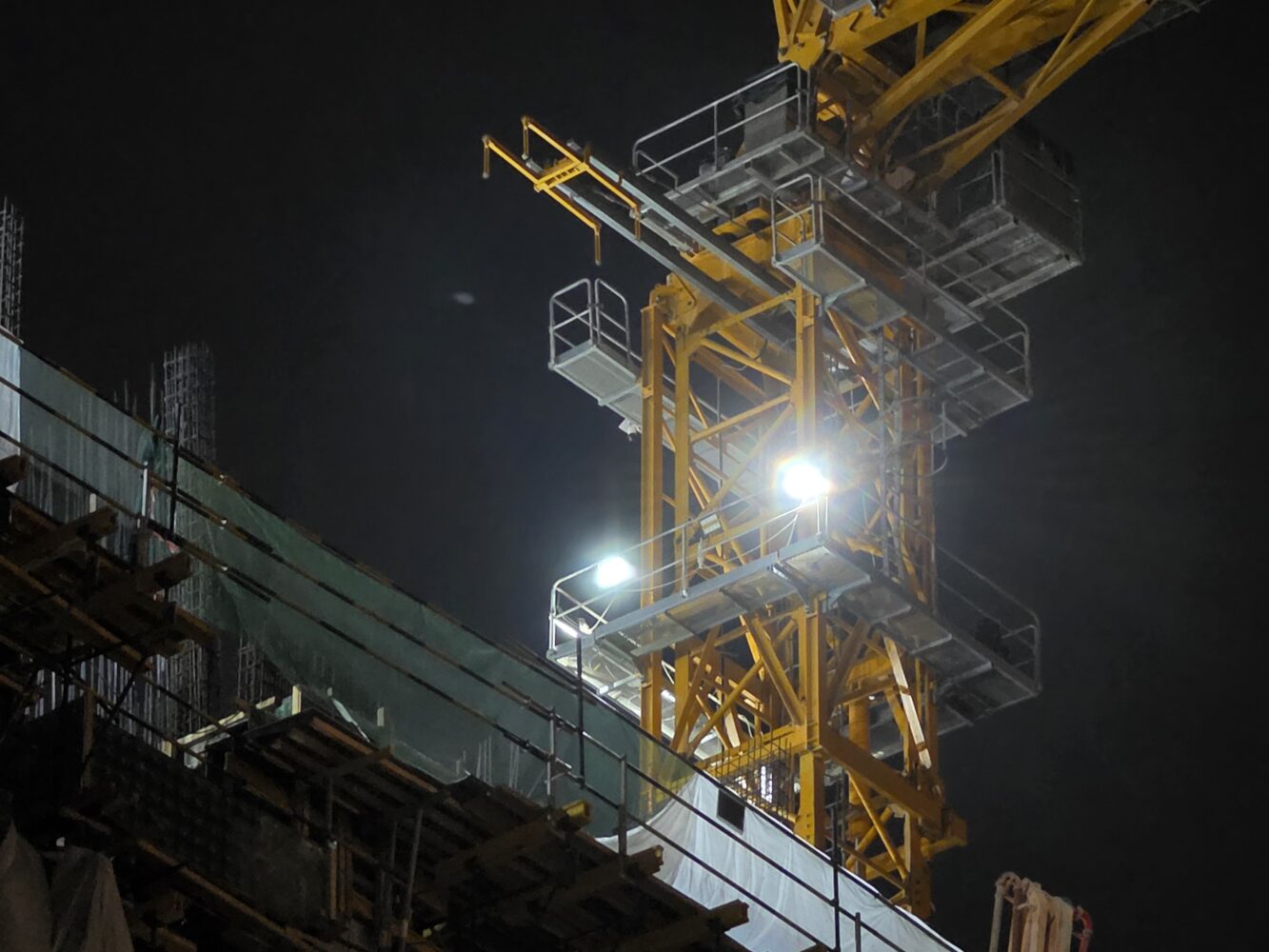
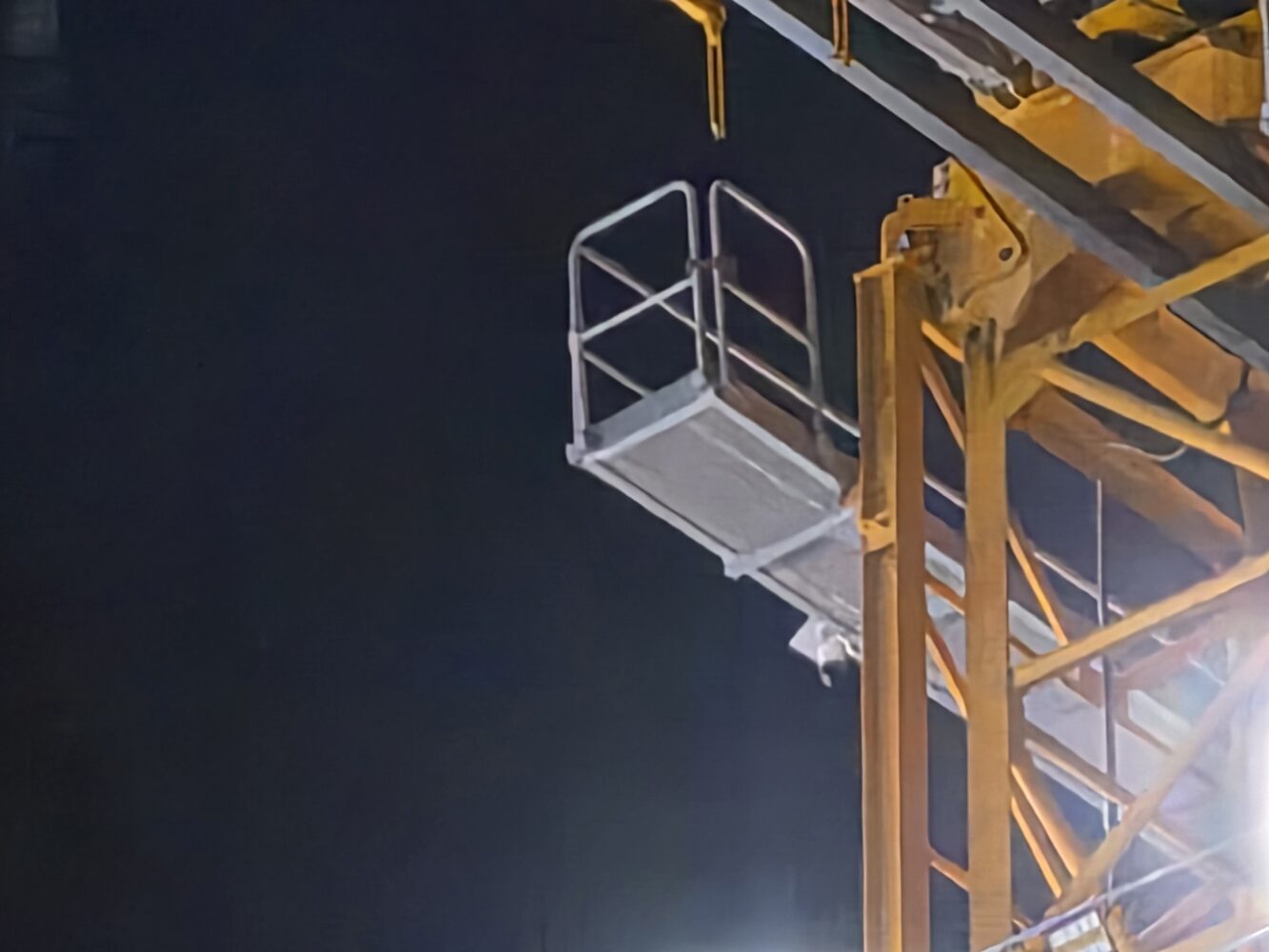

After a week of use, the main strength is how good the software is. The phone gives you range. You can shoot wide, zoom in hard, switch to video, and still feel like the output belongs to the same camera system. That is not always true on flagship phones. Samsung has clearly put work into keeping the look coherent across lenses.
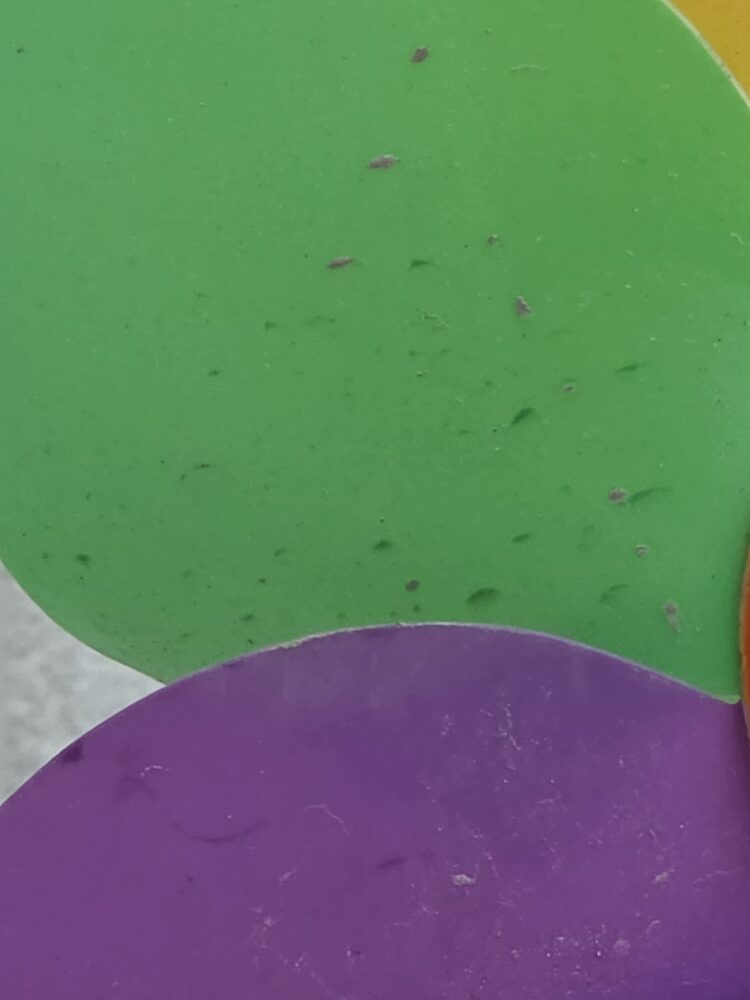
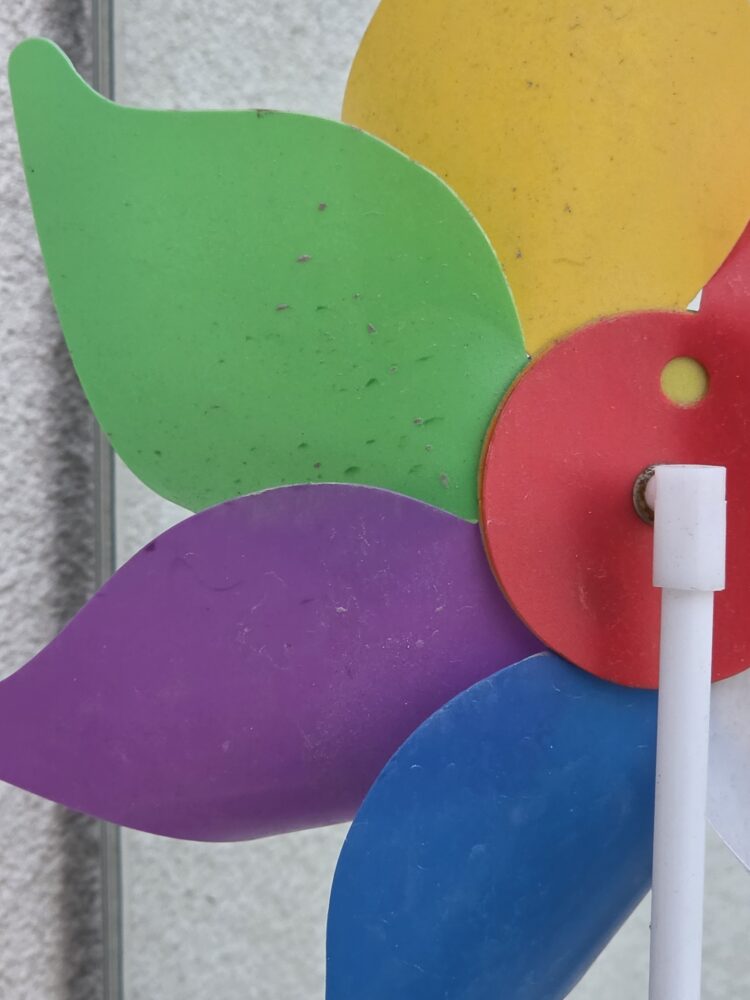
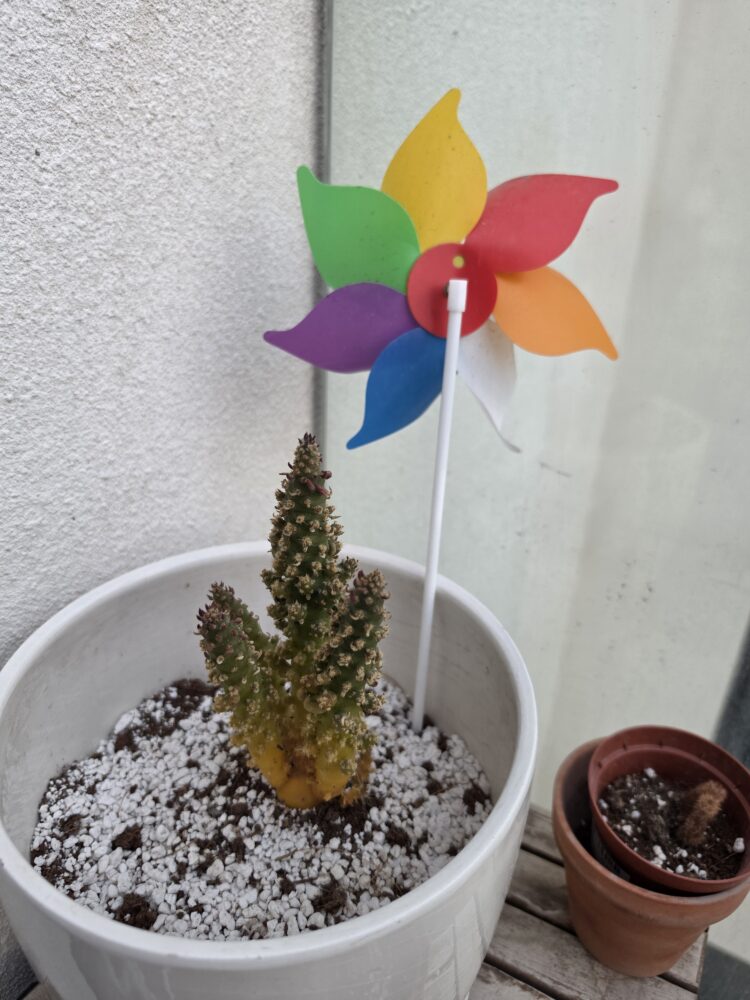
The steady video feature is one of the best parts of the experience. Walking shots look cleaner, movement is less distracting, and footage feels more usable straight out of the phone. It is not a substitute for a gimbal, but it closes the gap enough that many people will not bother carrying one. If you film social content, event coverage or quick reels regularly, it is one of the most practical reasons to like this phone.
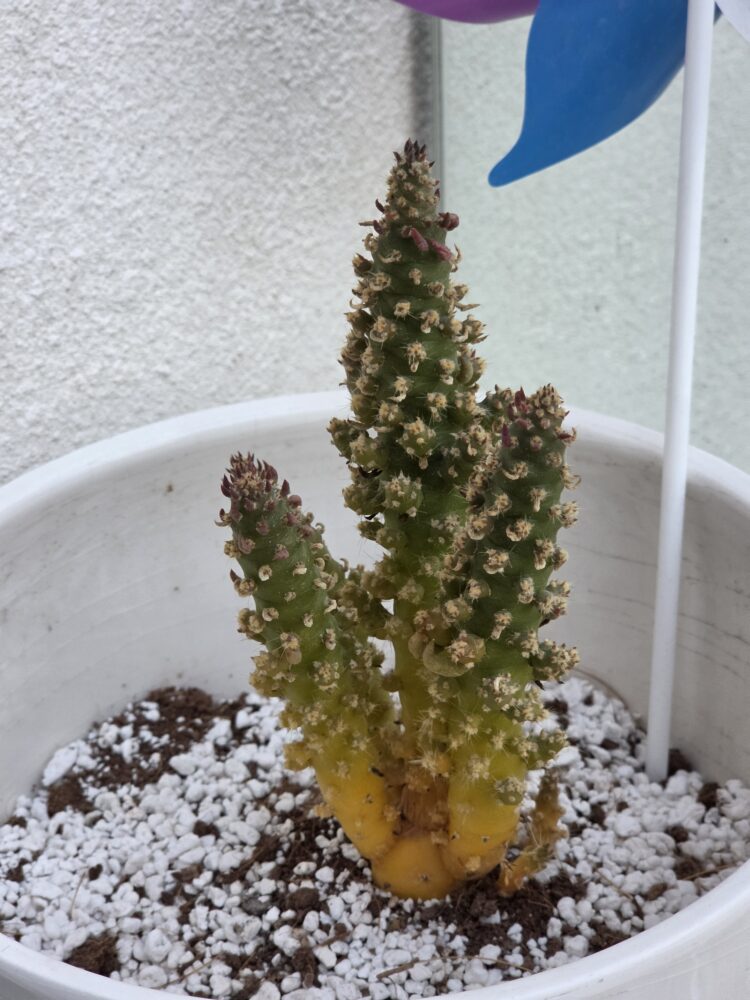
Low-light video is also better than I expected. Samsung says the wider aperture on the 200MP main camera improves brightness by 47%, and that the telephoto also gains more light at 5x. Whether or not you care about the numbers, the result is easier to see in use. Night clips hold onto more detail, bright points do not blow out as fast, and the phone is less eager to turn everything into smeared noise.

The still camera follows the same pattern. It is not radically different from what Samsung has already been doing, but it is dependable. You get detail, strong zoom flexibility and a camera app that still feels built for people who want options.

Battery
Battery life is less dramatic than camera performance, but it matters more over a week’s worth of use. Samsung keeps the S26 Ultra at 5,000mAh and rates it for up to 31 hours of video playback. It also says the customized processor is more power-efficient and that charging now goes up to 60W, reaching as much as 75% in around 30 minutes.
Heavy use does not suddenly punish you halfway through the day. Camera use, video shooting, social apps, Bluetooth audio and navigation all chip away at the battery, and lasts like a premium flagship should.
That also ties into heat. The S26 Ultra stays under control better than some previous Samsung flagships I have used, and the claim of a 21% thermal improvement through the new vapor chamber tracks with what I experienced.
Charging is faster this year, but the bigger issue is that Samsung hasn’t pushed battery capacity forward while others have. That same conservative approach shows up elsewhere. The S Pen is still integrated and works as expected, but it hasn’t evolved in any meaningful way, and for many users it remains underused.
More frustrating is the lack of built-in magnets on the back panel. At this price, the absence of a native MagSafe-style solution feels like an omission, especially when accessories and mounts increasingly rely on it. Taken together, the battery, S Pen, and hardware decisions reflect a phone that prioritizes stability over progression which works, but doesn’t always justify the premium.
Performance
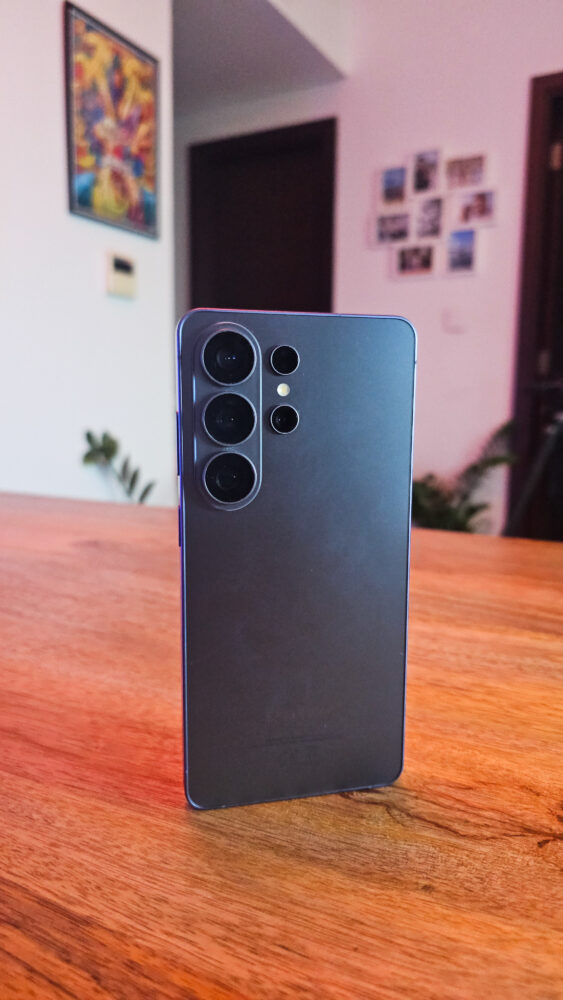
The S26 Ultra runs a customized Snapdragon 8 Elite Gen 5 with a 39% NPU boost, and it pitches the phone around AI performance, multitasking and efficiency. There is also support for up to 16GB of RAM on the 1TB version, while the 256GB and 512GB models stick to 12GB. Nothing about the S26 Ultra feels underpowered, but more importantly nothing feels strained. Software helps. Samsung’s feature set is now dense, but the phone does not feel messy. The Privacy Display settings are useful. Photo Assist is there if you want it. The phone gives you a lot of control without making the core experience feel cluttered.
Verdict
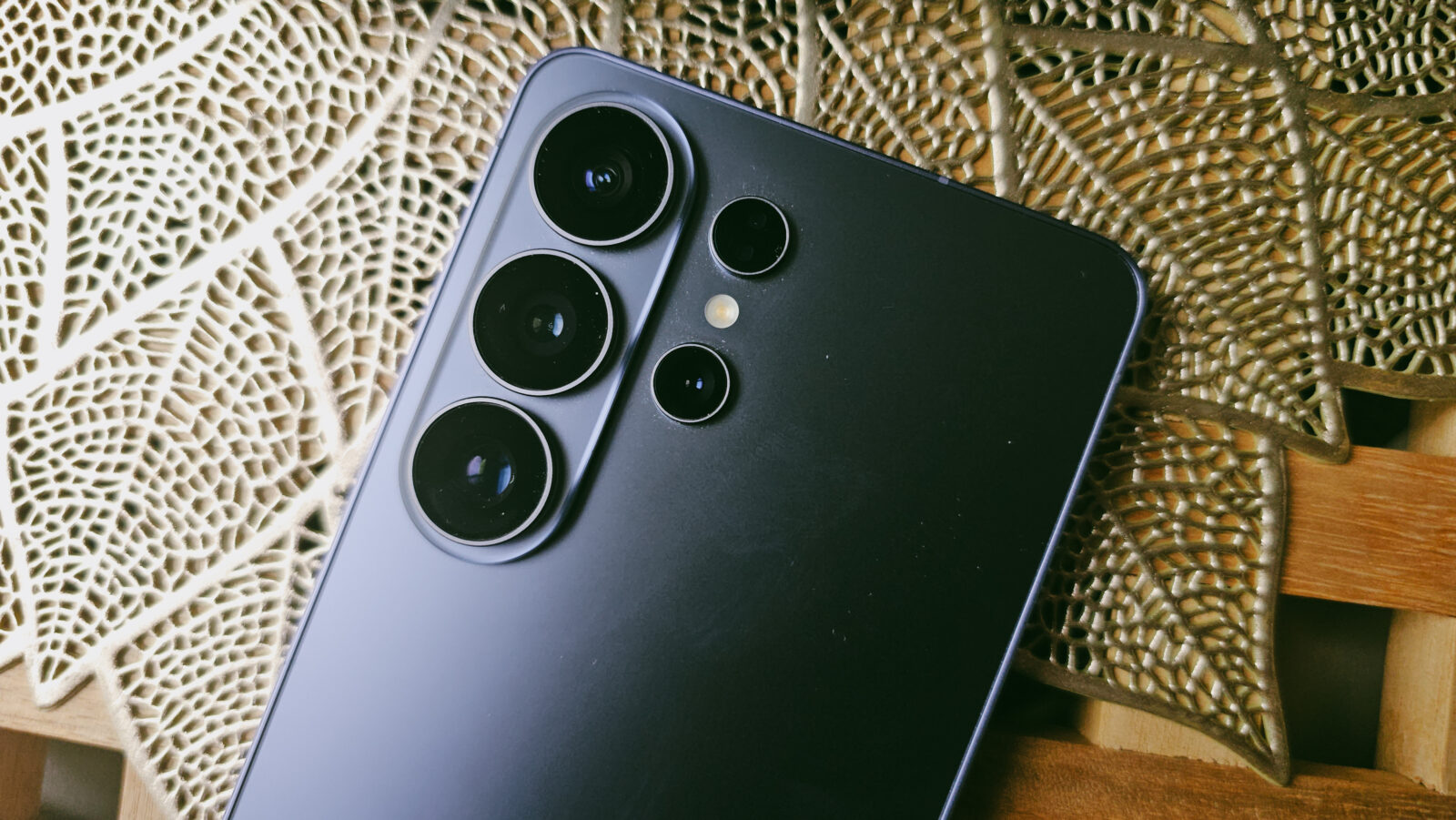
The Samsung Galaxy S26 Ultra is a very easy phone to live with. After a week of use, it’s clear that it delivers where it matters. Performance is fast and stable, the camera system is reliable and versatile, the display is excellent in real-world conditions, and features like the Privacy Display and steady video mode add practical value. It also runs cooler and more predictably than previous models, which makes a difference in daily use.
Against the backdrop of rising component prices, the problem isn’t with Samsung at all. It is where it sits in the market. At AED 5,000+, Samsung is nowe competing with cheaper phones that offer larger batteries, identitical sustained performance and faster charging.
Where it differs is the Galaxy Ultra S26 remains practical at a high level. The screen is excellent, and the Privacy Display is genuinely useful. The camera remains one of the most flexible on any phone, and the steady video feature is strong enough to matter.
That makes the target user easy to define. This is for someone who uses their phone heavily and expects it to cover work, shooting, travel, communication and entertainment without compromise.
It is for someone who wants the most complete Samsung phone and best way into the Galaxy mobile ecosystem. What you’re paying for is consistency. A phone that works well across everything without obvious weaknesses. For users upgrading from older devices or those deeply invested in Samsung’s ecosystem, that’s enough.