


TL;DR: Retro-future lunar resort + unkillable robots + no map + no pause = a stylish, stressful, gloriously old-school sci-fi horror gem that gets under your skin and refuses to leave.
Routine
There’s a specific flavor of sci-fi horror that hits me right in the lizard brain: the kind where the future looks like the past, the computers hum like they’re dying, and every corridor feels like it was last cleaned sometime before VHS was invented. Routine taps into that aesthetic with the confidence of a game that has waited over a decade to finally crawl out of the air vents and breathe directly into your ear. And against my better judgment, I let it.
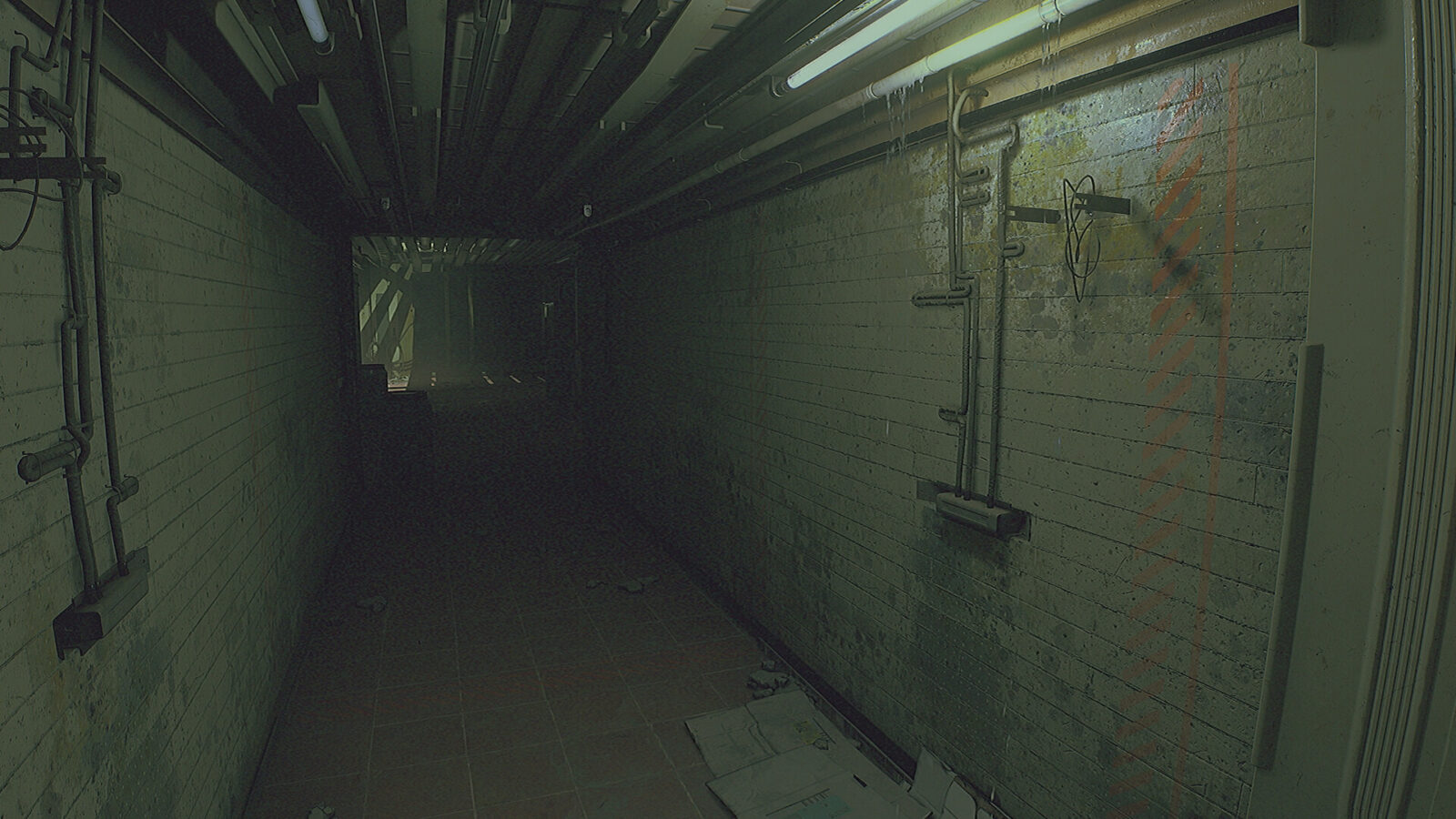
Playing Routine is like waking up alone in a malfunctioning space mall and slowly realizing the mall hates you. Not metaphorically. I mean the building seems actively irritated you’re there, flickering lights in your face and letting its many robotic security guards stomp around like angry Roombas that have developed a taste for human misery. It’s the kind of experience that reminds you video games can still unsettle you without jump scare spam or neon objective markers telling you where to run next. In fact, Routine seems personally offended by the idea of helping you at all.

Within minutes of landing at Union Plaza—a lunar resort that looks like someone dropped The Jetsons into a cold vacuum and left them there—I’d already sweated through my controller. The retro-future world is drenched in CRT glow and 70s wallpaper that feels one power outage away from becoming a tomb. I’m usually a cool-headed horror geek, but Routine had me scanning shadows like a paranoid raccoon rooting through the wrong trash can. My ears tuned themselves to every distant clank, hum, and metallic groan. My shoulders learned new athletic forms. My pause button, tragically, did not function. In Routine, pausing is a myth, an urban legend whispered about by people who didn’t test the game long enough.
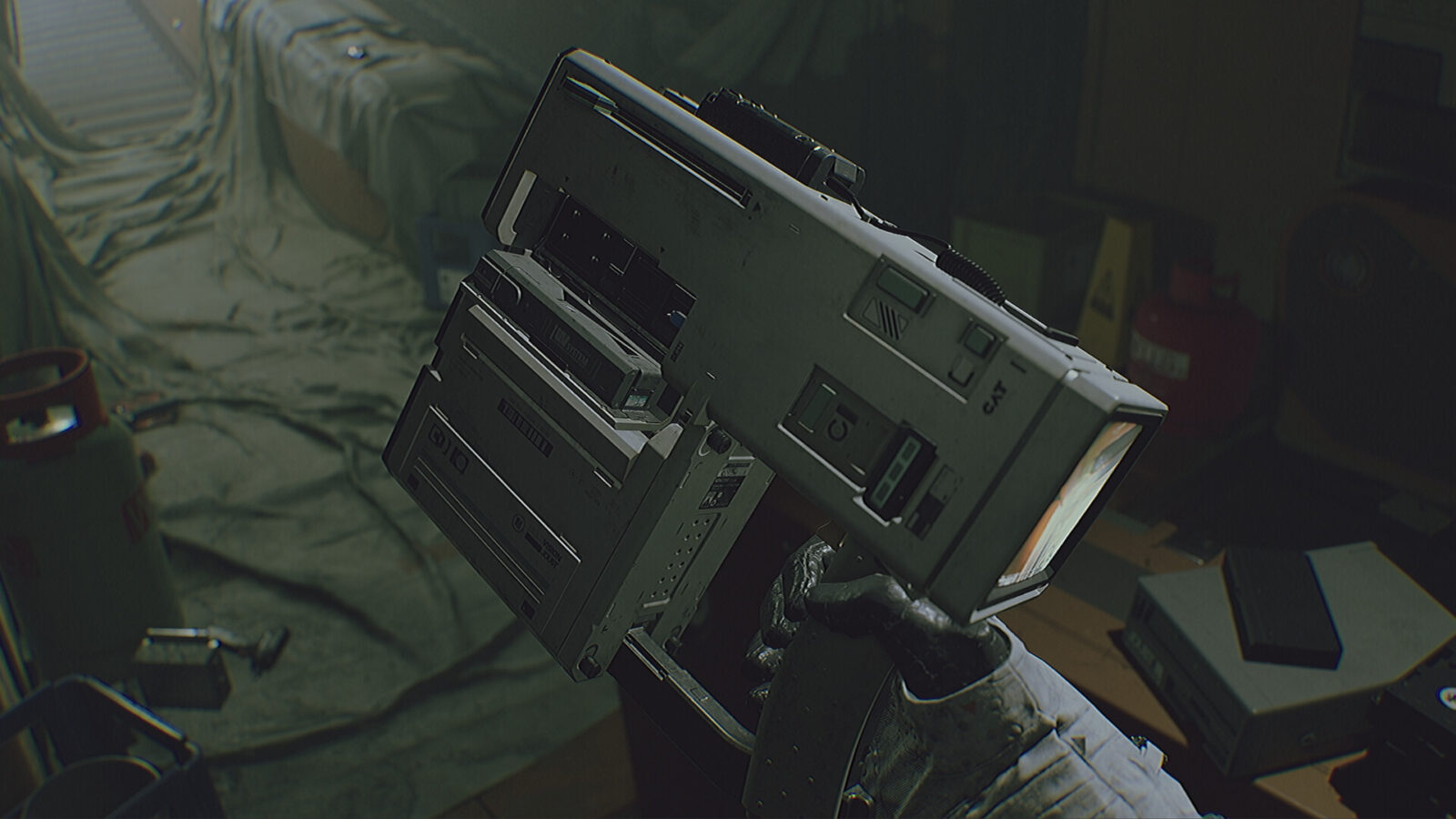
The game never tells you anything, which is both its magic trick and its emotional assault. You don’t receive helpful HUD indicators or a cheery notification that your health is one sneeze away from a funeral. The Cosmonaut Assistance Tool—your CAT—becomes your lifeline, flashlight, keycard, weaponized battery hog, and overpriced 1980s camcorder all in one. Every time I had to swap a module manually, I felt like a panicked stagehand scrambling behind the scenes during a show that refused to stop. All it takes is one confused button press while a skeletal Type-05 drone is bearing down on you, and suddenly you’re reconsidering your life choices.
Routine’s dedication to analog interaction is genuinely brilliant—until it isn’t. Early on, I adored the tactility, the slow clunk of connecting to short-range Wi-Fi, the fussy way files loaded on those old screens. But halfway through, the charm begins to burn off like an overheated transistor. When you’re lost, low on battery, and fumbling through your pockets for the one module that will get you into a locked maintenance room, the experience stops feeling immersive and starts feeling like a cosmic joke at your expense.

The story itself emerges through scattered emails and logs, which are easy to miss because every hallway looks like a cousin of the last one, and the lighting scheme seems designed by a moody poet. These fragments don’t resolve cleanly—Routine leaves threads dangling like wires in an abandoned server closet—but they do create an irresistible tension. I kept pressing forward not because I understood what was happening, but because the world felt lived-in, broken, and heartbreakingly plausible. Routine’s lunar resort isn’t just a setting. It’s a message in a bottle sent from a future that never actually arrived.
But let’s talk about the fear. This is where Routine earns its reputation. I’ve played enough horror games to develop antibodies, yet Routine found new angles to torment me. Being hunted by unkillable robots isn’t relaxing under the best circumstances, but here it’s elevated by an almost rude disregard for player comfort. Save points are manual and rare. Objectives live only in your memory unless you reach those save points. There’s no map. No guidance. No break. If you get a phone call while playing, good luck. If your dog walks in front of the TV, you may simply perish.
Still, even terror can plateau. By the latter stretch, the Type-05 enemies reveal their limits. They stomp loudly enough that stealth becomes a rhythm game, and their AI sometimes seems to need a firmware update. I once hid behind a cardboard box in an elevator—an elevator—and watched a robot calmly decide I no longer existed. The tension doesn’t disappear, but its flavor changes from existential dread to the kind of nagging frustration you feel when your smart speaker misunderstands you for the fifth time in a row.
Yet for all the times Routine made me want to put my head through drywall, it also delivered moments of genuine awe. Its puzzles, especially those involving the CAT, are clever in a way that rewards experimentation rather than rote logic. Its lonely lunar landscape is beautiful in its decay. And even when I wanted to yell at it, Routine felt crafted with an almost artisanal stubbornness—a commitment to sci-fi horror purity you just don’t see much anymore.

By the end of its six-hour run, I was exhausted, impressed, irritated, and completely smitten with its atmospheric boldness. Routine isn’t friendly. It isn’t fair. It doesn’t want to be your favorite horror game so much as the one that rattles around your brain for days, like a phantom vibration from a device you forgot to charge. And honestly? It succeeds.
Verdict
Routine is a flawed but unforgettable sci-fi horror descent into lunar dread, built for players who want their games atmospheric, analog, and aggressively uninterested in hand-holding. You’ll get lost, you’ll swear loudly, you’ll probably die adjusting your settings—but the trip is absolutely worth it if you crave tension that lingers long after the credits. A divisive experience? Absolutely. One of the most chilling games of 2025? Without a doubt.