
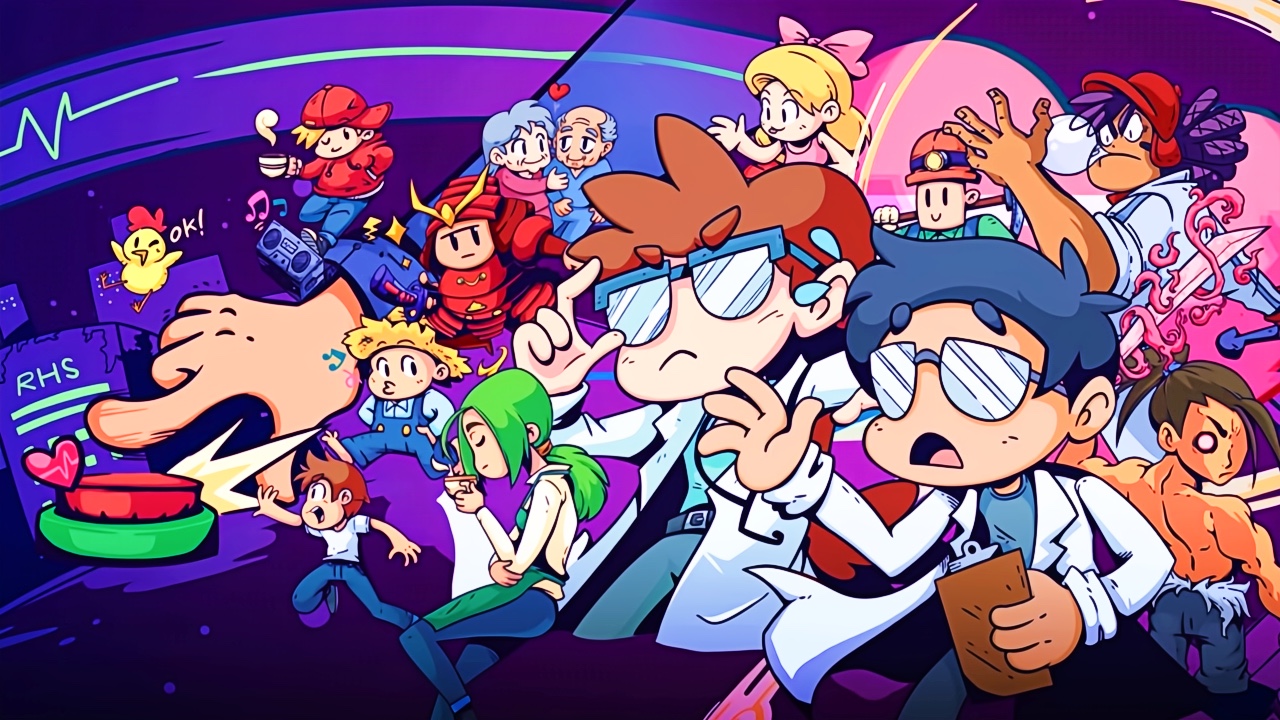
TL;DR: A brutally clever, emotionally rich one-button rhythm game that uses music and mechanics to tell a story no other medium could pull off. Hard as nails, easy to love.
Rhythm Doctor
I didn’t expect to get knocked flat by a rhythm game that only asks me to press one button, but Rhythm Doctor blindsided me the way only the sneakiest, most earnest indie games can. I booted it up expecting something cute, maybe clever. Instead, I got a game that kept poking at my ribs, messing with my head, and — in one particularly embarrassing moment — making my eyes sting like I’d just lost a fight with an onion. Rhythm Doctor doesn’t behave like a rhythm game. It behaves like a conversation between you and a screen that keeps winking at you, then suddenly telling you something painfully honest when you least expect it.
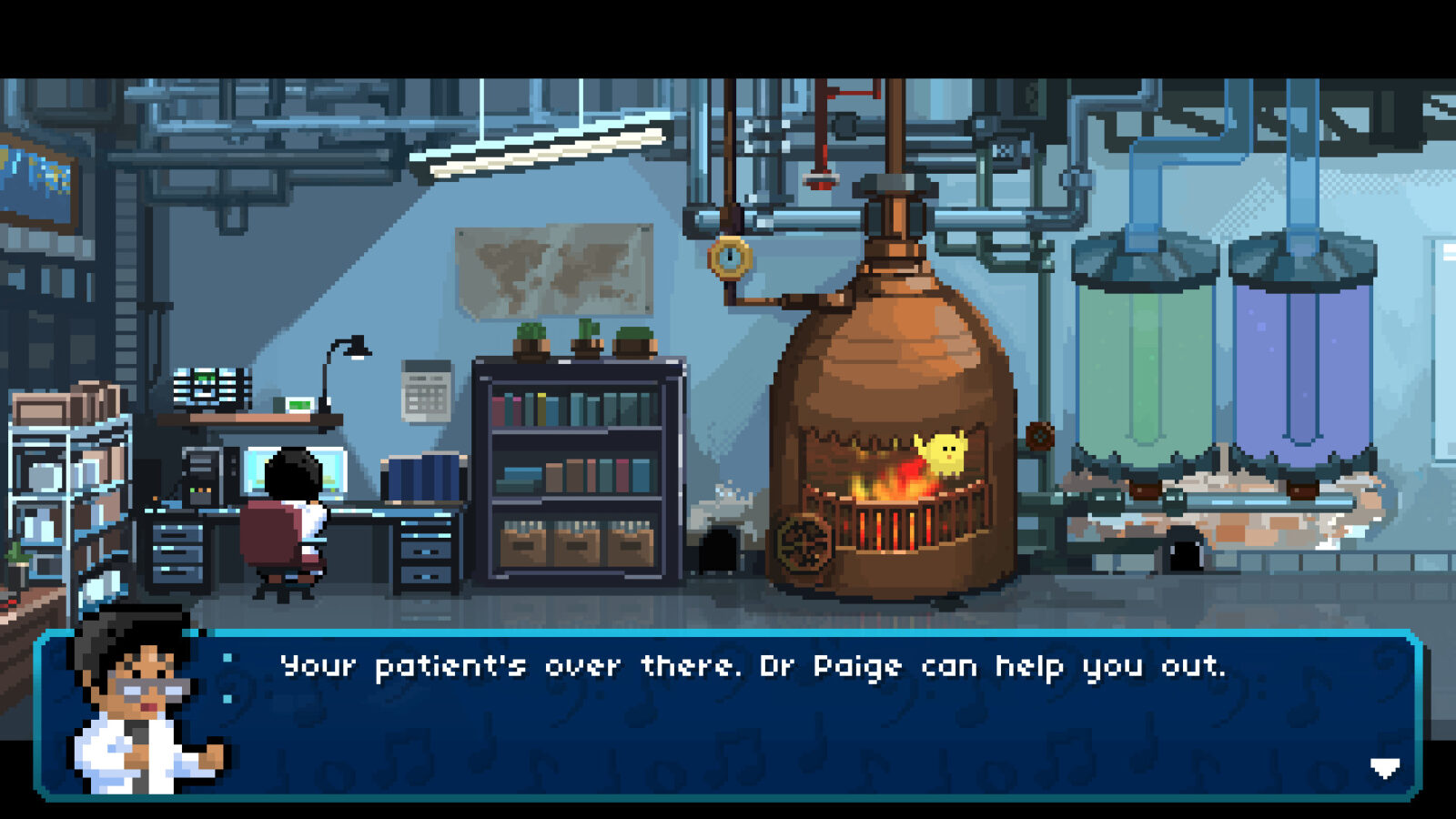
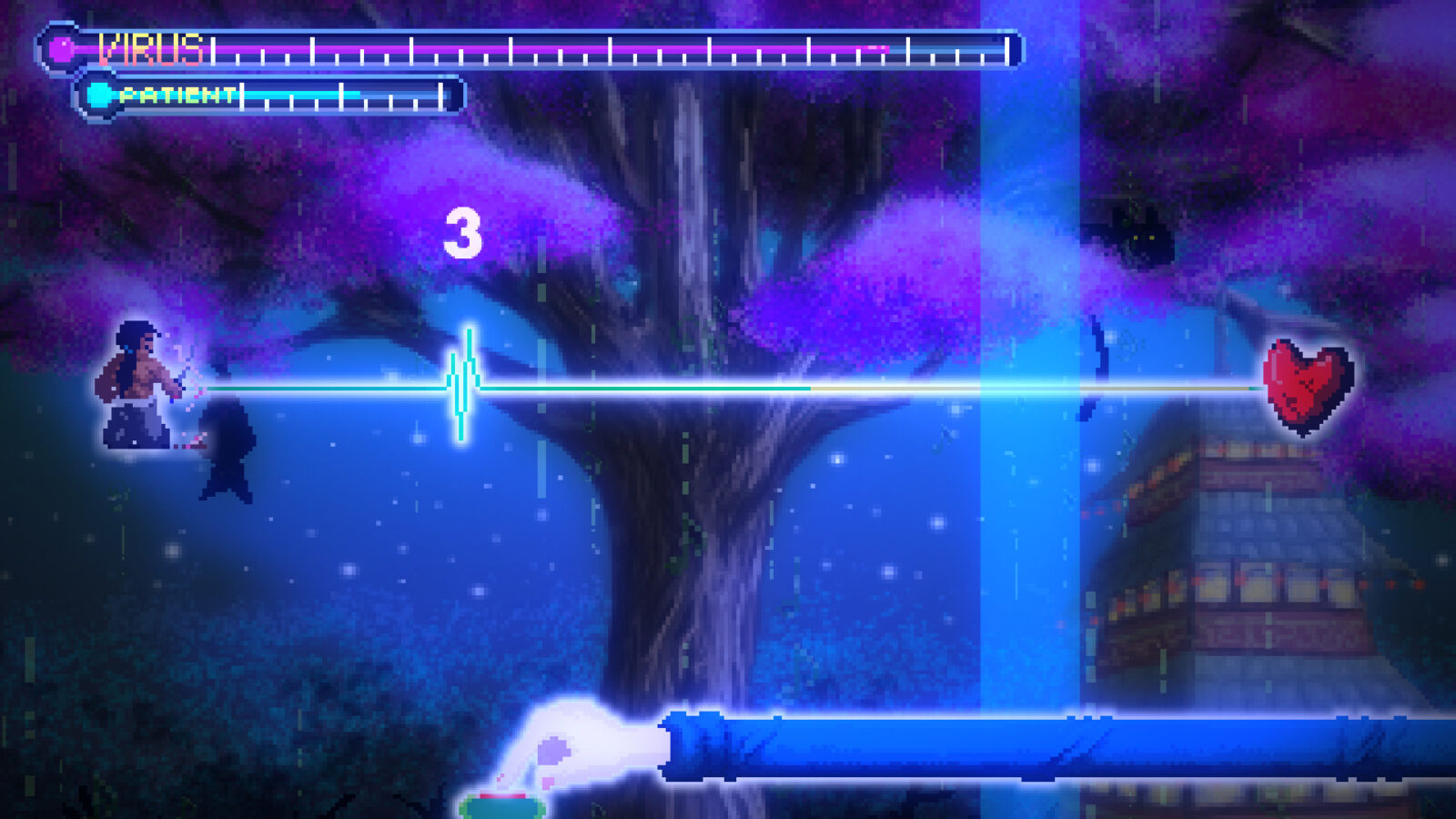
The premise is deceptively simple: you’re an intern at Middlesea Hospital, and your job is to defibrillate hearts by slapping a button on the seventh beat. That’s it. No analog sticks, no elaborate combos, no wrist-destroying note highways from the Guitar Hero days. Just press. On seven. But somehow that single action becomes a form of storytelling — one that kept slipping under my guard. The first time the game toyed with my connection, scrambling the visuals and throwing the beat out of sync, I felt like I’d been pranked. Later, when a patient’s emotional state bled into the rhythm itself, I realized Rhythm Doctor was playing a different game entirely, one where mechanics and narrative don’t sit side-by-side but fuse into one pulse.
I love that the game commits to the fiction that you exist in this world but can’t quite reach into it. The characters talk to you, joke with you, tease you — but they can’t hear you. Your presence is framed as this strange, floating hand over a button, the world’s most important giant cursor. It’s absurd and oddly touching. That tiny bit of distance creates a melancholy that creeps up on you: you’re helping these patients, but you’ll never sit in the same room with them. You’ll never drink the café’s questionable coffee or hear their laughter echo in the halls. You’re a participant without a place, a ghost with great timing.
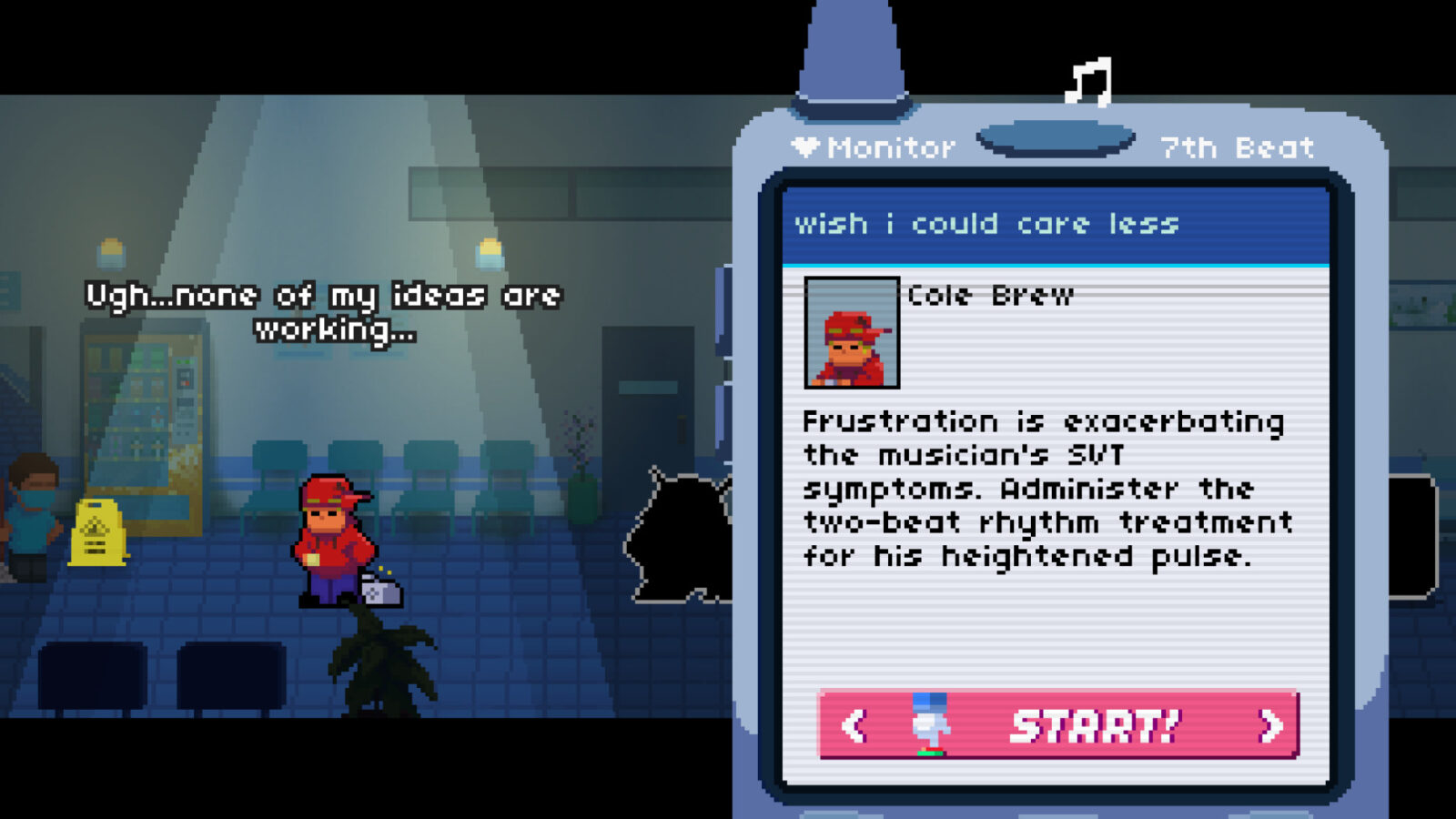
And the music — good grief, the music. Rhythm Doctor doesn’t just slap bangers into a level select and call it a day. Every track is carrying emotional freight for someone in the hospital. A miner and an injured baseball player bond over a shared rhythm. Cole, a musician spiraling into burnout, stumbles through beats he can’t quite grasp. Two characters fall in love, and their heart rates begin to sync across multiple stages. It’s the rare rhythm game where missing a note felt less like failure and more like I was letting someone down in a way that mattered to the story. Sometimes the songs cracked me up; sometimes they cracked something open in me. More than once, I paused the game just to breathe through a line that hit a little too close to home.
For all its emotional generosity, the game does not care about your comfort. I went in thinking, I used to play Expert mode on Rock Band, this’ll be fine. Foolish. Delusional. Rhythm Doctor devours confidence. Polyrhythms ambush you. Silent beats betray you. The game throws multiple patients at you at once and expects you to keep all of them straight as if you suddenly sprouted extra lobes in your brain. I did eventually swallow my pride and turn down the difficulty for a couple of levels — something I haven’t had to do since high school calculus — and the game didn’t judge me for it. Well, not out loud.
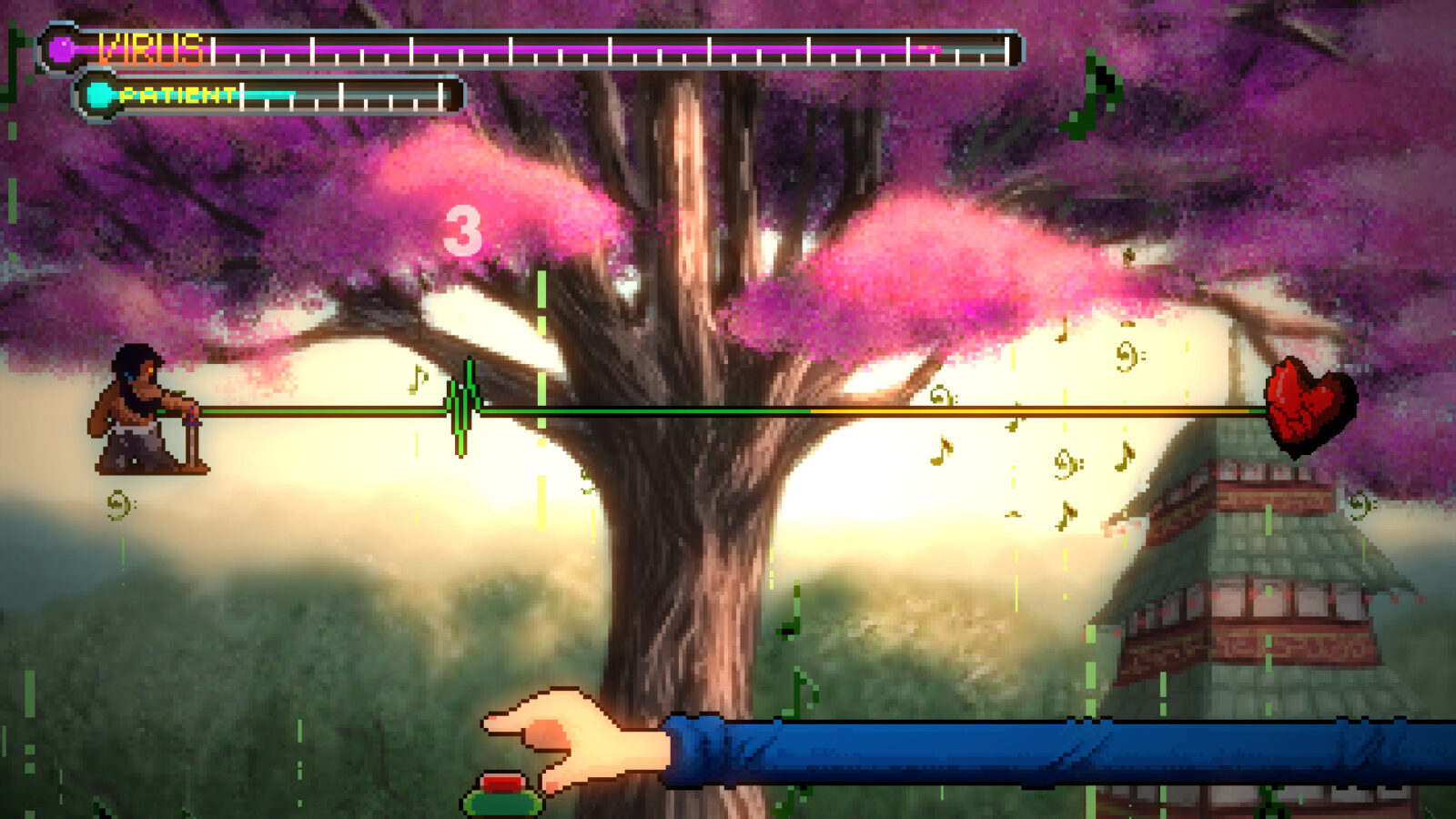
One of my favorite tricks the game pulls is simply making you look away at the wrong moment. When a major emotional scene happened off-screen because I was busy helping someone else, I felt this completely irrational pang of exclusion, like I’d missed a friend’s big moment because I was stuck in traffic. It was such a small thing, but it reinforced the idea that you can’t be everywhere, and every patient matters equally — even the ones whose stories aren’t framed as climaxes. It’s such clever design, and such honest storytelling.
And just when you think the game can’t possibly have more to say, it starts poking at capitalism and the healthcare system. It’s subtle, but the message is sharp: if something “miraculous” can be done through automation, administrators will happily trade human workers for efficiency. It’s not didactic; it’s just true in a way that stings. Rhythm Doctor never stops reminding you that healing has a cost, and someone always pays it.
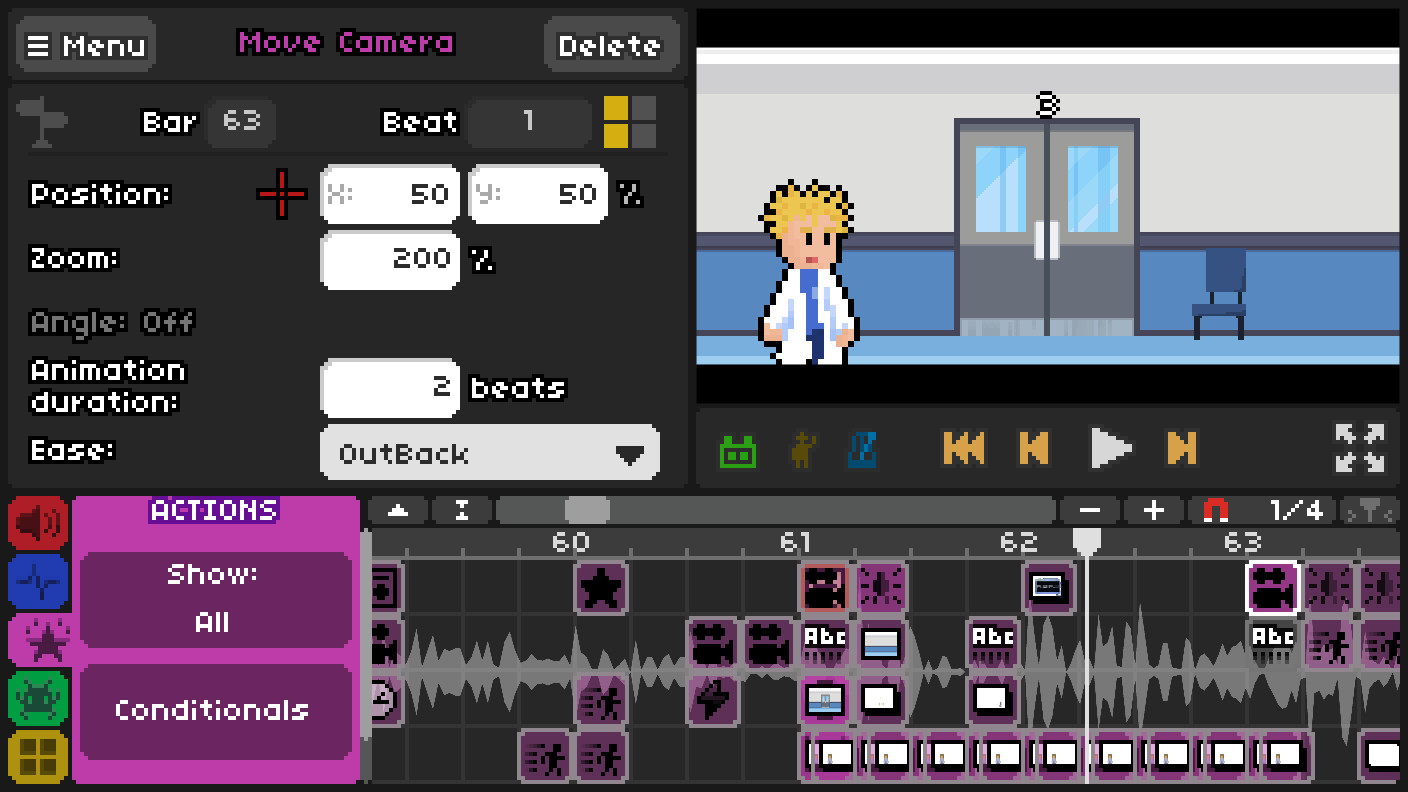
Once I’d rolled credits, I dipped into the level editor and the community tracks, and even though I’m not the kind of person who opens a level editor without breaking into a sweat, I was genuinely impressed. It feels generous — like the developers wanted to share not just their game, but the tools of their storytelling, too. A small rebellion against the monetization-first mindset that has infected so much of gaming.
In the end, Rhythm Doctor didn’t just challenge my timing; it rewired the way I think about rhythm games entirely. It reminded me how powerful interactivity can be when every system — music, mechanics, narrative — beats in unison. It made me laugh, and it made me sad, and it made me want to pick up an instrument again even though my piano skills plateaued sometime around age eight. More importantly, it made me feel something honest.
All from one button.
Verdict
Rhythm Doctor is beautifully punishing, weirdly heartfelt, and deceptively profound — a rhythm game that tells its story through your hands, your mistakes, and the quiet spaces between beats. Its characters stuck with me long after I closed the window, and its music has been living in my head rent-free ever since. It’s messy, challenging, funny, and unexpectedly moving, the kind of game that makes you want to be better simply because it believes you can be. If a single button can deliver this much humanity, then maybe I should finally try learning piano again.