TL;DR: Return to Silent Hill is a hollow, misguided adaptation that mistakes visual accuracy for emotional truth. By stripping Silent Hill 2 of its psychological depth and replacing it with awkward performances, excessive CGI, and shallow reverence, the film turns one of gaming’s most powerful stories into a lifeless cosplay of itself.
Return to Silent Hill
I went into Return to Silent Hill wanting to believe. Not in the casual “maybe this won’t be terrible” way, but in the deep, slightly unhinged way only lifelong Silent Hill fans understand. The kind of belief forged at 2 a.m., sitting six inches from a CRT, heart pounding while Akira Yamaoka’s score crawls under your skin and refuses to leave. Silent Hill isn’t just a game franchise. It’s a shared trauma. A psychological scar. A masterclass in how horror can be quiet, intimate, and devastating instead of loud and dumb.
And that’s why watching Return to Silent Hill feels less like watching a bad movie and more like watching someone lovingly unwrap a priceless relic… then immediately use it as a drink coaster.
This film doesn’t just stumble. It fundamentally misunderstands why Silent Hill mattered in the first place, especially the sacred text it’s adapting: Silent Hill 2. That game didn’t scare you with monsters. It haunted you with guilt. It didn’t want your screams. It wanted your silence. Christophe Gans once seemed to get that back in 2006, when reverence alone was enough to separate his original Silent Hill from the flaming landfill of Uwe Boll-era game adaptations. But times have changed. Audiences have changed. Adaptations have evolved. And Return to Silent Hill feels like a director who woke up from a 20-year nap and thought it was still 2005.
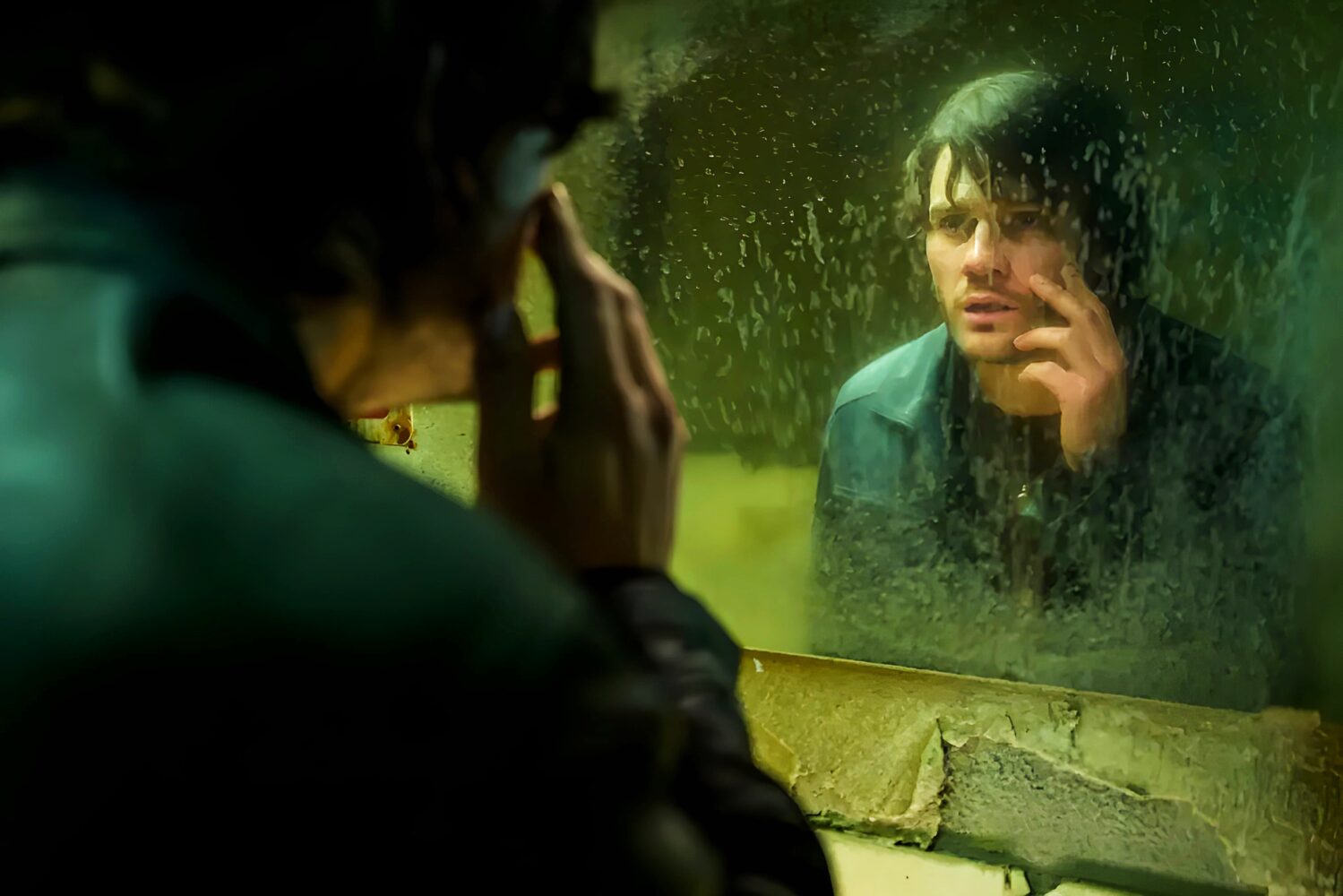
From its opening moments, the film announces its tonal confusion like a car alarm that won’t shut off. We’re introduced to James Sunderland, played by Jeremy Irvine, as a kind of bargain-bin rebel archetype. He’s speeding down a road, blasting music so on-the-nose it feels like parody, hair flapping dramatically, art supplies rattling in the backseat, casually smoking weed as if the movie is elbowing us and whispering, see, he’s complicated. It’s unintentionally hilarious, and not in the grim, ironic way Silent Hill should be.
This James doesn’t feel haunted. He feels poorly directed.
When he meets Mary, portrayed by Hannah Emily Anderson, their connection is sketched in broad strokes that never quite solidify into anything real. Years later, after her death, James is supposedly drowning in grief, but the film never gives that grief room to breathe. Silent Hill 2 lived in the mundane horror of loss. It weaponized repetition, emptiness, and denial. Return to Silent Hill rushes past all of that like it’s late for another CGI monster chase.
And yes, the letter arrives. Mary’s letter. The inciting incident that launched a thousand forum essays and YouTube breakdowns. In the game, it’s a quiet gut punch. In the film, it’s just another plot device, treated with all the reverence of a GPS notification. James ignores his therapist’s warnings and heads back to Silent Hill, a town now rendered almost entirely in digital fog and ash, and that’s where the movie really starts to unravel.
Silent Hill is supposed to feel oppressive. Tangible. Like the air itself is judging you. Here, it feels weightless. Like a green screen fever dream. James runs through environments that look less like a cursed town and more like an unfinished Unreal Engine demo. Monsters appear not as manifestations of James’ psyche, but as obligatory boss encounters. The film keeps mistaking iconography for substance, assuming that if it shows you something recognizable, you’ll fill in the emotional gaps yourself.
That’s a dangerous gamble, and the movie loses every hand.
Hannah Emily Anderson returns in multiple roles, including Maria and Angela, a choice that could have been psychologically rich if the script had any interest in subtlety. Silent Hill 2 used repetition and mirroring to unsettle you. The film uses it like a trivia callback. Characters drift in and out of the narrative with minimal context, as if the movie assumes you already know who they are and why they matter. Major thematic reveals are tossed off with the confidence of a Wikipedia summary.
At one point, Gans even shifts into a first-person perspective for James, a baffling stylistic choice that misunderstands both cinema and the source material. Silent Hill 2 was third-person for a reason. You were always watching James, judging him, questioning him, never fully inside his head. The film’s brief attempt to put us directly behind his eyes feels like a gimmick borrowed from a GoPro commercial, not a meaningful storytelling decision.
The biggest sin, though, is how the movie handles grief, guilt, and responsibility. Silent Hill 2 is devastating because it implicates the player. You can’t hide behind cutscenes. You participate. Return to Silent Hill wants the same ending, the same emotional payoff, without earning it. It changes character motivations, introduces unnecessary cult mythology, and then acts shocked when the original thematic landing no longer makes sense.
The acting doesn’t help. Irvine isn’t given the space or direction to internalize James’ torment, and what should be a deeply uncomfortable psychological descent instead plays like a man mildly inconvenienced by hell. When the emotional climax arrives, it lands with a dull thud, not because the story is inherently flawed, but because the film never built the emotional scaffolding required to support it.
What frustrates me most is that this didn’t have to happen. We live in a post-The Last of Us world. We’ve seen how patient, character-driven adaptations can thrive. We’ve watched Fallout embrace tone without slavish devotion. Return to Silent Hill mistakes fidelity for faithfulness. It recreates imagery without understanding intent. It cosplays trauma instead of confronting it.
By the time the credits roll, the overwhelming feeling isn’t anger. It’s sadness. Silent Hill 2 didn’t need a retelling. It needed an interpretation. Something that understood that horror isn’t about monsters in the fog, but about the things we carry with us long after the fog clears. This film brings back the town, the names, the imagery, but leaves the soul behind.
Returning to Silent Hill should have felt like reopening an old wound. Instead, it feels like picking at a scab until there’s nothing left but irritation.