
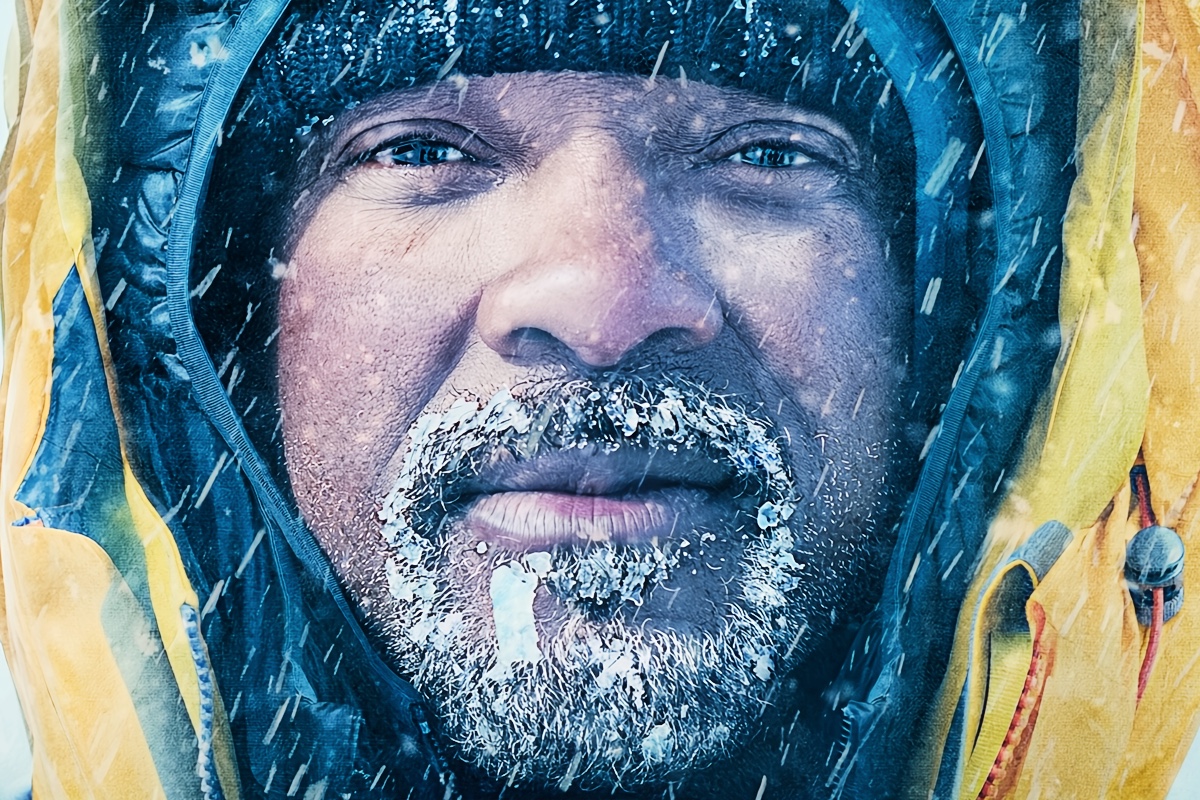
TL;DR: A jaw-droppingly beautiful National Geographic series that turns a star-driven premise into something genuinely thrilling, thoughtful, and unexpectedly warm.
Pole to Pole With Will Smith
There’s a particular kind of television that announces itself as Important before it’s even pressed play. Sweeping drone shots, portentous strings, a celebrity standing somewhere inhospitable looking meaningfully into the middle distance. I went into Pole to Pole With Will Smith braced for exactly that kind of worthy, overproduced endurance test: a glossy rehabilitation jog masquerading as a travelogue, with the star doing just enough soul-searching to keep the PR engine humming.
And then, irritatingly, it kept being… excellent.
This is, undeniably, a redemption-shaped project. It would be disingenuous to pretend otherwise. Will Smith has spent the past few years as a walking cultural ellipsis, his once frictionless public image replaced by something knottier, sadder, and permanently qualified. Pole to Pole doesn’t explicitly litigate any of that, but it doesn’t need to. The subtext hums loudly enough beneath the ice sheets and rainforest canopies. This is a man trying to remember who he is by throwing himself, body first, into the vast indifference of the planet.
What I didn’t expect was how little the series leans on him to carry it. National Geographic, to its credit, doesn’t treat Smith like the attraction at a theme park. He’s a companion, a conduit, occasionally the comic relief, often the wide-eyed audience surrogate. The real stars are the places and the people who live and work in them, and the show never forgets that.
Visually, it is absurdly beautiful. Not in a generic “screensaver” way, but in a way that repeatedly made me pause just to take it in. Antarctic ice stretches into infinity like a minimalist nightmare. The Amazon canopy feels so alive it’s practically breathing through the screen. Underground caves reveal ecosystems so alien they might as well be on another planet. Every episode contains at least one moment that triggers that quiet, stomach-dropping realization that the world is far more astonishing than we deserve.
Smith, thankfully, is at his best when he stops trying to narrate meaning and just reacts. His to-camera monologues are the weakest link, landing somewhere between TED Talk and motivational Instagram caption. But once he’s out there with the scientists, climbers and explorers, something loosens. He becomes curious, funny, self-deprecating. When he jokes about Antarctic researchers potentially losing their minds after months of isolation, or openly admits his terror of spiders, caves, heights, snakes, and basically everything that isn’t a film set, it humanizes him in a way no carefully worded apology tour ever could.
There’s a wonderful rhythm to the encounters. Former rugby player turned polar athlete Richard Parks calmly reins Smith in when he starts dancing on an ice sheet, gently reminding him that this environment does not forgive stupidity. Toxicologist Bryan Fry hauls him up a spindly Amazonian tree, then drops him into insect-infested caves, patiently explaining how these hostile spaces might hold the keys to future medicines. Ecuadorian climber Carla Pérez leads him through darkness with the casual competence of someone who has long since made peace with risk. These people are not dazzled by celebrity, and the show is far better for it.
What surprised me most was how restrained the emotional beats are. There are moments of vulnerability, yes, but they’re handled with an unusual lightness of touch. Parks speaks briefly about depression after his career-ending injury. Fry talks about surviving meningitis and the survivor’s guilt that followed. Smith listens more than he talks, which feels like a deliberate and, frankly, wise choice. The series resists the urge to wring tears from every confession, trusting the stories to land on their own terms.
And when Smith does turn the lens inward, it’s fleeting and oddly effective. A pause before climbing. A quiet moment of awe. A muttered joke to steady his nerves. The sense isn’t of a man proclaiming transformation, but of someone letting the world knock him sideways a little, again and again, until something shifts.
By the time the end credits roll, it’s hard to deny the cumulative effect. Pole to Pole is thrilling, funny, occasionally moving, and consistently breathtaking. It’s also far smarter than it needs to be, refusing to coast on spectacle or stardom alone. If this is a rehabilitation tour, it’s an unusually generous one—less about reclaiming status, more about surrendering to scale.
Verdict
Pole to Pole With Will Smith is a rare celebrity-fronted documentary that earns its grandeur. Anchored by astonishing visuals, fascinating experts, and a surprisingly self-aware central presence, it manages to be exhilarating without being exhausting, and sincere without being sanctimonious.