


TL;DR: Pokémon Legends: Z-A finally nails the 3D Pokémon formula: a tighter, smarter, more emotional adventure set entirely in Lumiose City, featuring real-time battles, rich storytelling, and Game Freak’s best design work in years.
Pokémon Legends: Z-A
I don’t remember the exact moment I realized that Pokémon Legends: Z-A had broken the curse. Maybe it was the first time I wandered down one of Lumiose City’s winding alleyways and saw a lone Eevee dart between trash cans like it was living a secret life. Or maybe it was when I fought a Rogue Mega Starmie that turned the arena into a kaleidoscopic bullet hell, and I caught myself whispering, “Holy Arceus” under my breath. But somewhere between those moments, it hit me: Game Freak finally did it. After a decade of stumbling through its awkward 3D adolescence, the Pokémon series has finally found its footing.
If you’ve been around as long as I have — which is to say, since the pixelated days when Red and Blue made you believe a handful of dots could be a dragon — you’ve seen Pokémon evolve in strange, often clumsy ways. The Switch era, especially, felt like watching your favorite childhood friend go through a rebellious teen phase: bright ideas, questionable fashion, and a total disregard for homework. Sword and Shield were bold but messy. Legends: Arceus was brilliant yet barren. Scarlet and Violet were ambitious to the point of self-destruction. But Pokémon Legends: Z-A? This is where it all clicks — the gameplay experiments of Arceus, the open ambition of Violet, and the world-building heart that’s been missing since X and Y — all stitched together into something that finally feels cohesive, confident, and, most importantly, alive.
And the miracle is, it doesn’t achieve that by going bigger. It gets there by going smaller.
Welcome to Lumiose — Population: Chaos
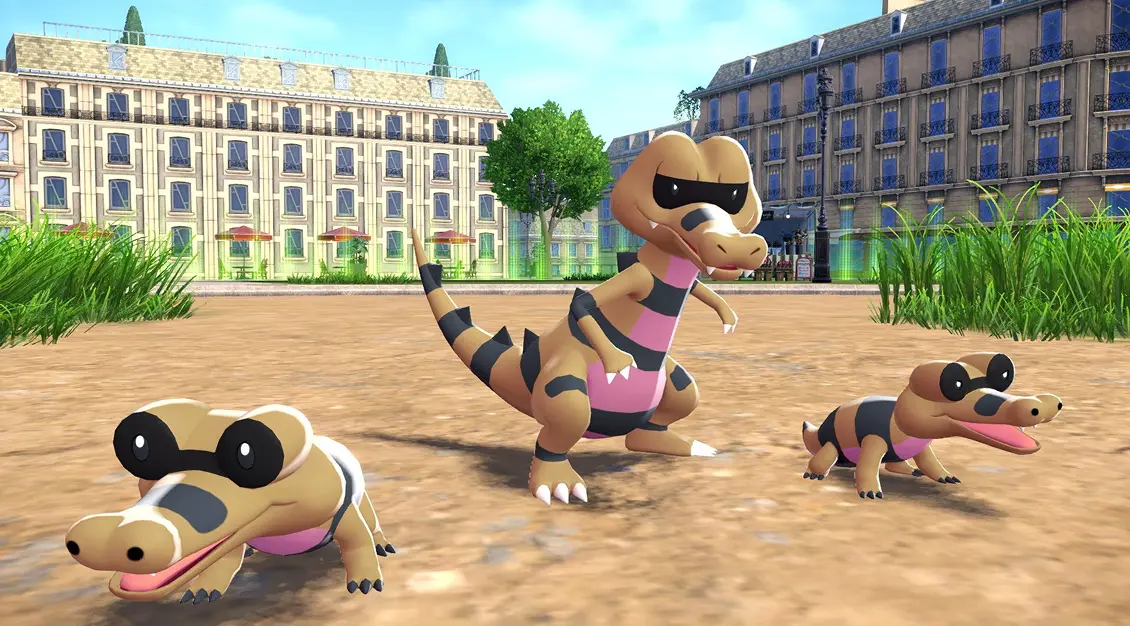
The first shock of Z-A isn’t the graphics (though we’ll get to that), or even the battle system (oh, we’ll definitely get to that). It’s that the entire adventure takes place inside one city. Lumiose City, the glittering, chaotic, Paris-inspired metropolis from Pokémon X and Y, has been reimagined as the sole setting — and it’s the best narrative decision Game Freak has made in years.
The setup is deceptively simple. After a surge of wild Pokémon starts invading city streets, Lumiose becomes a tense ecosystem of people and monsters trying to coexist. Wild Zones are cordoned-off areas designed to keep both sides safe, and into this simmering powder keg you arrive — not as a bright-eyed ten-year-old, but as an actual adult. That’s right: a protagonist who understands rent, caffeine dependency, and the crushing weight of municipal bureaucracy. It’s bizarrely refreshing.
You’re quickly swept up by Team MZ, a grassroots crew of civic defenders who double as competitors in the city’s flashy Z-A Royale tournament. By day, you’re helping maintain the uneasy peace between citizens and Pokémon. By night, you’re battling your way through increasingly difficult ranks of trainers, climbing a ladder that’s as much about self-discovery as it is about strategy. It’s a formula that sounds simple, but it’s structured in a way that makes Lumiose feel like an actual place instead of a glorified hub world.
I can’t overstate how revolutionary this feels for a Pokémon game. For decades, these games have been about the journey — literal miles of routes and forests and caves stitched together by gym battles and fetch quests. But in Z-A, the journey is inward. The map may be smaller, but the focus is sharper. It’s not about conquering regions; it’s about learning to live in one.
And the payoff is enormous. By rooting the story in a single city, Game Freak finally gets to explore the kind of character work and world-building that Pokémon’s always hinted at but never committed to. You have a hotel full of friends who actually feel like people — not cardboard rivals who only exist to tell you your team’s weak to Rock-type attacks. You see the same café owner every morning, and she remembers you. The city electrician calls you by name when a Joltik swarm chews through his wiring again. Lumiose starts to feel less like a backdrop and more like a home you’re helping to repair.
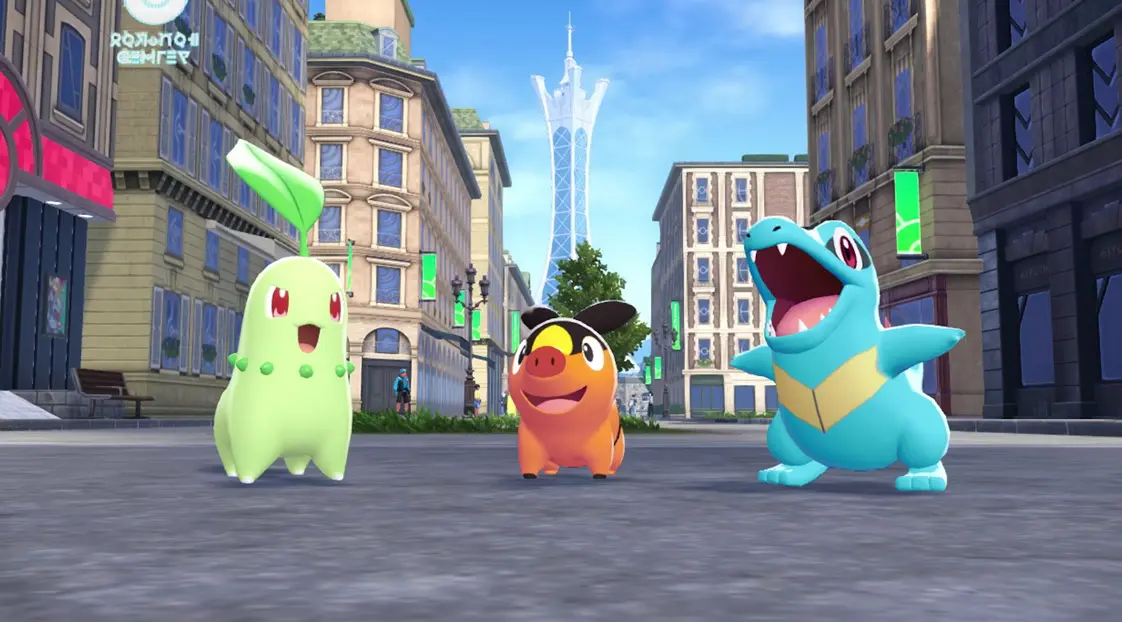
In its best moments, Z-A feels like Pokémon by way of Yakuza — not because of the tone (though the side quests can get wonderfully absurd), but because of how deeply it cares about the small, human stories that unfold between the big battles. There’s a perfume maker trying to capture the essence of a Gloom’s aroma, a Furfrou stylist desperate to teach a Scyther how to trim bangs, a café overrun by Trubbish that you have to gently evict. They’re silly, yes, but they add texture, and humor, and a sense that life in this city keeps going whether or not you’re around.
I spent thirty-five hours before rolling credits, and another ten just wandering the post-game, finishing side stories and chasing rumors of rare Pokémon sightings. Every alley hides something strange — a hidden rooftop Dratini, a Mimikyu in a toy store window, a sewer Ariados who thinks you’re trespassing. Lumiose may not always be pretty, but it’s alive in a way the vast open worlds of Scarlet and Violet never were.
The City That Glitches Less (Mostly)
Let’s talk performance, because, let’s face it, that’s been the Pikachu in the room since 2019. Pokémon Legends: Z-A is, mercifully, the first mainline game in years that doesn’t feel like it’s actively melting the Switch. On the Switch 2, it runs beautifully — a smooth 60 FPS that never dipped for me, quick loading screens, and no game-breaking bugs. My Pokémon didn’t clip through the floor, my NPCs didn’t phase in from the void, and not once did I see a frame rate drop that made me question my life choices.
On the original Switch, things are… less magical. The frame rate targets 30 but occasionally stumbles, and pop-in is still noticeable enough to make crowds look like they’re being beamed in from another dimension. But compared to the outright chaos of Scarlet and Violet, this is a massive improvement. It’s stable. It’s playable. It’s not embarrassing. That’s a low bar, sure, but it’s one Game Freak finally clears.
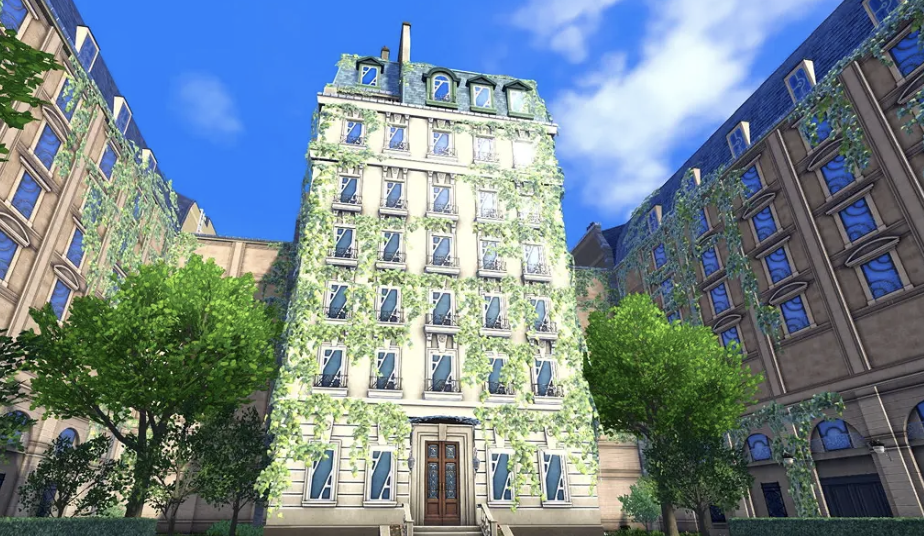
That said, let’s not pretend Z-A is a visual feast. Lumiose itself is functional rather than beautiful. Many of its buildings are still painted-on façades with fake balconies and flat windows that make you feel like you’re walking through a pop-up diorama. There are a few standout areas — a snow-covered Wild Zone that feels like a frozen Central Park, a hauntingly quiet graveyard, a sandy riverside promenade — but by and large, this isn’t a city designed to impress with its looks. It’s designed to feel lived in.
And somehow, that works. The color palette is warmer than Arceus, the character models more expressive, and for the first time, NPCs actually look like individuals rather than palette-swapped clones. Your own trainer customization is the best it’s ever been, complete with gender-neutral clothing, mix-and-match color options, and even distinct facial features that make your character feel like more than a default avatar. Lumiose might be ugly in the architectural sense, but as a space to exist in, it’s charmingly alive.
Still, I’ll echo what fans have been screaming for a decade: where is the voice acting? I’m so tired of silent cutscenes where characters flap their mouths like they’re auditioning for a pantomime competition. Pokémon has some genuinely emotional writing now — especially in Z-A’s later chapters — and it’s constantly undercut by the lack of voices. When your friends are giving heartfelt speeches about community and compassion, the silence feels deafening.
Catch, Dodge, Repeat: Pokémon Goes Action
Now for the big one: battles. Pokémon Legends: Z-A completely abandons the turn-based combat system that defined the series for nearly thirty years. No more taking turns to politely trade attacks while a static menu flickers at the bottom of the screen. This time, Pokémon battles are fully action-based — and it’s astonishing how well it works.
At first, it’s disorienting. You move your trainer in real time around the battlefield while your Pokémon dukes it out beside you. Hold down the ZL trigger, and you can issue commands — selecting moves, items, or positioning your partner. Release it, and you’re back in control of your own movement, dodging attacks, repositioning, and occasionally taking damage yourself. Wild Pokémon can knock you out if you’re careless, which adds a surprising edge of danger that’s been missing from the franchise since forever.
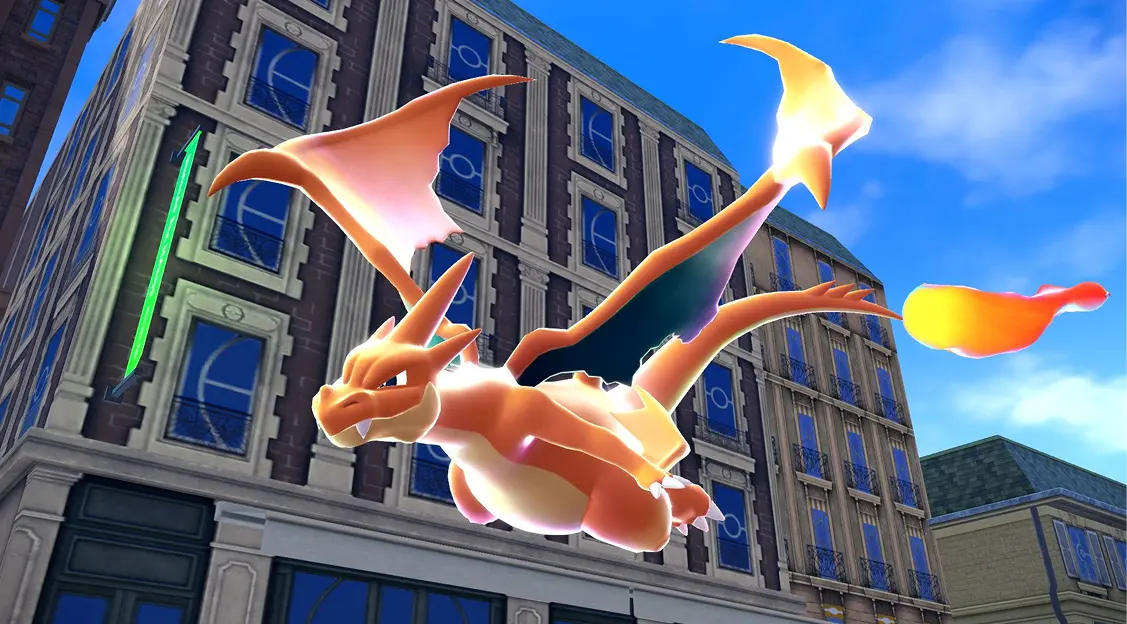
It’s not just chaos, though. The new system is genuinely strategic once you get used to it. Moves have different wind-ups, ranges, and cooldowns, and type advantages still matter, so understanding spacing and timing becomes crucial. Short-range attacks like Brick Break or Play Rough hit fast but put you in danger; long-range ones like Thunderbolt require precision and patience. Defensive techniques like Protect now function more like parries, while area-control moves like Spikes or Fire Spin turn parts of the arena into tactical traps.
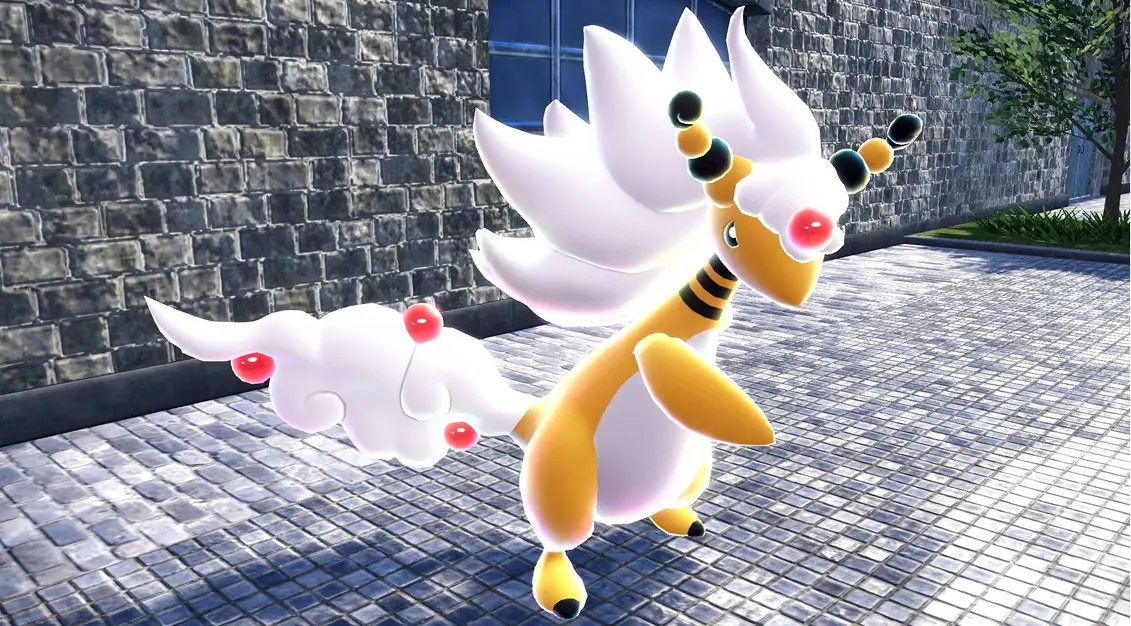
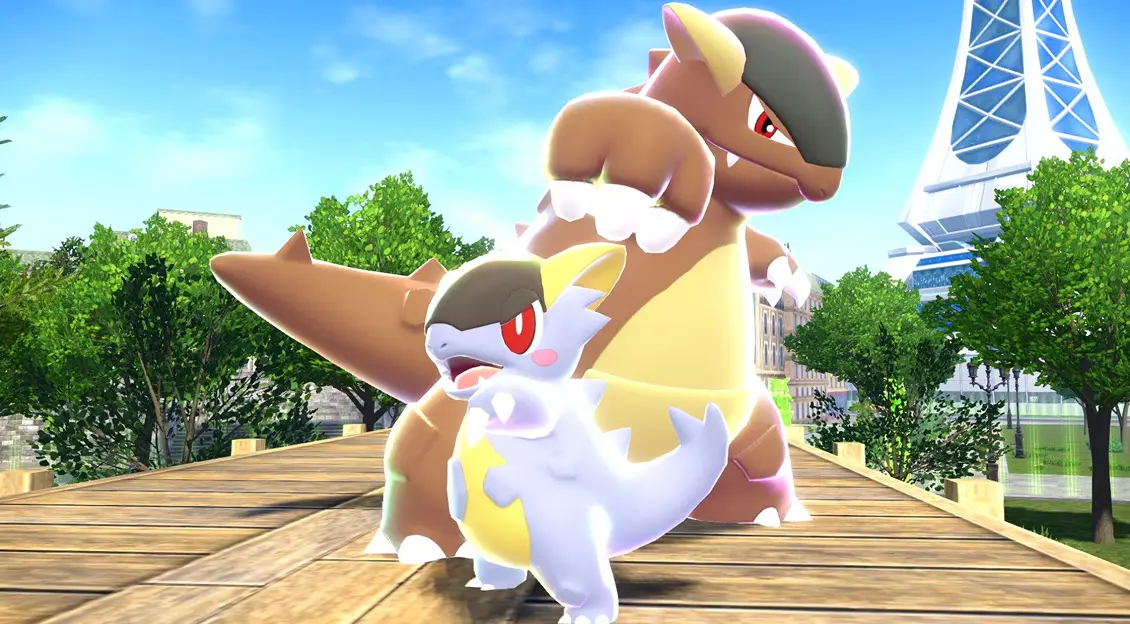
Status effects are similarly reimagined — confusion sends your Pokémon staggering around, paralysis slows movement, and burns drain stamina instead of HP. Mega Evolutions are back too, but with a new twist: a shared meter that lets you trigger temporary boosts or unleash Plus Moves, powerful attacks that mimic Mega strength without the full transformation. It’s dense, but surprisingly intuitive.
The result? A battle system that finally matches the fantasy we’ve all had since we were kids watching the anime. Battles are kinetic, unpredictable, and cinematic. You can run, dodge, and command on the fly — it’s like Pokémon meets Monster Hunter meets Kingdom Hearts. I didn’t realize how stale the old turn-based format had become until I was ducking behind a wall to avoid a Hydro Pump while shouting orders to my Lucario like a coach in a sports anime.
I wouldn’t want the mainline series to abandon turn-based battles entirely — there’s too much competitive legacy there — but for the Legends subseries? This is the future. Arceus redefined catching; Z-A redefines fighting.
Civic Duty and the Meaning of Friendship (Pokémon Edition)
If Arceus was about discovery, Z-A is about coexistence. The story isn’t about badges, or gyms, or even the Pokédex — it’s about people and Pokémon trying to share space without destroying each other. Lumiose is split between factions, each with its own vision for how the city should evolve, and you’re stuck in the middle trying to reconcile them. It’s a surprisingly mature story, one that touches on urban planning, environmental ethics, and the politics of belonging — all told through the lens of battling and monster-catching.
There’s something beautifully civic about it. Instead of being a passive observer in a grand adventure, you’re an active participant in a community. You’re helping the city heal, one side quest and one battle at a time. The game even flirts with genuine moral ambiguity — should people prioritize their safety, or should Pokémon have the right to roam freely? It doesn’t give you easy answers, but it asks the questions sincerely.
Thematically, it’s the most cohesive Pokémon story in years. It reminded me of Like a Dragon 7, not just because of the city setting or the tone shifts, but because it dares to be empathetic. For a series that’s historically boiled down to “catch them all,” that empathy feels revolutionary.
The Joy of Exploration
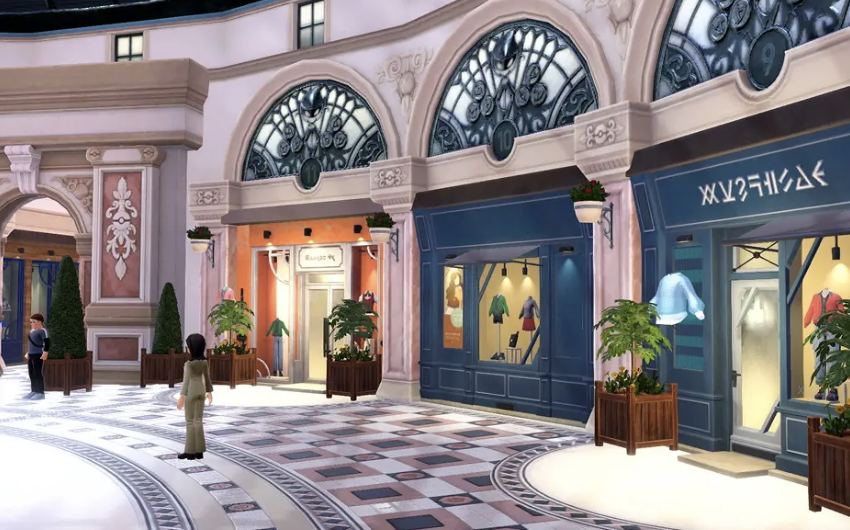
Here’s the thing: Lumiose may not be sprawling, but it’s dense. Exploration feels rewarding again, because every corner hides something deliberate — not just an empty hill with a random Poké Ball on top. I found hidden rooftop gardens, sewers crawling with rare Ghost-types, underground tunnels filled with collectibles called Colorful Screws (because of course Game Freak can’t resist a weird item gimmick). It feels handcrafted, and for once, that’s not a euphemism for “small.” It’s focused.
One night, I spent an hour trying to climb onto a particular roof I could just barely see from my hotel window. It wasn’t even a quest marker — just curiosity. When I finally got up there, panting (metaphorically), I found a lone Dratini basking in the neon glow of a billboard. That moment — quiet, unnecessary, perfect — reminded me why I fell in love with Pokémon in the first place. Discovery isn’t about scale. It’s about wonder.
The Royale and the Rough Edges
Not everything lands, of course. The Z-A Royale, which functions as your main progression system, is oddly inconsistent. You earn points by defeating trainers and climb through the ranks, occasionally triggering Promotion Matches that unlock new story chapters. It’s fun at first, but the difficulty curve is basically a straight line — easy. At one point, the story even skips you ahead seventeen ranks in a single cutscene, which makes the whole system feel like an afterthought.
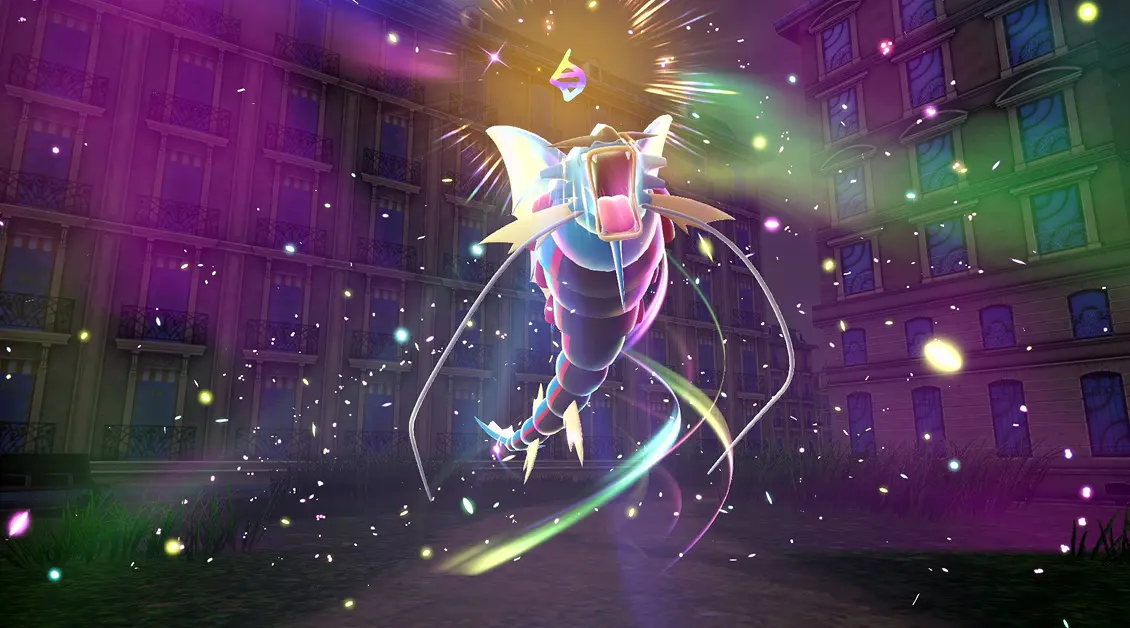
It’s not enough to derail the experience, but it’s one of those moments that makes you wish Game Freak trusted players to enjoy challenge. Thankfully, the story battles and Wild Zone encounters pick up the slack. The Rogue Mega Evolutions, in particular, are some of the most exhilarating fights in the franchise. Picture a Mega Banette teleporting around a dark cathedral or a Mega Gyarados thrashing through a flooded plaza — these moments are cinematic, creative, and legitimately hard.
The Final Catch
Pokémon Legends: Z-A isn’t flawless, but it’s the first time in years I’ve felt like Pokémon knows what it wants to be again. It’s confident, focused, and willing to take risks without losing its heart. Lumiose may not dazzle the eye, but it stirs the imagination. Its battle system feels like the future, its characters feel human, and its message — that growth comes from coexistence, not conquest — feels timely.
After years of cautious optimism and inevitable disappointment, I finally put down a Pokémon game not with a sigh, but with a smile — and a mental note to go back and catch that rooftop Dratini I missed.