
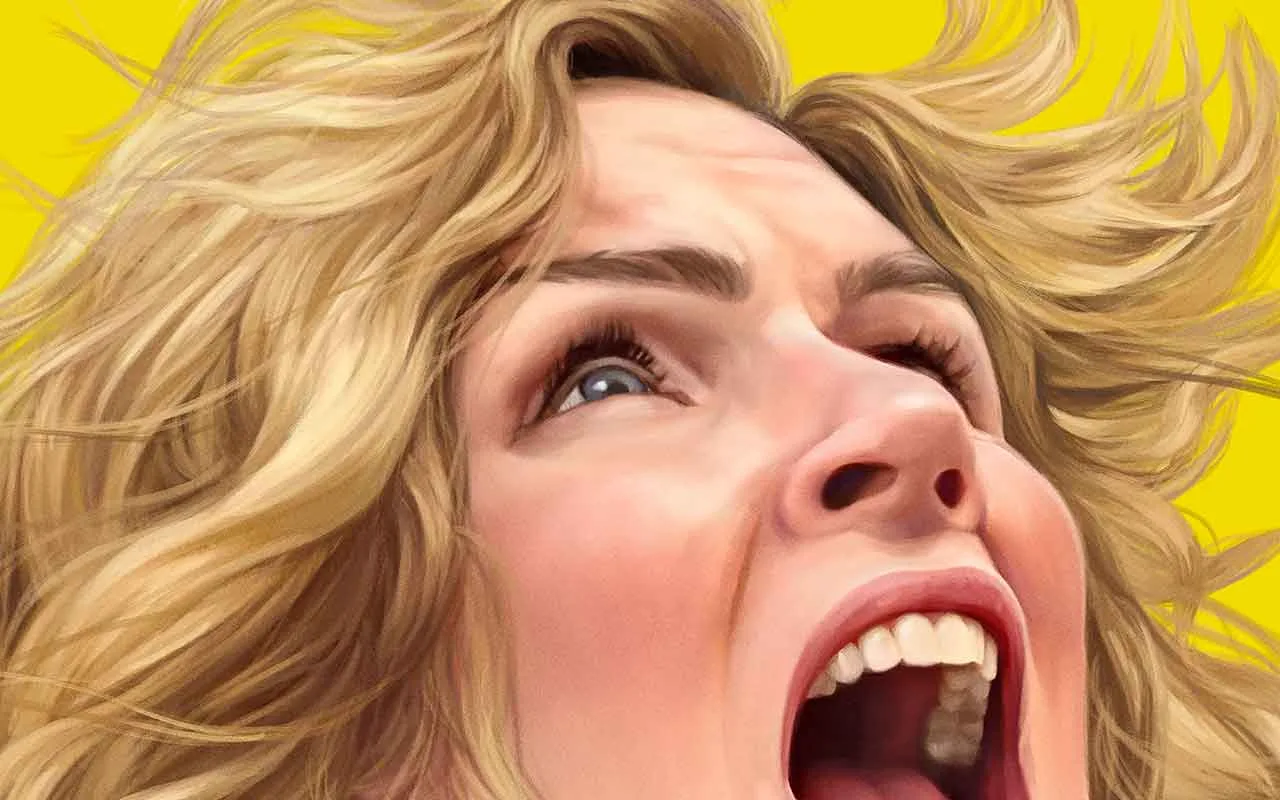
TL;DR: The Pluribus Season 1 finale delivers a slow-burning, emotionally brutal conclusion that prioritizes character over spectacle, forcing Carol to choose between compromised love and catastrophic salvation. It’s smart, unsettling science fiction that sets up a far darker and more morally complex Season 2.
Pluribus
I went into the Pluribus Season 1 finale expecting a crescendo. A bang. Maybe a Vince Gilligan–approved act of narrative pyrotechnics where the science-fiction premise finally roars louder than the simmering character work. What I got instead was something far crueler and far more effective: a slow, intimate tightening of the screws until Carol Sturka realizes that every path forward costs her a piece of her soul. And by the time the finale cuts to black, Pluribus hasn’t just ended its first season. It has calmly, methodically informed us that Season 2 is going to be darker, colder, and much more dangerous than we were ready for.
This is the point where I admit something personal. I didn’t always like Carol. Early episodes made her feel prickly to the point of abrasion, a romance novelist who’d somehow misplaced all belief in romance itself. But as the season unfolded, and especially in this finale, I realized that discomfort was the point. Carol isn’t written to be liked. She’s written to be understood. And in the hands of Rhea Seehorn, she becomes one of the most quietly devastating protagonists science fiction television has given us in years.
Pluribus, created by Vince Gilligan for Apple TV+, has never been interested in alien invasions as spectacle. There are no exploding landmarks or frantic montages of jets scrambling into the sky. The horror here is domestic, emotional, and ethical. It lives in cul-de-sacs, liquor cabinets, translation apps, and long pauses where someone chooses not to tell the truth. The finale, titled La Chica o El Mundo, takes all of those understated elements and sharpens them into a blade.
The episode opens with the inevitable collision between Carol and Manousos, a meeting that’s been teased with the same anxious energy as a Chekhov’s gun sitting on the mantle. When they finally face each other, it’s not explosive. It’s awkward, cautious, and soaked in mistrust. This is Pluribus at its best, letting tension seep rather than detonate. Their stilted exchange, mediated through a translation app that literally gets tossed into a storm drain, perfectly encapsulates the show’s thesis: communication is fragile, easily broken, and often manipulated by the systems we rely on.
Manousos arrives expecting the firebrand who once spoke about fixing the world in absolutes. What he finds instead is a woman who has been changed by proximity to the Others. Carol no longer sees them as monsters to be erased. She sees them as people who have been hollowed out and repurposed by something vast and indifferent. That distinction matters, and it’s the moral fault line running straight through the finale.
This is where Pluribus earns its comparisons to Gilligan’s earlier work, not because of plot mechanics, but because of its obsession with choice. Carol doesn’t pivot because the plot demands it. She pivots because experience has complicated her worldview. She has seen kindness from the Others. She has felt love through Zosia. And that love, however compromised, has infected her just as surely as any alien virus.
The episode’s middle stretch plays like a quiet thriller. Manousos checking for bugs. The reveal of the liquor cabinet sensor, tied to Carol’s late wife Helen, is one of those details that sneaks up on you emotionally. It’s a reminder that the Others don’t just know Carol. They know her history, her grief, her secrets. They know her better than any enemy should, which is precisely what makes them so dangerous.
When Carol discovers Zosia speaking with Manousos behind her back, the betrayal cuts deep, not because it’s unexpected, but because it’s inevitable. Zosia cannot lie. She cannot choose Carol over the collective. And yet she can still love her, or at least express something that looks and feels like love. That contradiction is the emotional core of the season, and the finale finally forces Carol to stare straight at it without blinking.
The seizure sequence, triggered by Manousos’ attempt to disrupt the Others’ signal, is chilling precisely because it offers a glimpse of hope and then yanks it away. The idea that the hivemind can be interrupted, that individuality can be briefly reclaimed, is the most dangerous revelation of the season. It’s also the moment where Carol crosses a line, grabbing a shotgun to stop the experiment. In another show, that would make her the villain. In Pluribus, it makes her human.
What follows is the quiet aftermath, and this is where the finale truly devastates. The Others withdraw. Manousos is literally locked in a trunk, reduced to a contingency plan. Carol chooses Zosia, at least for a while. The montage of travel and shared experiences is warm, tender, and intentionally seductive. It’s the fantasy Carol has denied herself for years, a life unburdened by responsibility or grief.
But Pluribus has never been interested in letting its characters hide in fantasy. The truth arrives by a fireplace in a ski lodge, spoken softly and without malice. The Others have Carol’s stem cells. Consent is irrelevant. Assimilation is inevitable. Love, as they define it, justifies everything.
This is the moment that broke me. Carol’s plea, simple and raw, cuts through all the sci-fi abstraction. If you loved me, you wouldn’t do this. And the response, that they do this because they love her, is the most horrifying line in the series. It reframes every kindness, every shared smile, as a form of grooming. The Others aren’t villains twirling mustaches. They are systems that cannot prioritize the individual, no matter how much they claim to care.
By the time Carol returns to the cul-de-sac and tells Manousos they’re going to save the world, it doesn’t feel triumphant. It feels resigned. The final image, the implication of an atom bomb once casually requested now looming as a real possibility, lands like a threat rather than a promise. Pluribus ends its first season not with hope, but with grim clarity. There are no clean solutions. There are only choices, and every choice costs something.
Season 2 is now poised to explore the fallout of Carol’s decision, and if this finale is any indication, it’s going to hurt. Pluribus has proven it’s not interested in comforting its audience. It wants to challenge us, unsettle us, and force us to interrogate the stories we tell ourselves about love, autonomy, and salvation. I’ll be there on day one, bracing myself for whatever fresh existential dread Gilligan and company decide to unleash next.