

TL;DR: Octopath Traveler 0 finally fixes the series’ long-standing narrative issues, delivers its best combat yet, and preserves a mobile saga with surprising heart — even if it still shows some seams and repeats familiar terrain. A confident, compelling JRPG well worth the time.
Octopath Traveler 0
There’s a particular smell older JRPG fans will recognize — the scent of a genre that’s been left simmering on nostalgia for so long it risks tasting like reheated leftovers. I’ve felt it creeping into the Octopath Traveler series for years. The first game dazzled me with its HD-2D charm but never quite convinced me that eight people heading in eight directions was supposed to feel like a story instead of a sightseeing tour. The sequel doubled down on the formula and tightened a few screws, but somewhere under that shimmering pixel veneer, I could hear the gears grinding.
So when Octopath Traveler 0 was announced — part prequel, part remake of a gacha mobile spin-off, part “trust us, it’s good now” — I approached with the same warm caution I give to any dish that arrives at the table smelling both delicious and slightly suspicious.
And somehow, maybe miraculously, this is the first time Octopath has felt like it finally grew into the thing it always wanted to be.
Not because it breaks the mold, but because it stops pretending it needs eight leads tap-dancing in eight directions. Because it lets itself be guided by the one compass the series has ignored for too long: a story with a center of gravity.
And because those battles — my god, those battles — are still the closest sensation I’ve ever felt to crunching perfect snow underfoot in an RPG.
The Part Where I Become the “Traveler” Instead of Picking One
In Octopath Traveler 0, you don’t choose from eight ready-made protagonists. You make your own. A tiny detail in the grand scheme, sure, but for me it was the first time I felt like the game was actually handing me the steering wheel instead of offering me eight different tourist brochures.
Choosing my character’s job, my little avatar style, even my favorite food — these are cosmetic choices, but they’re also an early reminder that this entry is built around one perspective rather than eight competing solos trying to form a choir.
And that matters, because it gives the story permission to stop juggling metaphors and tones like a circus acrobat. The game finally feels narratively unified — grim, grounded, even surprisingly brutal at times, especially for a series better known for poetic musings and tavern bants.
Your idyllic childhood in Wishvale lasts about as long as any JRPG prologue dares to be peaceful before it bursts into flames. Three villains — whose names and crimes feel ripped from the kind of noir JRPGs the SNES never quite had the power to give us — torch your home, demolish your future, and essentially lock your heart into a quiet little furnace for the rest of the game.
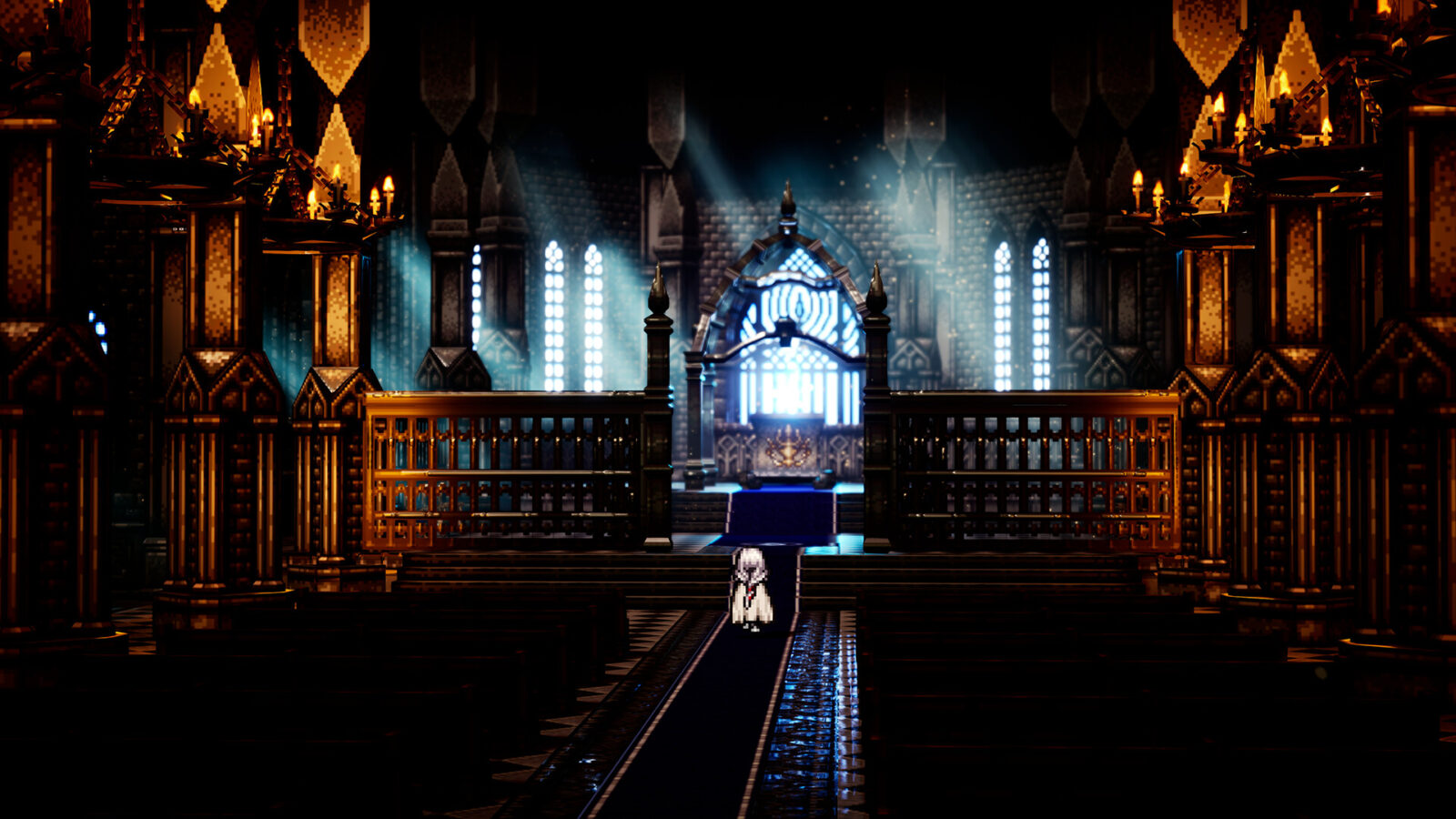
Revenge stories aren’t exactly rare. But Octopath Traveler 0 tells one with such a sharp blade that it cuts away a lot of the bloat the series carried before. Three arcs replace eight. Each villain stands firmly within their own theme — desire, fame, power — and the world around them contorts with a kind of grotesque theatricality that feels almost decadent for a pixel-art RPG.
The cast supporting you may step out of the light far too often, but when they show up in battle? That’s when the real love shows.
The Bravely Default DNA Grows a New Branch
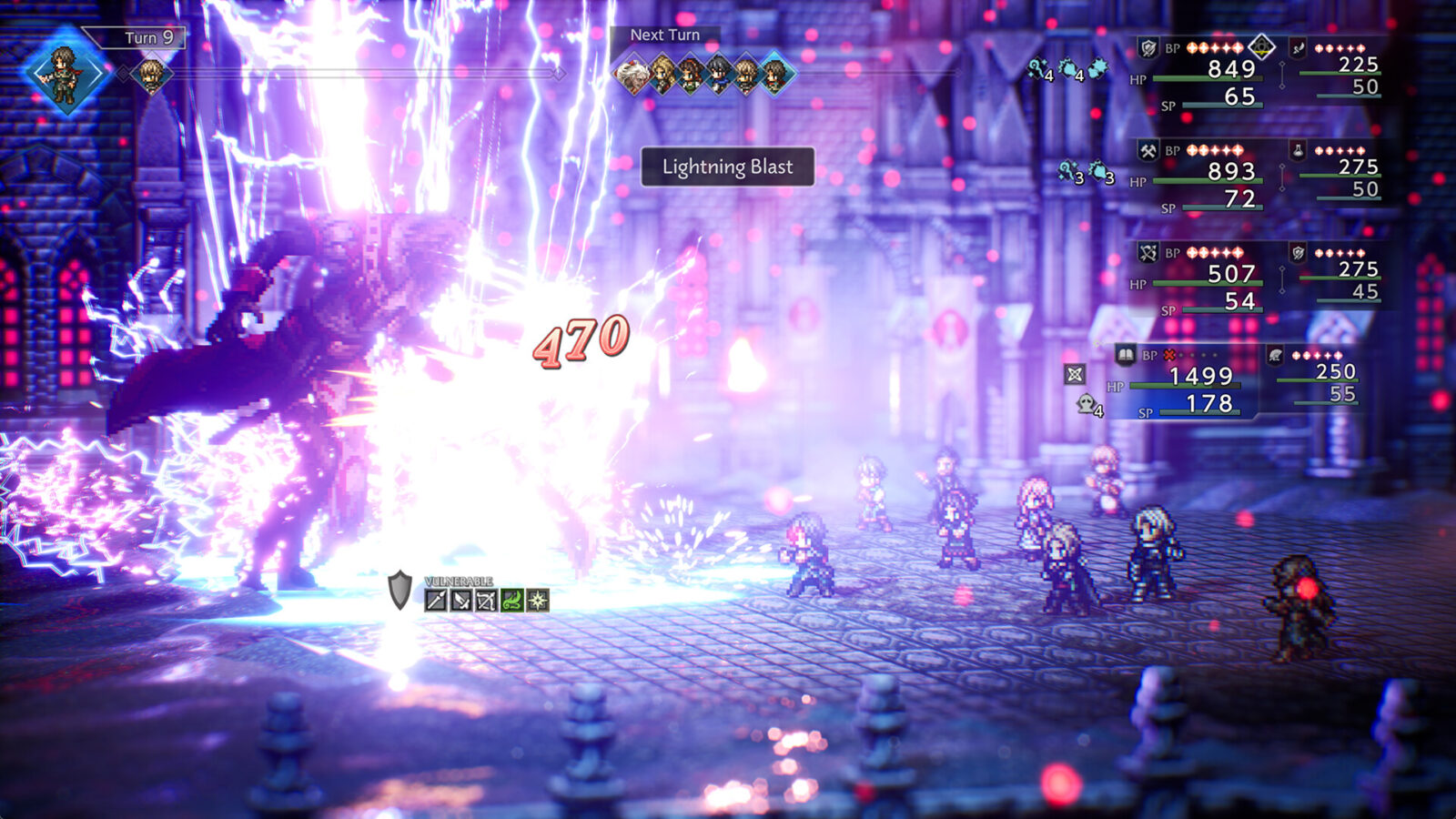
Look — I’ve played a lot of turn-based RPGs. Enough that sometimes I wonder if I’ve internalized attack patterns like old song lyrics. But there’s something singularly addictive about Octopath’s “break and boost” system. It’s like watching a Rube Goldberg machine in slow motion: break the armor, line the turns up, pump BP, unleash, reset, repeat.
Octopath Traveler 0 refines this system into its best form yet.
Random encounters? Still here. Still frequent. Still the JRPG handshake from 30 years ago that somehow refuses to retire. But the battles are so tactically chewy that I stopped caring about frequency somewhere around hour ten and started treating every ambush like a chance to pull off another stupidly precise combo.
Enemies shift weaknesses mid-fight. Bosses hide behind cronies whose sole job is being annoying. Shield points rise and fall like a nervous stock market graph. And you — now backed by a party of eight — can smoothly swap the front row with the back, tag-team style.

This is the closest the series has come to giving me that old Final Fantasy VI feeling — when you felt the tension of choosing not just who swings first, but who exists in the room.
It’s a system with so much tactical oxygen that even after dozens of hours, I was still finding new synergies, new exploit paths, new reasons to grin like a child who just figured out how to break the rules in a board game by technically not breaking them.
Wishvale: Where Trauma Meets Cozy Crafting
If combat is the game’s brain, Wishvale is its bruised but beating heart.
I wasn’t expecting to care about town-building. I’m the kind of player who usually treats these systems like obligatory side salads. But Wishvale works because it isn’t just a checklist. It’s a wound. A memory. A promise.
Every time I found a survivor scattered across Orsterra, every time I placed another ramshackle building or watched the town inch closer to the version that existed before the fire, I felt that quiet tug — the one games rarely earn — of wanting to make something right again.
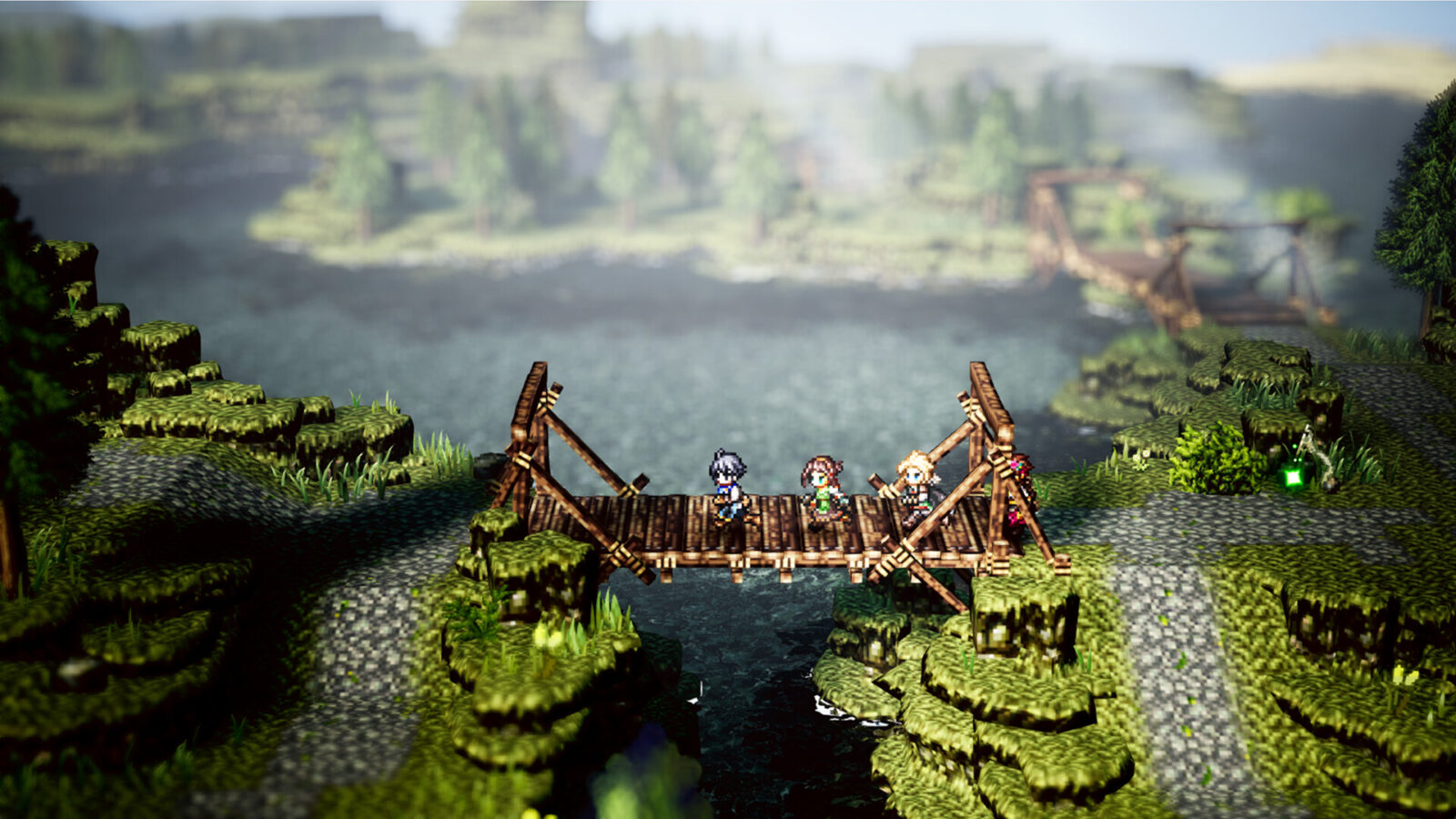
Yes, the system is simple. Yes, it gates progress behind story pacing. Yes, it’s far from the Animal Crossing-meets-RPG fusion some players may fantasize about.
But emotionally? It lands.
It’s the one quiet space in a game that otherwise revels in darkness. A warm little lantern you carry with you, flickering but stubborn.
The Familiar Isn’t Always Comfortable
Here’s the thing no one really wants to say about Octopath Traveler 0:
It still looks and feels like Octopath.
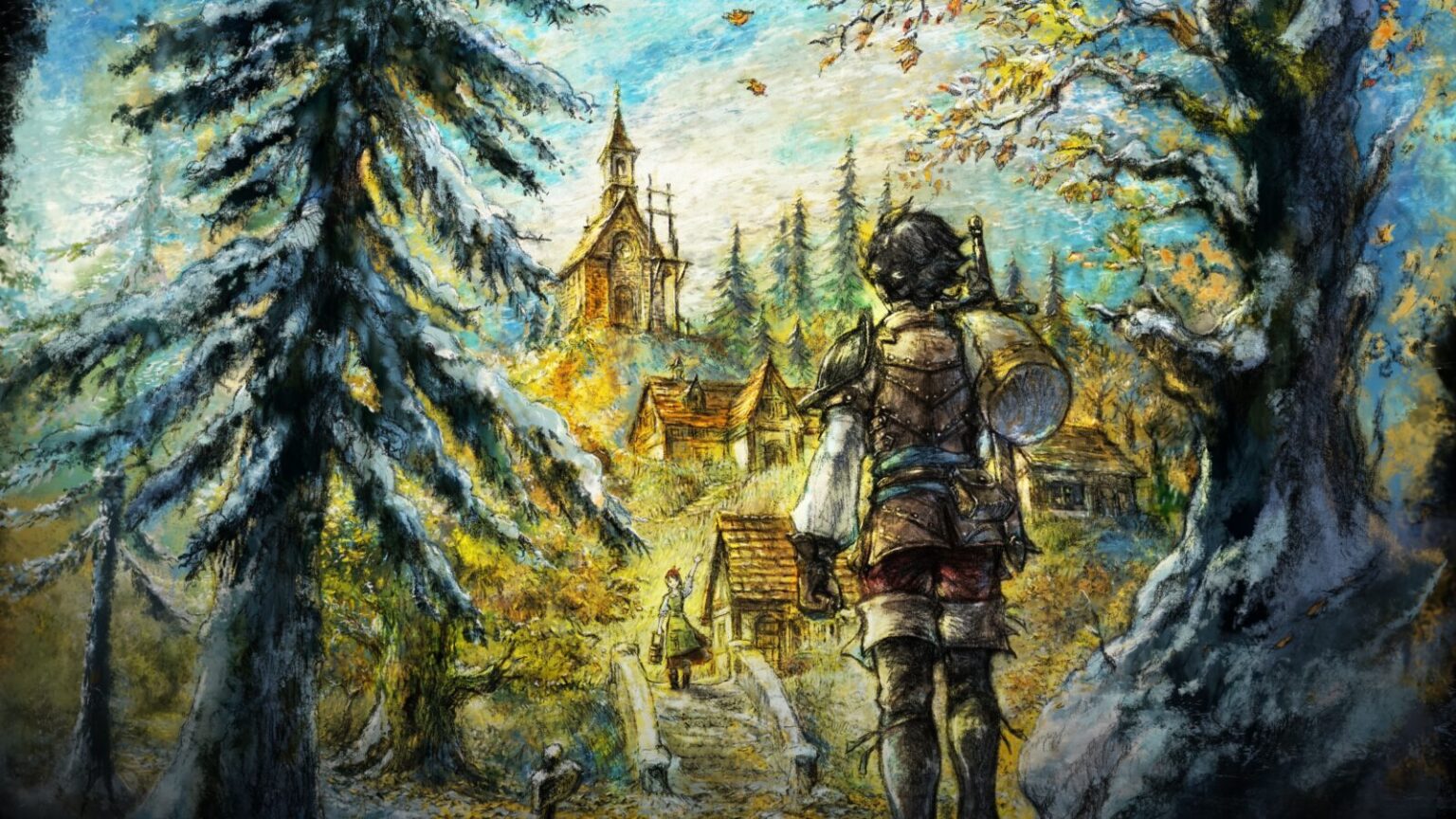
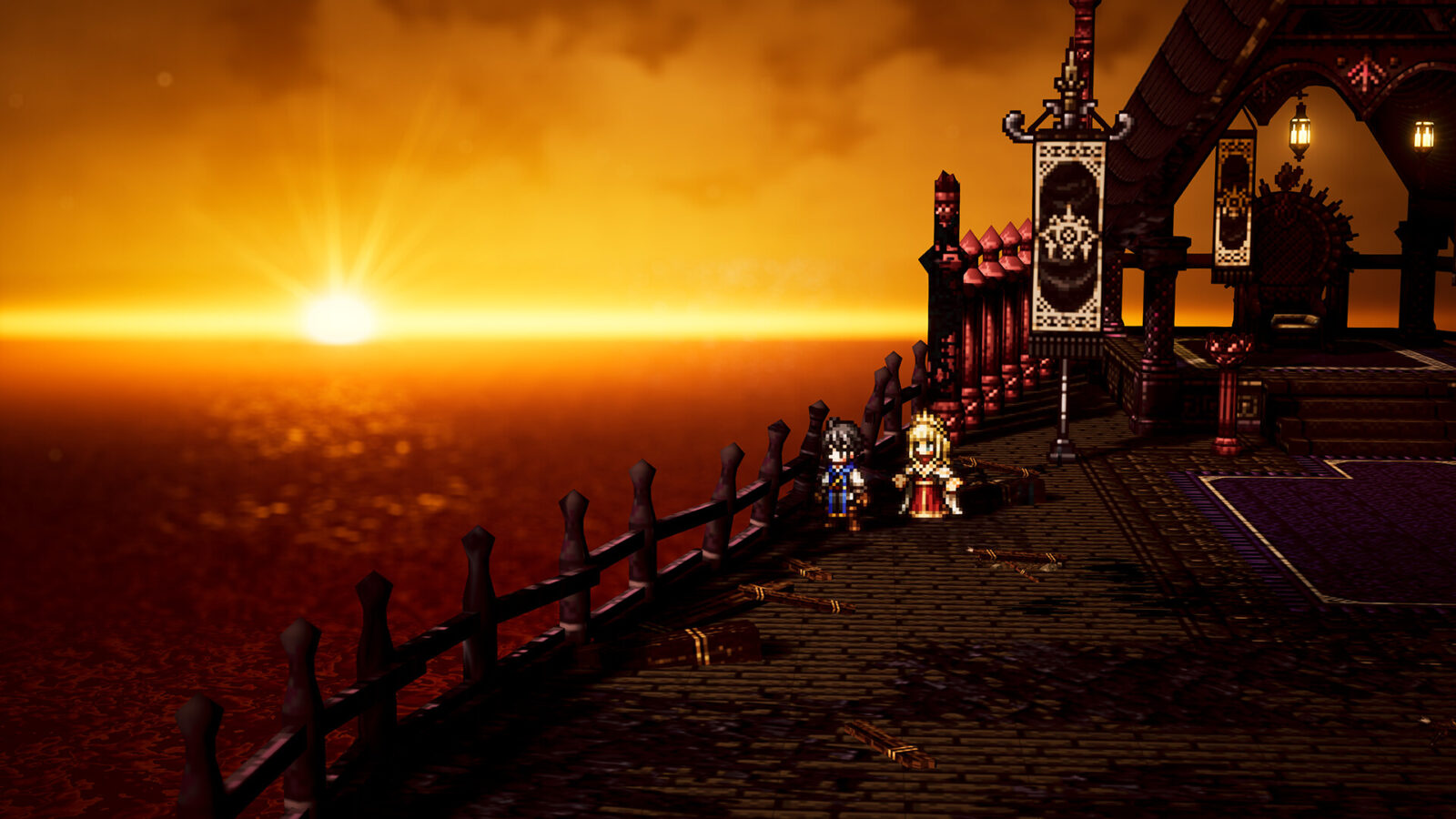
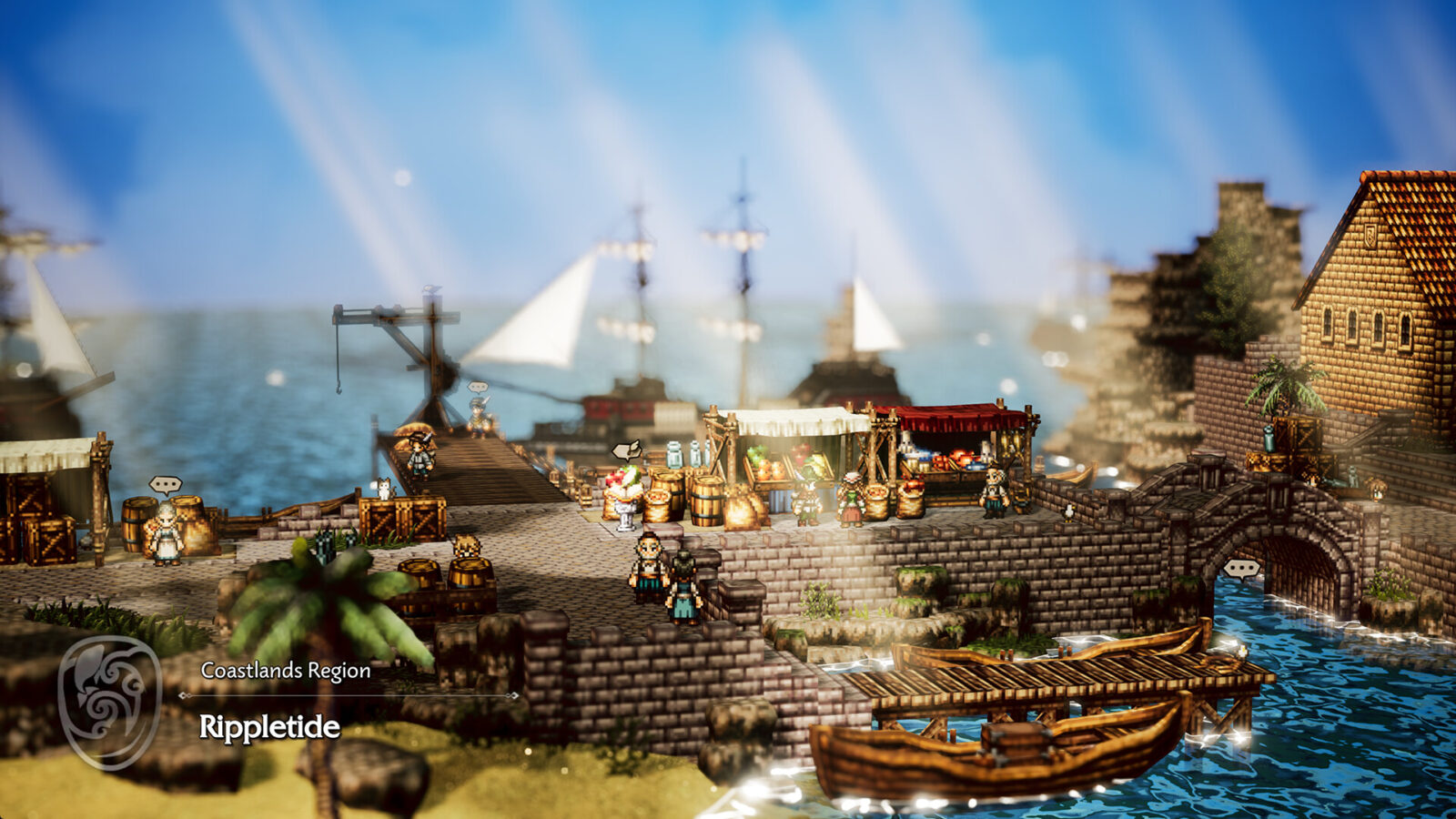
And sometimes that’s a blessing. HD-2D continues to be one of the most enchanting visual styles in games today, period. But it also means we’re walking the same roads through Orsterra again. The same aesthetic, many of the same routes, some environments that feel more copy-paste familiar than nostalgic.
There are moments, especially between major arcs, when you can feel the ghost of the game’s mobile origins. The pacing stumbles, the structure lets its seams show, and you’re left wandering long enough that you can almost see the “Content Update Coming Soon” banner that once lived in some developer’s backend.
But even with those inherited quirks, the sheer amount of story — over 100 hours of it, folded from the mobile game’s years-long narrative — gives this entry a weight the earlier games simply couldn’t muster.
This is Octopath as an anthology opera, not a collection of vignettes.
The Strange Joy of Preservation
I’ve spent a lot of my adulthood watching good games vanish because the servers died. Whole worlds blinked out of existence like constellations behind city lights. Live-service games have given us unforgettable experiences, but they also feel like sandcastles built for tides.
So there’s something special — almost noble — about Octopath Traveler 0 taking a mobile game destined for eventual extinction and saying:
No.
We’re keeping this one.
We’re making it whole.
We’re letting people play it forever.
It’s not perfect. It’s not revolutionary. It’s not even the direction many hoped the series would move toward.
But it’s honest.
It’s complete.
And it finally understands that being an “Octopath” game doesn’t mean being eight games taped together.
It just means being worth the journey.
Verdict
Octopath Traveler 0 is the first entry in the series that feels genuinely cohesive — a dark, richly textured JRPG that abandons the eight-protagonist gimmick in favor of a focused personal story, razor-sharp combat, and an unexpectedly stirring town-rebuilding arc. It retreads familiar ground, the pacing occasionally buckles under its mobile-born architecture, and its supporting cast gets less spotlight than they deserve. But despite these flaws, this is easily the strongest, most emotionally resonant, and most tactically satisfying Octopath game to date. A triumph of refinement rather than reinvention.