


TL;DR: The Nothing Phone (4a) delivers a refined transparent design, a genuinely useful Glyph Bar, a bright and sharp 1.5K AMOLED display, strong Snapdragon 7s Gen 4 performance, and a rare 3.5x optical telephoto camera in the mid-range segment. Combined with Nothing OS 4.1’s clean experience and practical AI features, it stands out as one of the most complete and character-rich Android phones in its class.
Nothing Phone (4a)
Every year, mid-range phones get better. That’s just the trajectory of technology. What used to be flagship-tier trickles down. Displays improve. Cameras get smarter. Chips get faster. But every once in a while, a mid-range device shows up that doesn’t just inherit last year’s scraps. It shows up with intent.
The Nothing Phone (4a) feels like that kind of phone.

I’ve been using it as my primary device long enough to stop babying it and start judging it. I’ve gamed on it, shot videos in harsh midday sun, taken low-light portraits that would make my Instagram algorithm nervous, relied on it for work, and yes, flipped it face down more times than I care to admit just to watch the Glyph Bar glow like some minimalist cyberpunk campfire.
And here’s the thing: this doesn’t feel like a compromise phone.
It feels like a statement.

Design: The Transparent Philosophy Grows Up
The first time you pick up the Nothing Phone (4a), you already know what you’re getting into. Nothing’s transparent aesthetic is no longer a gimmick. It’s an identity. But what impressed me this year isn’t that it looks different. It’s that it looks refined.
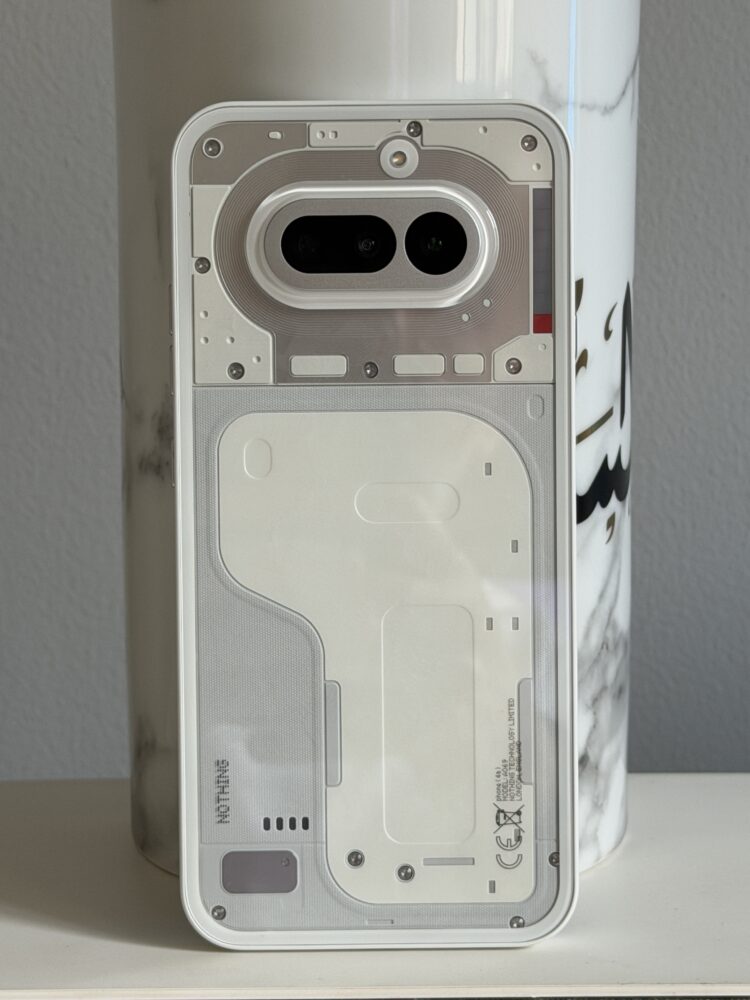
The back panel still exposes the structural elements, the layered components, the geometry of modern smartphone engineering. But the composition feels more deliberate. There’s more depth, more intentional framing around the battery structures, more polish in the way the aluminum camera housing integrates into the design language.

This year’s color options—Pink, White, Black, and Blue—aren’t just palette swaps. The Pink variant in particular feels bold without screaming for attention. The Blue has this cool, industrial calm that makes it look like it was pulled out of a sci-fi concept lab. Even the White model carries that clean, architectural vibe that makes other mid-range phones look generic by comparison.
And yes, people still ask about it. In coffee shops. In elevators. At the gym. Transparent phones are still rare enough that it sparks curiosity.
But beyond aesthetics, there’s structural improvement. Bend resistance has improved by 34 percent compared to the previous generation. Gorilla Glass 7i protects the display, and the device carries IP64 certification. It can handle splashes and even limited submersion. I wouldn’t take it swimming, but accidental sink drops won’t end your relationship.
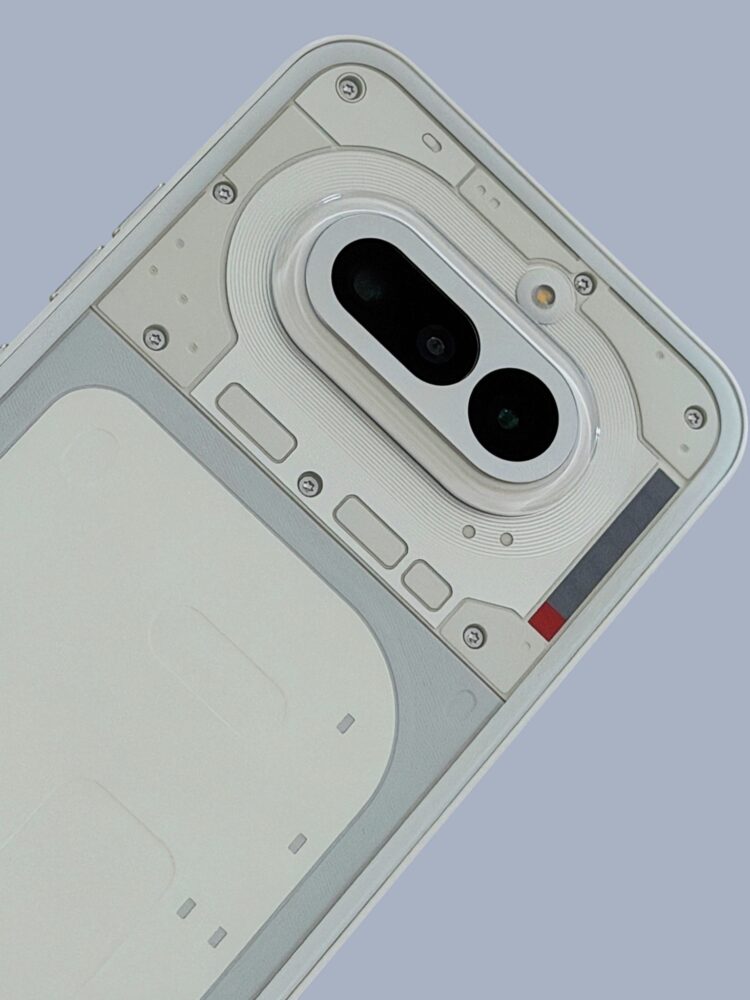


At 204.5 grams, it has substance. It feels planted in your hand. The weight distribution is balanced, and the 8.55 mm thickness strikes that sweet spot between slim and sturdy. It doesn’t feel hollow. It feels engineered.
And in a market full of glass slabs that blur together, the Nothing Phone (4a) still has character.
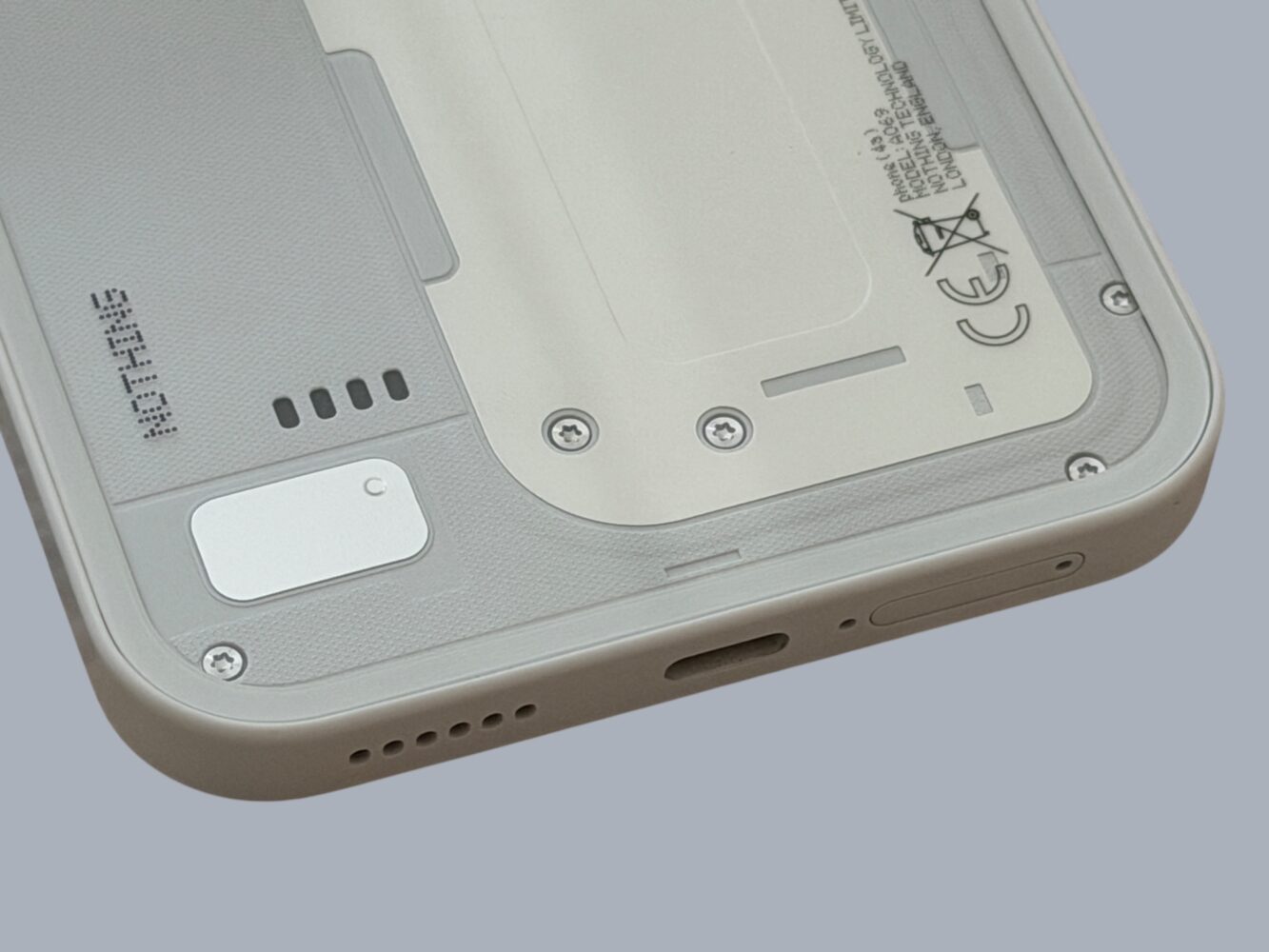
The Glyph Bar: LEDs With a Purpose
The Glyph Interface has always been Nothing’s signature flex. But on the Phone (4a), it’s less about showing off and more about functioning smarter.
The new Glyph Bar integrates 63 mini-LEDs arranged across six individually addressable zones. They’re brighter now, reaching up to 3,500 nits, which means even in a well-lit room, you can see them clearly. There’s no messy light bleed, no uneven color tinting. It’s precise.
What surprised me most wasn’t the brightness. It was how quickly I integrated it into my routine.


I created Essential Notification rules for specific contacts and apps. When a particular person messages me, I don’t need to flip the phone. I know from the pattern. When a ride-hailing app updates my driver’s arrival, the Glyph animates progress. When I set a timer, it visually counts down.
It changes the way you interact with notifications. You’re not dragged into the screen every time your phone vibrates. You can glance at your desk and get context without unlocking.
Flip to Glyph mode has become oddly therapeutic. Face the phone down and it enters a quieter state. Notifications become ambient. It’s like giving your phone a dimmer switch.


And then there’s Flip to Record. Place the phone face down, hold the Essential Key, and the Glyph animates an audio waveform while recording. It feels tactile, analog, almost nostalgic. There’s something satisfying about recording without staring at a screen.
Is it essential? Maybe not for everyone. But after a week, I missed it when I switched to another device.
Display: 1.5K Clarity and Sunlight Authority
The display is where mid-range phones often cut corners. Resolution. Brightness. Touch response. Something usually gives.
Not here.
The Nothing Phone (4a) sports a 6.78-inch LTPS flexible AMOLED panel with a 1224 x 2720 resolution. That translates to 440 pixels per inch. On paper, that sounds like incremental improvement. In practice, it’s immediately noticeable.
Text looks crisper. UI elements feel more defined. When you zoom into photos, you see finer detail. It’s the kind of clarity that quietly elevates the entire experience.

Then there’s brightness. Outdoor brightness peaks at 1,600 nits, and HDR peak brightness hits 4,500 nits. I tested it under aggressive midday sun. No squinting gymnastics required. It stays legible.
The 120Hz adaptive refresh rate keeps everything fluid, and in gaming mode, the touch sampling rate spikes to 2,500Hz. That responsiveness is not theoretical. It feels immediate. Fast swipes register instantly. Competitive gaming feels sharp and controlled.
PWM dimming at 2,160Hz means low-brightness usage is easier on the eyes. Late-night scrolling doesn’t leave you feeling like you stared into a miniature sun.
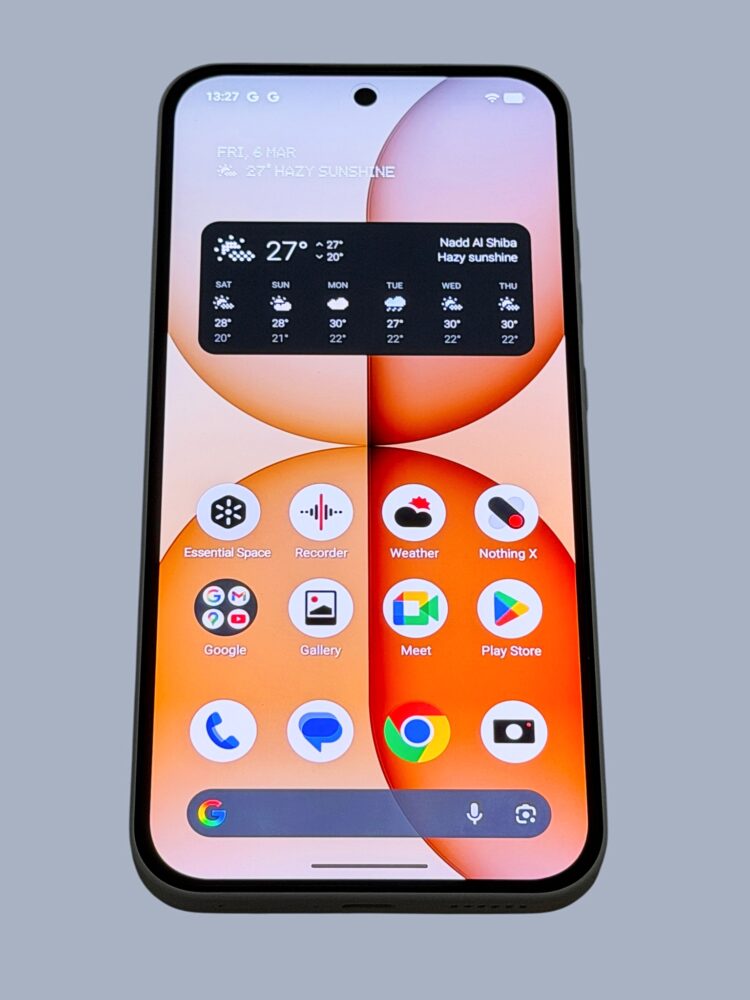
Bezels are slimmer this year. The screen-to-body ratio hits over 91 percent. It feels immersive without being absurdly curved or fragile.
For a device in this category, the display doesn’t feel mid-range. It feels flagship-adjacent.
Performance: Snapdragon 7s Gen 4, Tuned With Intent
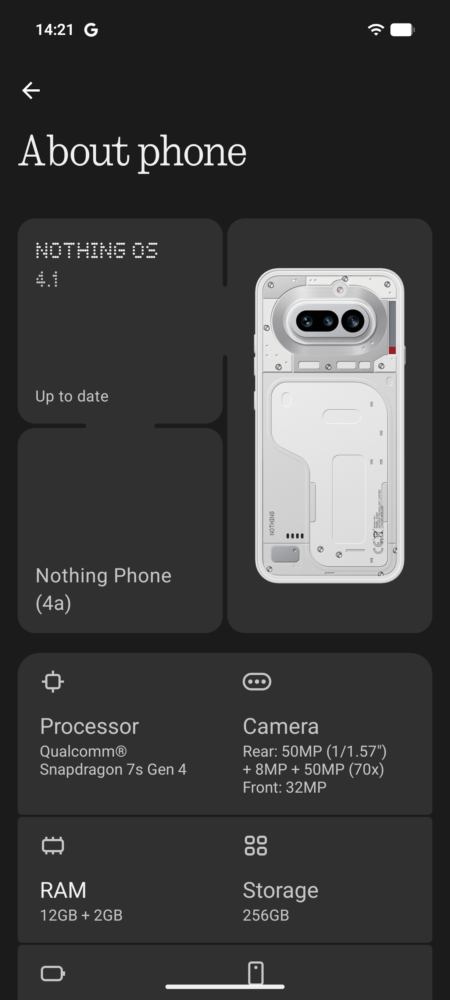
Powering the Nothing Phone (4a) is the Snapdragon 7s Gen 4, built on a 4nm TSMC process. Specs alone don’t tell the story. Optimization does.
Nothing OS 4.1 feels tightly integrated with this chipset. Animations are smooth. App launches are consistent. Multitasking doesn’t feel like a juggling act.
Storage speeds have improved significantly over the previous model. Read and write performance jumps are noticeable when installing large games or transferring files. UFS 3.1 makes a difference.
Gaming performance surprised me. Titles like Call of Duty Mobile and BGMI hold high frame rates without dramatic throttling. The Adaptive Performance Engine works behind the scenes to stabilize output. Thermal management is controlled. The phone warms under sustained load, but it doesn’t spiral.
And then there’s the unexpected flex: Stable Diffusion 1.5 running locally for real-time image generation. On a mid-range device. That’s the kind of forward-looking capability that hints at where this segment is heading. It’s not about raw benchmark dominance. It’s about consistency. The Phone (4a) feels dependable.
Camera System: The Telephoto Plot Twist
This is where the narrative shifts.
Most mid-range phones give you a solid main sensor, a questionable ultra-wide, and maybe a depth sensor pretending to be useful. Nothing didn’t follow that script.
The 50MP Samsung GN9 main sensor captures impressive detail with strong dynamic range. The larger sensor size allows more light intake, which translates into better low-light performance and cleaner shadows. Colors are vibrant without veering into oversaturated territory.
But the star is the periscope telephoto lens.

A 50MP Samsung JN5 sensor with 3.5x optical zoom in this segment is rare. Portraits at 80mm equivalent focal length look natural. Faces have proper compression. Background separation feels organic, not artificially carved out by aggressive software.
Ultra XDR processing merges 13 RAW frames to expand dynamic range. Highlights retain detail. Sky gradients don’t blow out. It handles complex lighting scenarios with confidence.
Video performance is solid at 4K 30fps. Stabilization blends optical and electronic systems effectively. It’s not cinematic flagship-level, but it’s strong enough for serious content creation.
The ultra-wide sensor is serviceable. It doesn’t match the main or telephoto in sharpness, but it holds its own for landscapes and group shots. Macro performance between 3.5x and 7x is unexpectedly fun. Close-up textures pop.
This is the first time an “a” series Nothing phone feels camera-versatile rather than camera-capable.
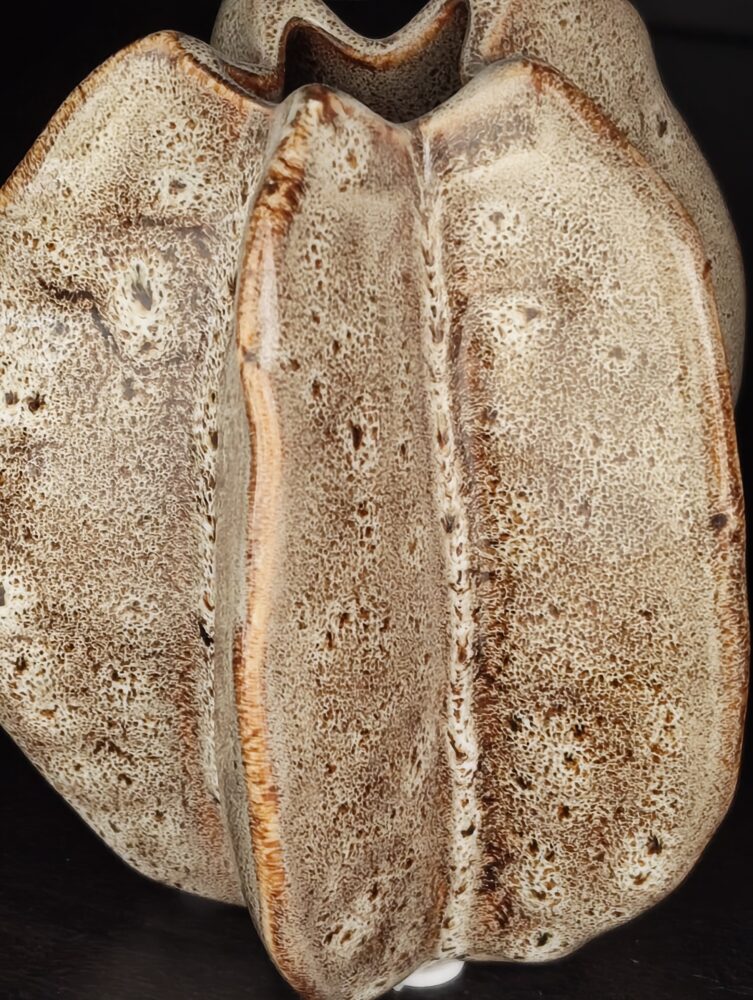
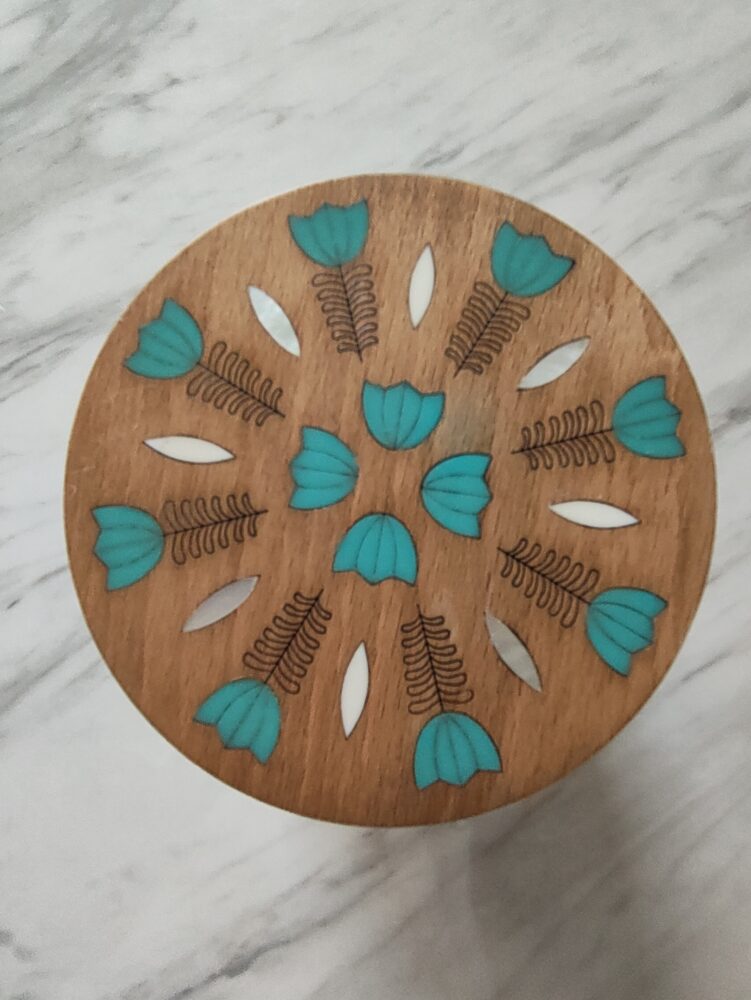
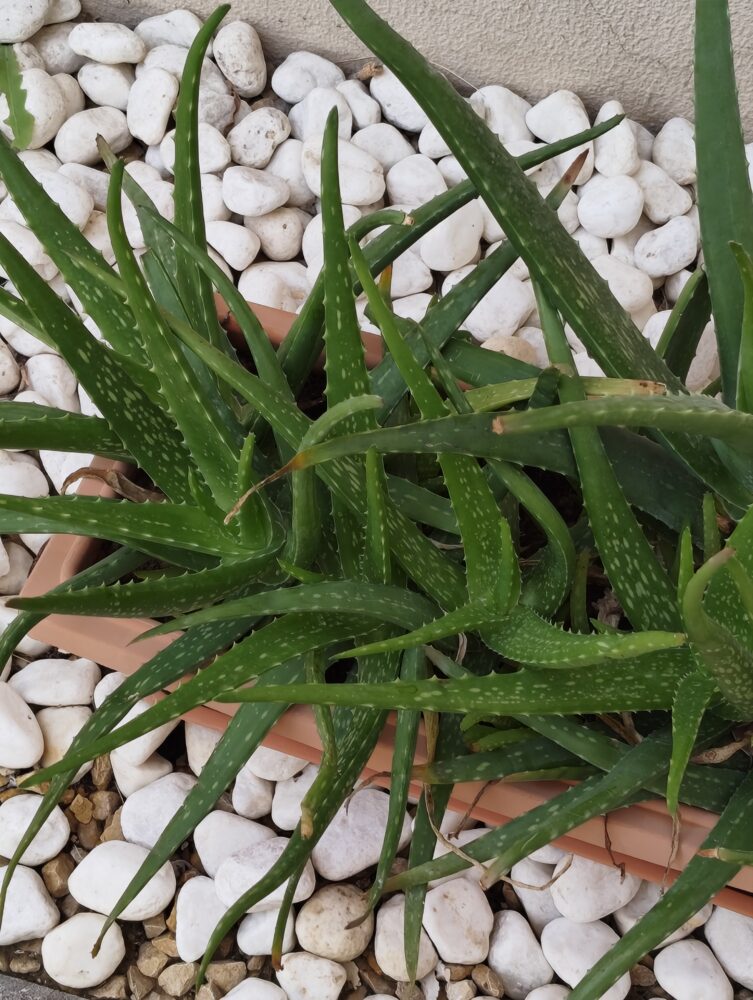
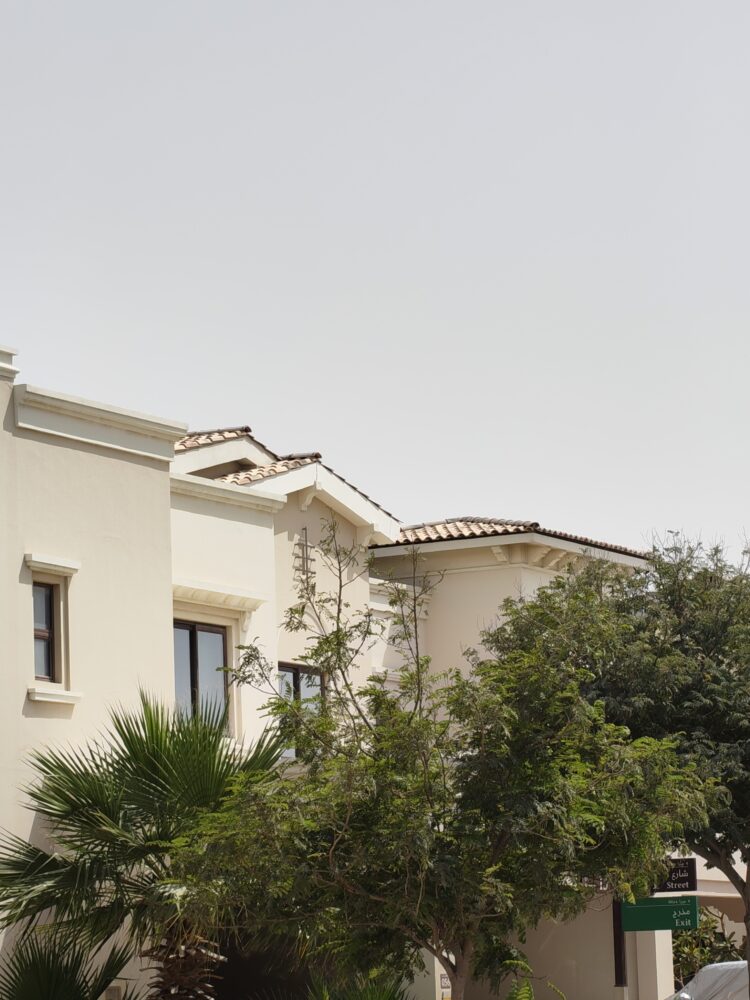
Photo Samples











Battery Life: Quietly Reliable
The 5,080 mAh battery doesn’t scream innovation, but it delivers reliability. I consistently get through full days of mixed usage with margin. Streaming, gaming, photography, navigation—no anxiety.
Charging at 50W gets you from empty to half in around 22 minutes. Full charge lands around the hour mark. It’s fast enough that you don’t obsess over percentages.
Longevity matters too. The promise of maintaining 90 percent capacity after 1,200 cycles suggests this phone is built for the long haul.


Nothing OS 4.1: Clean, Smart, Personal
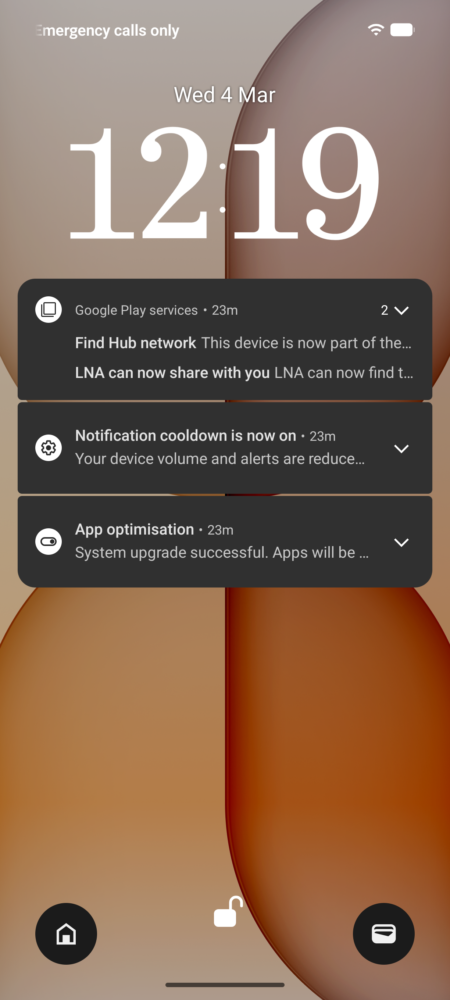
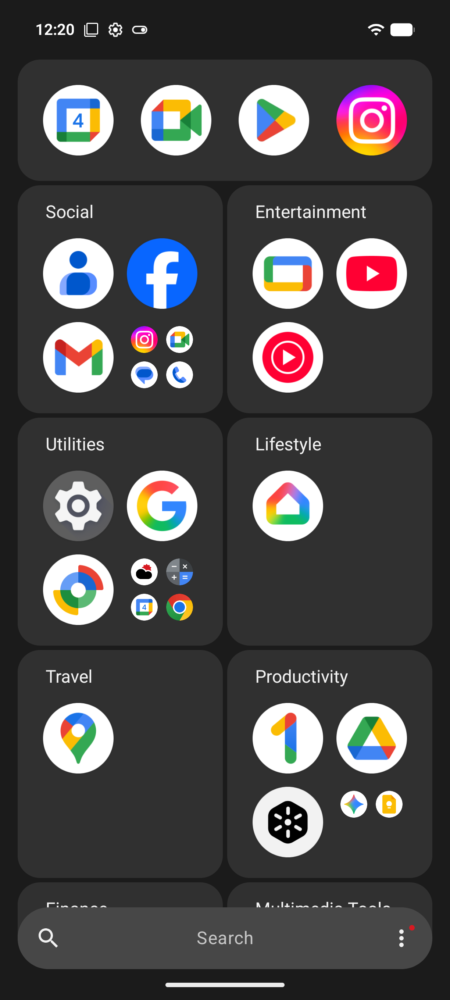
Nothing OS continues to be one of the cleanest Android experiences available. Based on Android 16, it avoids clutter and embraces minimalism without stripping functionality.
The Essential Key adds a layer of practicality. Screenshots, recordings, voice notes—all routed to Essential Space, where AI organizes and extracts information.




Essential Search allows quick queries across your device and beyond. Essential Voice, rolling out via OTA, converts speech into structured text while removing filler words and adapting tone.
This is not gimmick AI. It’s workflow AI.
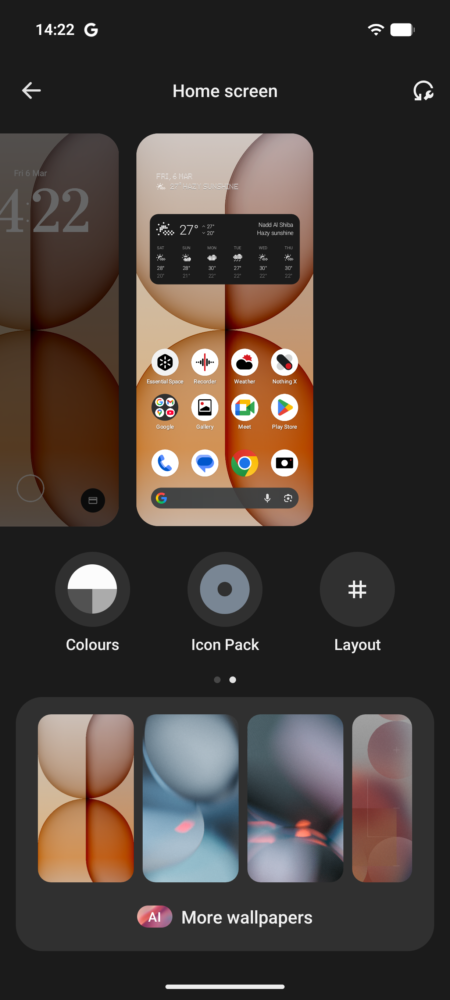
The interface feels cohesive. Animations are refined. Widgets integrate smoothly. Customization options exist without overwhelming.
Pricing and Value
Now let’s talk numbers, because design swagger only matters if the price makes sense.
In the UAE, the Nothing Phone (4a) starts at AED 1,199 for the 8GB + 128GB model. The 8GB + 256GB version comes in at AED 1,499, while the 12GB + 256GB configuration lands at AED 1,599. In Saudi Arabia, pricing starts at SAR 1,399, with similar positioning across Kuwait, Qatar, and Oman depending on the variant.
And honestly? That’s aggressive.

For that money, you’re getting a periscope telephoto lens, a sharp 1.5K AMOLED display that thrives in harsh sunlight, reliable Snapdragon 7s Gen 4 performance, and three years of Android updates with six years of security patches. That’s not “budget-friendly compromise” territory — that’s calculated mid-range disruption.
At AED 1,199, the base model feels strategically priced to move. The 12GB + 256GB at AED 1,599 is arguably the sweet spot for anyone who wants breathing room and longevity without drifting into flagship pricing.
This isn’t a phone that feels cheap for the price. It feels underpriced for what it delivers.
Verdict
The Nothing Phone (4a) doesn’t feel like a watered-down flagship. It feels like a thoughtfully engineered mid-range device that knows exactly what it wants to be. It’s distinctive without being impractical. Powerful without overheating. Creative without becoming chaotic.