
TL;DR: A bold, metal-built midrange phone with smooth performance, clean software, a genuinely useful Glyph Matrix, and a camera system that encourages creativity. It’s different—and that’s exactly why it works.
Nothing Phone (4a) Pro
I’ve reached a point with smartphones where I can predict how I’ll feel about a device before I even turn it on. You read the specs, you glance at the design, and your brain quietly goes, “yeah, I know exactly what this is going to be.” Another safe, competent, emotionally neutral rectangle.
Then I spent real time with the Nothing Phone (4a) Pro, and that prediction engine just… stopped working.
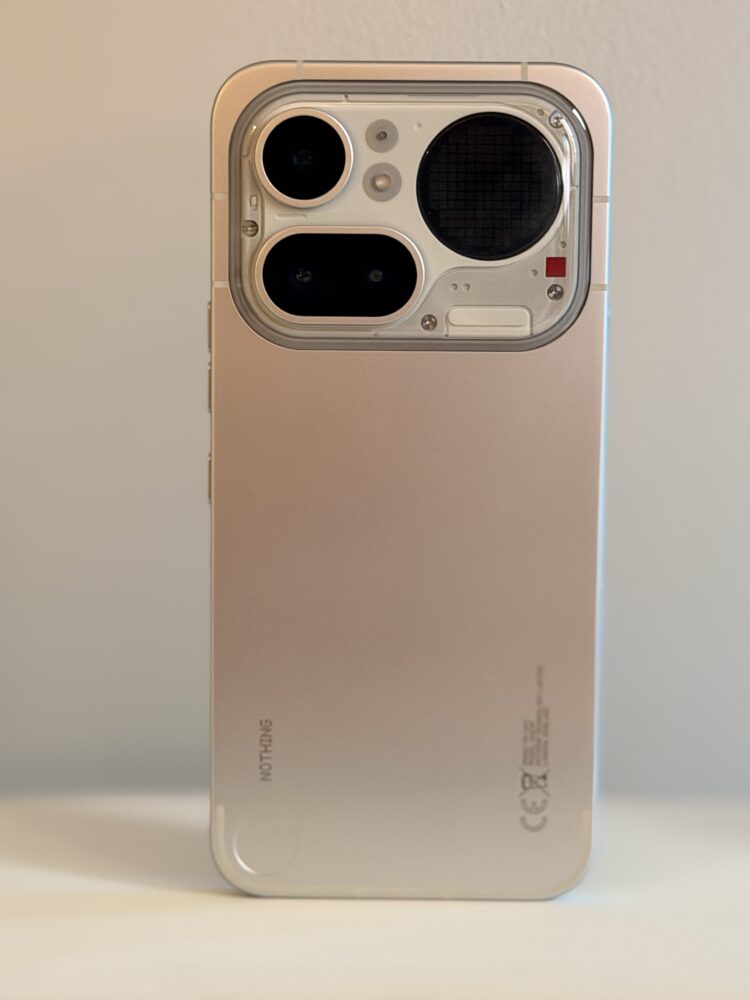
This is not a phone that wants to blend in. It doesn’t chase the usual midrange formula of “good enough everything.” Instead, it leans into character. It wants to feel different in your hand, look different on a table, and behave just slightly off-center compared to everything else around it. And the more I used it, the more I realized how rare that has become.
The design: cold metal, sharp edges, and zero apologies
Let’s get this out of the way—this is one of the few midrange phones where materials aren’t an afterthought.
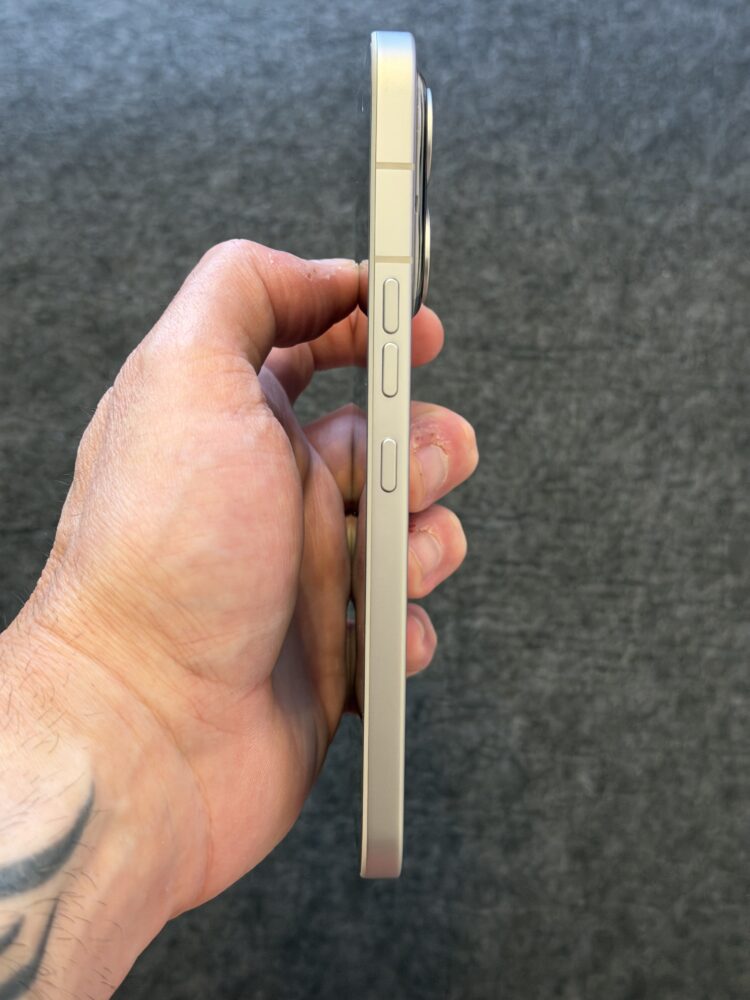
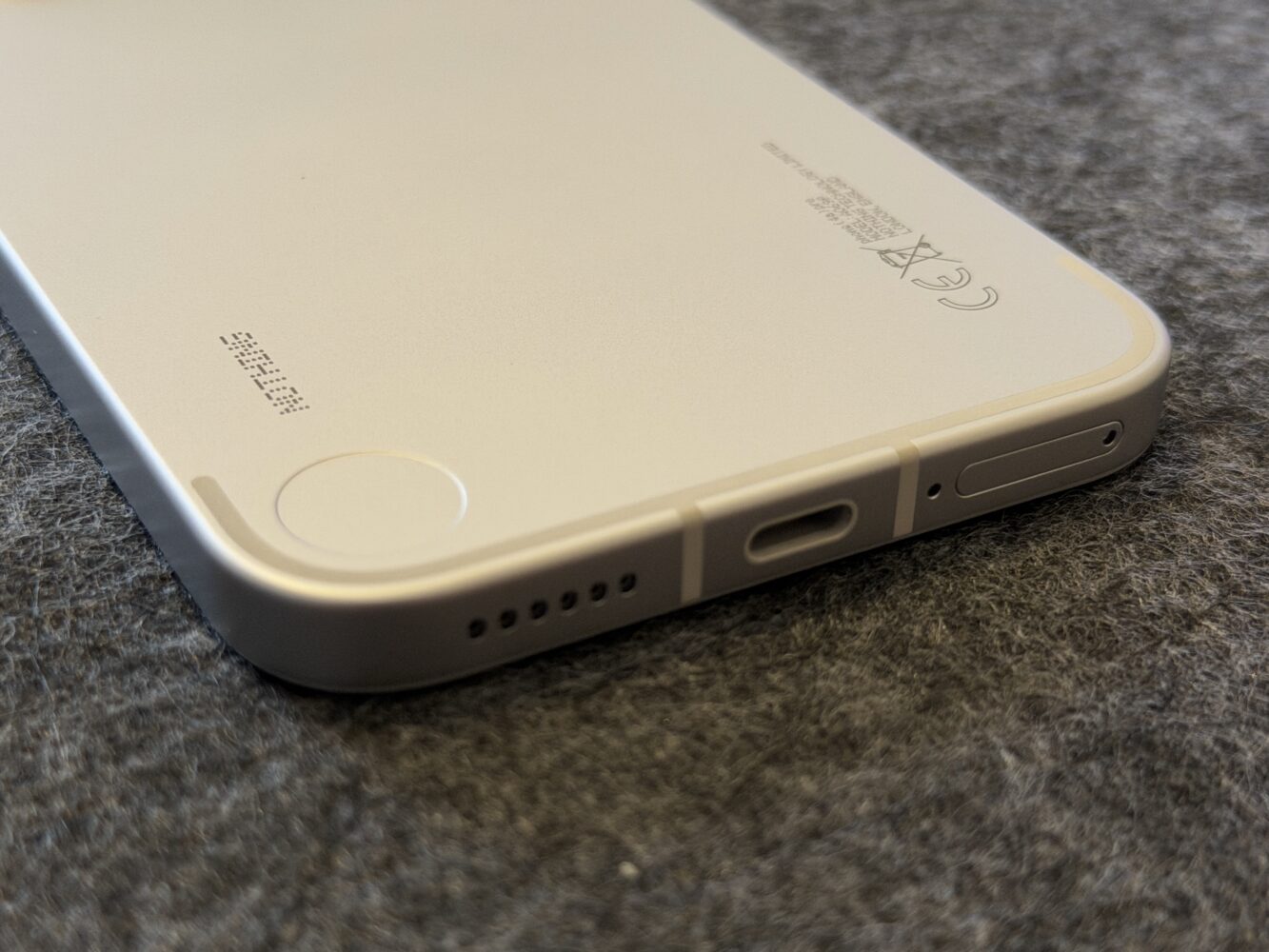
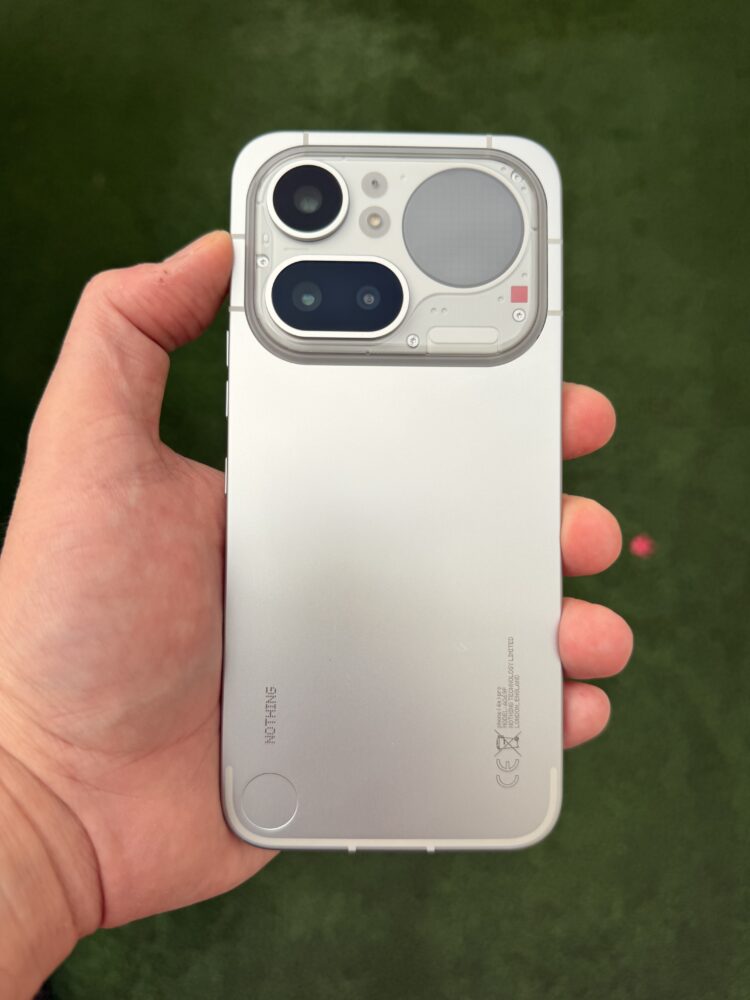
The Nothing Phone (4a) Pro leads with metal, and you feel it immediately. That cold, slightly industrial touch when you pick it up never really stops being satisfying. It’s thin, yes, but not in that fragile, overly polished way. There’s substance here. The frame feels rigid, planted, like it was carved rather than assembled.
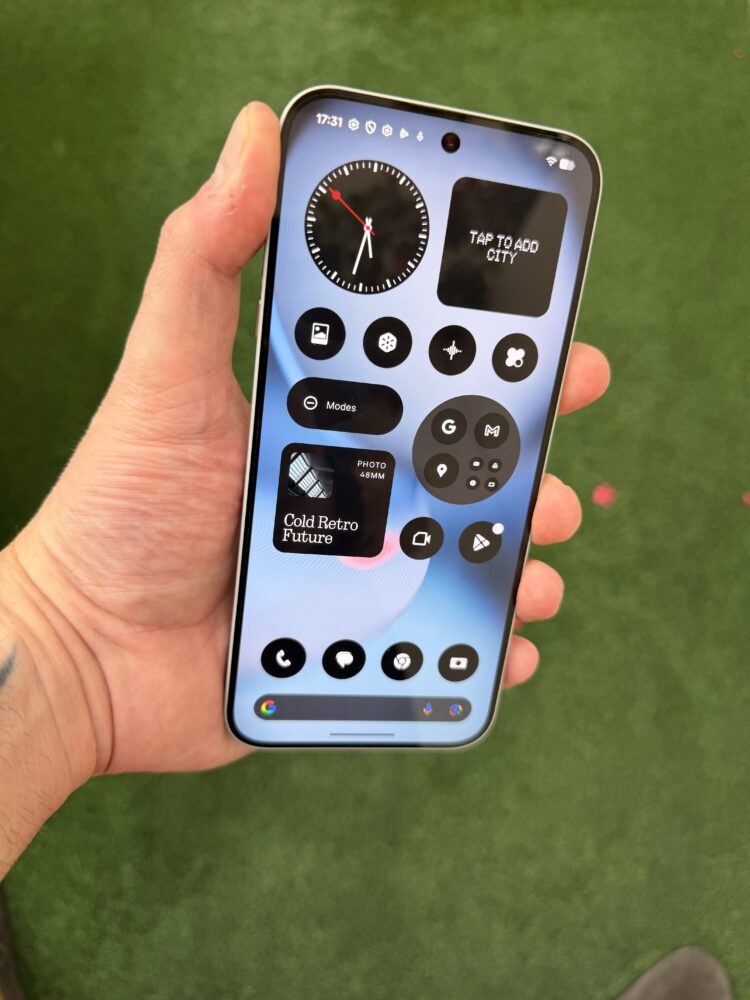
I kept noticing it in small moments. Picking it up off a desk. Adjusting my grip while walking. Even just holding it during long scrolling sessions. There’s a confidence to the build that most phones at this level don’t have. No creaks, no flex, no hollow shortcuts hiding under glossy finishes.
The edges are defined without being aggressive. The balance is right. It feels engineered, not softened to appeal to everyone. And I respect that. It doesn’t try to disappear in your hand—it wants you to feel it.
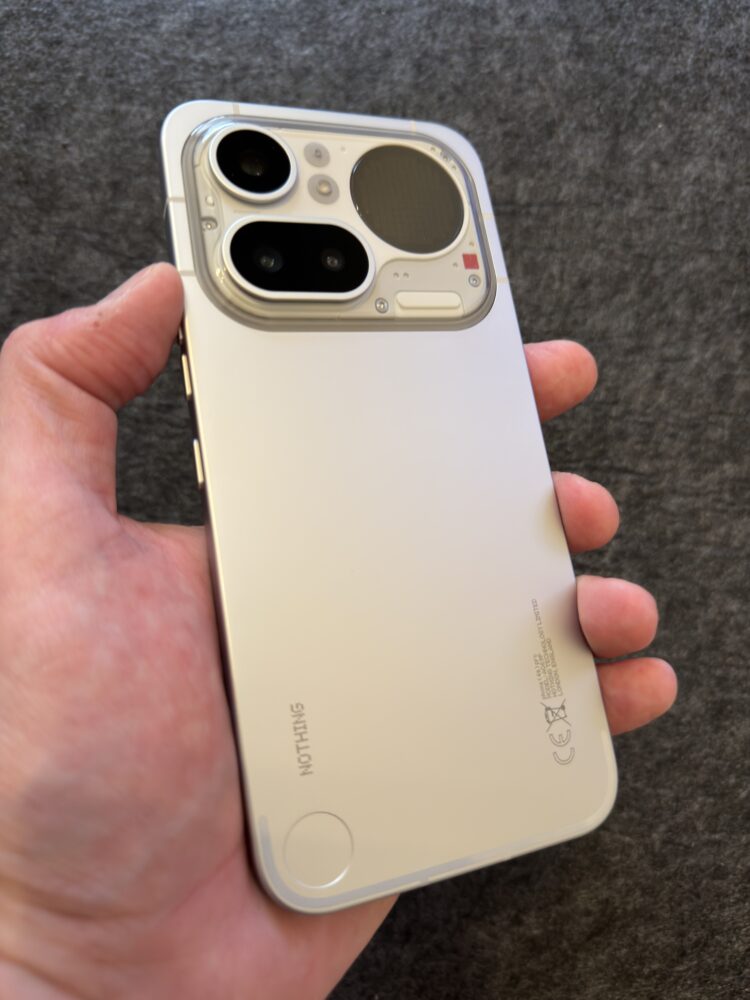
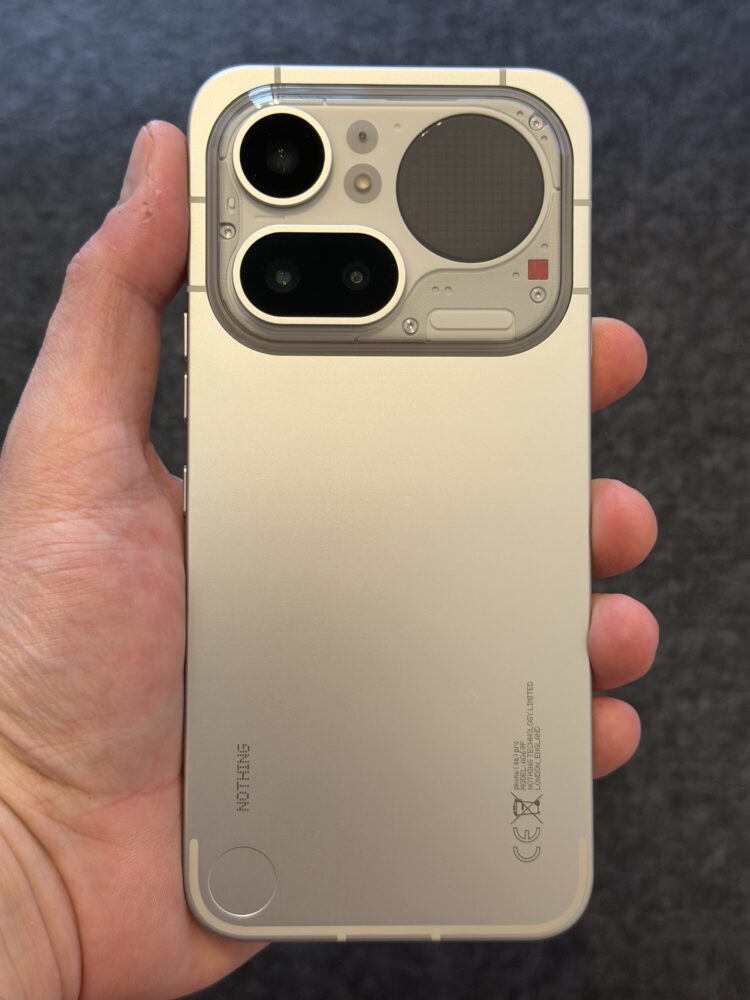
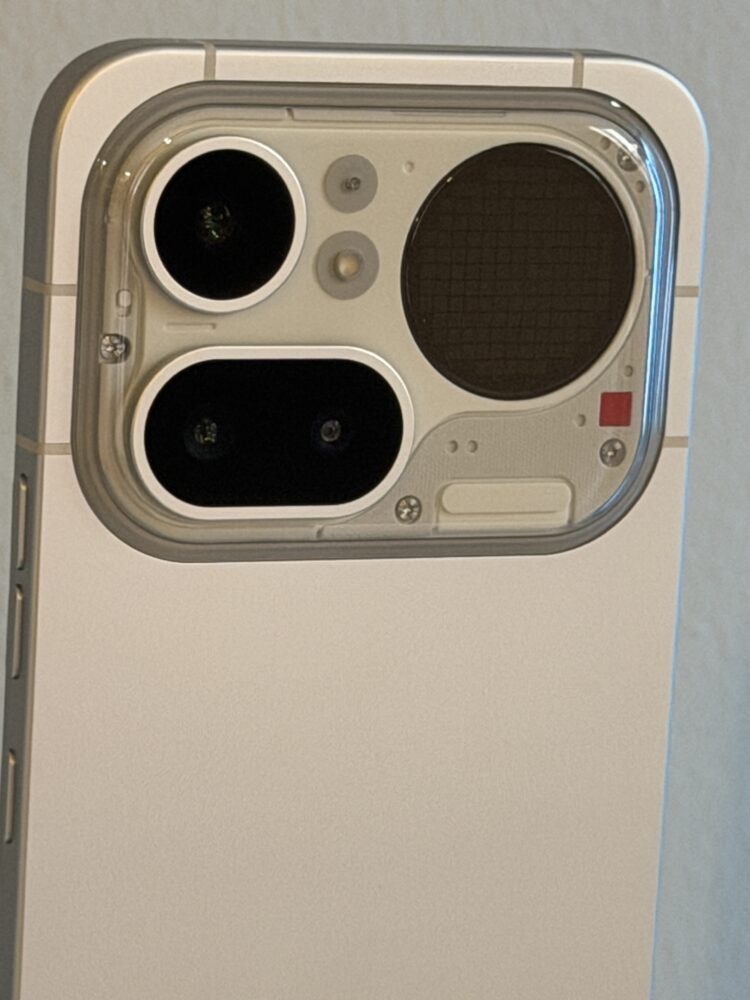
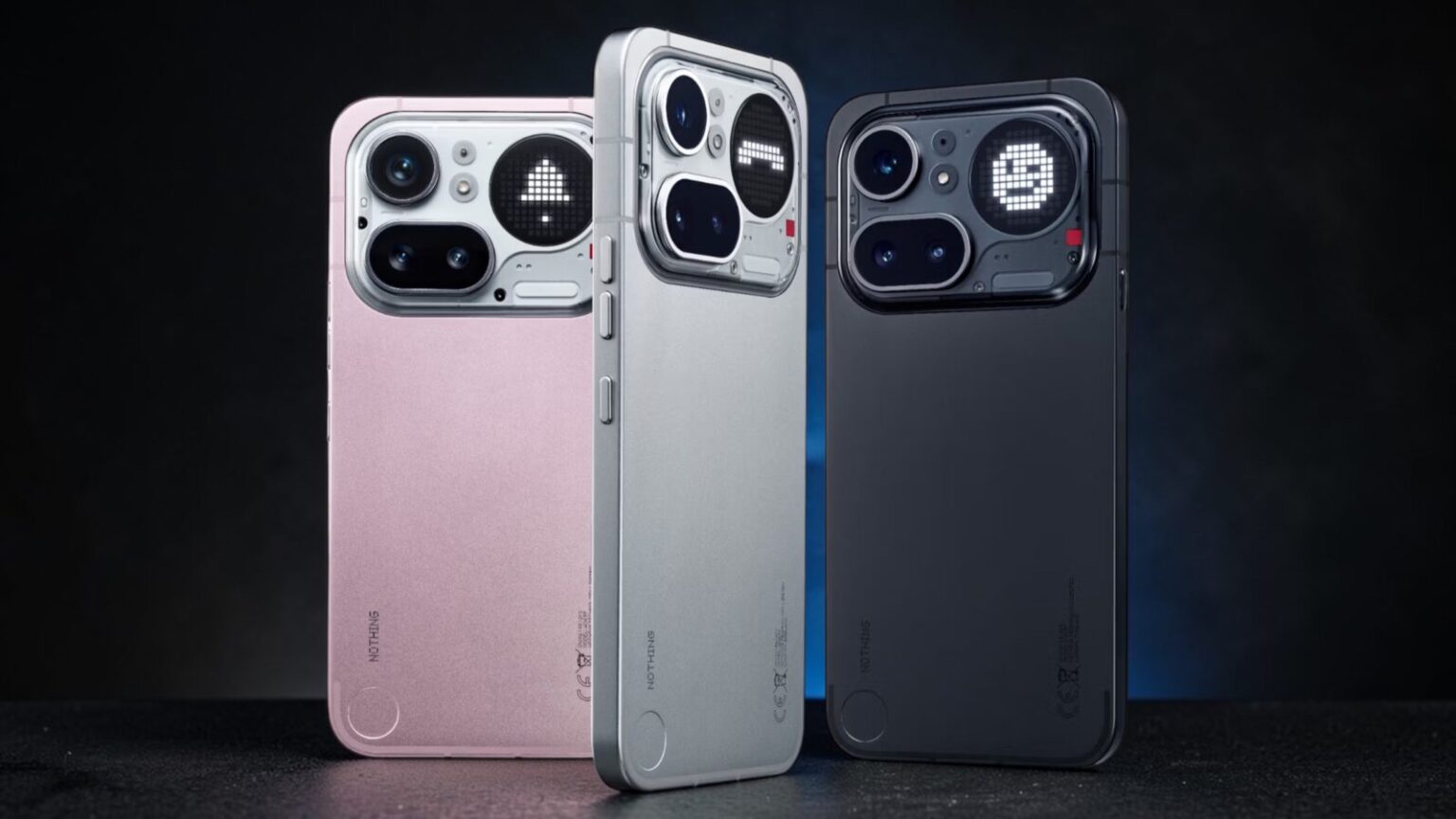
Flip it over, and the Nothing identity is still loud and clear. Transparent elements, layered components, and that slightly chaotic layout that somehow still feels intentional. It’s not trying to look “clean” in the traditional sense. It’s trying to look interesting.
Most phones fade into the background. This one keeps tapping you on the shoulder.
A display that refuses to chill
The 6.83-inch AMOLED display here feels like it was given way too much freedom—and I mean that in the best way.
144Hz is one of those specs that sounds excessive until you actually live with it. Then it becomes very hard to unsee. Everything feels fluid in a way that subtly changes how you interact with the phone. Scrolling isn’t just smooth, it’s effortless. Animations don’t just play, they glide.
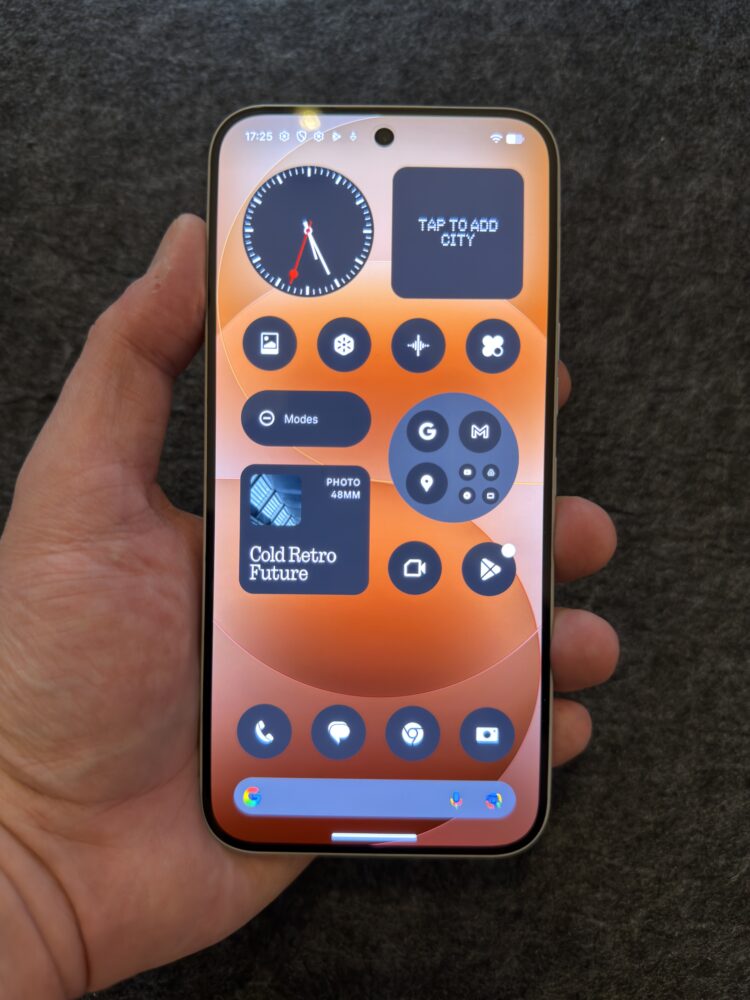
What surprised me more is how consistent it feels across different tasks. Whether I was bouncing between apps, doom-scrolling late at night, or just navigating settings, the experience stayed sharp and responsive.
Brightness holds up outdoors without drama, and colors strike a nice balance between vivid and believable. It doesn’t push saturation just to impress you—it lets content breathe.
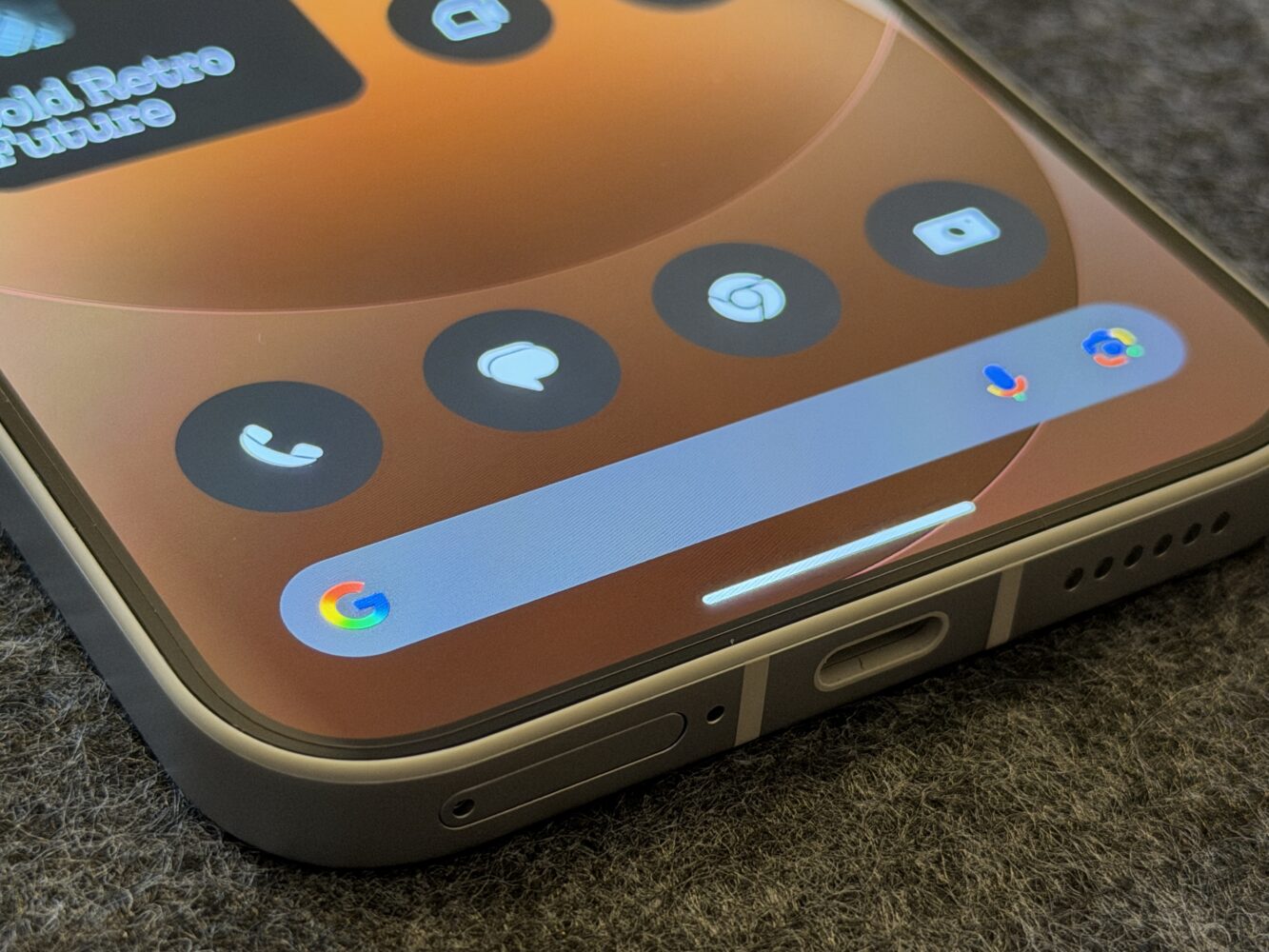
There’s a certain kind of display that disappears so you can focus on what you’re doing. This isn’t that. This one keeps reminding you how good it looks.
Glyph Matrix: the feature I thought I’d ignore (and didn’t)
I’ll be honest—I went in fully expecting to treat the Glyph Matrix like a novelty. Something I’d play with for a day, show to a friend, and then completely forget existed.
That didn’t happen.
The more I used the Nothing Phone (4a) Pro, the more the Glyph Matrix started to feel like a second screen that just happens to live on the back. It’s not about flashy light shows (although yeah, you can absolutely make it do that). It’s about subtle, useful signals that start to replace the need to constantly flip your phone over.
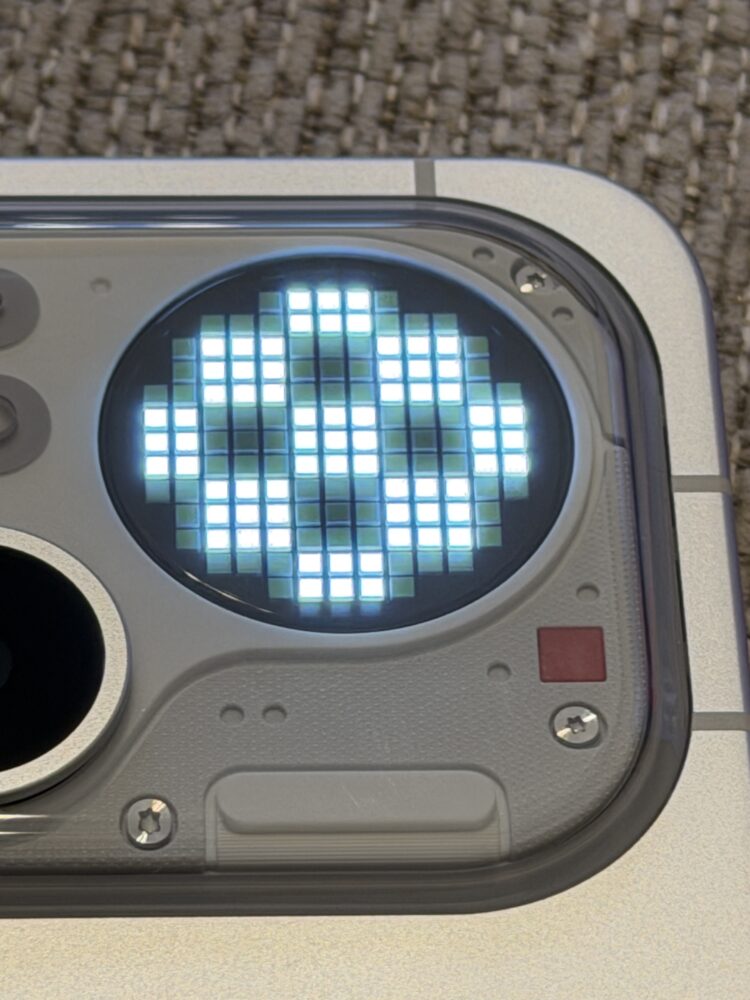
Notifications become patterns you recognize without thinking. A timer isn’t just a countdown—it’s a visual pulse you can glance at from across the room. Even things like charging or incoming calls take on a kind of visual identity that feels oddly intuitive after a while.
What surprised me most is how it changed my behavior. I started leaving my phone face down more often. I checked the screen less obsessively. I relied on those light cues in a way that felt… natural.
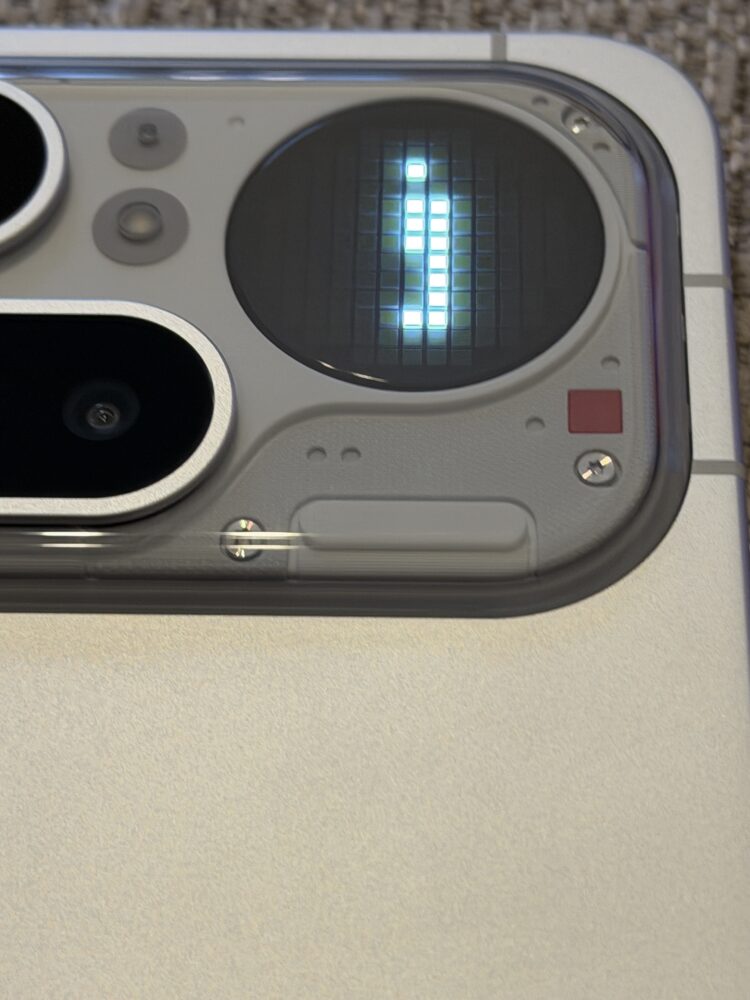
It’s still a very “Nothing” feature—slightly weird, slightly unnecessary—but it earns its place by actually being useful. And once you get used to it, going back to a completely blank phone back feels strangely lifeless.
Performance that doesn’t try to impress—it just works
Performance is where I usually brace for compromise in this category. Not catastrophic issues, but those small inconsistencies that slowly chip away at the experience. A stutter here, a delayed app launch there, a bit of heat creeping in after a few minutes of heavier use.
That pattern never really showed up here.
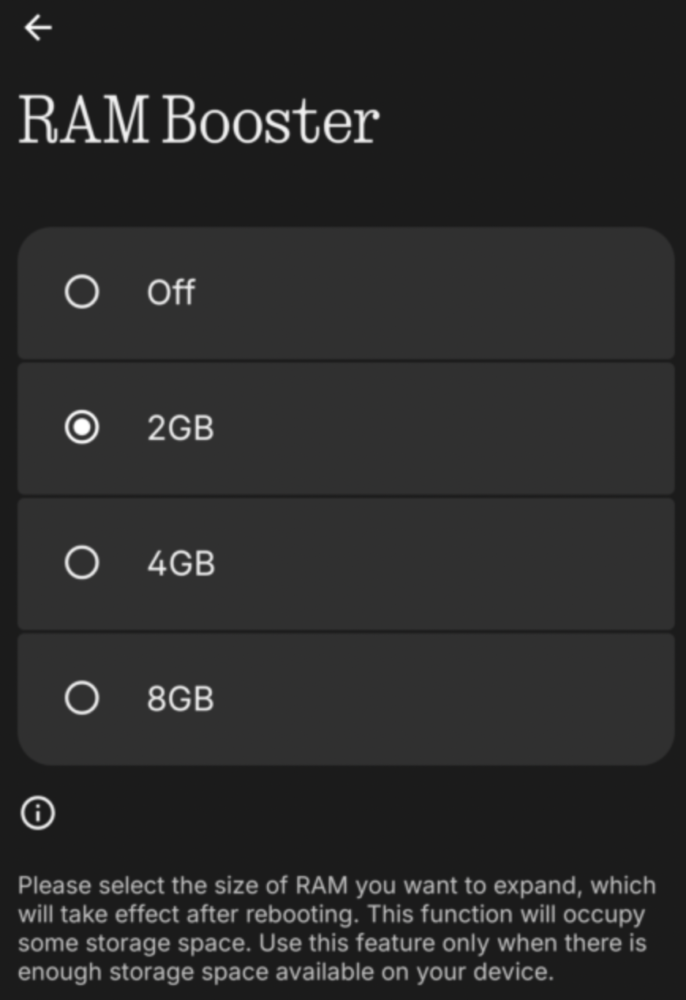
The Nothing Phone (4a) Pro runs in a way that feels controlled, almost disciplined. The Snapdragon 7 Gen 4 doesn’t try to brute-force anything. Instead, it keeps everything moving at a steady, predictable pace. Apps open quickly enough that you don’t think about it. Switching between tasks feels seamless. Background processes don’t seem to fight for attention.
What I appreciated most was the lack of friction over time. I’d open a bunch of apps, jump between them, leave things running longer than I probably should—and the phone just kept up without any visible strain. No sudden dips in responsiveness, no awkward pauses while it “figures things out.”
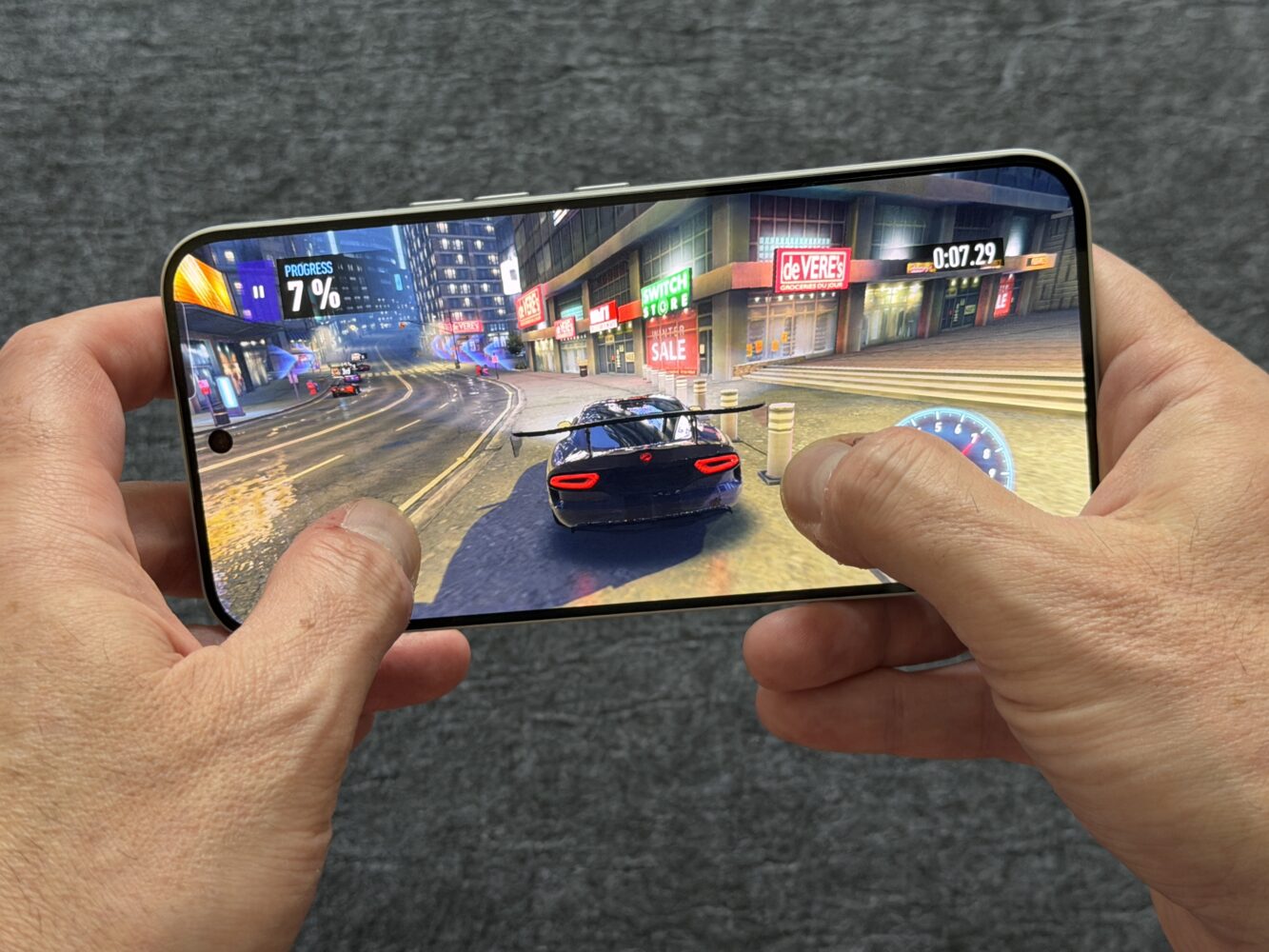
Gaming follows that same philosophy. It’s not trying to push extreme settings for bragging rights, but it delivers stable performance where it counts. Frame rates stay consistent, and more importantly, the phone doesn’t turn into a heat sink after a few rounds. That thermal control makes a huge difference, because performance that collapses under heat is basically fake performance.
Software that actually has a personality
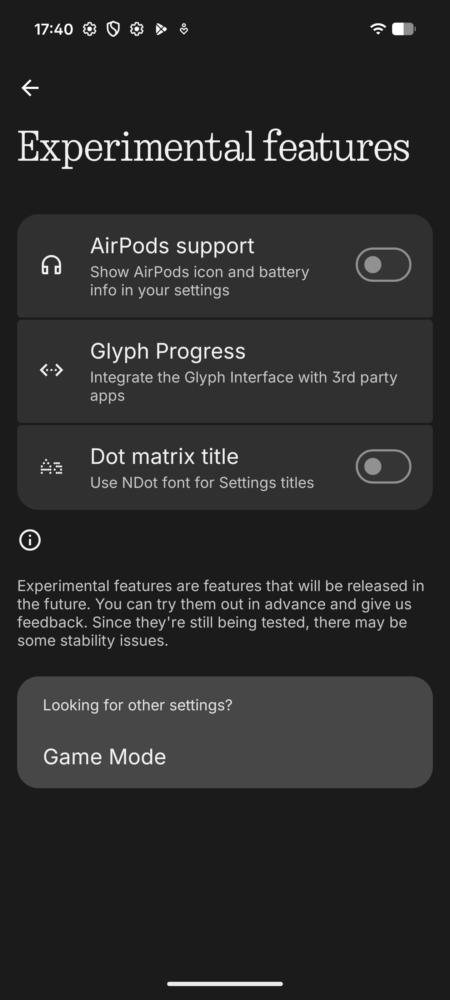
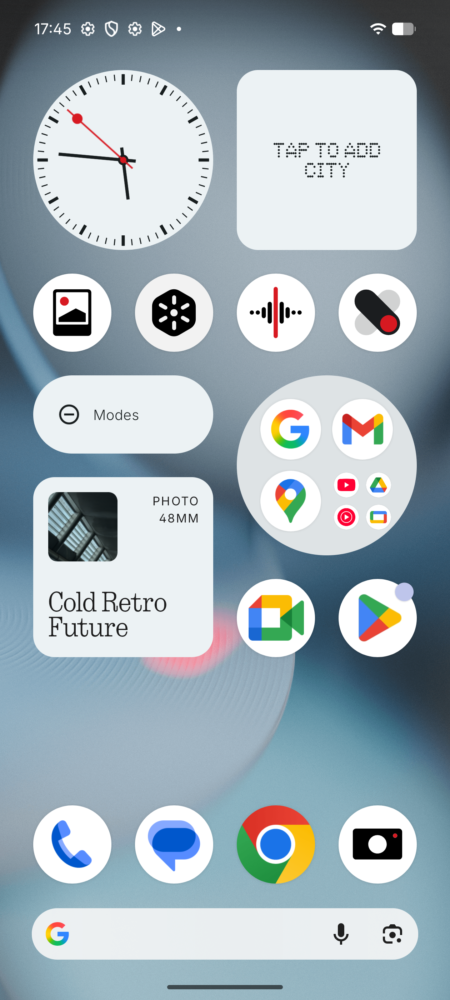
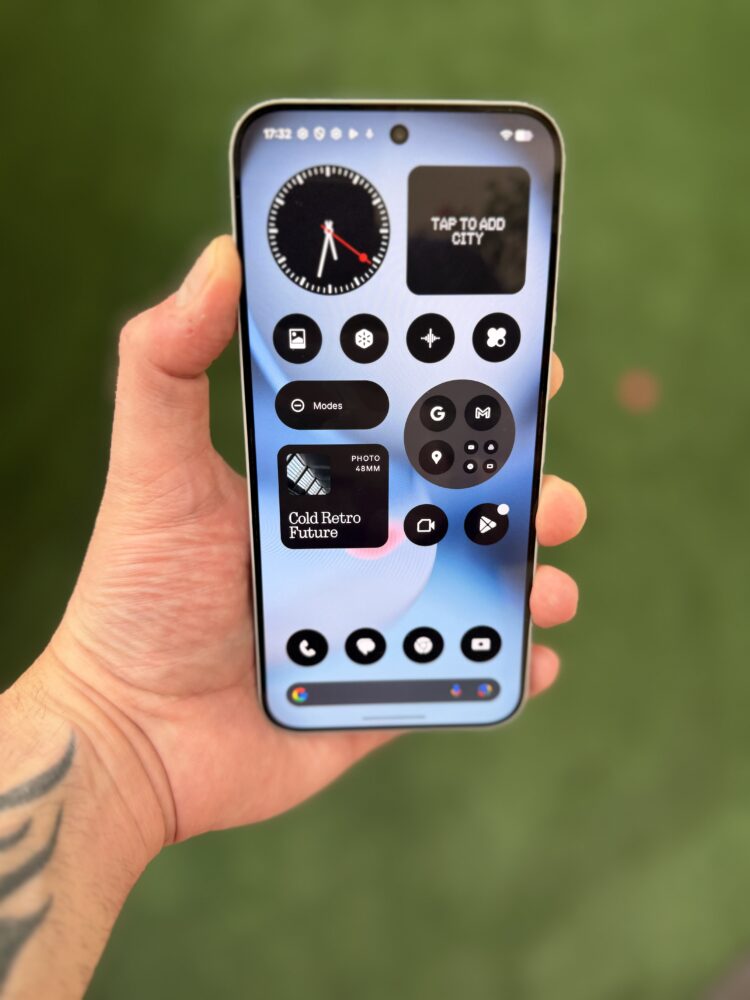
Nothing OS 4.1 is still one of the few Android experiences that feels like someone actually cared about how it all comes together.
There’s a clear visual identity here, and it runs deep. The dot-matrix style isn’t just slapped onto a few widgets—it’s woven into the system. Icons, animations, transitions, small interface details… everything feels connected. It gives the phone a sense of cohesion that most Android skins completely lack.
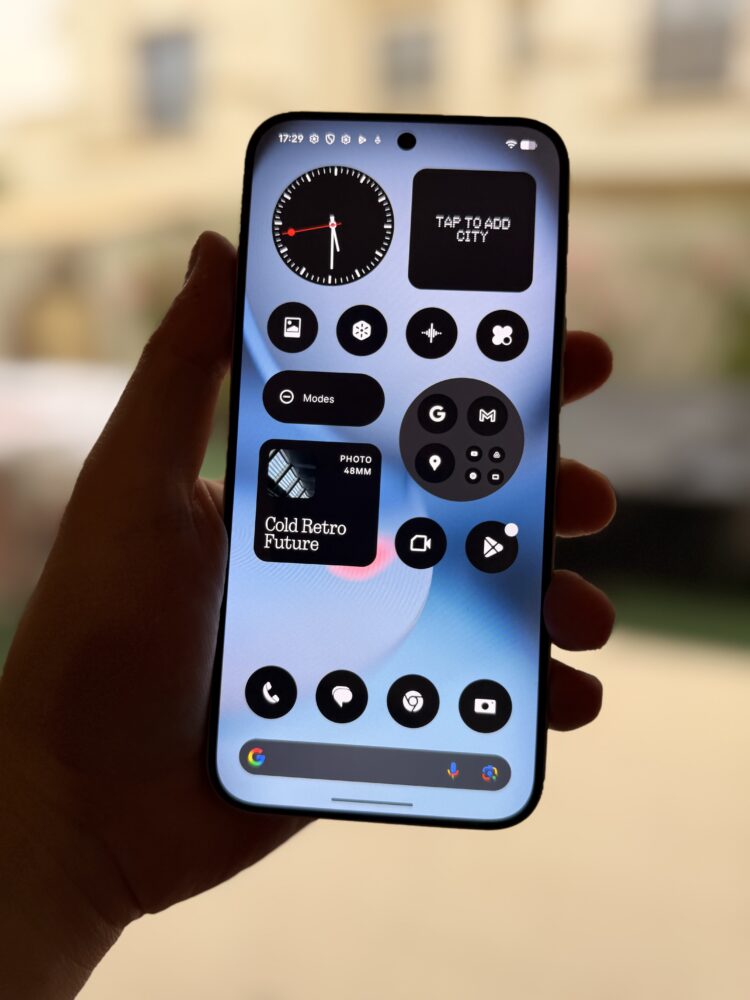
But what I like most is that it never crosses into being distracting. It has style, but it knows when to step back. Navigating the system feels fast and natural, not overloaded with unnecessary features or visual noise.
Customization is present, but it’s thoughtful rather than overwhelming. You can tweak things to your liking without falling into a rabbit hole of endless settings menus. It respects your time, which is something I wish more software did.
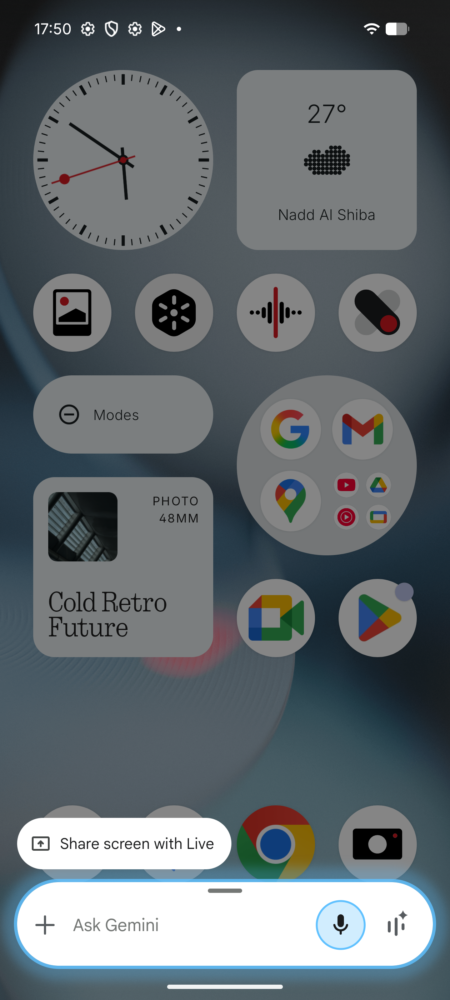
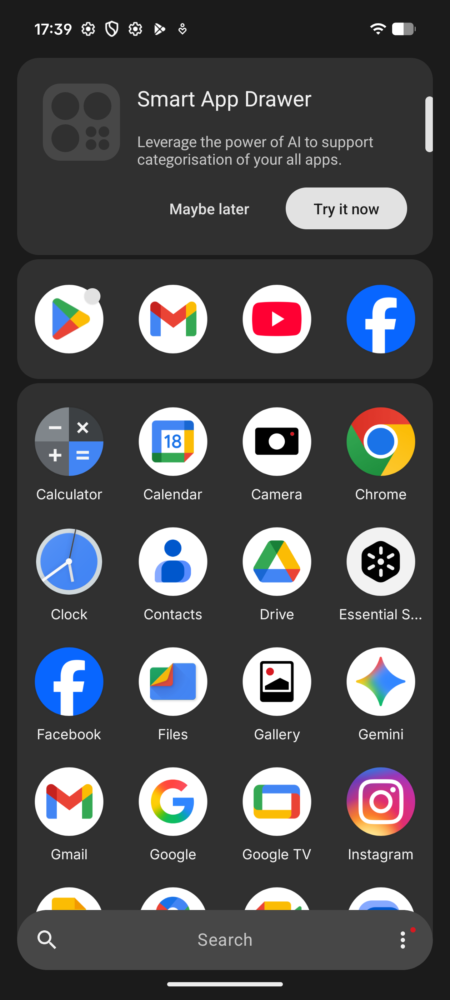
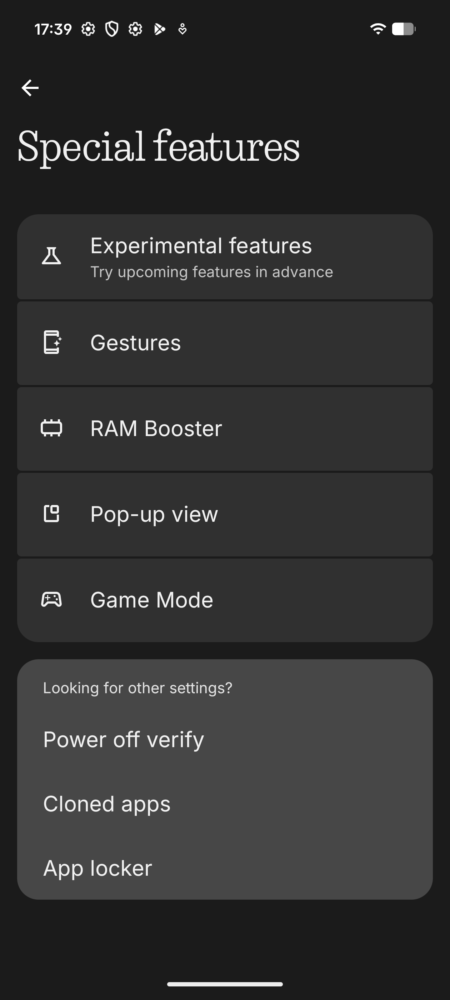
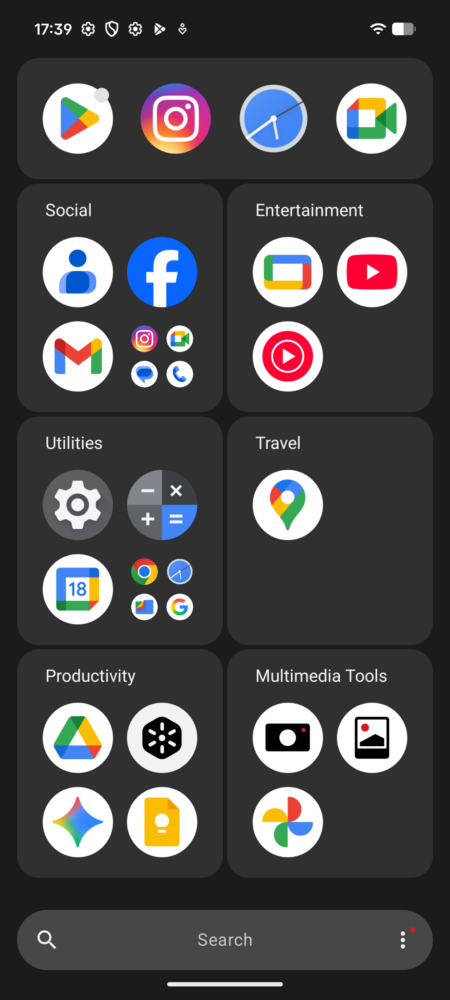
Then there’s the AI layer, which thankfully avoids the usual trap of trying too hard. It doesn’t constantly interrupt or push itself into every interaction. Instead, it shows up in small, useful ways that actually make daily use a bit smoother. It feels assistive, not invasive.
After a while, the whole experience starts to feel… calm. And that’s not a word I use often for smartphone software.
Battery life that keeps up without drama
Battery life here follows the same philosophy as performance: no theatrics, just consistency.
I stopped thinking about charging fairly quickly, which is always a good sign. A full day of mixed use didn’t feel like a challenge, even with the high refresh rate and a fair amount of screen time. It just kept going in the background without demanding attention.
When I did need to top up, charging was quick enough to be convenient without becoming a routine I had to plan around. Plug it in, step away for a bit, come back—it’s ready to keep going.
It’s not trying to redefine battery life. It’s just making sure it never becomes a problem.
Cameras that make you want to try a little harder
I saved this for last because it ended up being more interesting than I expected.
The Nothing Phone (4a) Pro doesn’t just give you a camera—it gives you a reason to use it differently. And that shift happens gradually.
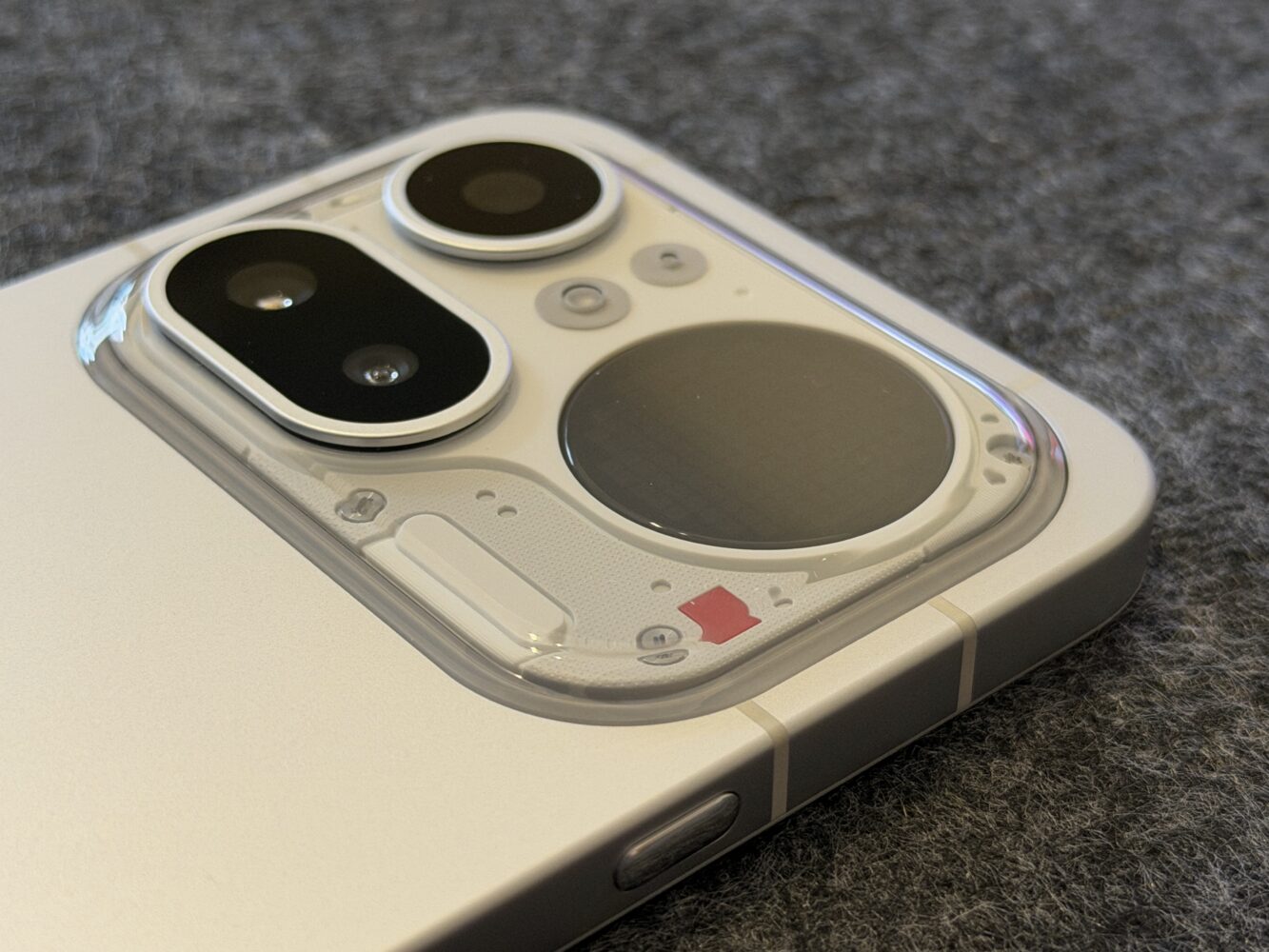
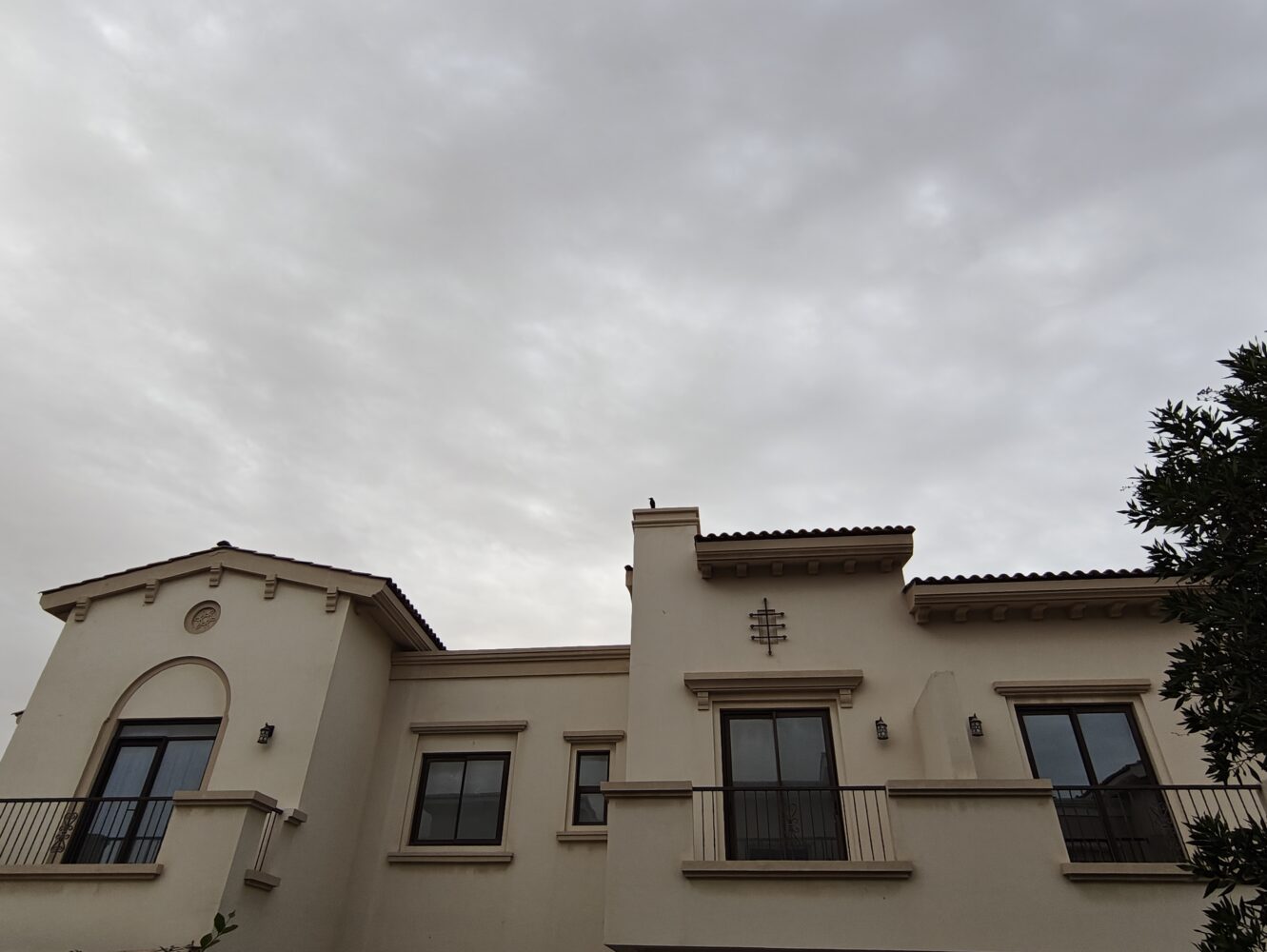
The 50MP main sensor delivers images that feel clean and balanced without leaning too hard into artificial sharpening or aggressive HDR. There’s a natural look to the photos that I kept coming back to. Colors feel grounded, details are there without being overcooked, and the overall output doesn’t scream “processed.”
But the real hook is the periscope zoom.
Having proper optical zoom at this level changes how you approach photography. I found myself stepping back more, framing shots differently, looking for details I would’ve ignored on a typical midrange phone. It adds a layer of flexibility that makes the camera feel less like a convenience and more like a tool.
And once you start using it that way, it’s hard to go back.
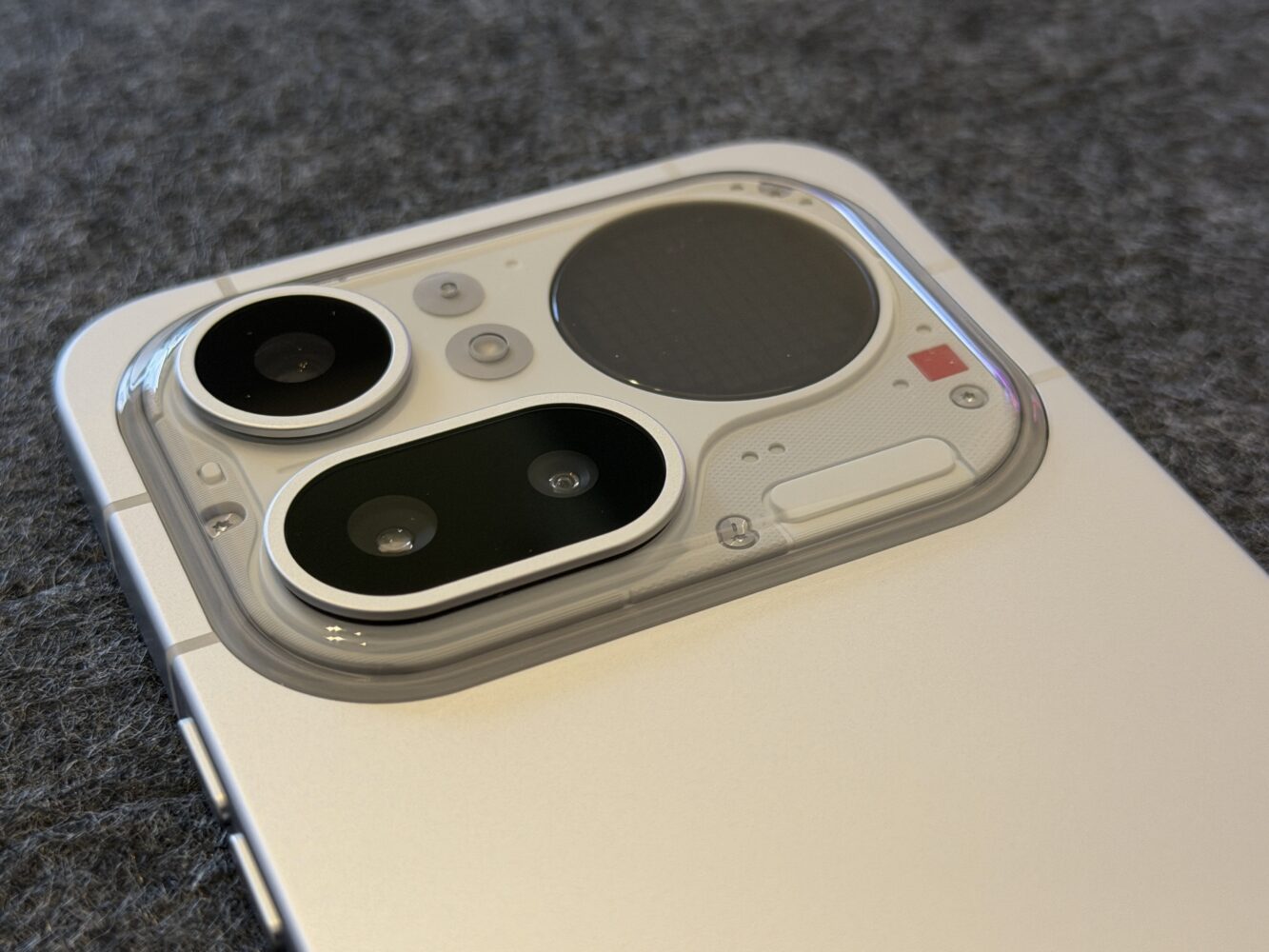
Low-light performance holds its own without trying to perform miracles. It captures enough detail, controls noise reasonably well, and most importantly, stays consistent. You’re not gambling every time you take a night shot.
What surprised me most is how the camera system nudged me to care a bit more. Not in a professional sense, but in that subtle way where you take an extra second to compose a shot instead of just snapping and moving on.
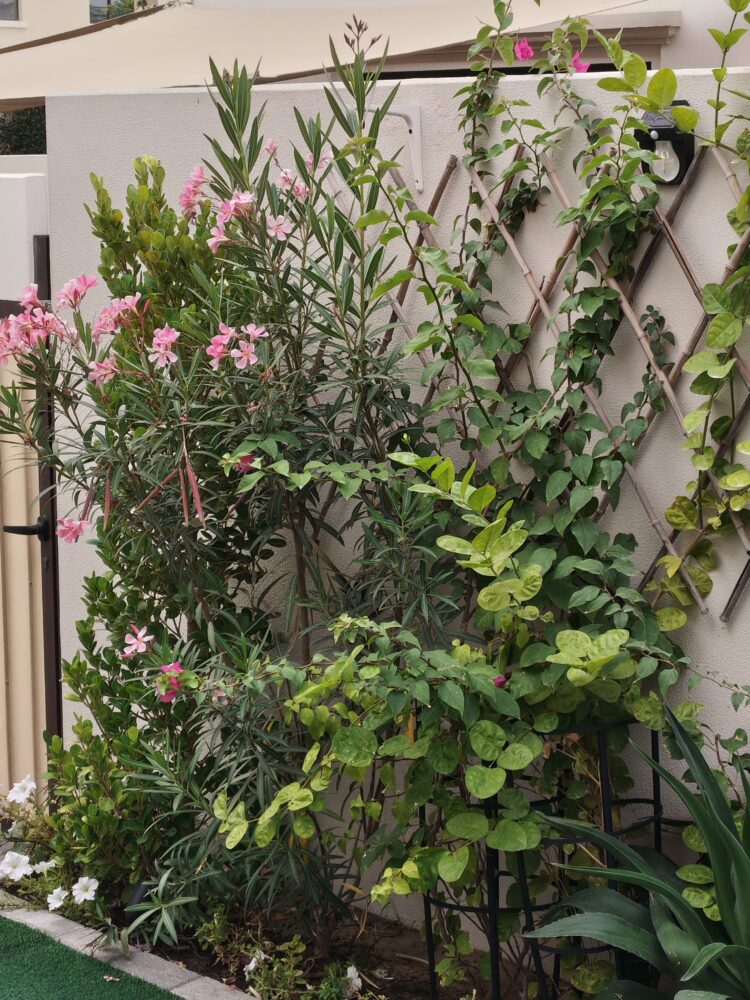
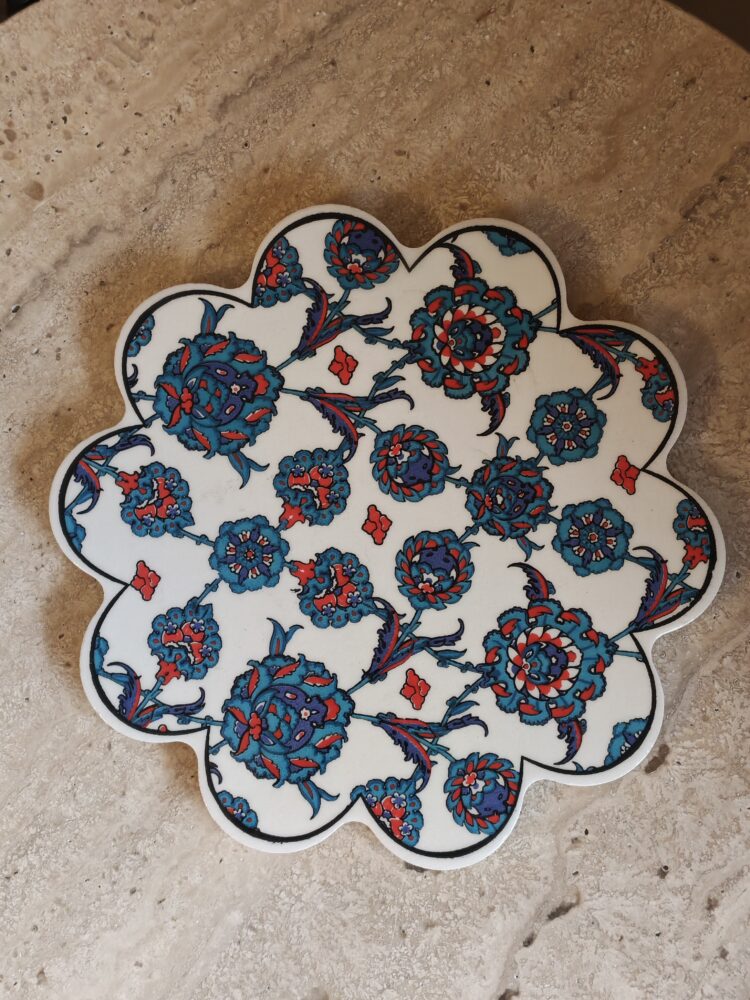
Photo Gallery















This is what midrange should feel like
After spending time with the Nothing Phone (4a) Pro, what sticks with me isn’t one killer feature—it’s the cohesion.
The metal build gives it presence. The display gives it energy. The Glyph Matrix adds interaction. The performance and battery give it reliability. The software gives it identity. And the camera gives it just enough creative spark to keep things interesting.
It feels like a phone that knows what it wants to be, and more importantly, doesn’t dilute that idea to please everyone.
Verdict
The Nothing Phone (4a) Pro stands out in a crowded midrange smartphone market by committing to a clear identity. Its metal unibody design delivers a genuinely premium feel, the smooth 144Hz display and reliable performance make everyday use effortless, and the Glyph Matrix adds a unique layer of interaction that actually changes how you use the device. Add in a capable and flexible camera system, and you get a phone that feels intentional, distinctive, and genuinely enjoyable to live with.