
TL;DR:
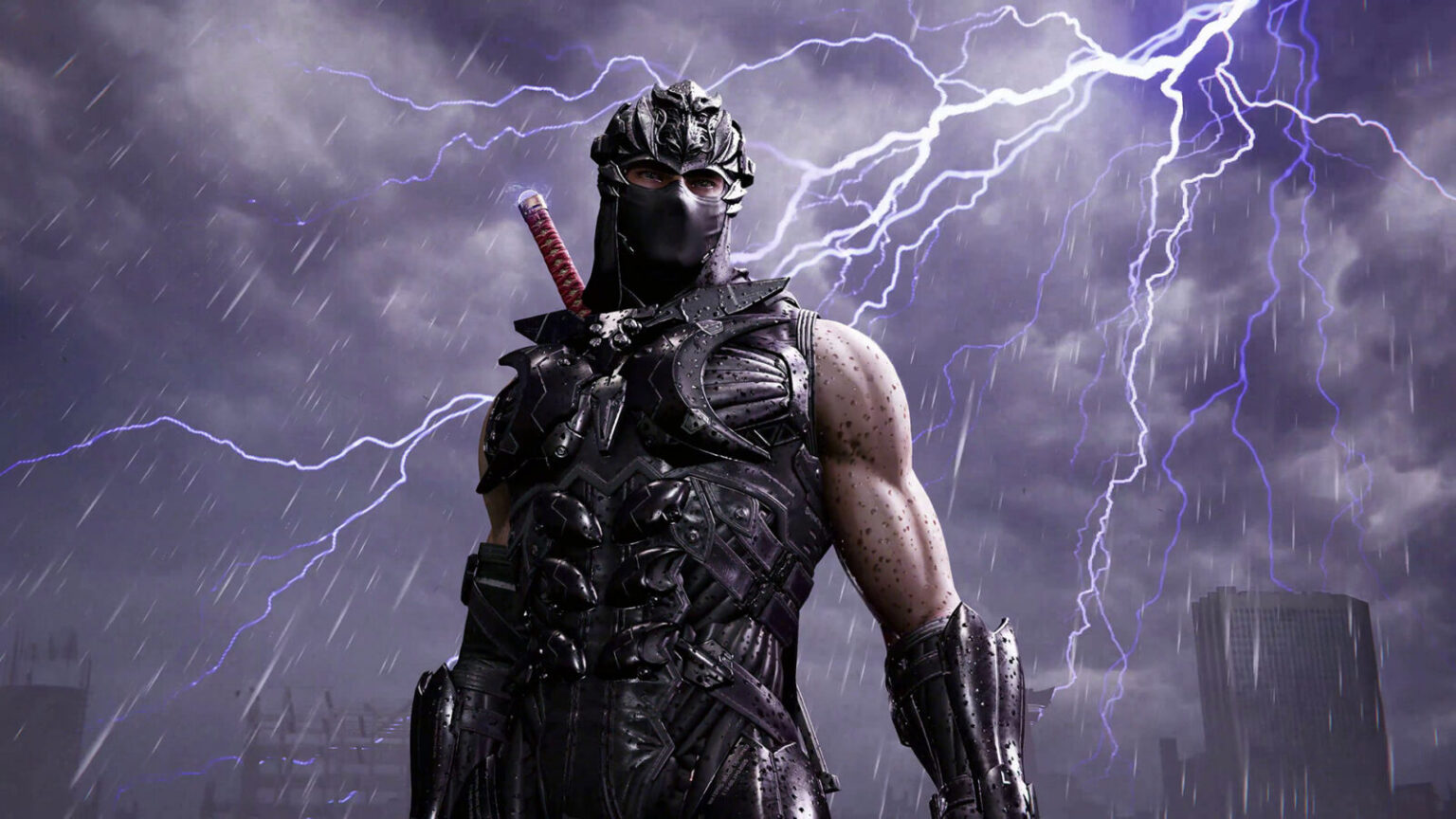
Ninja Gaiden 4 is a ferocious, flawed, and fantastically fun revival. The story’s nonsense, the lock-on is cursed, but the combat? Pure lightning. Yakumo’s debut is the blood-soaked rush 2025 needed.
Ninja Gaiden 4
There’s a point, maybe two or three hours into Ninja Gaiden 4, when I realized I had no idea what was happening. Some masked cultists were chanting about dragons, Tokyo was glowing like a neon fever dream, and my protagonist — Yakumo, a slick-haired ninja with a vendetta and the patience of a caffeine-addled cat — was spinning through the air at speeds my eyes could barely track. And yet, I couldn’t stop smiling.
Because this, I thought, is what we’ve been missing.
In an era of prestige games obsessed with cinematic restraint and prestige storytelling, Ninja Gaiden 4 is the loudest middle finger imaginable. It’s fast. It’s furious. It’s frequently nonsensical. But it’s also beautiful in the way only a game that knows exactly what it is can be.
This is the comeback we didn’t just want — it’s the comeback the genre needed.
A Legacy Written in Blood (and Controller Sweat)
When you talk about Ninja Gaiden, you’re talking about pain. Not emotional pain. Physical pain. Thumb blisters, cramped fingers, the sharp, bitter taste of your own frustration. The original trilogy on the Xbox wasn’t just a series of games; it was a rite of passage. A test of willpower. The kind of experience that could make grown gamers cry into their Mountain Dew and then boot it right back up for another try.
I was one of them.
I remember summer 2004 vividly — the year Ninja Gaiden Black stole my sleep schedule. My friends were all playing Halo 2, talking about plasma grenades and LAN parties, while I was alone in my bedroom, screaming at Alma, the winged demon boss who might as well have been sent by Satan himself. I broke two controllers that year. No regrets.
So when Ninja Gaiden 4 was announced — co-developed by Team Ninja and PlatinumGames — I felt that familiar, dangerous excitement. The kind of anticipation you only get for something that once hurt you but you’re willing to forgive.
Because that’s the thing about Ninja Gaiden. It’s not just an action series. It’s a personality test.
Ryu Hayabusa and the Burden of Iconography
You can’t talk about this new entry without mentioning the Dragon Ninja himself — Ryu Hayabusa. He’s the kind of video game protagonist that defined an era: stoic, hyper-competent, and allergic to dialogue longer than three sentences. Ryu was the original “silent badass” before that trope became an easy out for poor writing.
But Ninja Gaiden 4 does something bold. It sidelines him.
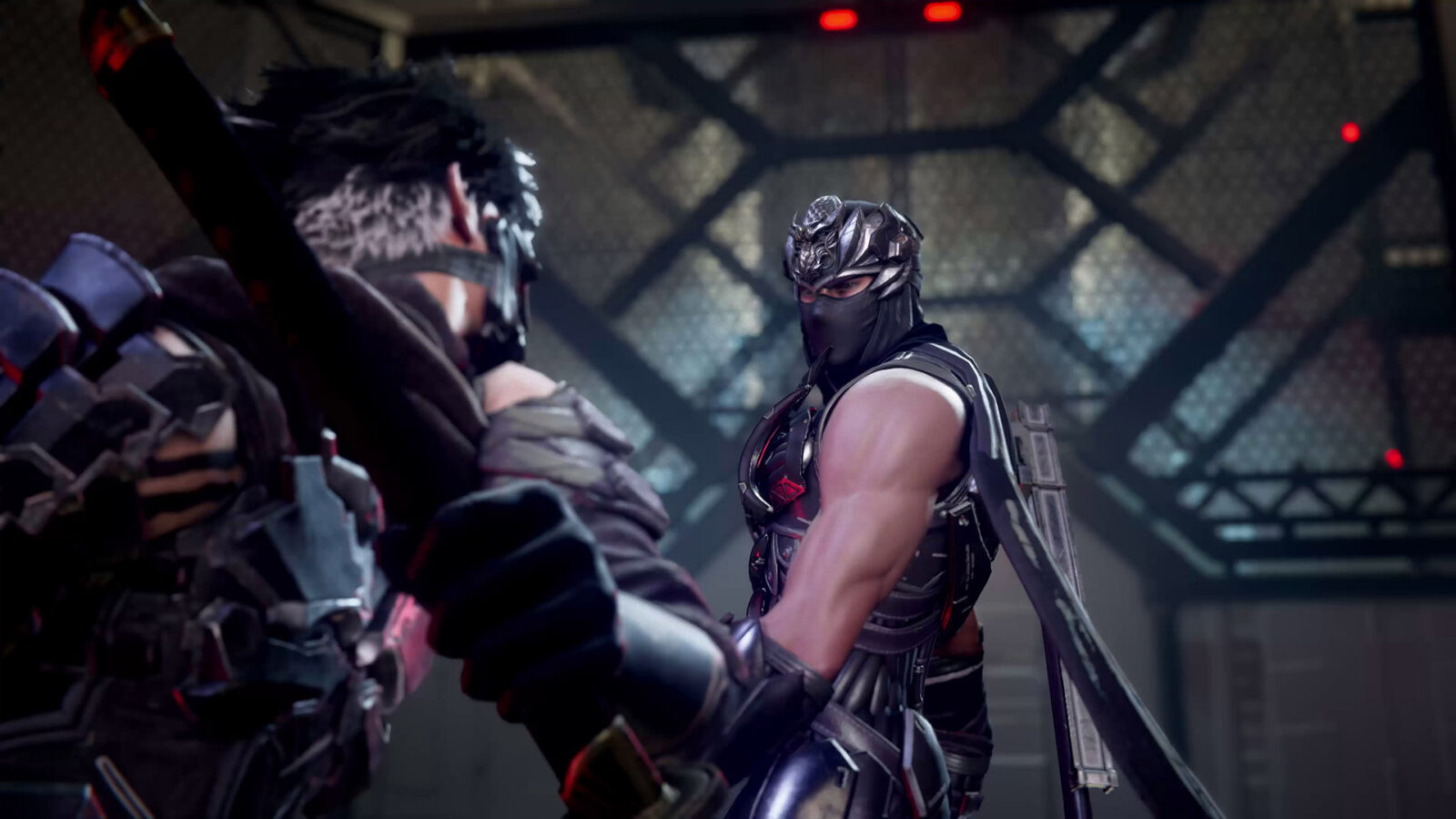
Instead, we follow Yakumo — a younger, flashier, slightly more human ninja from the rival Raven Clan. He’s not meant to replace Ryu so much as exist in his shadow, and that’s the smartest narrative decision Team Ninja has made in over a decade. Yakumo’s story mirrors Ryu’s in many ways — vengeance, divine beasts, apocalyptic stakes — but where Ryu was mythic, Yakumo is modern. He jokes. He hesitates. He doubts. He listens to synthwave.
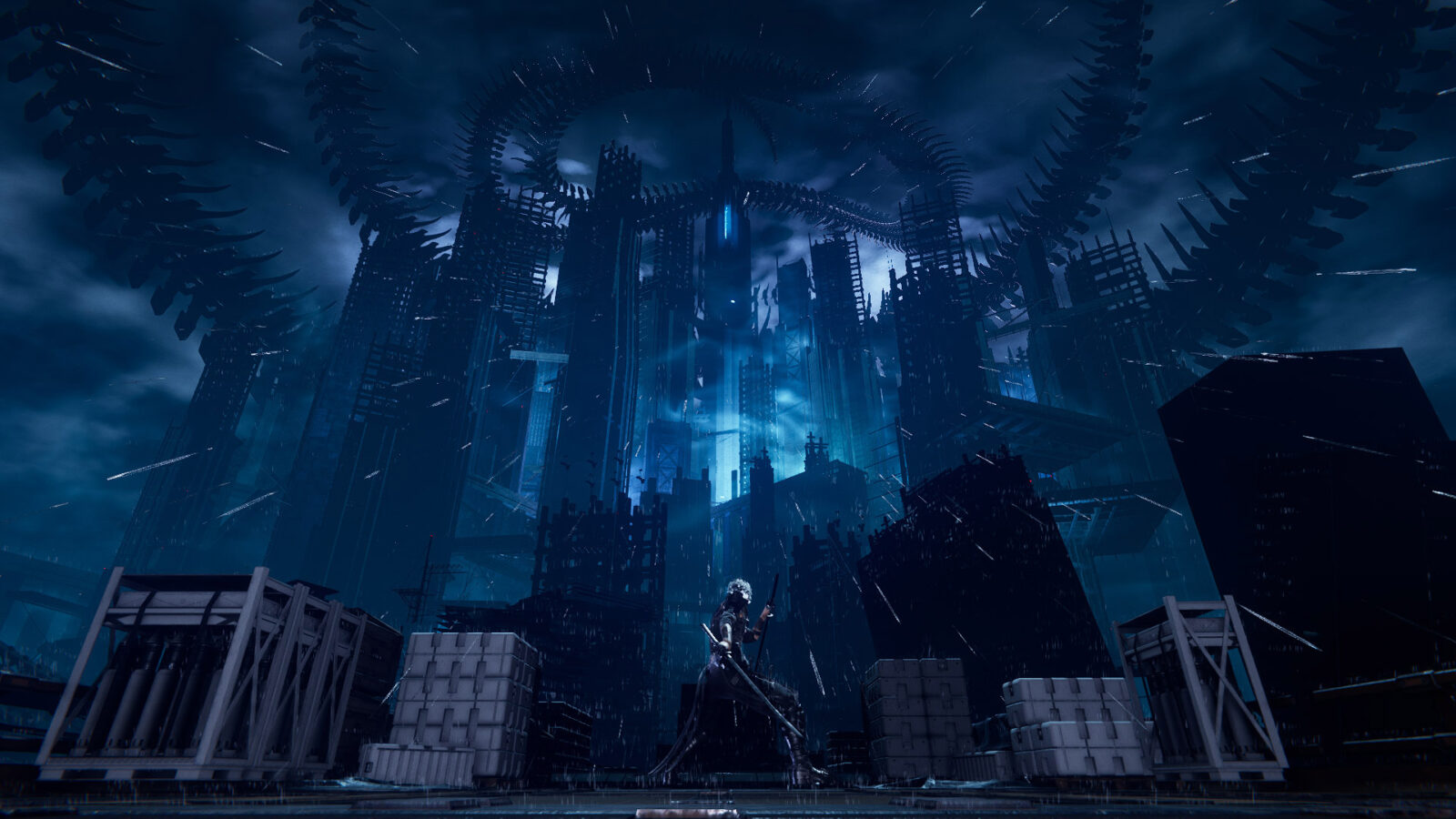
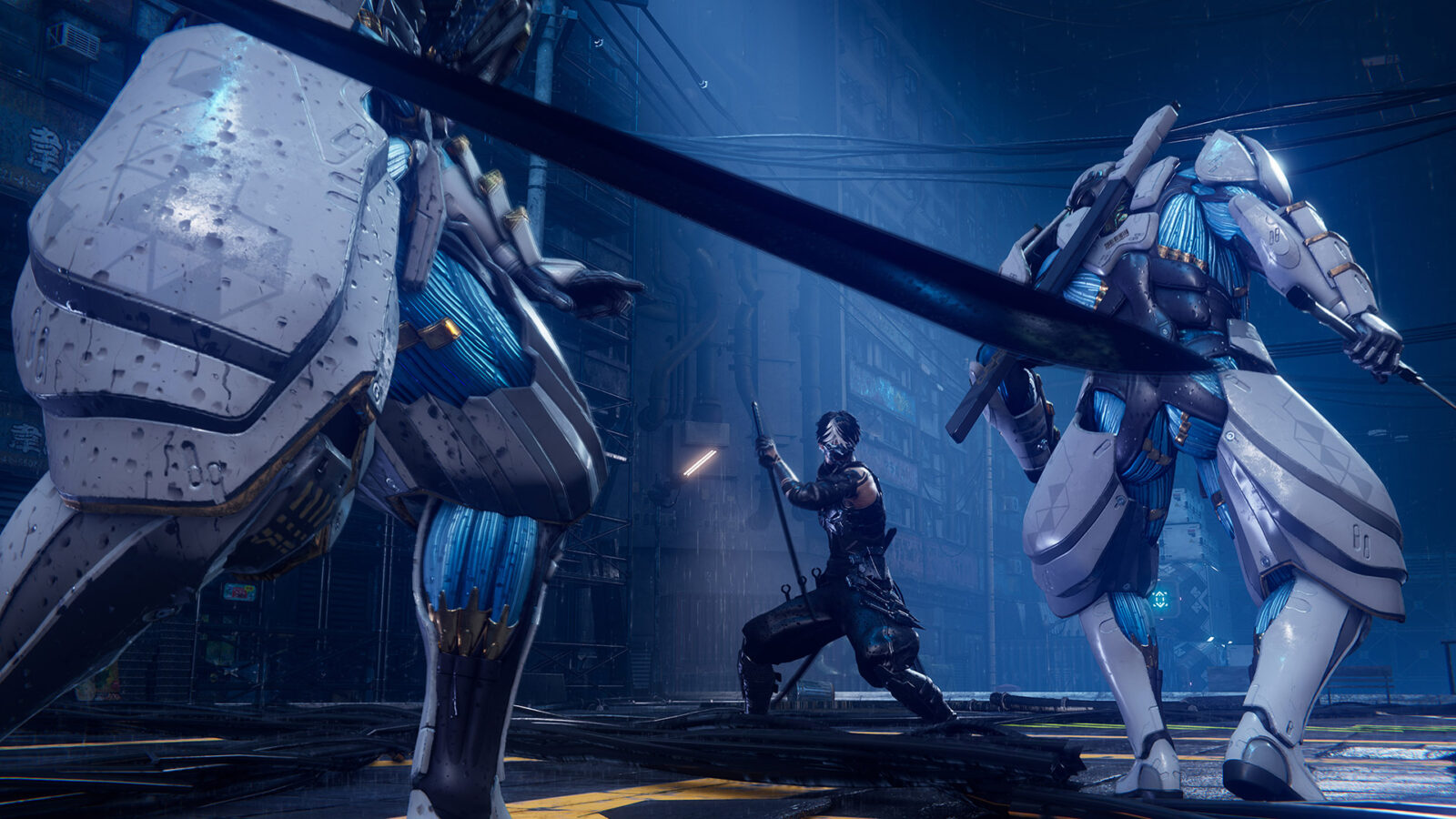
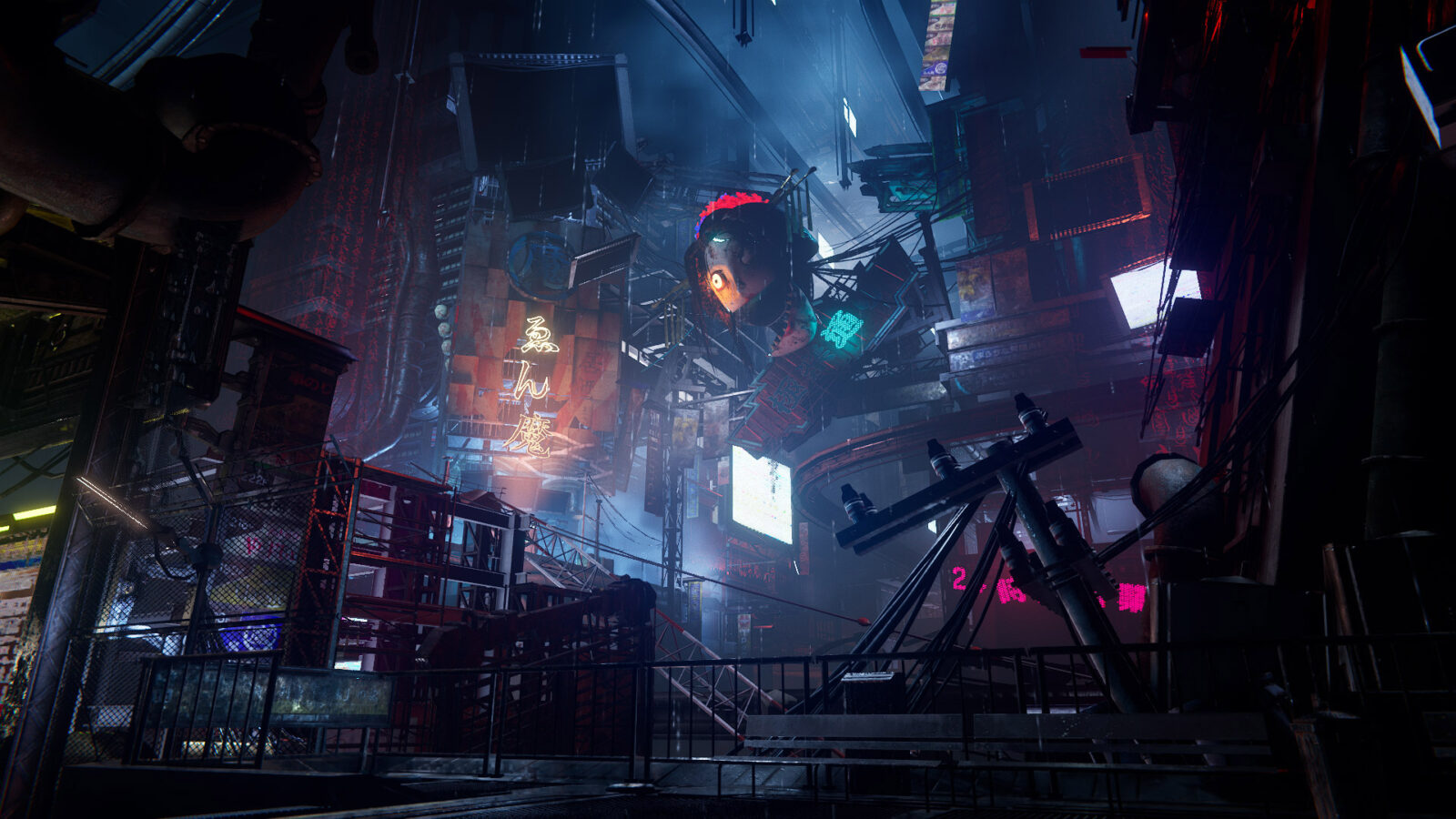
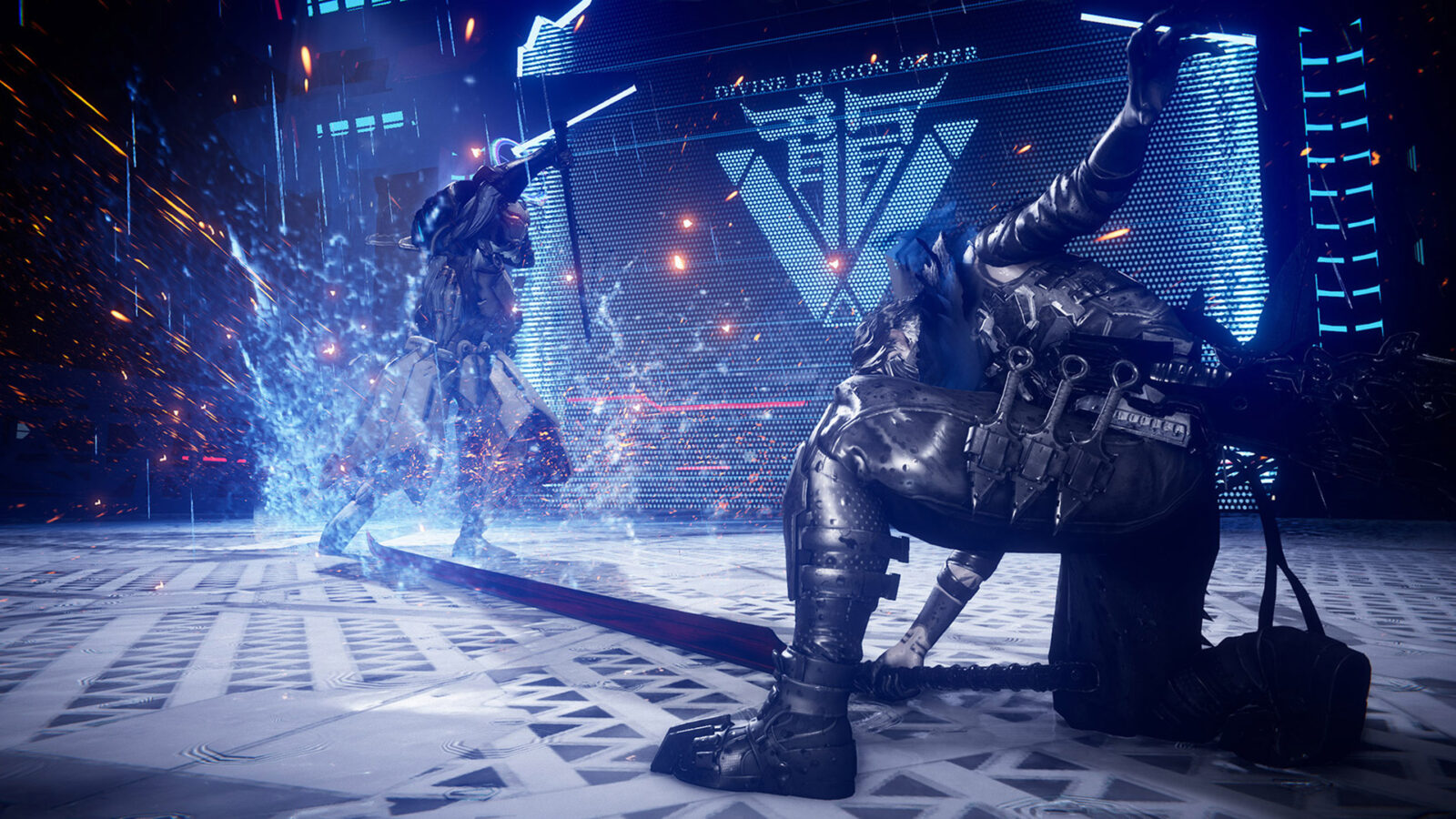
The game uses this new perspective to explore a future Japan drenched in cyberpunk aesthetics — a Tokyo that has evolved from feudal mysticism into neon mysticism. Dragons share skyline space with drones; swords clash under holographic billboards. It’s absurd, yes, but also oddly poignant. This is the Japan that Ninja Gaiden always promised — an impossible fusion of the ancient and the ultramodern.
And in the middle of it all, Yakumo slices, flips, and bleeds his way toward the inevitable confrontation with destiny.
Does the story make sense? No. But it doesn’t have to. Ninja Gaiden 4 understands something a lot of modern games don’t: sometimes the feeling of epicness matters more than the clarity of it.
Team Ninja Meets PlatinumGames: The Dance of Controlled Chaos
When I first heard PlatinumGames was co-developing Ninja Gaiden 4, I almost laughed. Because of course they were. If Team Ninja built the temple of action games, Platinum built the nightclub next door and invited every god in.
These two studios together are like fire meeting gasoline. Team Ninja’s mastery of precision and punishment meets Platinum’s flair for excess and spectacle. And the result? A kind of controlled chaos that feels less like combat and more like performance art.
Yakumo moves like liquid fury. Every swing, every dodge, every parry has weight and rhythm. Chaining combos feels like conducting an orchestra with your thumbs. There’s this sweet spot where the combat “clicks,” and you’re no longer playing — you’re dancing.
The Bloodraven form only amplifies that ecstasy. Hold the left trigger, and Yakumo transforms, his weapons shifting into grotesque, oversized extensions of his will. The twin blades become a massive cleaver that hums with crimson light; the Magashuti staff transforms into a hammer that looks like it could demolish a tank. It’s brutal, but in the best possible way.
But as much as I love the carnage, there’s a dark side to the speed. Sometimes, the game feels too fast — like it’s one Red Bull away from combusting. There were moments where I accidentally wall-jumped into oblivion or performed a finisher so dramatically that it literally pushed me out of the level geometry. I laughed, reloaded, and kept going — but the jank is there.
And the lock-on system? Let’s just say it feels like it was designed by a ninja who got hit in the head too many times. It doesn’t so much “lock on” as it “wanders aimlessly in the general direction of enemies.” During boss fights, this can be agony. You’ll be trying to focus on a towering dragon god while Yakumo suddenly decides that the random minion behind you is the real threat.
Still, when it works — when everything aligns — it’s breathtaking. There are fights in this game that feel like transcendent moments of digital choreography, where reflex, timing, and chaos merge into something almost spiritual.
The Joy of Mastery
Action games live or die by their combat systems, and Ninja Gaiden 4 thrives on the simple pleasure of getting better. The first few hours are overwhelming — enemies come at you from all directions, combos blur into confusion, and every boss feels like an impossible mountain.
But then, something shifts. Your hands start remembering things before your brain does. You learn to cancel, to parry, to feint. You begin to see the rhythm in the madness. That’s when Ninja Gaiden 4 stops being frustrating and becomes euphoric.
There’s a moment — every player will feel it — when you pull off a combo that shouldn’t be possible. Maybe it’s an aerial juggle that ends with a cinematic execution. Maybe it’s parrying three enemies at once before landing a Bloodraven finisher. In those seconds, you understand why people still talk about Ninja Gaiden Black twenty years later. Because this is what pure gameplay feels like.
The Beauty of Futuristic Japan
Let’s talk visuals — because Ninja Gaiden 4 is stunning.
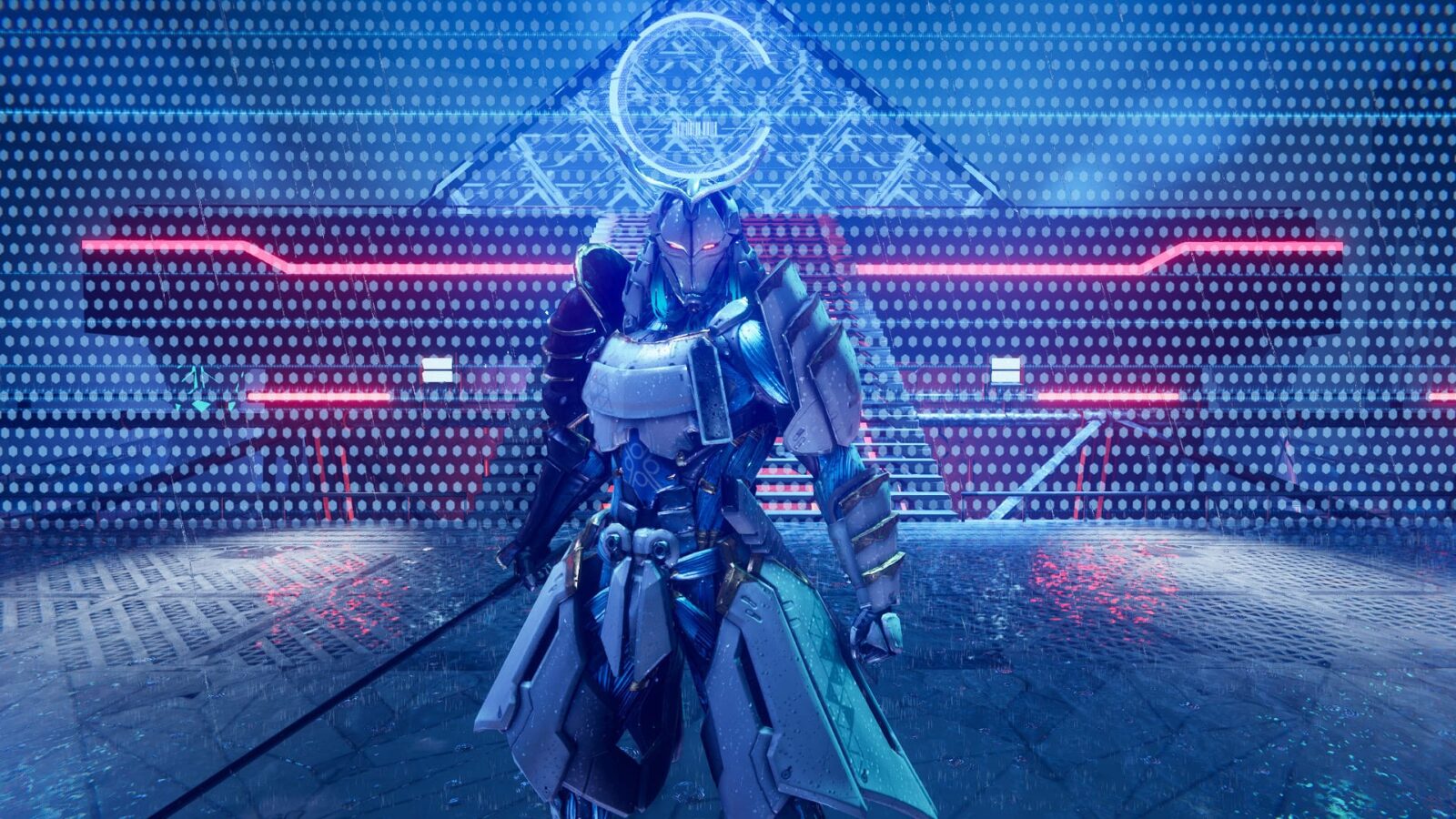
Team Ninja and PlatinumGames have crafted one of the most visually striking worlds of the year. Futuristic Tokyo is a living painting of neon and steel. Skyscrapers rise like swords, rain slicks every surface, and holographic kanji shimmer in the air like spirits.
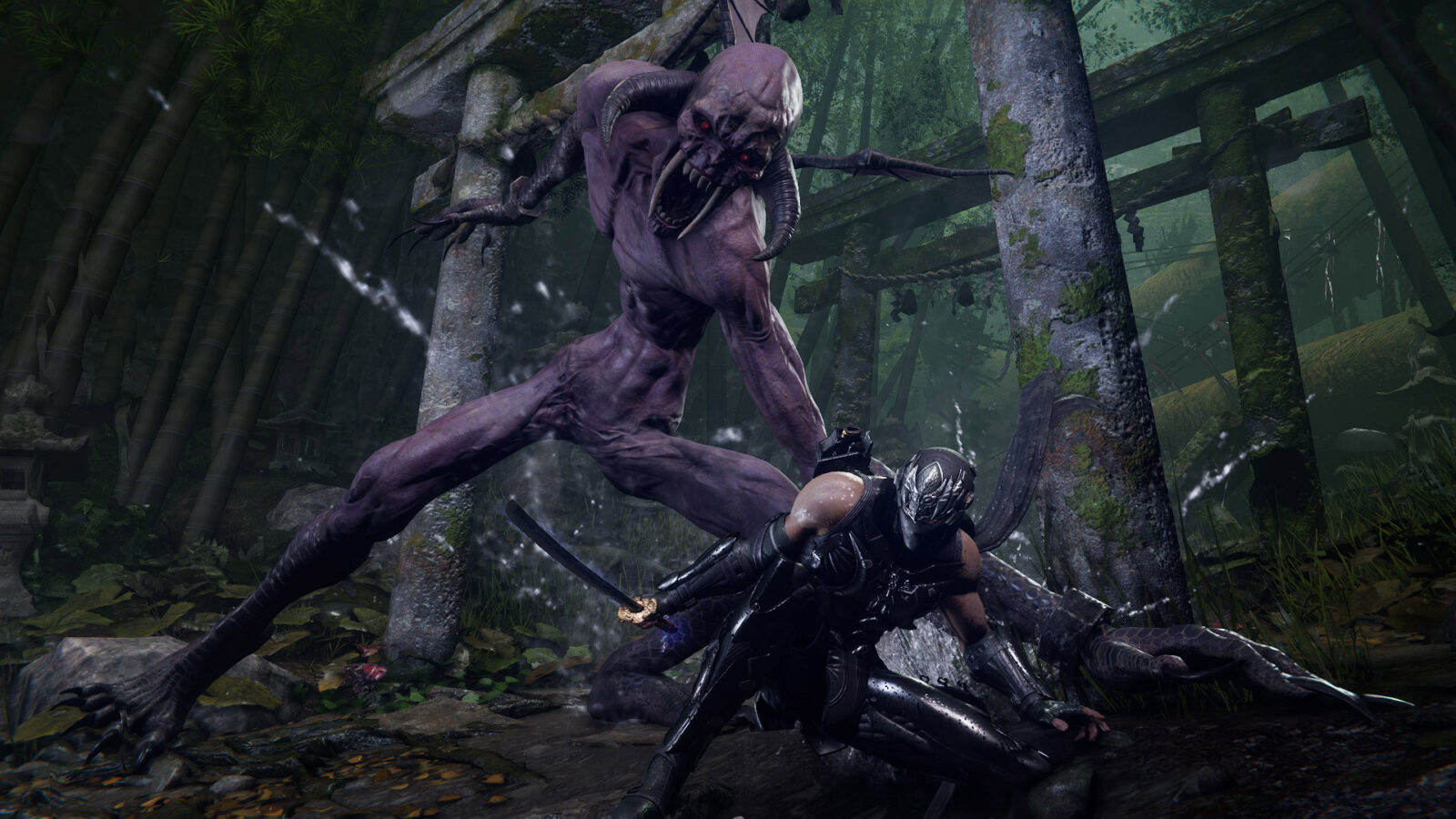
What’s most impressive, though, is how the game blends this sci-fi setting with the spiritual heart of the series. Ancient temples sit beside gleaming arcologies. Mythical beasts stalk the alleys beneath neon signs. It’s Ghost in the Shell meets Spirited Away — and it works.
The environmental storytelling is subtle but powerful. You’ll find shrines hidden inside train stations, graffiti written in old kanji, and digital ghosts whispering about the city’s forgotten past. It’s not Cyberpunk 2077-level scale, but it’s far more cohesive. This Tokyo feels like a place where ninjas and androids could actually coexist.
And then there are the traversal sequences — pure, adrenaline-fueled spectacle. Sliding across maglev rails hundreds of feet above the city. Running across collapsing skyscrapers as explosions chase you. Gliding through mountain winds while lightning splits the sky. These are the moments where Ninja Gaiden 4 stops being a game and becomes a visual opera.
If you’re wondering whether it looks good on current-gen consoles: yes, it looks incredible. On PS5 and Xbox Series X, the 60+ FPS performance and ray-traced lighting turn every swing of Yakumo’s blade into a painting. On PC, with ultra settings, it’s nothing short of art.
Sound and Fury
The soundtrack deserves its own shrine.
From the first menu screen — a pulsing fusion of taiko drums and electronic bass — Ninja Gaiden 4 announces its identity. This isn’t a nostalgic trip back to 2004; it’s an evolution. The music moves seamlessly between industrial aggression and meditative calm, mirroring Yakumo’s duality as warrior and wanderer.
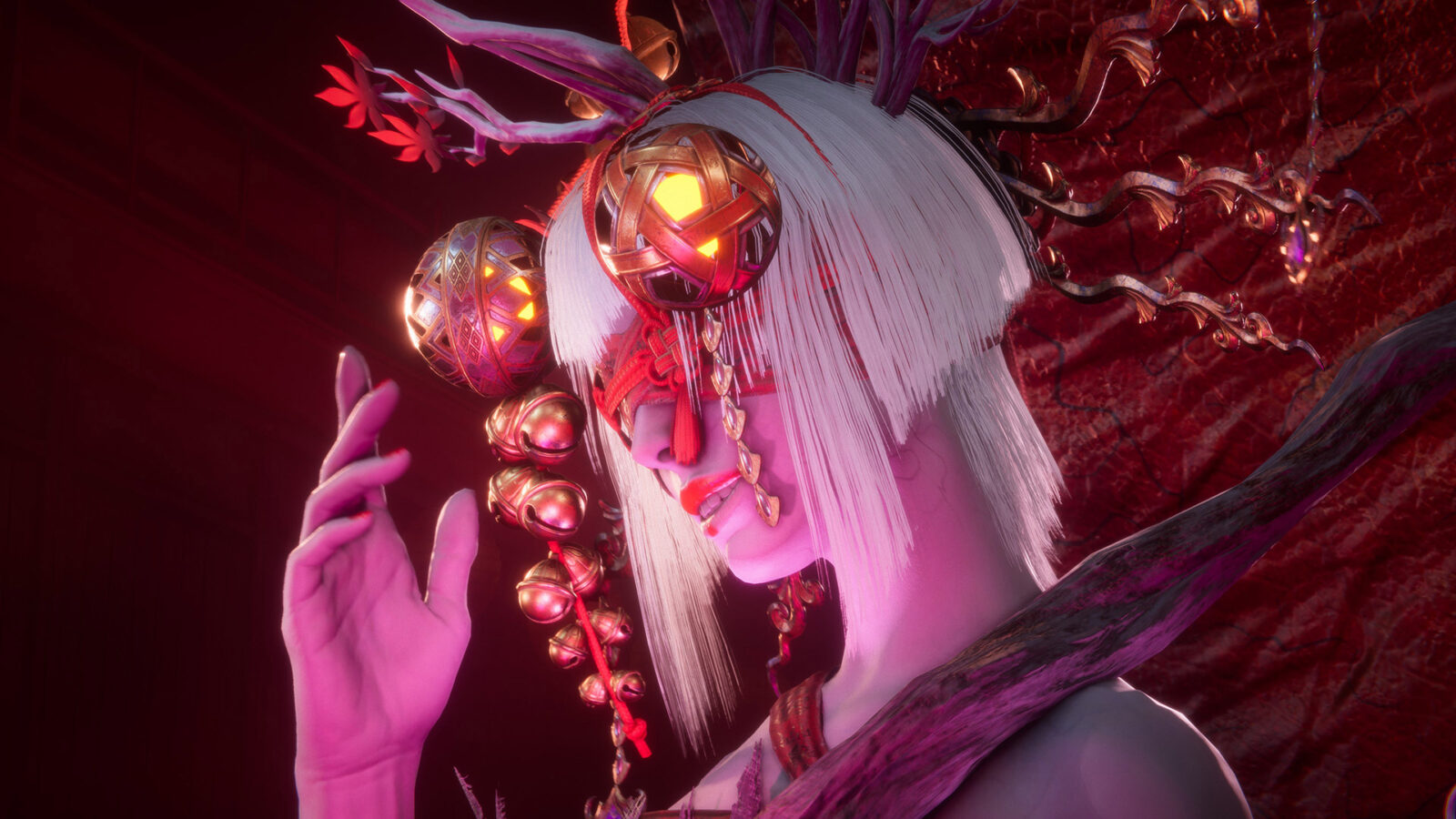
Boss fights are where it truly shines. Each encounter has its own theme, from operatic choirs to glitchy EDM breakdowns. One battle in particular — against a cybernetic dragon atop Tokyo Tower — features a track so intense it made my hands shake.
The voice acting, too, is surprisingly strong. Yakumo’s VA brings just enough arrogance to make him distinct from Ryu without turning him into a parody. Ryu himself, when he finally appears, sounds older — wiser, tired. There’s a quiet respect between the two that I didn’t expect.
Difficulty, Rebalanced
Now let’s address the elephant in the dojo: Ninja Gaiden 4 is easier than its predecessors.
Gone are the days of controller-snapping fury. The new design philosophy leans toward accessibility — generous checkpoints, plentiful healing items, and even assist NPCs who pop in when you’re struggling. The game wants you to finish it, not fear it.
For purists, this might feel like betrayal. But honestly? I appreciated it. I’m older now. My reflexes aren’t what they were in 2004. I don’t have the time or patience to die 87 times to a single boss anymore. And Ninja Gaiden 4 respects that.
There are harder modes, of course — “Dragonborn” difficulty will still humble you. But the default experience strikes a solid balance between challenge and flow. You’ll still die, but you’ll get back up smiling.
Bugs, Blood, and the Beauty of Imperfection
No game is flawless, and Ninja Gaiden 4 wears its imperfections proudly. The lock-on issue is the biggest offender, followed by occasional camera wonkiness and clipping. A few animations can yeet you out of bounds (which is both hilarious and infuriating).
But here’s the thing: these rough edges almost add to the charm. This isn’t a sterile, committee-designed blockbuster. It’s messy. Passionate. A little unhinged. You can feel the hands of its creators in every frame — and that’s something increasingly rare in modern AAA gaming.
Seven Hours in Heaven (and Maybe That’s Enough)
I finished Ninja Gaiden 4 in about 9 hours in total. For a $70 game, that might sound short. But it’s the right length. Any longer, and the intensity might’ve dulled. This is a game that burns bright and fast, like a flash grenade of nostalgia and adrenaline.
And when the credits rolled, I didn’t feel exhausted. I felt satisfied.
I didn’t replay it immediately — not because I didn’t love it, but because it felt complete. Like a perfectly executed slice — clean, deliberate, and final.
The Resurrection of a Genre
In the grand scheme of gaming, Ninja Gaiden 4 won’t win Game of the Year. It might not even be remembered as the best in the series. But that’s okay. Its value isn’t in perfection; it’s in resurrection.
It reminds us why we fell in love with action games in the first place — the sheer thrill of mastering something difficult, the joy of flow, the hypnotic rhythm of movement and violence.
In a world where “action” increasingly means QTEs and cinematic cutscenes, Ninja Gaiden 4 feels refreshingly raw. It’s a reminder that player skill still matters. That speed and style can coexist. That dying — repeatedly, violently, beautifully — is part of the fun.
Final Thoughts: The Way of the Raven
Ninja Gaiden 4 is not a reinvention. It’s a reclamation. It’s a loud, messy, passionate love letter to a genre that refuses to die, crafted by developers who clearly remember what made it great in the first place.
Yakumo isn’t Ryu Hayabusa — and that’s the point. He doesn’t need to be. His story is one of legacy and evolution, of learning to fight not just like your predecessor, but beyond them.
In that sense, Ninja Gaiden 4 mirrors its own protagonist: a successor stepping out of the shadow of giants, carving its own identity one brutal combo at a time.
Fast, flashy, and unapologetically chaotic, Ninja Gaiden 4 is everything an action fan could hope for — even if it’s not everything they dreamed of. It’s a triumph of feel over form, style over story, and speed over sanity. It’s imperfect, yes, but gloriously so. A worthy return for a legend long thought buried.