
TL;DR: Between Speed and BraiNano Banana 2 is Google’s most balanced AI image generation model yet. It combines speed, intelligence, and practical creative control in a way that finally feels production-ready for real workflows. It won’t replace high-end specialized tools, but for most creators, marketers, educators, and startups, it’s more than powerful enough — and fast enough to keep up with your ideas.
Nano Banana 2
There’s a moment every year in tech when something clicks. Not explodes. Not “goes viral.” Just quietly clicks into place and you realize, oh — this is the version they were trying to build all along.
That’s Nano Banana 2.
When Google first launched Nano Banana under the Gemini Image umbrella, it felt like the beginning of something chaotic and brilliant. It was fast. It was playful. It was surprisingly capable. Then Nano Banana Pro arrived and flexed its cerebral muscles, bringing deeper reasoning, better instruction following, and more reliable visual fidelity. But you had to choose. Speed or sophistication. Meme machine or studio brain.
With Nano Banana 2 — officially Gemini 3.1 Flash Image — that choice mostly disappears.
After spending serious time abusing it in every way I could think of — marketing mockups, multilingual posters, classroom diagrams, narrative storyboards, absurdly specific pop culture recreations, and a few late-night “what if Blade Runner but cozy?” prompts — I can confidently say this: Nano Banana 2 is the most balanced AI image generation model Google has shipped yet. And balance, in this space, is everything.
The First Thing You Notice: It’s Fast, But It Doesn’t Feel Cheap
Speed in AI image generation used to come with baggage. Flash-tier models were the sprinters — quick, energetic, but sometimes sloppy around the edges. You’d get something 80% there in record time, but you’d also get weird typography, inconsistent lighting, or that uncanny “AI gloss” that made everything look vaguely synthetic.
Nano Banana 2 still moves like a caffeinated cheetah, but it no longer feels like it cut corners to get there.
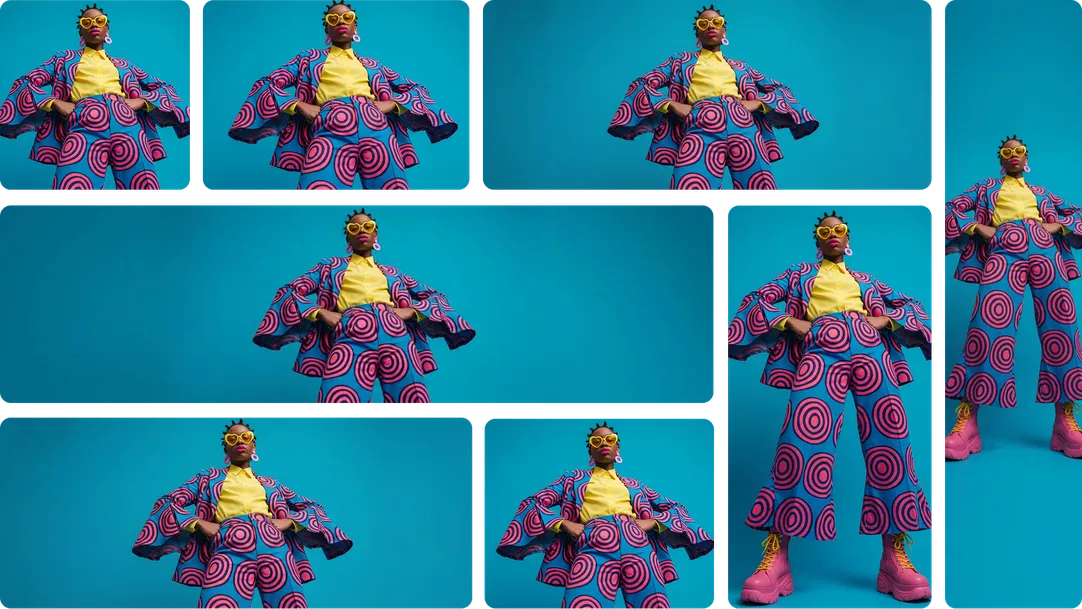
I deliberately pushed it into rapid iteration mode. Change the lighting from golden hour to overcast documentary realism. Adjust the aspect ratio from square to cinematic widescreen. Swap the background from pastoral farmland to urban rooftop at dusk. Localize embedded English text into Arabic while preserving layout balance. Regenerate with tighter framing and sharper textures.
The response time stayed quick. The structure held. The image didn’t degrade into pixel soup.
That’s when I knew something fundamental had shifted. This isn’t just a faster generator. It’s a faster intelligent generator.
World Knowledge That Actually Shows Up in the Pixels
One of the biggest upgrades in Nano Banana 2 is its deeper integration with Gemini’s real-world knowledge and web-grounded context. That sounds abstract until you start testing it with real tasks.
I fed it messy bullet points about the water cycle and asked for a clean flat-lay infographic suitable for classroom use. Instead of vaguely scientific doodles, it produced a structured diagram with clearly defined stages, logical arrows, and terminology that reflected how educators actually present the topic.
Then I escalated. Renewable energy storage workflows. Carbon capture processes. Data visualization concepts. Minimalist tech explainer posters.
What struck me wasn’t just that it generated something attractive. It generated something structured. There’s a difference between decorative visuals and diagrammatic thinking. Nano Banana 2 feels like it understands the difference.
This matters because AI image generation is no longer just about art. It’s about communication. It’s about turning ideas into visuals at the speed of thought. And intelligence in this context means the model understands what the idea is before it tries to draw it.
Nano Banana 2 gets closer to that than its Flash predecessors ever did.
Typography That Doesn’t Make You Apologize
Let’s talk about text. Historically, asking AI image generators to render clean, accurate typography was like asking a toddler to typeset a magazine cover. You’d get close, but not close enough to show a client without a disclaimer.
Nano Banana 2 dramatically improves this.
I tested greeting cards, social ads, event flyers, packaging mockups, and infographic labels. The text wasn’t just legible — it was mostly correct. Spelling held. Letterforms stayed coherent. Layout spacing didn’t implode.
Then I tested localization. Generate a clean English marketing poster. Now translate the embedded text into Spanish. Keep the visual hierarchy intact. Now do it in Arabic and preserve compositional balance.

It adapted. The layout shifted appropriately. The composition didn’t collapse.
Is it perfect? No. Complex typographic layouts can still wobble under pressure. Ultra-specific brand fonts are not always reproduced faithfully. But we are firmly out of the haunted-typography era.
For marketers, educators, and content creators, that’s a massive leap.
Subject Consistency: The End of Character Amnesia
If you’ve ever tried building a multi-image narrative with AI, you’ve probably experienced character amnesia. Your protagonist looks perfect in frame one, then subtly morphs in frame two. Hair changes. Facial structure shifts. That red jacket becomes maroon. It’s like watching a low-budget sci-fi film where the continuity editor quit halfway through production.
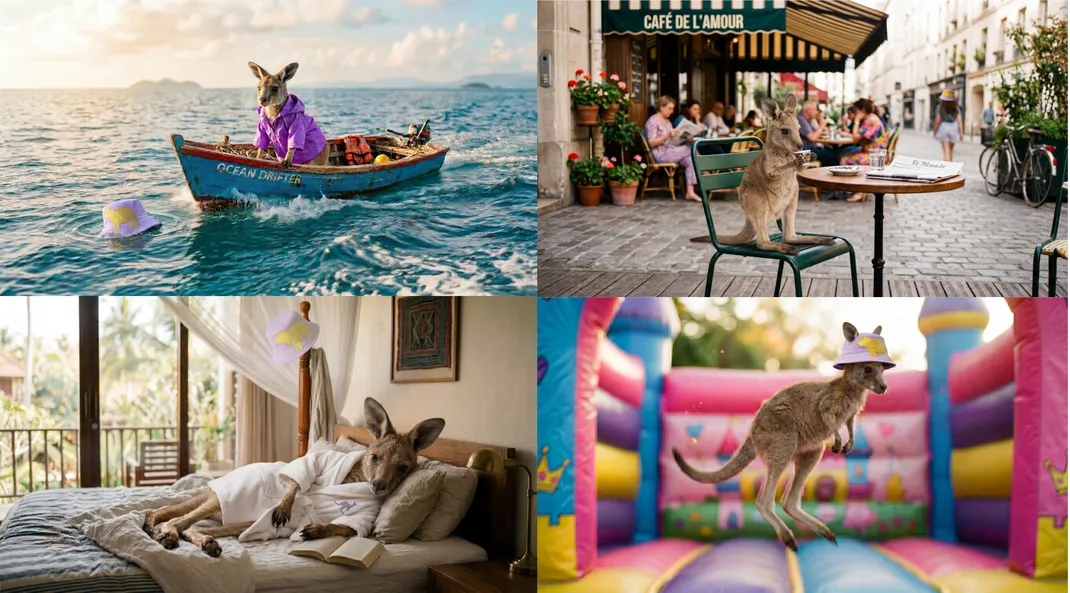
Nano Banana 2 introduces subject consistency across up to five characters and maintains fidelity for up to fourteen objects within a workflow. I tested it with recurring mascots, farm scenes full of props, and short storyboard sequences.
It held surprisingly steady.
Faces stayed recognizable. Clothing remained consistent. Objects didn’t randomly mutate. It’s not Hollywood-grade continuity, but it’s good enough to build coherent visual narratives without feeling like you’re gambling every regeneration.
For comic creators, brand teams, and social media campaigns built around recurring characters, this isn’t just a feature — it’s a sanity saver.
Production-Ready Specs Without Production-Level Waiting
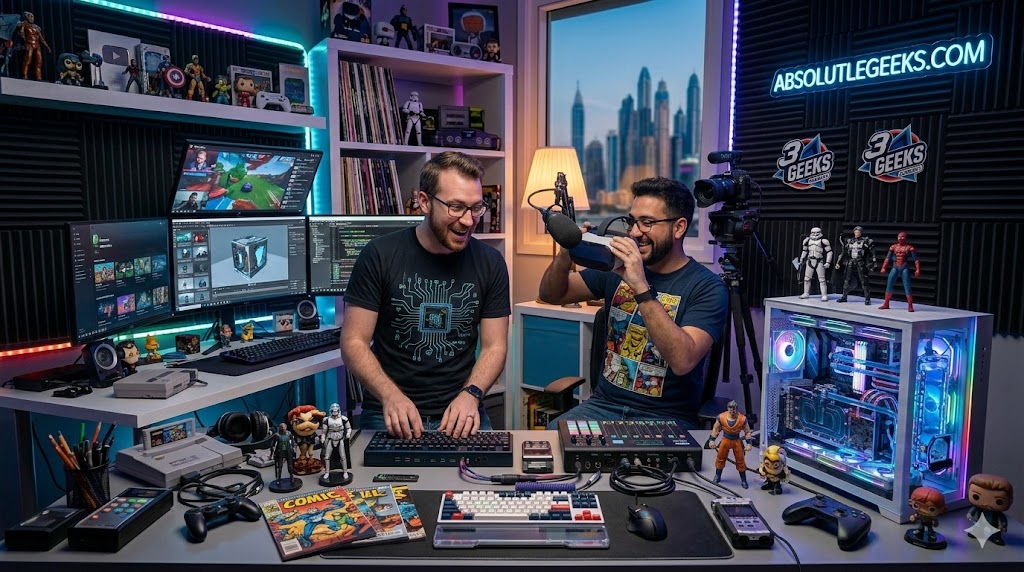
Another subtle but crucial upgrade is output control. Nano Banana 2 supports aspect ratios and resolutions from compact 512px outputs all the way to 4K. That sounds like a spec sheet bullet, but in practice it changes how you work.
I generated vertical social creatives, widescreen hero banners, and presentation-ready slide visuals. The images held their sharpness at higher resolutions. Lighting felt dimensional. Textures retained detail instead of smearing into softness.
Most importantly, the model didn’t slow to a crawl at larger sizes.
That’s where the Flash backbone shines. You’re not waiting long enough to question your life choices. You iterate. You refine. You move on.
In fast-moving creative environments, that responsiveness is everything.
Visual Fidelity: It Just Looks Better
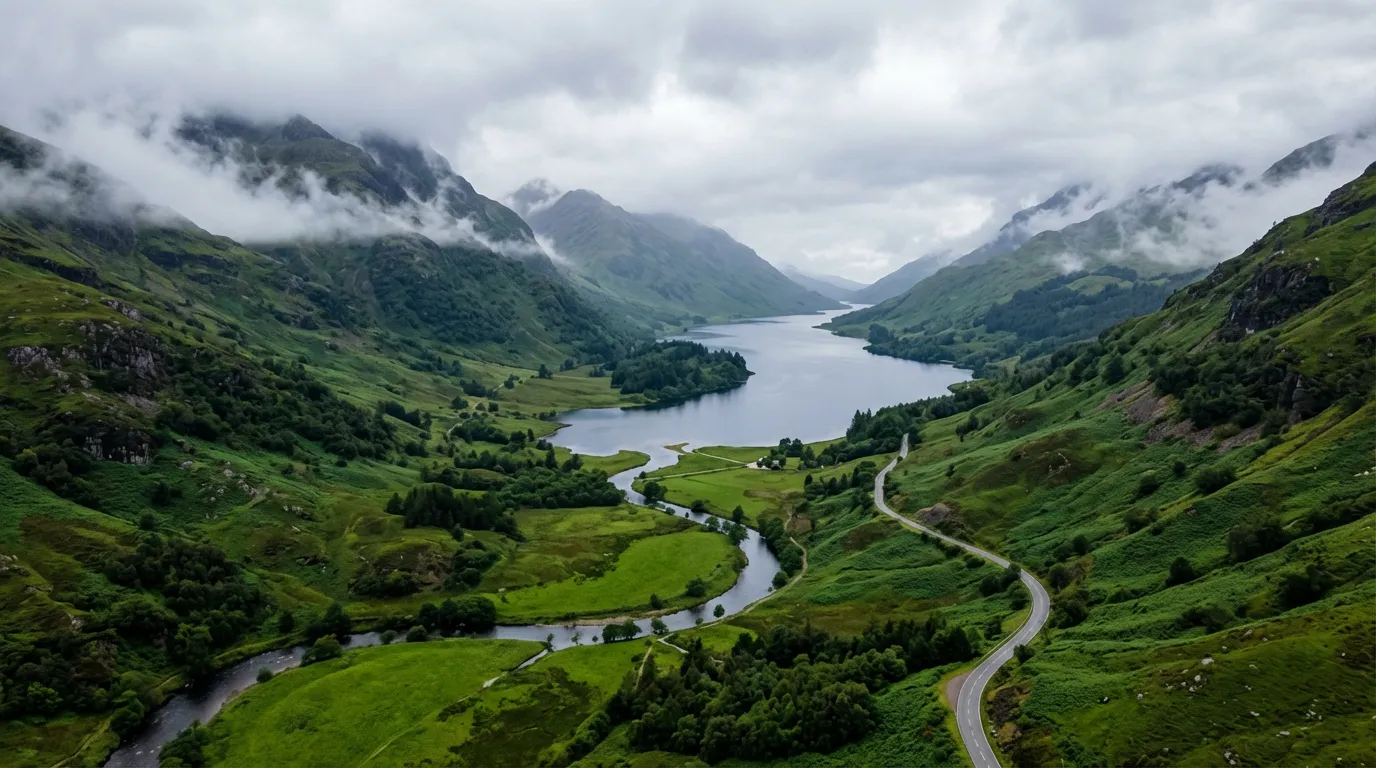
There’s an intangible quality difference in Nano Banana 2. The lighting feels more grounded. Shadows behave more realistically. Textures have depth. Edges are cleaner. Colors don’t bleed into that slightly artificial vibrancy older models sometimes favored.
When I generated lifestyle scenes, the difference was noticeable. Fabric textures looked tactile. Wood surfaces had believable grain. Skin tones appeared more nuanced. It’s still AI, and if you stare long enough you’ll find tells. But the gap is shrinking.
For concept art, marketing drafts, educational materials, and internal creative work, it crosses the threshold into genuinely usable territory.
That’s the inflection point.
Embedded Across Google’s Ecosystem
One of the most strategic aspects of Nano Banana 2 isn’t the model itself — it’s where it lives.
It’s rolling out across the Gemini app, Search AI Mode and Lens, AI Studio, the Gemini API, Vertex AI in Google Cloud, Flow, and even Google Ads.
This is not a niche creative sandbox. It’s becoming infrastructure.
Small businesses can generate campaign visuals directly inside Google Ads. Developers can build on top of it through the API. Cloud users can experiment at scale. Everyday users in the Gemini app get instant access to a powerful image generator without jumping between tools.
When a model becomes embedded like this, adoption accelerates not because it’s flashy, but because it’s convenient.
Nano Banana 2 feels less like a demo and more like plumbing.
Provenance: The Necessary Grown-Up Feature
We can’t talk about generative media in 2026 without addressing authenticity. As images become easier to generate, verification becomes just as important.
Google continues integrating SynthID and C2PA Content Credentials to mark AI-generated media and provide verification tools within the Gemini ecosystem. The fact that these verification features are already being used at scale tells you something: people want transparency.
Nano Banana 2 doesn’t exist in a vacuum of pure creativity. It exists in a world where distinguishing between human and AI-generated content matters.
That layer of responsibility matters just as much as lighting quality or iteration speed.
Where Nano Banana Pro Still Wins
Let’s be honest. Nano Banana Pro isn’t obsolete.
If you’re working on ultra-precise commercial projects, hyper-detailed technical renderings, or accuracy-critical visualizations, Pro still edges ahead. It remains the surgical instrument for when you need absolute control and maximum factual alignment.
Nano Banana 2 handles the majority of everyday workflows beautifully. Pro remains the specialist tool for edge cases.
It’s less a replacement and more a redistribution of responsibility.

The Real Takeaway
Nano Banana 2 doesn’t just feel like an upgrade. It feels like convergence.
Speed and intelligence finally coexist without obvious compromise. Text rendering becomes usable. Subject consistency becomes reliable. World knowledge shows up in meaningful ways. High-resolution outputs don’t punish you with latency.
It’s not perfect. Complex typography can still glitch. Extremely abstract prompts can lose coherence. Ultra-demanding brand precision sometimes requires Pro.
But for the overwhelming majority of creative workflows, Nano Banana 2 hits the sweet spot. And that sweet spot is exactly where most people actually work.
Verdict
Nano Banana 2 successfully merges Pro-level intelligence with Flash-level speed, delivering advanced world knowledge, strong instruction following, reliable text rendering, subject consistency, and production-ready outputs without sacrificing responsiveness. It’s not the end of Nano Banana Pro, but it dramatically reduces how often you’ll need it.