


TL;DR: A breathtaking, uncompromising flight sim on PS5 that struggles with controller immersion but shines once you earn its trust. Imperfect, absorbing, and quietly profound.
Microsoft Flight Simulator 2024 PS5
There’s a very specific moment when Microsoft Flight Simulator 2024 on PS5 stops feeling like a videogame and starts feeling like a personal experiment. It happens quietly. No achievement pops. No triumphant music swell kicks in. You’re just… flying. Stable. On course. The instruments make sense. The horizon stops wobbling like it’s judging you. And suddenly you realize your brain has rewired itself around patience.
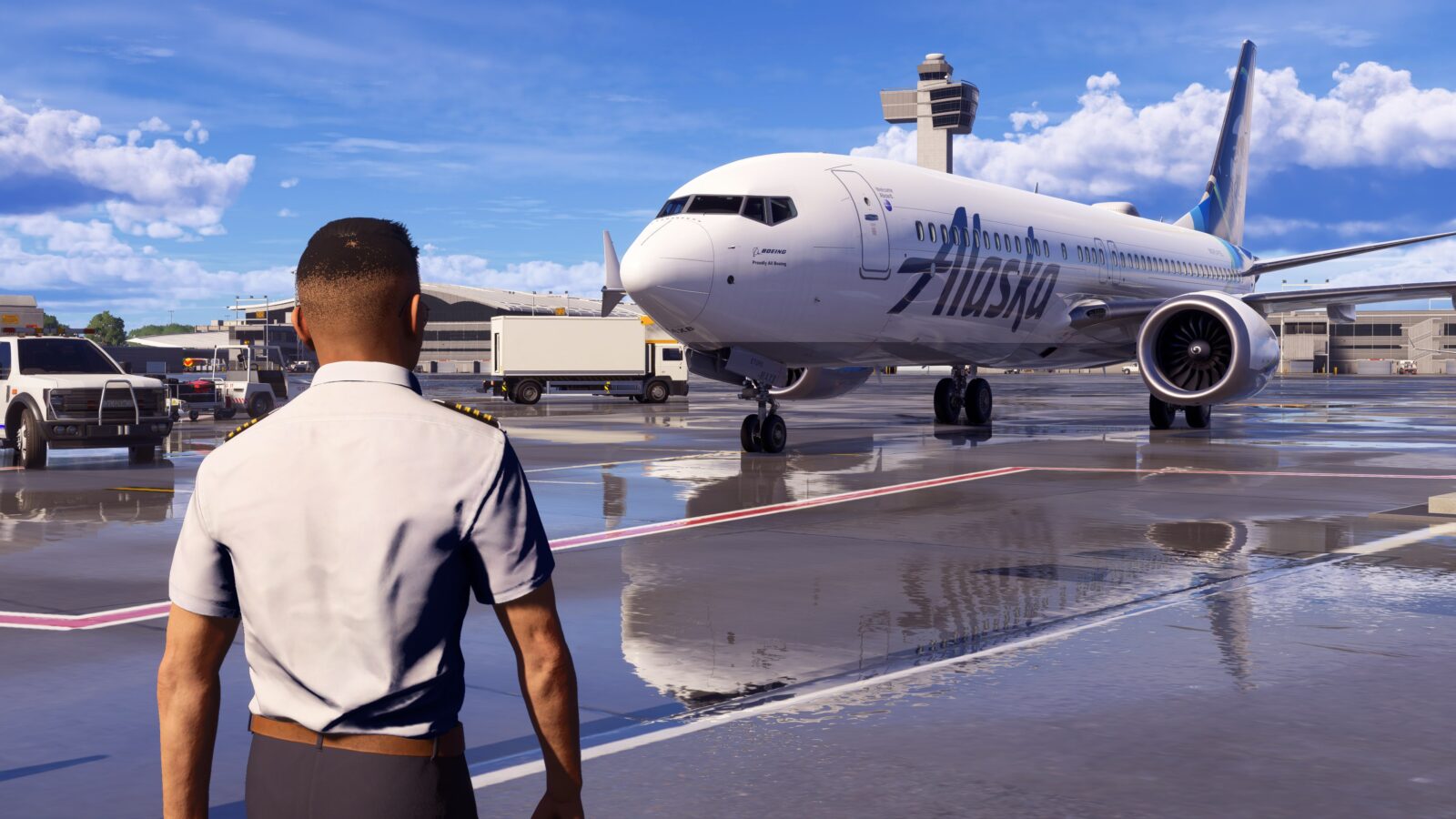
That moment is why this port matters.
For decades, Microsoft Flight Simulator was something console players admired from afar, like a luxury watch behind museum glass. Impressive, impossibly technical, and clearly not meant for anyone sitting ten feet from a TV with a controller and a half-charged attention span. Even when the franchise finally broke free of PC purgatory and landed on Xbox, it still felt like a polite invitation rather than an open door. Bringing Microsoft Flight Simulator 2024 to the PlayStation 5 is stranger still, like watching a hardcore flight instructor wander into a casual arcade and politely ask everyone to take this very seriously.
And that’s the thing. It absolutely does.
From the opening menus, MSFS 2024 doesn’t adjust its tone to court PlayStation players. There’s no excessive hand-holding, no arcade-flavored compromise. Instead, it calmly presents its systems, its checklists, its certifications, and says: learn, or don’t fly. It’s intimidating in the way real skills often are. But it’s also quietly respectful. It assumes you’re capable of growth, which is rare in modern games that often mistake convenience for accessibility.
Choosing a home airport feels more emotionally loaded than it has any right to be. I didn’t pick based on efficiency or mission density. I picked vibes. A regional airport near Mount Fuji, because if I was going to repeatedly botch takeoffs, I wanted the universe to look stunning while judging me. This decision ends up mattering more than expected, because MSFS 2024 doesn’t just simulate aircraft. It simulates place. Flying isn’t abstracted here. It’s rooted in geography, culture, and weather patterns that feel stubbornly real.
The early career phase is humbling. You’re introduced to the Cessna 172 like it’s a living thing, not a starter car you’ll discard in an hour. Pre-flight checks are treated as ritual. Airspeed, pitch, roll, trim, throttle discipline—none of it is optional. And the game is unapologetic about that. You don’t “kind of” land a plane. You either do, or gravity reminds you that this is not an arcade racer with wings.
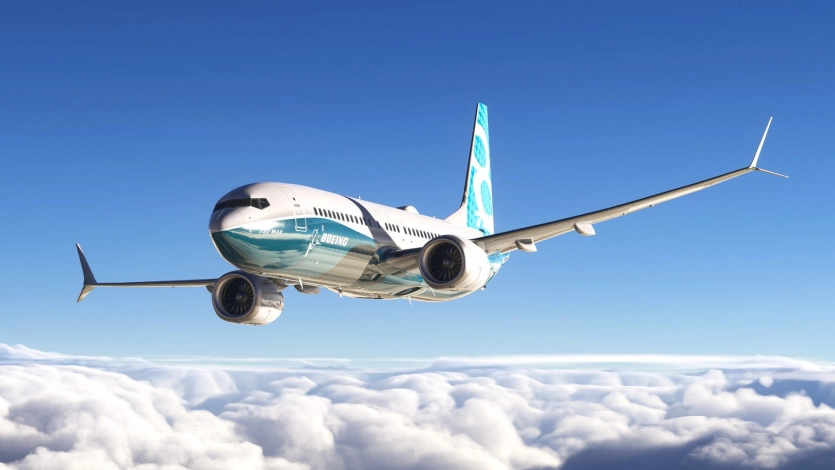
What surprised me most was how quickly the learning curve stopped feeling hostile and started feeling meditative. Once my hands learned restraint—micro-adjustments instead of panicked corrections—the sim opened up. My first sightseeing job took me over Tokyo, and I immediately broke from the recommended route to fly over Koganei. A friend lives there. I’ve never visited. I don’t know which building is theirs. But seeing that sprawl from above sparked a weird, quiet curiosity that no fast-travel map ever has. The sim doesn’t just show you the world. It invites you to wonder about it.
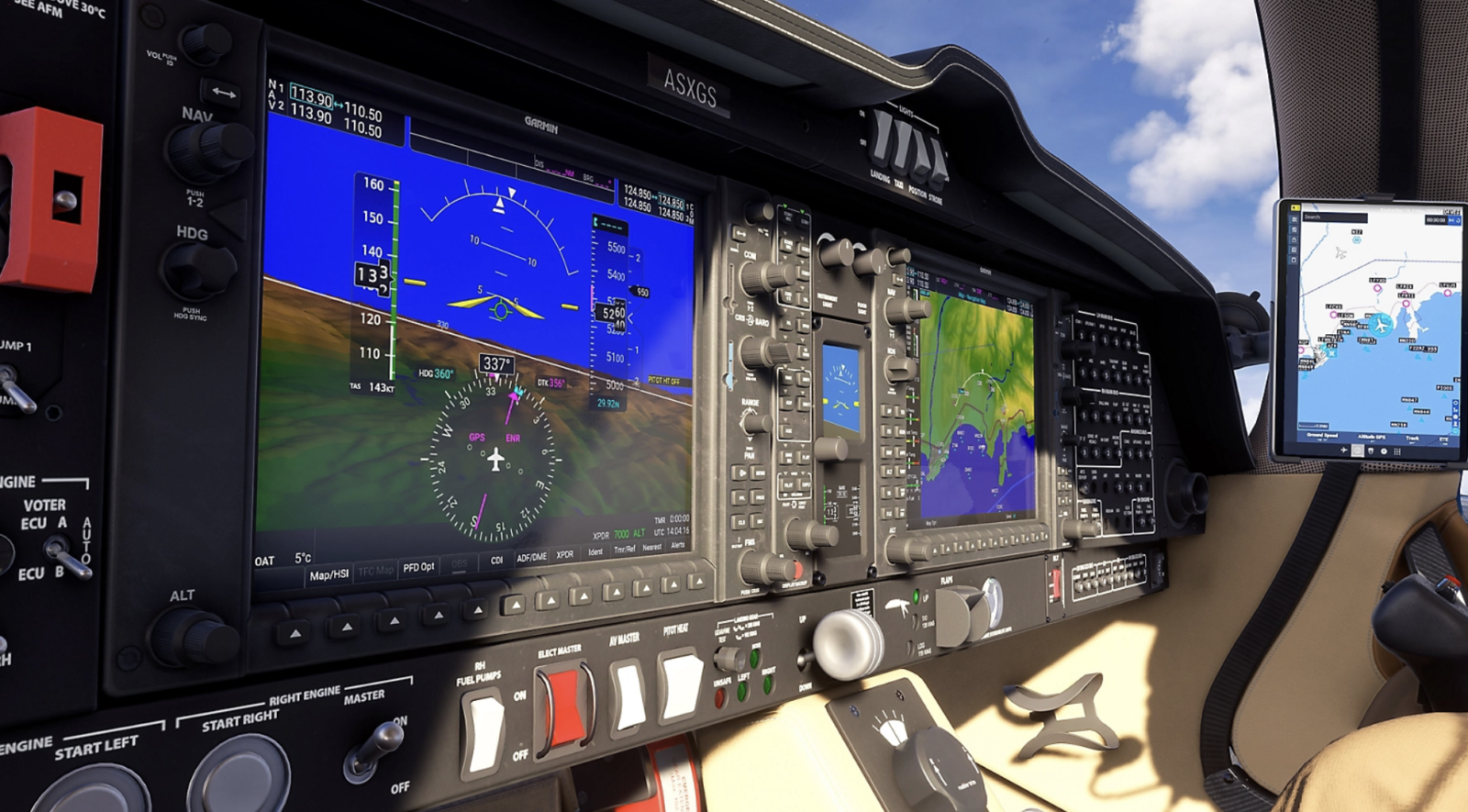
As certifications stack up, the game gently escalates its demands. You start caring about engine RPM, trim percentages, fuel efficiency, landmark navigation. This is where the PS5 version begins to show both its brilliance and its blind spots. The cockpit is dense with information, but from a couch, some of it is simply too small. Maintaining specific RPM values requires squinting at tiny displays or shifting camera angles mid-flight, which is about as relaxing as checking your phone while driving on the freeway.

The absence of RPM info on the default HUD feels like an unforced error, especially for console players. I ended up flying by sound more than sight, listening for subtle changes in engine tone. It worked, but not always by design. And here’s the kicker: at cruising speed, the engine sound fades into an almost apologetic hum, while procedurally generated passengers talk like they’re auditioning for a soulless podcast. It’s immersive in theory, distracting in practice.
Still, once you crest that learning plateau, the experience becomes transcendent. Cruising over Arizona as the sun sinks low enough to set the cockpit ablaze with amber light. Rolling toward Sedona as shadows stretch across canyons like the world is exhaling. Flying through a storm over Germany, rain hammering the windshield with needle-sharp insistence. Drifting above the Great Barrier Reef, where the water looks unreal enough to feel like cheating. Hovering near the Pyramids during golden hour. Skimming over northern Spain at dawn, scanning forests for wildlife.

These moments are where Microsoft Flight Simulator 2024 justifies its existence on PS5. This is one of the most visually convincing digital worlds ever streamed into a console, imperfections and all. Yes, textures pop in. Yes, distant geometry can look muddy. Yes, load times can test your patience. But when you’re stable, on-route, and unhurried, none of that matters. The illusion holds.
Where it falters is in physical immersion. The DualSense is a marvel when developers commit to it. Here, that commitment feels hesitant. Taxiing feels great. Runway vibrations have texture. Veering off into grass or gravel delivers a tactile reprimand. ATC chatter crackles through the controller speaker. Warning lights pulse through the light bar like a stressed nervous system.
Then you’re airborne, and most of that feedback vanishes.

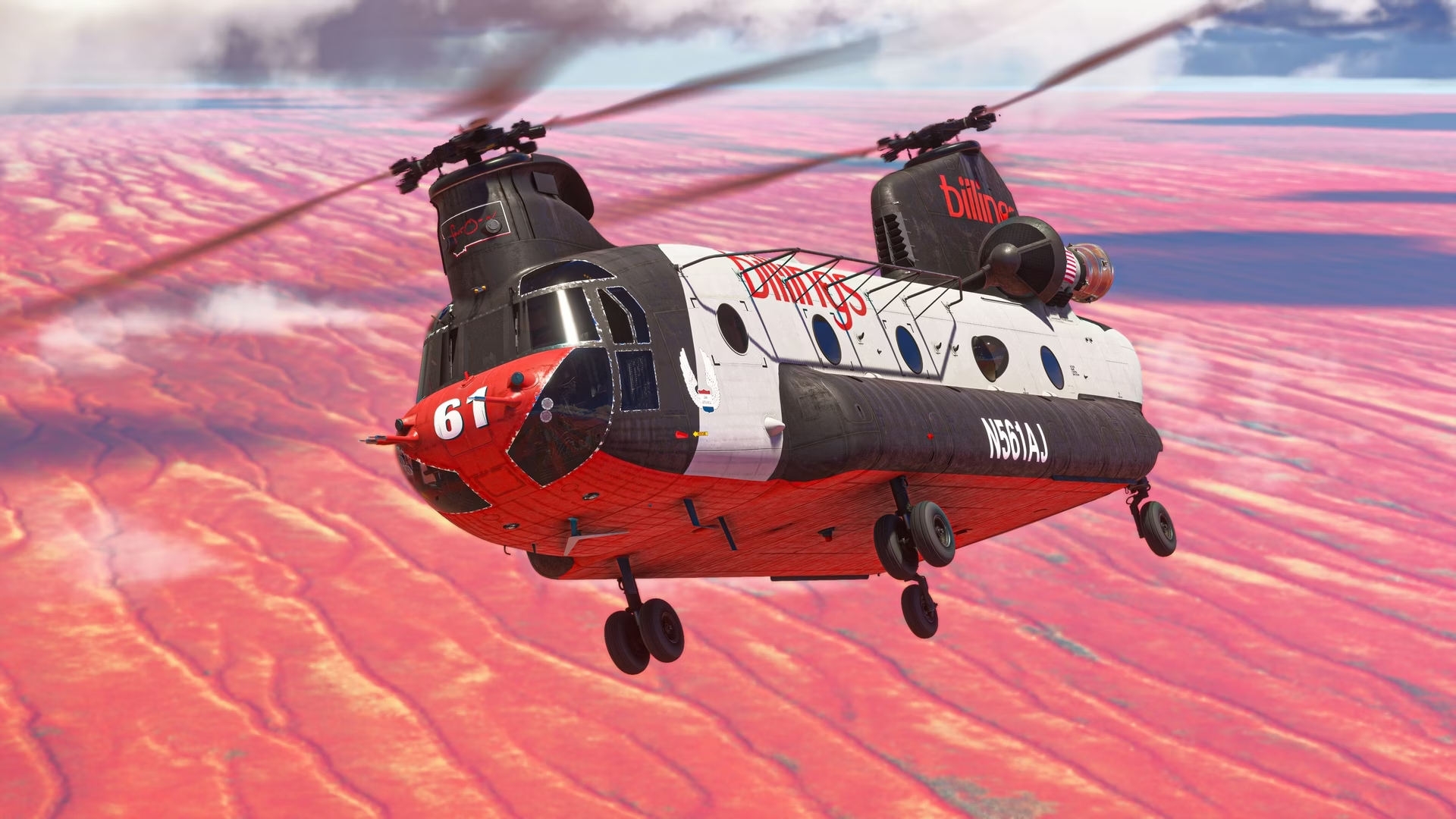
Turbulence doesn’t shake you. Smooth flight doesn’t soothe you. Rudder resistance on the triggers exists, but it’s so situational it often goes unnoticed. Helicopters fare slightly better, but even there the resistance feels restrained. Combined with muted engine audio, the sensory language of flight never fully materializes. You see the turbulence. You manage it. But you don’t feel it. For a simulation this obsessed with authenticity, that absence is glaring.
Bugs, unfortunately, are part of the package. Planes spawning above the ground and instantly crashing. Instructors and ATC talking over each other like a cursed group call. Shadow artifacts that make your pilot look haunted. A hard crash that killed my first paid mission. The most unsettling moment was a sudden black screen mid-flight—total darkness for nearly a minute before the world returned as if nothing had happened. It left a scar. Even now, every flight carries a whisper of distrust.
And yet, I kept coming back.
Because Microsoft Flight Simulator 2024 does something rare. It rewards slowness. It respects competence. It doesn’t chase dopamine. It cultivates mastery. Somewhere between your shaky first takeoff and your twentieth calm landing, you stop reacting and start anticipating. You adjust trim without thinking. You roll with purpose. You read weather instead of fearing it. The sim hasn’t changed. You have.
This isn’t the definitive way to experience Flight Simulator. A proper HOTAS setup would elevate this dramatically, and limited peripheral support on PS5 makes that dream feel distant. But judged on its own terms, this is still an extraordinary achievement. An uncompromising simulation that, despite its rough edges, trusts console players to rise to its level.
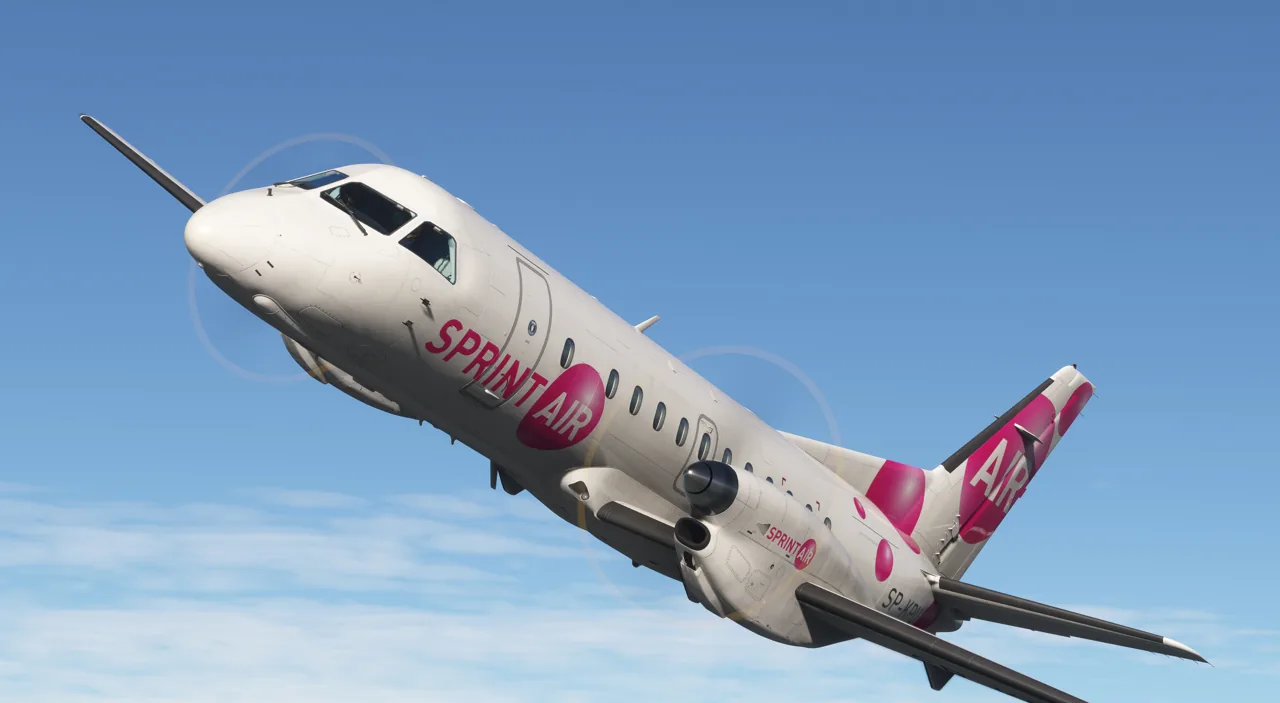
My living room never fully transformed into a cockpit. But it did become a place where time slowed down, where learning felt earned, and where flight stopped being about spectacle and started being about control.
Verdict
Microsoft Flight Simulator 2024 on PS5 is a demanding, beautiful, and occasionally frustrating experience that rewards patience and curiosity in equal measure. While underwhelming DualSense integration, accessibility issues, and lingering bugs prevent it from true greatness, it remains a landmark simulation and the most authentic flying experience PlayStation players have ever had.