

TL;DR: Marathon is a tense and highly addictive extraction shooter powered by Bungie’s exceptional gunplay. PvP encounters are thrilling, the progression system keeps players invested, and the eerie cyberpunk atmosphere adds personality to the experience. Some rough edges remain, but the core gameplay loop is strong enough to keep players coming back.
Marathon
I’ve now spent a serious amount of time inside Marathon, and at some point along the way I realized something slightly concerning about Bungie’s latest shooter. This game has that very specific kind of pull that slowly rearranges your evening plans without asking permission. You sit down thinking you’ll play for an hour or two, maybe complete a couple of contracts, extract with some decent loot, and call it a night. Instead, Marathon quietly convinces you that one more run is a perfectly reasonable idea. That “one more run” then turns into another firefight, another close escape, another lost backpack full of valuable gear, and before you know it, it’s well past midnight and you’re still discussing tactics with your squad like you’re planning a small military operation.
Now that Marathon is officially out and players have had time to sink their teeth into it, the big question surrounding Bungie’s return to the Marathon universe was whether the studio could translate its famous shooter DNA into the extraction genre. Games like Escape From Tarkov and Hunt: Showdown have already proven how addictive high-risk loot shooters can be, but they also set a brutal standard for tension, strategy, and long-term progression. Bungie stepping into that space felt both exciting and slightly dangerous. If anyone could make the genre feel smoother and more approachable without losing the stakes that make extraction shooters special, it would probably be the studio responsible for some of the most satisfying gunplay in gaming history.
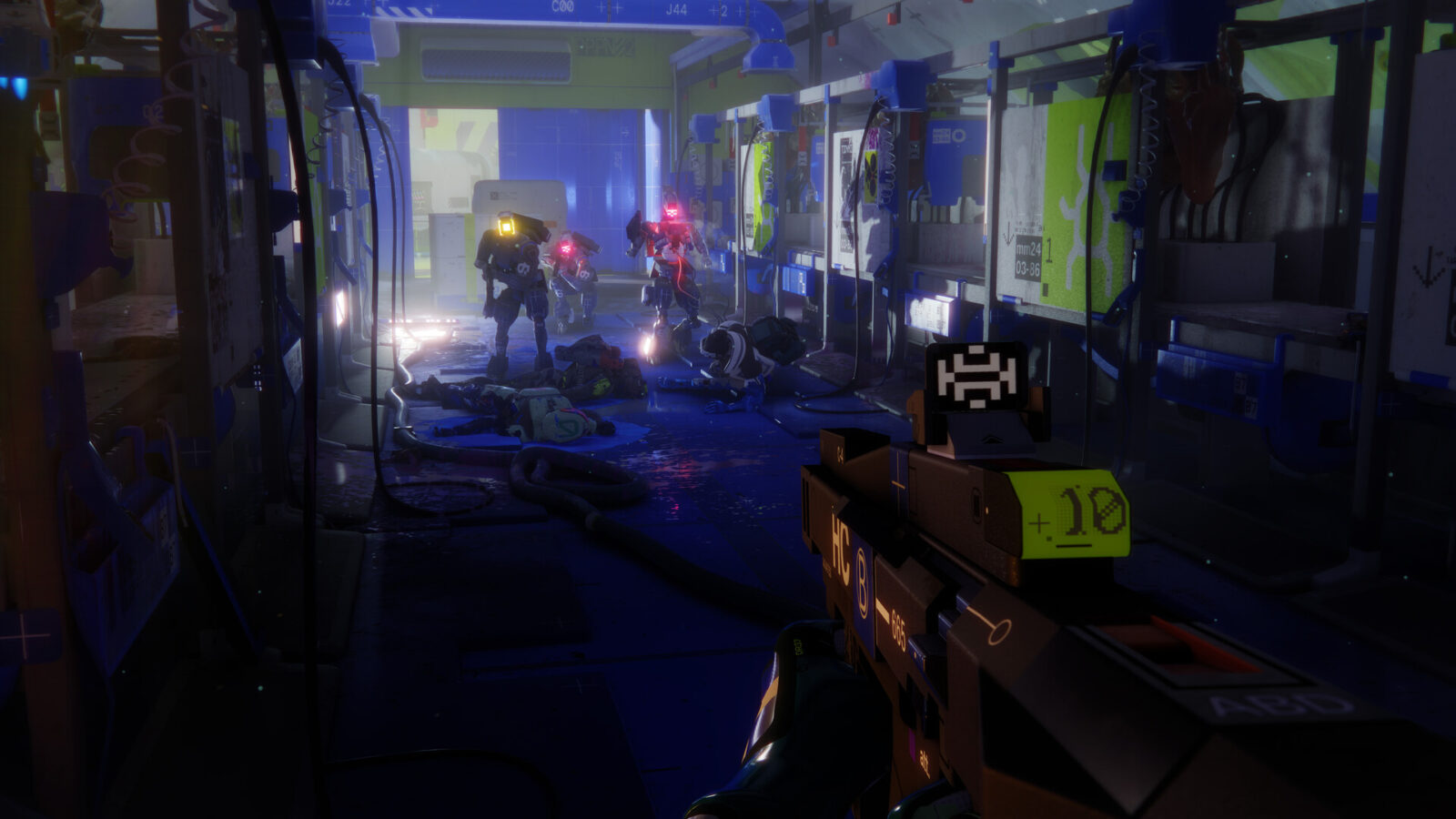
After dozens of hours spent looting facilities, fighting rival squads, and occasionally losing everything in spectacularly unfortunate encounters, Marathon absolutely feels like Bungie understood the assignment. At its core, the game thrives on the same principle that made their previous shooters memorable: firing a weapon simply feels incredible. There’s a tactile quality to Marathon’s gunplay that’s difficult to explain until you’ve spent time with it. Every weapon carries a kind of rhythm that makes combat feel deliberate and physical rather than chaotic. Rifles crack sharply through the environment with a satisfying mechanical snap, while heavier weapons kick with a force that feels dramatic without becoming uncontrollable. Pulse rifles fire in bursts that feel almost musical, and landing consistent shots produces that subtle feedback loop where the weapon, the sound design, and the enemy reactions all reinforce each other.
What really sells the experience is the way the world responds when you pull the trigger. Shields crackle and break apart under sustained fire, enemy players stagger when rounds connect, and every hit produces visual and audio cues that make each firefight feel grounded and intense. Bungie has always had a reputation for making players feel just a little more skilled than they actually are, and Marathon continues that tradition with remarkable consistency. Even during chaotic PvP encounters where things spiral out of control, there’s still a sense that the weapons themselves are reliable tools rather than unpredictable noise machines.
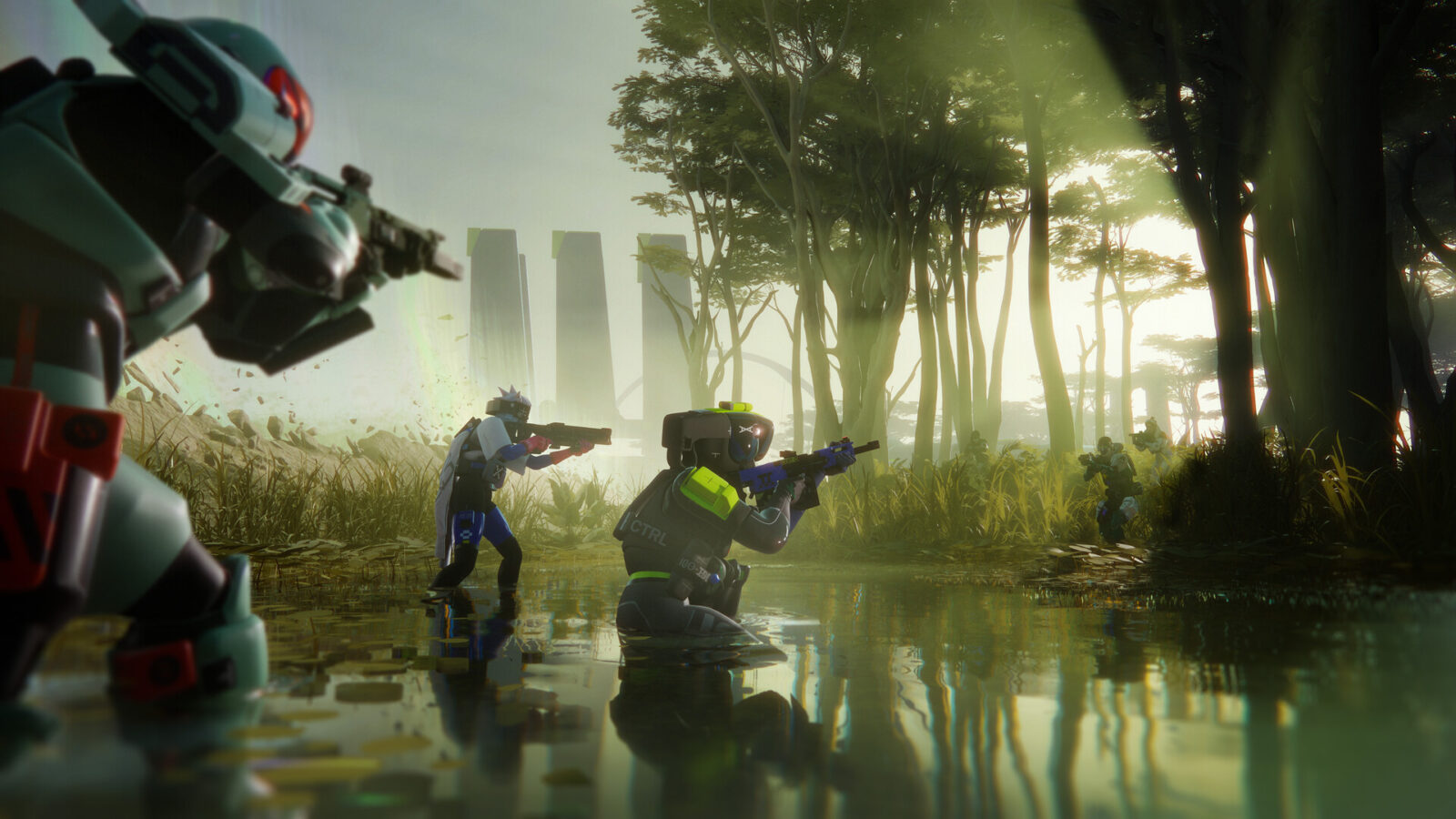
That reliability matters a lot in a game built around high-stakes encounters. Marathon leans heavily into player-versus-player tension, and that decision shapes nearly every moment of a match. While the maps contain AI enemies and environmental hazards that add pressure while you explore, the real threat is always another squad of players operating somewhere in the same space. Those encounters rarely happen on predictable terms. Sometimes you hear distant gunfire and realize another team is clearing out a location you were planning to visit. Other times you’re quietly searching through containers when someone on voice chat whispers that they hear footsteps nearby, and suddenly the entire mood of the match shifts from exploration to survival.
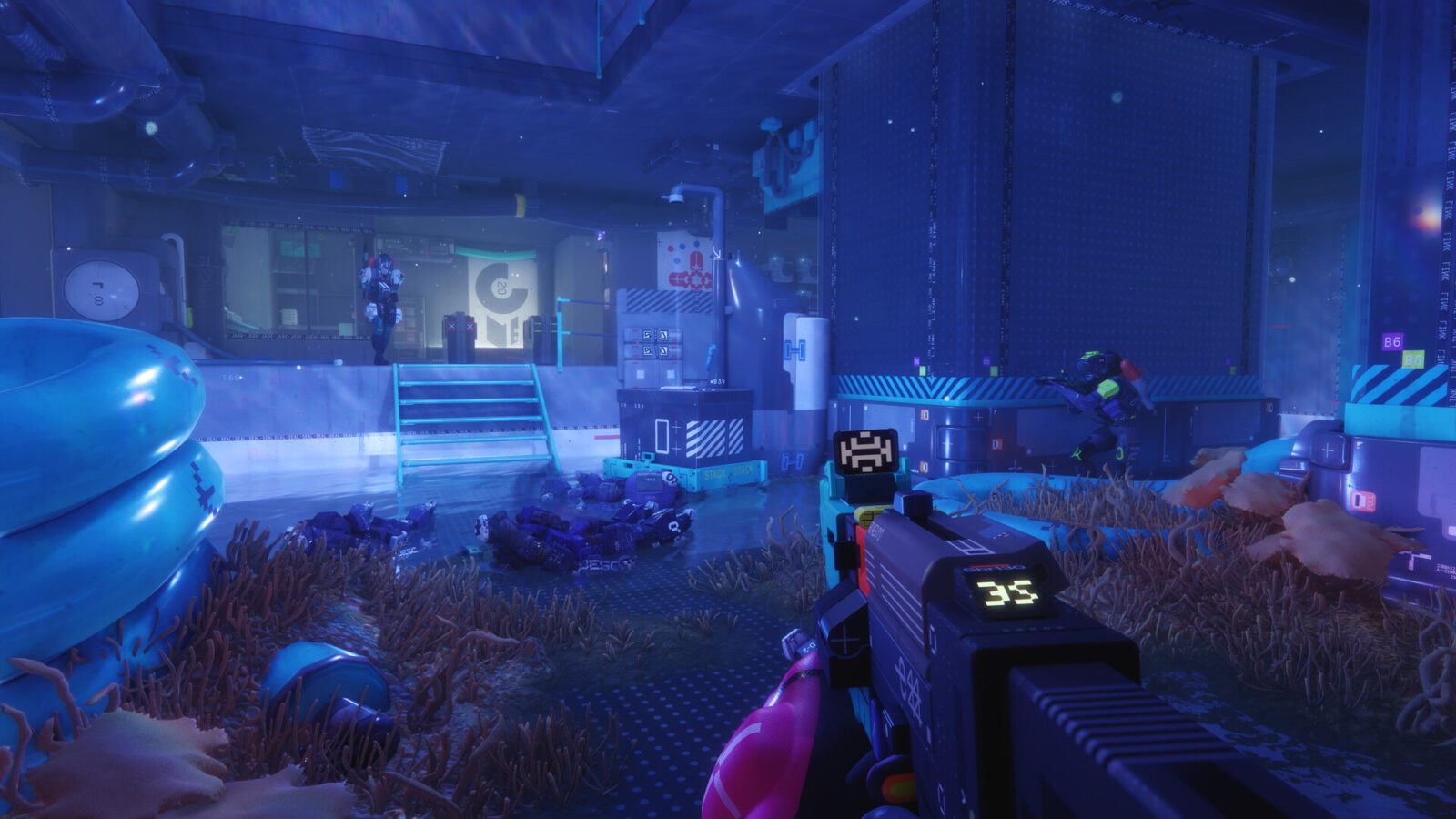
Those moments of sudden confrontation are where Marathon truly shines. The atmosphere in those encounters is incredibly tense, especially when you realize that every item in your backpack is at risk. A simple hallway fight can turn into a desperate struggle for positioning as both squads try to outmaneuver each other with grenades, flanking routes, and ability usage. Communication becomes frantic, plans change mid-sentence, and the environment around you fills with gunfire and sparks from broken shields. Winning those battles feels immensely satisfying, not only because your team survives but because the reward is often everything the opposing squad spent the last fifteen minutes collecting.
That ruthless exchange of progress is part of what makes extraction shooters so compelling. Marathon understands this dynamic well and builds its progression systems around that constant risk-versus-reward calculation. Every run becomes a series of decisions about how greedy you’re willing to be. Do you push deeper into the map hoping to find better gear or complete an objective, or do you extract early and secure the loot you already have? The game constantly encourages players to weigh those options, and it rarely provides a clear answer. Some of my most memorable runs ended in triumphant extractions after pushing far beyond what felt safe, while others ended with my squad being ambushed just moments before reaching the extraction point.
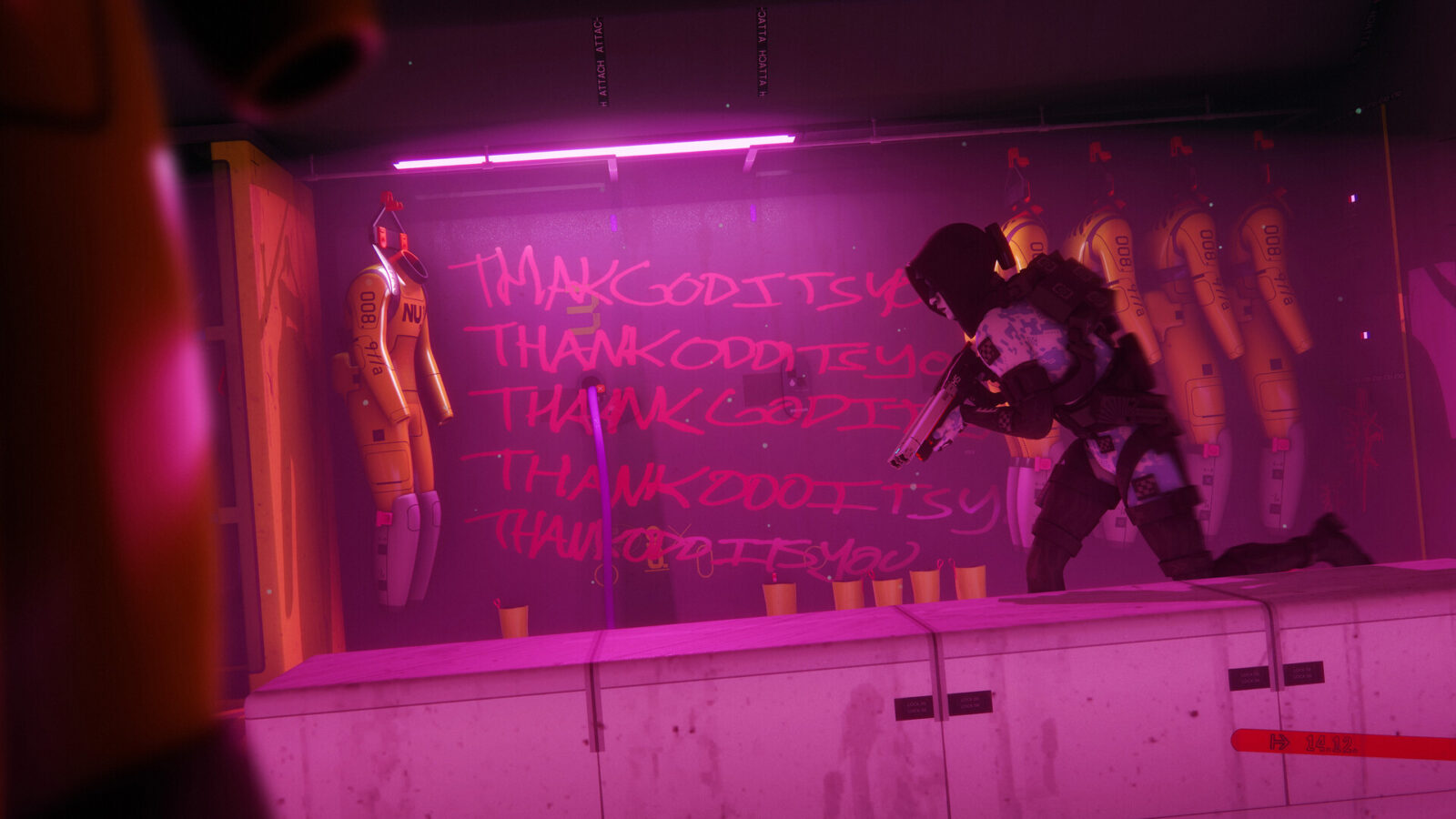
The long-term progression system plays a major role in keeping players invested through those ups and downs. Marathon steadily rewards your time with unlocks that expand your capabilities between runs. New equipment options become available, inventory upgrades open up more flexibility, and faction contracts gradually introduce deeper objectives. Even failed runs often contribute to that sense of progress, which helps soften the blow of losing valuable gear. That design choice makes it easier to jump back into another match immediately after a setback because you still feel like something was gained from the experience.
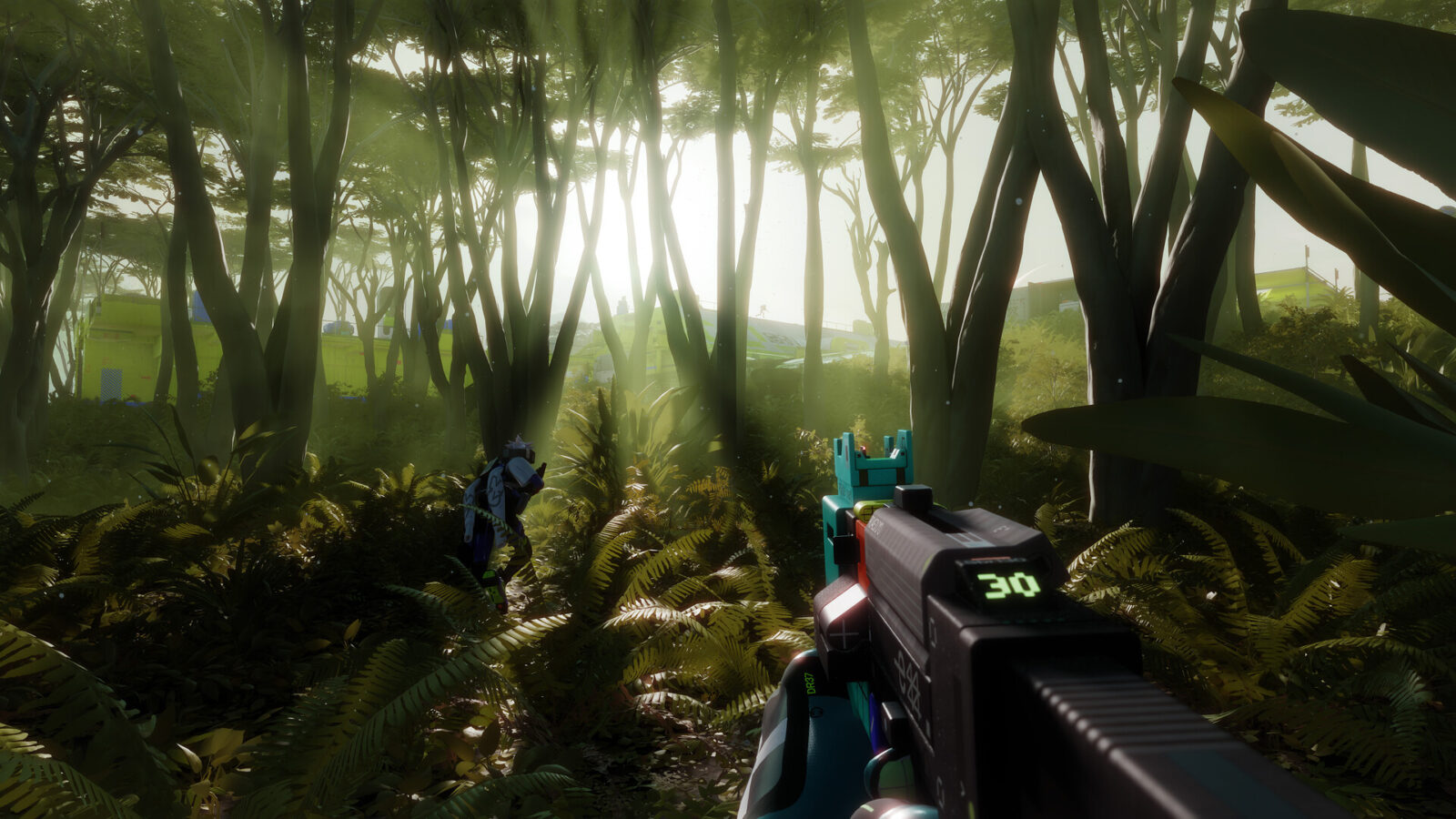
However, Marathon also carries a few familiar Bungie quirks that occasionally interrupt the otherwise smooth gameplay loop. Movement, for example, can feel surprisingly awkward in certain situations. There are moments where climbing over environmental obstacles becomes unreliable, and that inconsistency is especially frustrating during tense firefights where positioning matters. Trying to mantle onto a ledge while under pressure sometimes results in your character refusing to cooperate, which can turn what should have been a clean escape into an unnecessary disaster.
The game also introduces a heat system that functions as a form of stamina management. Sprinting too aggressively can cause your character to overheat, temporarily slowing movement until the system cools down. In theory this mechanic adds another layer of tactical decision-making, forcing players to think carefully about mobility and noise while navigating the map. In practice it occasionally feels restrictive, especially when you are trying to reposition quickly during a firefight or retreat from an unexpected encounter.
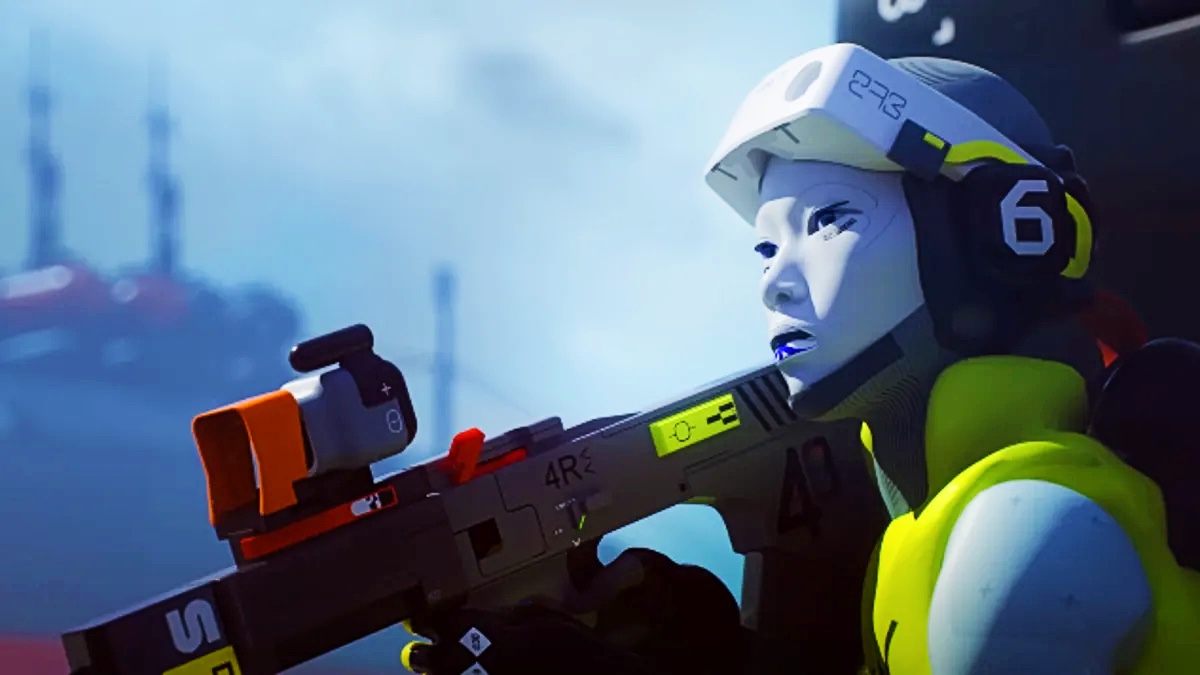
Another element that feels slightly underdeveloped is the roster of playable characters. Marathon uses a hero-style system where each character comes equipped with unique abilities designed to support different playstyles. Some characters focus on stealth and infiltration, others provide healing or tactical support, and several are built around aggressive combat roles. While these abilities add useful variety to team compositions, the characters themselves lack the strong identities that players might expect from Bungie. Compared to the memorable class identities found in Destiny, Marathon’s roster feels more functional than iconic. The abilities work well enough during gameplay, but the personalities behind them rarely stand out in a meaningful way.
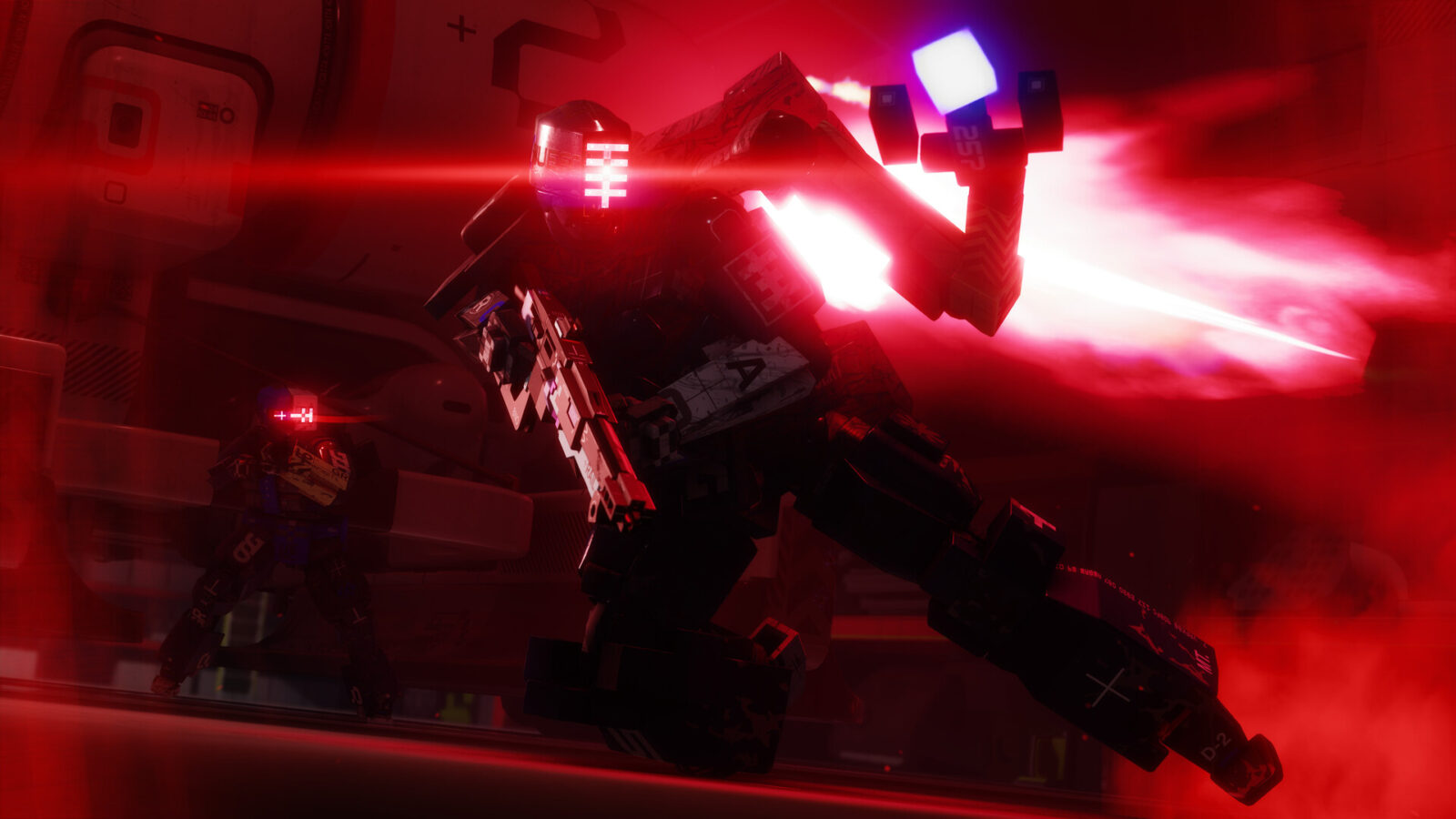
Where Marathon does succeed in building atmosphere is through its world and narrative hints scattered throughout the experience. Extraction shooters are not typically known for their storytelling, but Bungie has clearly invested time in crafting a setting that feels mysterious and slightly unsettling. Between missions, players encounter fragments of lore, faction conversations, and environmental storytelling that slowly reveal more about the world. The overall tone leans heavily into a cyberpunk aesthetic filled with themes of corporate experimentation, altered consciousness, and the blurred boundaries between human and machine.
Even the visual presentation reinforces that tone. The environments feel strangely artificial, like pristine research facilities that were abandoned mid-experiment. Neon lighting and sterile architecture combine to create spaces that feel both futuristic and eerie. Spending extended time in these environments gives the game a distinct personality that separates it from many other shooters in the genre.
From a technical standpoint, Marathon launched in impressively solid condition for a live-service title. Performance has remained stable across long play sessions, with smooth frame rates and minimal technical interruptions. Matches load quickly, network stability has been reliable, and crashes have been rare during my time with the game. Considering how complicated multiplayer shooters can be at launch, the technical stability of Marathon deserves recognition.
After spending so much time with the full release, my overall impression is that Bungie has created an extraction shooter that feels both familiar and distinct. The core gameplay loop is incredibly engaging thanks to the studio’s mastery of weapon design and combat pacing. Player encounters are tense and unpredictable, and the progression system encourages repeated runs without making losses feel devastating.
At the same time, a few rough edges remain visible. The interface could use significant usability improvements, movement sometimes lacks the fluidity expected from a modern shooter, and the character roster feels less memorable than it should. None of these issues completely undermine the experience, but they do prevent Marathon from reaching the absolute top tier of the genre.
Even with those flaws, the game has already proven capable of pulling players back again and again through its tense firefights and addictive progression loop. Marathon may not reinvent the extraction shooter formula, but it refines it with Bungie’s trademark sense of combat design and atmosphere. For players who enjoy high-stakes PvP experiences where every decision carries weight, the game offers a thrilling and often nerve-wracking ride that is very difficult to walk away from.
Verdict
Marathon successfully brings Bungie’s signature gunplay into the high-risk world of extraction shooters, delivering intense PvP encounters and an addictive progression system that encourages players to keep returning for another run. While the game is held back by an occasionally clunky interface, inconsistent movement mechanics, and characters that lack strong identity, the core gameplay remains consistently engaging. With continued updates and refinements, Marathon has the potential to become one of the standout experiences in the modern extraction shooter landscape.