

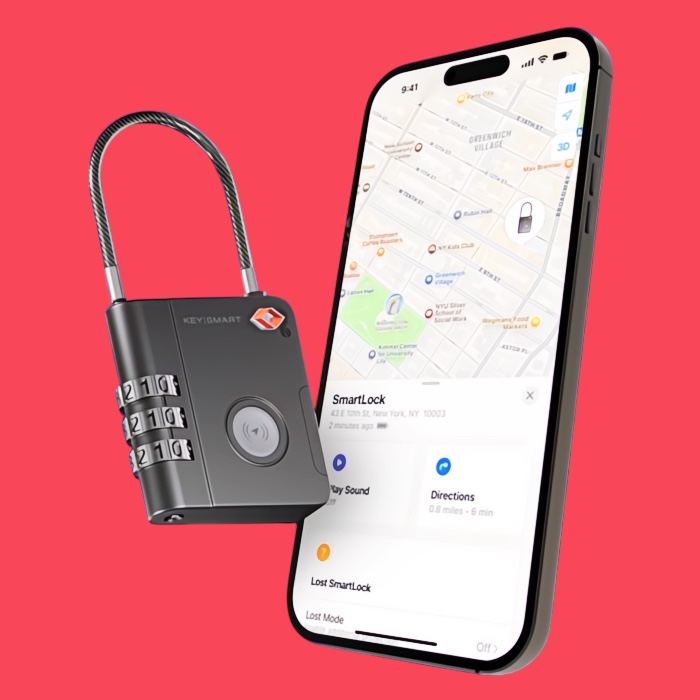
TL;DR: A solid, slightly chunky travel lock with built-in Apple Find My tracking that simplifies how you secure and monitor your luggage. Not flashy, not overengineered, just smart in the ways that actually matter.
KeySmart SmartLock
There’s a very specific moment in modern travel where your brain betrays you. You’re standing at baggage claim, the carousel starts spinning, and suddenly every black suitcase looks like yours and none of them feel right. That’s the moment I realized I don’t just want luggage security anymore. I want luggage awareness. I want to know where my stuff is, who’s near it, and whether it’s silently judging me for packing three chargers and still forgetting the one I need.
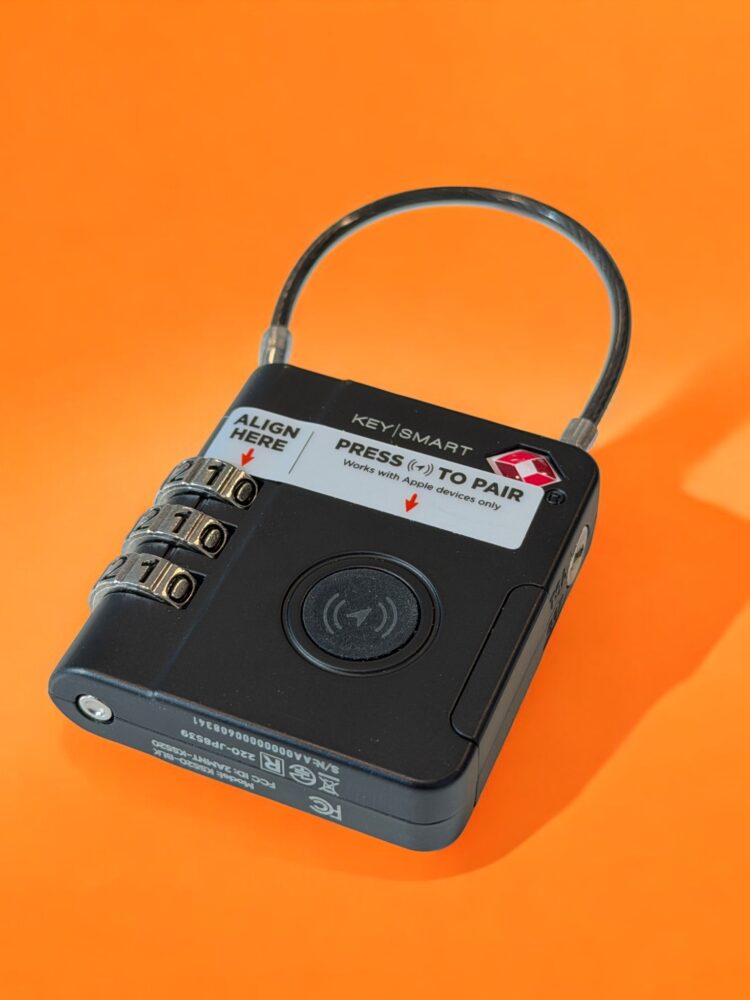
That’s how the KeySmart SmartLock ended up clipped onto my suitcase like a tiny, opinionated sentry. I didn’t come to it looking for a miracle device or some spy-movie-grade lock. I came to it because I’m tired of juggling a separate lock and a separate tracker and pretending that duct-taping cleverness together is the same as a real solution. This thing promised to combine both, and after living with it across multiple trips, I can confidently say it feels less like a gimmick and more like someone finally listened to how people actually travel.
Let’s talk about the physical object first, because the SmartLock has presence. It’s bigger and heavier than most travel locks, and that’s not an accident. The moment you hold it, you can tell this isn’t meant to disappear into the background. It has weight, density, and a kind of industrial honesty that says, “I’m not here to be cute.” I’ve used plenty of featherweight locks that felt like polite suggestions rather than actual barriers. This isn’t that. You’re not snapping it apart with idle hands or casually overpowering it out of boredom. It creates resistance, and in the real world, resistance is often the difference between someone poking around and someone moving on.
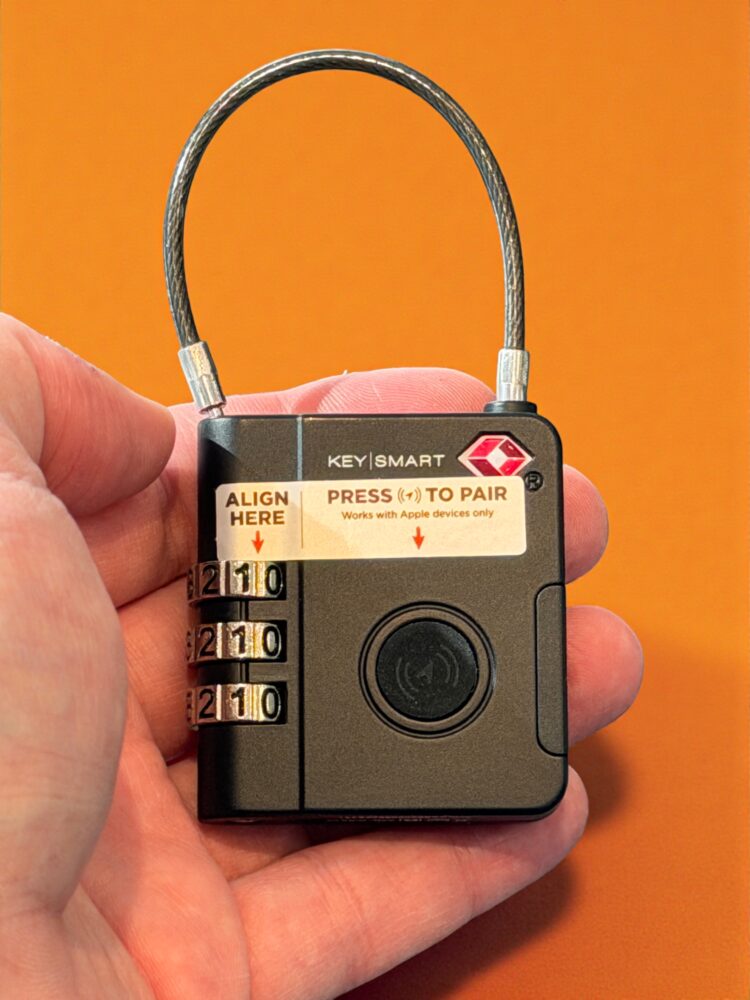
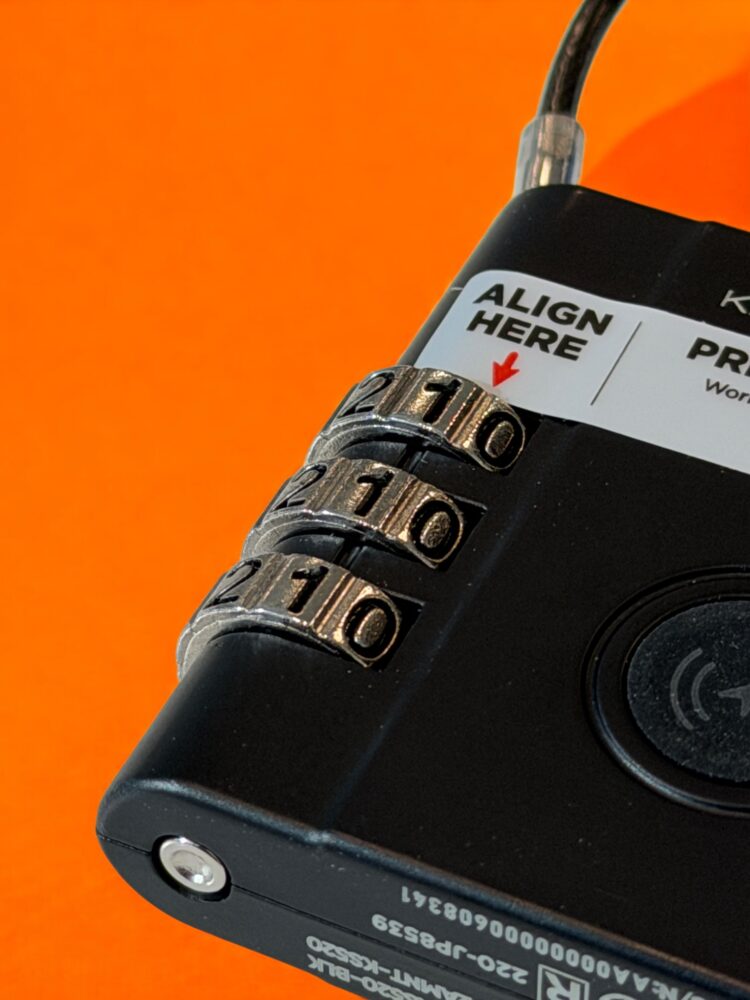
The combination mechanism is straightforward and refreshingly dumb in the best way. No apps required to unlock it. No batteries involved in the locking itself. You set your code, you clip it on, and it does its job without needing your permission every five minutes. That alone earns points from me. I’ve grown deeply suspicious of anything that refuses to function unless it has Bluetooth, Wi-Fi, and a cloud subscription. This lock understands that sometimes a lock should just be a lock.
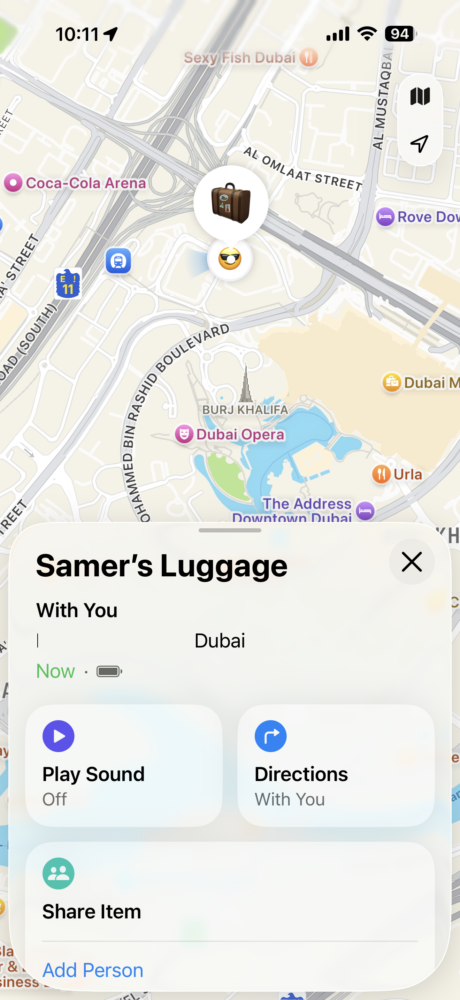
Where it gets interesting is the tracker living inside it. The SmartLock pairs with Apple Find My, which means it plugs directly into the same ecosystem that already keeps tabs on your phone, laptop, and earbuds. If you’ve ever used an Apple AirTag, the experience will feel instantly familiar. You open the app, add the device, and suddenly your suitcase exists on the map as a real, tangible thing instead of a vague hope. That psychological shift is huge. You stop wondering where your bag is and start knowing where it was last seen.
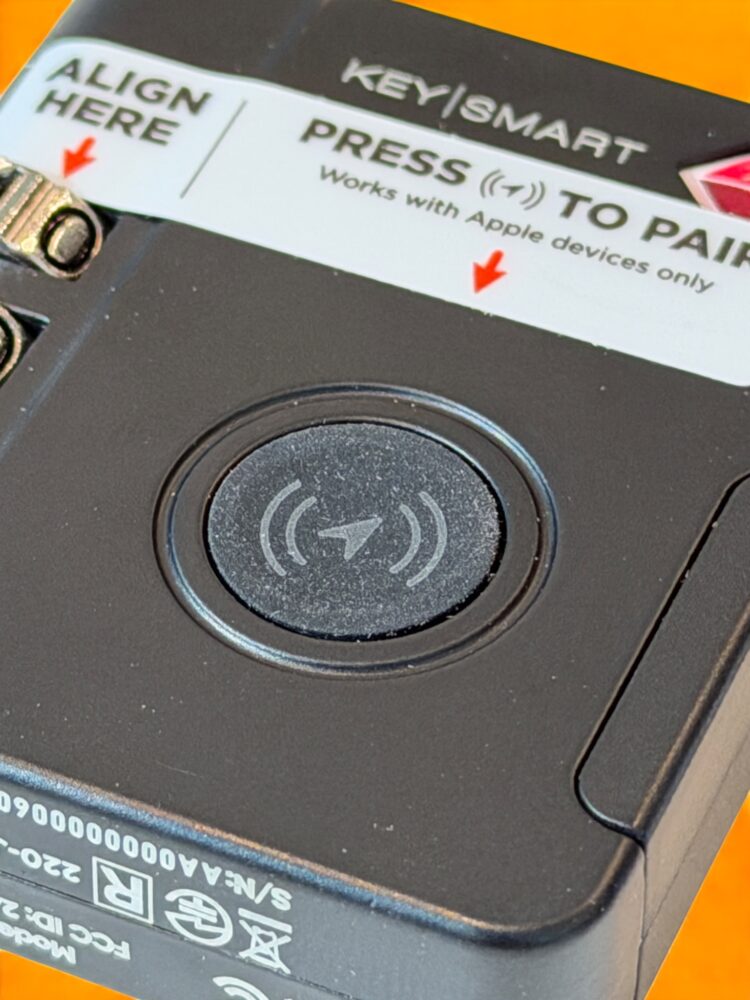
No, it doesn’t do precision arrow-guided tracking. You’re not walking around like a video game protagonist following glowing breadcrumbs. But in actual travel scenarios, that hasn’t mattered to me. When something goes missing, you don’t need centimeter-level accuracy. You need context. Is it still in the airport? Is it in another city? Is it haunting a baggage facility three states away? The SmartLock answers those questions calmly and consistently, and that’s the kind of reassurance that lowers your blood pressure by a measurable amount.

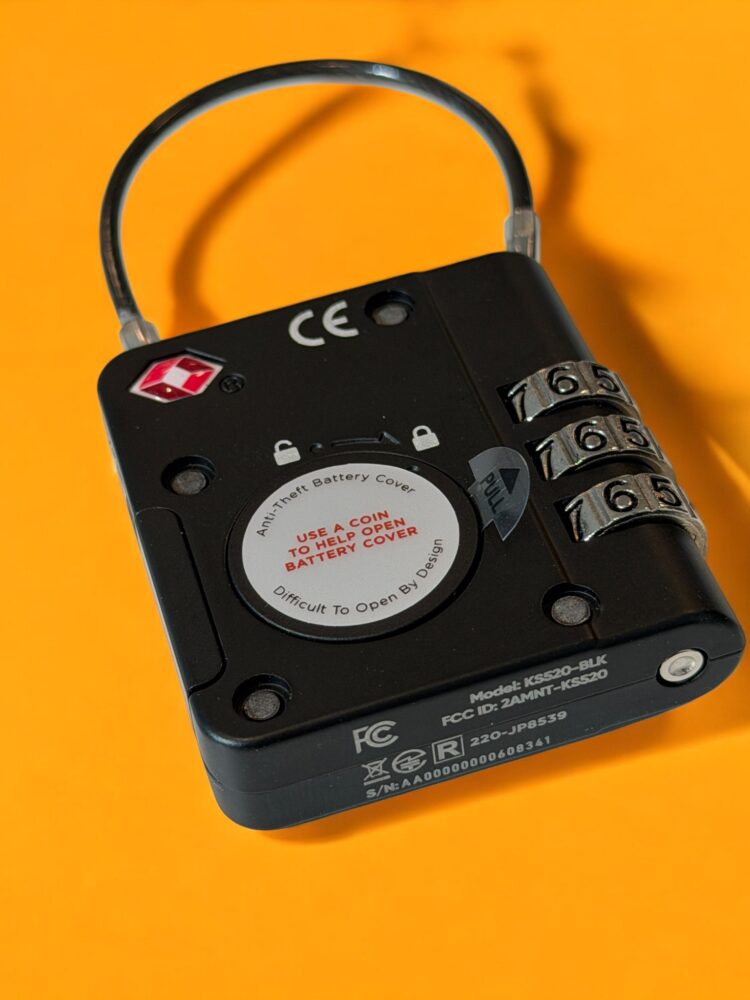
The tracker is powered by a replaceable CR1632 coin battery, tucked behind a cover that requires a coin to open. I love this more than I expected. First, because it means I’m not hunting for obscure chargers. Second, because the lock itself doesn’t care if the battery dies. Tracking might go offline, but the physical lock remains fully operational. There’s no catastrophic failure mode where you’re locked out of your own stuff because electronics had a bad day. That separation between digital convenience and mechanical reliability feels intentional, and frankly, mature.
Durability-wise, the SmartLock has handled real travel without drama. Rain, splashes, being dragged across hard surfaces, and the general indignities luggage endures didn’t faze it. It looks slightly more worn now, sure, but in a way that suggests it’s earning its keep rather than falling apart. The wire loop feels sturdy, the body doesn’t creak or flex, and nothing about it gives off “fragile gadget energy.”
What really won me over, though, was the mental simplicity. I didn’t have to remember to stash a tracker inside my bag. I didn’t worry about it getting knocked loose or buried under clothes. The lock is the tracker. One object, one job, no improvisation required. That’s the kind of design choice you only appreciate after years of travel hacks that technically work but never feel elegant.
At around thirty dollars, the KeySmart SmartLock sits in a very reasonable zone. It’s more expensive than a basic lock, cheaper than buying a lock and a tracker separately, and far less annoying than trying to make mismatched accessories behave like a system. If you travel with multiple bags, the multi-pack pricing makes even more sense. This isn’t a luxury item, but it does feel like a quality-of-life upgrade.
Verdict
The KeySmart SmartLock doesn’t pretend to be indestructible or futuristic for the sake of it. Instead, it focuses on solving a real travel problem with a grounded, thoughtfully designed solution. It combines physical deterrence with digital awareness in a way that feels natural, reliable, and refreshingly low-drama. For travelers already living in Apple’s ecosystem, it’s an easy recommendation and a quiet upgrade you’ll appreciate every single trip.