
TL;DR: HBO’s I Love LA is a pitch-perfect satire of our influencer-obsessed culture, led by Rachel Sennott’s fearless writing and Odessa A’zion’s electric performance. It’s uncomfortable, hilarious, and heartbreakingly real — a show that doesn’t just reflect our online world but makes us question why we’re still scrolling through it.
I Love LA
There’s something poetic about Rachel Sennott — our generation’s patron saint of anxious oversharing — creating a show about people who can’t stop broadcasting their own meltdowns. I Love LA, her new HBO comedy, feels like the inevitable endpoint of internet culture: a show about the terminally online, made by someone who understands exactly how it feels to exist inside the algorithm and still crave validation from a real human being.
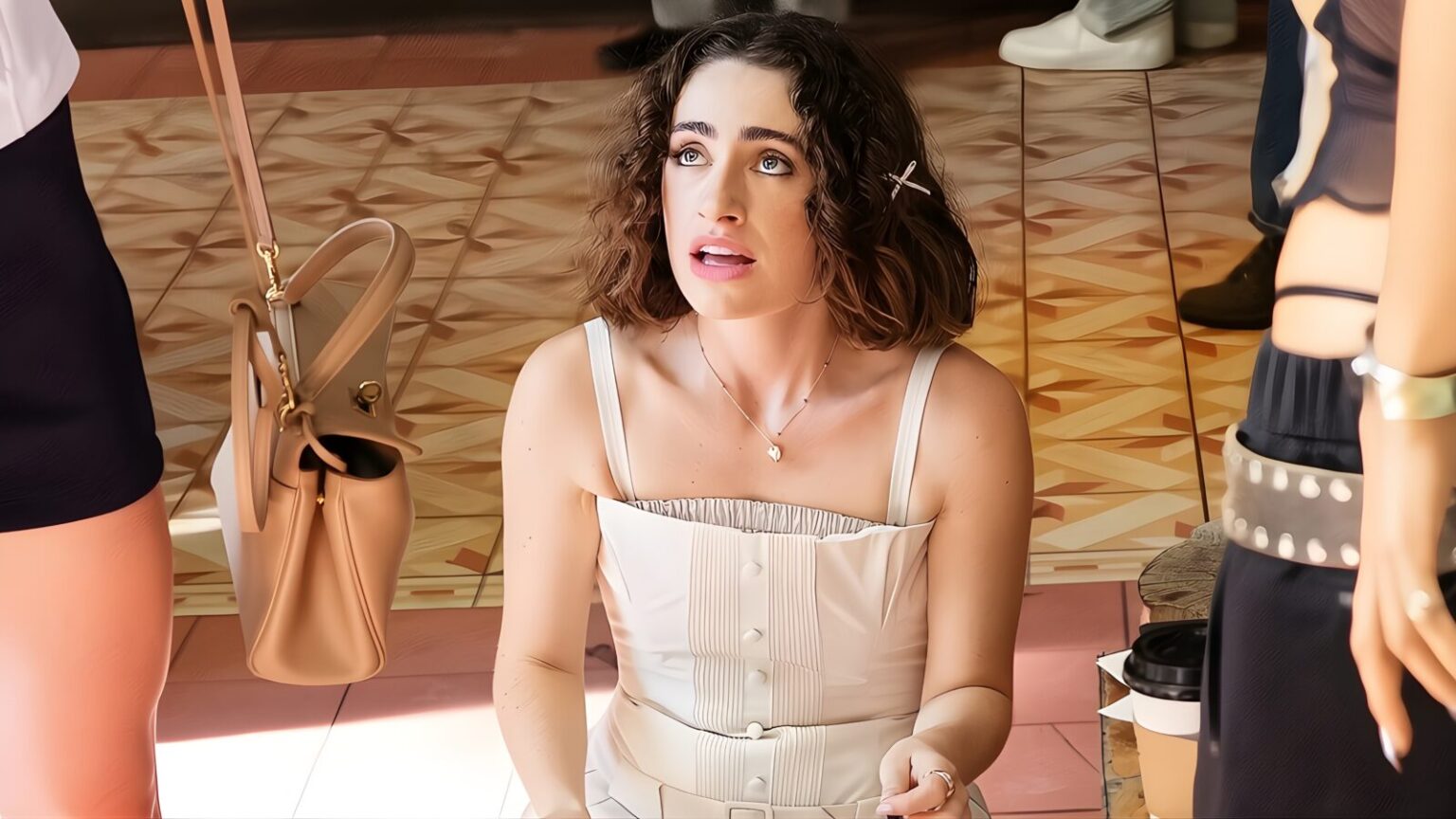
Set in a version of Los Angeles where wellness culture and influencer politics collide like badly parked Teslas, I Love LAfollows Maia (Sennott), an ambitious assistant at a talent agency who’s just self-aware enough to know she’s unhappy, but not quite brave enough to log off. She’s got the degree, the boyfriend (Josh Hutcherson, playing a history teacher who probably owns multiple Criterion hoodies), and a home filled with muted beige furniture. But she’s restless — and her old collaborator, Tallulah (Odessa A’zion), an influencer who once went viral for a pandemic-era subway stunt, embodies everything Maia resents about success: unearned, chaotic, and chronically online.
When Maia’s friends Alani (True Whitaker) and Charlie (Jordan Firstman) conspire to bring Tallulah to LA for Maia’s birthday, what follows is a social-media-fueled collision of ego, envy, and codependent nostalgia. By the time Maia offers to manage Tallulah again, the series finds its messy heartbeat — a toxic friendship that doubles as a cautionary tale for anyone whose career exists in their camera roll.
What makes I Love LA sing is how sharply it captures the rhythm of 2025 conversation — that mix of self-deprecating humor, pseudo-therapy jargon, and the existential dread of knowing your last five posts underperformed. The writing (from Sennott and her co-creators) nails the cadence of online discourse without sounding like it’s trying too hard to be “relatable.” These characters live in a feedback loop of likes and microaggressions, and the show skewers that loop with the precision of a tweet that goes viral for all the wrong reasons.
Sure, the pilot ends a bit too conveniently, with Maia pivoting from disdain to partnership in a single episode, but that impulsiveness feels intentional. These are people whose entire emotional ecosystems are built on instant gratification. Conflict resolution is just another form of content creation.
Odessa A’zion absolutely detonates in this show. Her Tallulah is the influencer archetype turned inside out — loud, needy, absurd, but also heartbreakingly aware that her validation pipeline is killing her slowly. A’zion plays her like a human ring light: bright, blinding, and one short circuit away from burning out. When she reads a hate comment calling her “shark-eyed” and spirals into a meltdown, it’s equal parts funny and tragic — the digital equivalent of watching Icarus refresh his mentions.
Tallulah’s entire identity depends on being seen, even if what’s being seen is ugly. And Sennott’s writing refuses to mock her for it. Instead, I Love LA offers a kind of compassionate cynicism — the understanding that while these people are ridiculous, they’re also products of a world that trained them to monetize their personalities before they ever formed one.
Jordan Firstman’s Charlie is the quintessential clout chaser — a stylist who treats friendship like a networking event. His lines drip with Instagram-filtered narcissism (“I just want my work to make people feel… envy”), and yet, he’s endearing in his delusion. True Whitaker’s Alani is even funnier — a nepo baby so out of touch she thinks trauma bonding means having to fly economy. Her delivery is deadpan gold, the kind of character who could accidentally cure world hunger by misunderstanding an invite to Erewhon.
And then there’s Josh Hutcherson’s Dylan — the straight man in a sea of chaos. He’s the show’s moral gravity, grounding Maia when her self-worth starts spinning into orbit. Underused, sure, but essential. His presence reminds us there’s still a world outside the glow of a screen — a terrifying thought for most of the cast.
What makes I Love LA genuinely brilliant is how it balances its cringe with clarity. It’s not just mocking influencer culture; it’s dissecting the emptiness underneath it. In one devastatingly funny scene, Tallulah’s phone breaks and she whispers, “What am I supposed to look at?” — a line that lands like a slap to every person who’s ever unlocked their phone just to feel less alone.
Sennott understands that our obsession with visibility is really just a fear of being forgotten. And by the end of the season, when Maia and Tallulah find themselves trapped between friendship and brand partnership, I Love LA makes its final thesis clear: maybe the most radical thing you can do in 2025 is be authentic when nobody’s watching.
I Love LA is razor-sharp, painfully funny, and emotionally devastating in equal measure. It captures what it means to live online, perform offline, and constantly wonder if you’re the villain in someone’s group chat. It’s Girls for the TikTok era, but with more irony, more chaos, and significantly better fits.