

TL;DR: A breathtaking tri-fold phone that finally makes foldables feel complete, asks for huge compromises, and proves Huawei is still willing to build the kind of hardware no one else dares to ship.
HUAWEI Mate XT | ULTIMATE DESIGN
There’s a very specific sensation that only truly radical hardware delivers, the kind where your hands understand what your brain hasn’t fully processed yet. That’s exactly what happened the first time I unfolded the Huawei Mate XT Ultimate Design all the way open. Not because it’s flashy or loud, but because it feels fundamentally unfamiliar. This isn’t a phone that stretches the category. It questions it outright.
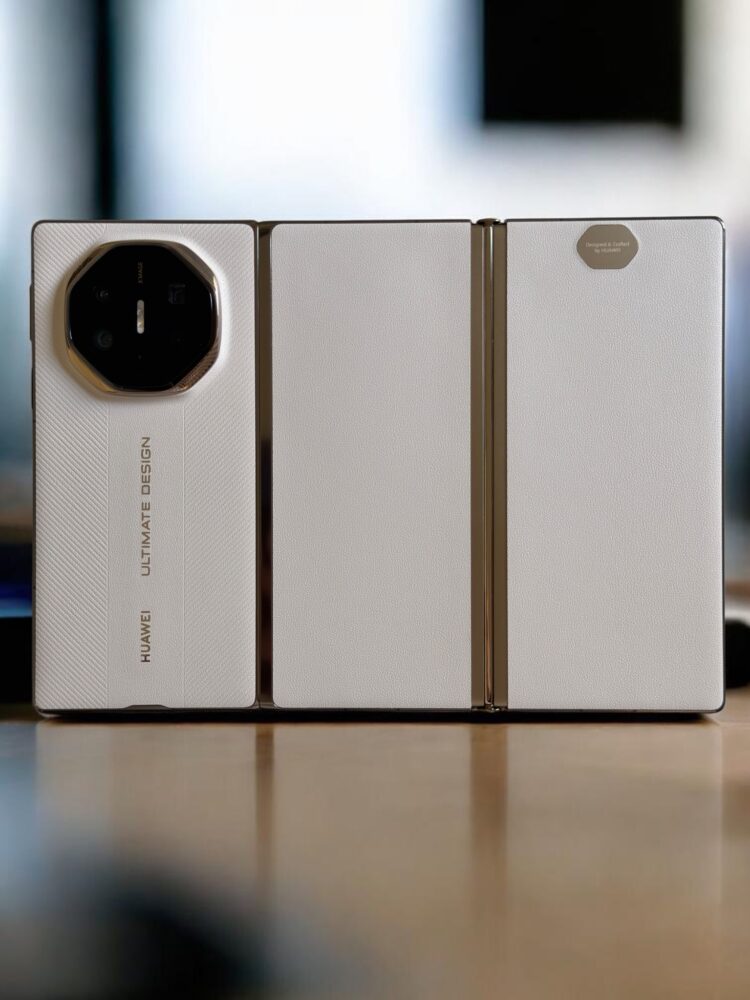
Huawei talks a lot about exploring frontiers and watching the future unfold in front of you, and for once that language doesn’t feel inflated. A triple-fold smartphone that expands from a 6.4-inch handset into a full 10.2-inch tablet isn’t iteration. It’s a challenge to the industry’s comfort zone. Using it feels less like buying a phone and more like participating in a live experiment, one that’s thrilling, nerve-wracking, and occasionally absurd.
Exclusively Designed for the Extraordinary
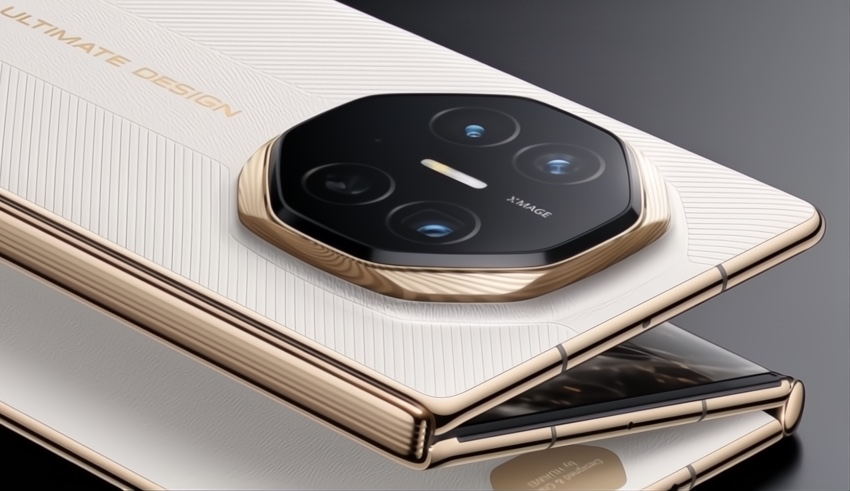
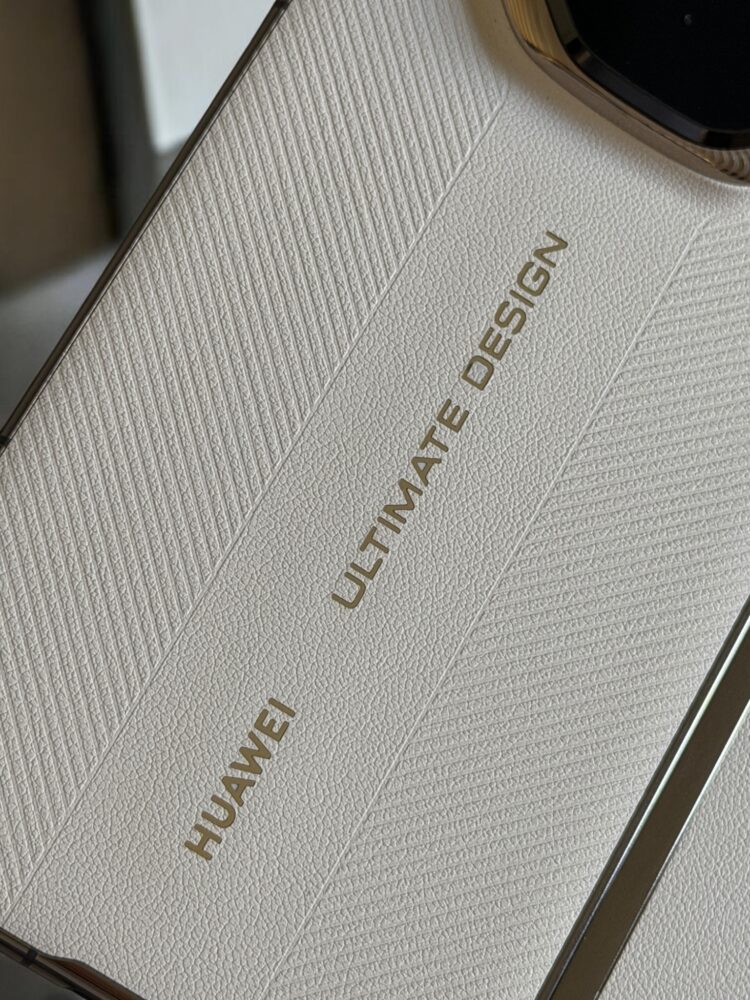
Huawei has always treated its Ultimate Design products as objects of intent rather than neutral slabs, and the Mate XT might be the most self-aware example yet. The Star Diamond Design on the rear isn’t just decoration. The sharp sinusoidal cuts scatter light in constantly shifting ways, giving the phone a sculptural quality that feels closer to jewellery or horology than consumer tech.
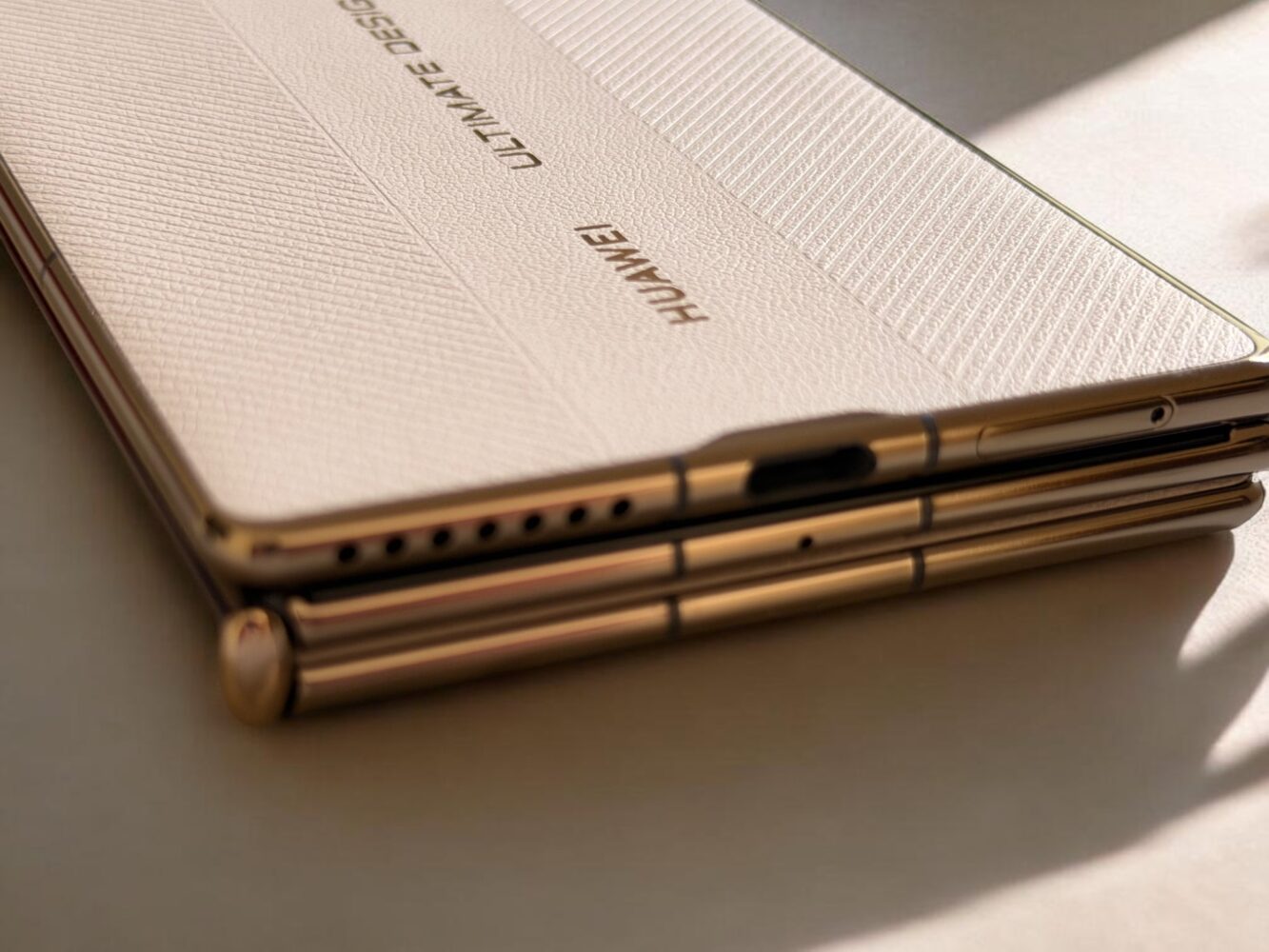
The Eonic Curves aren’t just aesthetic either. They subtly guide your grip, shaping how your fingers naturally settle on the device. In red, wrapped in fine-grained vegan leather with an umber gold waistline, the Mate XT feels unapologetically luxurious. White looks more restrained and architectural, but the red model feels like the one Huawei poured the most emotion into.
In its single-screen form, the phone measures 156.7 mm tall, 73.5 mm wide, and 12.8 mm thick. It’s not slim by traditional phone standards, but it feels dense rather than clumsy. At roughly 298 grams, the weight feels deliberate, the kind of heft that signals complexity rather than inconvenience. Fully unfolded into its triple-screen configuration, it stretches to 219.0 mm wide and becomes astonishingly thin at just 3.6 mm across most of the body. At that point, it stops feeling like a phone and starts feeling like a physical impossibility.
Flawless Precision in Each Fold
The Mate XT lives or dies by its hinge system, and Huawei clearly knows it. The Advanced Precision Hinge System isn’t a single dramatic mechanism, but a carefully coordinated dual-hinge setup that allows both inward and outward folding. Every movement feels controlled and intentional, with none of the resistance or mechanical anxiety that early foldables trained us to expect.
Huawei talks about delicate coordination and seamless movement, and that’s not marketing exaggeration. The phone doesn’t snap or fight you. It unfolds with a smoothness that feels almost ceremonial. After a short learning curve, the motion becomes instinctive, like opening a familiar notebook.
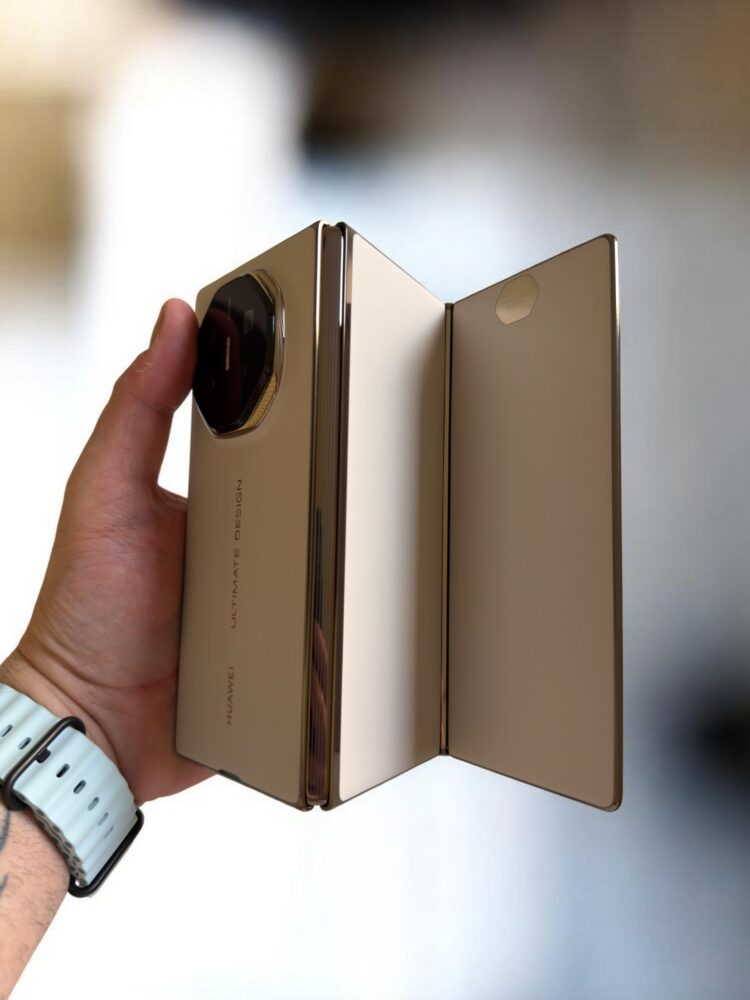
There is, however, a psychological cost to this design. Unlike book-style foldables, there’s no separate outer display. Some portion of the flexible OLED is always exposed. Huawei reinforces it with a composite ultra-tough structure, and structurally it feels solid, but emotionally this phone demands care. I never stopped thinking about where I placed it, what shared a pocket with it, or how close it was to the edge of a table. This is not a device you forget about in your hand.
Where Size Meets Splendour: The X-True Display Experience
Fully unfolded, the Mate XT reveals a 10.2-inch Huawei X-True OLED display with a 16:11 aspect ratio that finally makes sense for a foldable. This doesn’t feel like a stretched phone screen pretending to be a tablet. It feels like a tablet that happens to fold.
In single-screen mode, you’re working with a 6.4-inch OLED panel at 2232 × 1008 resolution. Dual-screen mode expands that to 7.9 inches at 2232 × 2048. Fully open, the display reaches 2232 × 3184 across the full 10.2 inches, with a pixel density of 382 PPI. It supports 1.07 billion colours, adaptive refresh rates up to 90 Hz, and high-frequency 1440 Hz PWM dimming for improved eye comfort.
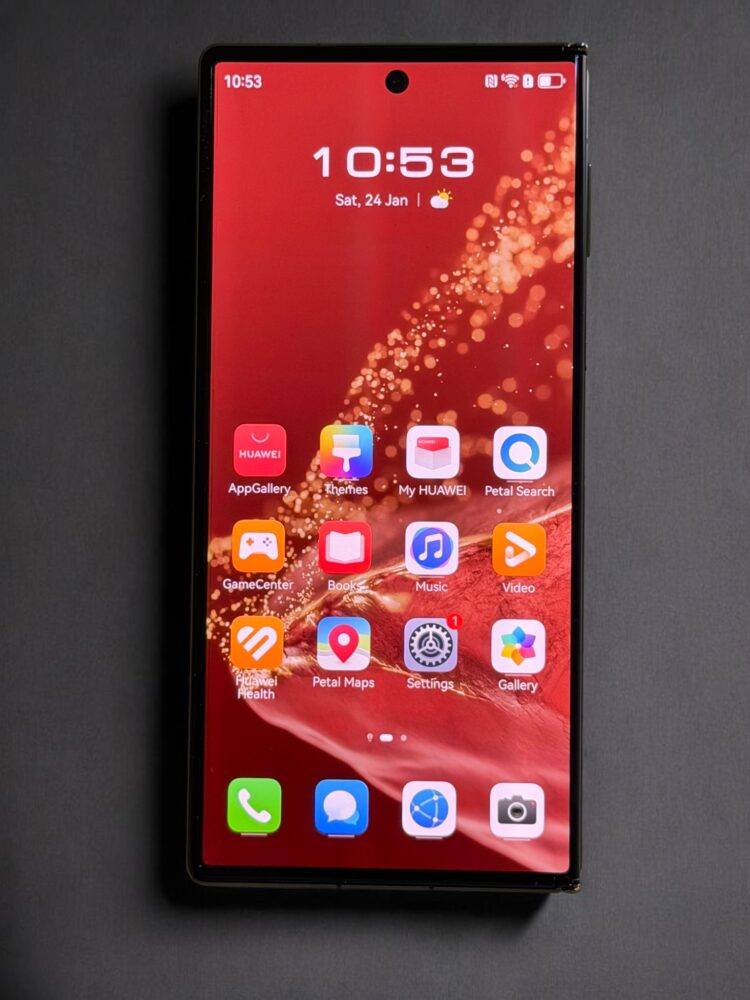
Huawei’s MultiView in One approach genuinely works. Single-screen mode feels focused and phone-like. Dual-screen mode became my default for reading and browsing, offering space without excess. Triple-screen mode is where the Mate XT becomes something else entirely. Websites scale naturally, documents breathe, and video content finally feels at home on a foldable. This is the first device of its kind where desktop-style layouts don’t feel compromised.
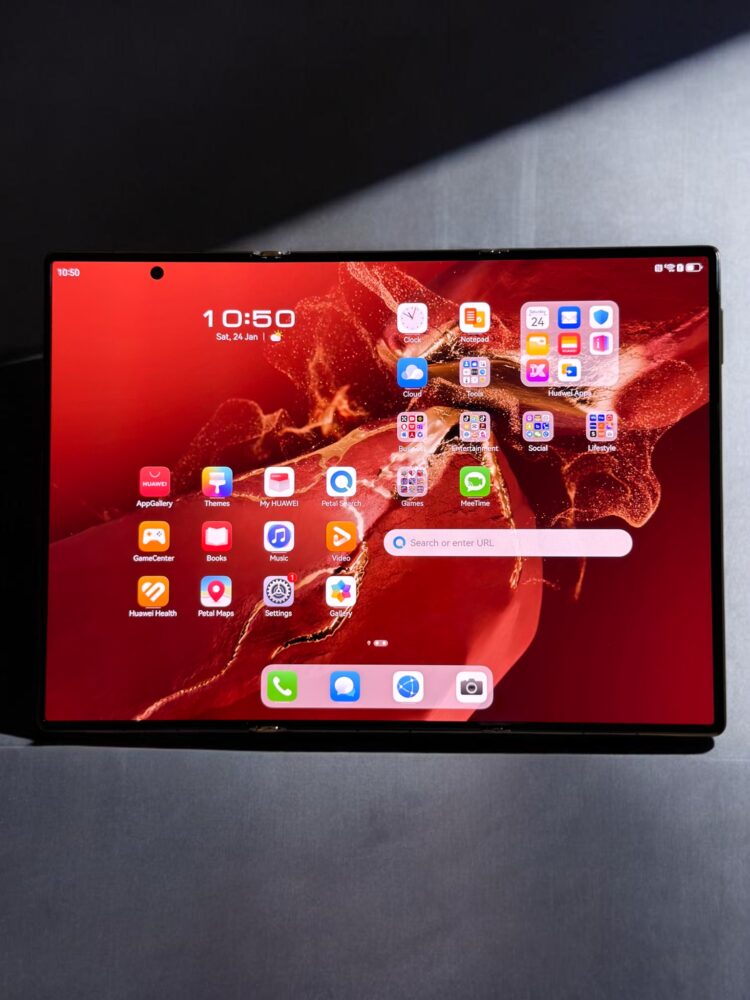
Yes, the creases are visible in certain lighting, but they fade from your awareness once you’re actually using the screen. The sheer scale and usability quickly override that concern.
Ultimate Photography with XMAGE
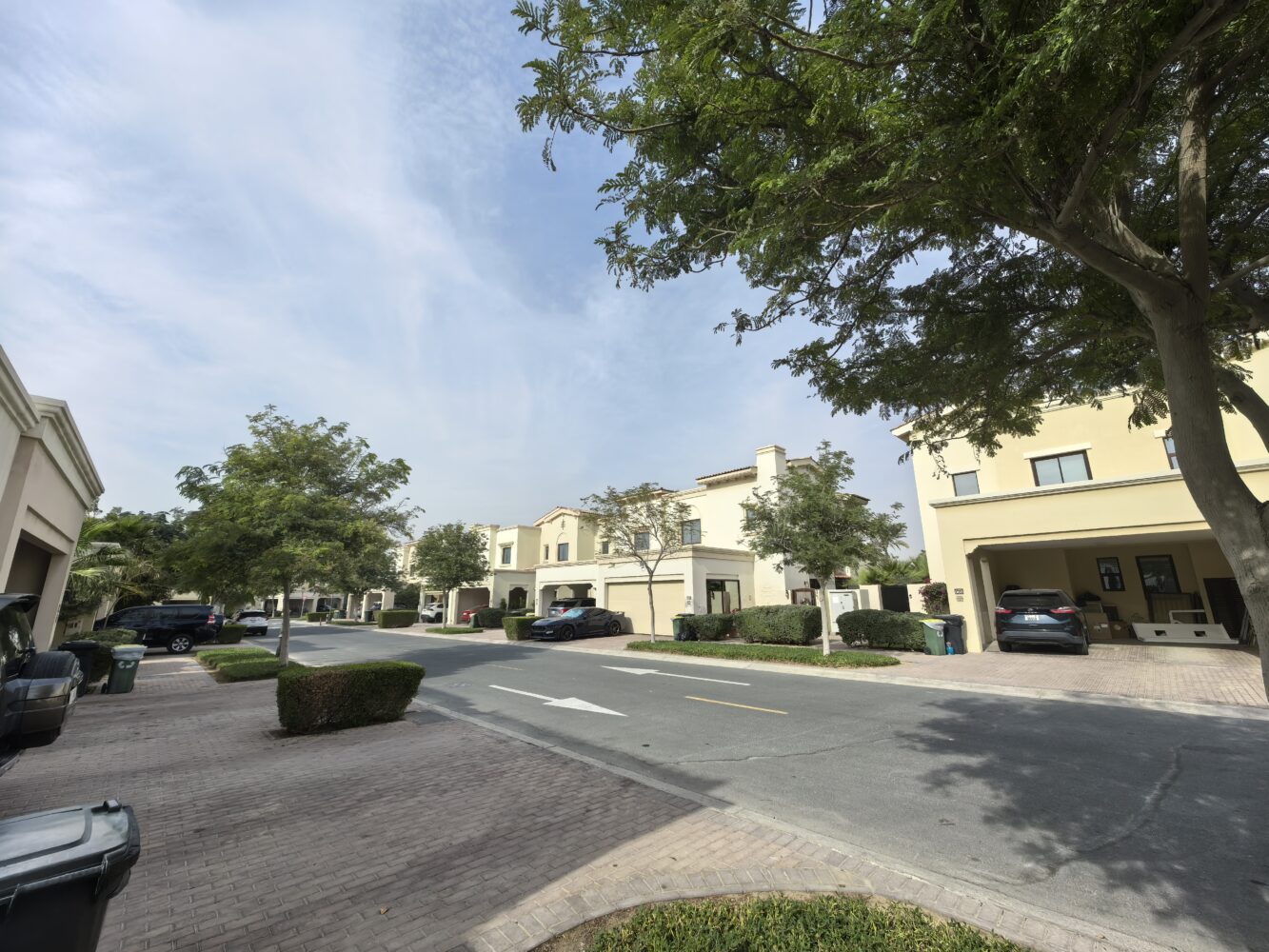
Huawei’s Ultra Aperture XMAGE camera system continues the brand’s preference for realism over spectacle. The Mate XT features a 50 MP main camera with a physically adjustable aperture ranging from f/1.4 to f/4.0, complete with optical image stabilisation. It’s joined by a 12 MP ultra-wide camera and a 12 MP periscope telephoto offering 5.5x optical zoom and up to 50x digital zoom.
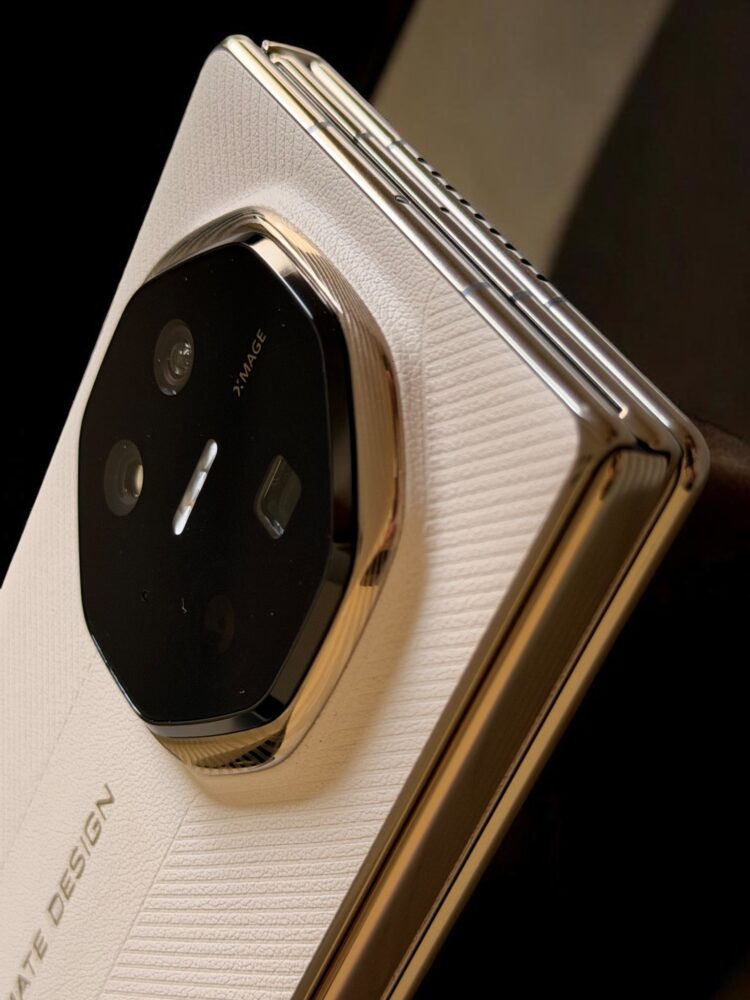
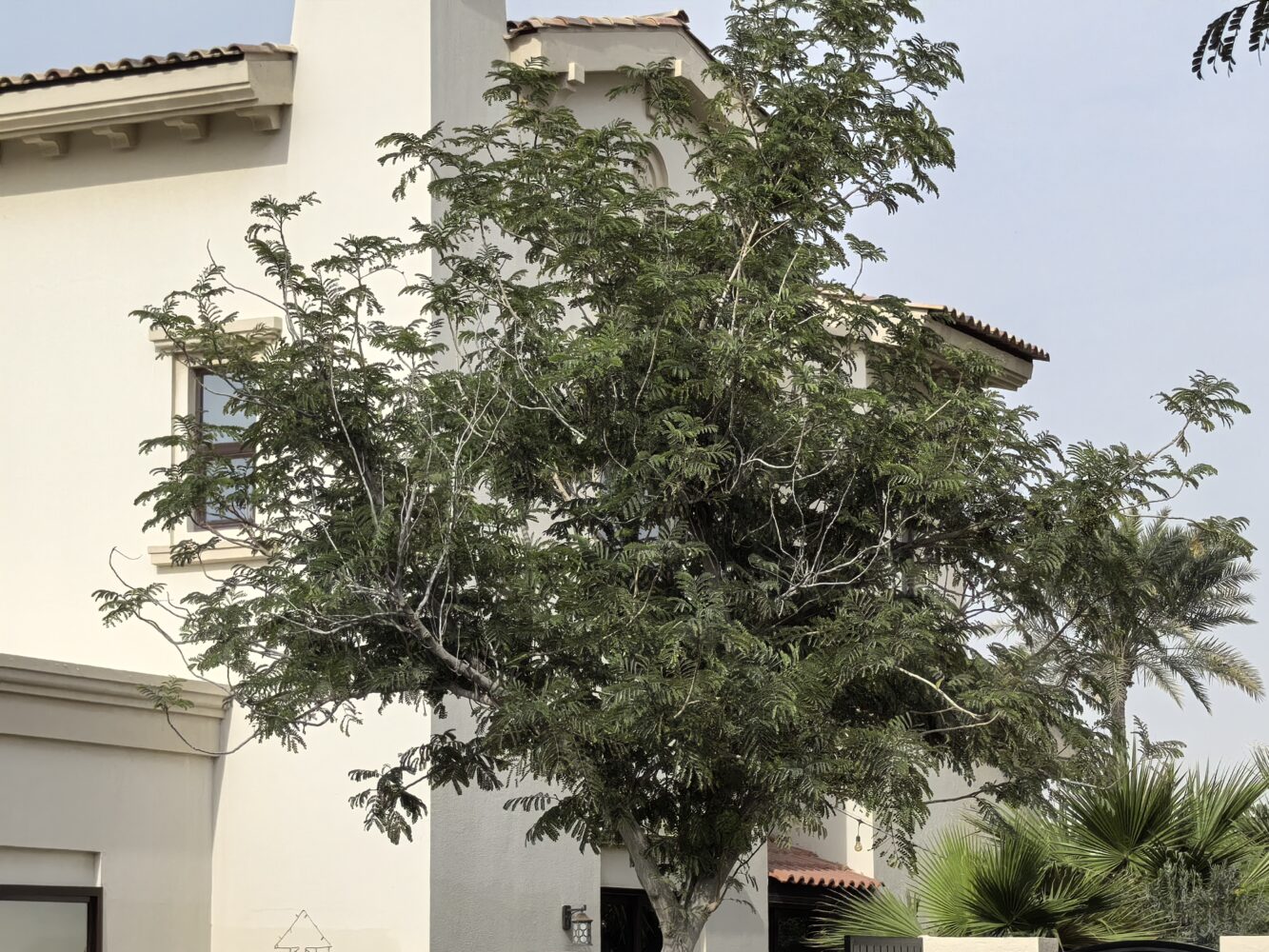
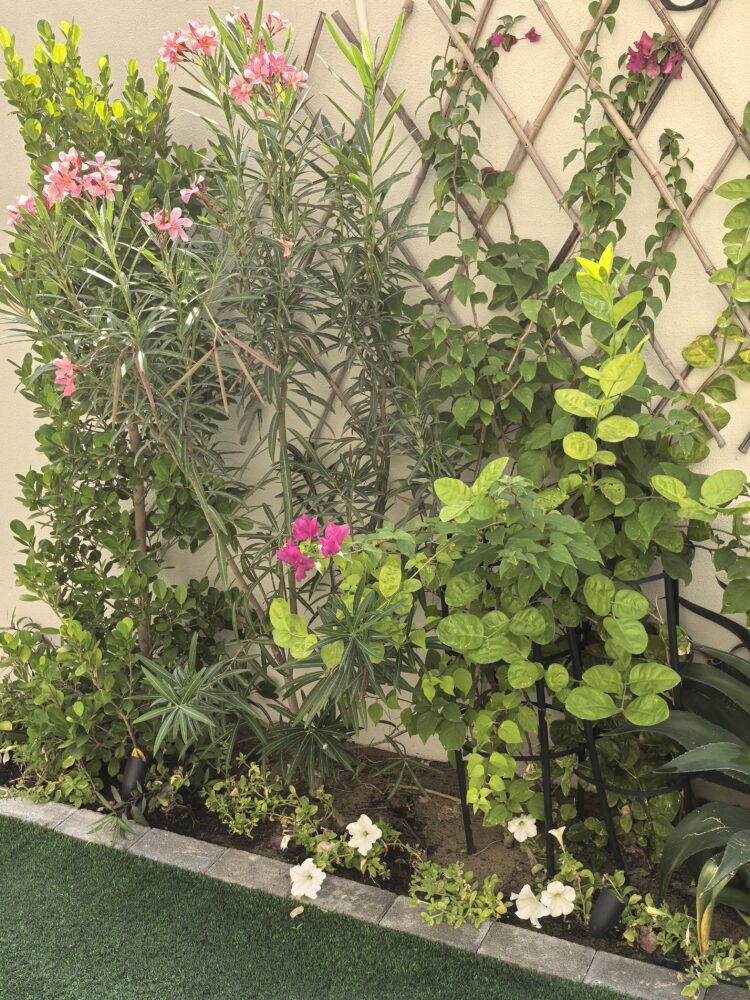
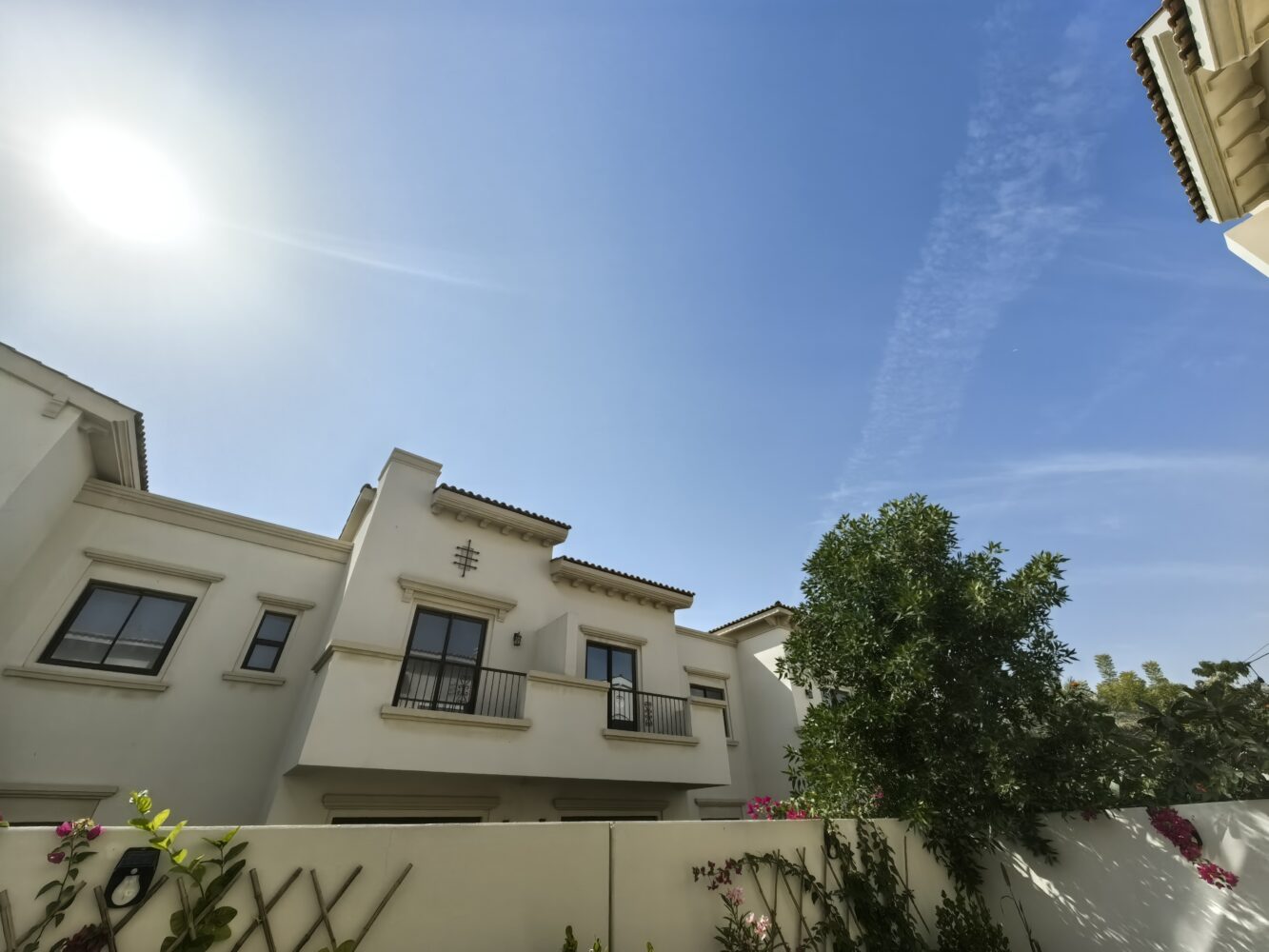
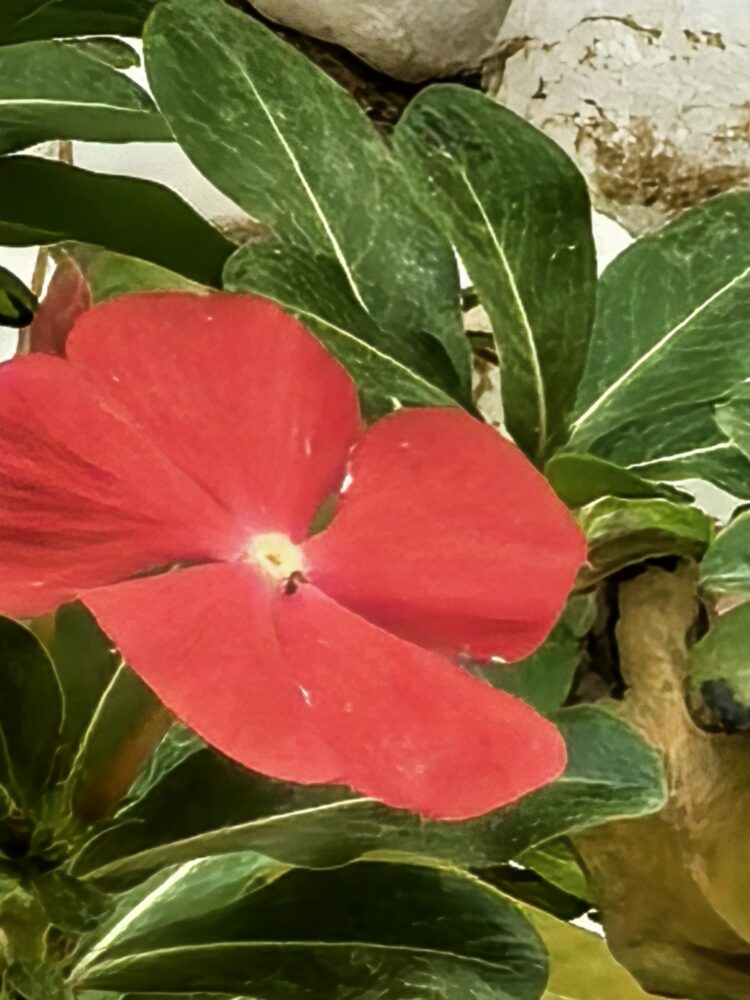
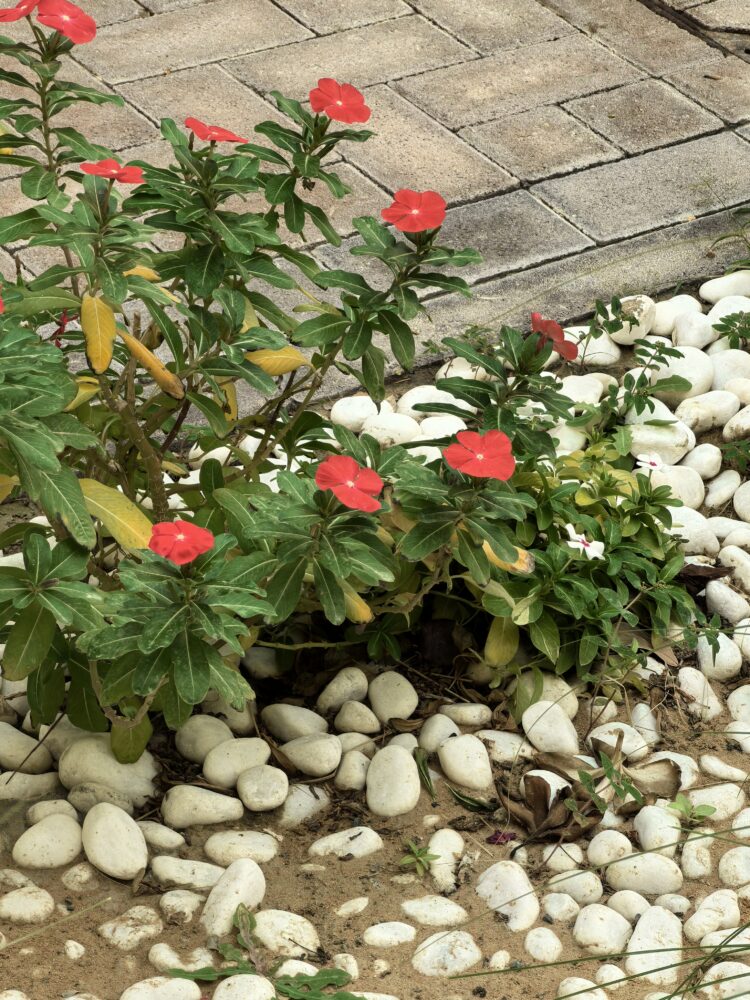
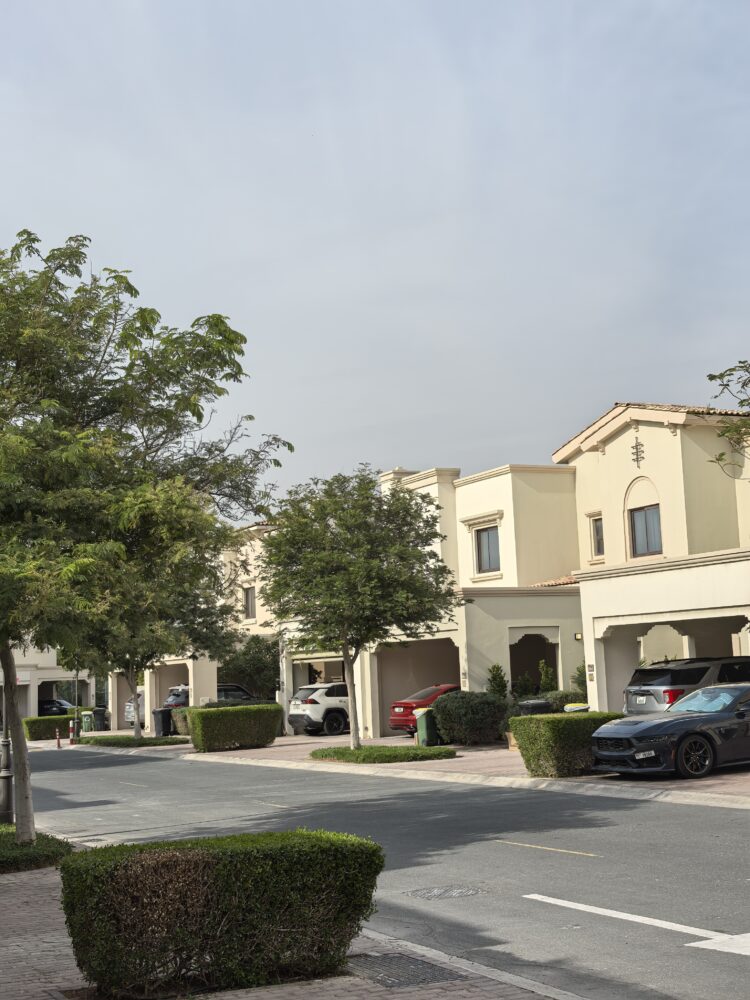
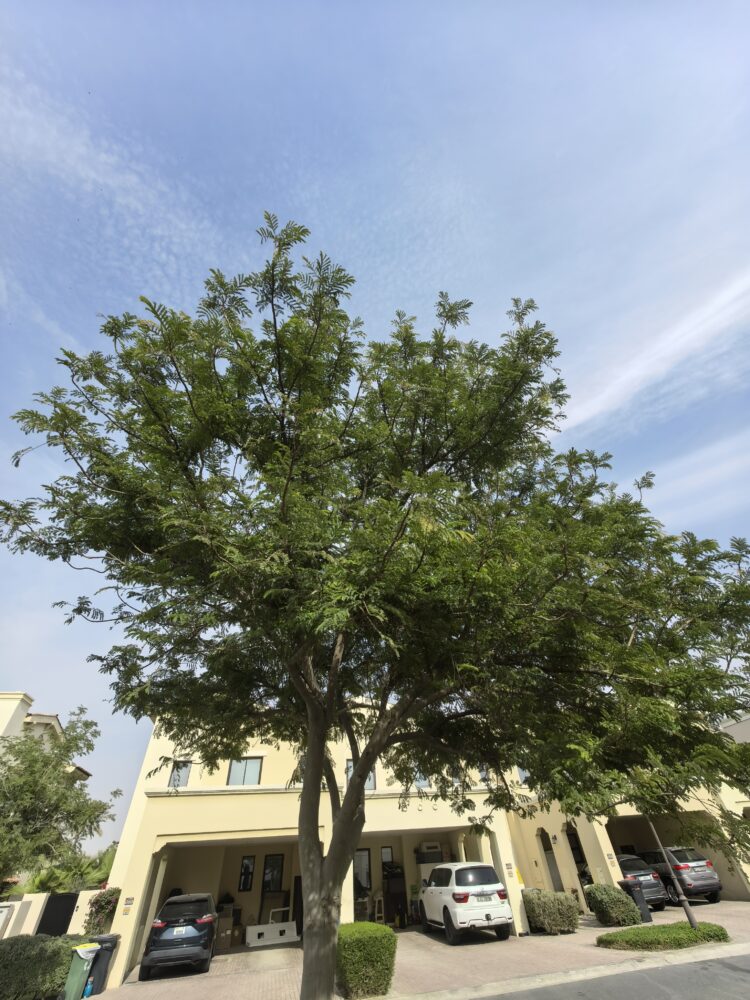
The results are classically Huawei. Colours look natural rather than hyper-processed, contrast feels intentional, and detail is handled with restraint. The adjustable aperture adds genuine flexibility, especially in changing light, and gives photos a subtle depth that feels closer to dedicated cameras than smartphone trickery.
The telephoto shines in daylight, offering real reach for landscapes and distant subjects, while the ultra-wide is dependable for travel and architecture. Low-light performance is strongest on the main sensor, with secondary lenses showing their limits sooner, but overall this is a capable and thoughtfully tuned camera system.
The 8 MP front camera is fine but unremarkable. In practice, the foldable design means you’ll often use the rear cameras for selfies anyway, which delivers far better results and feels like a quiet bonus feature.
Photo Gallery






Packed Power in a Slim Profile
Powering the Mate XT is a 5600 mAh silicon anode battery that’s just 1.9 mm thick. In daily use, battery life is solid rather than miraculous. I consistently reached the end of long days that included camera use, multitasking, and video playback, usually with comfortable headroom left.
Heavy gaming or prolonged triple-screen sessions will drain it faster, but that’s an understandable trade-off given the display you’re feeding. Charging helps offset that. Wired Huawei SuperCharge reaches up to 66 W, while wireless charging supports up to 50 W with compatible accessories. Short top-ups make a noticeable difference, and full charges never felt like a chore.
Performance, Software, and the Cost of Ambition
Inside sits the Kirin 9010 octa-core processor paired with 16 GB of RAM and 1 TB of storage. It’s not designed to dominate benchmark charts, and it doesn’t try to. In everyday use, the phone feels smooth and responsive, handling dynamic screen changes and multitasking without hesitation. Push it into heavy gaming and you’ll find the ceiling, but for productivity and media, performance is comfortably adequate.
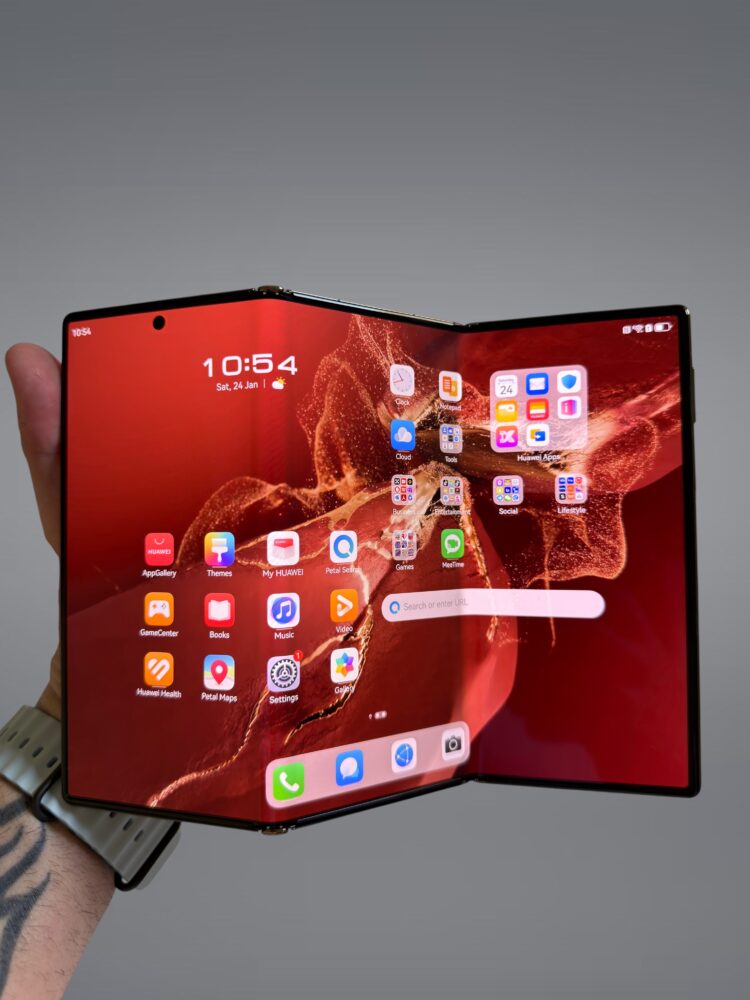
The more significant compromise remains software. EMUI 14.2 is polished and stable, but the lack of native Google services is still impossible to ignore. Workarounds exist and function reasonably well, but they add friction that feels especially jarring at this price point.
And that’s the Mate XT’s defining tension. It’s extraordinary, daring, and deeply impressive, yet it demands patience, caution, and compromise. It shows a future where phones truly replace tablets and screens adapt to our needs, but it also reminds you that being first often means being imperfect.
Verdict
The Huawei Mate XT Ultimate Design is one of the boldest consumer devices released in years. Its triple-fold design and expansive 10.2-inch display deliver a genuinely transformative experience backed by luxurious materials and serious engineering. But the extreme price, durability anxiety, and software limitations keep it firmly in enthusiast territory. It’s not the mainstream future yet, but it’s an incredibly compelling preview of what that future could look like.