


TL;DR: In this Huawei Mate X7 review, the big takeaway is maturity. You’re getting a thinner, tougher foldable with gorgeous LTPO OLED displays, excellent upgraded cameras, strong multitasking features, and legitimately strong battery life with fast wired and practical wireless charging. The trade-offs are real: a top-heavy camera bump, disappointing speakers, some software bloat, and a chipset that benchmarks mid-range even though daily performance feels smooth. If you can live with Huawei’s ecosystem quirks, this is one of the most refined foldables you can carry right now.
Huawei Mate X7
There’s a moment with most foldables where the magic trick stops working. It’s usually day three or four, right after the honeymoon phase, when the device stops being “the future” and starts being “a phone I have to manage.” The hinge becomes something you baby. The crease becomes something you pretend you don’t see. The thickness becomes something you constantly feel in your pocket like a paperback you forgot to return to the library.
The Huawei Mate X7 is the first foldable I’ve used that doesn’t feel like it wants to be treated as a fragile museum exhibit. It’s still a foldable, yes, and it still comes with foldable realities, but the overall vibe is maturity instead of novelty. The theme of this Huawei Mate X7 review is simple: it’s not trying to wow you with a stunt. It’s trying to disappear into your routine, and that’s why it lands.
This is a thinner, tougher, faster refinement of Huawei’s foldable template, with a larger 8-inch inner display, upgraded cameras, and a battery that’s so chill it makes most foldables look like they’re living on espresso shots. It’s not perfect, and it absolutely has Huawei-flavored quirks, but it’s also one of the clearest examples yet of a foldable that feels like a real daily driver.
DESIGN AND ERGONOMICS: THINNER, LEANER, AND MOSTLY COMFORTABLE
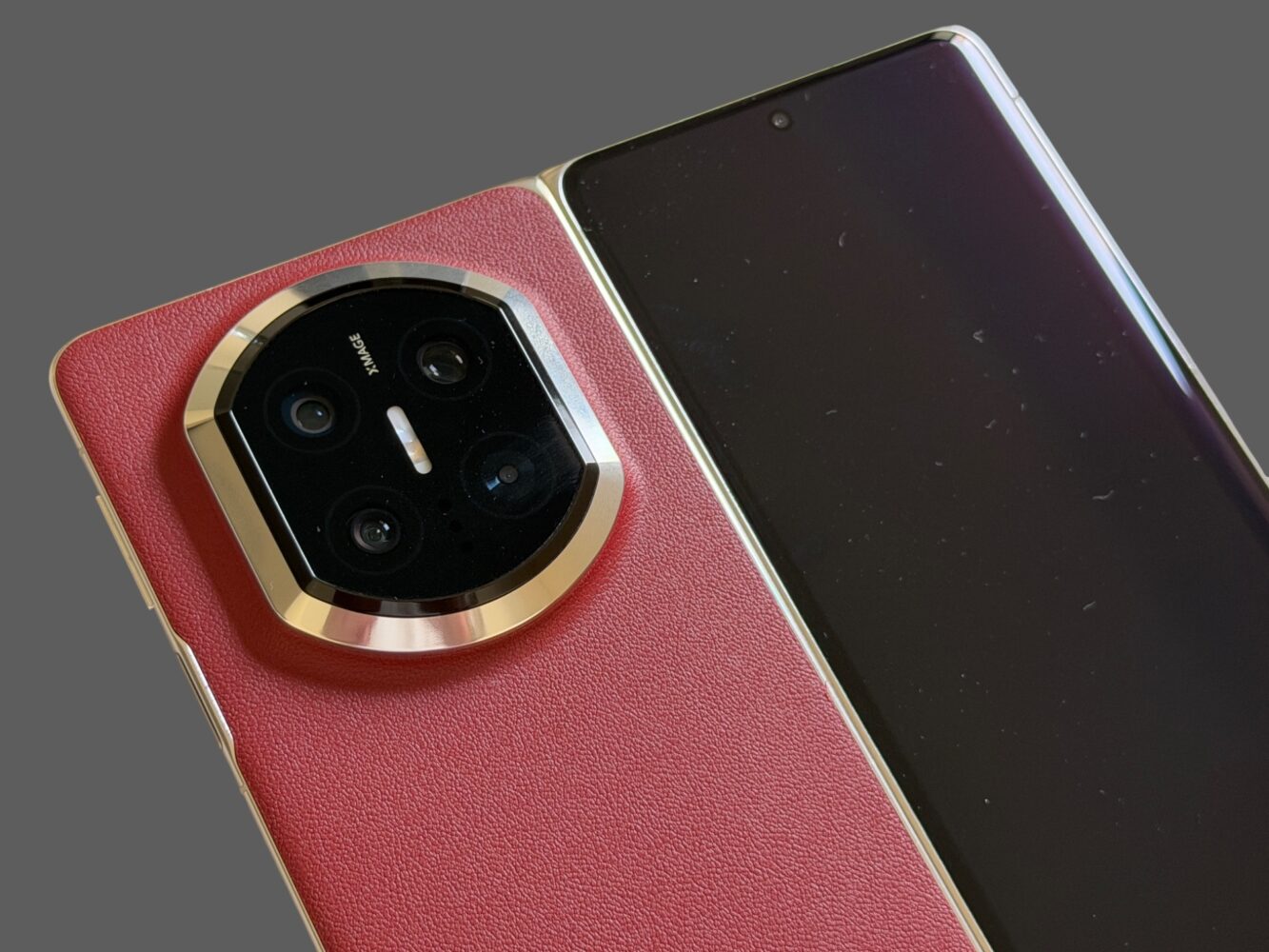
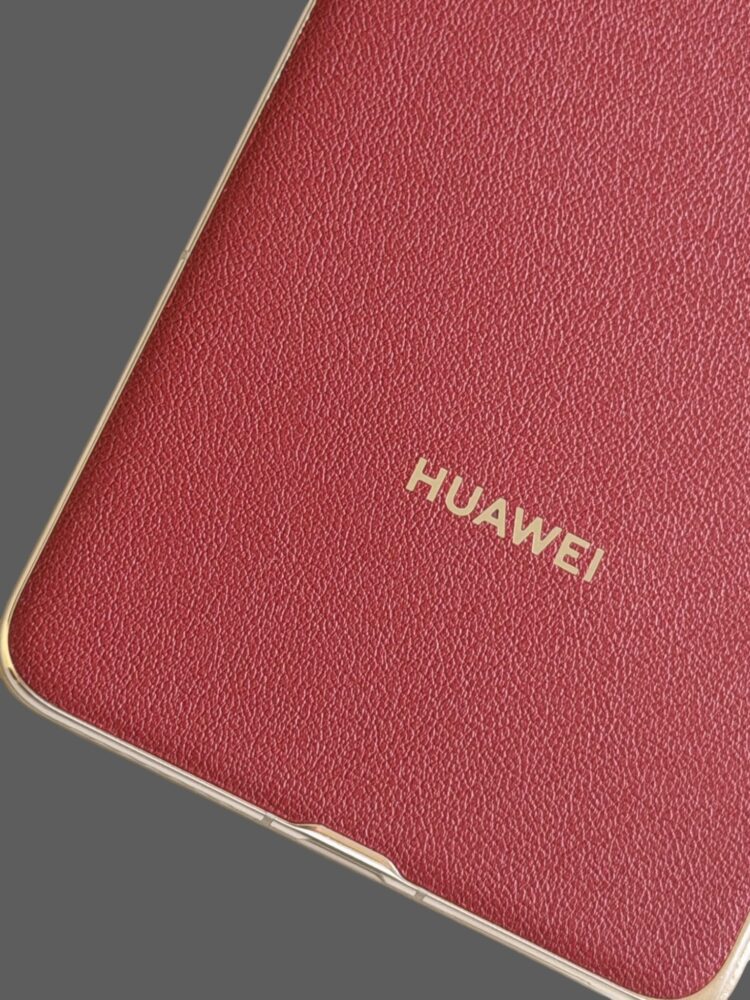
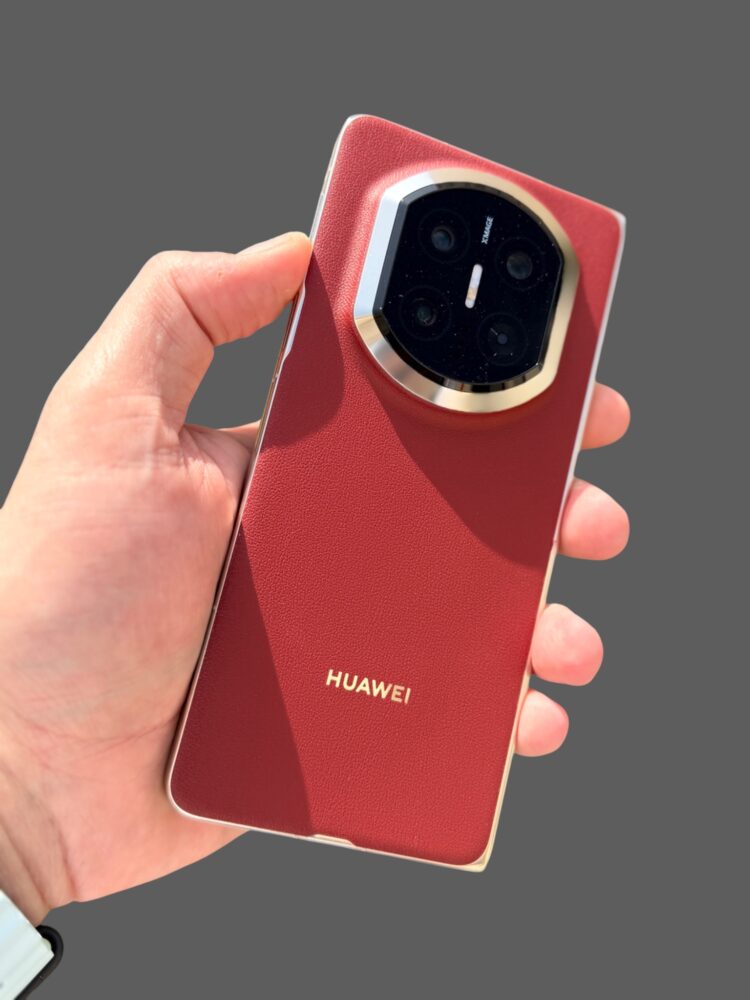
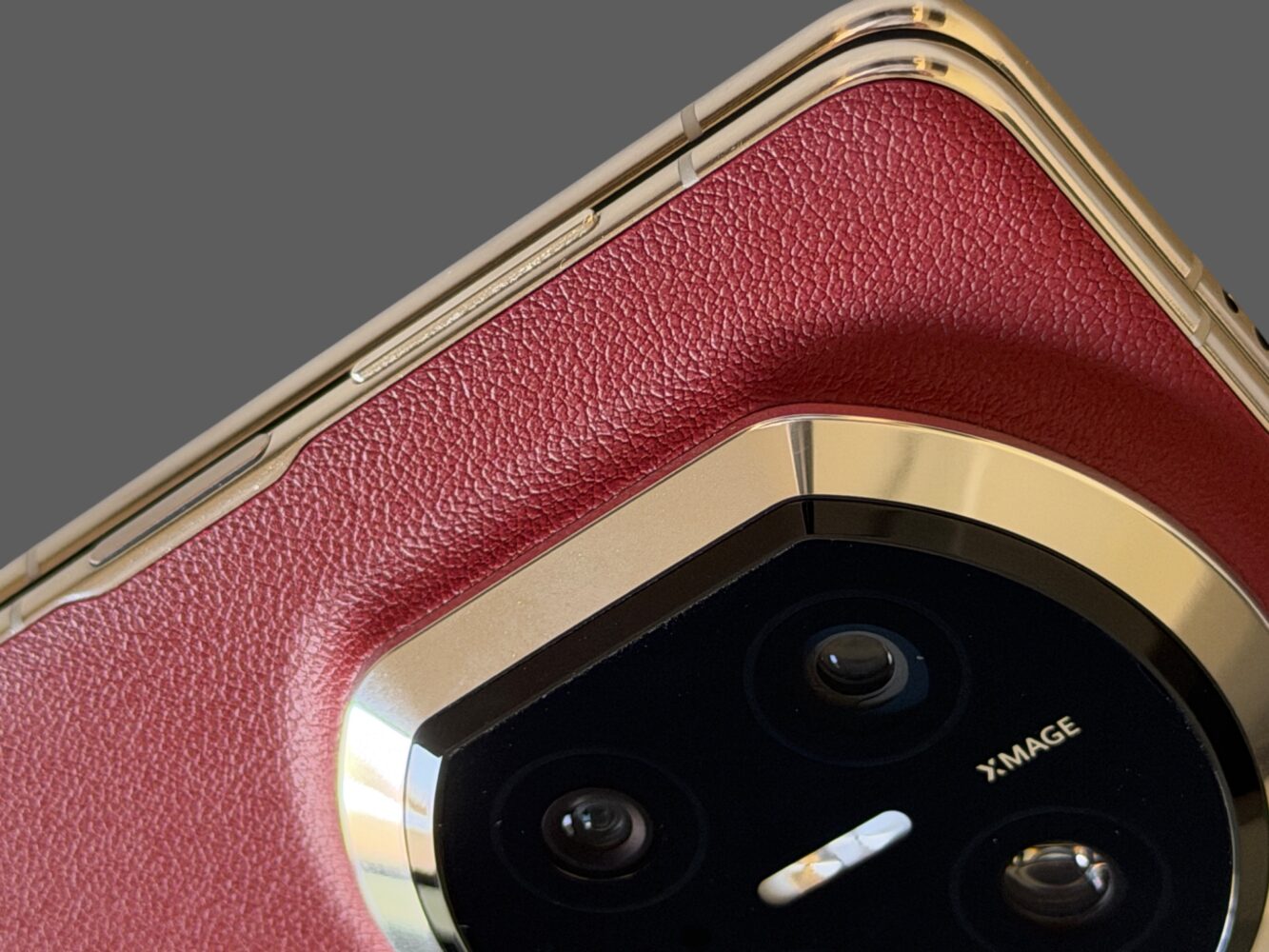
Huawei didn’t reinvent the silhouette here, and honestly, I’m glad. The Mate X7 sticks with that premium vegan-leather back and polished aluminum frame, and it works because the phone feels more like a refined tool than a fashion accessory. You can get it in Brocade White, Nebula Red, or Black, and the leather finish (especially on the red and black options) does that rare thing where it’s both luxurious and practical. It’s grippy. It doesn’t hoard fingerprints. It doesn’t feel icy in air-conditioned rooms. It’s the kind of material choice that screams, someone actually carried this thing.
Dimensionally, Huawei nailed the “it fits like a normal phone” part better than most book-style foldables. Folded, it measures about 15.68 cm tall, 7.38 cm wide, and 0.95 cm thick. That 9.5 mm thickness is right in the zone where it stops feeling like a novelty brick. Unfolded, it stretches to 15.68 cm by 14.42 cm and becomes an absurdly slim 0.45 cm. The weight sits at 236 grams, which is light enough to avoid wrist fatigue, but still heavy enough to feel premium.
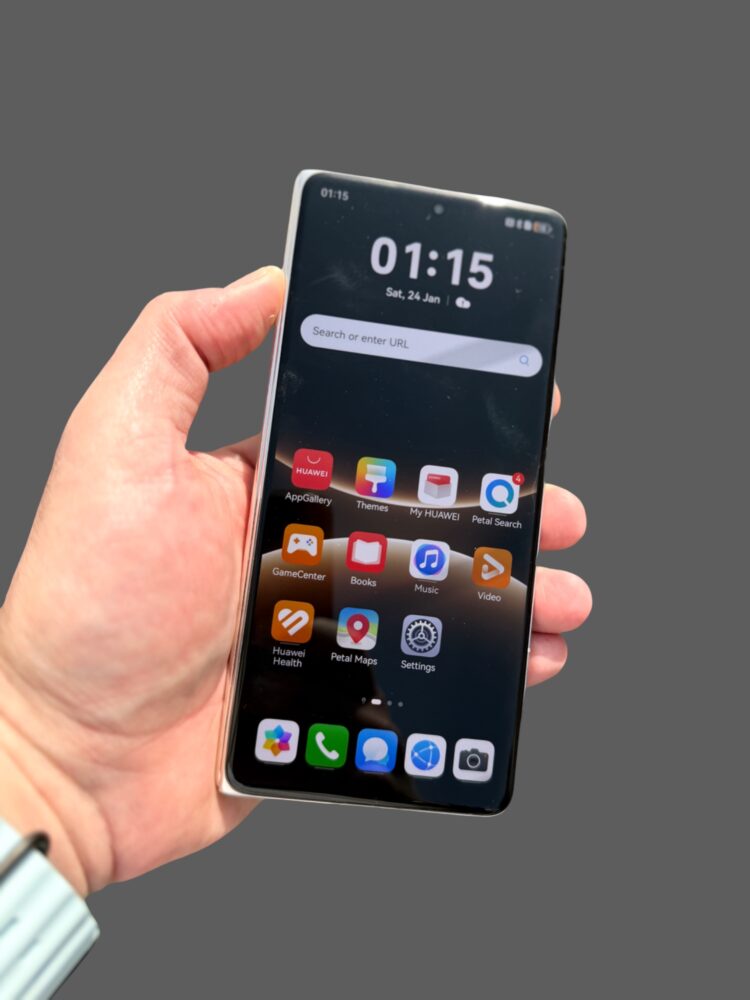
Now, here’s where my feelings get specific, because ergonomics on foldables is always about where the weight lives. Huawei’s Time-Space Portal camera housing is big. Like, big-big. It’s the most visually dominant part of the phone, and it does make the Mate X7 feel top-heavy compared to a normal slab phone. Holding it folded with two hands, I noticed my fingers brushing the bottom edge of the housing. When unfolded and rotated, my hand naturally drifted toward the camera area, and yes, it’s possible to smudge a lens if you’re careless. It’s not a deal-breaker, but it’s the kind of real-life friction you only notice after hours of use, not during a quick store demo.
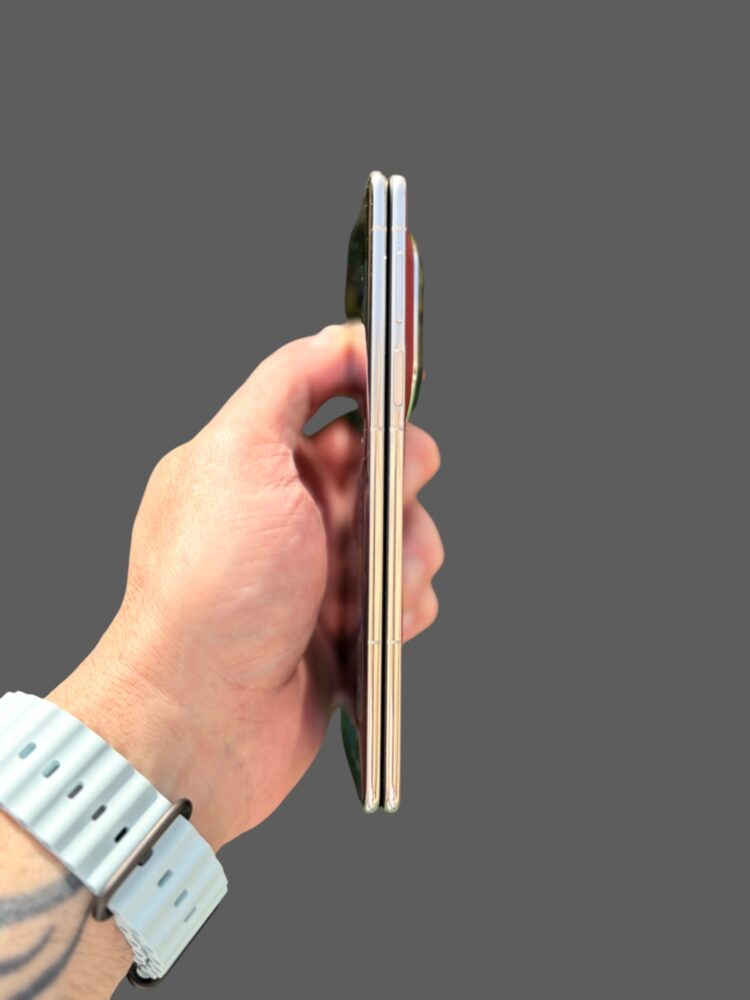
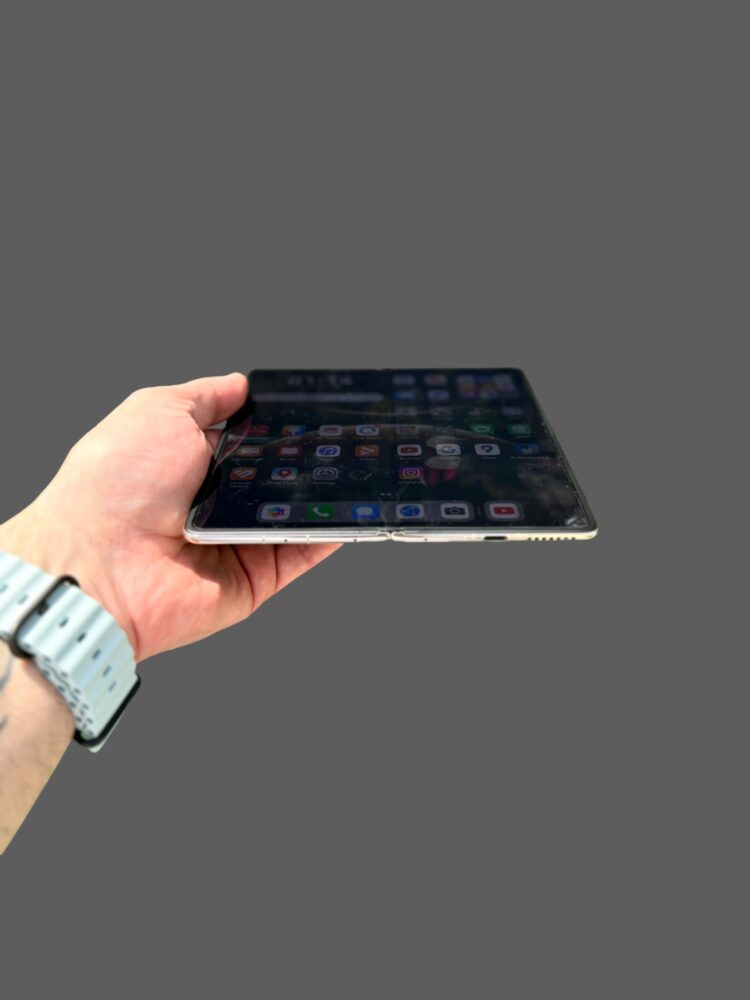
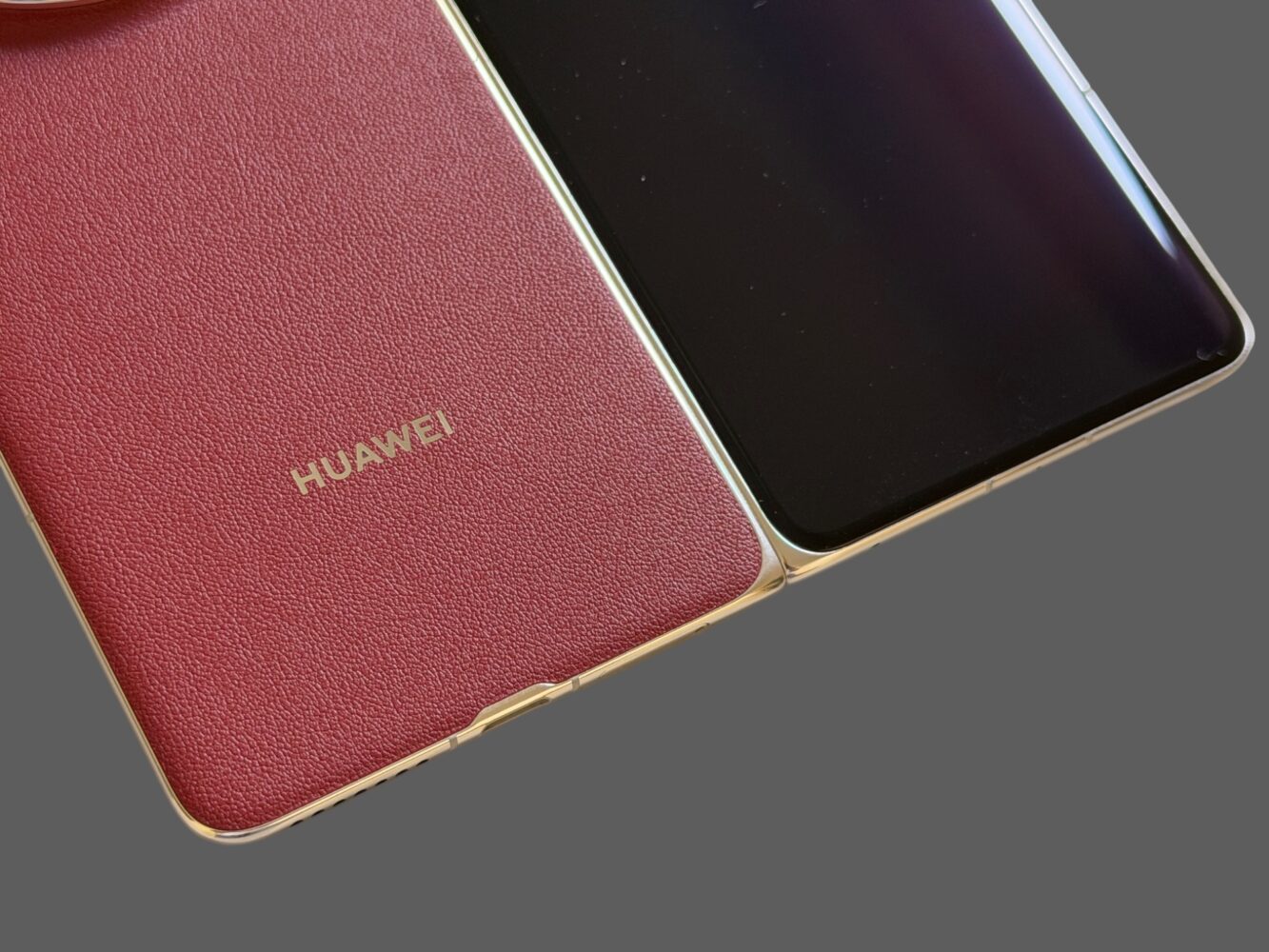
The rest of the physical layout is a sensible flagship setup. USB-C and SIM tray at the bottom with microphones, speaker grills where you expect them, volume buttons on the side, and a power button that doubles as a fingerprint reader. That last part is especially important on a foldable, because reliable biometric access is the difference between “this feels like a phone” and “this feels like I’m unlocking a gadget.”
DISPLAY AND DURABILITY: BIGGER SCREEN, TOUGHER GLASS, SAME OLD CREASE
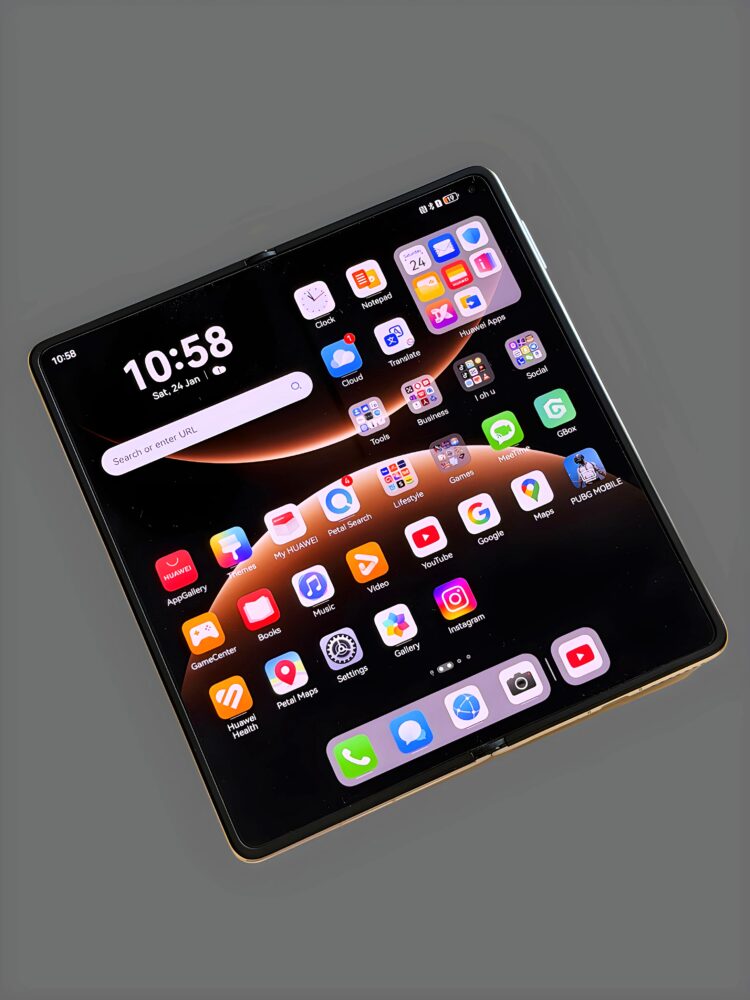
The inner screen grows slightly from 7.93 inches to a clean 8 inches, and it’s a gorgeous 8-inch LTPO OLED running 2416 × 2210 with adaptive refresh from 1 to 120Hz. Pixel density lands around 412 PPI, and peak brightness hits roughly 2500 nits. The cover screen is a 6.49-inch LTPO OLED at 2444 × 1080, also 1–120Hz and also around 412 PPI, but brighter at up to 3000 nits.
In daily use, the cover display feels like a proper phone screen, not a cramped secondary panel you tolerate until you unfold. Outdoors, it stays readable. Indoors, it looks rich and crisp. Unfolding doesn’t feel like switching devices so much as expanding the same workspace. That continuity matters, because it encourages you to use the foldable part when it’s useful, not because you feel obligated to justify your purchase.
Huawei also made meaningful durability upgrades. The exterior display uses Kunlun Glass 2, and the internal screen gets a new three-composite protective layer that Huawei claims improves impact resistance by 20% and bend resistance by 100%. That’s the kind of spec that sounds like marketing until you realize what it does psychologically: it makes you stop babying the inner display. You start using it like a screen, not like a delicate artifact.
The hinge is another step forward. It’s steel under polished aluminum, rated with a strength figure of 2350 MPa, and the folding action has that deep, soft snap that feels expensive. It’s weird to say a fold sounds luxurious, but you know it when you hear it. It closes with confidence, not with a crunchy “please don’t break” whisper.
And yes, the crease is still here. It’s visible at the usual angles, especially on bright or white backgrounds, and no, Huawei hasn’t pulled off a miracle on this front. The good news is it becomes a non-issue when you’re consuming content. The bad news is if you’re the type who can’t unsee things, you will absolutely still see it.
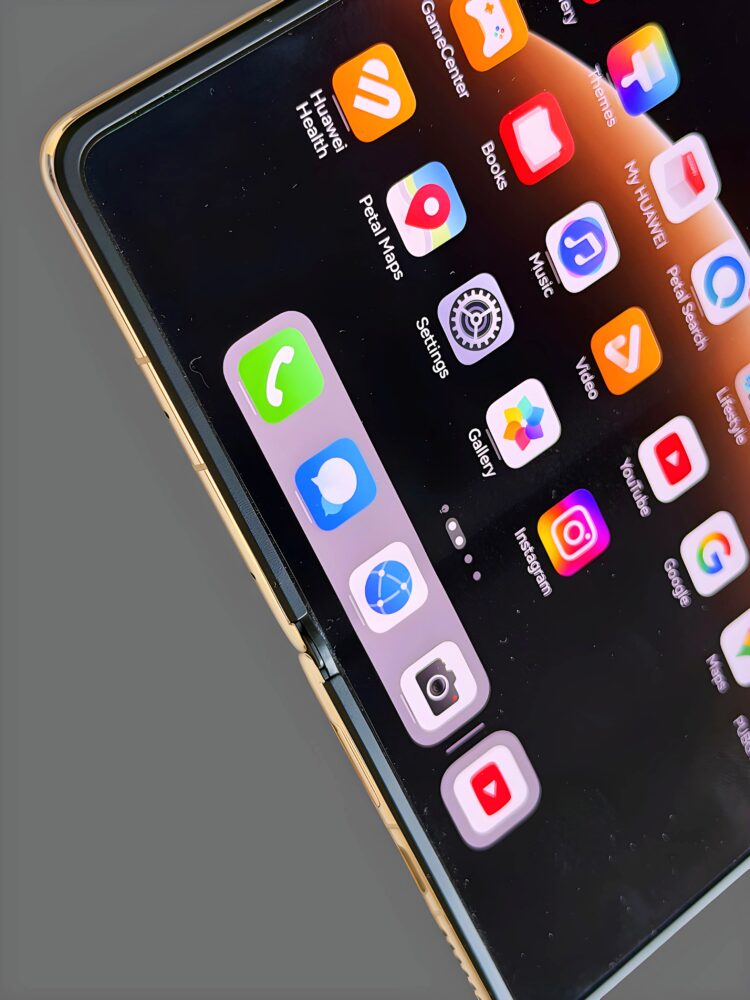
One of the biggest real-world upgrades is water and dust resistance. The Mate X7 carries IP58 and IP59 ratings, a bump from previous-gen “water only” vibes. That means it’s not just splash resistant, but also better protected against dust and pressurized water jets. That’s huge for foldables, which historically behave like they’re allergic to beach days and pocket lint. There is one annoying side effect, though: the internal screen is bordered by a 3mm plastic enclosure that tends to collect dust and debris. If you’re the kind of person who gets haunted by tiny specks, you’re going to be cleaning that area more than you’d like.
PERFORMANCE AND THERMALS: SMOOTH IN REAL LIFE, MID-RANGE ON PAPER
This is where Huawei’s situation gets complicated, and where this Huawei Mate X7 review needs to be honest.
The Mate X7 runs the Kirin 9030 Pro built on a 6nm process, with a 9-core CPU layout: one core at 2.75 GHz, four at 2.27 GHz, and four efficiency cores at 1.72 GHz, paired with a Maleoon 935 GPU. You get 16GB of RAM and 512GB of storage in the configuration most people will care about.
Huawei claims the chip is 25% faster on CPU and 40% faster on GPU compared to the previous generation. That’s plausible, but here’s the reality check: in the broader flagship universe, the Kirin 9030 Pro benchmarks like a mid-range SoC. On Geekbench 6, it posts around 1086 single-core and 4966 multi-core. GPU compute on Geekbench sits around 5558. Geekbench AI lands near 1698. In 3DMark, Steel Nomad Light hits about 795, Solar Bay around 3197, Wildlife Extreme around 2608, and Sling Shot Extreme around 8605.
Those numbers don’t scream “ultra-premium,” especially for a device that costs the kind of money that makes your wallet flinch. And there’s a reason for that: Huawei’s access to top-tier US-based supply chains has been restricted for years, and Chinese silicon still hasn’t fully caught up to the Snapdragon-shaped elephant in the room.
App launches are snappy. Scrolling is fluid. Multitasking is stable. Video playback is flawless. Switching between folded and unfolded layouts feels seamless. The phone doesn’t stutter its way through normal life, and that matters more than flexing benchmark charts on social media. A lot of that smoothness seems to come from Huawei’s software tuning. In this build, you’re dealing with EMUI 15 (based on Android 12), and while it’s not radically different from older Huawei skins, it does feel more optimized than it used to.
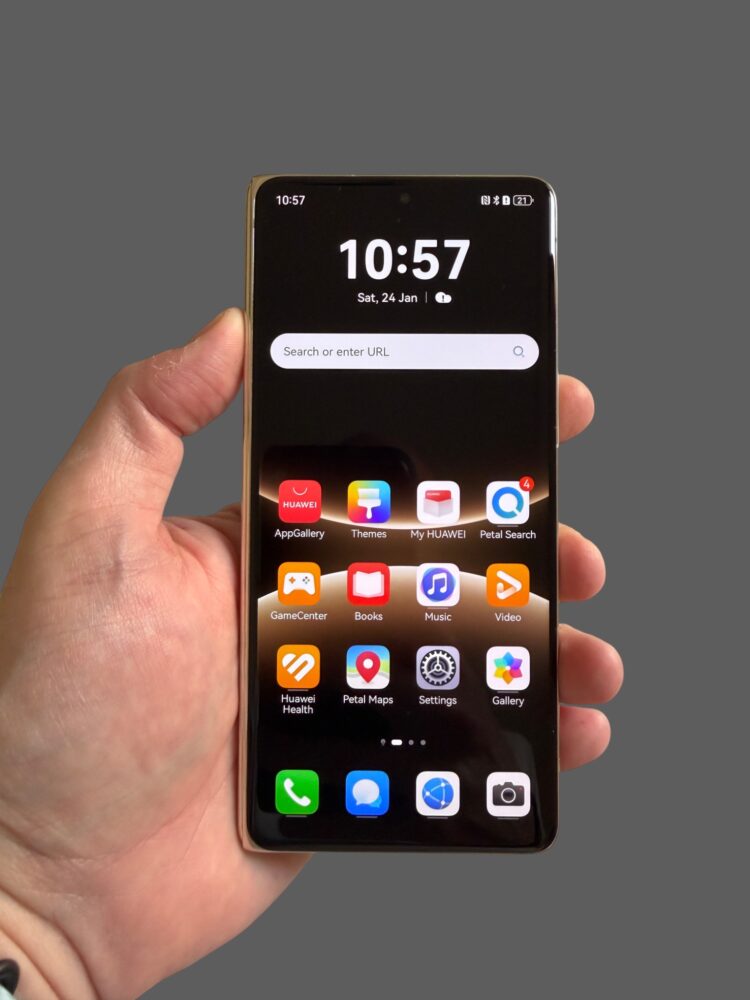
Thermals are also well managed for typical workloads. Browsing, camera use, video calls, multitasking, the Mate X7 stays comfortable and doesn’t develop angry hot spots that force you to shift your grip. But gaming is where expectations need to be set. This is not the foldable I’d recommend if your dream is turning an 8-inch inner display into a portable console. It can game, sure, but it’s not the same “throw anything at it” experience you’d get from the most powerful mainstream flagships.
CAMERAS: UPGRADED SENSORS, GREAT REALISM, AND A PRACTICAL ZOOM
Huawei’s camera philosophy is the opposite of “make everything look like a neon postcard.” The Mate X7 camera system aims for realism and balance, and most of the time it delivers.
On the back, you get a 50MP main camera with OIS, a 40MP ultrawide with autofocus, and a 50MP telephoto macro with OIS and 3.5x optical zoom. Huawei also packs in a laser emitter and receiver for autofocus, an IR blaster, and a color-spectrum sensor, which is the kind of nerdy hardware detail I love because it explains why Huawei tends to nail color consistency.
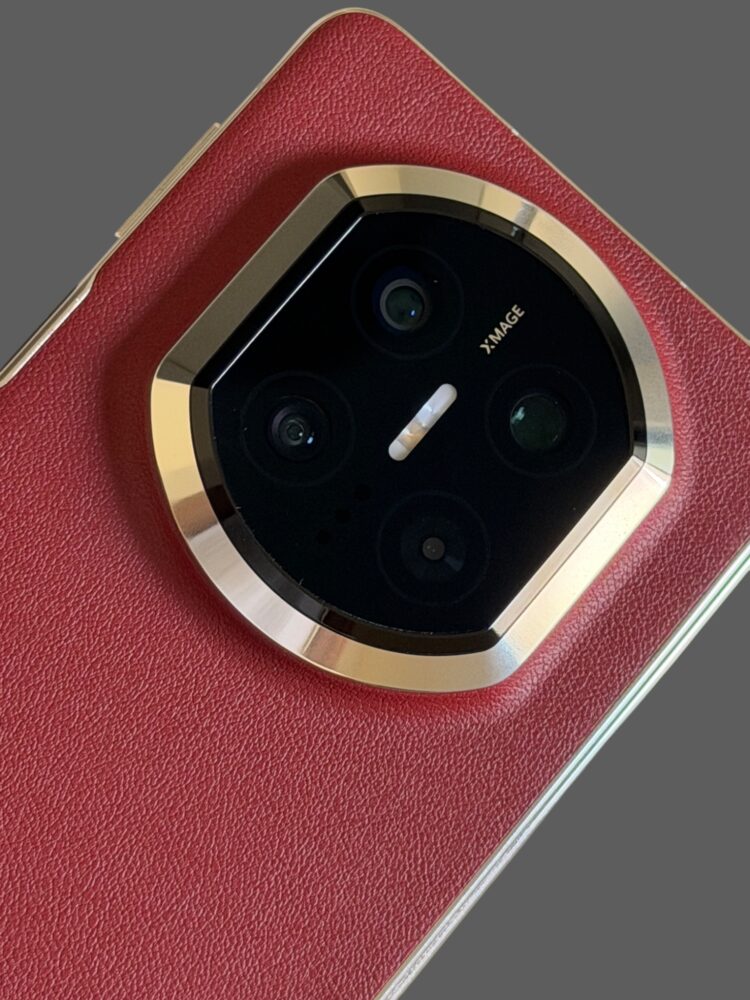
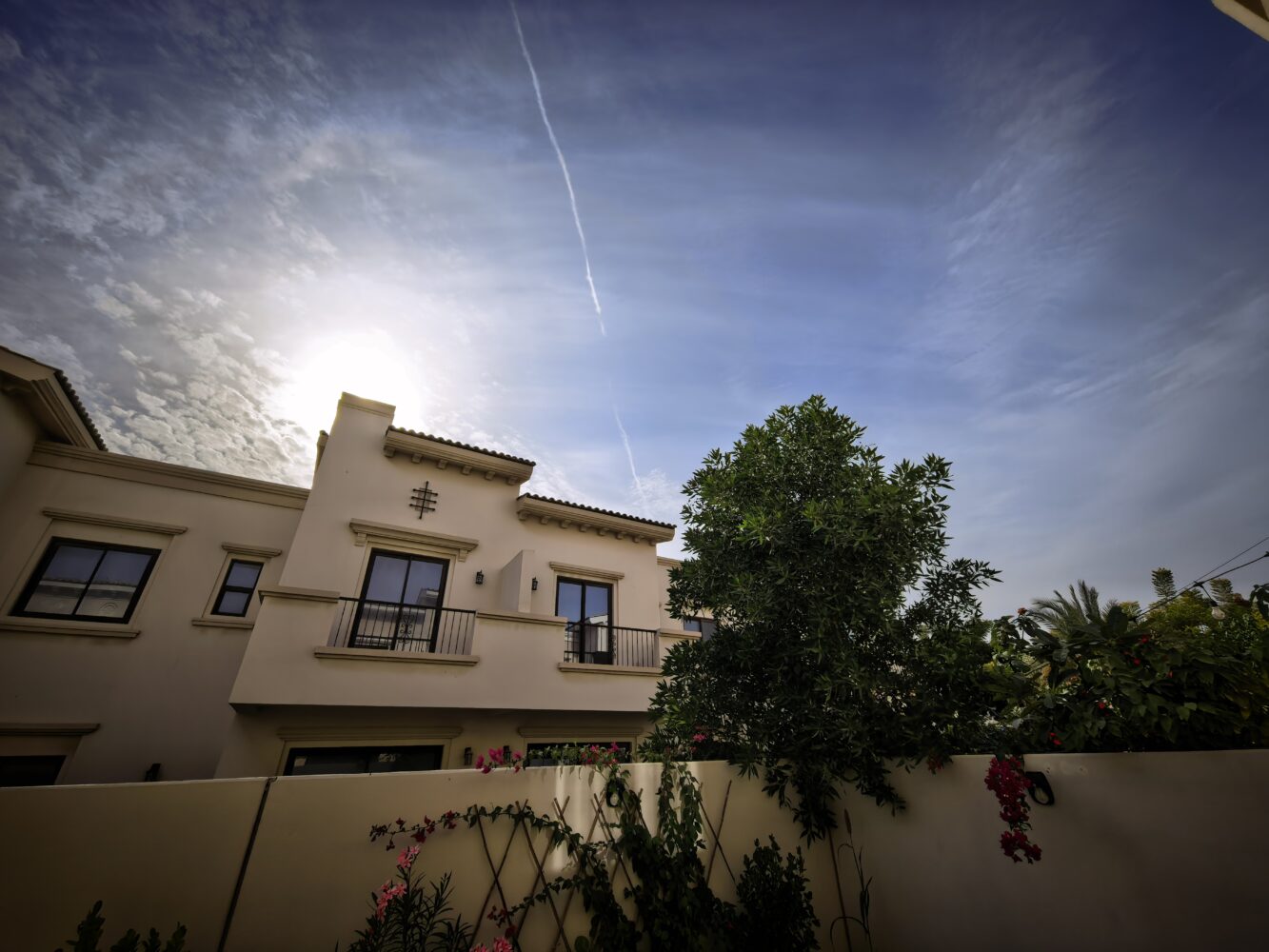
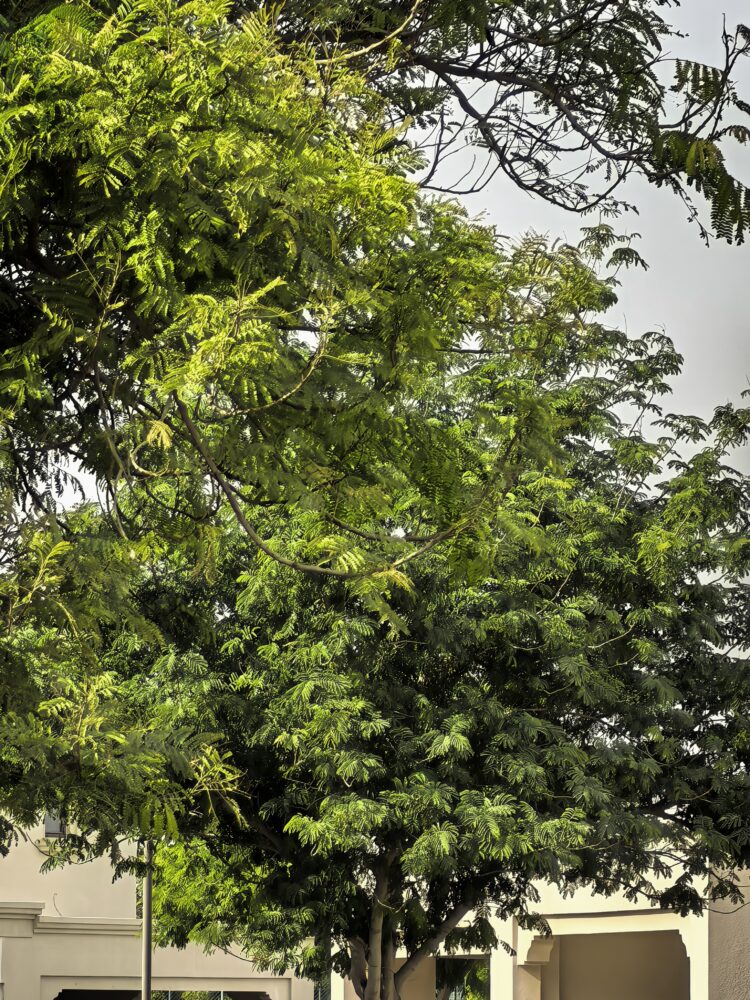
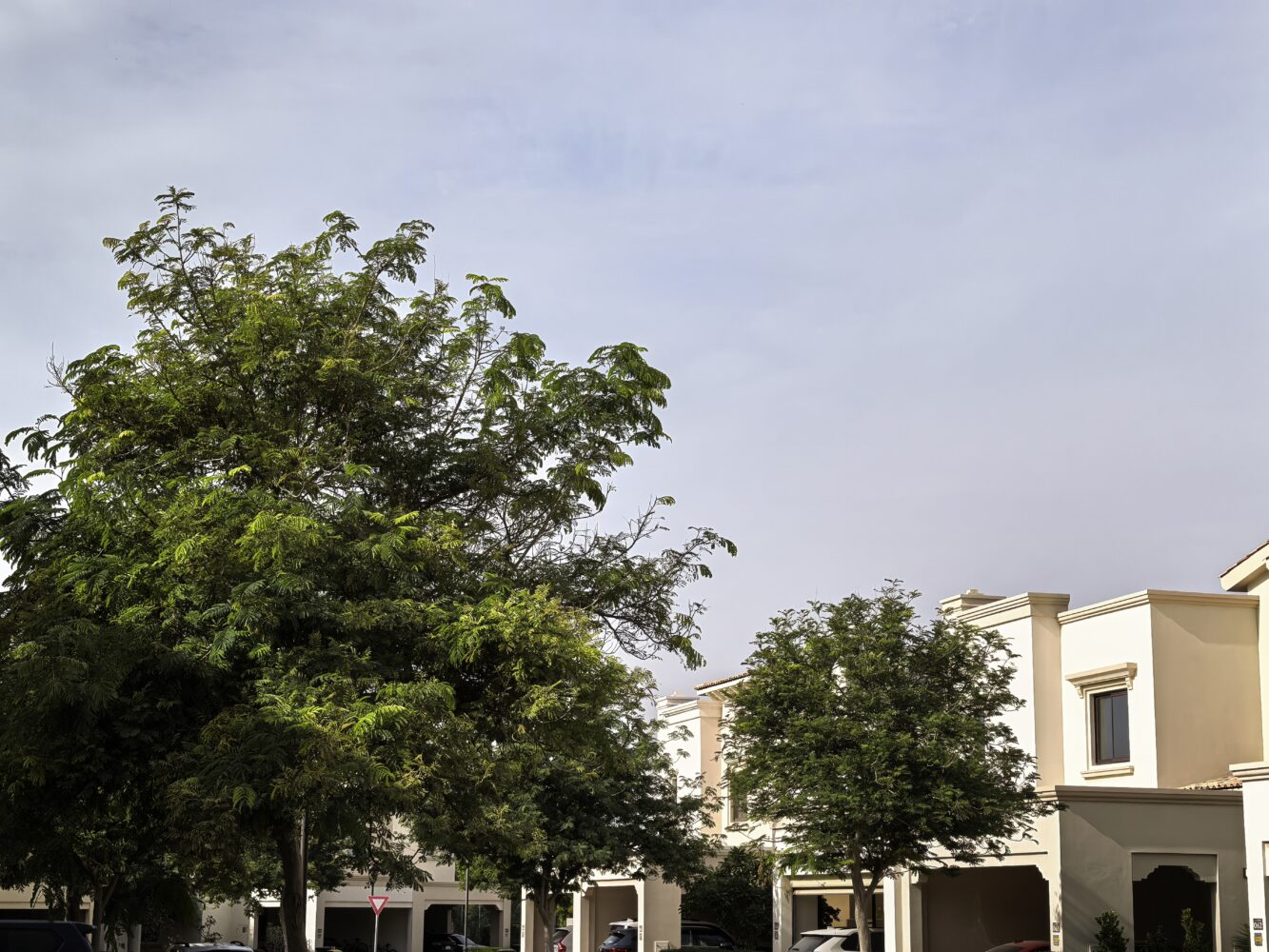
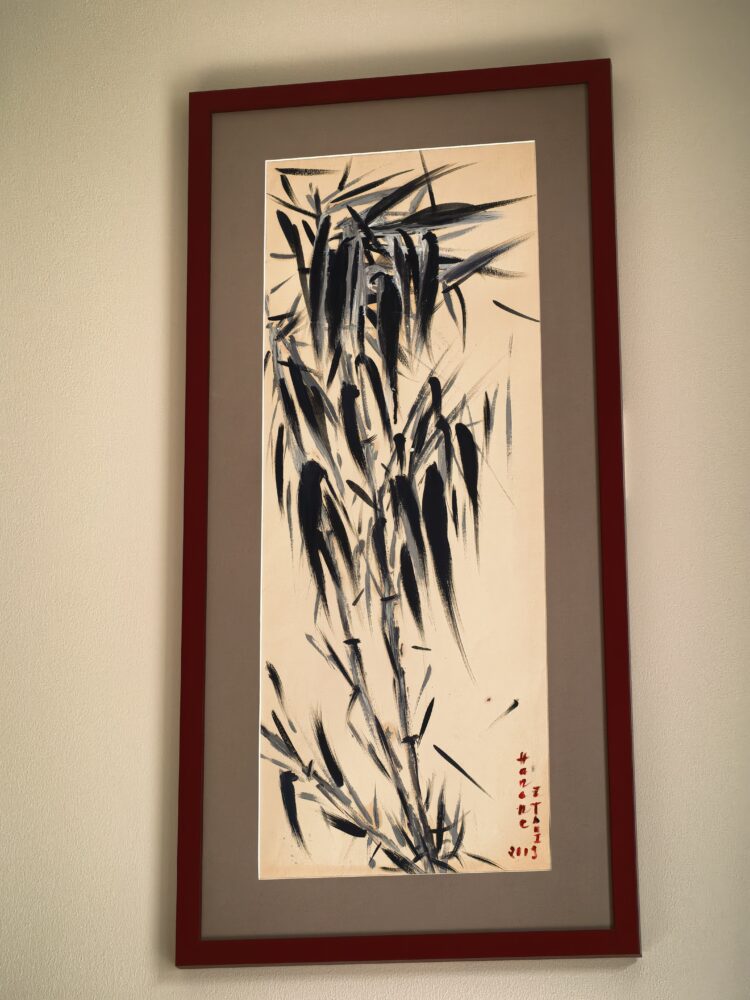
The main 50MP camera is upgraded with a larger sensor, and Huawei specifically calls out improved dynamic range. In daylight, it produces excellent images with strong detail, controlled colors, and highlights that don’t get obliterated. It doesn’t crank saturation to eleven. It doesn’t over-sharpen edges until they look like stickers. It just captures scenes in a way that feels faithful.
The telephoto is where the Mate X7 becomes quietly addictive. 3.5x optical zoom is a sweet spot for real life. It’s far enough to isolate subjects and grab details without forcing the phone into extreme periscope gymnastics that turn the camera bump into a skyscraper. Between 2x and 3.5x, clarity stays strong. Around 10x, the results are still solid, but you can see the computational scaffolding start to show: a bit of compression, some smoothing, and occasional oversharpening. That’s not unique to Huawei, but it’s worth knowing.
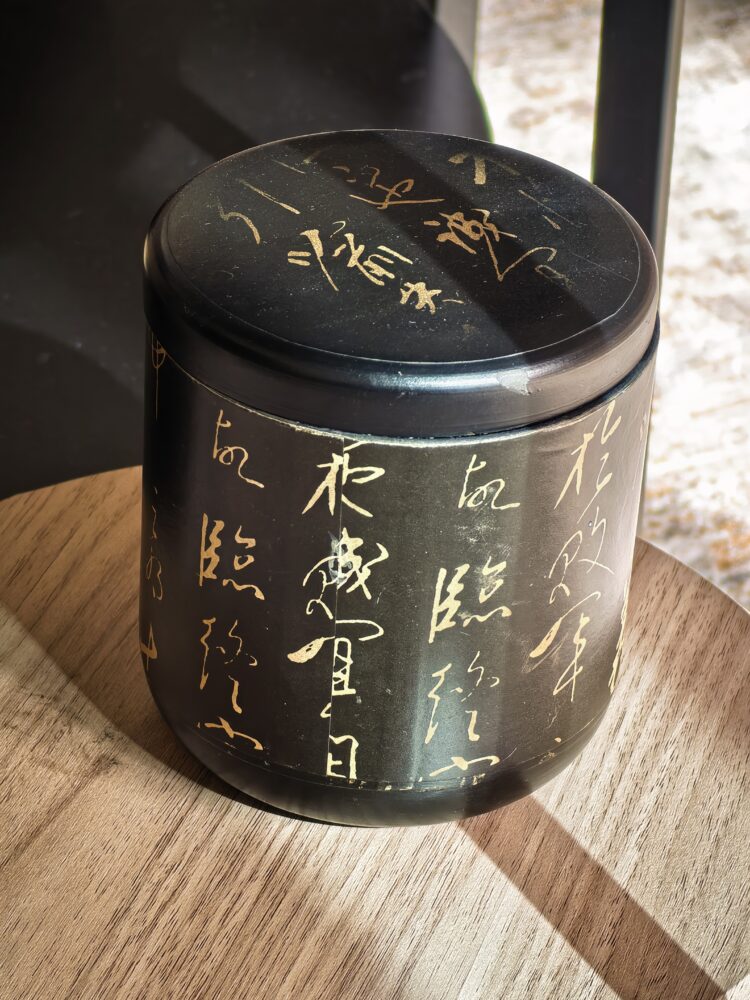
Night photography is also a highlight, thanks in part to the sensor pulling in plenty of light. Shots remain lively and stable without the usual low-light ugliness like heavy noise, banding, or weird artifacting around bright lights. The same caveat applies: smoothing exists, especially as you climb into zoom ranges, but the overall output stays impressively usable. This is the kind of camera system that builds trust because it behaves consistently across lighting conditions.
The ultrawide remains the steady supporting actor. It’s not the star, but it’s reliable, and autofocus on an ultrawide is still a feature I appreciate because it expands creative options without forcing you into the main lens.
Photo Gallery

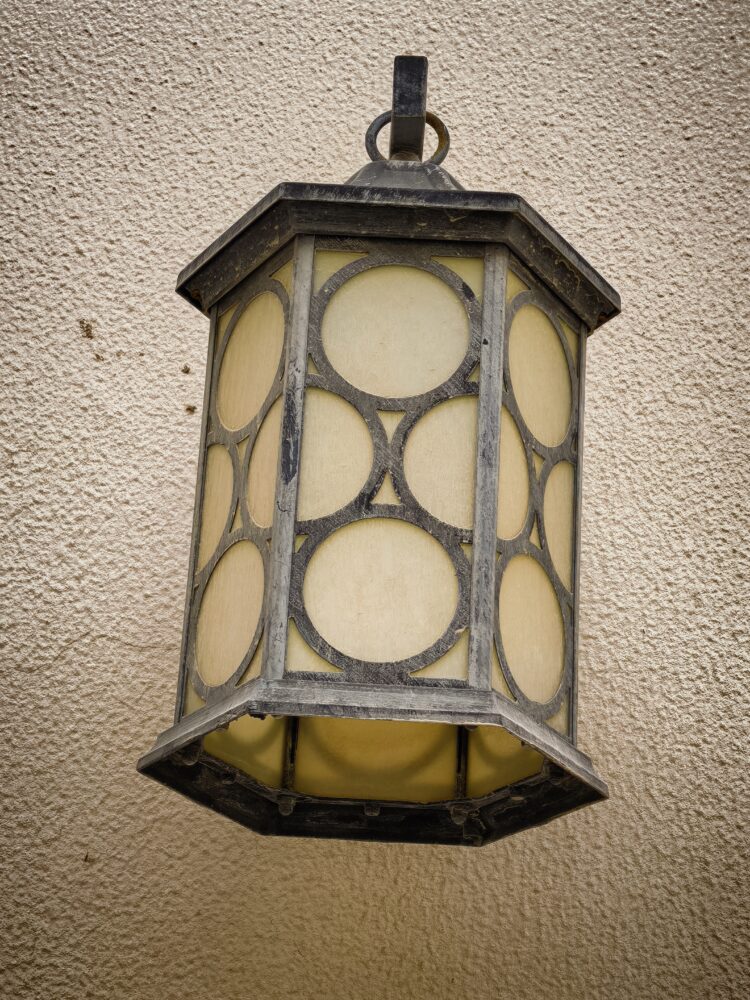



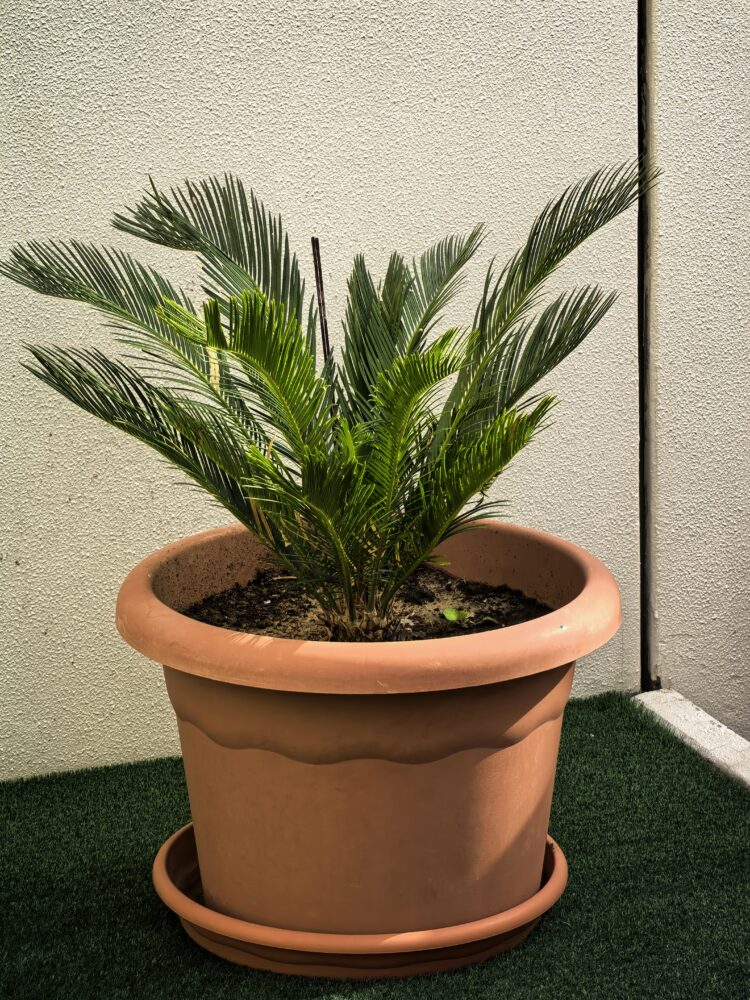
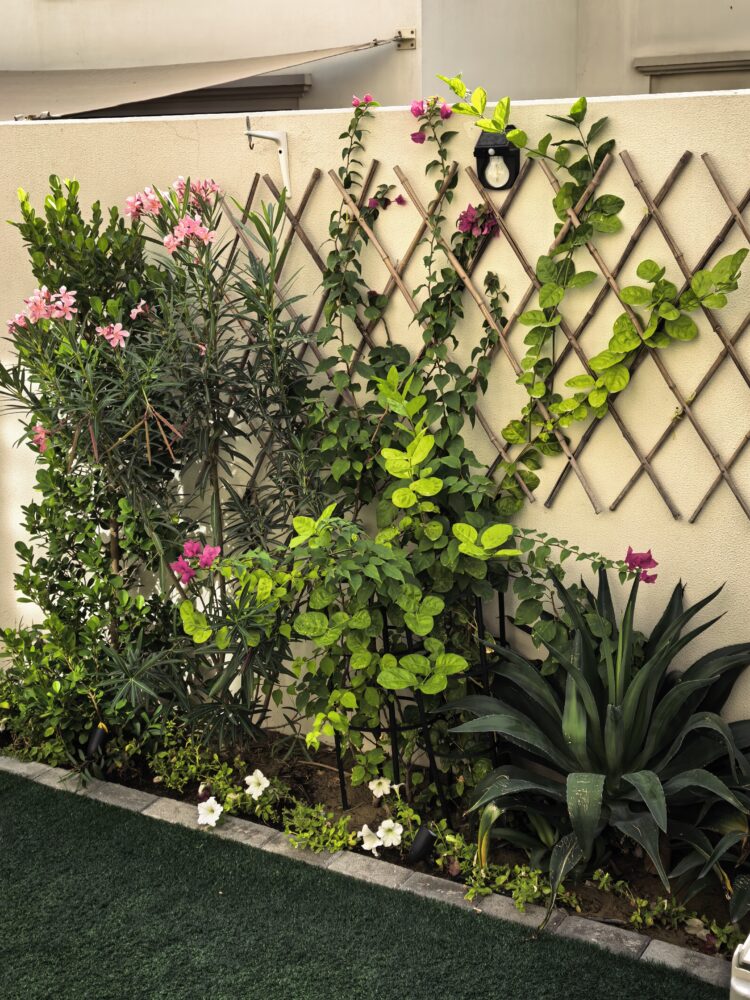
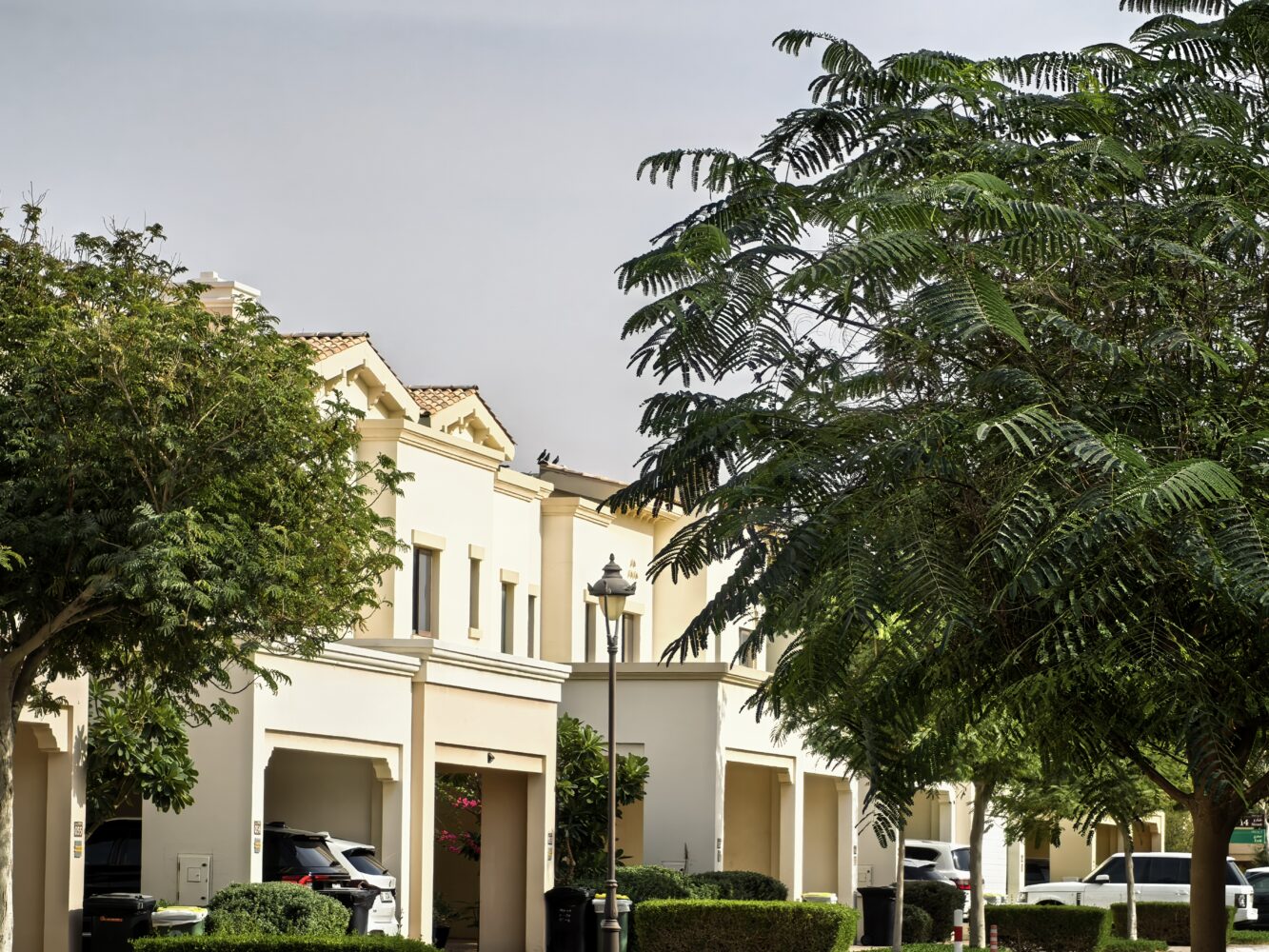


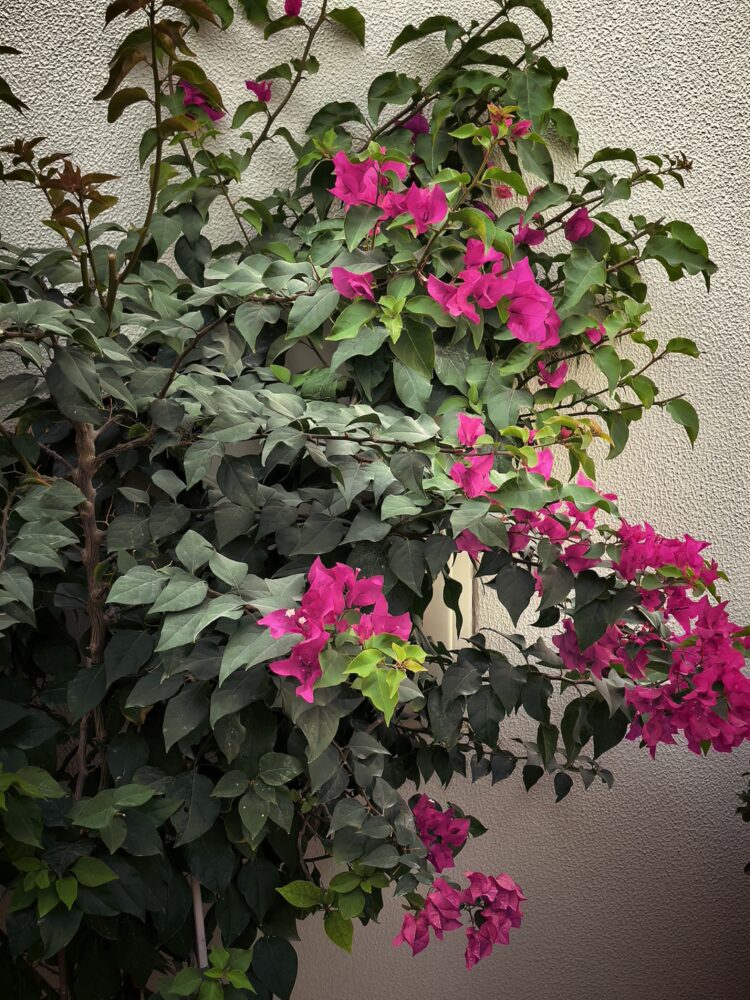
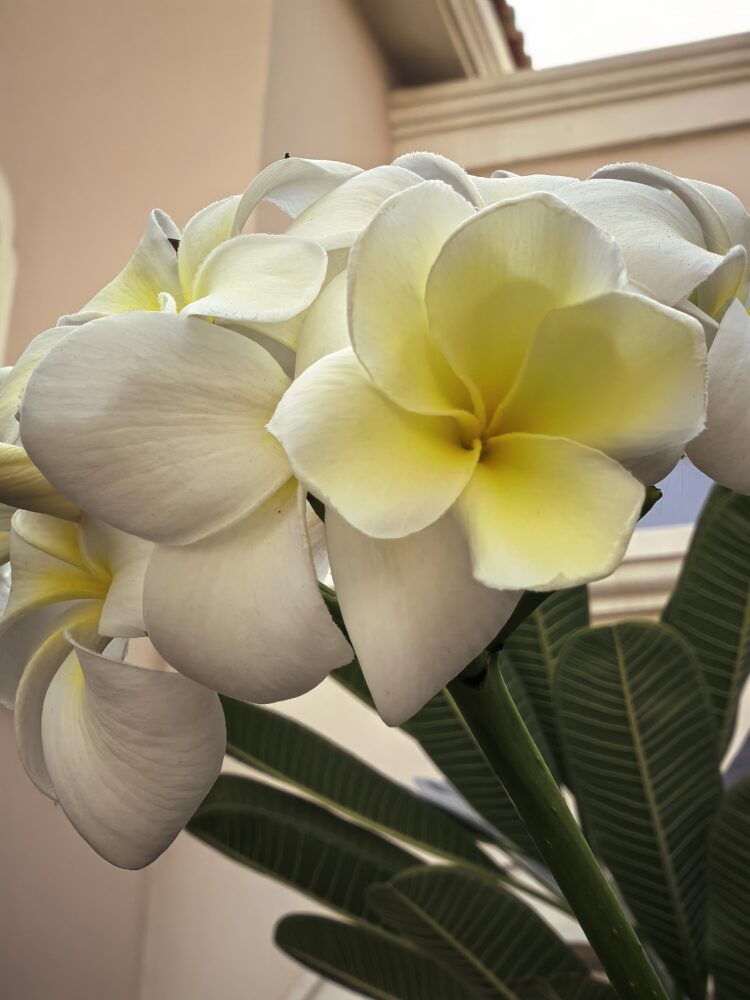
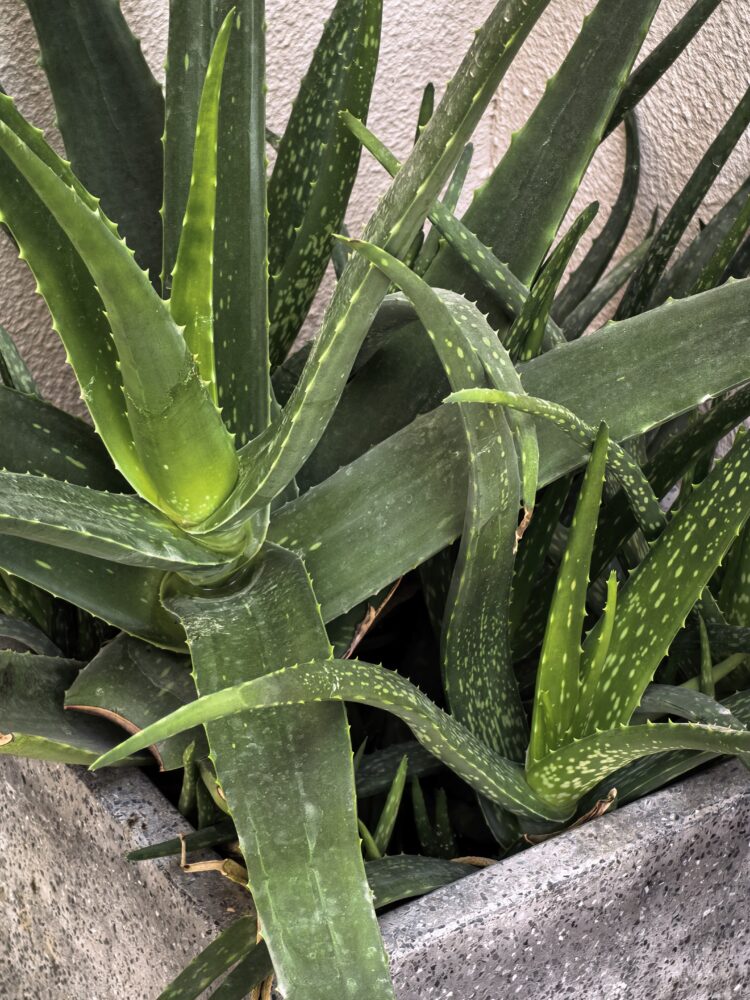
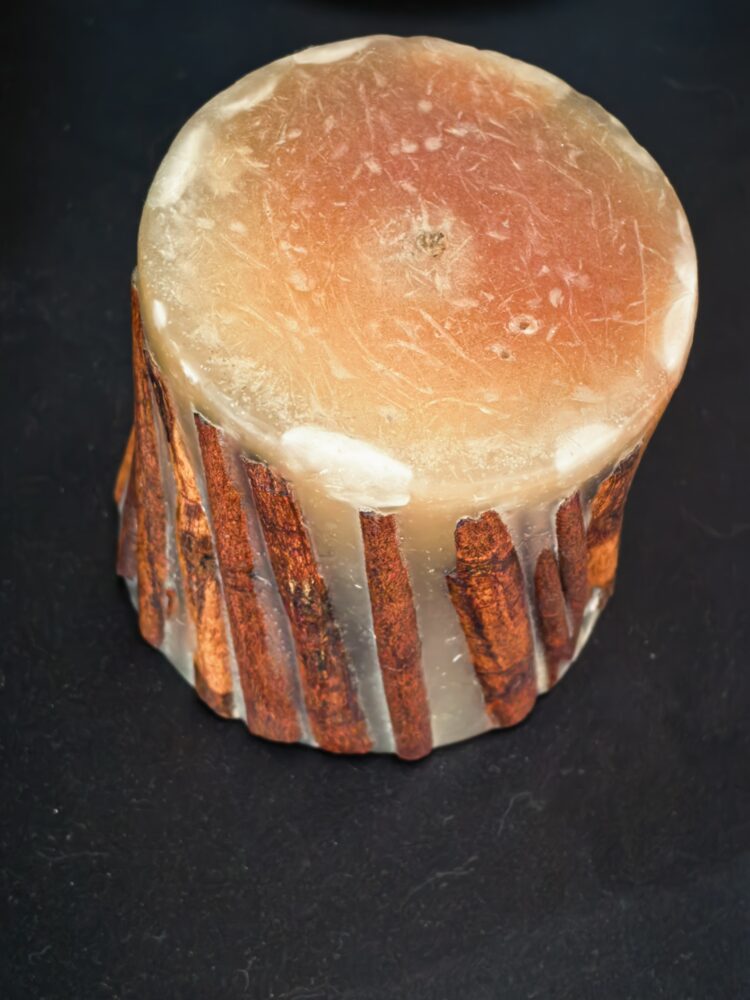

FEATURES AND SOFTWARE: FOLDABLE MULTITASKING, GOOGLE WORKAROUNDS, AND SOME BLOAT
Huawei’s software story is always a two-part saga: clever optimization paired with ecosystem compromise.
First, the good stuff. Multitasking on the inner display is genuinely useful. Huawei uses gesture-based actions to set up multi-window mode quickly. Drag an app to the left to enter split view, and you can split vertically or horizontally. There’s also a Stage Manager-like multitasking mode that appears when you push an app beyond its split allocation, and floating windows are available by dragging toward the right. The best-case scenario is having three apps active at once: two in split view plus a floating window hovering like a helpful little side quest.
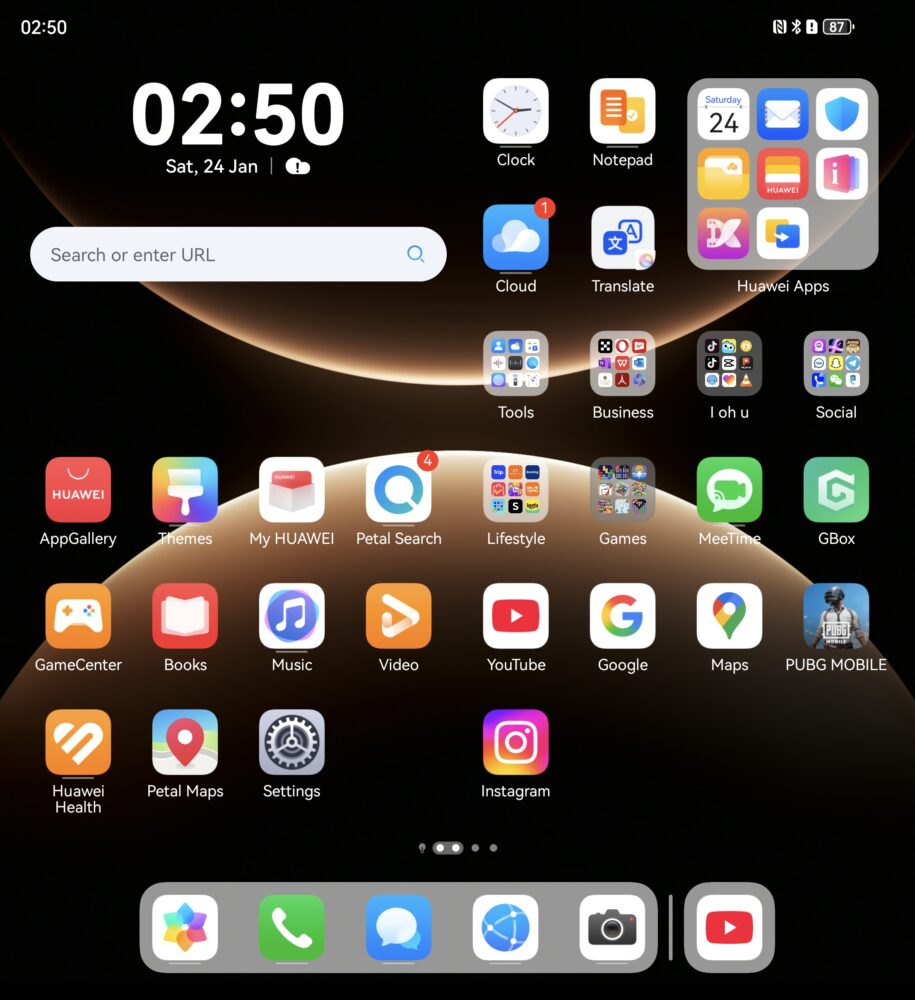
Now the frustrating stuff. Split-screen layouts are locked at 50/50, with no adjustment range. That feels like an artificial limitation on a device built to give you flexibility. And while the 8-inch display is fantastic for multitasking, it’s still at the mercy of app developers. Many Android apps still just stretch to fill the screen. Some, like WhatsApp and Instagram, behave better, but this is still a broader Android foldable problem, not just Huawei’s.
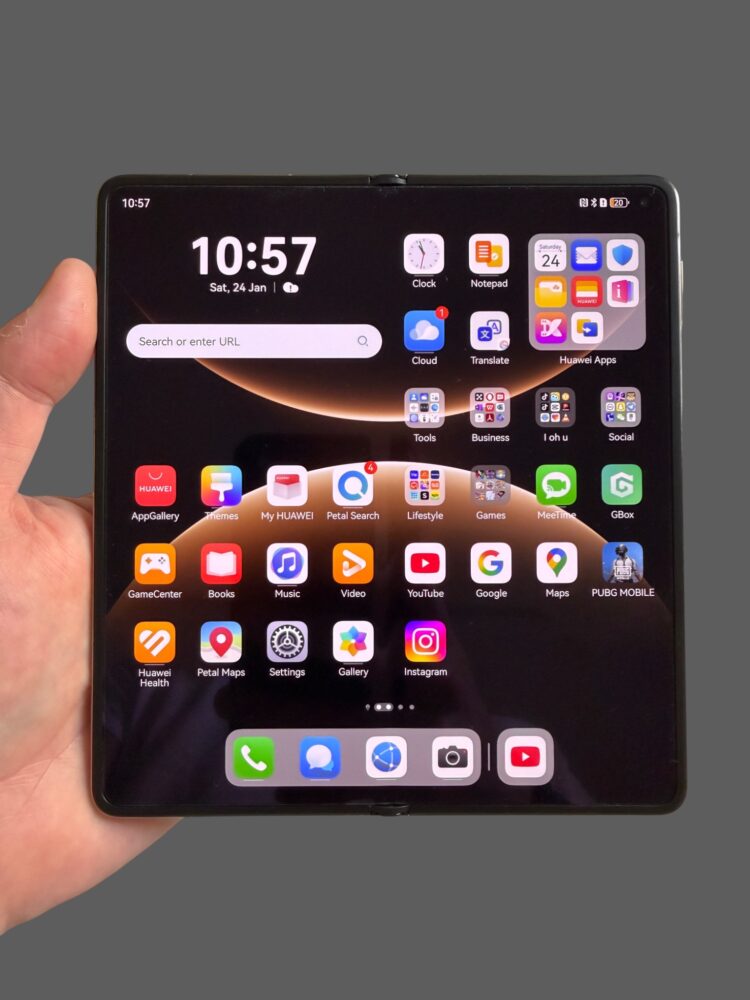
Then there’s the Google question. Official Google services aren’t baked in. Huawei’s AppGallery gets you most popular apps, but if you live inside Google’s ecosystem, you’ll need workarounds. The most notable here is G-Box, which runs Google apps in a virtual environment and gives access to the Play Store. Performance is surprisingly fine, updates work, and you can create app shortcuts. The main downside is notifications, which can register as coming from G-Box rather than the individual app. It’s not catastrophic, but it’s a reminder that you’re living slightly off the standard path.
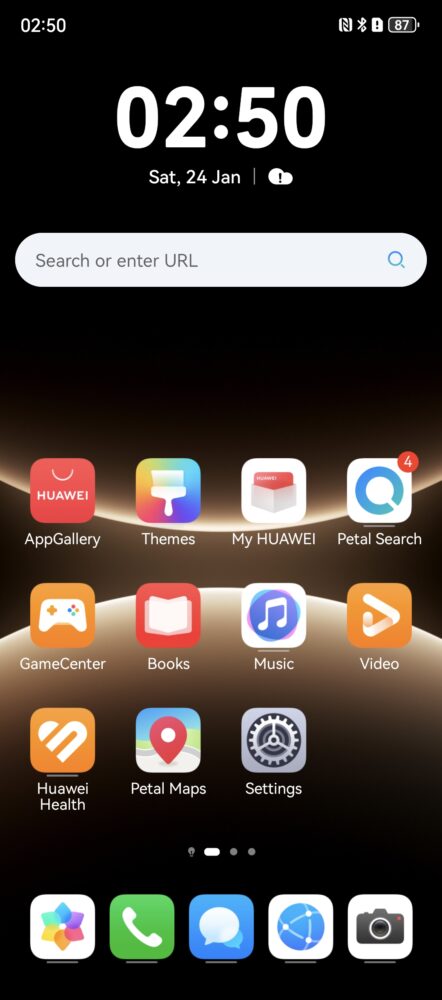
Huawei’s own apps are… a lot. There’s bloat. There are pre-baked folders pushing downloads. The Huawei Browser reportedly shows an ad on launch. You get Petal Search, Petal Maps, media players, ebook tools, Huawei Health, file management, and more. Some of it is useful, some of it feels like digital clutter you’ll spend ten minutes deleting or disabling.
AI features are relatively light compared to the current industry obsession with stuffing assistants into every corner of your UI. There’s an AI Edit tool for basic image touch-ups and Huawei’s Celia assistant, but if you’re expecting a Gemini-like experience, this isn’t it. Depending on your personality, that’s either disappointing or refreshingly quiet.
BATTERY LIFE AND CHARGING: TWO-DAY ENERGY, WITH A GAMING ASTERISK
Huawei went big here, and it shows. The Mate X7 packs a 5600mAh battery with 66W wired charging, 50W wireless charging, and 7.5W reverse wireless charging. Under usual workloads, two-day endurance is not just possible, it’s likely. One usage scenario described heavy unfolded use with browsing, social scrolling, WhatsApp, and photos, ending the day around 55% with roughly 4 hours of screen time. That’s impressive for a device powering two displays.
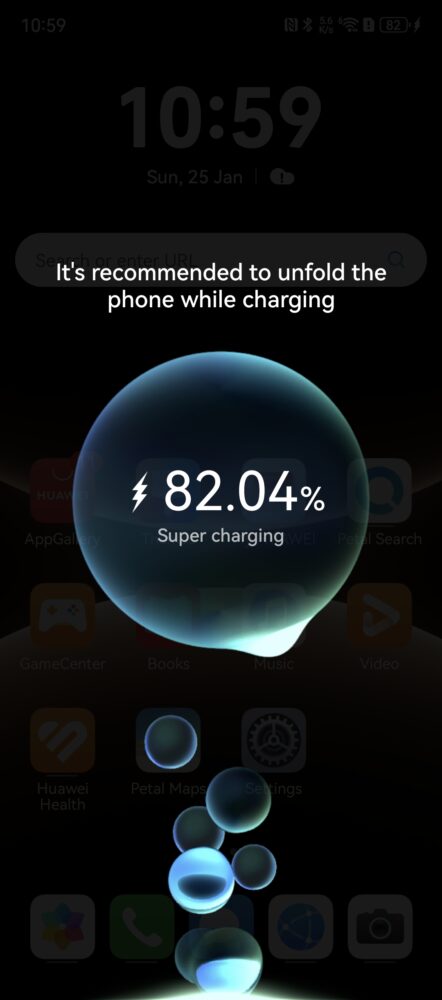
The catch is gaming and heavy synthetic workloads. Running benchmarks can drain the battery quickly, and long gaming sessions on the inner display pull more power than you’d like. The charging speed helps, though, and the fact that a 66W charger is included in the box is the kind of old-school generosity I miss in modern flagship land.
VERDICT: WHO SHOULD BUY THE HUAWEI MATE X7
As a standalone product, the Mate X7 is a refined, premium foldable with a thinner build, brighter displays, upgraded cameras, and battery life that genuinely changes how you use the device. The camera system is the star, delivering realistic, dependable results across lighting conditions with a zoom range that prioritizes everyday usefulness over marketing extremes. Performance is smooth in daily life, even if the chipset benchmarks like a mid-ranger. The software is feature-rich for multitasking, but still comes with bloat and ecosystem compromises that you have to actively accept.
If you want a foldable that feels more finished than experimental, and you’re comfortable living outside the default Google-first lifestyle, the Mate X7 makes a compelling case. If your top priorities are maximum gaming performance, the cleanest software experience, or seamless Google integration, you’ll want to compare alternatives before committing.