

TL;DR: Massive battery life, disciplined performance, and one of the most trustworthy night and telephoto camera systems on a smartphone today. The Honor Magic8 Pro doesn’t shout — it stays.
Honor Magic8 Pro
There’s a quiet problem with modern flagship smartphones that no one in marketing likes to admit: they’re exhausting. Every interaction feels optimized, predicted, enhanced, corrected, and “AI-powered” to the point where the phone no longer feels like a tool — it feels like a supervisor. I went into the Honor Magic8 Pro expecting another hyper-capable slab of glass that would impress me for a week and then fade into the same mental drawer as every other premium Android device.
That didn’t happen.
Instead, the Magic8 Pro did something far more disarming. It slowed me down. Not because it was slow — it absolutely isn’t — but because it removed friction so consistently that I stopped thinking about the phone altogether. I stopped checking battery percentages. I stopped double-checking camera results. I stopped worrying about performance hiccups. The phone didn’t demand my attention. It earned my trust.
And in 2025, that’s rare.
Design and Build — The Luxury of Not Trying Too Hard
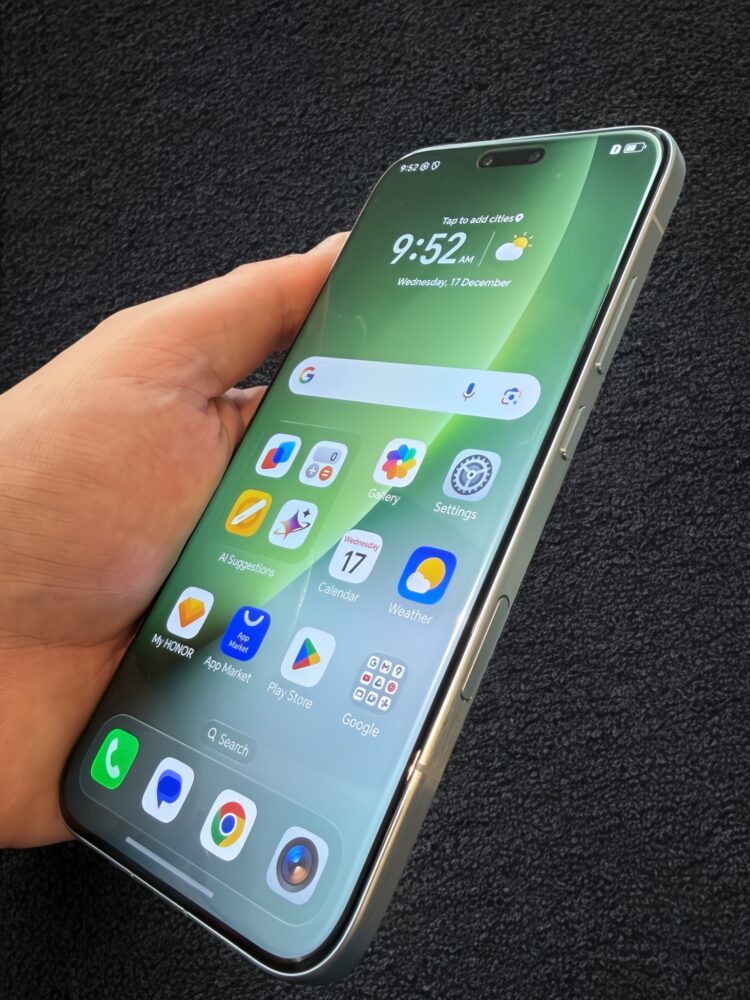
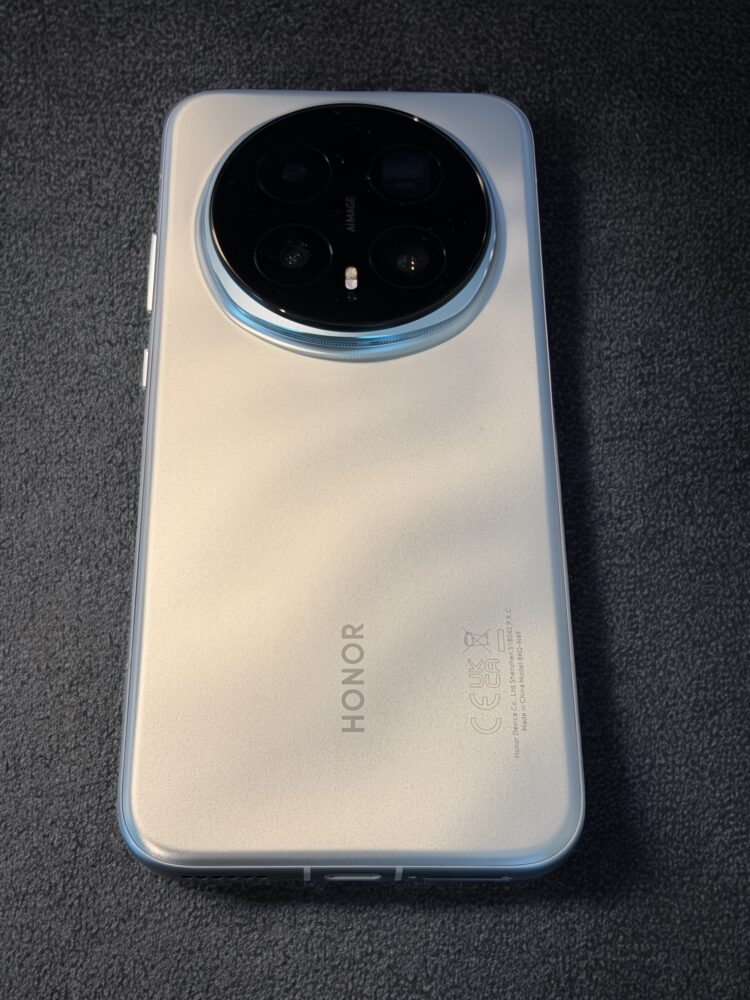
The Honor Magic8 Pro doesn’t look like it was designed to win a Twitter poll. It looks like it was designed to be used. The dimensions are thoughtful, the curves serve your hand instead of a spec sheet, and the overall shape feels cohesive rather than ornamental. At 213 grams, it has presence without bulk, weight without fatigue. This is a phone you can hold for long stretches without constantly shifting your grip like you’re playing ergonomic Tetris.
The matte glass back is one of the most underrated design decisions here. It doesn’t just resist fingerprints — it changes how you interact with the phone. There’s a quiet confidence in how it sits in your hand, a subtle resistance that keeps it from feeling like it’s plotting an escape the moment you loosen your grip. It feels durable, grounded, and oddly calming.
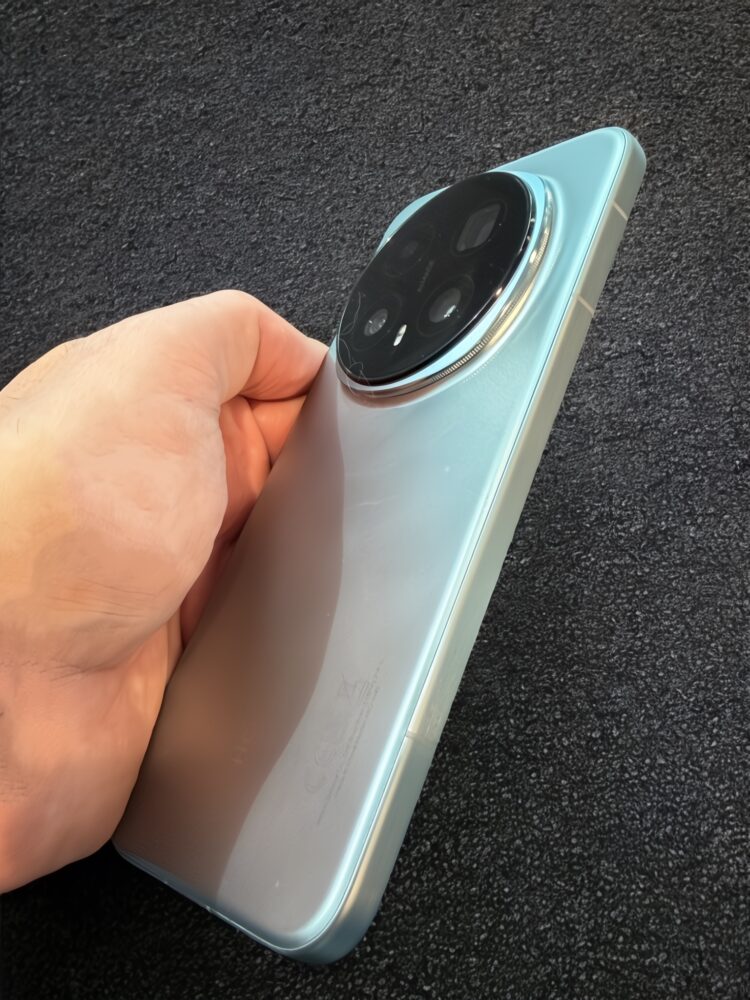
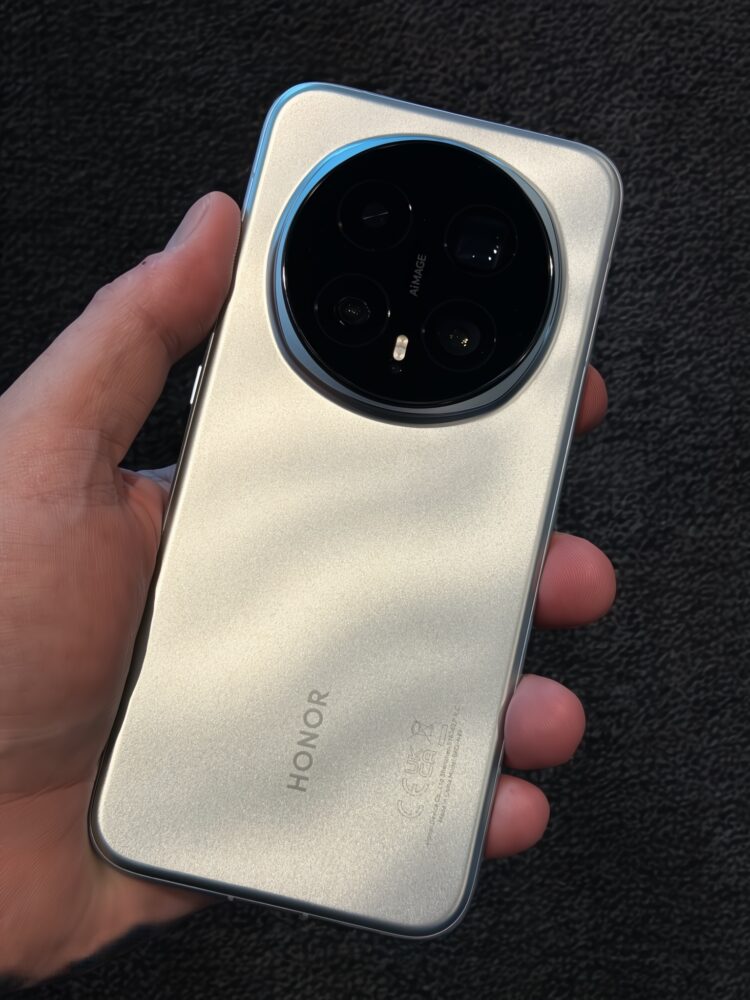
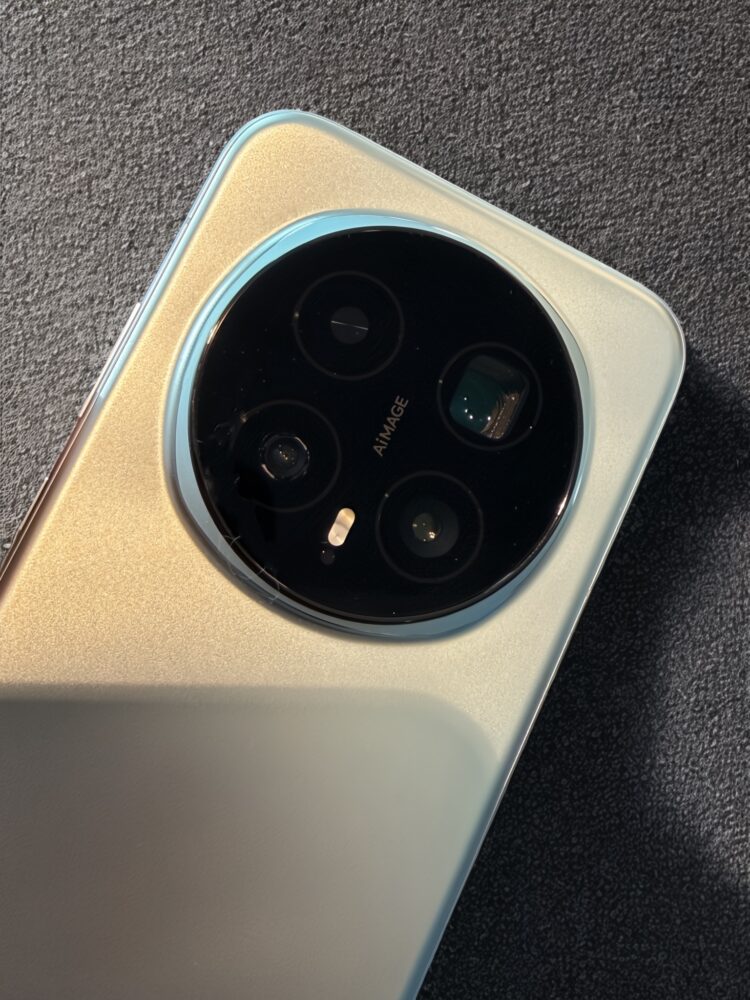
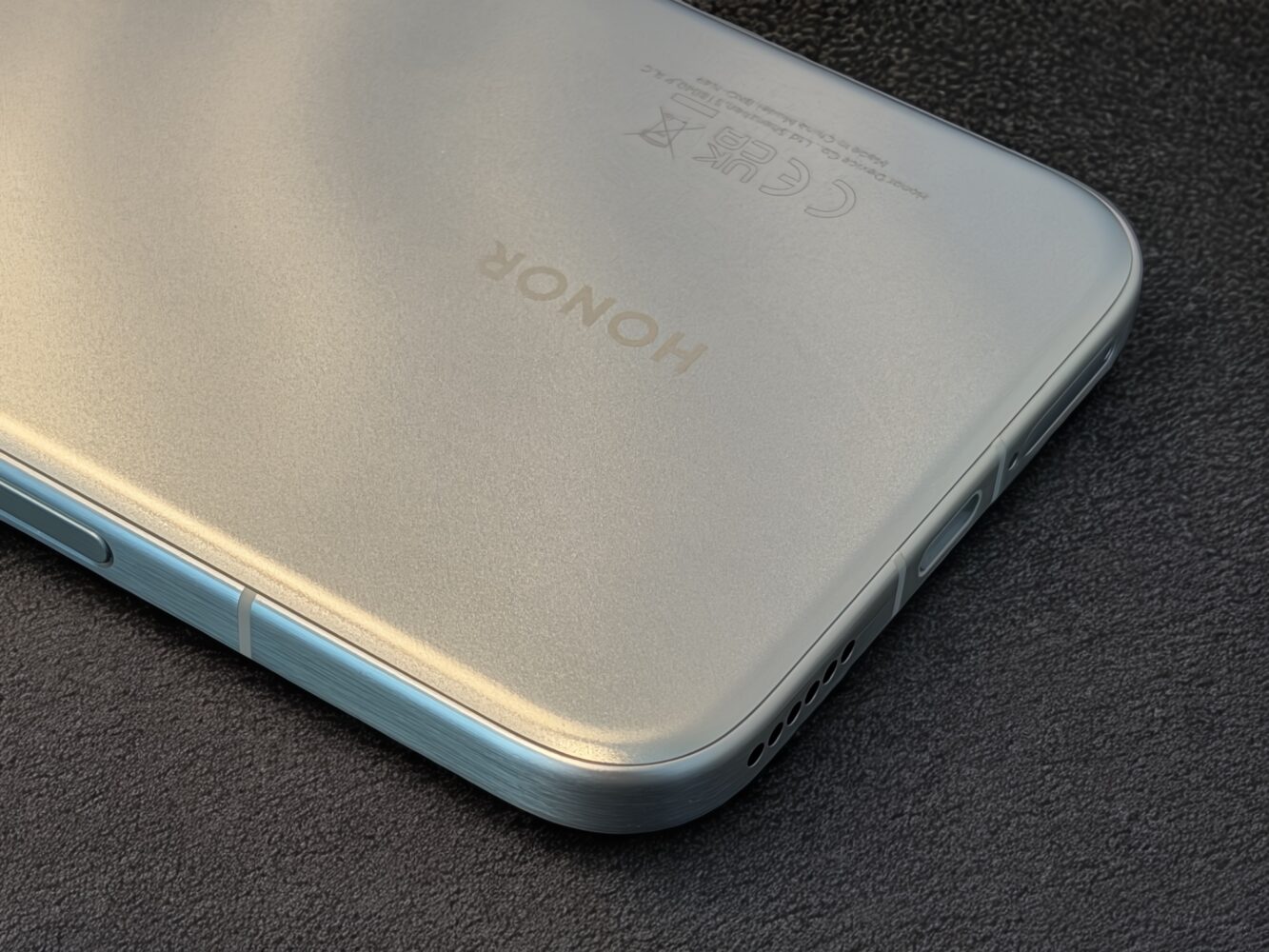
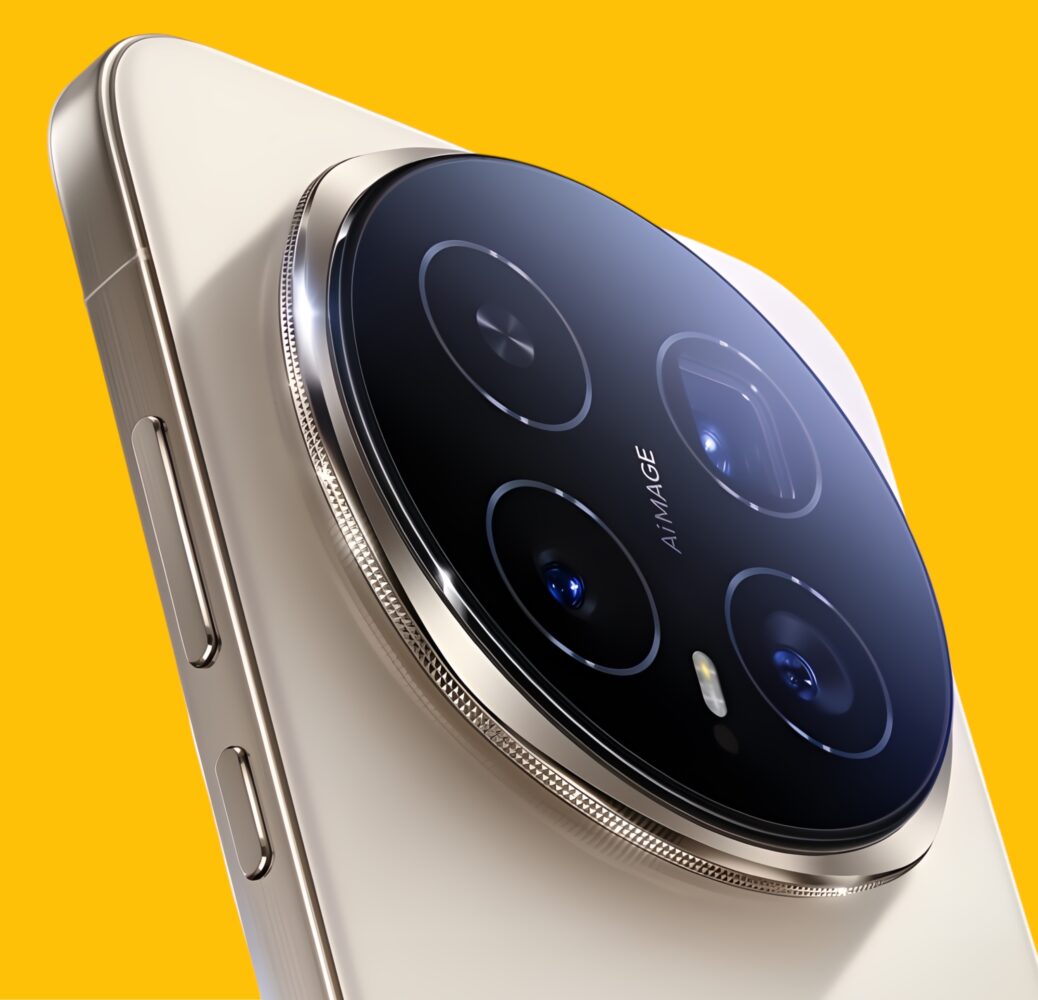
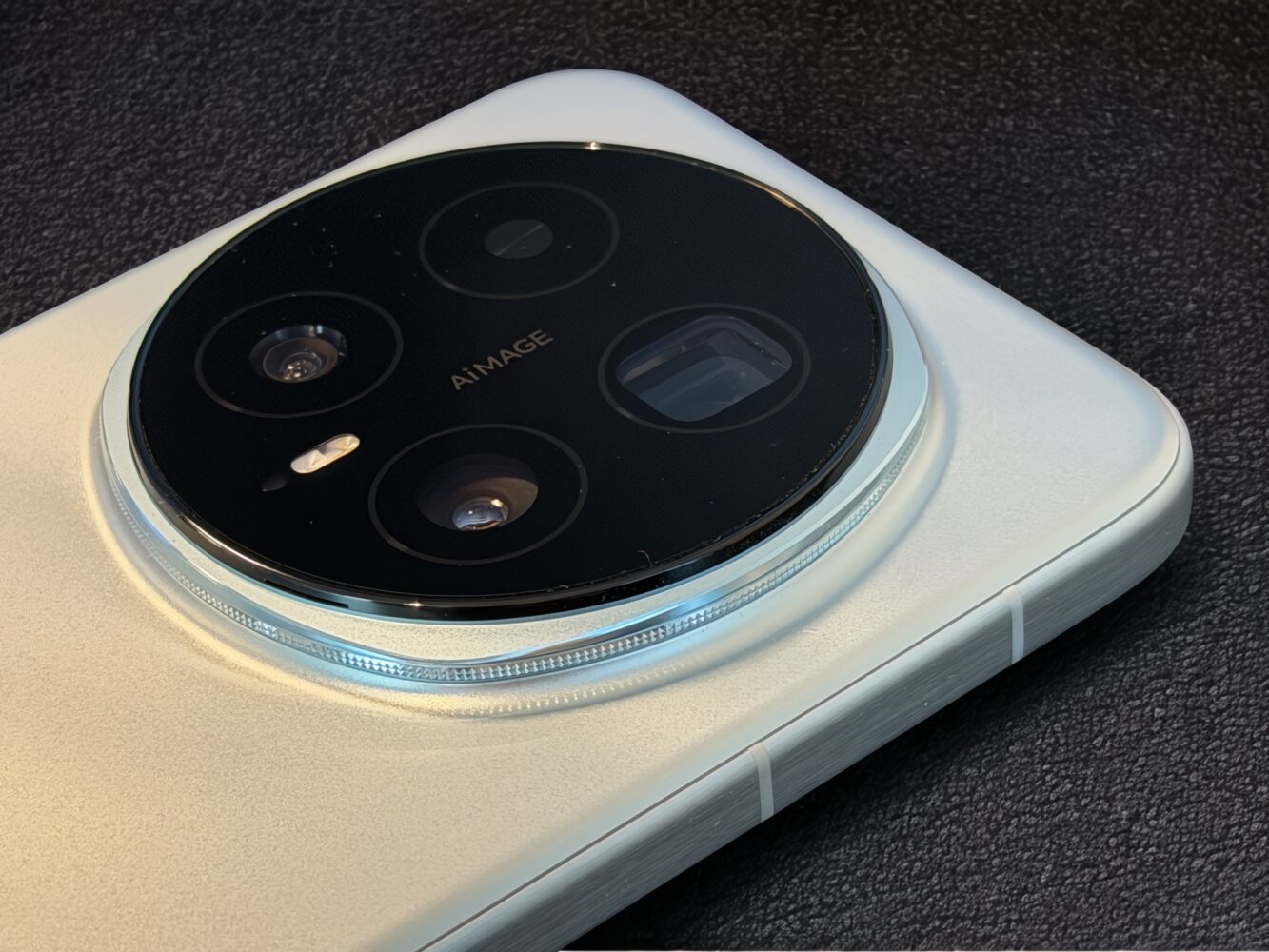
The circular camera module is large, unapologetic, and refreshingly honest. Honor isn’t pretending this phone has a “hidden” camera system. This is a photography-forward device, and the design owns that identity without turning it into a gimmick. On a table, the phone stays relatively stable. In the pocket, the bump is noticeable but never intrusive.
Durability is where the Magic8 Pro quietly flexes. Between IP68, IP69, and IP69K ratings and SGS 5-star drop resistance, this phone feels ready for real environments — rain, dust, accidental drops, clumsy moments. I stopped treating it like a fragile object and started treating it like equipment. That mental shift matters more than most people realize.
The AI Button feels like a callback to a smarter era of hardware design. I assigned it to launch the camera instantly, and within days it became reflex. Pull phone. Press button. Shoot. No swipes, no delays, no missed moments. It’s a small physical addition that fundamentally improves how you interact with the device.
Display — A Screen Designed for Long-Term Living
The Magic8 Pro’s 6.71-inch OLED display is a technical monster on paper, but its real achievement is restraint. Yes, it hits absurd peak brightness levels. Yes, it supports a 120Hz adaptive refresh rate with LTPO efficiency. Yes, the resolution is sharp enough that you’ll never think about pixels again. But none of that is what makes this screen special.
What makes it special is how comfortable it is to live with.
Honor’s eye comfort technologies aren’t just checkboxes. The 4320Hz PWM dimming, circular polarization, AI defocus, circadian tuning — all of it adds up to a display that doesn’t fight your eyes during long sessions. Late-night reading feels easier. Extended scrolling doesn’t leave that dull ache behind your eyes. It’s the kind of screen you only appreciate after hours of use, not minutes.
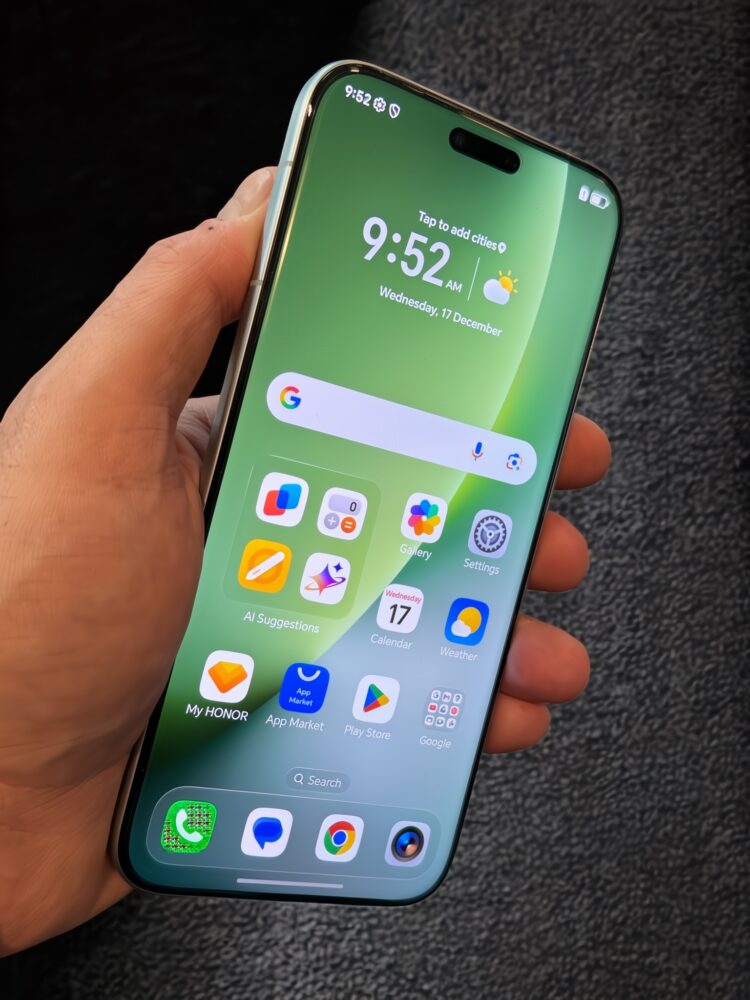
Color calibration leans natural rather than theatrical. Skin tones look believable. Whites stay neutral. Blacks are deep without crushing detail. Watching videos, editing photos, or just reading long articles feels consistent and predictable — which is exactly what a display should be.
For photography, this screen becomes a trustworthy editor. What you see is what you captured. Highlights don’t lie. Shadows don’t exaggerate. That accuracy makes a massive difference when you start relying on the phone as a creative tool instead of a casual shooter.
Performance and Software — Power That Knows When to Shut Up
The Snapdragon 8 Elite Gen 5 inside the Magic8 Pro delivers flagship performance without the usual theatrics. Everything is fast, but nothing feels rushed. Apps open instantly. Multitasking is seamless. Heavy photo processing and AI features run quietly in the background without turning the phone into a pocket furnace.
What impressed me most wasn’t peak performance — it was sustained behavior. Long gaming sessions didn’t trigger noticeable throttling. The phone stayed cool enough to remain comfortable. Performance felt predictable, not spiky. This is power delivered with discipline
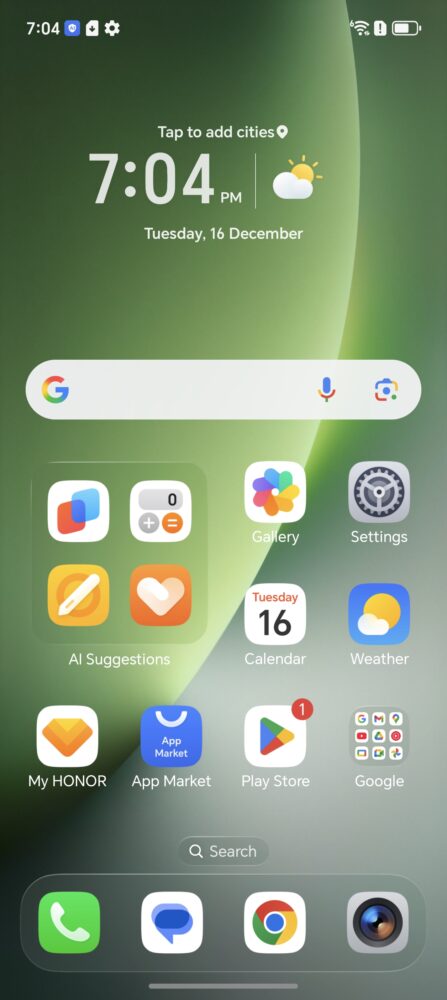
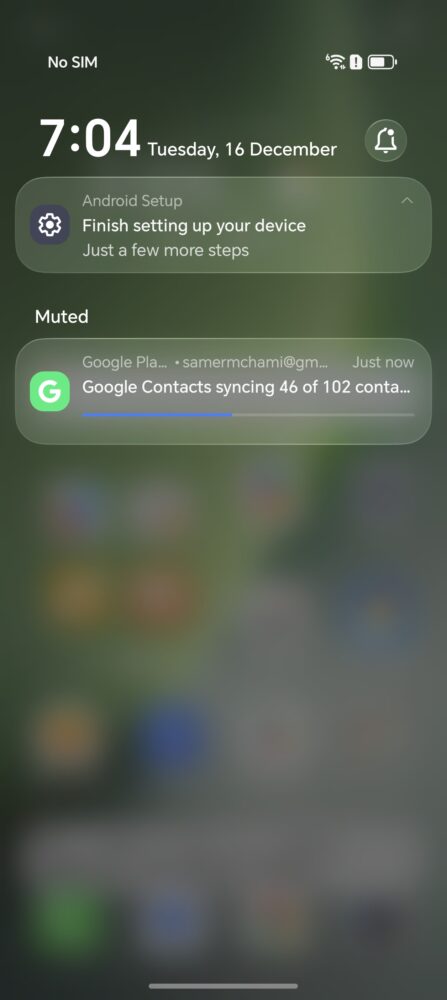
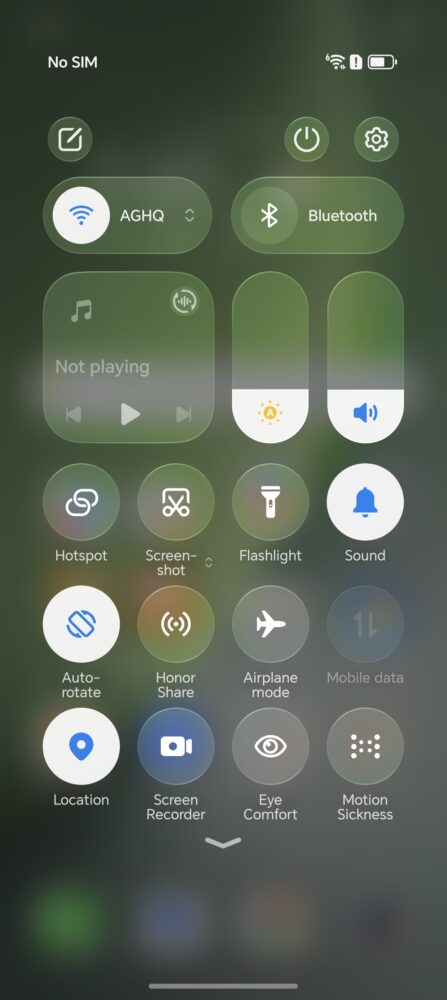
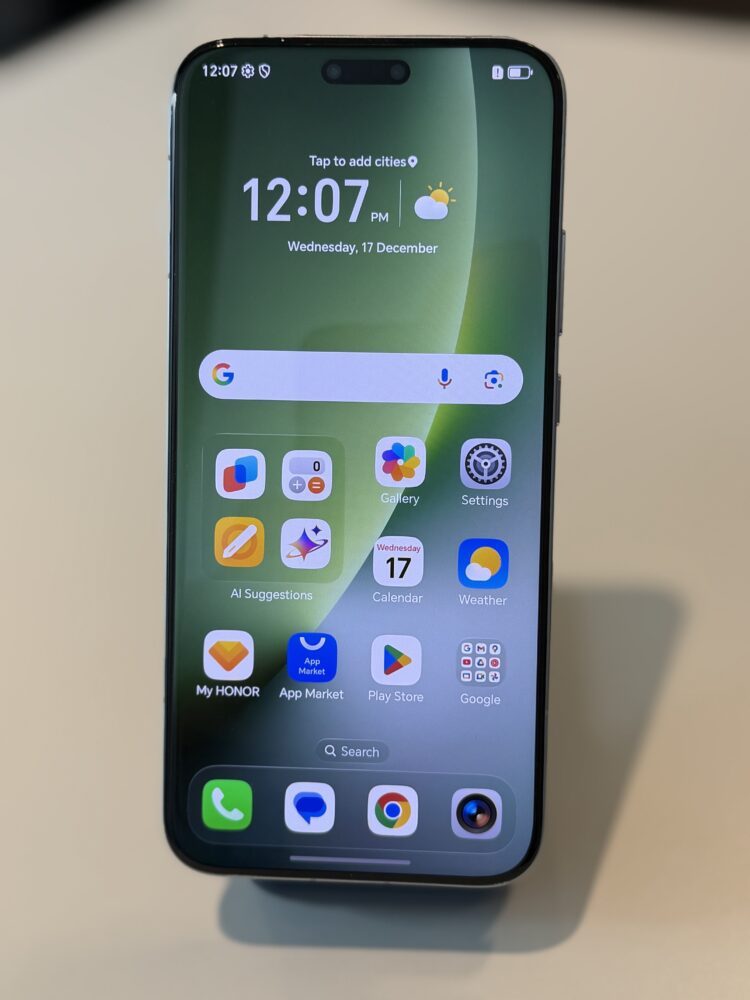
MagicOS 10, built on Android 16, deserves real credit. It’s clean, fluid, and mature. The interface avoids visual clutter, animations feel intentional rather than flashy, and navigation becomes second nature quickly. Honor hasn’t tried to reinvent Android for the sake of differentiation. Instead, it’s refined it, polished the edges, and focused on flow.
AI features are integrated rather than imposed. From smart suggestions to Magic Portal and contextual tools, the system adapts quietly. It feels assistive, not invasive. There’s no sense that the phone is constantly watching you or trying to impress you. It simply responds intelligently when needed.
AI and Daily Intelligence — The Right Kind of Invisible
What surprised me most about living with the Honor Magic8 Pro wasn’t how much AI it has, but how rarely it feels the need to remind you that it’s there. In a market where “AI” often translates to pop-ups, prompts, and features aggressively fighting for your attention, Honor’s approach feels almost rebellious. The Magic8 Pro treats intelligence as infrastructure — something that supports everything quietly, rather than something that demands applause.
Take AI Search, for example. Instead of being a flashy chatbot bolted onto the system, it feels like an evolution of how you already interact with your phone. Searching for documents, settings, photos, or bits of information happens faster and more intuitively, as if the phone understands intent rather than just keywords. You don’t have to change how you think — the system adapts to you, not the other way around.
AI Documents and AI Photos Agent operate with the same philosophy. Scanning, organizing, extracting, and summarizing content happens smoothly in the background, reducing friction instead of introducing new workflows. It’s the kind of functionality that quietly saves you minutes throughout the day — minutes you don’t notice until you realize you’re no longer wrestling with your phone to get basic things done.

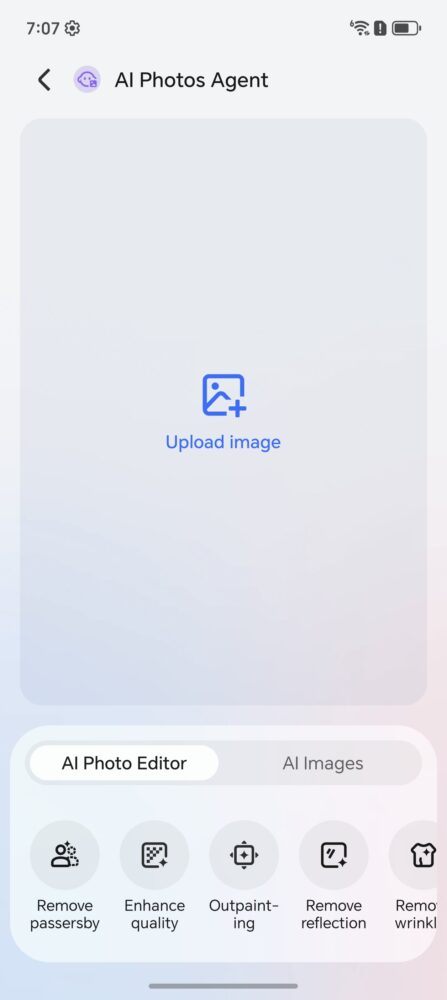
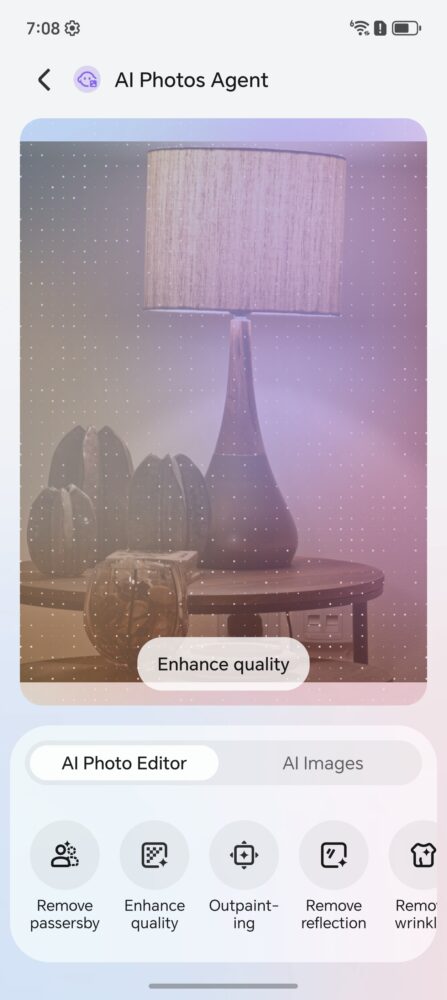
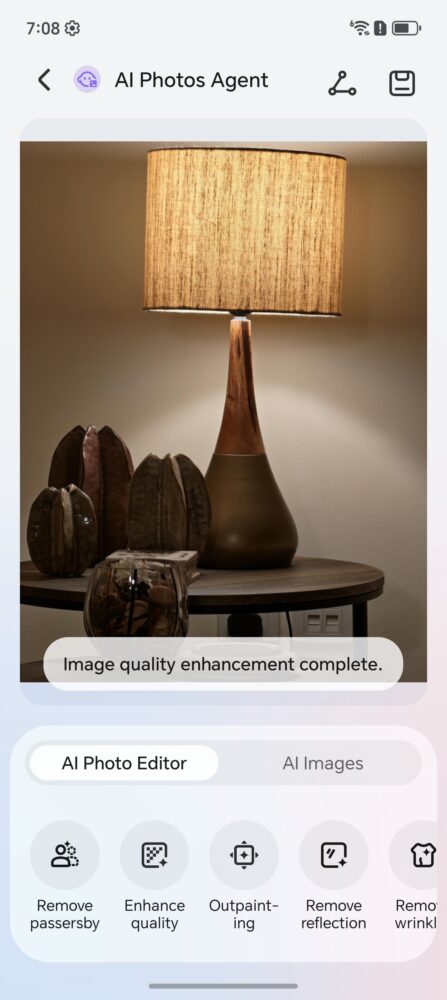
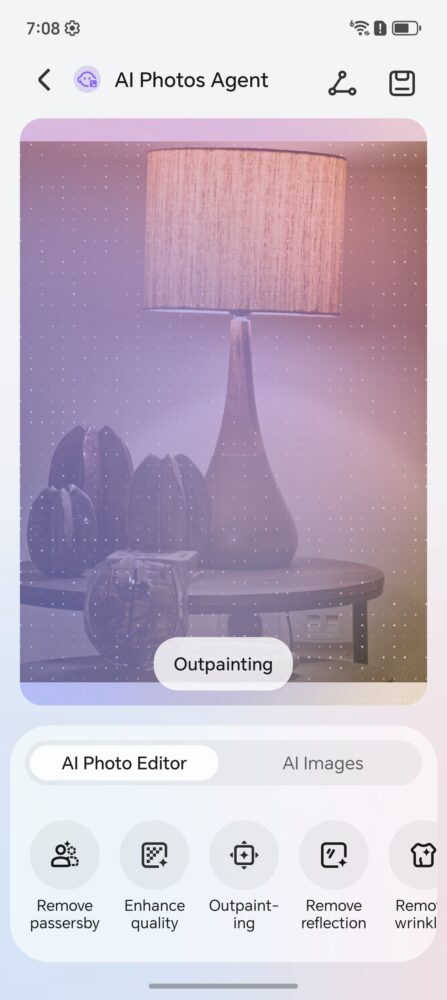
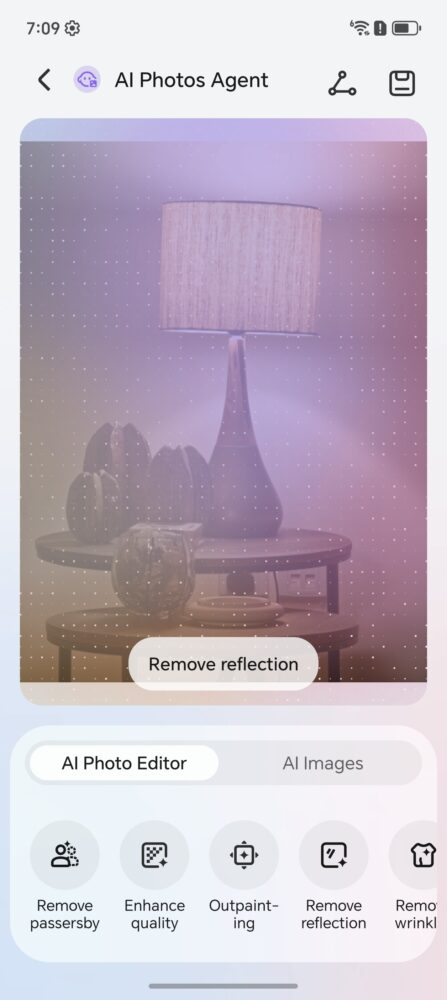
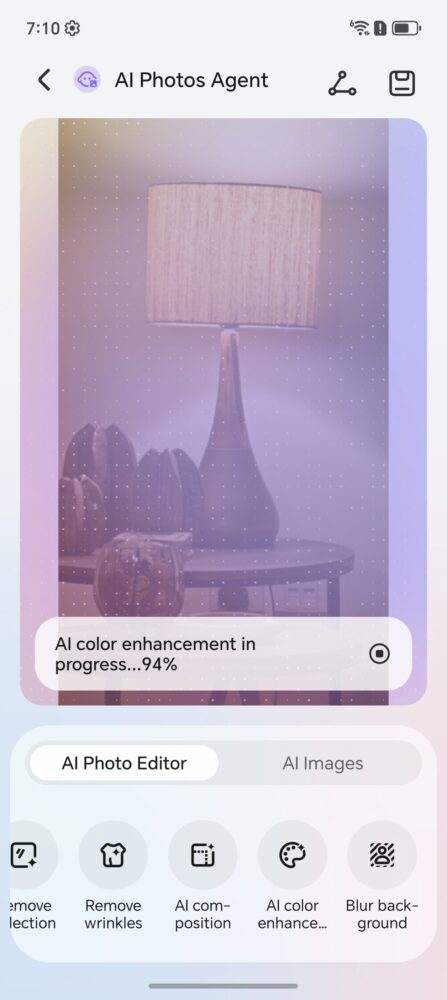
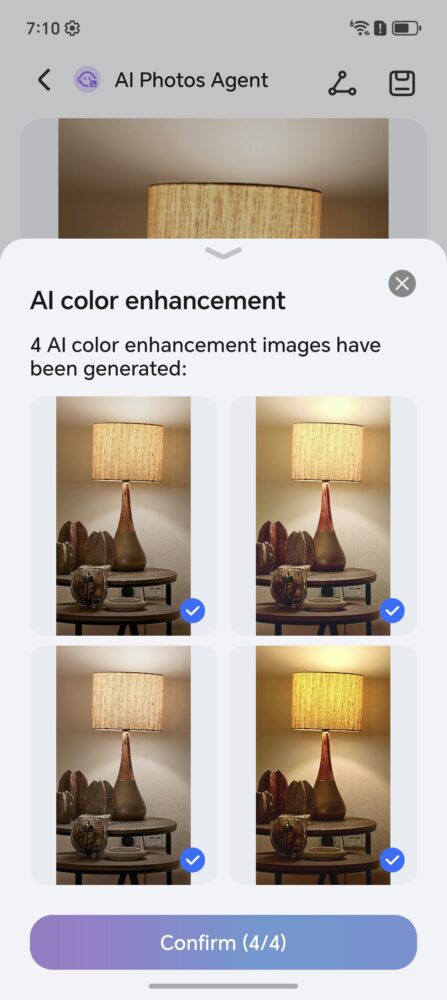
The Magic Sidebar deserves special praise. It’s context-aware in a way that feels genuinely useful, surfacing tools and shortcuts based on what you’re doing instead of what Honor wants to showcase. Editing photos? Relevant options appear. Reading or watching content? Subtitles and smart tools are there without being intrusive. It feels like a thoughtful assistant hovering just out of sight, ready when needed and invisible when not.
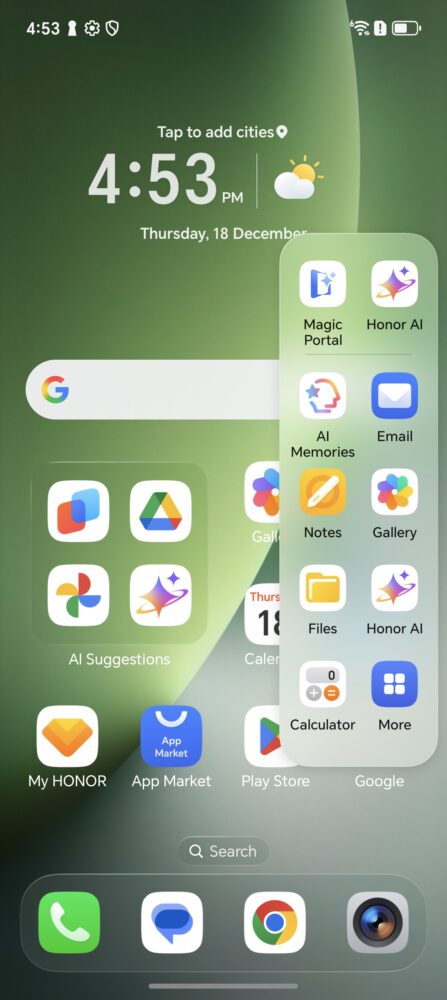
Features like AI Subtitles, AI Memories, and even AI deepfake and voice cloning detection reinforce that sense of maturity. These aren’t flashy demos — they’re safeguards and conveniences built for the reality of how we consume information in 2025. The deepfake detection, in particular, feels quietly important. It doesn’t dramatize the problem or interrupt your experience; it simply adds a layer of awareness and protection that operates calmly in the background.


Battery and Charging — A Phone That Breaks the Anxiety Loop
The 6270mAh silicon-carbon battery changes your relationship with the phone almost immediately. This isn’t a “get through the day if you’re careful” battery. This is a “stop thinking about battery altogether” battery. Even on days heavy with photography, navigation, messaging, and background syncing, I ended nights with comfortable margins.
Honor’s power management is clearly tuned with intention. Standby drain is minimal. Background processes behave themselves. Performance doesn’t feel artificially restricted to preserve battery life. The phone just lasts.
Charging completes the picture. With 100W wired and 80W wireless charging support, even short charging windows matter. Plug it in briefly and you feel the difference. It removes urgency from your day. You stop planning your movements around outlets, which is a subtle but meaningful quality-of-life upgrade.
Camera System — Where the Magic Really Happens
The camera system on the Honor Magic8 Pro doesn’t feel like it was built to win a spec-sheet war. It feels like it was built by people who spent a long time actually shooting photos, getting frustrated, going back to the lab, and trying again. There’s a sense of restraint here — not because the hardware isn’t ambitious, but because the ambition is controlled. The combination of a 50MP Ultra Night main camera, 50MP ultra-wide, and a 200MP AI Ultra Night telephoto doesn’t exist to overwhelm you with options. It exists to make you confident that whatever moment you’re trying to capture, the phone will understand it.
In daylight, the Magic8 Pro is calm and dependable. The main camera produces images that feel grounded in reality rather than tuned for social media shock value. Colors lean slightly warm, but never cross into exaggeration. Blues don’t scream, greens don’t glow unnaturally, and skin tones remain believable across different lighting conditions. Dynamic range is handled with maturity — bright skies retain texture, highlights don’t clip aggressively, and shadows preserve depth without turning muddy. This is the kind of camera that rewards quick, instinctive shooting. You don’t need to double-check every frame because the results are consistently trustworthy.
The ultra-wide camera follows the same philosophy. Instead of acting like a compromised secondary lens, it maintains color consistency with the main sensor and avoids the heavy distortion that often plagues wide-angle smartphone shots. Edge sharpness holds up well, making it genuinely useful for landscapes, architecture, and group photos rather than something you tolerate only when necessary. Even macro-style close-ups, enabled by its short focusing distance, feel sharp and purposeful instead of gimmicky.



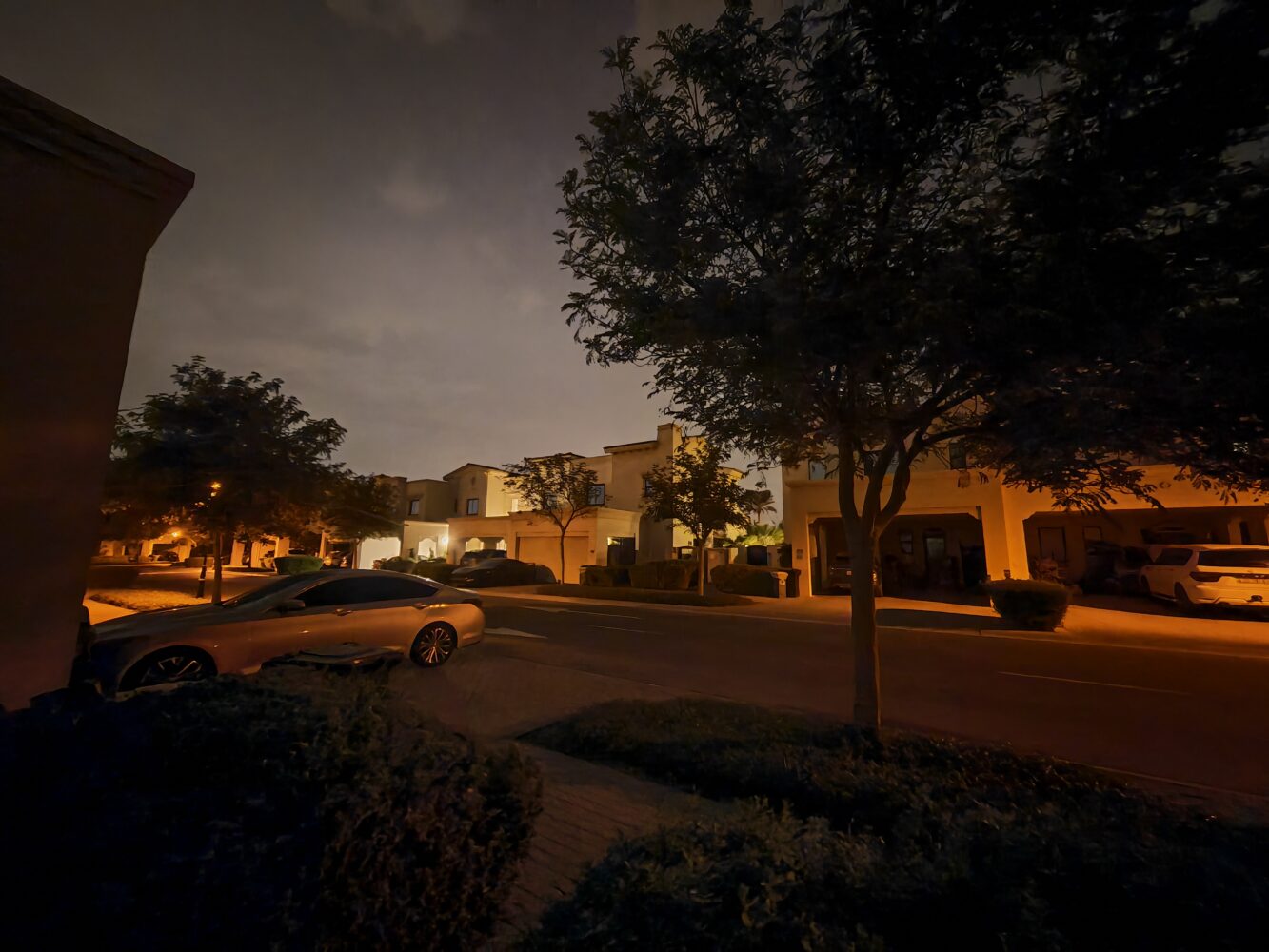
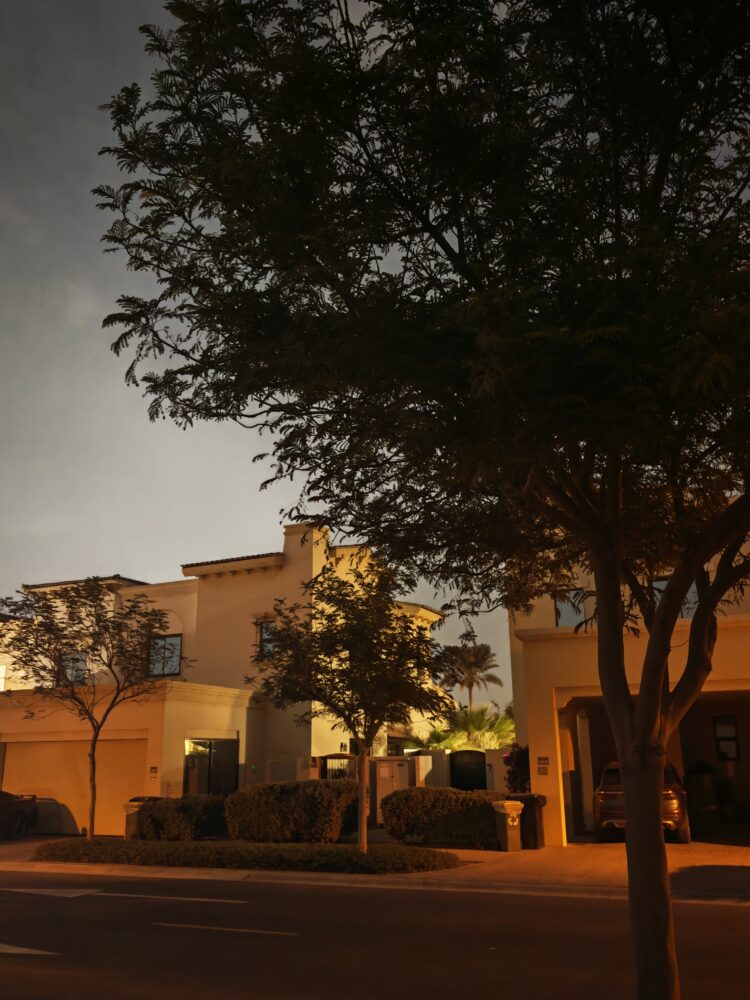
Where the Magic8 Pro truly finds its voice, though, is after sunset. Low-light photography is the core of this camera system’s identity, and it shows. Honor’s AI Ultra Night approach doesn’t try to erase darkness or turn night into artificial daylight. Instead, it respects contrast and atmosphere. Streetlights stay warm instead of blowing out into white orbs. Shadows remain present rather than being aggressively lifted into noise. The mood of a scene — the quiet, the tension, the glow — is preserved.
This is where the AI earns its keep. Processing happens decisively but subtly. Details are enhanced without being scrubbed of texture. Noise reduction doesn’t smother fine elements like brickwork or foliage. Night photos feel alive, not flattened. You can sense that the phone understands that darkness is part of the story, not a flaw to be corrected.
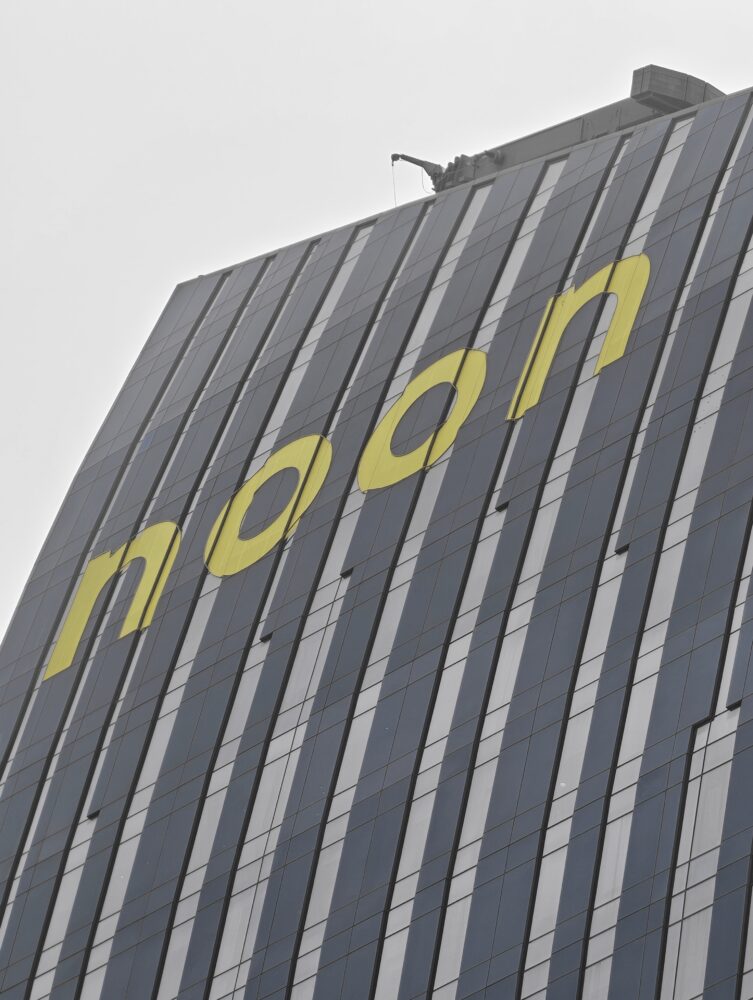
The 200MP AI Ultra Night telephoto camera is the undeniable star of the system. With 3.7x optical zoom, optical image stabilization, and professional-grade stabilization working together, it opens creative doors that most smartphones simply can’t. At optical and mid-range zoom levels, results are shockingly clean. Details remain intact, edges stay defined, and noise is kept under control even in challenging lighting. Shooting distant city details, signage, architectural elements, or candid moments feels natural rather than risky.
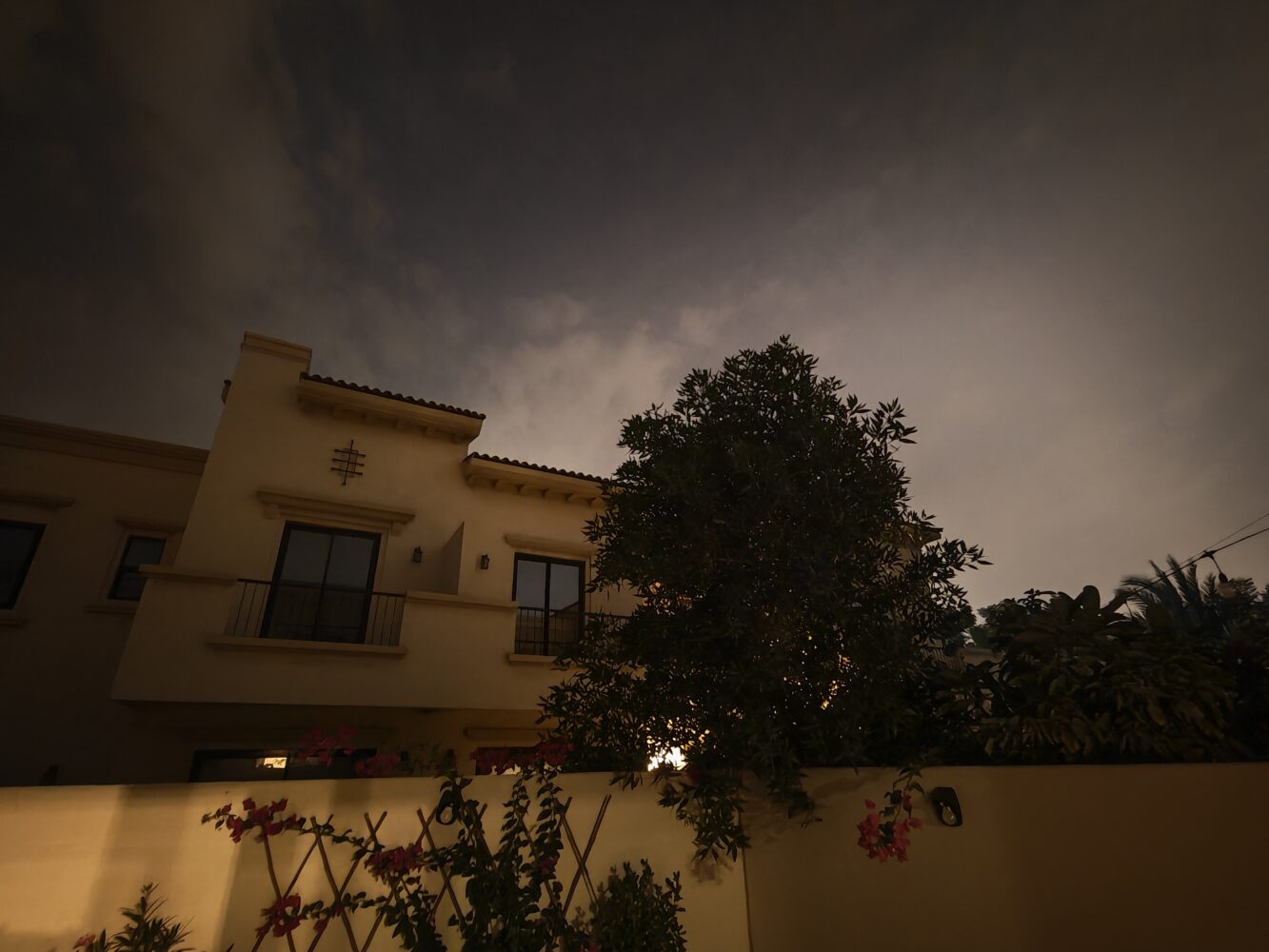




Push past optical zoom and AI Super Zoom takes over, and this is where Honor’s processing discipline really shines. While extreme zoom will never replace dedicated optics, the Magic8 Pro delivers images that remain genuinely usable. Text stays readable. Structures don’t dissolve into abstract smears. You’re not just technically capturing the shot — you’re capturing something you’d actually want to keep.





Portrait photography benefits enormously from this telephoto-first approach. Using the longer focal length adds natural compression, giving portraits depth and separation that wide lenses struggle to replicate. Background blur feels organic rather than algorithmic. Edge detection around hair, glasses, and shoulders is confident. Skin tones remain human — textured, expressive, and free from the over-smoothing that turns faces into wax figures. Faces look like people, not avatars.

On the software side, the AI editing tools round out the experience in a way that feels genuinely practical. AI Eraserremoves distractions cleanly without leaving obvious scars. AI Upscale helps rescue cropped or older images without turning them into watercolor paintings. AI Color and intelligent adjustments allow for quick refinements that feel intentional rather than destructive. These tools integrate seamlessly into the workflow, encouraging light editing rather than forcing you into over-processing.
What ties the entire camera system together is trust. Trust that the phone will handle difficult lighting. Trust that zoom won’t fall apart. Trust that portraits will look like people you recognize. The Honor Magic8 Pro doesn’t just take impressive photos — it removes hesitation. And once that hesitation is gone, you start shooting more, experimenting more, and capturing moments you might have otherwise missed.
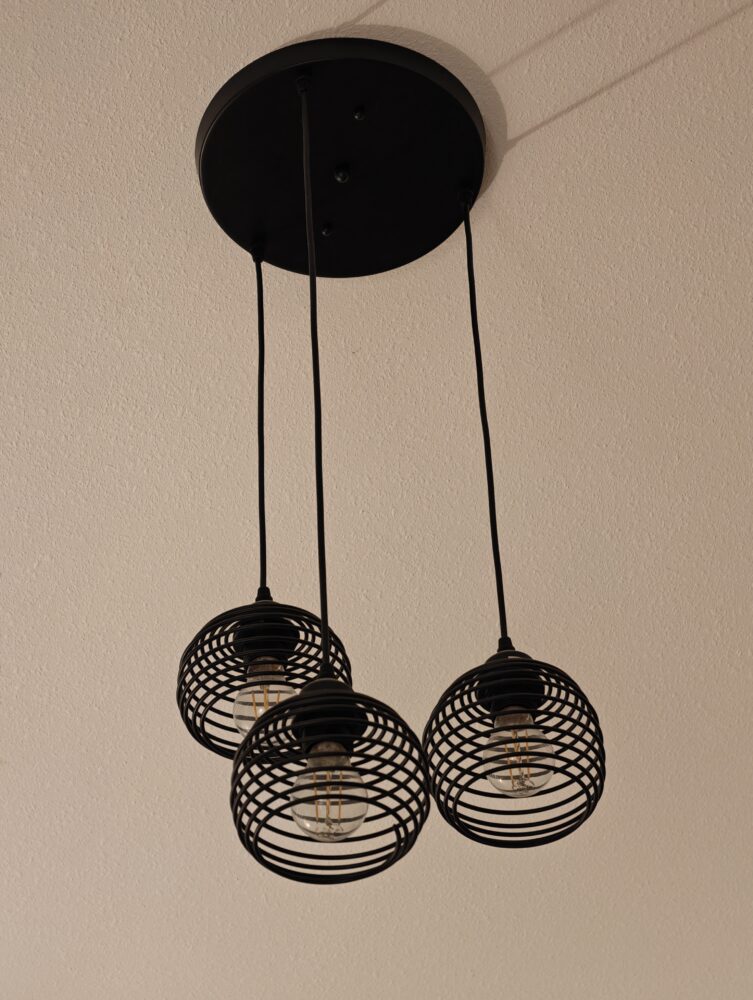
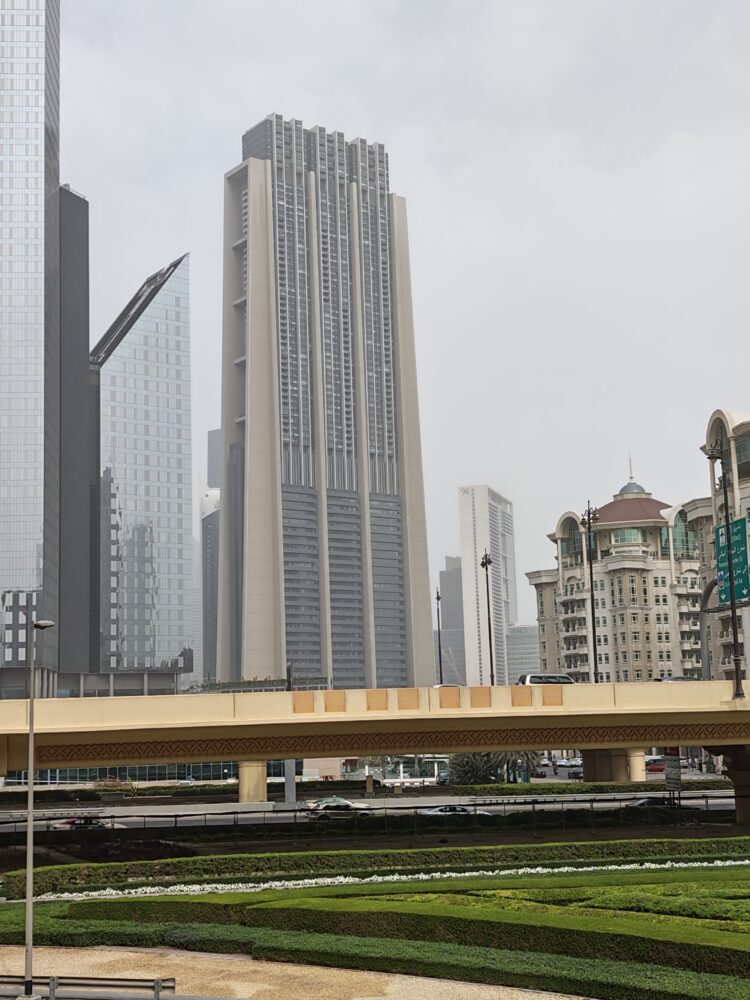
More photos shot on the Honor Magic8 Pro







Verdict
The Honor Magic8 Pro is a flagship for people who are tired of being impressed and just want something they can trust. It excels not through spectacle, but through consistency, reliability, and thoughtful design. The camera system — especially at night and at distance — is genuinely excellent, but it’s the total experience that elevates this phone.