
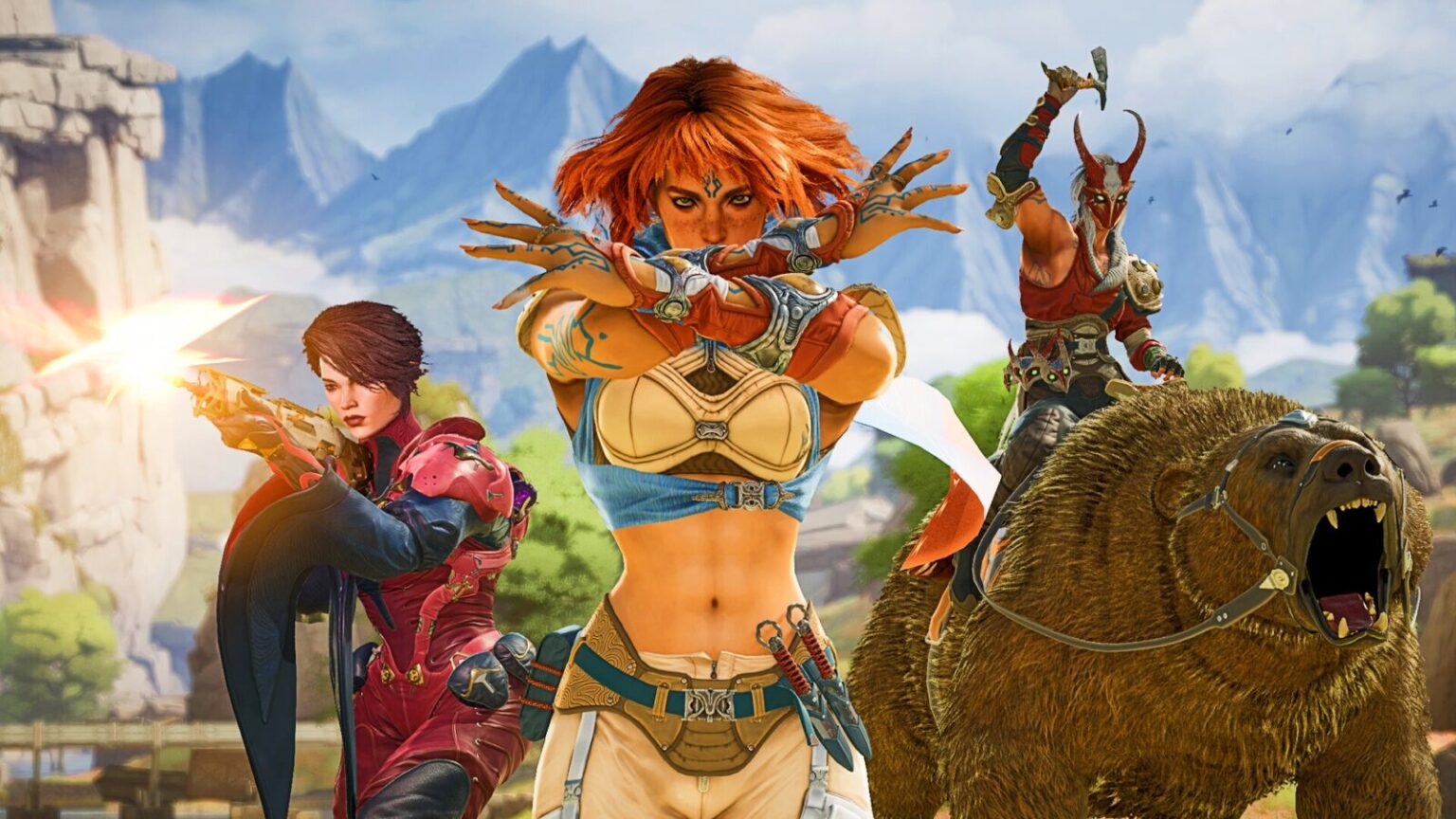
TL;DR: Highguard looked forgettable at first glance, but hands-on time reveals a sharp, exciting FPS built around a genuinely compelling siege-based mode. Early days, but surprisingly promising.
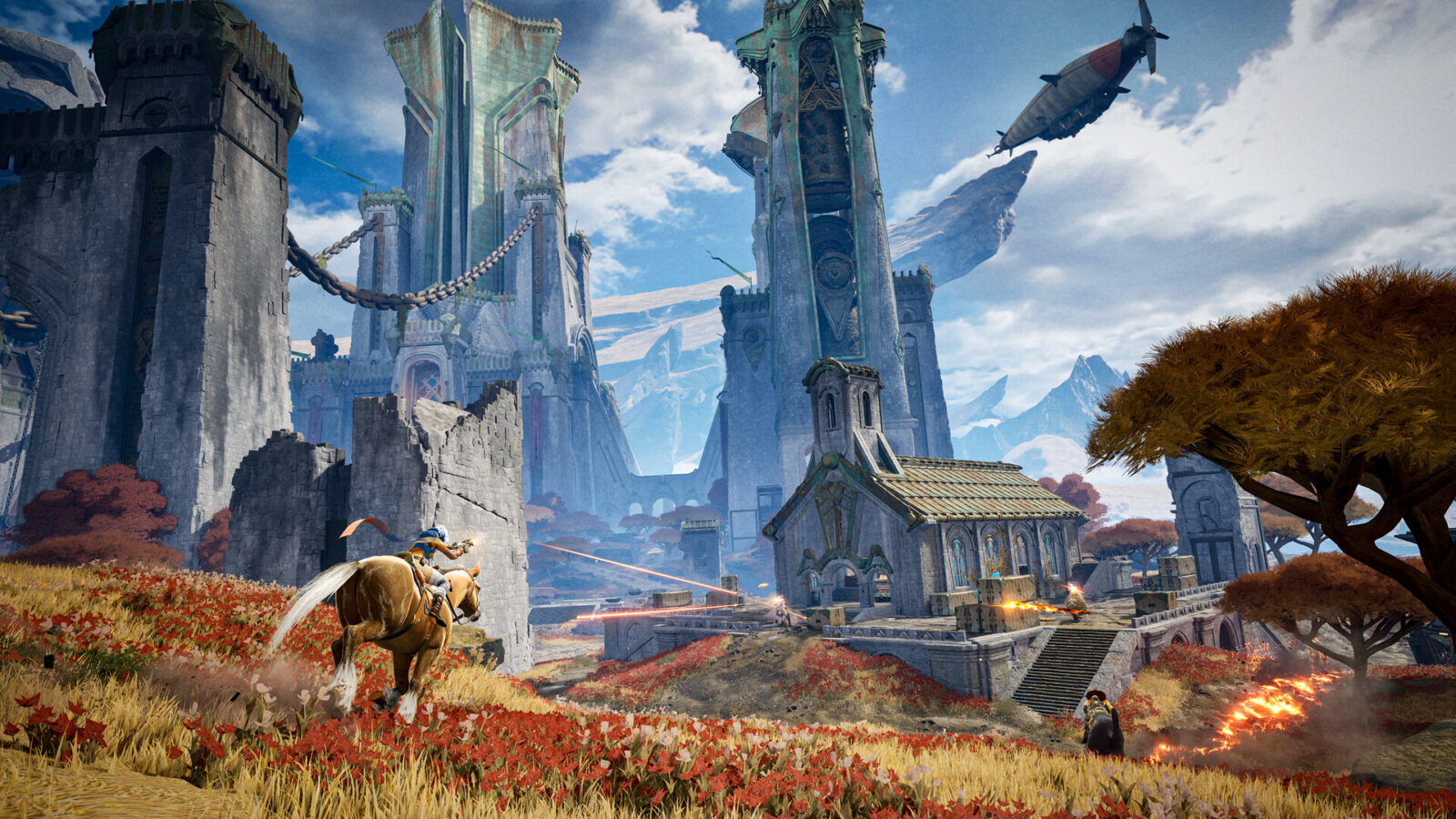
I’ll be honest: when Highguard first popped up during The Game Awards, I mentally filed it away under “another hero shooter I’ll forget by tomorrow.” Flashy trailer, indistinct characters, lots of yelling, lots of particle effects. I’ve been around this block enough times to know how that story usually ends. But then I actually played it, controller in hand, headphones on, and five hours later I found myself doing something I didn’t expect at all: thinking about Highguard after I stopped playing it.
This is very much a “review so far,” because that distinction matters. I haven’t lived with Highguard long enough to know whether it’s destined to be a mainstay or just another live-service flameout. What I do know is that moment-to-moment, it feels sharp, confident, and—most importantly—different in ways that aren’t superficial.
Highguard wears its influences proudly. You can feel the DNA of modern competitive shooters all over it, from the hero-based abilities to the streamlined loot progression. But where most games in this space blur together, Highguard plants its flag in one specific idea and builds everything around it: Raid Mode. This isn’t just another objective variant slapped onto a familiar formula. It’s the game’s entire identity, and it’s shockingly well thought out.
Raid Mode drops two teams of three into a condensed cycle of preparation, escalation, and all-out chaos. The phased structure sounds rigid on paper, but in practice it’s liberating. There’s a rhythm to each match that keeps everyone aligned, always working toward the same goal instead of scattering into side objectives. Early on, you’re reinforcing your base, choosing loadouts, getting your bearings. Then comes the looting phase, which feels like the calm before a storm. And when the Shieldbreaker sword enters the picture, all pretense of peace evaporates.
That Intercept phase is where Highguard really shows its teeth. Suddenly, the map tightens, tensions spike, and gunfights erupt with real stakes attached. Whoever secures the Shieldbreaker earns the right to launch a full-on siege, tearing down enemy defenses and storming their base in a gloriously messy assault that feels more like a medieval battle than a standard FPS match. When the Raid phase kicks off, Highguard transforms into something special—explosions rattling walls, abilities colliding, ziplines cutting new attack routes through the air. It’s loud, frantic, and deeply satisfying.
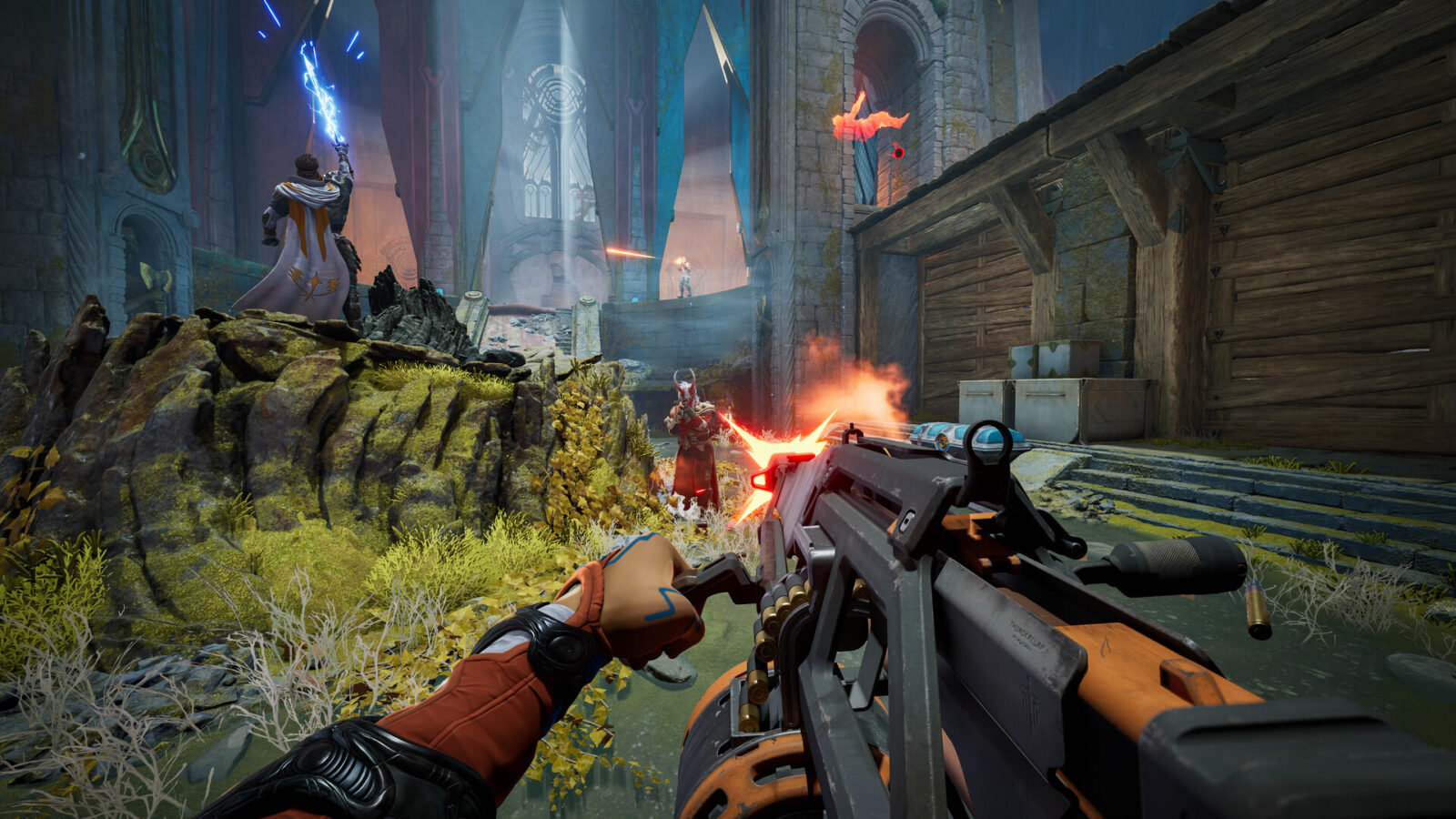
What makes all of this sing is the gunplay. There’s no mystery here why it feels so good. Wildlight Entertainment is staffed with developers who cut their teeth on games like Titanfall 2 and Apex Legends, and that pedigree is obvious the second you start sliding into firefights. Weapons snap, recoil feels readable, and movement flows naturally without turning into an acrobatic circus. The arsenal is intentionally small—one weapon per category—but that restraint pays off. Every gun has a purpose, a personality, and enough tuning under the hood that even minor rarity upgrades meaningfully change how they behave.
That said, the loot system itself feels like an area that could use refinement. Progression is capped in a way that keeps both teams on relatively even footing throughout a match, which is good for balance but dampens the thrill of discovery. I never quite had that “oh damn” moment of finding something my opponents weren’t ready for. Everything escalates together, evenly, predictably. It’s fair, but fairness isn’t always exciting. I’d love to see future iterations reward clever play or efficient looting with more distinct power spikes.
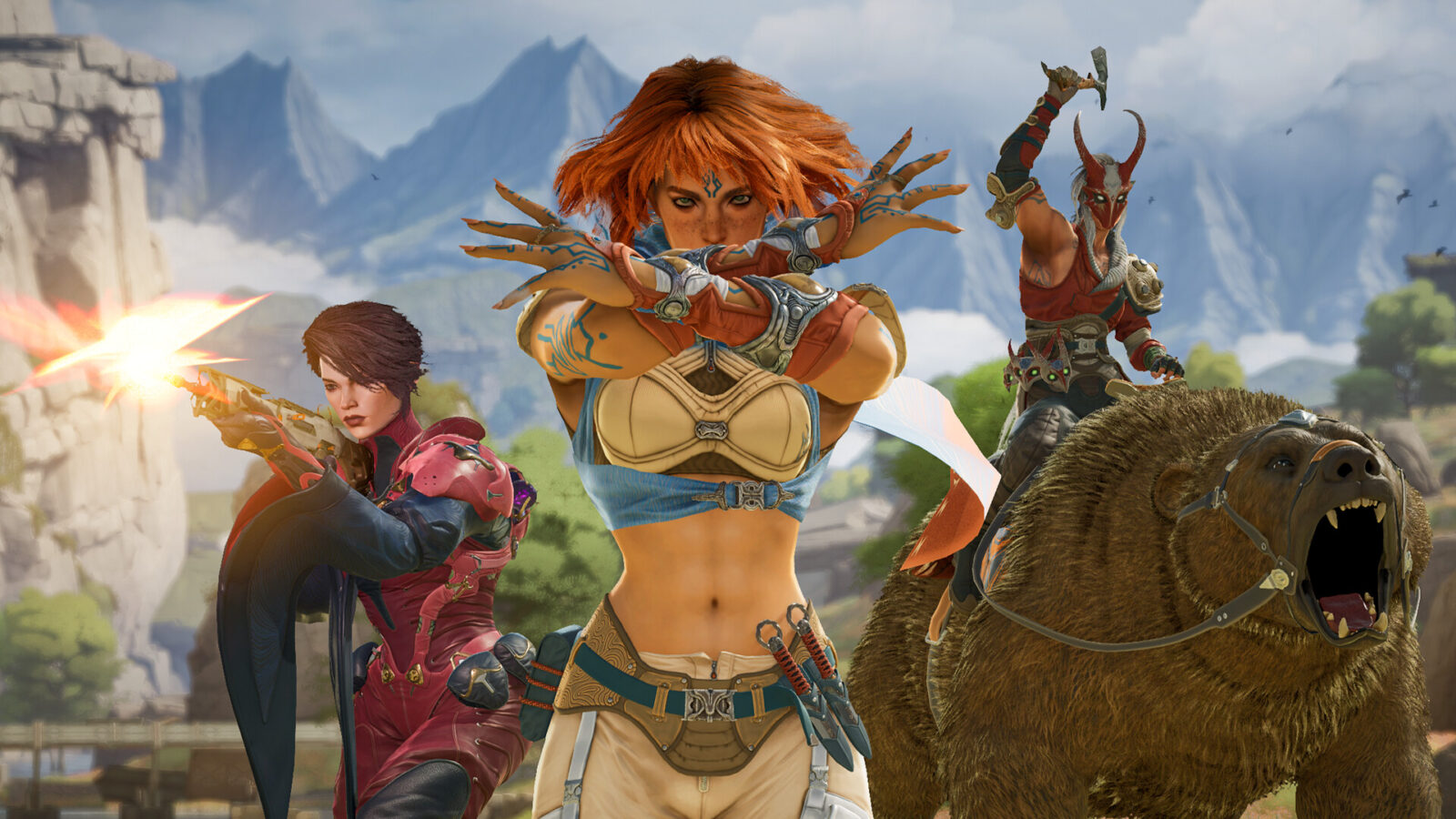
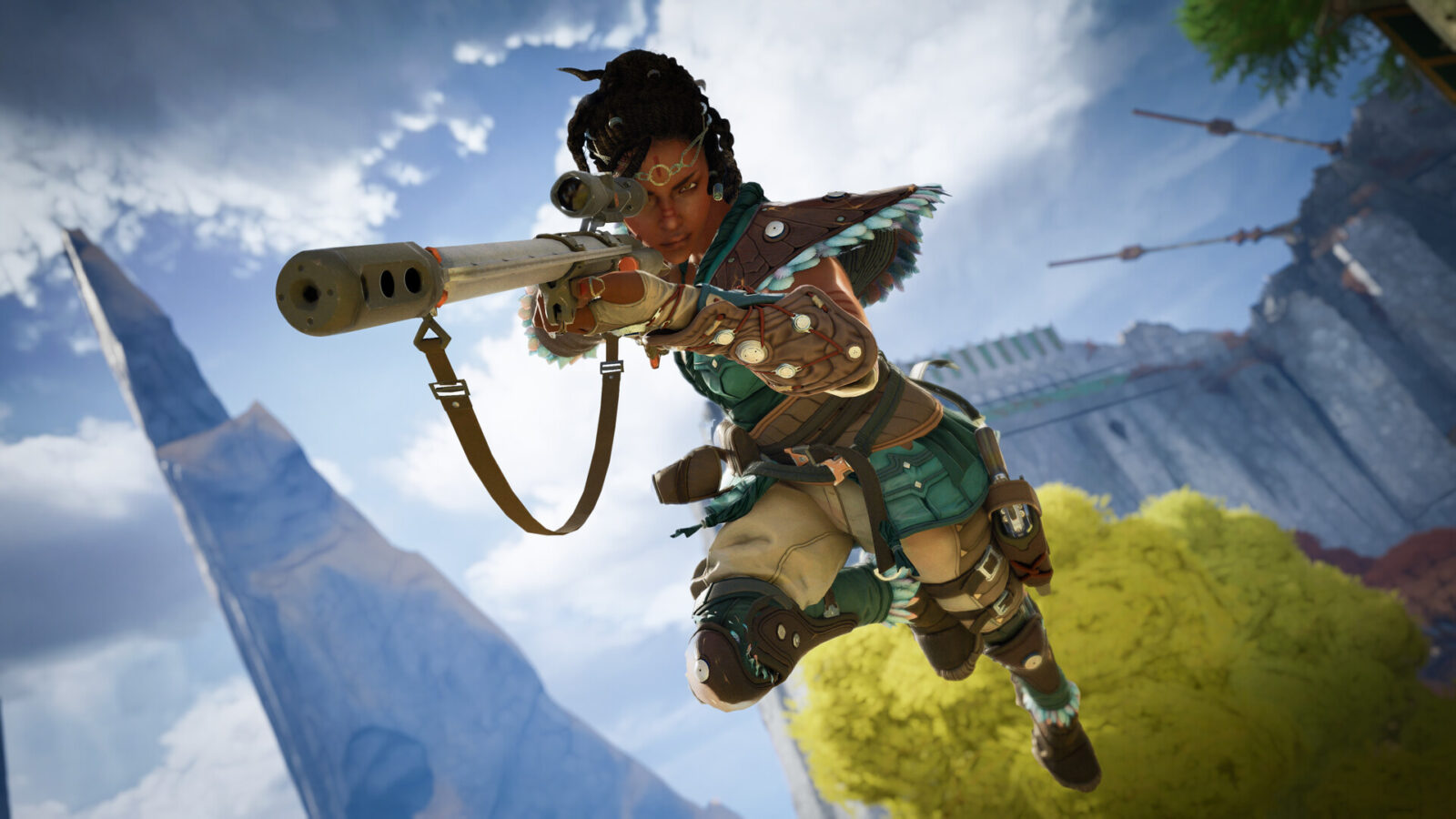
The Wardens—the game’s playable characters—won’t surprise anyone familiar with the genre, but they don’t need to. Each one leans into a clear fantasy, whether it’s aerial lightning DPS or ice-based area control, and their abilities are readable without feeling boring. What surprised me was how quickly I wanted to try everyone. Seeing an enemy Warden reshape the battlefield with a single well-timed ability was enough to make me queue up again just to see how it felt from the other side.
Base design deserves special praise. Choosing your fortress at the start of a match feels meaningful, not cosmetic. Each base carries inherent strengths and vulnerabilities, shaping how raids unfold and how defenders respond. Storming a lava-ringed stronghold with brutal choke points feels completely different from navigating a layered den full of ambush opportunities. Attacking is thrilling, but defending might be even better. There’s something uniquely stressful about holding your ground, reinforcing walls, and watching invaders desperately try to force their way inside. Pulling off a successful defense, especially against a coordinated push, feels incredible.
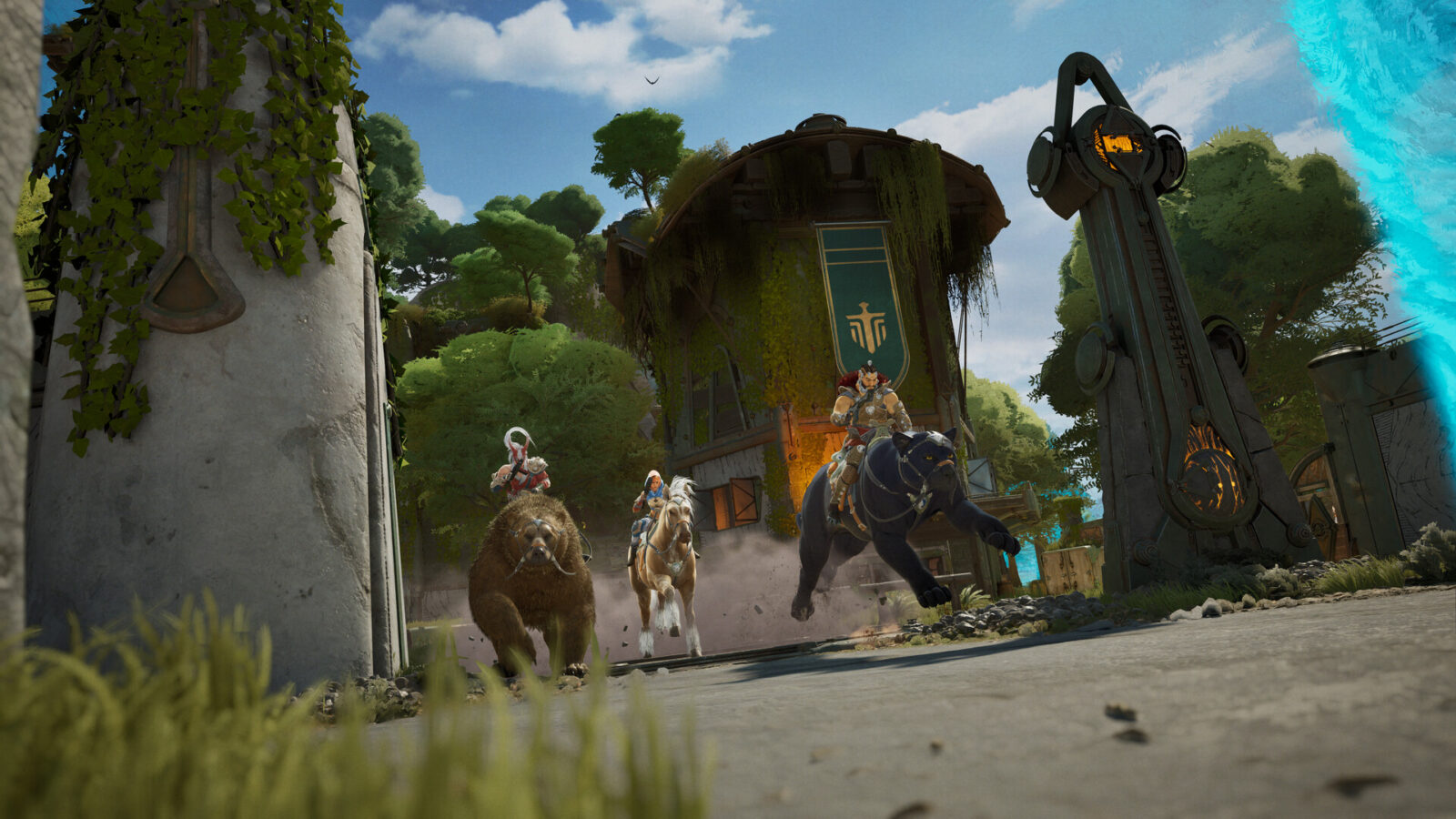
Outside of raids, traversal opens up with mounts, which are less about spectacle and more about utility. They keep exploration brisk and introduce risk-reward decisions during Shieldbreaker chases, where mobility can win matches but also paint a giant target on your back. It’s smart design, even if it hasn’t fully shown all its tricks yet.
One thing that does feel conspicuously absent is PvE content. The exploration phases are eerily empty, with no AI enemies or environmental threats to engage with. Everything funnels back toward PvP, which keeps matches focused but leaves a bit of dead air early on. Supply drops help, but I can’t shake the feeling that this space could support more dynamic encounters down the line.
Perhaps the most encouraging sign is how clearly Highguard is being built with the long game in mind. The published roadmap is ambitious to the point of being slightly terrifying, promising new characters, bases, maps, and weapons at a steady clip. I’ve been burned by roadmaps before, so I’m cautious, but it’s hard not to be impressed by how much Wildlight seems to understand the demands of a modern live-service shooter.
After five hours, Highguard feels confident in a way its reveal trailer never conveyed. It’s polished, focused, and anchored by a genuinely fresh mode that gives it a real shot at standing out in an overcrowded genre. Whether it can sustain that momentum is an open question—but for the first time in a while, I’m actually excited to find out.
Verdict so far:
Highguard has made a far stronger first impression in my hands than it ever did on stage. Its Raid Mode is a standout concept backed by excellent gunplay and smart pacing, even if some systems still feel conservative or underdeveloped. It’s too early to crown it a long-term success, but what’s here so far suggests a shooter with real identity and real potential.