
TL;DR: A smart, stylish roguelite with incredible combat puzzles, a weak story, and a precision-heavy difficulty curve that can frustrate, but ultimately delivers rewarding, martial arts-inspired mastery.
Forestrike
Forestrike is one of those games that sneaks up on you. Not in the sense that it stalks you from the shadows or jumps from behind a dojo door, but in the way it slowly rewires your brain until you’re running imaginary fight scenarios while waiting for water to boil. I’ve played a lot of roguelites over the years, and I’ve fallen into more than my fair share of training-mode wormholes, but something about Forestrike’s plan-first-execute-later rhythm taps directly into the part of me that spent childhood afternoons trying to replicate Jackie Chan stunts with absolutely no business doing so. It sells the fantasy of martial arts mastery not by giving you the biggest moves or the fanciest power-ups, but by forcing you to become the kind of player who sees two beats into the future and hopes the universe keeps up.
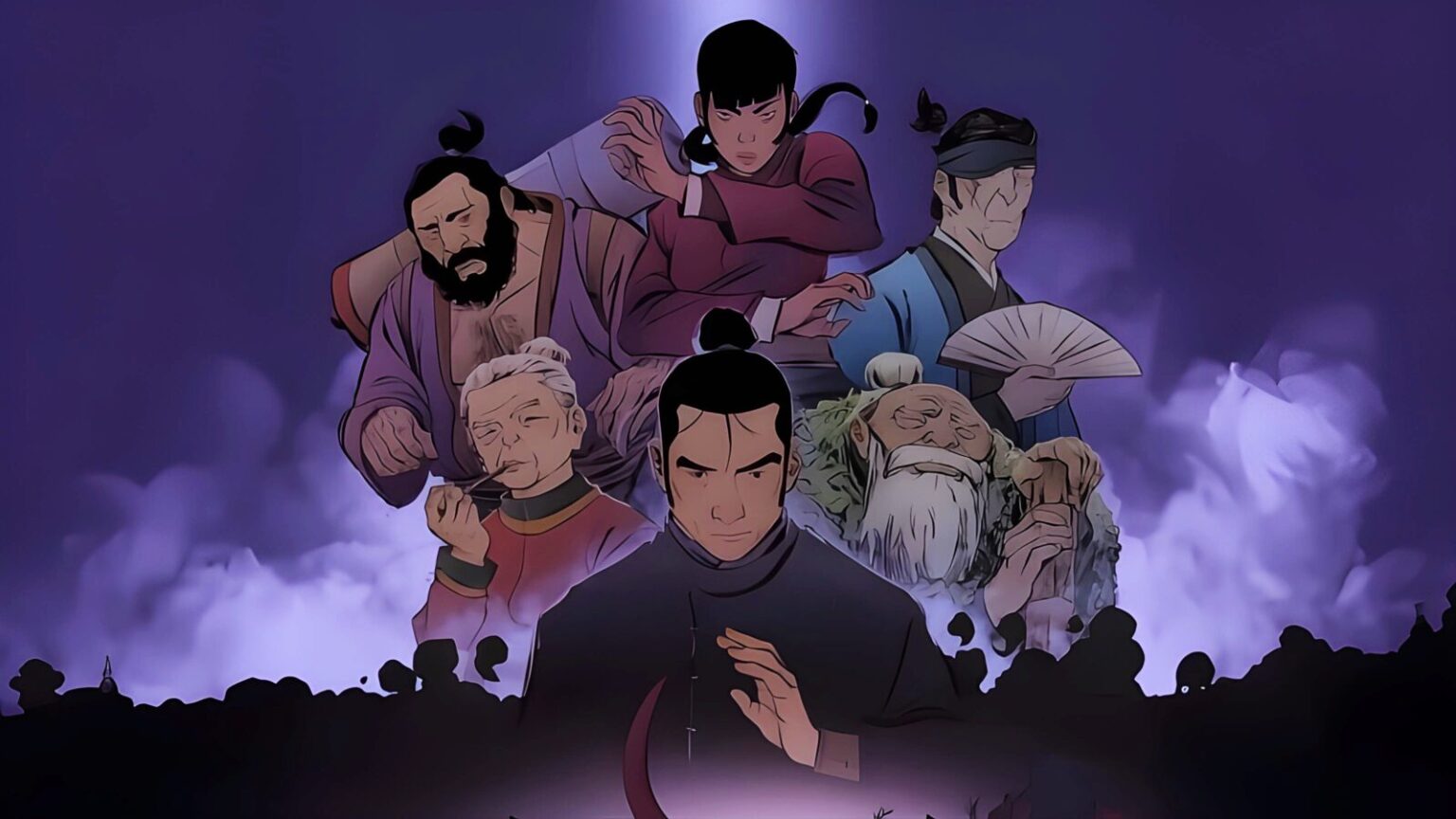
The premise is simple enough on paper. You’re Yu, a young fighter from the Order of Foresight, which is exactly the kind of dramatic name I would’ve come up with for my imaginary clan when I was twelve and convinced I’d become a wandering monk by adulthood. Yu’s mission is to save the Emperor from a manipulative force known as The Admiral, who sounds like he should be commanding a navy rather than meddling with cosmic destinies, but here we are. The game tries its best to make this story feel significant, tossing you into lengthy text-only dialogue breaks between runs. These intermissions have big “we’re trying to be Hades” energy, but without the vocal charisma or layered personality that made Hades’ down time feel like a reward instead of a speed bump. Here, the more I played, the more I found myself mashing through these scenes, mentally sliding past all the lore like a student skimming a textbook chapter minutes before the quiz.
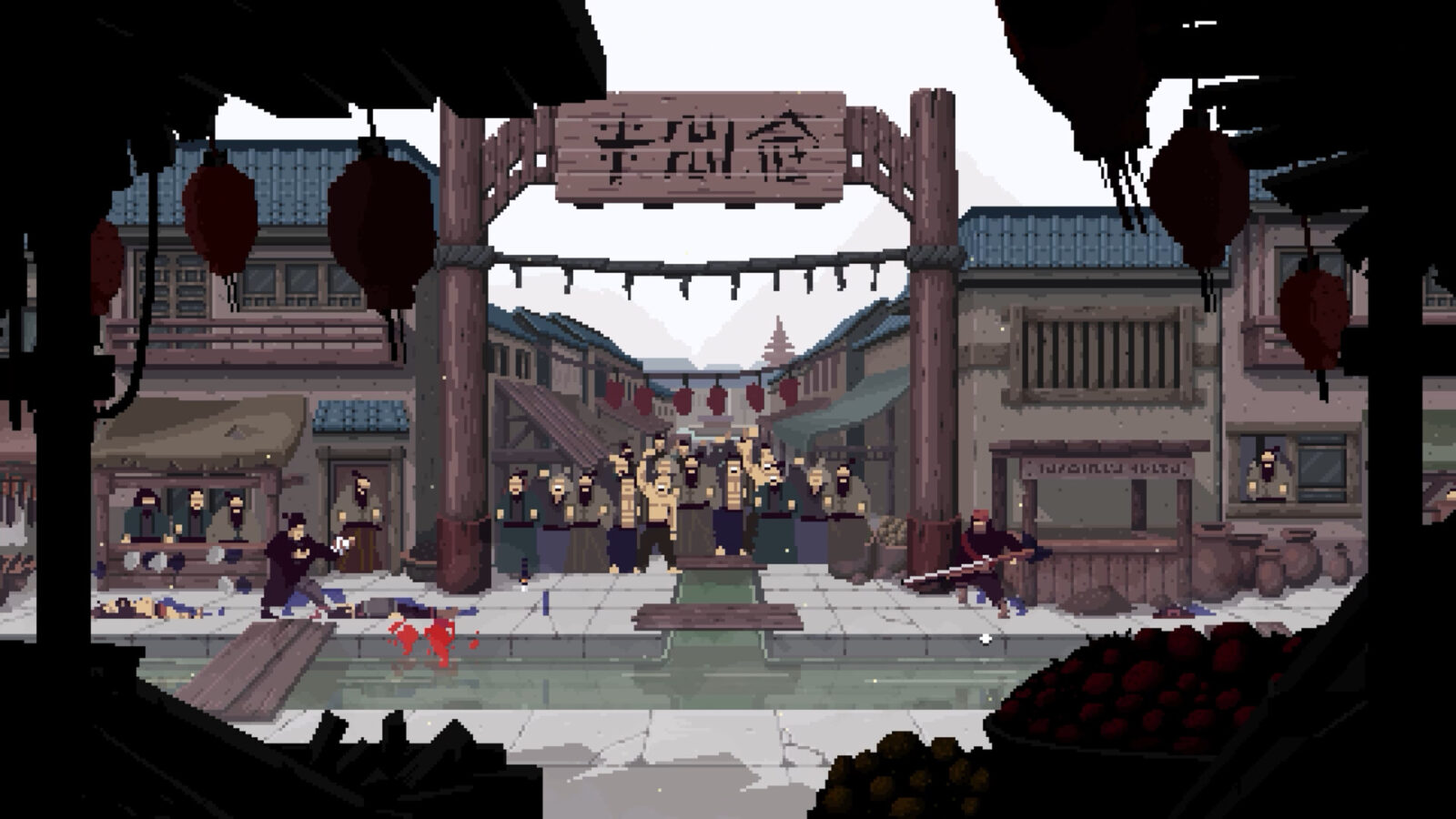
Once the story steps aside, though, Forestrike starts showing off. The loop revolves around something the game calls foresight, which is really a very fancy term for rehearsal. Before each combat encounter, you essentially get a ghost-run where enemies strike, shuffle, and react exactly as they will in the real attempt. It’s a genius mechanic because it forces you to perform martial arts choreography like a stunt coordinator instead of a wild brawler. You figure out the perfect route through the chaos—redirect that guy, bait that one, dropkick the third straight into the path of the first—and then hope your real-time execution doesn’t implode under the weight of your own confidence.
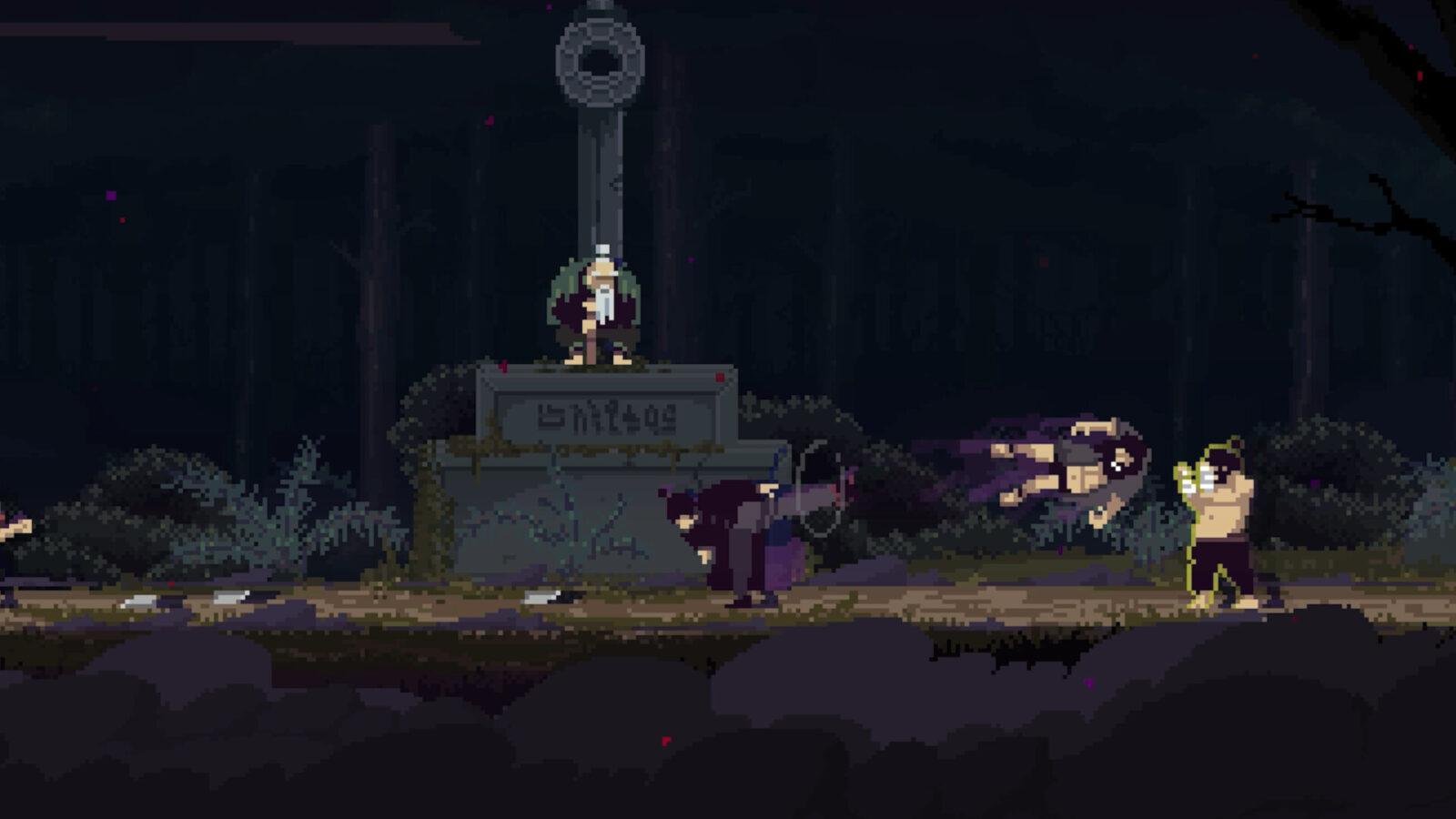
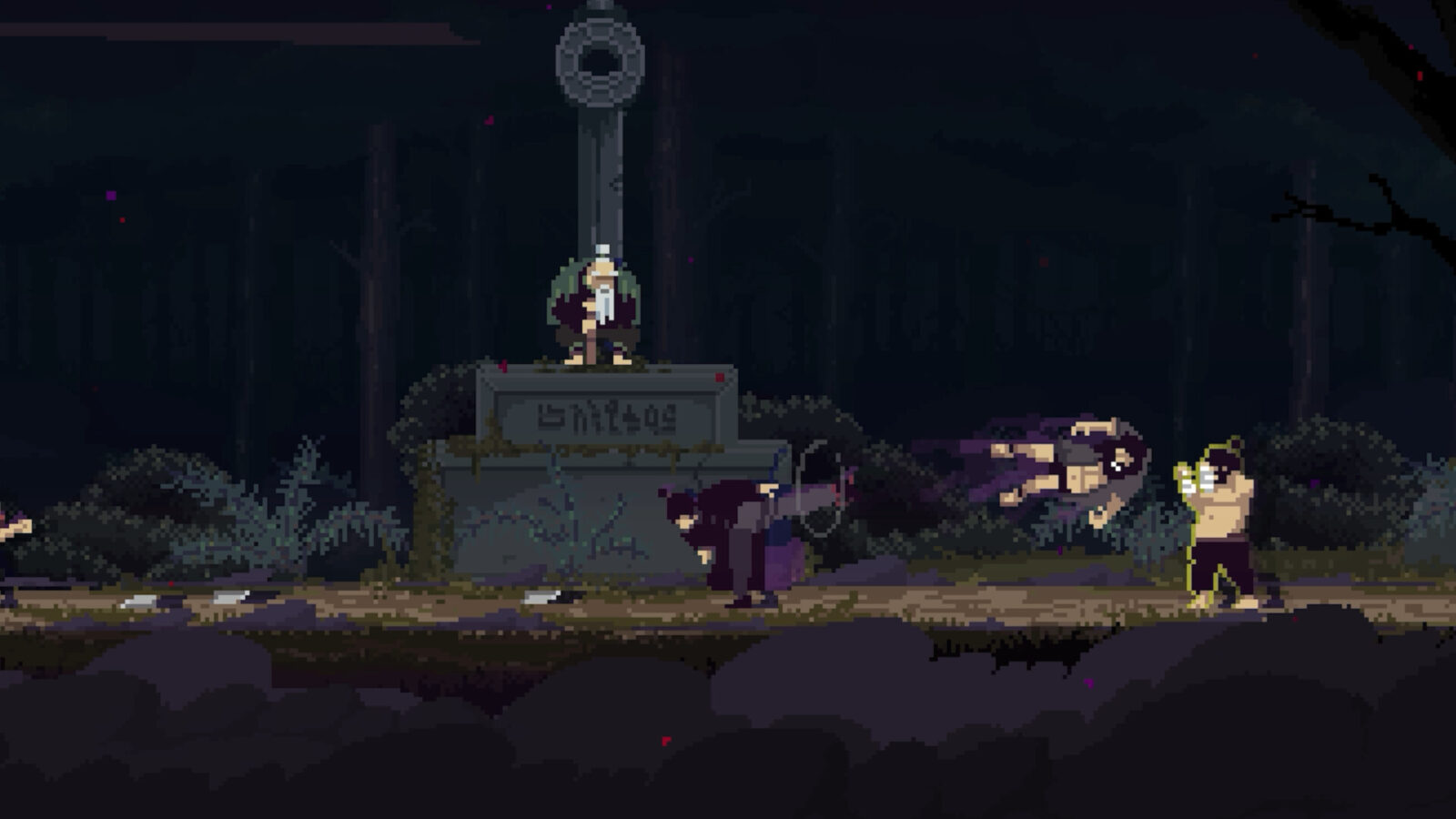
There’s a razor-thin margin for error. Defensive options like blocks and dodges are so limited that I often felt like I was playing some kind of ascetic, minimalist challenge mode. It took a while before I tuned into the game’s visual language, but once the patterns clicked, something shifted. The game didn’t suddenly become easier; I just became smarter. Or maybe less reckless. Or maybe I finally stopped pretending I could mash my way to enlightenment. Every enemy type has its own quirks, tells, and reactions, and learning how to manipulate them feels like solving moving puzzles. If someone charges from the right, maybe I dodge at the perfect moment to slide an enemy from the left directly into their path. If a spiked brute makes close-quarters combat a nightmare, maybe I wait until a puppet enemy drops its head and weaponize it from a safe distance. You start to see the arena as a script you’re rewriting in real time.
The real spice comes from the martial masters—effectively your style presets for each run. Leaf style wants you to use your foes against each other like you’re performing some serene, redirective dance. Cold Eye lets you lean into blocks, self-preservation, and the slow, stubborn approach of someone who refuses to leave a fight without a bruise or ten. And then there’s Monkey, the style I gravitated toward with the enthusiasm of someone handed a chaos button. Monkey style is all unpredictability, dropkicks, floor flops, and literal banana-based trickery. It actively encourages you to turn the battlefield into slapstick poetry. Switching between these styles gives each run a different flavor, sometimes a different philosophy, and always a different way to break your own habits.
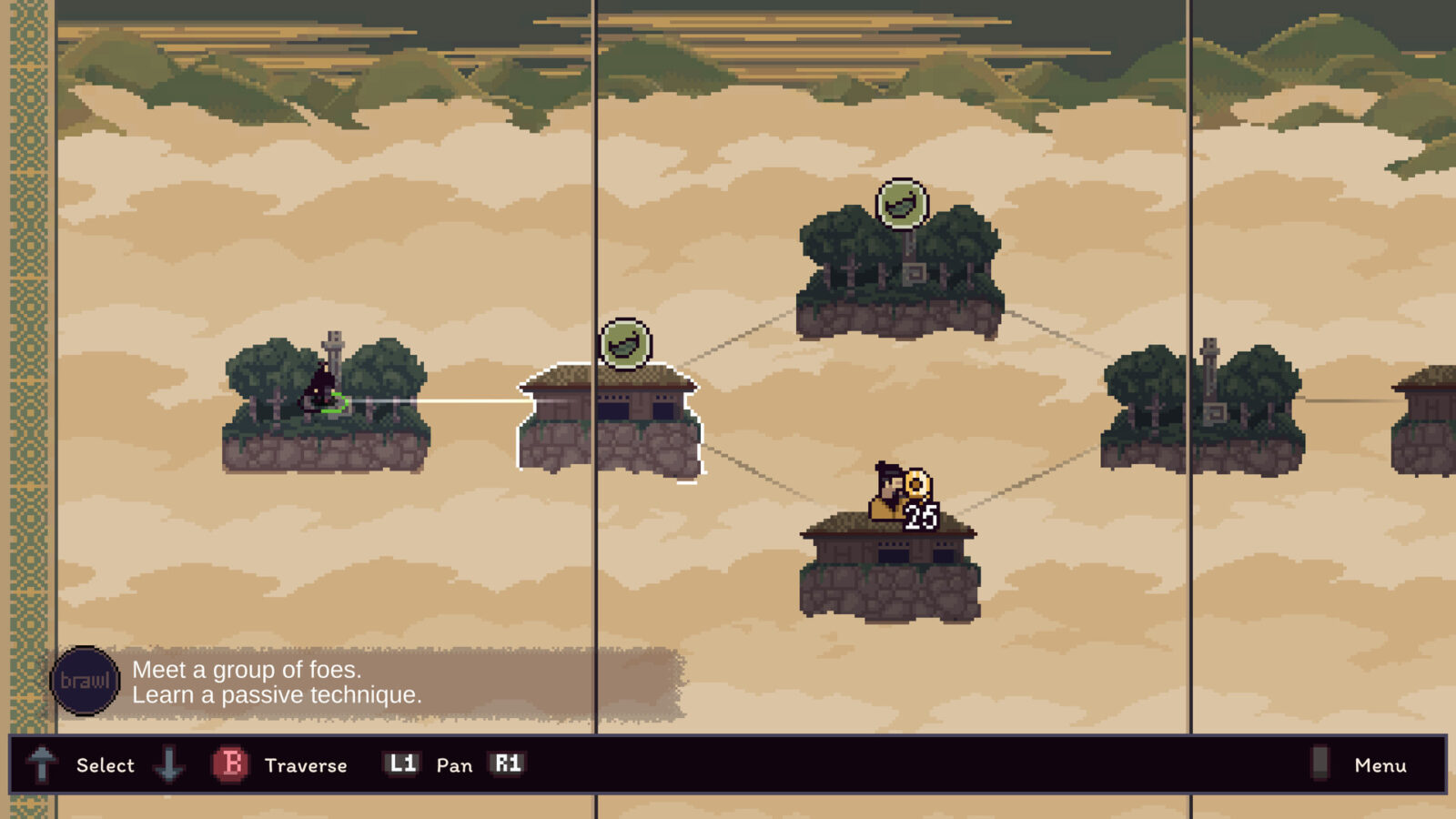
Progression is tied to what you unlock after bosses, with new techniques added to the pool of potential rewards. It’s a small but steady form of growth, a breadcrumb trail that pushes you deeper and deeper into the gauntlet without feeling like the game is handing you power for free. You still have to earn the actual victories with your own foresight and precision. Forestrike doesn’t care how decked-out your move set is if you can’t land hits when it matters.
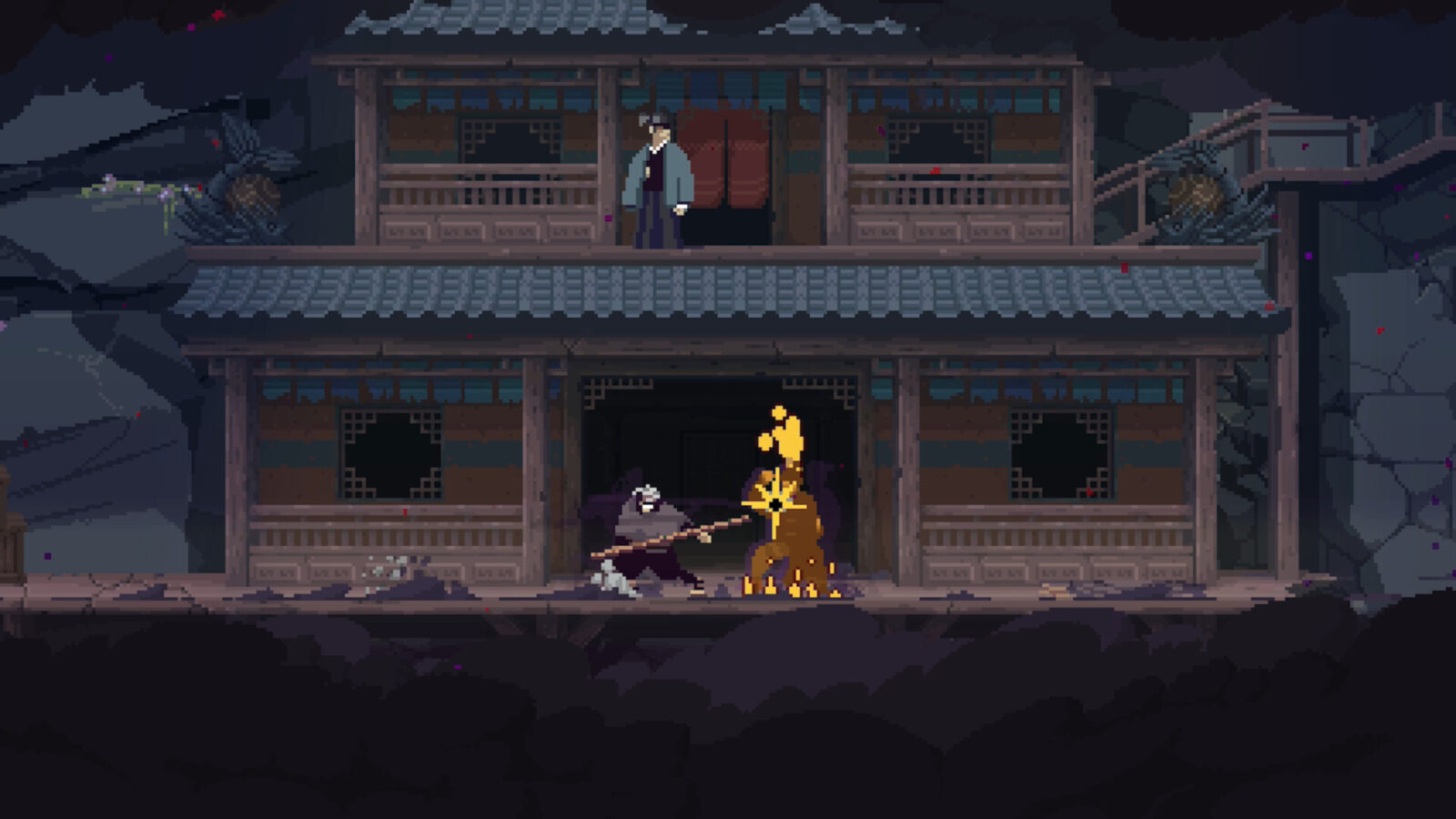
But the margins are thin, and this is where frustration creeps in. Sometimes painfully so. There were moments when my practice run went flawlessly—clean strikes, perfect redirects, a level of grace that made me feel like I’d finally matured as a player. And then, in the real attempt, I’d mistime one hit by a fraction of a second. Everything would collapse like a domino trail triggered by a single trembling finger. My dodge would be out of position, the enemy’s counterattack would hit early, and suddenly the screen would be a mess of bad decisions I had no choice but to improvise through. Usually badly. Usually ending in a death that left me staring at the screen like I’d just insulted the game’s ancestors.
The art, at least, mostly softens the blow. The minimalist sprite style is charming, expressive, and occasionally shockingly elegant in how much motion it conveys with so few pixels. Combat animations feel sharp and stylish, like someone distilled the essence of old kung fu films into a 2D plane. It’s only when Yu starts walking or running that the illusion breaks, because those animations are some of the strangest I’ve seen in pixel art. They’re stiff in a way that feels like unintentional comedy, as if the character is desperately trying not to trip over an invisible cable. Thankfully, you don’t spend too much time watching him stroll around the monastery.
In the end, Forestrike lands somewhere between meditative puzzle game and martial arts fever dream. It’s clever, confident, and occasionally maddening. The story doesn’t do it any favors, and the late-game precision demands can feel downright unforgiving, but when everything aligns—when you see the possibilities unfold, when your foresight pays off, when you execute the sequence exactly as planned—it delivers an electrifying sense of mastery. Even the failures add to the eventual sweetness of victory, because the game never pretends you’re getting anywhere by pure chance.
It’s you. Always you. Or at least the better version of you that appears during the practice run.
Verdict:
Forestrike is a brilliantly designed, martial-arts-driven roguelite that blends planning and execution into an addictive loop of rehearsal and triumph. Its weak storytelling and punishing precision requirements keep it from absolute greatness, but its clever mechanics, expressive combat, and satisfying mastery curve make it an easy recommendation for anyone who loves games that reward intelligence as much as reflex.