

TL;DR: Same brains, same smarts, super sound. The Echo Show 11 blends into your space and quietly elevates it. The Echo Show 8 stands out, adapts anywhere, and earns attention. Choose based on where it lives, not what it does.
Echo Show 11 & Echo Show 8 (2025)
Introduction: Two Screens, One Philosophy
Living with both the Echo Show 11 and the Echo Show 8 latest models for 2025 feels a bit like owning two editions of the same book. Same story, same ideas, same personality, just printed at different sizes. One is easier to tuck into your life anywhere. The other demands a little more space and, in return, gives everything room to breathe. These two smart displays represent a clear turning point for the Echo Show line. Not because they’re revolutionary, but because they finally feel settled. Mature. Confident in what they’re supposed to be.
What struck me almost immediately is how little friction there is this time around. Both models boot quickly, respond quickly, and settle into daily routines without that awkward phase where you’re constantly correcting them or adjusting expectations. This generation feels like the result of years of small frustrations being quietly addressed. The question is no longer “is this good enough?” but “which size fits my life better?”
Design and Physical Presence
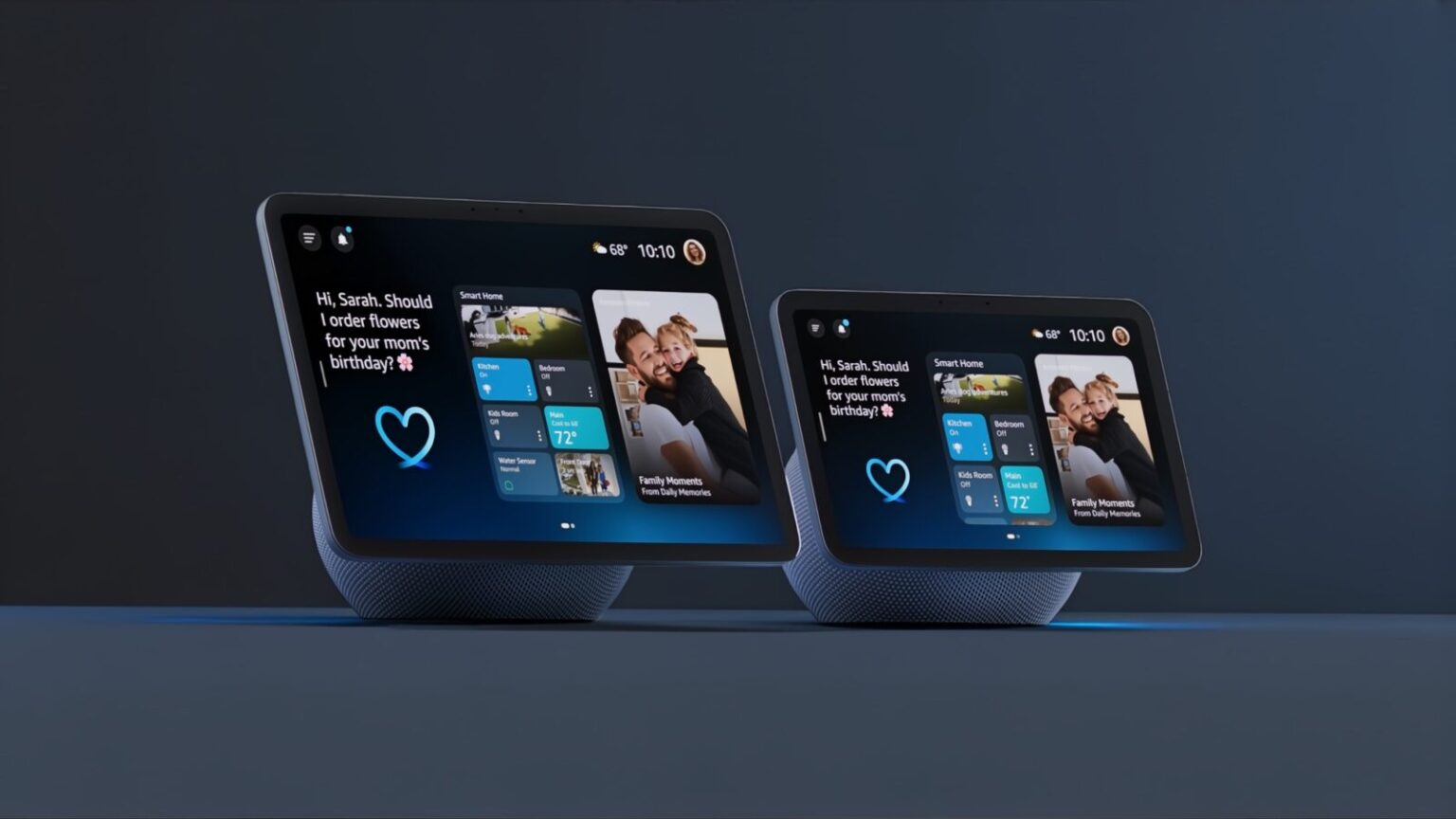
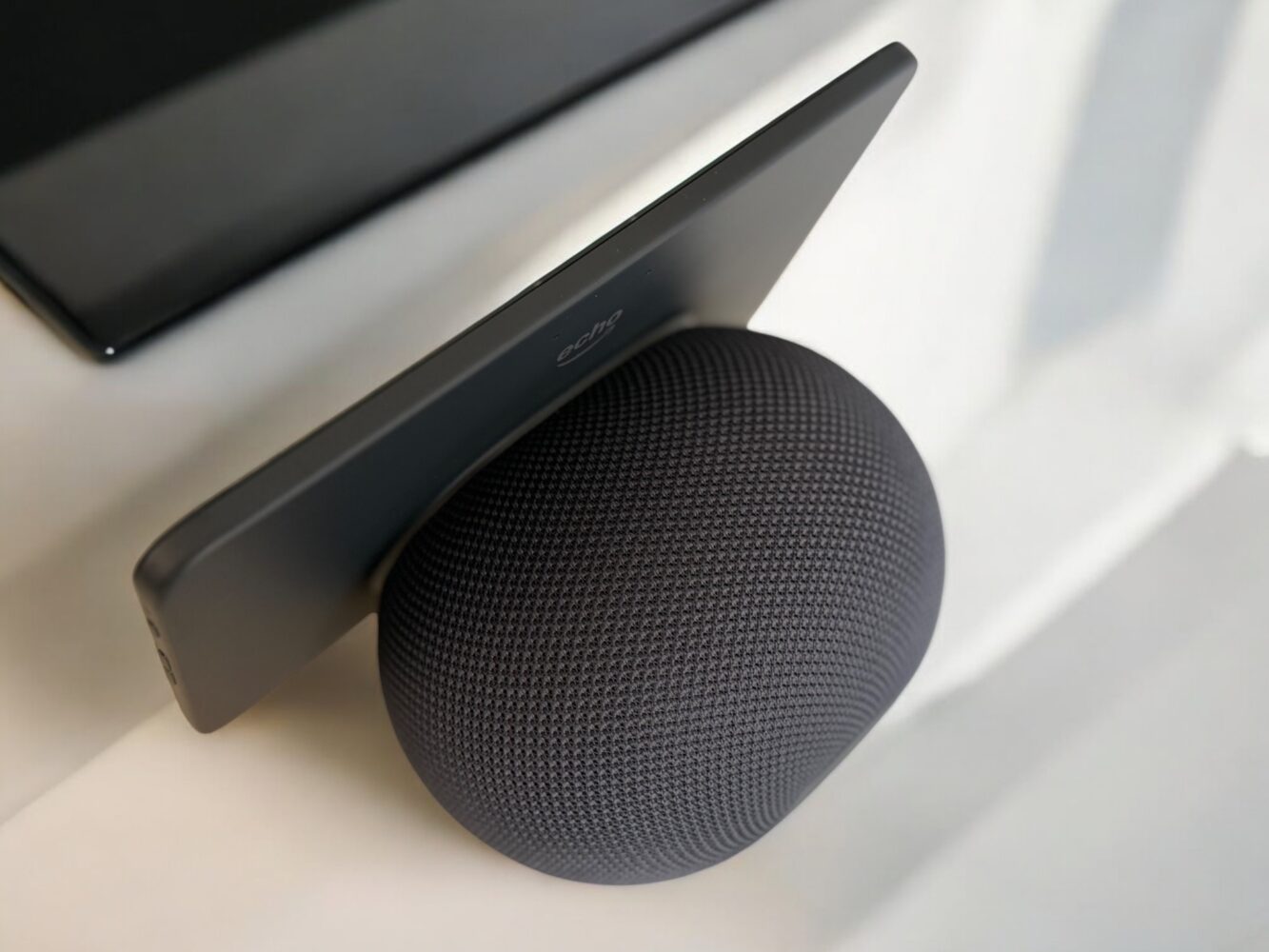
The Echo Show 11 is unapologetically a living-room device. Once it’s placed, it doesn’t want to move, and that’s kind of the point. Its footprint gives it visual weight, the kind that makes it feel less like a gadget and more like an object that belongs in the room. On a sideboard or shelf, it reads as intentional, almost furniture-adjacent. The larger screen naturally pulls focus, but it does so calmly, without the constant visual noise that plagued earlier smart displays.
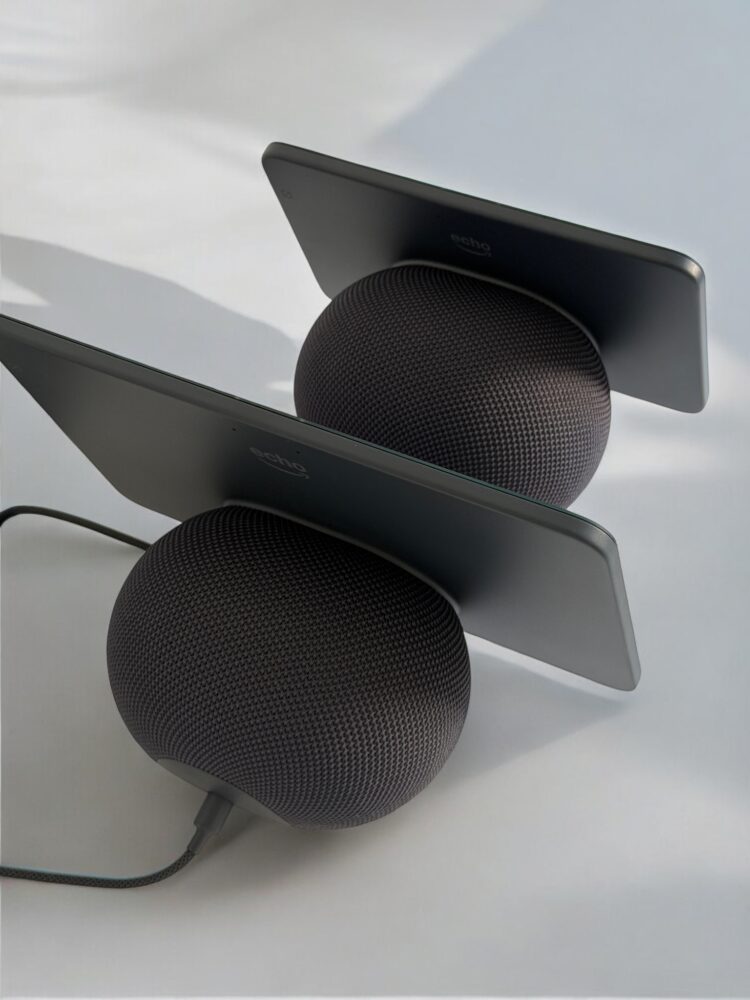
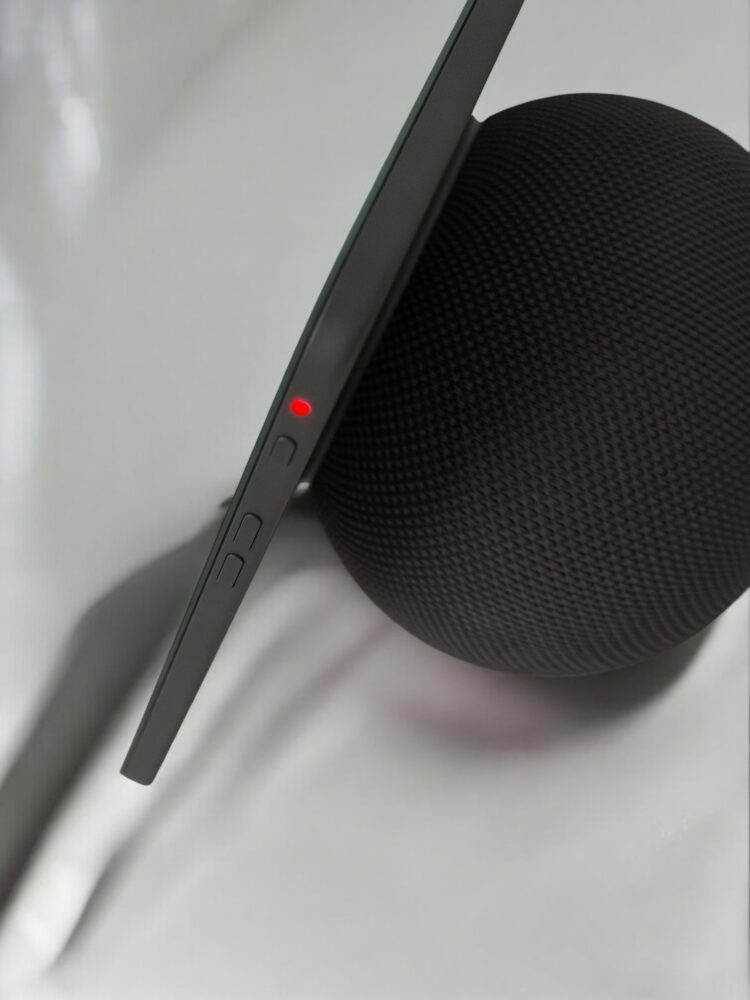
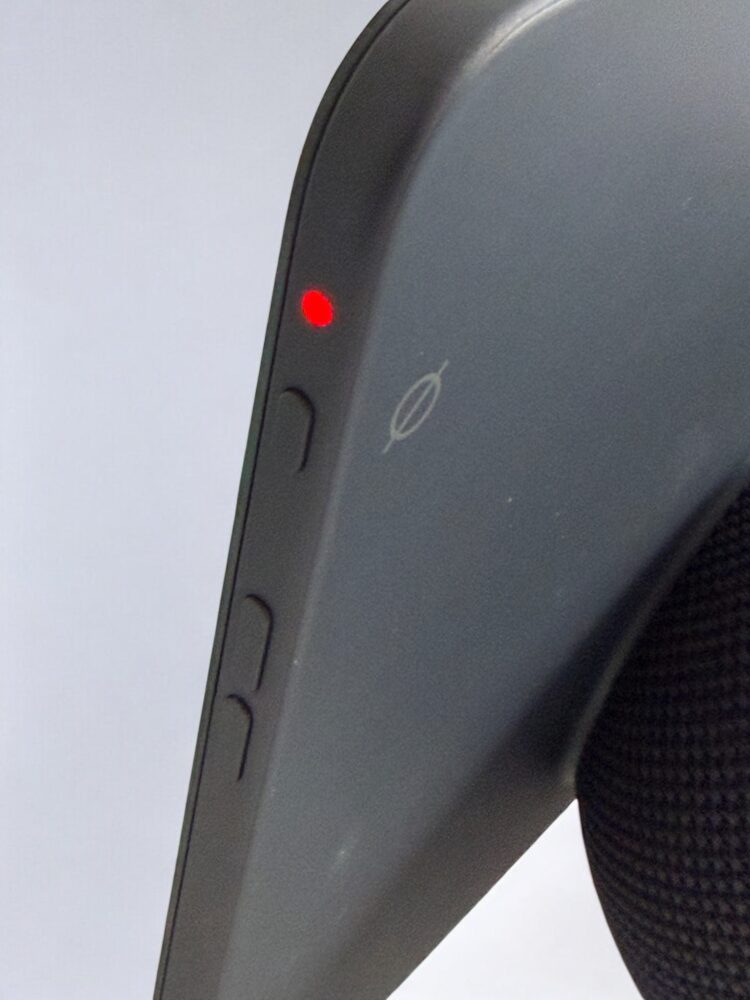
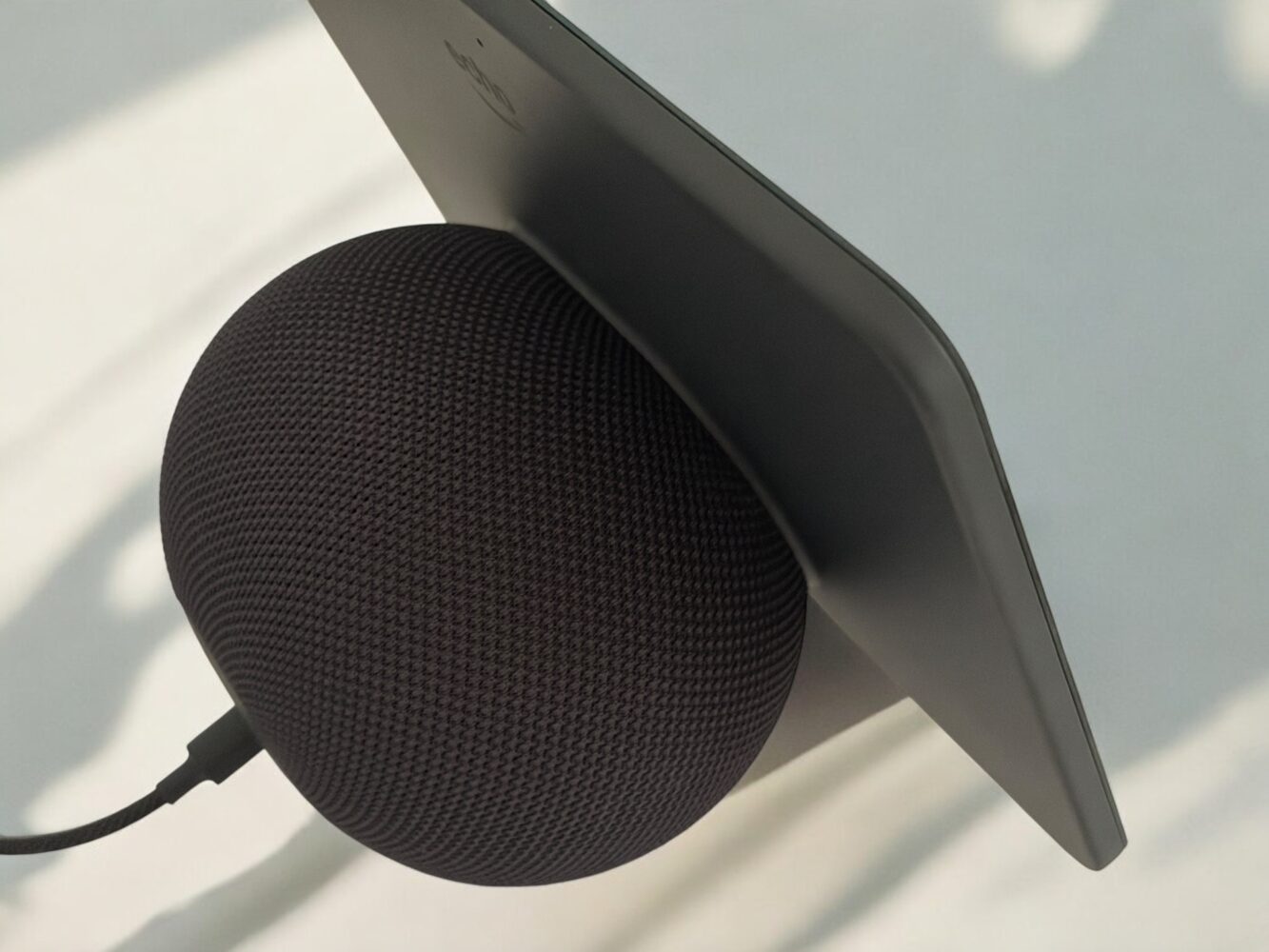
The Echo Show 8, meanwhile, is the chameleon. It fits almost anywhere and rarely looks out of place. The redesigned floating display is a genuine aesthetic upgrade, ditching the old wedge shape in favor of something thinner and more refined. On a desk or kitchen counter, it looks modern rather than utilitarian. That redesign does come with trade-offs. The removal of the physical camera shutter is the most obvious one, and while it doesn’t break the experience, it does chip away at that subconscious trust you build with always-on devices. Buttons and software toggles work, but they don’t provide the same instinctive reassurance.
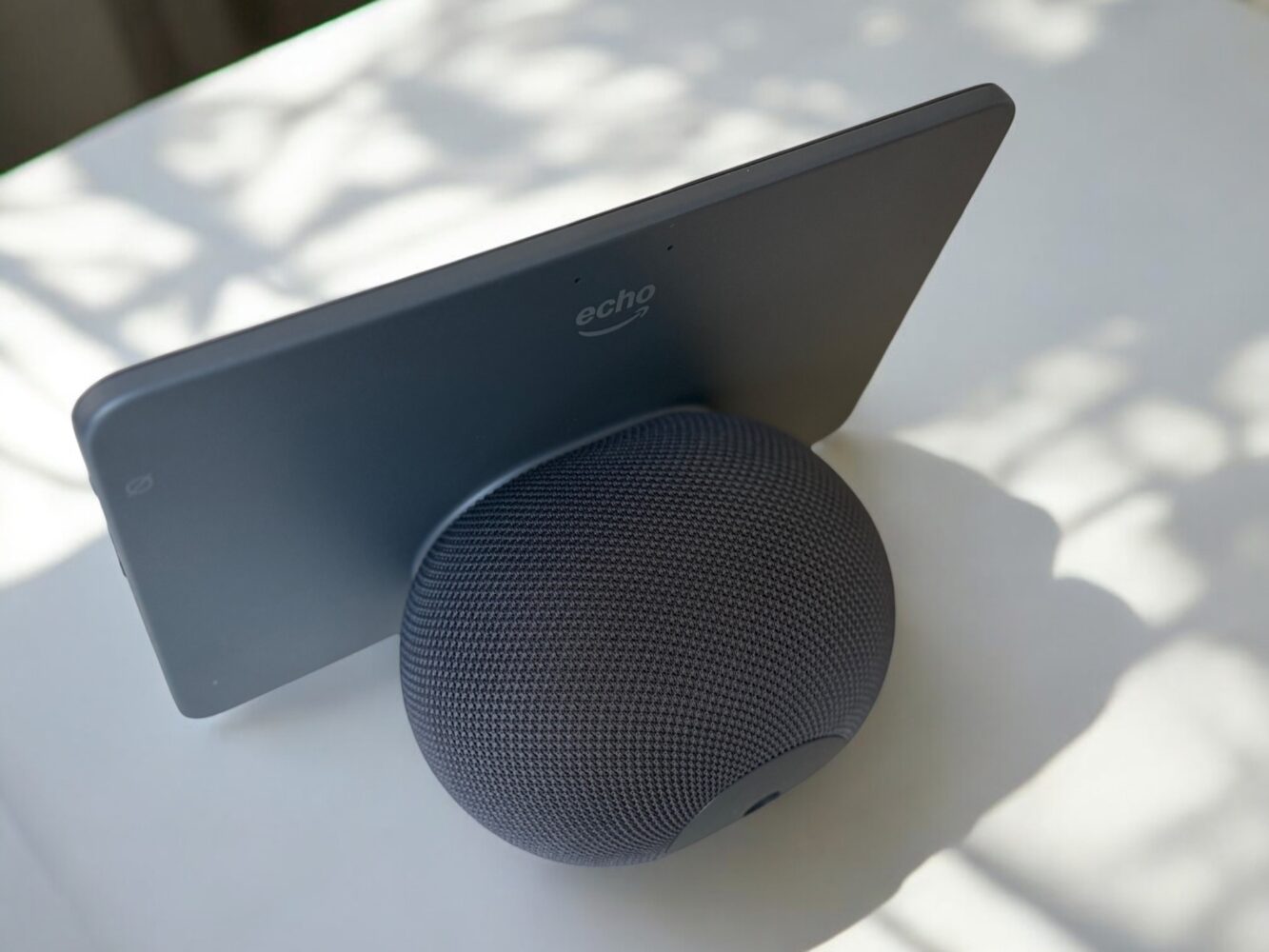
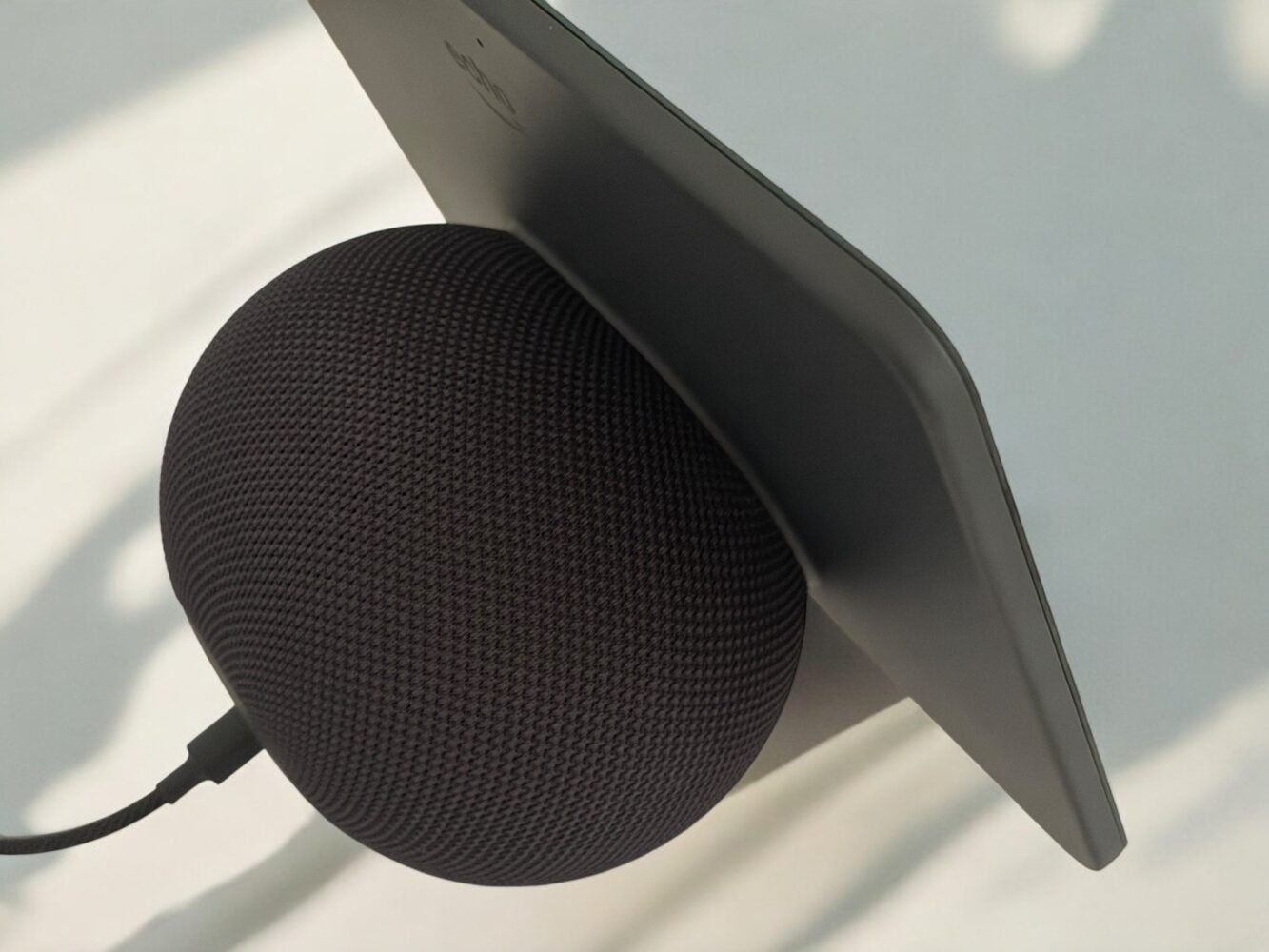
Both models share a similar design language overall, which helps them feel like part of the same ecosystem rather than separate experiments. The difference is scale. The Echo Show 11 asserts itself as a centerpiece. The Echo Show 8 behaves like a helpful assistant that knows when not to be in the way.
Display Experience and Everyday Visibility
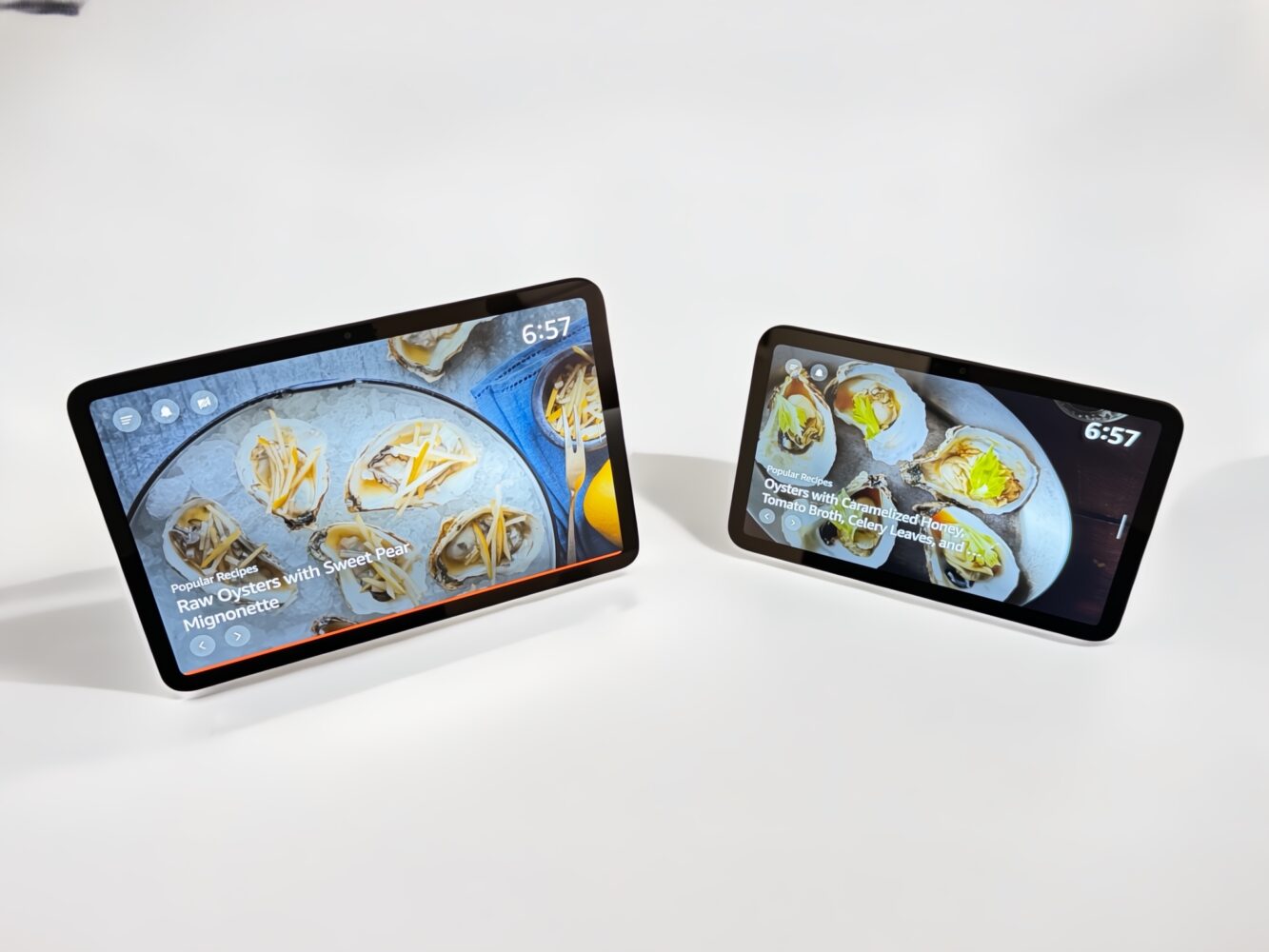
This is the part of the comparison where the numbers actually matter, because they translate directly into how relaxed or demanding these screens feel in real life. The Echo Show 11’s 11-inch panel runs at 1920 by 1200 with a 16:10 aspect ratio, landing at roughly 216 pixels per inch. That density isn’t flagship-tablet sharp, but it’s more than enough at typical viewing distances, and crucially, it’s paired with a panel that’s tuned for visibility rather than spectacle. The negative liquid crystal design does a lot of quiet work here, cutting down reflections and preserving contrast in bright rooms without blasting your eyes at night. Auto-brightness is aggressive in a good way: it ramps up confidently during the day and fades into the background after sunset, making the screen feel like ambient furniture rather than a glowing rectangle demanding attention.
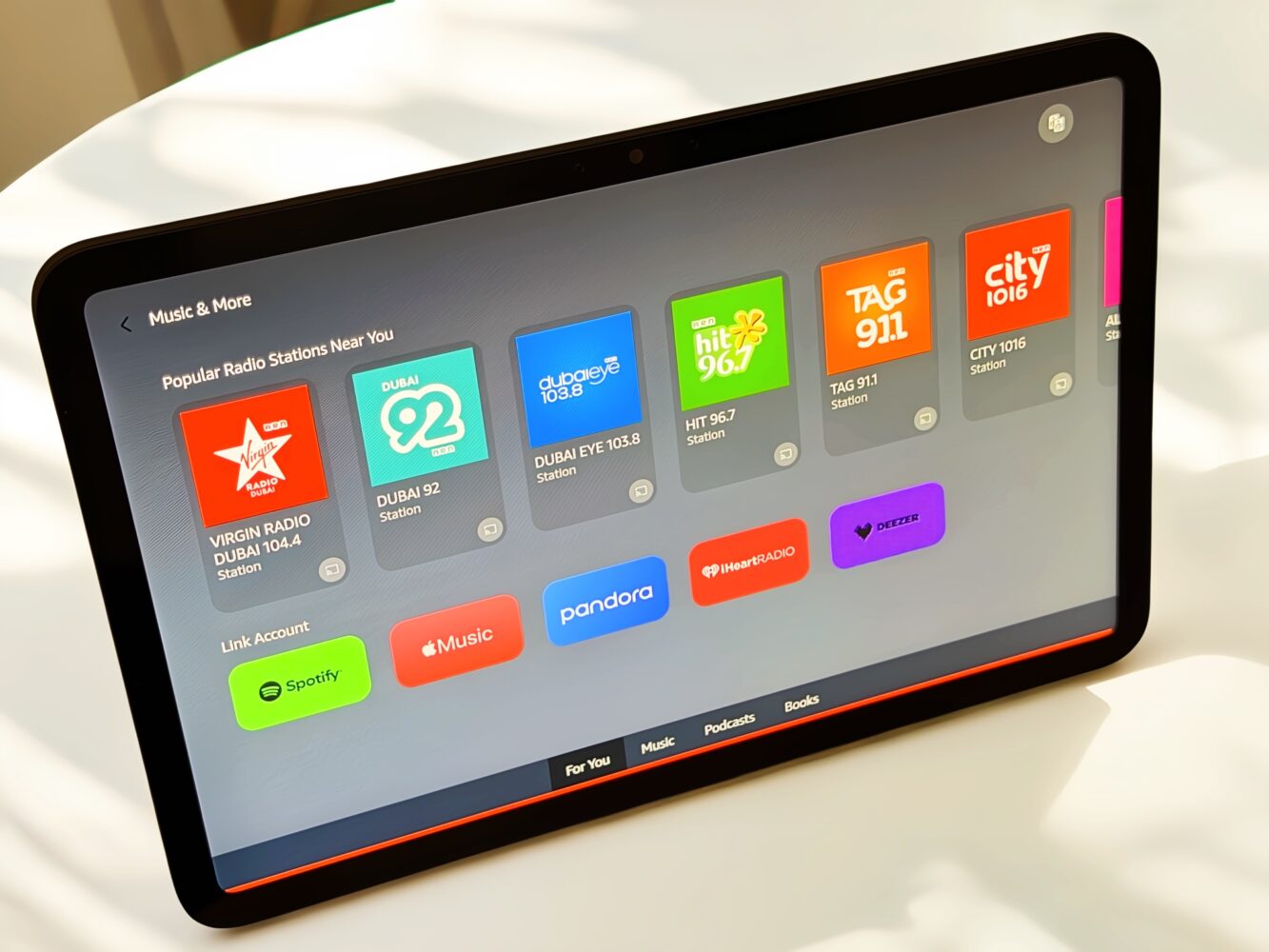
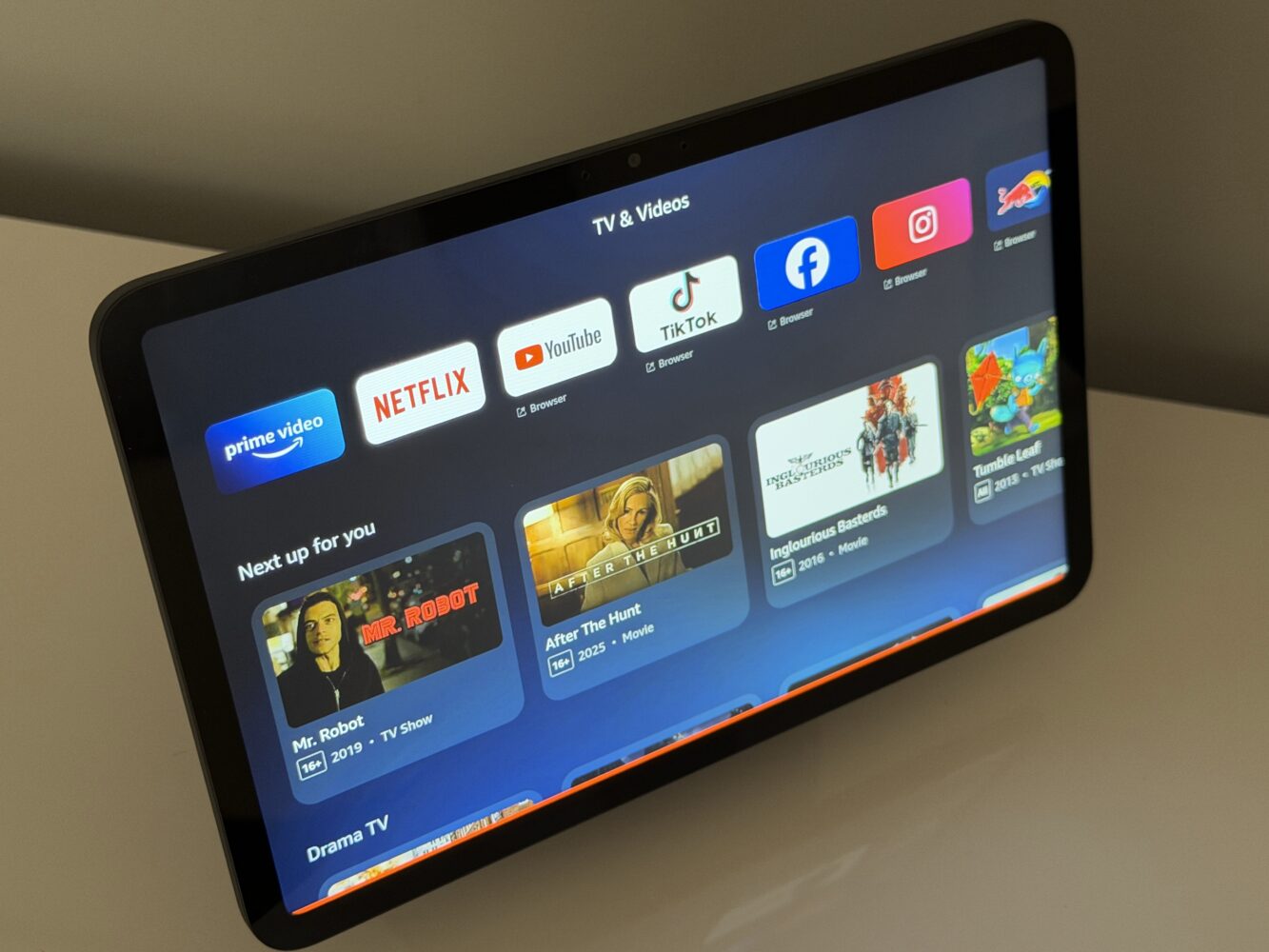
In practice, that resolution and size combination changes how you interact with the device. From across a living room, text remains legible instead of fuzzy. Widgets don’t feel like they’re stacked on top of each other. Notifications read as passive information, not interruptions. Photo slideshows finally make sense on a smart display, showing enough detail that faces don’t blur together and landscapes don’t feel cropped for survival. Even something as mundane as checking a recipe becomes less physically involved. I stopped leaning in, stopped squinting, stopped tapping the screen with flour-covered fingers just to read the next step. The display gives you space, and that space changes your posture and attention without you realizing it.
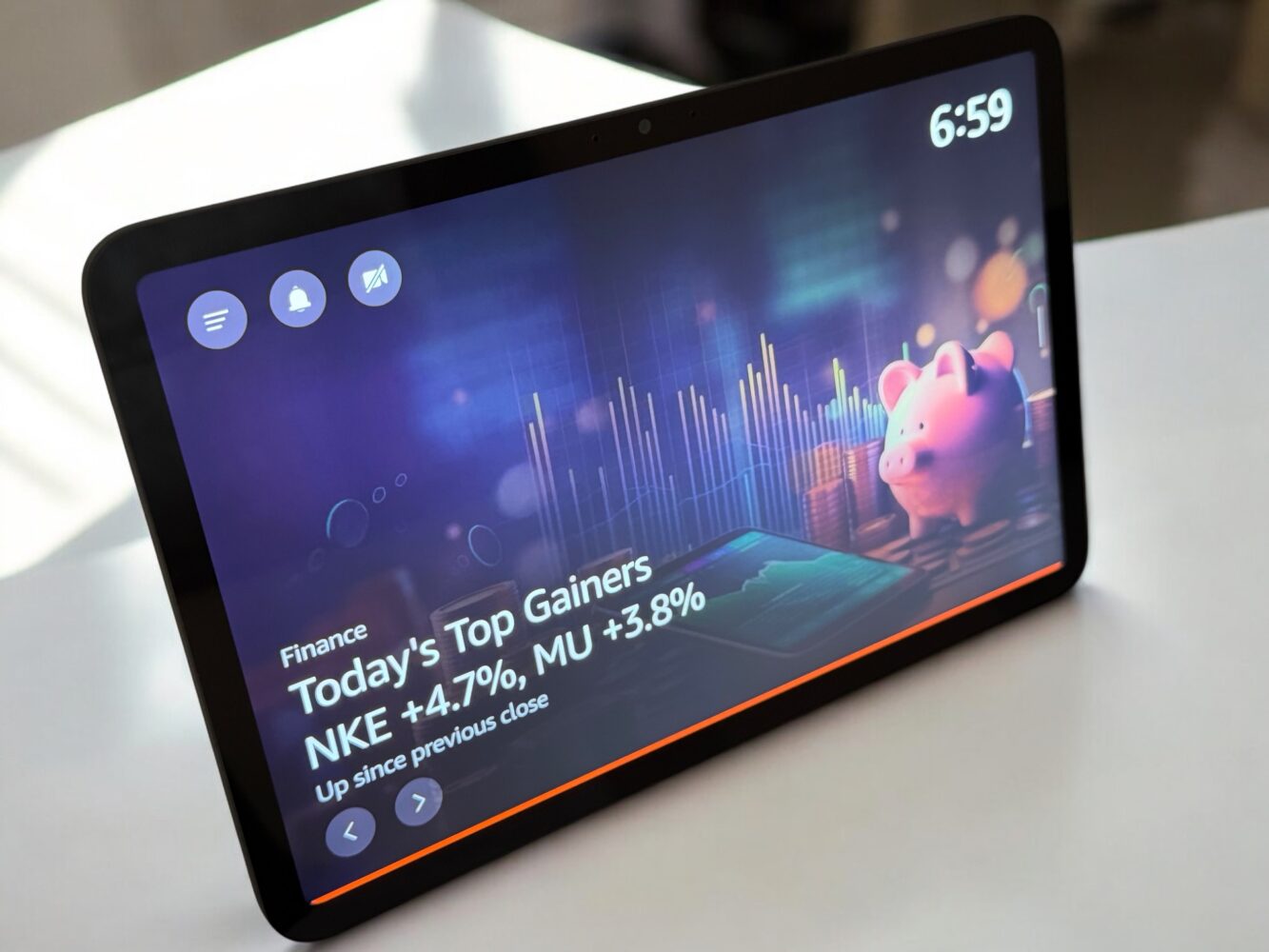
The Echo Show 8’s 8.7-inch display tells a different story. It’s still a good screen, running at 1340 by 800 with the same 16:10 aspect ratio, but at around 180 pixels per inch, it’s clearly designed for closer interaction. Up close, it looks bright and responsive, with solid color reproduction and smooth touch response. The problem isn’t clarity so much as density of information. The same interface that feels breathable on the 11-inch panel starts to feel busier here. Cards stack more tightly, widgets feel compressed, and Amazon’s tendency to suggest content becomes more visually obvious. You can absolutely use it comfortably, but it asks more of your attention.
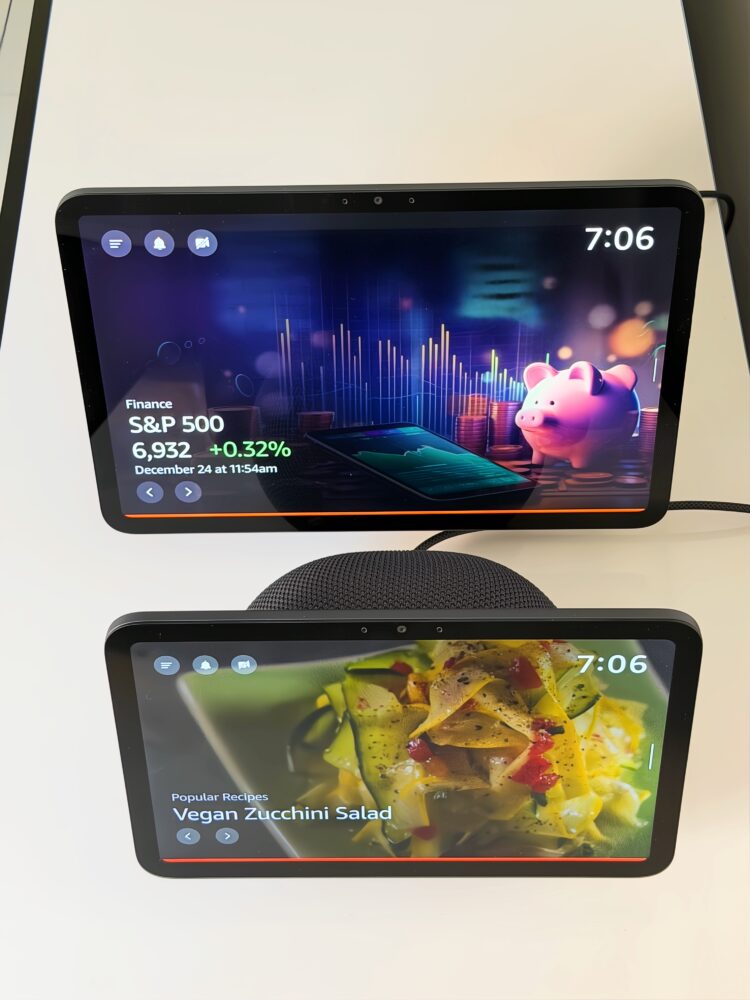
Where this really shows is in passive use. The Echo Show 11 excels at being glanced at. You absorb information without engaging with it. The Echo Show 8 wants you closer, more involved, more deliberate. Neither is wrong, but they serve different moods. For quick videos, background tutorials, or casual YouTube viewing, the larger display feels calmer and more cinematic, even if it’s not something you’d watch a full movie on. The smaller display is more utilitarian, perfectly capable but less forgiving when the interface gets busy. One invites ambient living. The other invites interaction.
Performance, Speed, and the New Voice Experience
Under the hood, both devices are powered by the same AZ3 Pro chip with an integrated AI accelerator, and this is the most important generational upgrade they’ve received. Previous Echo Shows were rarely slow, but they were often hesitant. There was just enough delay to remind you that you were talking to a device waiting for cloud approval. That hesitation is mostly gone here. These displays feel quick in a way that subtly reshapes how you use them. Touch inputs register immediately, animations complete without dragging, and moving between screens feels natural rather than procedural.
What really changes the experience, though, is how the processor handles voice interactions. Wake-word detection happens locally, and the transition from listening to responding feels almost instantaneous. With the new conversational layer on top, commands don’t just resolve faster; they flow better. You can ask follow-up questions without resetting the context. You can correct yourself mid-thought without starting over. The assistant doesn’t feel like it’s waiting for perfectly phrased instructions anymore. It feels like it’s keeping up.
In day-to-day use, this manifests in small but meaningful ways. Clearing home screen cards happens without lag. Opening settings doesn’t break your rhythm. Routines created through voice commands actually feel viable now, instead of like a novelty you try once and abandon. Saying something vague like “make this happen every morning” no longer results in confusion; it results in a working automation. That shift from command-based interaction to conversational control is the real performance upgrade, and it’s shared equally between both models.
What’s genuinely impressive is how evenly matched the two displays are here. In older generations, the smaller model often felt like a scaled-down version in more ways than one. Slightly slower. Slightly less confident. Slightly more prone to hesitation. That gap has closed completely. The Echo Show 8 matches the Echo Show 11 beat for beat in responsiveness, voice recognition, and system fluidity. There’s no sense that you’re getting a lesser brain in a smaller body.
The only real difference performance-wise is how much information each screen can comfortably present at once. The larger display doesn’t think faster or smarter; it simply shows more of what’s happening without feeling crowded. The smaller one keeps up just as well, but it asks you to engage more actively. In raw capability, they’re equals. In how that capability is expressed, they diverge in personality rather than power.
Sound Quality and Room Presence
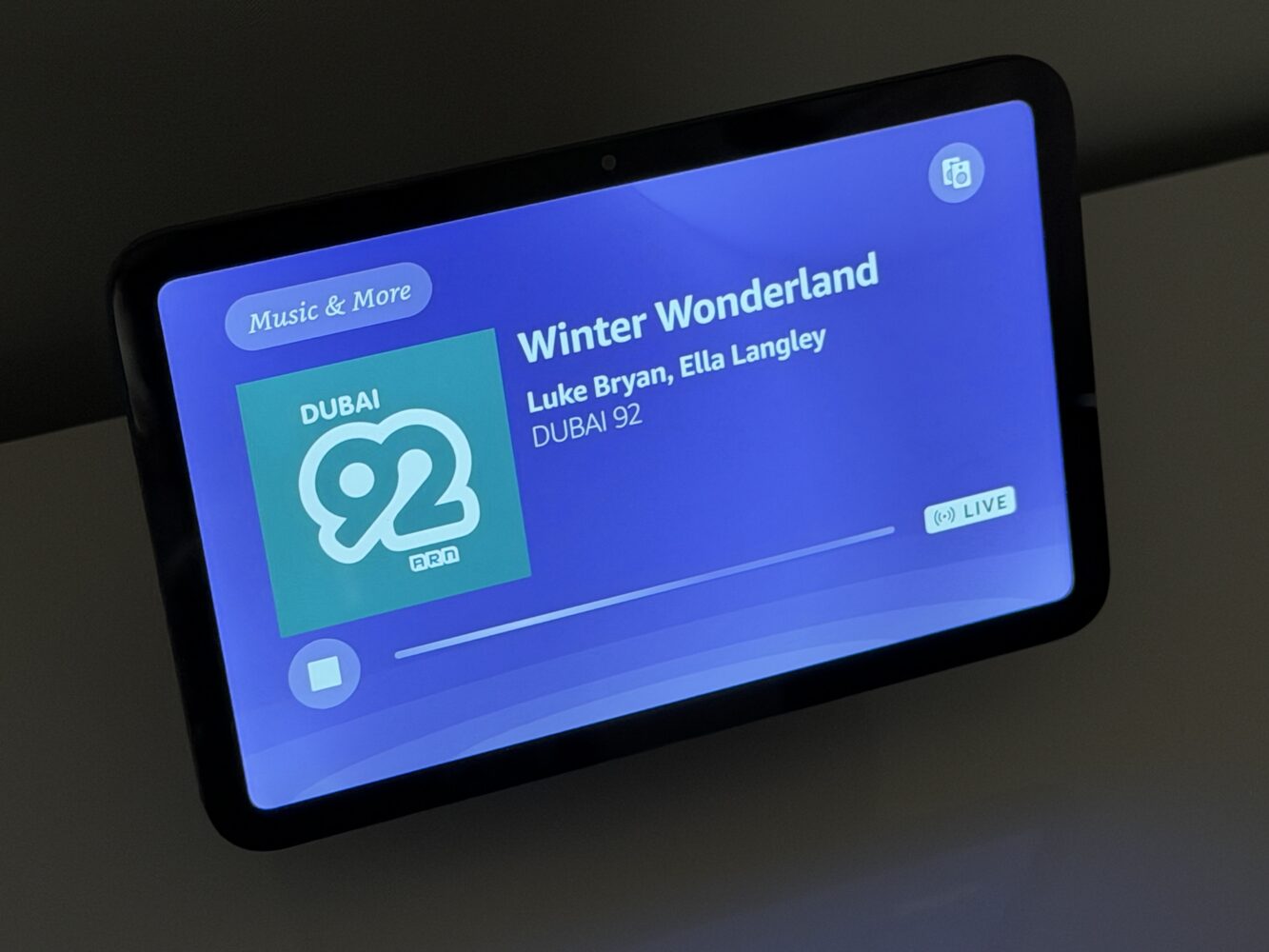
Audio performance is one of the few areas where size doesn’t translate into superiority. Both devices sound essentially the same, and that’s not a criticism. They’re loud enough to fill medium to large rooms, balanced enough to handle podcasts and playlists without fatigue, and controlled enough to avoid distortion at higher volumes. Bass exists, but it’s polite. Vocals are clear until mixes get dense, at which point things flatten slightly.
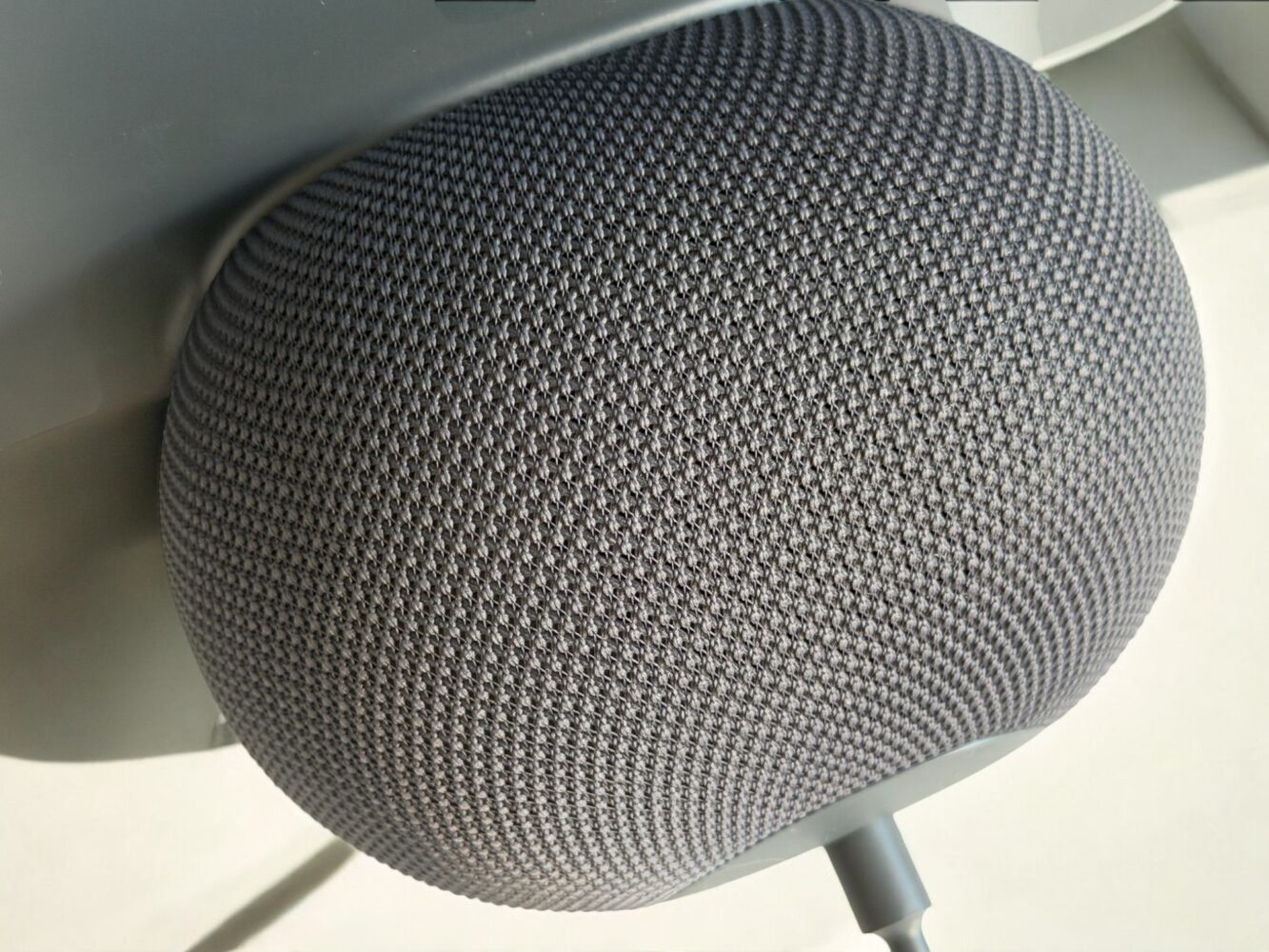
In daily use, I stopped thinking about the sound entirely, which is the best compliment I can give. Music played while cleaning, cooking, or working never felt like a compromise. The Echo Show 11 doesn’t sound bigger than the Echo Show 8, but it doesn’t need to. What it gains instead is presence. The sound feels anchored to the room rather than coming from a countertop corner.
If audio quality alone is your deciding factor, neither device has an edge. They’re equals here, which makes the Echo Show 8 feel like a particularly strong value.
Smart Home Features and Ambient Intelligence
Both models shine brightest when used as smart home hubs. Motion detection, temperature sensing, presence awareness, and broad device compatibility work quietly in the background, enabling routines that feel genuinely helpful rather than gimmicky. Lights adjusting automatically, notifications summarized intelligently, and cameras pulled up on request without hesitation all contribute to a sense that the system understands the home it’s in.
The Echo Show 11’s larger display makes dashboards and camera feeds easier to read at a distance, but functionally, there’s no difference. The Echo Show 8 handles the same tasks with the same reliability. The choice here isn’t about capability; it’s about visibility and comfort.
Privacy controls remain a mixed bag. Software options are robust, but the absence of a physical camera shutter on both newer designs lingers in the back of the mind. It’s not enough to derail the experience, but it’s a reminder that convenience and peace of mind don’t always evolve together.
Interface, Clutter, and Daily Friction
If there’s one consistent frustration across both devices, it’s the interface. It tries to do too much. Menus stack on menus. Suggestions pile up. The result isn’t broken, but it is busy. Over time, voice control becomes the preferred method simply because it bypasses the visual noise.
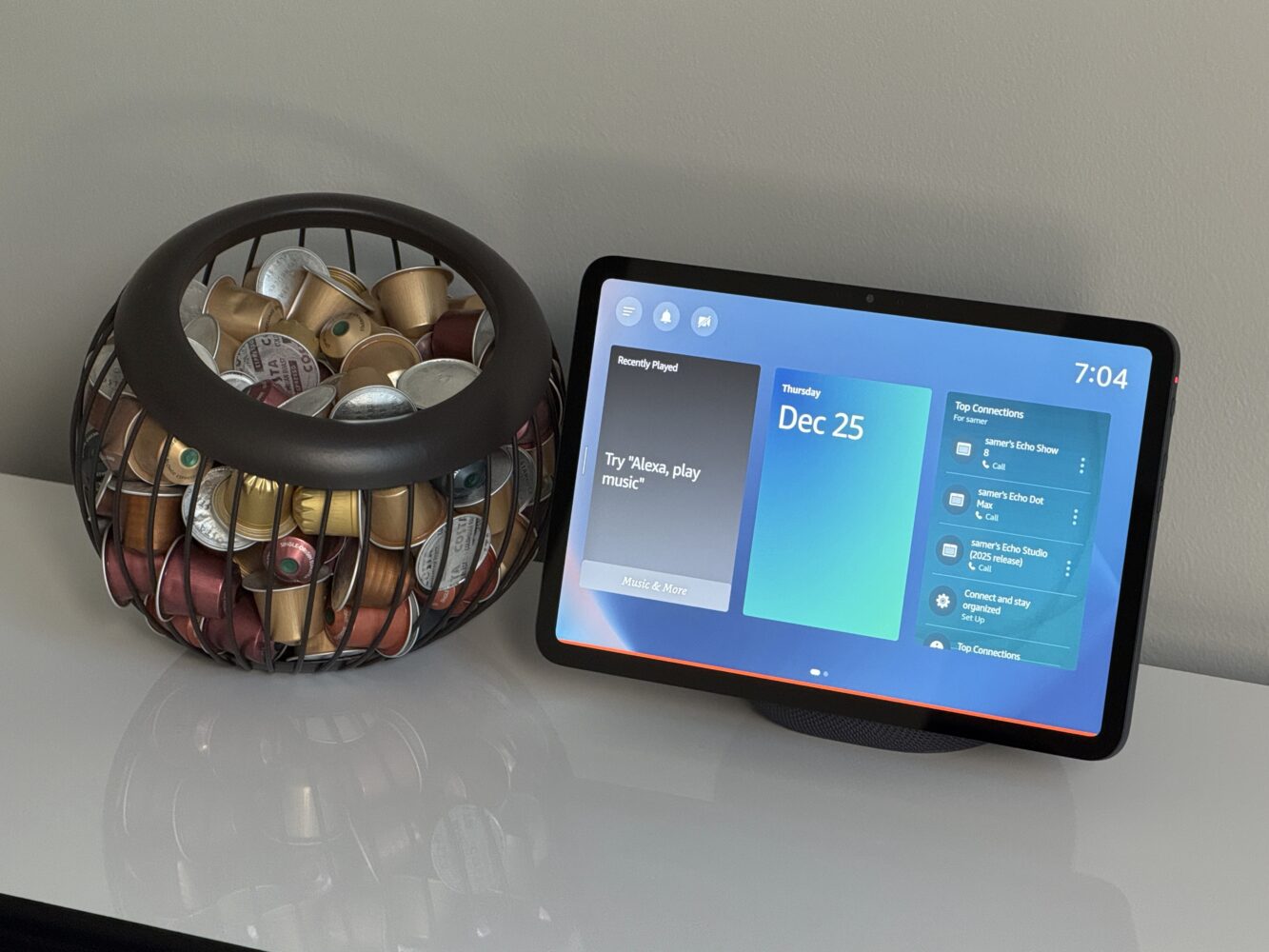
The Echo Show 11 handles this better by virtue of size. Elements have room to exist without overlapping each other mentally. The Echo Show 8 feels more cramped, especially once widgets and recommendations start accumulating. Customization helps, but it requires effort, and the default experience still leans toward information overload.
This is where the difference between the two becomes emotional rather than technical. The Echo Show 11 feels calmer to live with. The Echo Show 8 feels more eager, more insistent, even when it’s trying to be helpful.
Choosing the Right Size of Smart
After living with both, my takeaway is simple. These aren’t two different products; they’re two interpretations of the same idea. The Echo Show 11 is for rooms where you want information to live comfortably in the background, visible without demanding interaction. The Echo Show 8 is for everywhere else, offering nearly the same experience in a smaller, more flexible package.
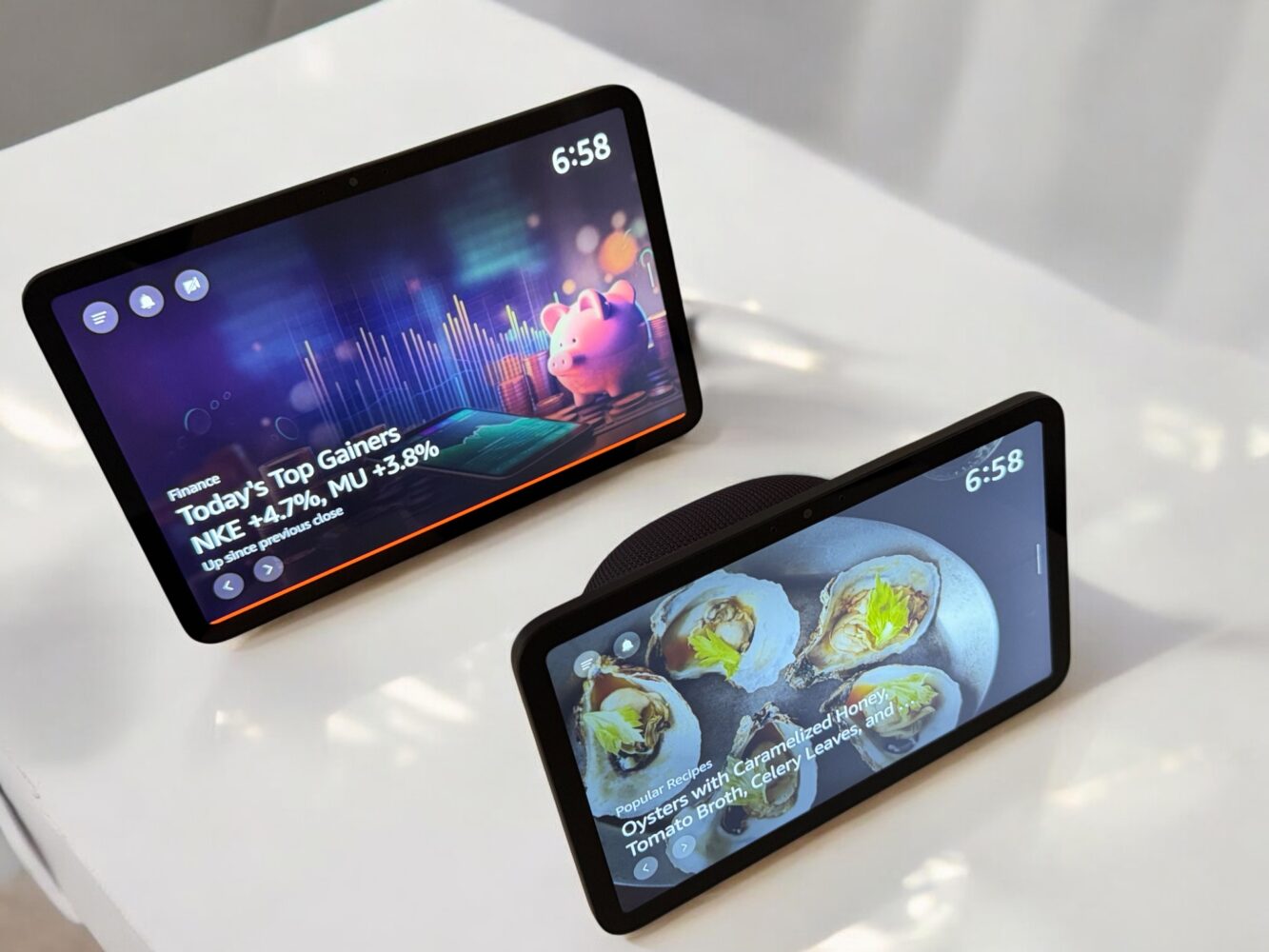
Echo Show 11 & Echo Show 8 (2025)
Verdict
The Echo Show 11 is the better experience if you have the space and want a calmer, more readable presence in your room. The Echo Show 8 is the better value and the more versatile choice, delivering almost everything the larger model does without asking for as much commitment. Neither reinvents the category, but together they represent the most refined version of it yet.