

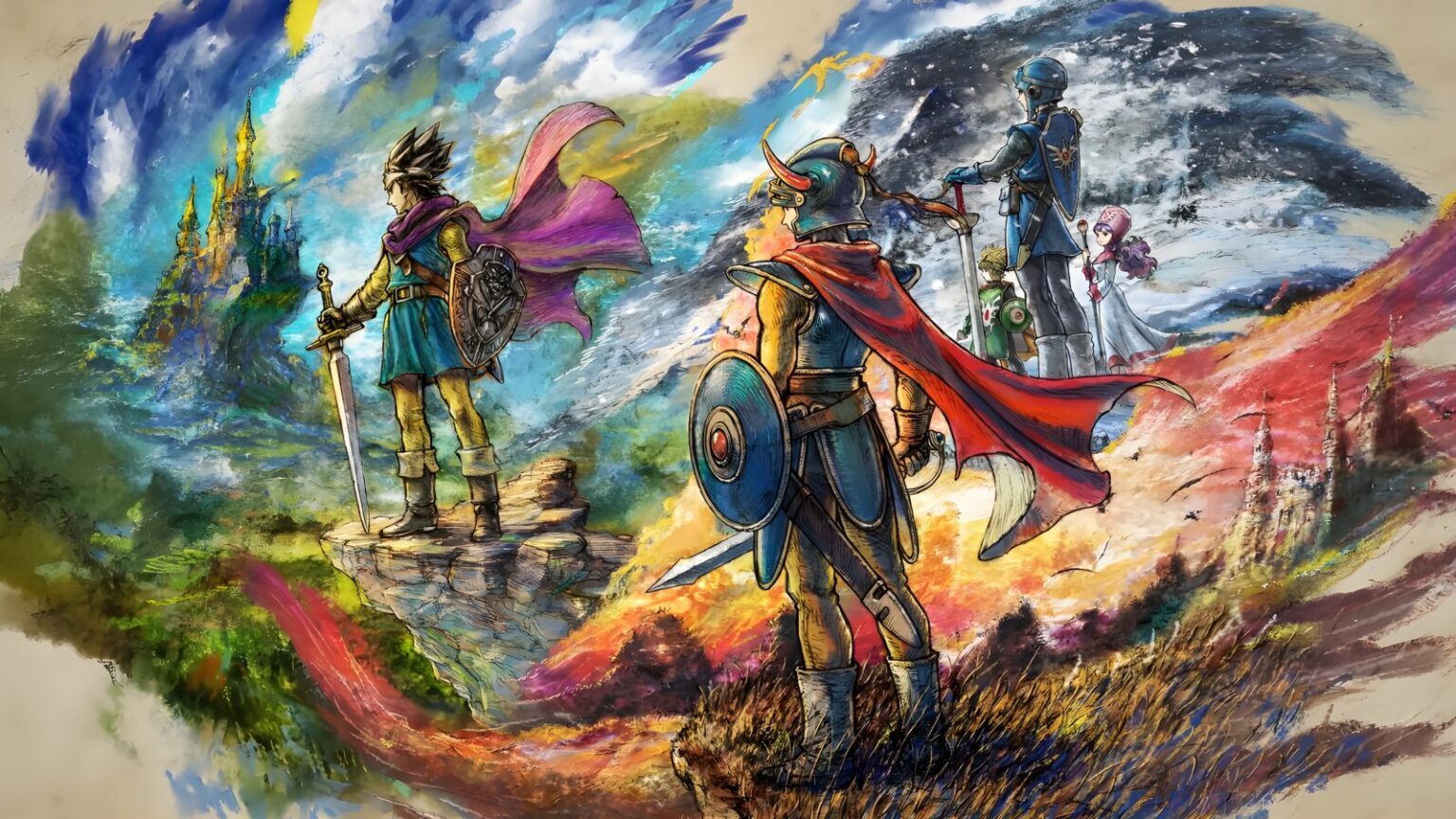
TL;DR: A gorgeous and heartfelt resurrection of two classics that prove old-school turn-based RPGs still have the sharpest swords in gaming history.
Dragon Quest I & II HD-2D Remake
There’s a very specific sound that plays in my brain when I boot up a Dragon Quest game. It’s not the swelling orchestral theme or the chirpy fanfare when you find a Mini Medal. It’s that unmistakable ping of nostalgia—part childhood, part myth, part muscle memory. When the screen fades in on Dragon Quest I & II HD-2D Remake, that sound is deafening. It’s the same melody I heard decades ago on a tiny CRT screen in my cousin’s living room, except now it’s draped in lush lighting, gentle particle effects, and a sense of reverence that only Square Enix’s HD-2D magic can deliver.
This is not just a remake. It’s an act of preservation disguised as an act of reinvention.
A Tale of Two Quests and One Pixel-Perfect Resurrection
Square Enix has been on a mission lately, one that feels equal parts curatorial and commercial. The HD-2D remakes—Live A Live, Octopath Traveler, Triangle Strategy, and last year’s Dragon Quest III HD-2D Remake—have created a new aesthetic language for nostalgia. It’s the equivalent of vinyl for the JRPG world: old sound, new clarity. And now, Dragon Quest I & II HD-2D Remake closes the circle. Together, they form a kind of mythological trilogy that birthed one of gaming’s most enduring genres.
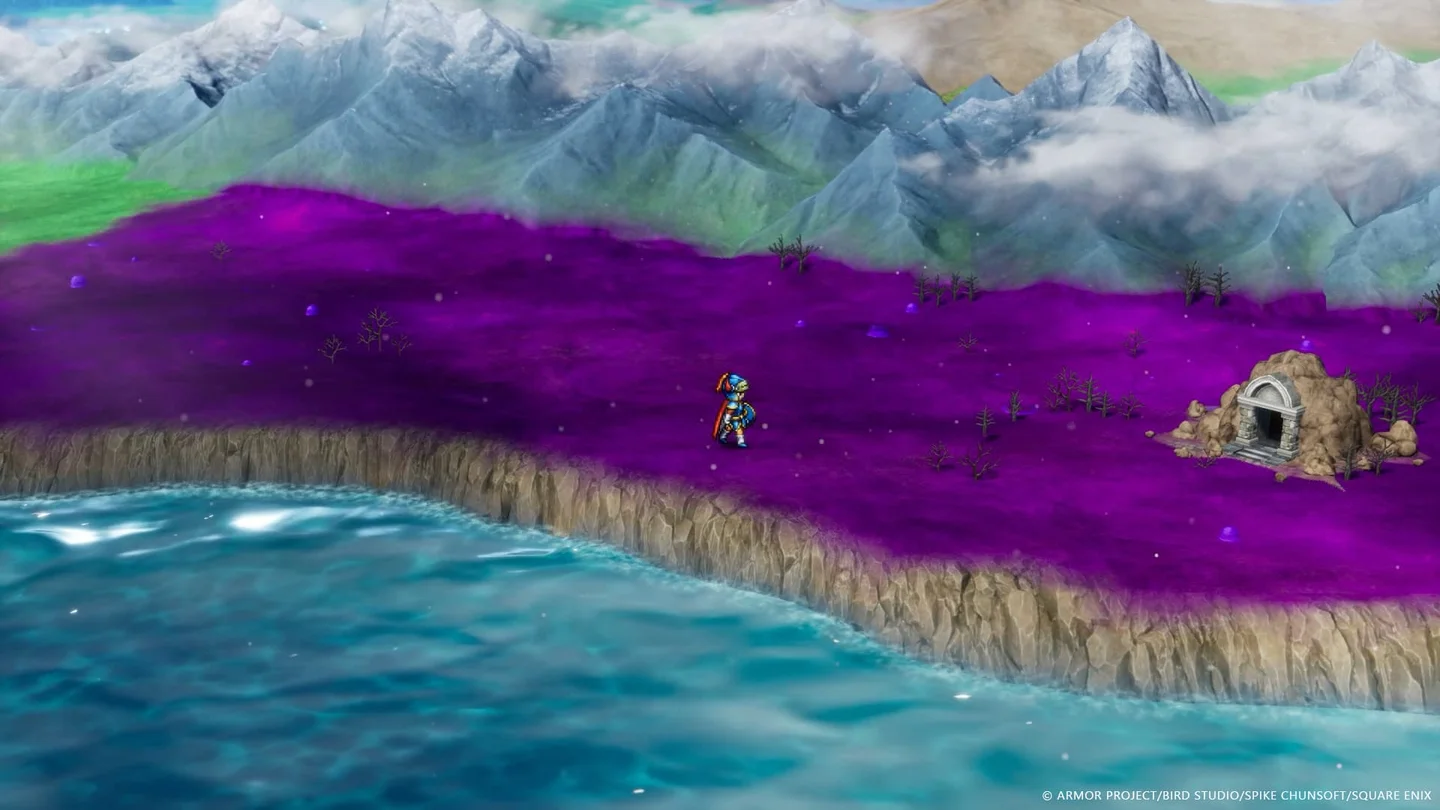
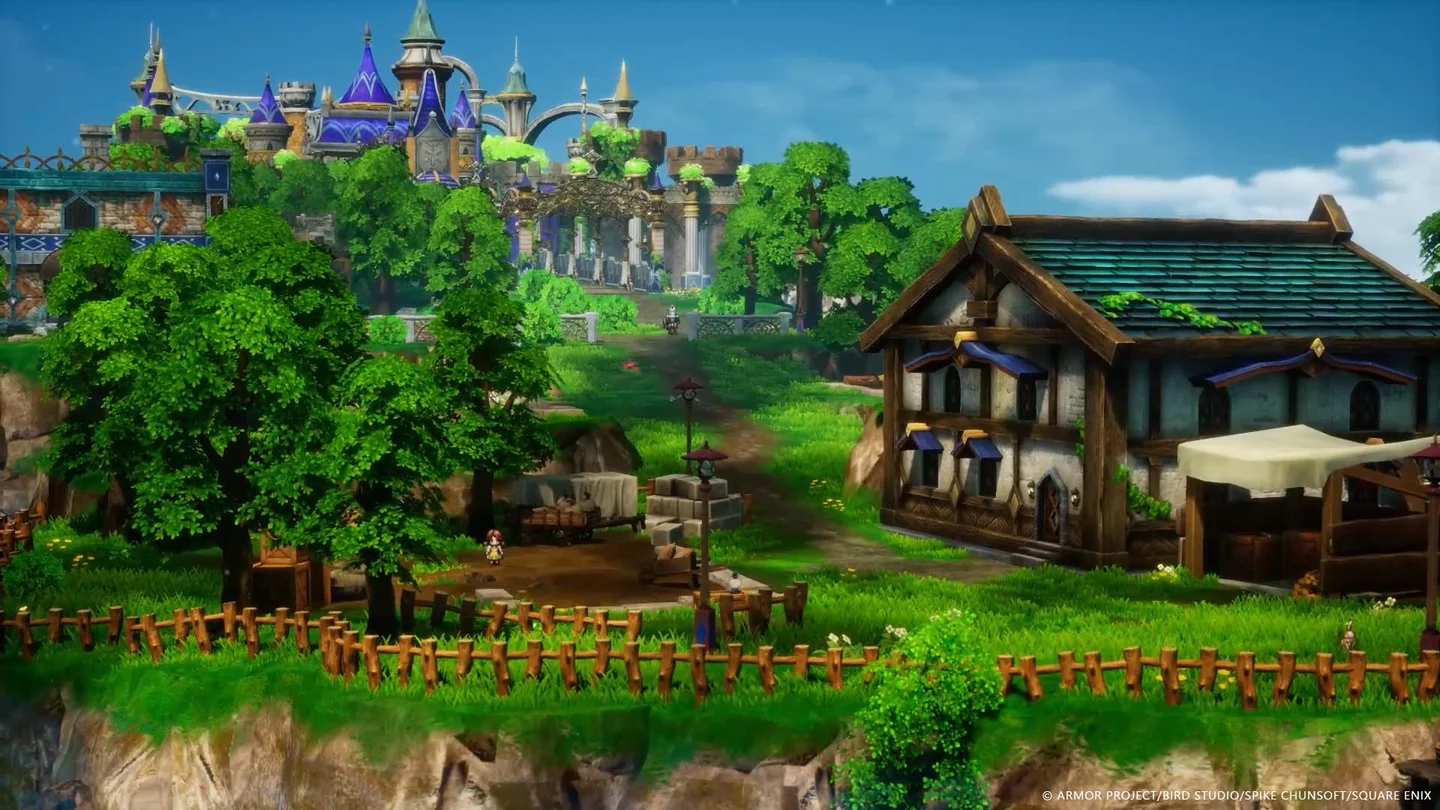
The first thing that hit me wasn’t the visual fidelity, though that’s worth pausing on. The forests look like they’re painted in watercolor by gods who understand shader lighting. The towns flicker with lantern glow, every cobblestone exhaling gentle warmth. The oceans shimmer with reflections that make me want to write poetry about pixel water. But beneath that shine lies something braver: restraint. The developers didn’t over-modernize. They didn’t cram in cinematic voiceovers or convoluted cutscenes. They let silence do the talking. They let your imagination fill the gaps—just like the NES did.
The Simplicity That Refused to Die
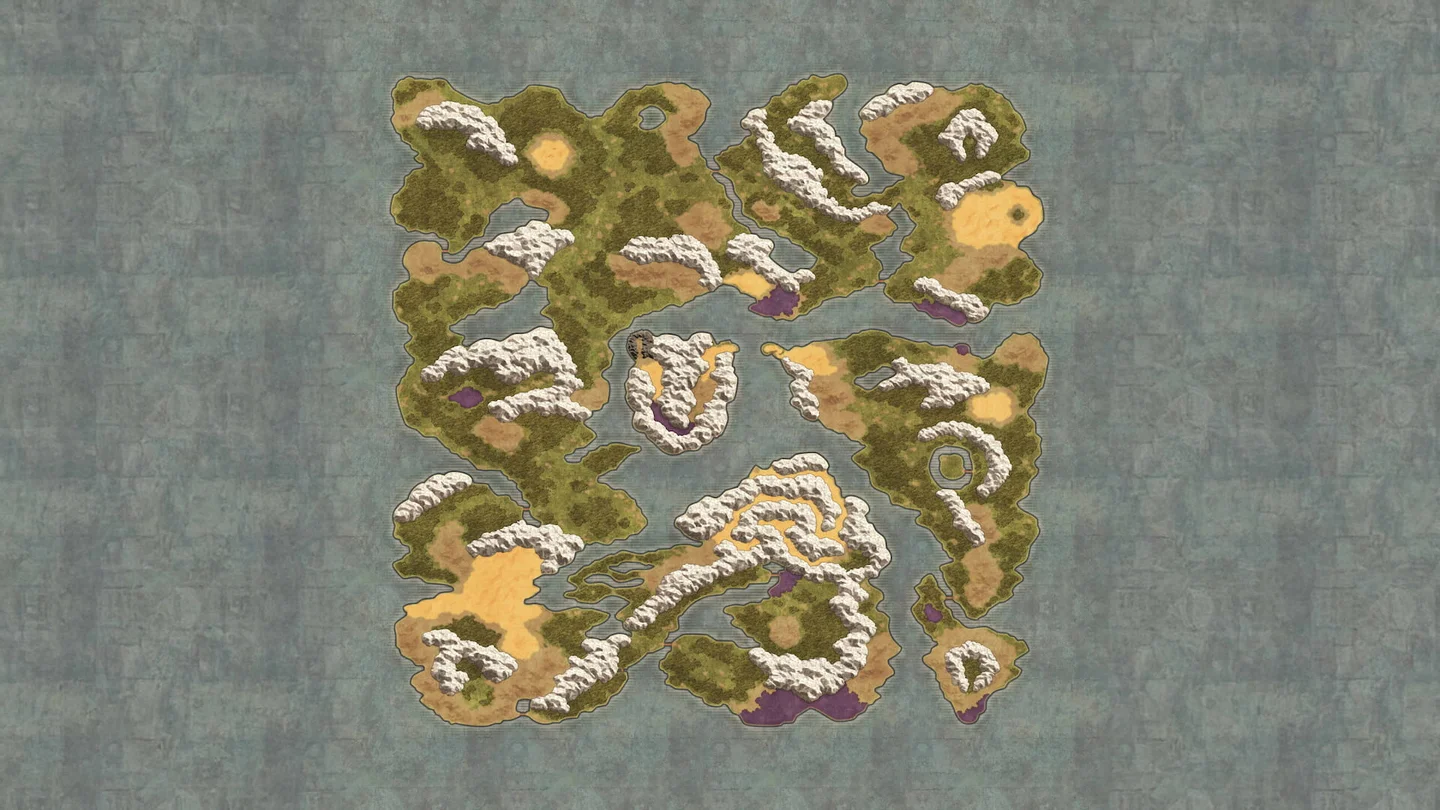
I’ve played hundreds of RPGs, and most modern ones feel like they’re terrified you’ll get bored. There’s always a tutorial popping up, a quest marker blinking, or a voice actor overexplaining emotional trauma. Dragon Quest I doesn’t do any of that. It just drops you in the middle of Alefgard, gives you a sword, and tells you to go kill a dragon.
It’s so old-school it loops back around to feeling avant-garde.
I’d forgotten how freeing it is to not be told how to feel. There’s no tragic flashback sequence or emotional violin swell when you first set out. You’re just a hero, descended from another hero, setting out to do something heroic. The story doesn’t demand empathy—it earns it through scale, not speech. Every village, every cave, every cryptic NPC line builds a sense of place that feels cosmic in its simplicity.
The Solo Grind and the Art of Loneliness
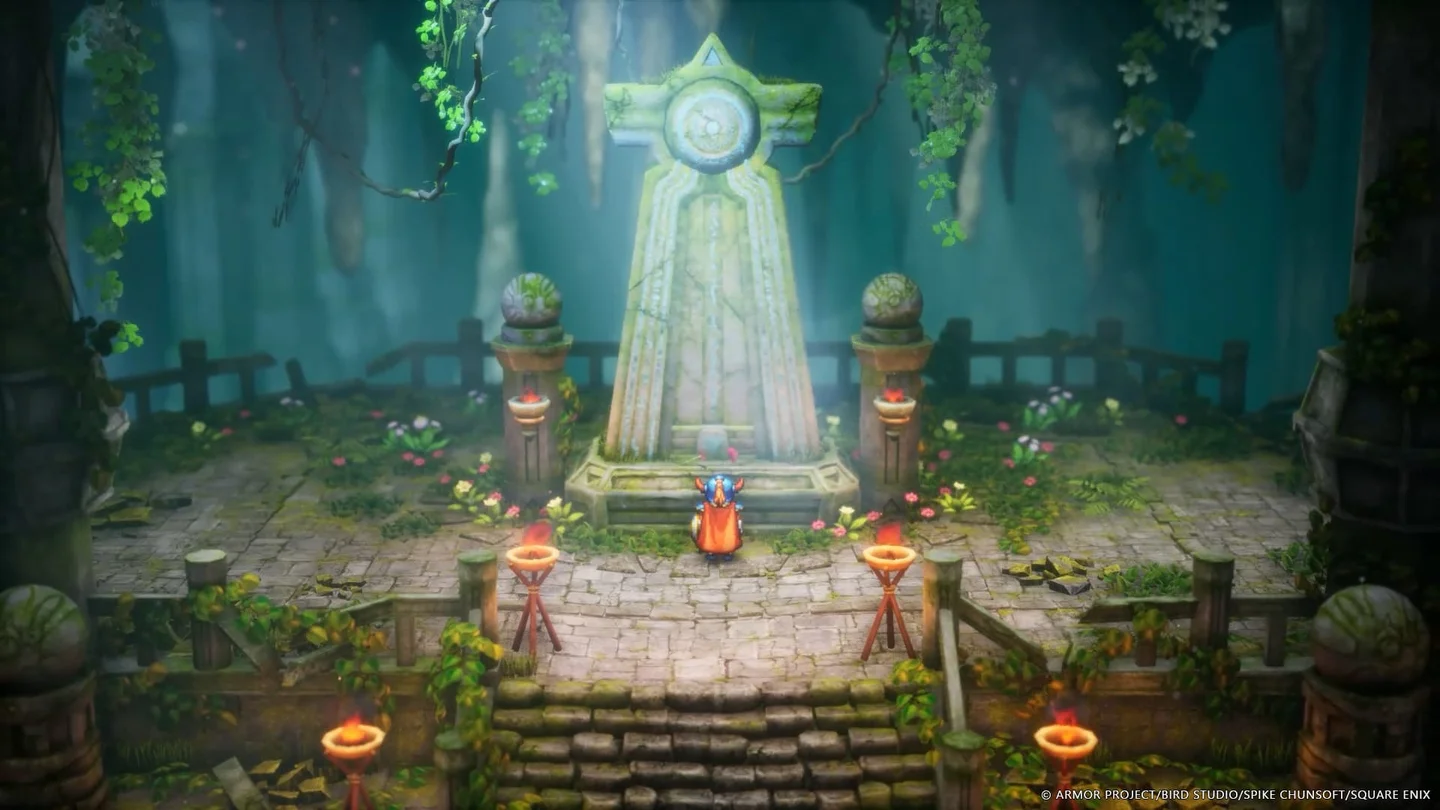
What makes Dragon Quest I still work, four decades later, is that it’s not afraid to make you feel alone. There’s something almost spiritual about that isolation. No party members to talk to, no AI companions to banter with—just you and the weight of your sword arm. Modern RPGs would call that a bug. I call it honesty.
And yet, thanks to the HD-2D art style, your silent hero has more personality than ever. I laughed out loud the first time he fell for the world’s oldest trick—the “look over there!” gag in the first dungeon—and I found myself weirdly moved when he bowed to the Faeries after helping them. No dialogue. No voice acting. Just posture, animation, and intent. It’s a masterclass in visual storytelling.
Combat, too, is gloriously old-fashioned. It’s turn-based in the purest sense—no dynamic camera spins, no combo meters. Just you, an enemy, and the sound of a sword slicing air. And yet, somehow, it still feels fresh. Maybe it’s the way every hit lands with weight, or the way the magic effects glitter like old fireworks in a night sky. The new animations make even the simplest spell feel like an event.
Of course, the game also delights in occasionally punching you in the face. Dragon Quest I’s difficulty spikes are legendary, and they return here with just enough bite to remind you that the 1980s were a cruel decade. Sometimes RNG will throw you into a random encounter that feels like divine punishment. But the modern concessions—a generous autosave, a toggleable Draky Quest mode, faster battle speeds—keep the frustration tolerable. It’s like an old vinyl record remastered: the scratches are still there, but now they’re part of the music.
A World Reforged, A Goddess Remembered
The remake doesn’t just rebuild—it reimagines. New content threads itself through the original story so naturally that I sometimes forgot which parts were new. Rubiss, the creator goddess, finally gets her due. She’s more than just a mythological footnote now—she’s a presence, woven into the tapestry of the world. The added lore gives Alefgard a sense of spiritual continuity that feels like a bridge to Dragon Quest II.
And that’s the beauty of this dual release: the games talk to each other. The events of the first feed into the second like myth into history. By the time you sail into the sequel, you’re not just playing another RPG—you’re inheriting a legend.
Setting Sail for Sequel Seas
When Dragon Quest II begins, it feels like someone turned the lights on. After the solitude of the first game, suddenly there’s a world full of chatter, color, and personality. You have a party now. There’s banter, bickering, and camaraderie. The Prince of Cannock is as naïve as a golden retriever; his sister is the grounded, mischievous counterbalance; and the Princess of Moonbrooke burns with vengeance and vulnerability. Together, they feel like the emotional blueprint for every JRPG party that followed.
It’s easy to forget how radical this was in 1987. Four playable characters? Interwoven destinies? The seeds of every modern RPG cliché were planted right here. But what the remake does best is remind you that these weren’t clichés when they started—they were revelations.
The world feels alive in a way the NES could only dream of. The oceans ripple with secrets. You can dive beneath the surface now, discovering dungeons hidden under waves, like memories buried in myth. The ship creaks with nostalgia, the wind whispers adventure, and the soundtrack—those same familiar melodies, reorchestrated with tenderness—feels like coming home.
The Sigil System and Tactical Alchemy
Combat in Dragon Quest II evolves beyond its predecessor without abandoning its roots. The Sigils are a brilliant addition: magical emblems that give your party passive buffs, turning what were once meaningless collectibles into strategic tools. Do you risk keeping your health low to trigger a damage boost, or play it safe and heal? These tiny trade-offs create tension in every battle, and they fit so organically that you’d swear they were always there.
The game’s difficulty still bites—especially those late-game boss fights—but now it feels fairer, more deliberate. And with quality-of-life updates like adjustable battle speed and autosaves, you can focus on strategy instead of slog.
Between Nostalgia and Innovation
There’s an almost parental tenderness in how Square Enix treats these games. They know their age shows, but instead of hiding the wrinkles, they highlight them with light. The HD-2D engine doesn’t erase the pixel past—it celebrates it. Every sprite is a brushstroke of memory. Every shadow is a whisper of the cartridge era.
I found myself wandering towns just to admire the reflections in the water, or pausing to let the day-night cycle wash over the screen. It’s a level of atmosphere that feels handcrafted, like a love letter written in pixels and bloom lighting.
The Modern Comforts We Secretly Needed
Square Enix added new features with a level of restraint I wish more remakes had. Objective markers can be toggled on or off, striking a perfect balance between accessibility and authenticity. You can use them to avoid aimless wandering—or turn them off if you crave that NES-era confusion where every villager’s riddle felt like an existential test.
Mini Medals return, too, and they’re pure serotonin. Scouring barrels and rocks for those tiny tokens scratches the same dopamine itch as finding Korok Seeds or Pokémon Shinies. It’s a brilliant way to reward exploration without padding the experience.
And then there’s Draky Quest mode. Invincibility toggles can often feel like cheating, but here it’s more like having a safety net. You can use it selectively—turn it on when you’re getting demolished by a boss, turn it off when you want the real challenge. It’s accessibility done right: choice without compromise.
The Emotional Alchemy of HD-2D
Here’s the thing about nostalgia: it’s a tricky kind of magic. Too much polish, and it evaporates. Too little, and it decays. The HD-2D art style is the philosopher’s stone that keeps it alive. It transforms nostalgia into something living, something you can touch.
When I think of Dragon Quest I & II HD-2D Remake, I don’t just think of pixels and polygons. I think of the smell of old controllers, the static hum of CRTs, the feel of an adventure that fit inside a cartridge but somehow contained a world. This remake captures that feeling and translates it for a generation that grew up swiping screens instead of blowing into game carts.
Epilogue: The Echo of a Sword Swing
Playing these remakes reminded me that Dragon Quest has always been about small moments that echo into eternity. The innkeeper’s greeting. The first time you step into a cave and hear the music drop to a haunting minor key. The thrill of realizing that your little 8-bit hero was part of something bigger than himself—a lineage, a legacy, a legend.
Square Enix didn’t just remake two games. They resurrected a philosophy: that games don’t need spectacle to have soul.
Verdict
Dragon Quest I & II HD-2D Remake is more than a nostalgic return—it’s a masterclass in how to honor the past without embalming it. It embraces its simplicity, amplifies its strengths, and polishes its rough edges just enough to sparkle without losing texture. Some difficulty spikes remain, and the combat is unapologetically old-school, but those are features, not flaws. Together, these remakes form a luminous sendoff to the trilogy that built an empire of slimes, swords, and courage.