


TL;DR: Cool concept, bad execution. Code Violet looks futuristic but plays like a relic, delivering dull combat, weak storytelling, and enough bugs to make the dinosaurs feel like a secondary threat.
Code Violet
I went into Code Violet hoping for chaos in the fun way. You know the fantasy: laser guns, flickering lights, space-station corridors slick with blood, and dinosaurs doing what dinosaurs do best—ruining your evening. I wanted Dino Crisis energy filtered through modern survival horror sensibilities. What I got instead was a strange, stiff, bug-riddled relic that looks forward but thinks backward, a game that feels less like a bold revival and more like something dug out of a fossil bed and hastily powered on.
Let me get this out of the way early so we can all breathe: Code Violet is not good. Not “so bad it’s charming,” not “janky but ambitious.” Just plain bad in the most deflating way, where you can see what it wanted to be, and you can also see how little of that ambition actually survived contact with reality. It’s a sci-fi horror game with dinosaurs that somehow manages to be neither scary nor thrilling, and as someone who will absolutely forgive a lot if you just give me vibes, that stings.
The setup is classic pulp sci-fi, the kind of thing you’d find in a dog-eared paperback from the ‘90s. Far-future colonization, shady experiments, genetic nightmares, and a lone survivor navigating the aftermath. On paper, I should have been all in. In practice, the story lands with a dull thud. It’s delivered through clunky cutscenes, half-baked twists, and a parade of lore dumps that feel more like homework than intrigue. The most interesting bits are tucked away in optional logs and journals, which quietly implies the developers knew where the real flavor was but didn’t trust it enough to put front and center.
The plot keeps escalating in increasingly absurd directions, especially toward the end, but none of it earns its own insanity. Revelations that should feel shocking arrive rushed and undercooked, like someone flipping through the last ten pages of a novel and calling it a climax. I kept waiting for the moment where it would all click, where the nonsense would crystallize into something memorable. Instead, it just… ended.

At the center of it all is Violet, our supposed survivor heroine, and she might be the most frustrating part of the entire experience. She’s positioned as this capable, resilient figure in the lineage of genre icons, but she never actually feels like a person. Violet exists to react, to gasp, to cry, and to obediently follow instructions from characters who barely register as human themselves. She has no inner life to speak of, no real perspective on the horrors unfolding around her. When she survives, it’s because I’m holding the controller, not because the character herself demonstrates any growth or agency.
That emptiness makes the game’s fixation on her appearance feel especially uncomfortable. The camera lingers. The costume options lean hard into titillation. And because Violet lacks any sense of self-ownership or confidence, it stops feeling playful and starts feeling creepy. This is the weird irony of Code Violet: it arrives in a post-Baldur’s Gate 3, post-Stellar Blade world, where audiences are more than ready to embrace exaggerated sexuality if it’s paired with personality and intent, and somehow still manages to fumble it. Sexy characters work when they feel in control. Violet never does.
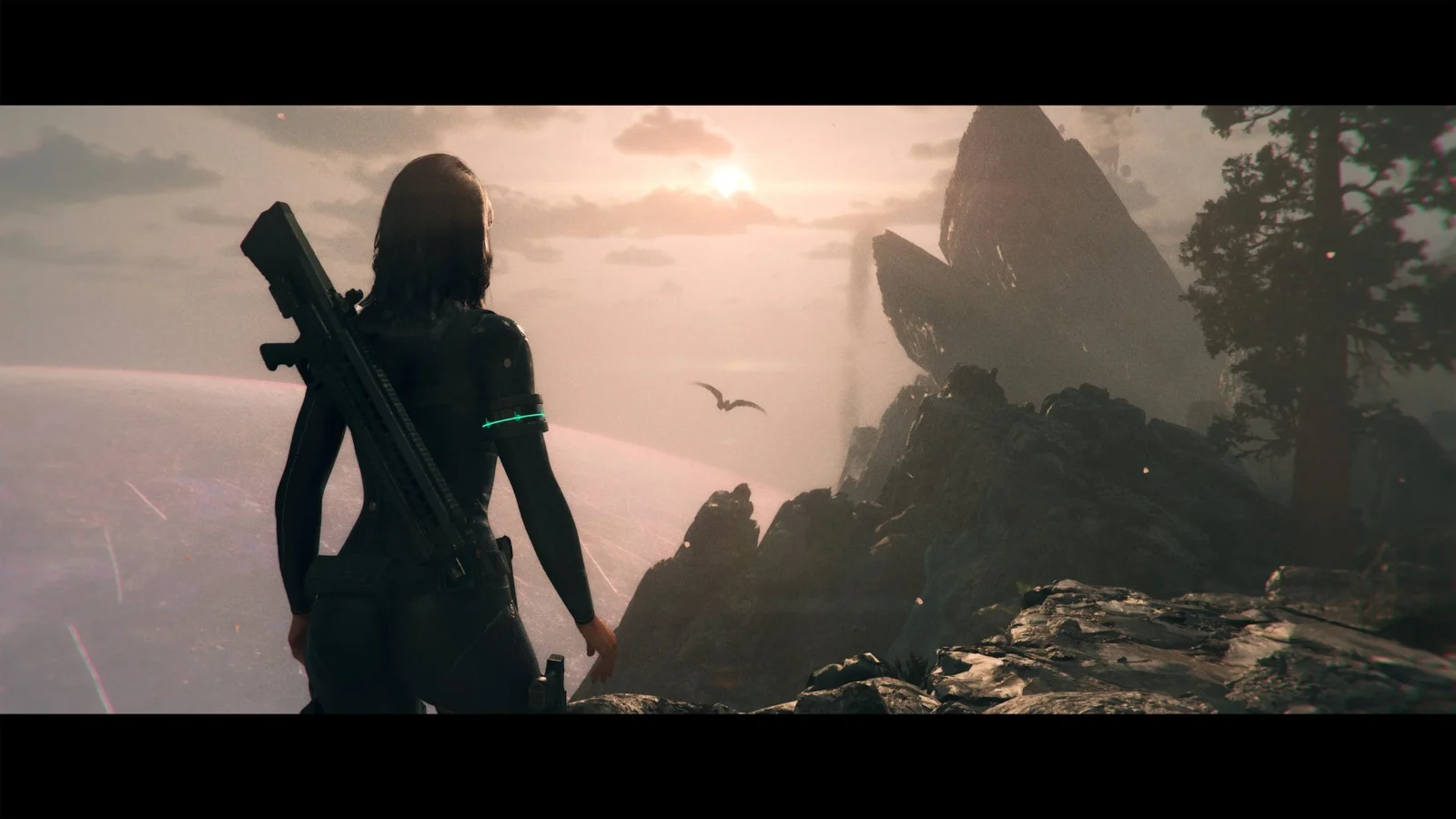
Visually, the game is a mixed bag in the most literal sense. From a distance, especially outdoors, Code Violet can look genuinely striking. There are moments where floating landmasses hang in a violet-tinted sky, and I paused just to take it in, briefly forgetting the mess beneath the surface. Up close, though, it falls apart. Textures smear. Metallic surfaces gleam in ugly, artificial ways. The environments feel like reheated leftovers from every sci-fi corridor shooter you’ve played before, except without the personality that made those spaces memorable. Doom 3 did more with this aesthetic two decades ago, and that comparison does Code Violet no favors.
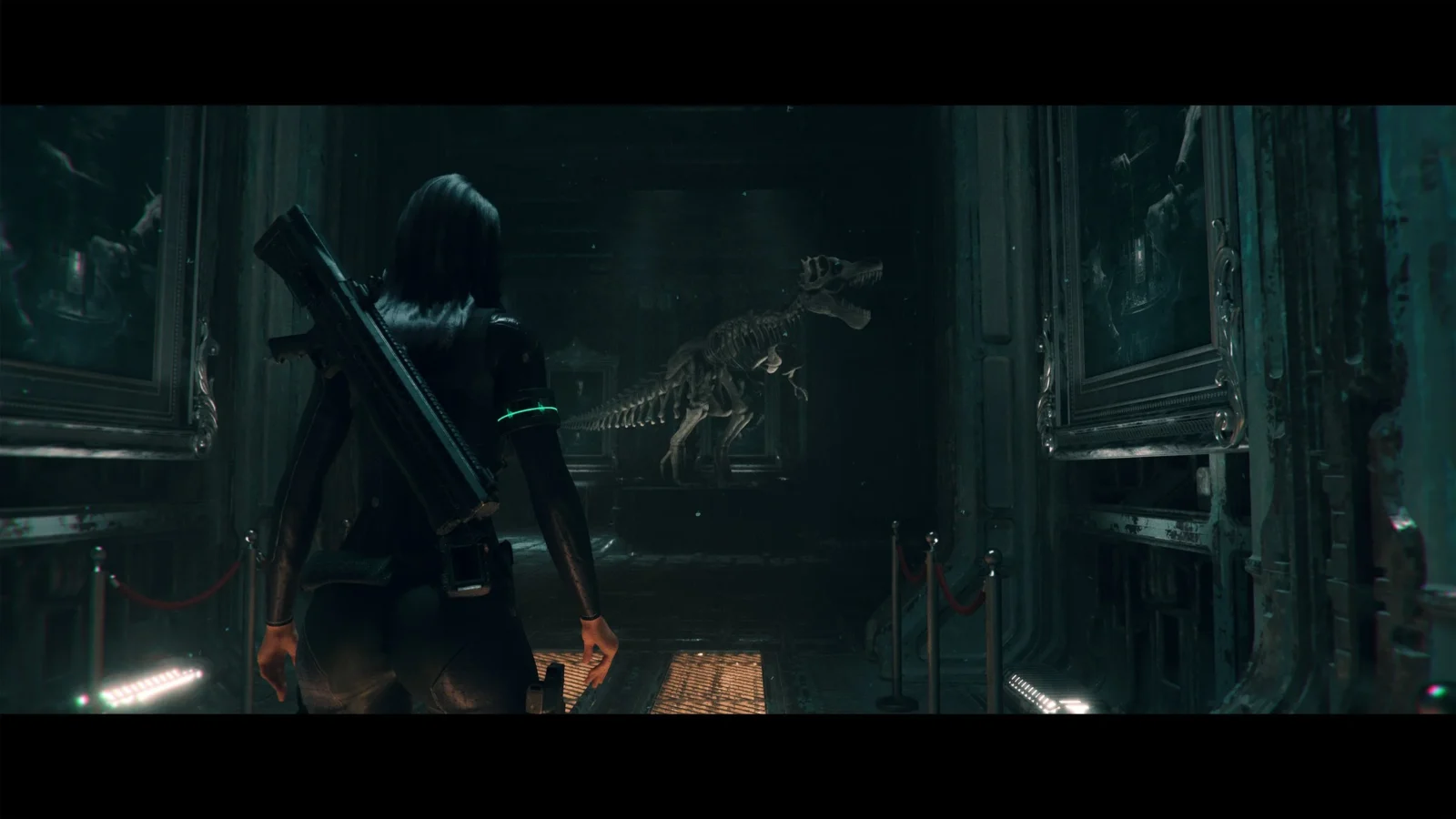
There are odd visual flourishes scattered throughout—medieval-looking statues, incongruous oil paintings, soda machines plopped into sterile labs like set dressing from another dimension. They don’t build atmosphere so much as raise questions, and not the good kind. I spent more time wondering whether some of the artwork was AI-generated than I did thinking about what it meant for the world, which probably says everything that needs to be said.
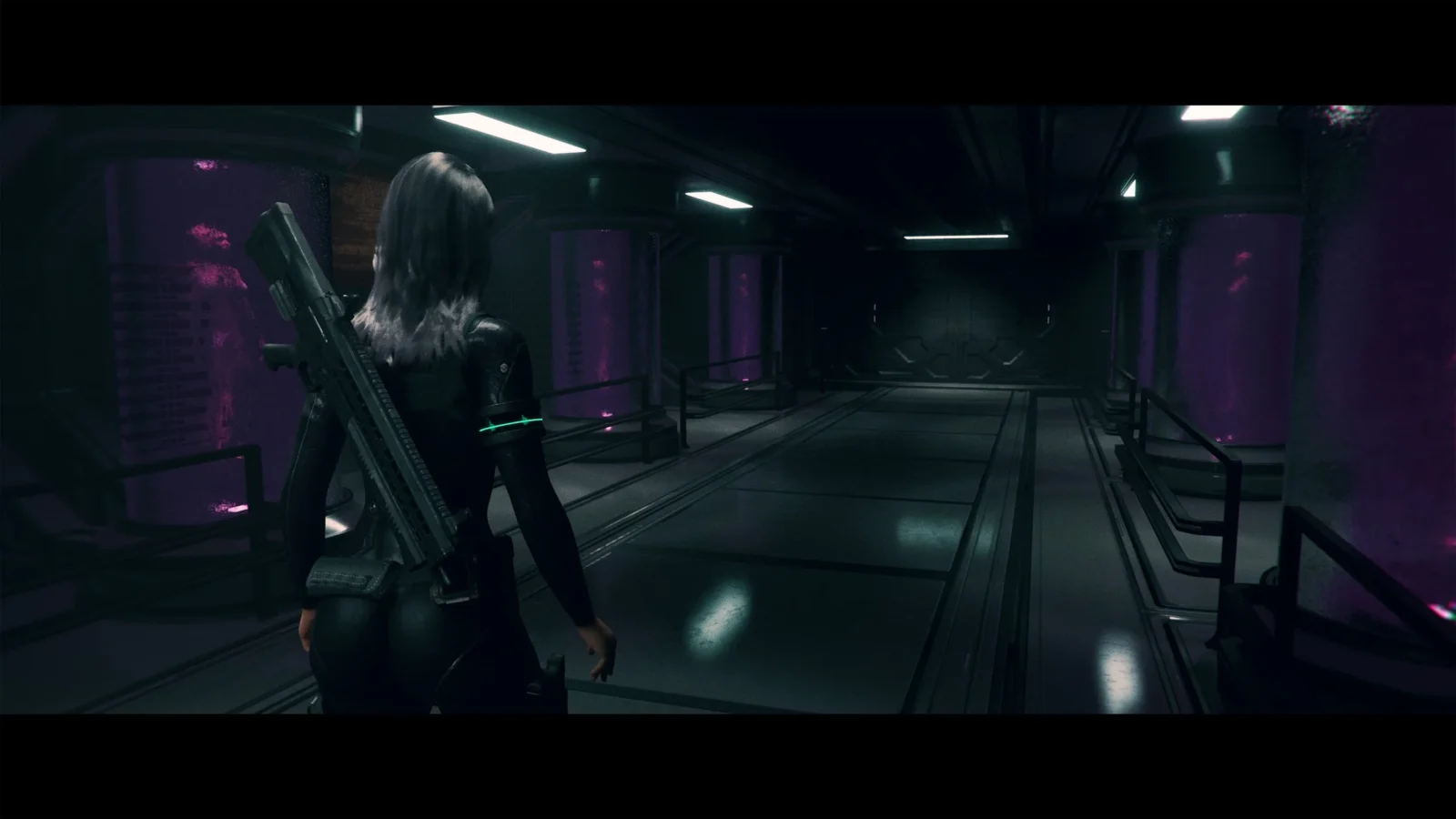
Level design is where the game truly flatlines. Outdoor areas look expansive but play like narrow hallways with grass instead of walls. Indoors, it’s the same rhythm repeated endlessly: empty corridor, room with enemies, empty corridor, room with enemies. There’s no tension because the game teaches you very quickly that most spaces are safe to jog through without consequence. In great survival horror, every door is a question mark. Here, most doors are just doors.
Combat should be the saving grace, but it’s the opposite. Fighting dinosaurs sounds inherently cool, yet Code Violet turns it into a repetitive chore. Raptors run at you, swipe, pause, repeat. Smaller ones line up like they’re waiting for a bus. Spitters stand still and projectile vomit until you oblige them by moving closer. Even the boss encounters barely remix this formula. I beat nearly everything using the same tired strategy: backstep, shoot, backstep, shoot, occasionally swear at the camera.
And oh, the camera. Indoors, it’s a menace. It collides with walls constantly, obscuring your view during close-quarters fights and turning already messy encounters into visual soup. There were moments where the scariest thing on screen wasn’t the dinosaur lunging at me, but the sudden loss of spatial awareness as the camera freaked out behind Violet’s shoulder.
Stealth exists, technically, but it’s almost pointless. Enemies seem to know where you are regardless of your efforts, and many encounters are scripted so aggressively that subtlety never stands a chance. Violet’s invisibility ability, GlassVeil, is so broken it borders on parody. Activate it mid-fight and enemies just… stop. Bosses included. It’s less Predator cloaking device and more “time out, I’m busy.”
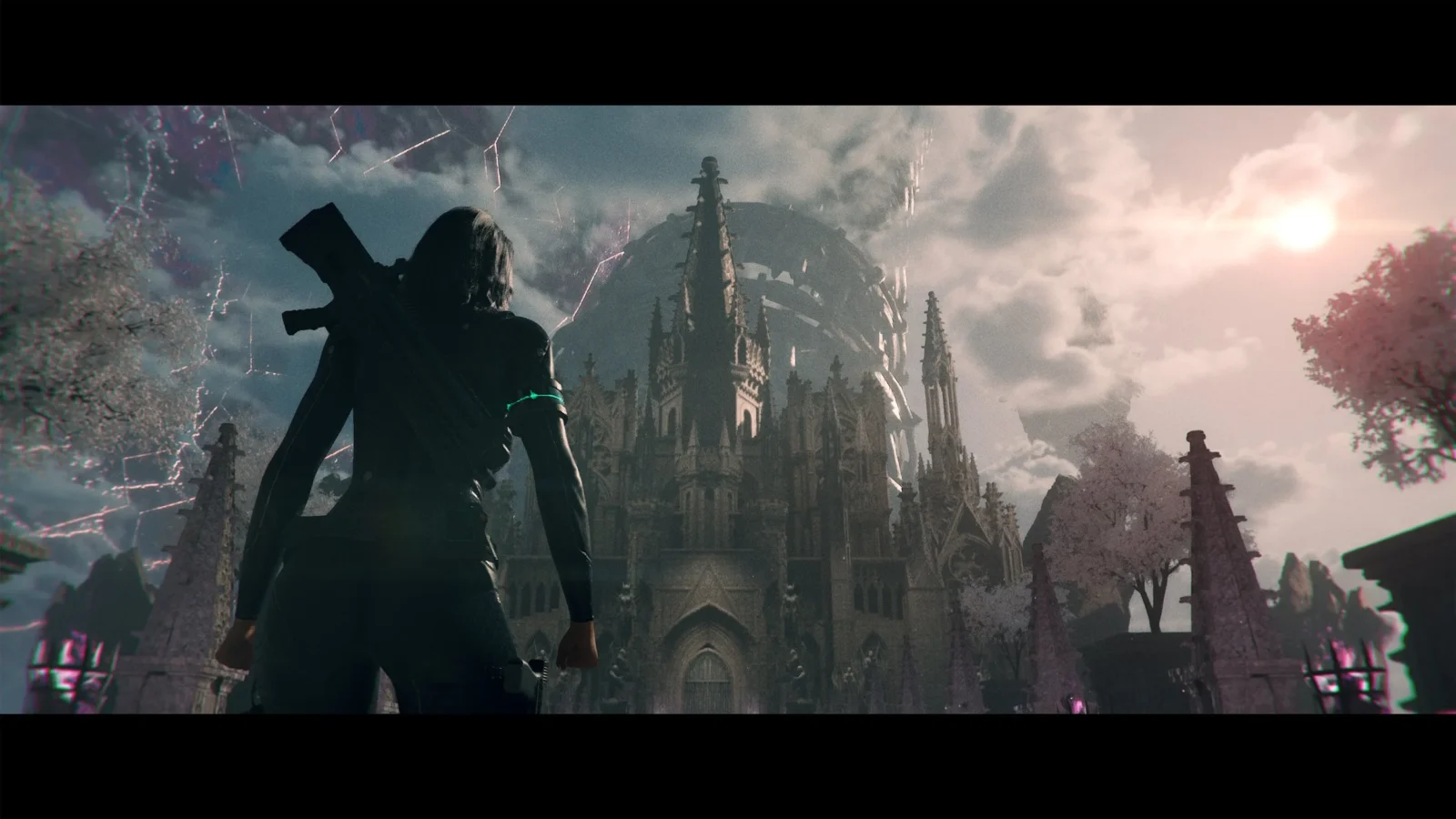
As if all of that weren’t enough, the technical issues pile on relentlessly. Audio cuts out. Visual elements fail to load. Ammo counts lie. Weapons vanish. In my build, healing items duplicated themselves like loaves and fishes, completely wrecking any sense of balance. To their credit, TeamKill Media has acknowledged these issues, but knowing they might be fixed later doesn’t make them less damaging now.
By the time the credits rolled, I felt exhausted, not exhilarated. Code Violet wants desperately to be the modern answer to Dino Crisis, but it doesn’t understand why that game worked, or why survival horror still resonates today. It borrows the aesthetics, the surface-level mechanics, and the iconography, but none of the soul.
Verdict
Code Violet is a sci-fi horror shooter with dinosaurs that forgets to be fun, scary, or interesting. Beneath a few striking skyboxes lies a hollow experience defined by flat characters, archaic level design, tedious combat, and a swarm of technical problems that undermine what little tension it manages to build. It’s not just a disappointment—it’s a reminder that nostalgia alone can’t carry a game across the finish line.