
TL;DR: Cool ideas, uneven execution. Code Vein 2 has flashes of brilliance, but jank, repetition, and missed emotional beats keep it from becoming the anime soulslike it desperately wants to be.
Code Vein II
I really wanted Code Vein 2 to be my redemption arc with this series. I booted it up with that very specific cocktail of optimism and skepticism that only a soulslike sequel can inspire. You know the feeling: you’ve been burned before, but the genre has evolved, the studio has had time to learn, and surely this time the anime-flavored Souls experiment would finally come together. Fifty hours later, credits rolled, controller resting on my chest, I felt something far more familiar. Not rage. Not disappointment, exactly. Just that soft sigh of a game that almost gets there, repeatedly, and then trips over its own shoelaces.
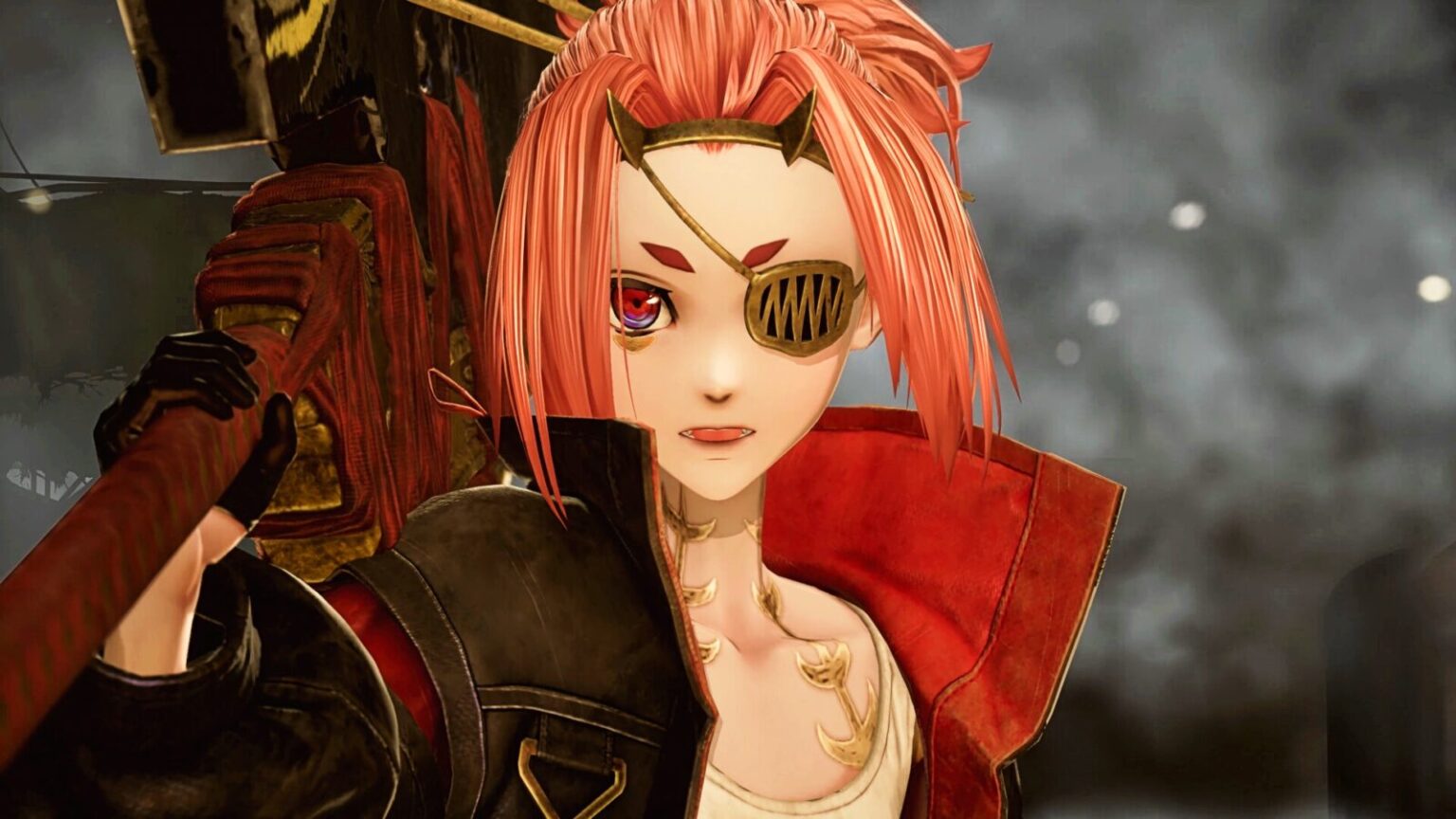
The thing is, I like Code Vein’s core idea a lot. I always have. Vampiric revenants, melodramatic anime angst, oversized weapons, and a bleak world that wants you dead? That’s catnip for a certain type of nerd brain, mine included. Code Vein 2 doubles down by layering time travel on top of its post-apocalyptic soulslike foundation, and on paper that’s a killer hook. Fix the future by altering the past. Watch regions change. Rewrite tragedies. It sounds like the kind of ambitious swing that could finally push this series out of the “pretty good but forgettable” tier.
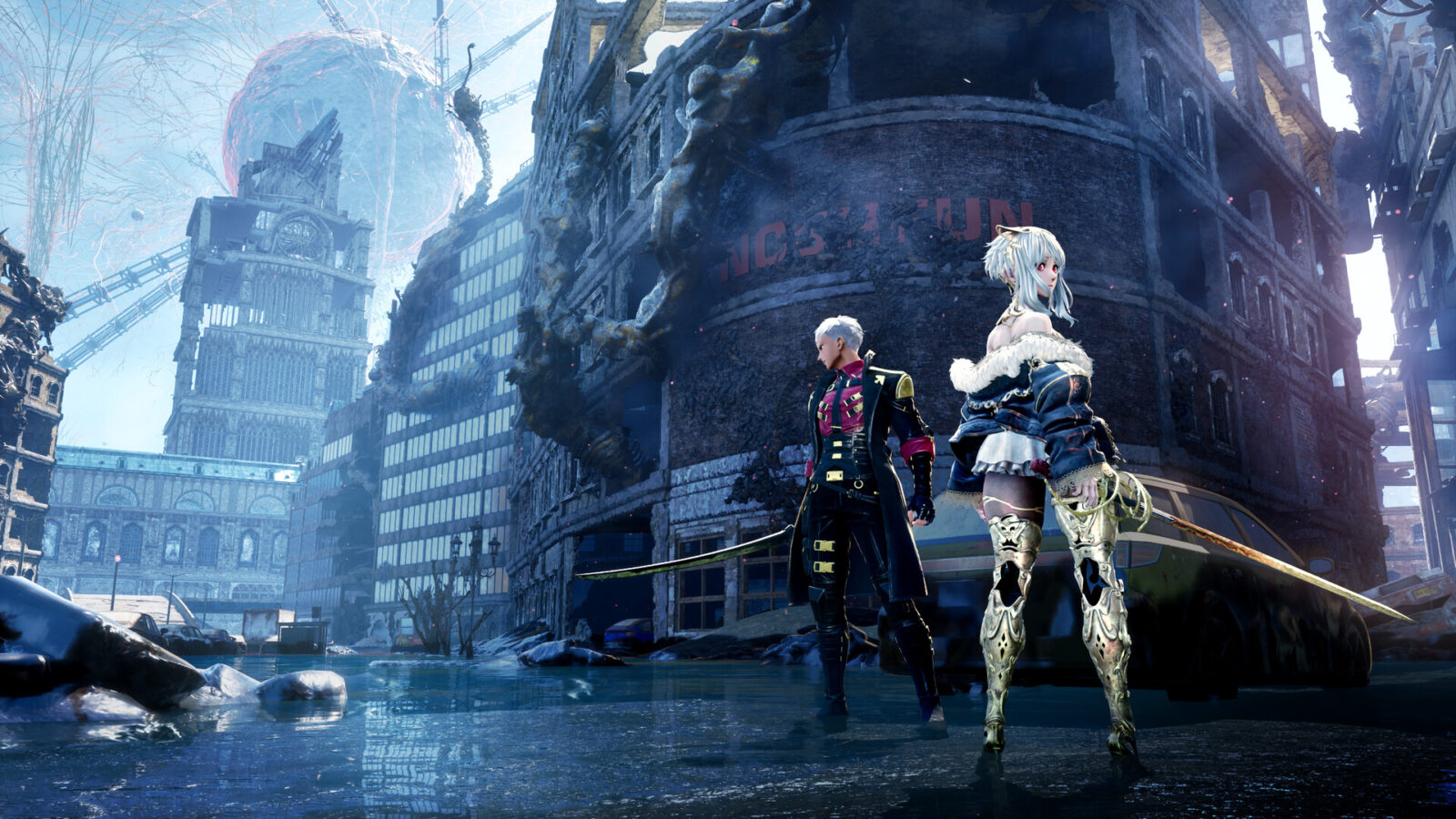
And for a brief moment early on, it works. Standing atop Magmell Island, watching the landscape physically shift after completing the prologue, I felt that little jolt of awe. That “oh damn, okay” moment. The open world reveals itself cautiously, not quite as intimidating as Elden Ring but clearly inspired by it, and I appreciated the restraint. This isn’t a map stuffed with busywork. It’s lean, focused, and narratively motivated. Traveling between eras to help legendary heroes alter their doomed fates gives the world a sense of cause and effect that Code Vein never quite had before.
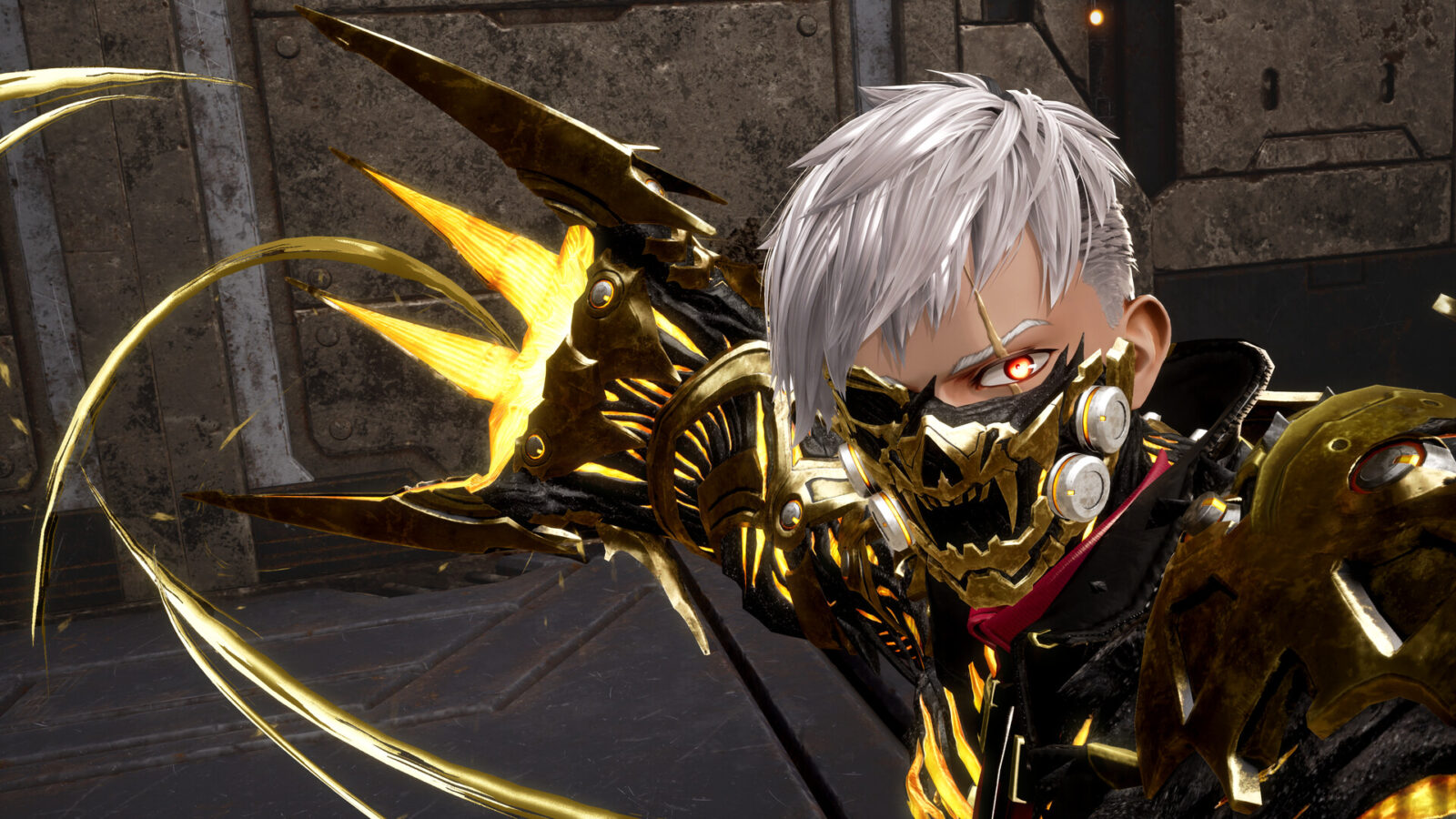
Unfortunately, the storytelling that’s meant to sell this grand idea rarely lands with the emotional weight it’s aiming for. Too many pivotal scenes play out in these abstract, dreamlike voids where characters stand stiffly, trade vague lines of dialogue, and vanish again. It feels less like evocative minimalism and more like the game ran out of time, budget, or confidence. When Code Vein 2 does spring for fully animated cutscenes, they’re great. They’re punchy, stylish, and dramatic in that unapologetically anime way. Then they’re gone, and you’re back to squinting at half-baked exposition, trying to care as much as the game desperately wants you to.
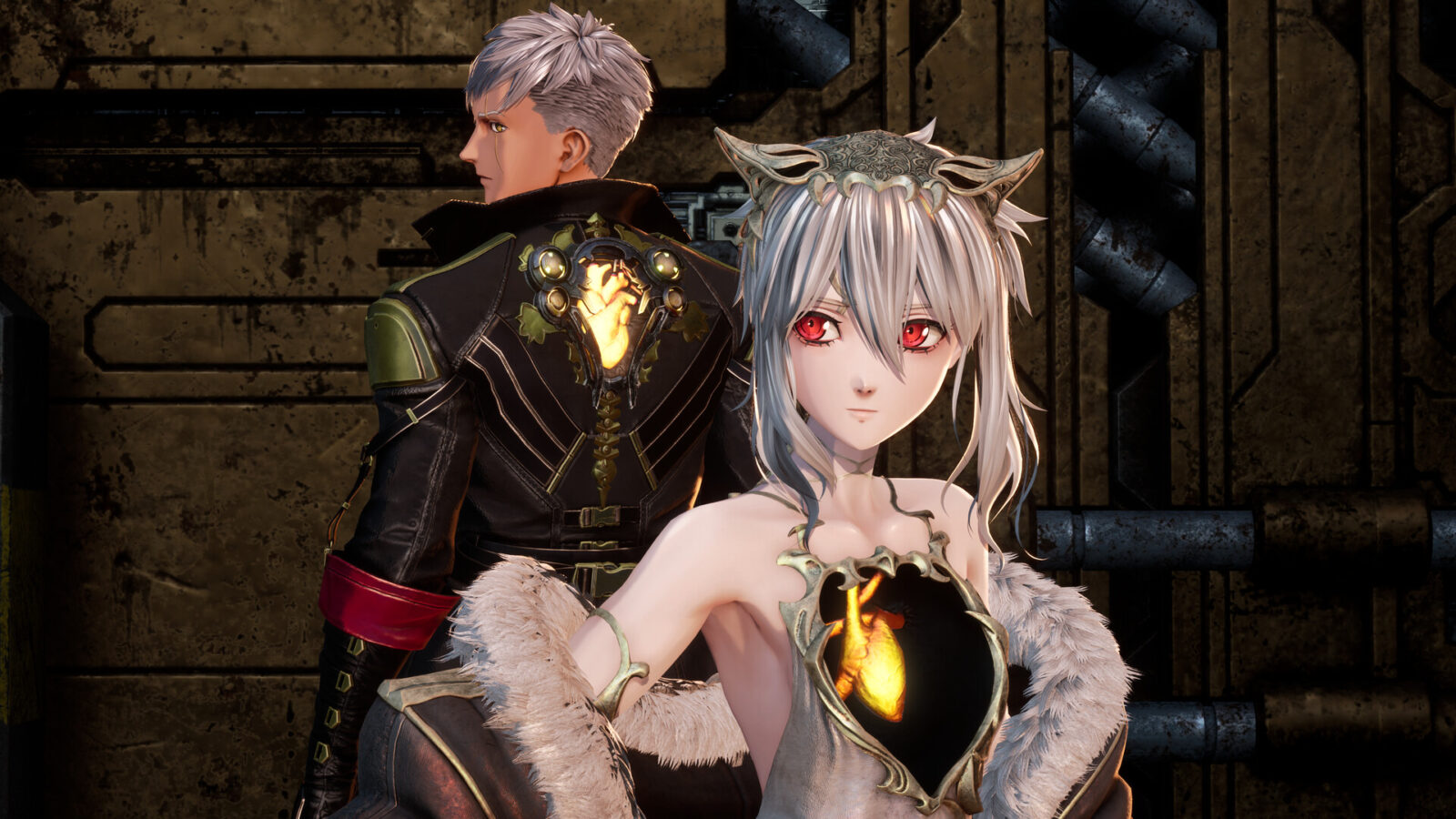
There are characters worth caring about, to be fair. Lou, the fragile lynchpin of the time travel mechanic, carries a quiet sadness that genuinely worked on me. Holly’s storyline, in particular, surprised me with how grounded and tragic it felt, the kind of arc that briefly convinces you the narrative might finally stick the landing. But zoom out, and the broader conflict between humans, revenants, and the monsters infesting the world feels thin. The lore gestures toward something deeper without ever committing to it, and by the time the ending tried to tug at my heartstrings, I realized they hadn’t really earned the pull.
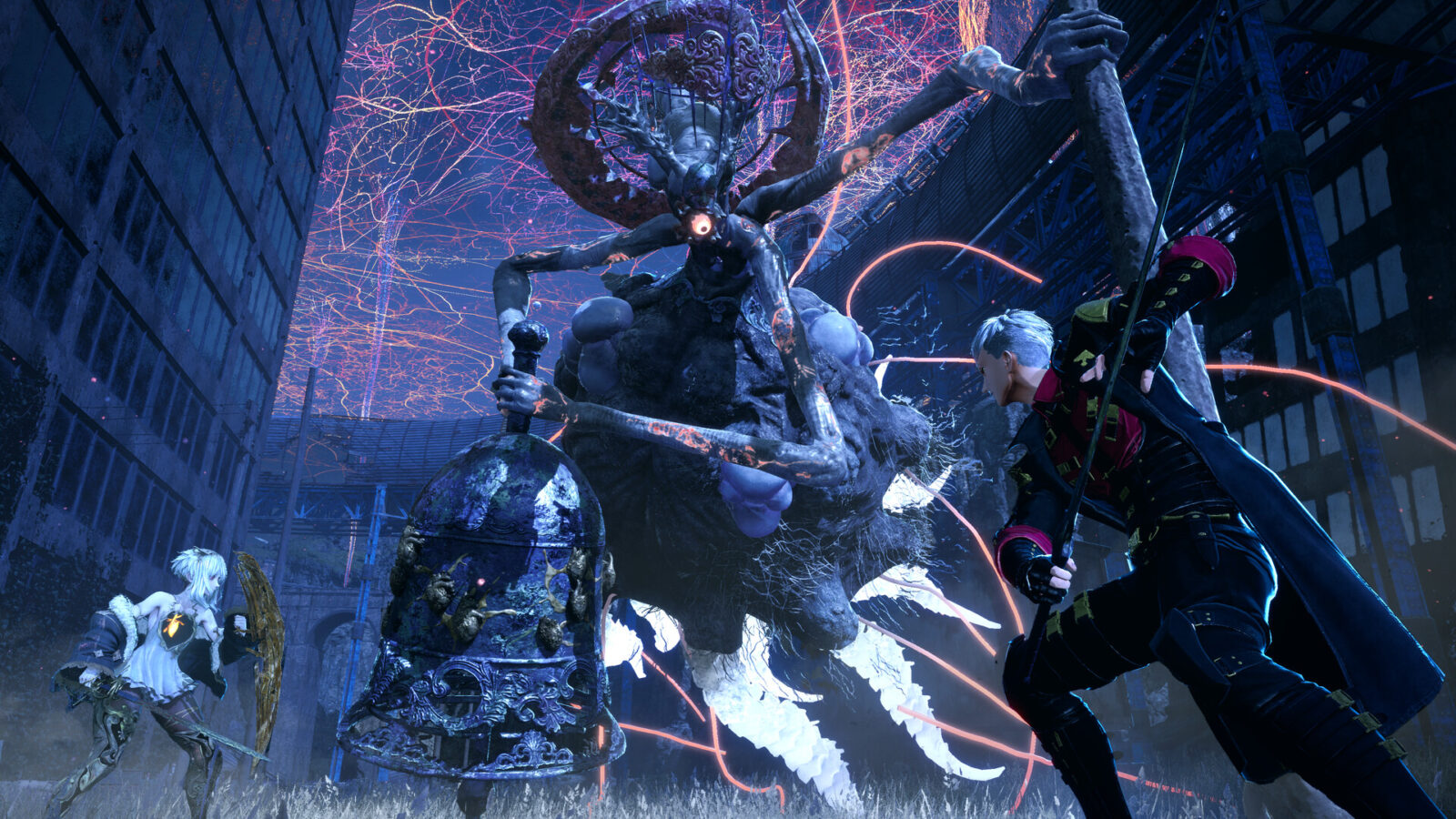
The open world does a lot of heavy lifting in selling the atmosphere, even when the writing falters. Seeing the same location across timelines, lush and alive in the past, hollowed out and dead in the present, is effective in a quiet, visual way. The Undead Forest’s transformation from greenery to desolation stuck with me long after I’d cleared it. Mechanically, these shifts don’t change much, but thematically, they’re doing real work.
Actually moving through this world, though, can be a headache. The motorcycle is a neat idea that handles like a toy someone bought off a clearance shelf. You glide, you bump into invisible walls that feel arbitrary, and occasionally you die from falls that look survivable, which is never a good feeling in a game already flirting with frustration. Add to that some surprisingly muddy textures up close, constant texture pop-in during cutscenes, and a wildly inconsistent frame rate even in performance mode, and the technical roughness becomes impossible to ignore.
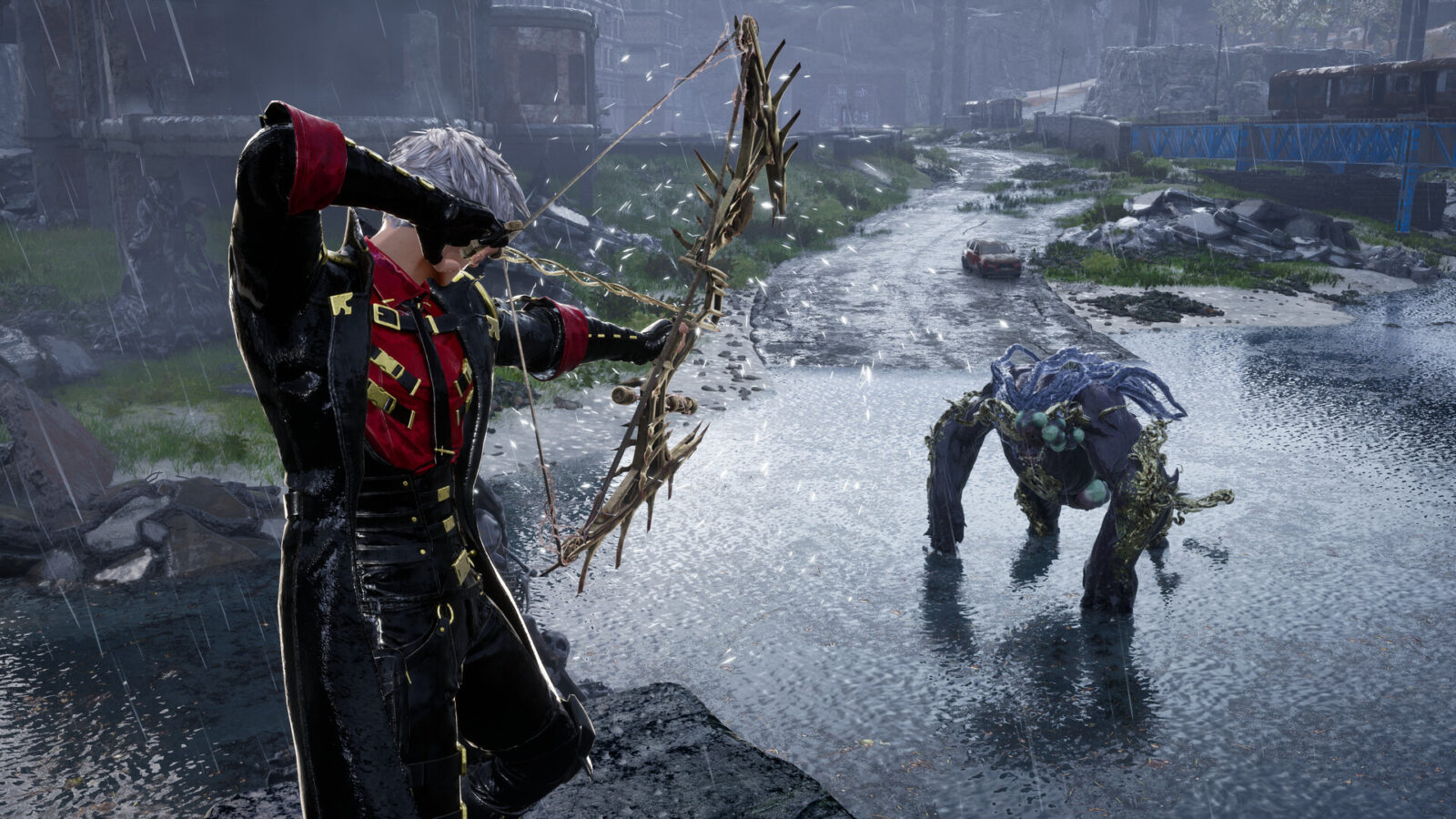
Combat is where Code Vein 2 breaks my heart the most, because the foundation is genuinely solid. Blood Codes remain a clever system, letting you reshape your build on the fly without hard-committing to stat allocations. Once the initial confusion fades, it’s flexible, expressive, and encourages experimentation. Ichor management, spell usage, and the Jail superweapon loop push you to vary your tactics rather than cheese encounters. When it all clicks, when a boss demands patience, pattern recognition, and restraint, Code Vein 2 briefly feels like it belongs in the same conversation as the genre’s best.
Then it doesn’t. Too many fights feel either insultingly easy or frustrating for the wrong reasons. Invincibility frames that don’t line up cleanly. Hitboxes that lie to you. A camera that panics the moment a boss corners you. Damage-over-time effects that randomly fizzle out. Soulslike combat lives and dies on trust, and Code Vein 2 breaks that trust often enough to sour the experience. Yes, I beat every boss, optional and mandatory. Yes, there are ways around the jank. That doesn’t make the deaths feel any less cheap when they happen.

The game also leans heavily on repetition. Dungeons blur together. Enemy packs become familiar to the point of autopilot. Repeat bosses show up so often they lose their teeth. Every now and then, a remixed version of an earlier boss appears with new phases and genuinely tests you, and I found myself grinning, leaning forward, fully engaged. Those moments are too rare. By the final stretch, Code Vein 2 feels like it’s recycling its greatest hits instead of building toward a crescendo.
Ironically, the timeline-shifting side quests ended up being the highlight for me. They dig deeper into the lore, take more narrative risks, and give characters room to breathe. They’re more personal, more bittersweet, and more memorable than large chunks of the main story. They hint at the game Code Vein 2 could have been if it trusted its stranger ideas a bit more.
I walked away feeling the same way I’ve felt about a few Bandai Namco anime action RPGs over the years. So much potential. So many smart ideas. Not quite enough polish or discipline to pull it all together. This genre isn’t locked behind FromSoftware anymore. Games like Nioh 2 and Lies of P prove that. Code Vein 2 wanted to join that club. It just didn’t do enough to earn the membership card.
Verdict
Code Vein 2 is a sequel that reaches higher than its predecessor but stumbles repeatedly on the climb. Its time-travel premise and open-world structure offer flashes of something genuinely compelling, and its combat systems have the bones of greatness. Unfortunately, inconsistent storytelling, technical roughness, repetitive content, and combat that too often breaks its own rules prevent it from standing out in an increasingly crowded soulslike landscape. It’s a decent game with moments of real promise, but not the evolution the series needed.