
TL;DR: Breakdown: 1975 is an energetic, clip-heavy Netflix documentary that captures the vibe of mid-70s American cinema and culture without ever fully committing to a clear thesis. Packed with great talking heads and fascinating footage but undone by its lack of focus and depth, it’s an enjoyable watch that leaves film geeks wanting a much deeper dive.
Breakdown: 1975
I went into Breakdown: 1975 with my guard down, popcorn ready, brain fully primed for the kind of deep-dive cinematic archaeology that Morgan Neville usually delivers in his sleep. This is the guy who made Won’t You Be My Neighbor?, 20 Feet from Stardom, and Roadrunner. He knows how to braid culture, history, and personality into something that feels both authoritative and emotionally grounded. So when Netflix tees up a feature-length documentary promising to dissect 1975 as a defining moment in Hollywood and American identity, my inner film nerd practically sat up straighter on the couch. This is my era. New Hollywood. Paranoia thrillers. Cynicism baked into the celluloid. Give it to me.
What I got instead was… fun. Energetic. Frequently interesting. Occasionally insightful. And ultimately frustrating in that very specific way only a documentary about something you care deeply about can be frustrating. Breakdown: 1975 isn’t bad. Far from it. But it’s unfocused, scattershot, and strangely allergic to committing to what its own title promises. It’s like someone dumped a beautifully curated box of 1970s cultural LEGO on the floor, admired how cool the pieces looked, and then refused to actually build anything with them.
The opening minutes pretty much tell you everything you need to know about how this thing is going to operate. Oliver Stone appears, brandishing a literal piece of lined paper, and starts rattling off his favorite movies from “1975.” I’m smiling. This is charming. This is the kind of off-the-cuff enthusiasm I want from a doc like this. And then he casually drops All the President’s Men and Network into the mix. Both 1976 releases. And suddenly my historian brain starts screaming into the void.
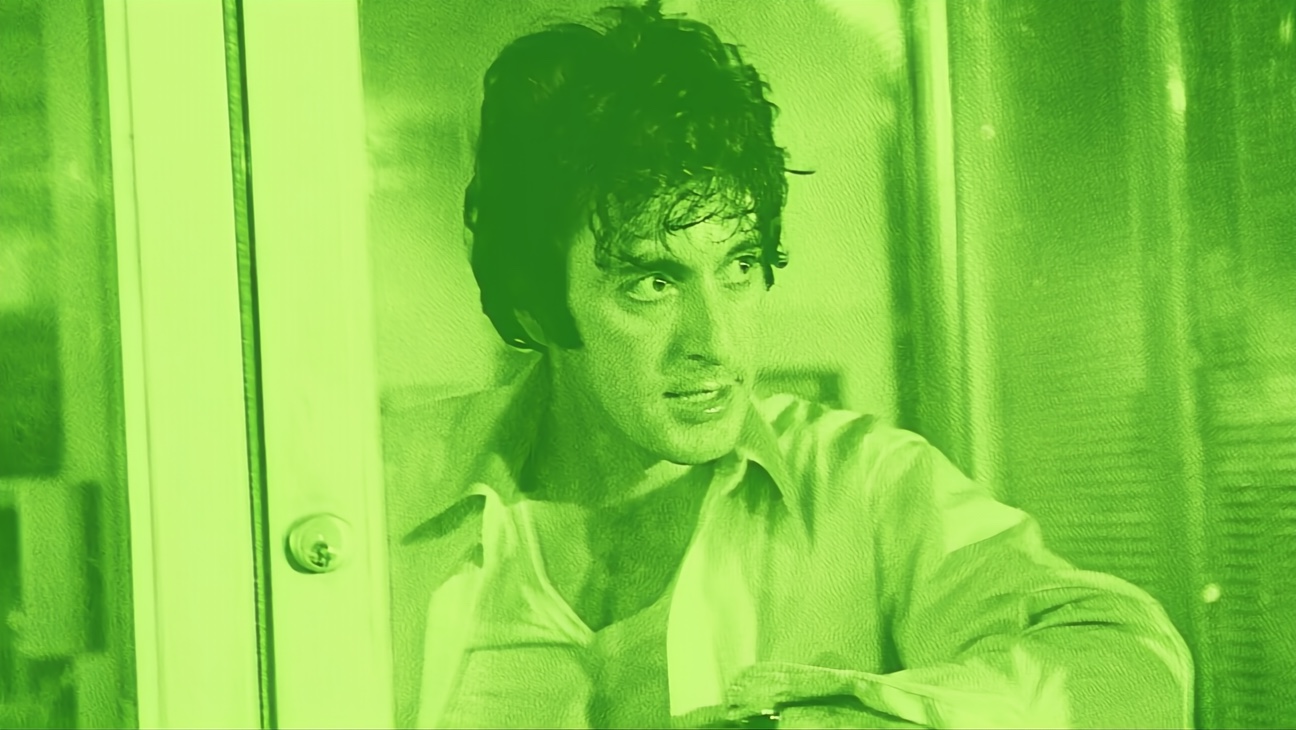
This might sound nitpicky, but it’s emblematic of Breakdown: 1975’s core problem. The film can’t decide whether 1975 is a literal year, a symbolic midpoint, or a vibes-based concept album. Sometimes it treats 1975 as a clean, calendar-bound moment defined by movies like Dog Day Afternoon, One Flew Over the Cuckoo’s Nest, Nashville, and Jaws. Other times, it stretches the definition so far that it snaps, pulling in films from 1972, 1973, 1974, and 1976 with a shrug that basically says, you know what we mean.
On a thematic level, I get it. The period between Watergate and the Bicentennial really is a fascinating liminal space in American history. Nixon is gone but unpunished. Vietnam ends not with victory, but with helicopters evacuating Saigon. Trust in institutions is in freefall. The economy is wobbling. Oil prices are soaring. The counterculture is exhausted. The Me Generation is warming up in the on-deck circle. If you’re trying to explain why American movies suddenly became paranoid, pessimistic, morally ambiguous, and obsessed with systems that don’t work, this is fertile ground.
But the problem is that the documentary never slows down long enough to actually explain any of this in a meaningful way. It gestures. It references. It drops clips like breadcrumbs and then sprints to the next idea before the last one has even landed. Jodie Foster’s narration, which should have been the spine holding this thing together, is instead loaded with lines that feel like they were written by an AI trained exclusively on high school social studies textbooks and disco-era fortune cookies. “Were we living the American Dream or an American Nightmare?” is the kind of question that sounds profound until you realize it doesn’t actually say anything.
Neville has assembled an undeniably impressive bench of talking heads. Martin Scorsese shows up, because of course he does, and every second of him on screen is a reminder that this man could read a phone book and make it sound like a masterclass. Ellen Burstyn and Albert Brooks provide firsthand texture from the era. Joan Tewkesbury brings insight from behind the typewriter. Seth Rogen and Patton Oswalt nerd out in the exact way you’d expect, which is to say enthusiastically and with genuine love for the material. Wesley Morris, Todd Boyd, Rick Perlstein, Frank Rich, Kurt Andersen, Sam Wasson. These are smart people with smart things to say.
And yet, almost nobody gets enough runway to actually say them.
The documentary feels like it’s constantly checking its watch. Conspiracy thrillers? Yep, we mention those. Vigilante movies? Sure, throw in Death Wish. Disaster films? Roll some clips from The Poseidon Adventure, even though it came out in 1972 and is based on a 1969 novel, which kind of undermines the idea that this is all a direct reaction to mid-70s malaise. Blaxploitation? Let’s acknowledge it briefly, note that many of these genres were overwhelmingly white, and then oddly center Cooley High as the representative example instead of, say, Sheba, Baby or Dolemite, which actually came out in 1975.
The connections are sometimes persuasive and sometimes deeply shaky. Yes, a lot of movies from this period have bleak or ambiguous endings. But American cinema had already been living in that space since Bonnie and Clyde and Easy Rider cracked the door open in the late 60s. By 1975, pessimism wasn’t new; it was the house style. So what, exactly, makes it uniquely of this moment? The documentary never really answers that, because answering it would require focus, comparison, and context. Instead, we get vibes.
Television gets the same cursory treatment. All in the Family is mentioned, as it should be, but then we weirdly detour into clips of Lynda Carter deflecting bullets on Wonder Woman as some sort of shorthand for feminism, without actually discussing the show, its reception, or its place in the broader media landscape. It’s like the doc suddenly remembered TV existed and panicked.
What’s maddening is that there are flashes of real insight buried in here. The attempt to contextualize Jaws as either a reflection of cultural anxiety or a pure entertainment object culminates in Sam Wasson’s delightful mic-drop of a line: “It’s a movie about nothing.” I don’t agree with him, but I love that the doc briefly allows space for disagreement, for ambiguity, for the idea that not everything fits neatly into a thesis. Those moments are rare, and they’re the ones that stick.
Instead, Breakdown: 1975 mostly feels like a highlight reel pretending to be an argument. It’s a checklist masquerading as a narrative. Here’s a clip. Here’s a quote. Here’s another clip. On to the next thing. At no point does it feel like Neville is making a sustained case so much as he’s hosting a very well-edited cocktail party where everyone is too polite to talk for more than 30 seconds at a time.
If I didn’t know this came from an Oscar-winning filmmaker, I might genuinely assume it was a high-budget film school video essay with spectacular access. And look, I say that with some affection. It’s entertaining. It’s slick. It will absolutely send some viewers down rewarding rabbit holes. But it’s also shallow in ways that feel avoidable. This could have been a series. It could have been narrower. It could have picked fewer films and gone deeper. Instead, it wants to be definitive without doing the work that definitiveness requires.
By the time the credits roll, I wasn’t angry. I was disappointed in that very specific cinephile way that comes from seeing a great idea settle for being merely fine. Breakdown: 1975 is a fun hang, a decent primer, and a maddening tease. It’s a documentary that knows 1975 mattered but can’t quite articulate why in any sustained, rigorous way. For casual viewers, that might be enough. For those of us who live and breathe this stuff, it’s like being handed a beautifully wrapped gift box that turns out to be empty inside.