
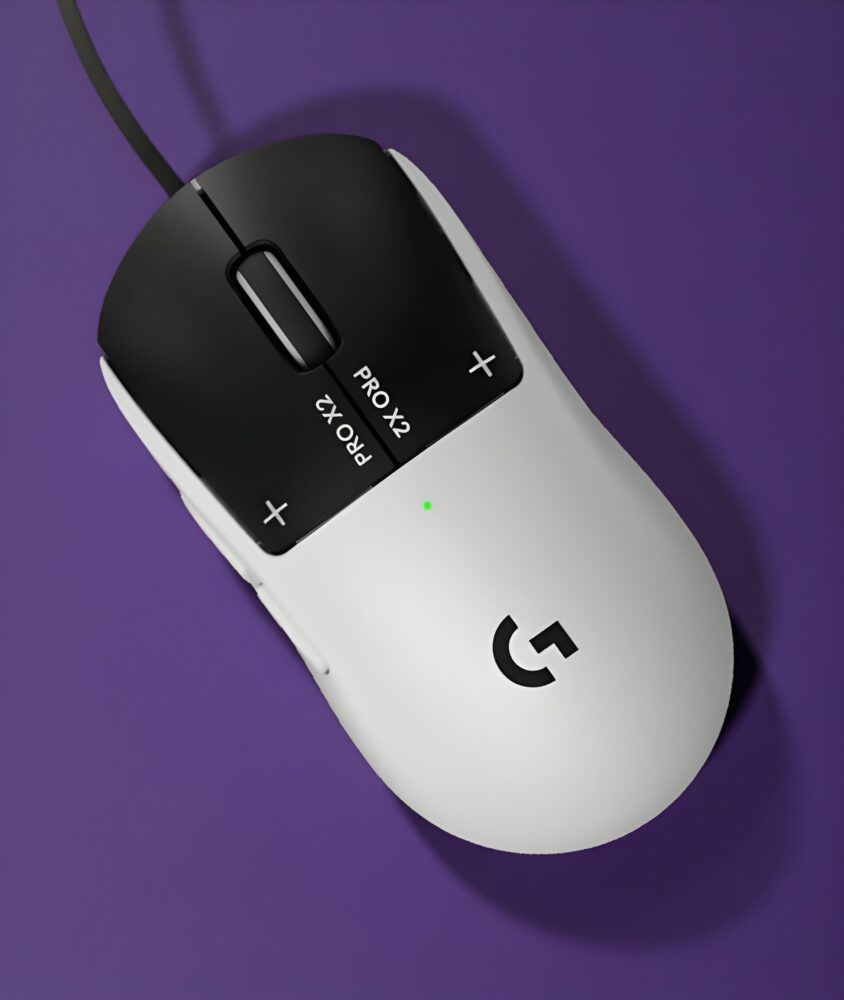
TL;DR: The Logitech Pro X2 SUPERSTRIKE is a $179 esports-focused gaming mouse that replaces traditional clicks with customizable haptic triggers. It cuts latency by up to 30 ms, offers tunable actuation and reset points, runs a HERO 2 sensor with 44,000 DPI and 8 kHz wireless polling, and delivers 90 hours of battery life. It’s not flashy, but it’s brutally fast — and built for serious competitive players.
Logitech Pro X2 SUPERSTRIKE
The Logitech Pro X2 SUPERSTRIKE doesn’t just challenge what a premium gaming mouse should feel like. It challenges what a click even is.
I’ve used just about every flagship gaming mouse Logitech has shipped in the last decade. I’ve lived through the glorious era of crispy Omron switches, the weight-loss obsession that gave us skeletal ultralights, and the wireless revolution that finally killed cable drag. But nothing — and I mean nothing — prepared me for pressing down on the PRO X2 SUPERSTRIKE and hearing absolutely nothing back.
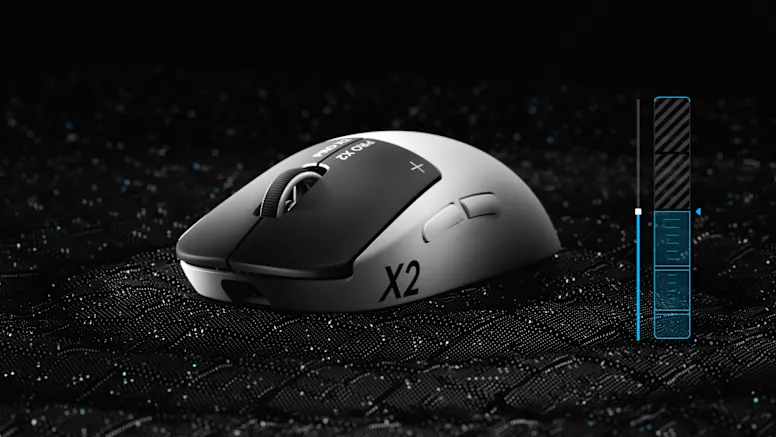
No click. No snap. Just haptic resistance and raw input.
At $179.99, the Logitech Pro X2 SUPERSTRIKE is one of the most expensive esports gaming mice you can buy in 2026. It’s also one of the boldest. After weeks of grinding ranked shooters, aim trainers, and late-night scrims, I can say this confidently: this mouse is not normal. And that’s exactly the point.
HITS Technology: The 30ms That Changes Everything
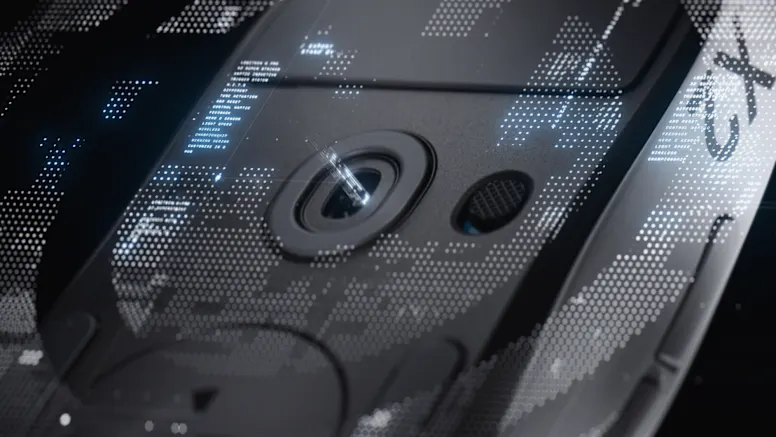
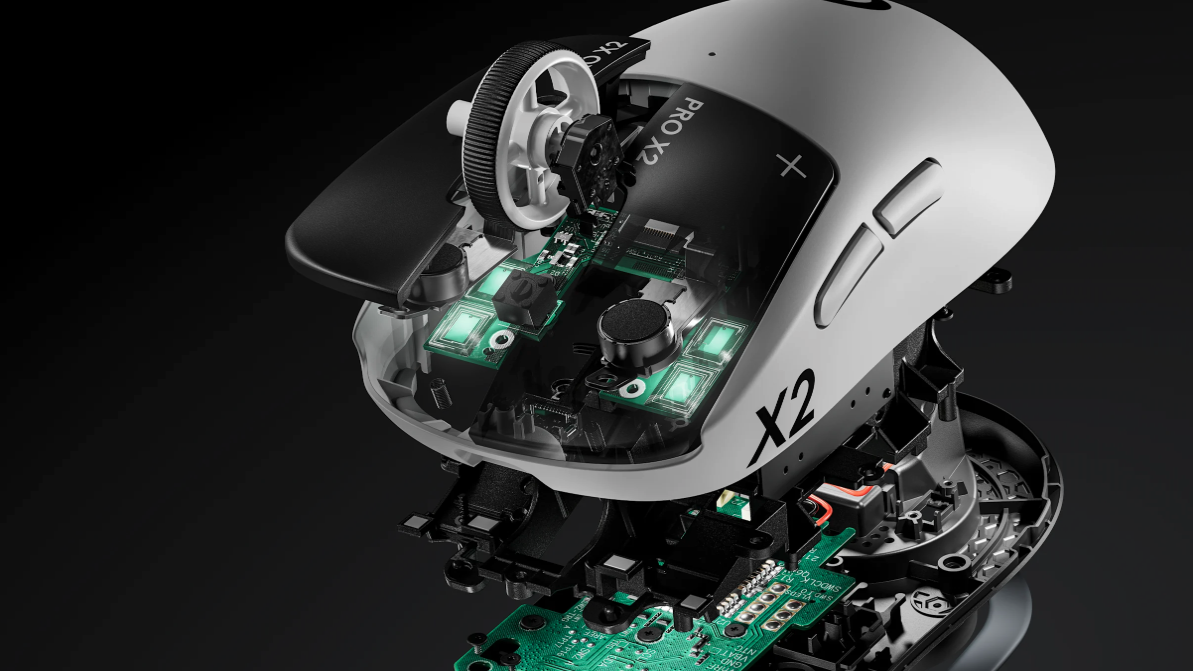
The beating heart of this mouse is Logitech’s Haptic Inductive Trigger System — HITS.
Instead of traditional mechanical microswitches, the SUPERSTRIKE uses inductive sensors paired with custom hardware to detect actuation. Logitech claims it cuts click latency by up to 30 milliseconds compared to conventional switches. Thirty milliseconds might sound small, but in competitive FPS games, that’s an eternity. That’s the difference between a trade and a clutch.
What I felt wasn’t dramatic at first. It wasn’t some cinematic slow-motion awakening. It was subtler than that. My shots in Counter-Strike felt sharper. My first bullet timing felt more immediate. It was like the gap between thought and action had narrowed just a bit.
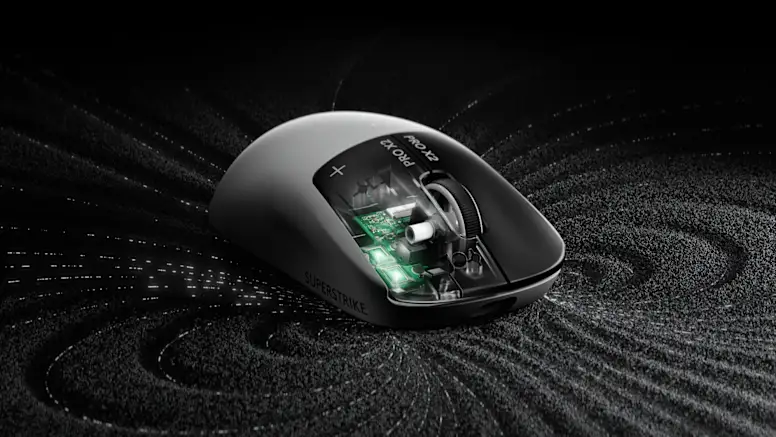
The weird part? My brain kept waiting for the click sound that never came.
Instead, HITS delivers a controlled haptic pulse exactly at your chosen actuation point. It’s not mechanical; it’s engineered feedback. It feels more like pressing a high-end camera shutter than a gaming mouse button. The absence of a traditional microswitch removes that slight physical delay, and after a few sessions, I stopped missing the sound entirely.
It stopped feeling like something was missing. It started feeling like something was removed — friction.
Tunable Actuation and Reset: Rapid Trigger, But for Your Mouse
Here’s where it gets dangerously nerdy in the best possible way.
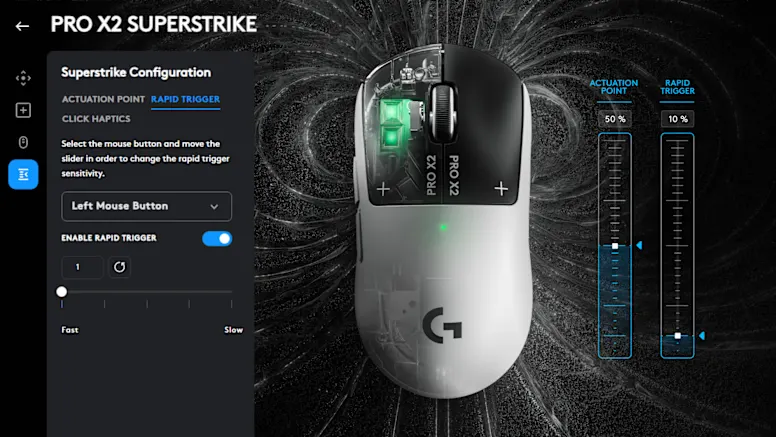
The Logitech Pro X2 SUPERSTRIKE lets you tune both actuation and reset points independently. You get ten actuation distance options and five rapid-trigger reset points for each main button. It’s basically rapid trigger, but for your mouse clicks.
If you’re coming from competitive keyboards with adjustable actuation, this will feel instantly familiar. I dialed mine down aggressively for fast-twitch FPS play, and the responsiveness was borderline unfair.
You can set how far you need to press before a click registers and how little you need to release before it resets. In tight gunfights, that rapid reset matters. Tap firing feels snappier. Micro-adjustment shots feel cleaner. There’s no mushy dead zone in between.
The customization lives inside Logitech’s G Hub software, and once you’ve dialed it in, you can save everything to onboard memory. That means tournament-ready profiles without depending on software installs. Import pro settings. Tweak them. Make them yours.
It’s the first time I’ve genuinely felt like I was configuring the physics of my mouse.
Precise Haptics Control: Six Ways to Feel a Click That Isn’t There
The most fascinating part of the HITS system isn’t just that it removes microswitches. It replaces them with customizable tactile feedback.
There are six intensity levels for the haptic click response. Light and subtle. Firm and decisive. Somewhere in between.
I spent an embarrassing amount of time just adjusting this. Too light and I second-guessed myself. Too strong and it started feeling artificial. I eventually found a sweet spot that mimicked the confidence of a traditional switch but without the mechanical lag.
This is the part that will divide people. Some gamers love that crisp physical snap. It’s part of their identity. This mouse asks you to let go of that. And in return, it gives you precision control that simply wasn’t possible before.
It’s not a gimmick. It’s a redefinition.
Designed With Pros, Not Just Marketed to Them
Logitech didn’t build this in a vacuum. The PRO X2 SUPERSTRIKE was developed in collaboration with over 100 esports professionals from organizations like NAVI, G2, GEN.G, BLG, and FlyQuest RED. There’s even a flex-worthy detail: G2 won VCT Americas Stage 2 on a SUPERSTRIKE prototype.
That matters to me. Not because I think I’m suddenly going pro, but because this mouse feels purpose-built. It’s not bloated with features to justify a spec sheet. It’s optimized for reaction time.
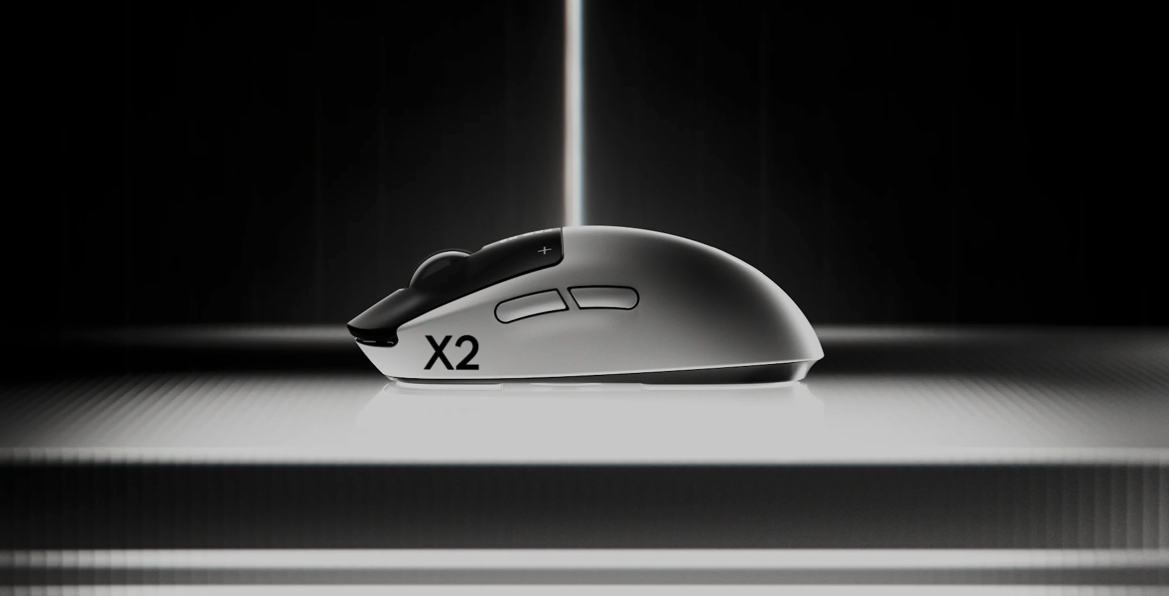
The shape itself is familiar — symmetrical, refined through the lineage of the Logitech G Pro Wireless and the Logitech G Pro X Superlight 2. There’s nothing radical about the shell. And that’s intentional.
Logitech didn’t want you learning a new shape. They wanted you learning a new speed.
HERO 2 Sensor and 8 kHz LIGHTSPEED: Pinnacle of Performance
Under the hood, the Logitech Pro X2 SUPERSTRIKE runs the HERO 2 sensor. It tracks at over 888 IPS, handles 88 Gs of acceleration, and scales up to 44,000 DPI.
Do you need 44,000 DPI? No. But what you do need is confidence that the sensor won’t be the bottleneck. And it won’t.
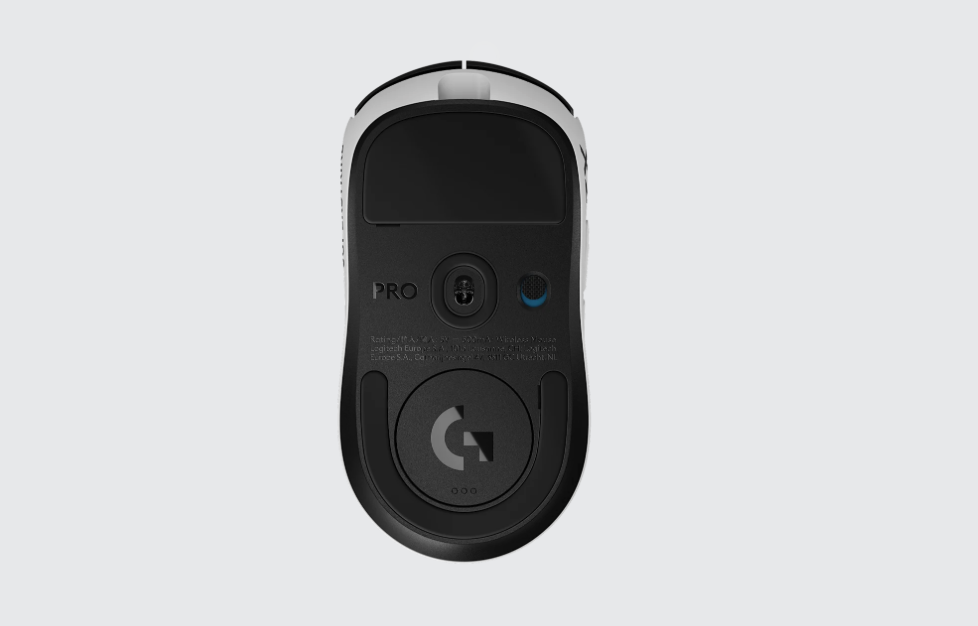
Tracking felt flawless. No spin-outs. No jitter. No weird smoothing artifacts. Combined with LIGHTSPEED wireless and up to 8 kHz polling, it behaves like a wired mouse that went wireless without compromise.
I’ve played in crowded LAN setups before. RF-heavy environments are brutal. Logitech claims rock-solid reliability even there, and given LIGHTSPEED’s track record, I believe it.
This thing is built for tournament stages.
Battery Life, Weight, and the Minimalist Aesthetic
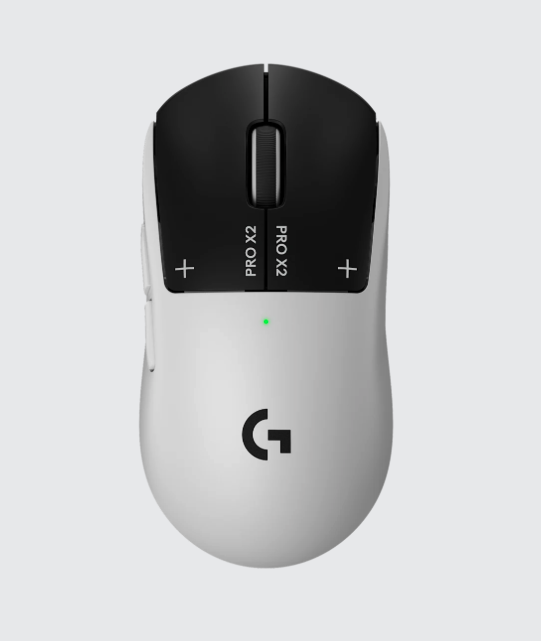
At 61 grams, the SUPERSTRIKE sits comfortably in ultralight territory without feeling hollow. It’s solid. Purposeful. Focused.
Battery life stretches to around 90 hours on a single charge. USB-C makes top-ups painless, and if you’re using Logitech’s POWERPLAY system, you effectively never think about charging at all.
Visually, it’s understated. No RGB. No aggressive angles. Just a clean black or white chassis that looks like it belongs in a lab more than a streamer setup.
Compared to my daily driver, the Logitech G502 X Plus, which feels like a multitool for my hand, the SUPERSTRIKE is pure esports minimalism. Two thumb buttons. That’s it.
It doesn’t try to be everything. It tries to be fast.
Is the Logitech Pro X2 SUPERSTRIKE Worth $179.99?
If you’re a casual player, probably not.
If you’re grinding ranked shooters where milliseconds decide outcomes, then yes — this is one of the most forward-thinking gaming mice on the market.
The HITS system genuinely reduces click latency. The tunable actuation and reset points offer granular control I’ve never seen in a mouse before. The HERO 2 sensor is elite. The 8 kHz LIGHTSPEED wireless performance is tournament-ready. The 90-hour battery life removes anxiety.
It’s expensive. It’s specialized. It’s slightly unsettling at first.
But once your brain adapts, going back to a traditional click feels… outdated.
Verdict
The Logitech Pro X2 SUPERSTRIKE is a bold leap forward in esports mouse design. By replacing traditional microswitches with the HITS haptic inductive trigger system, Logitech has created a gaming mouse that prioritizes raw speed and tunable precision above all else. It won’t be for everyone, especially players who love the tactile snap of classic switches, but for competitive FPS gamers chasing every possible millisecond advantage, it’s one of the most impressive peripherals of 2026.