
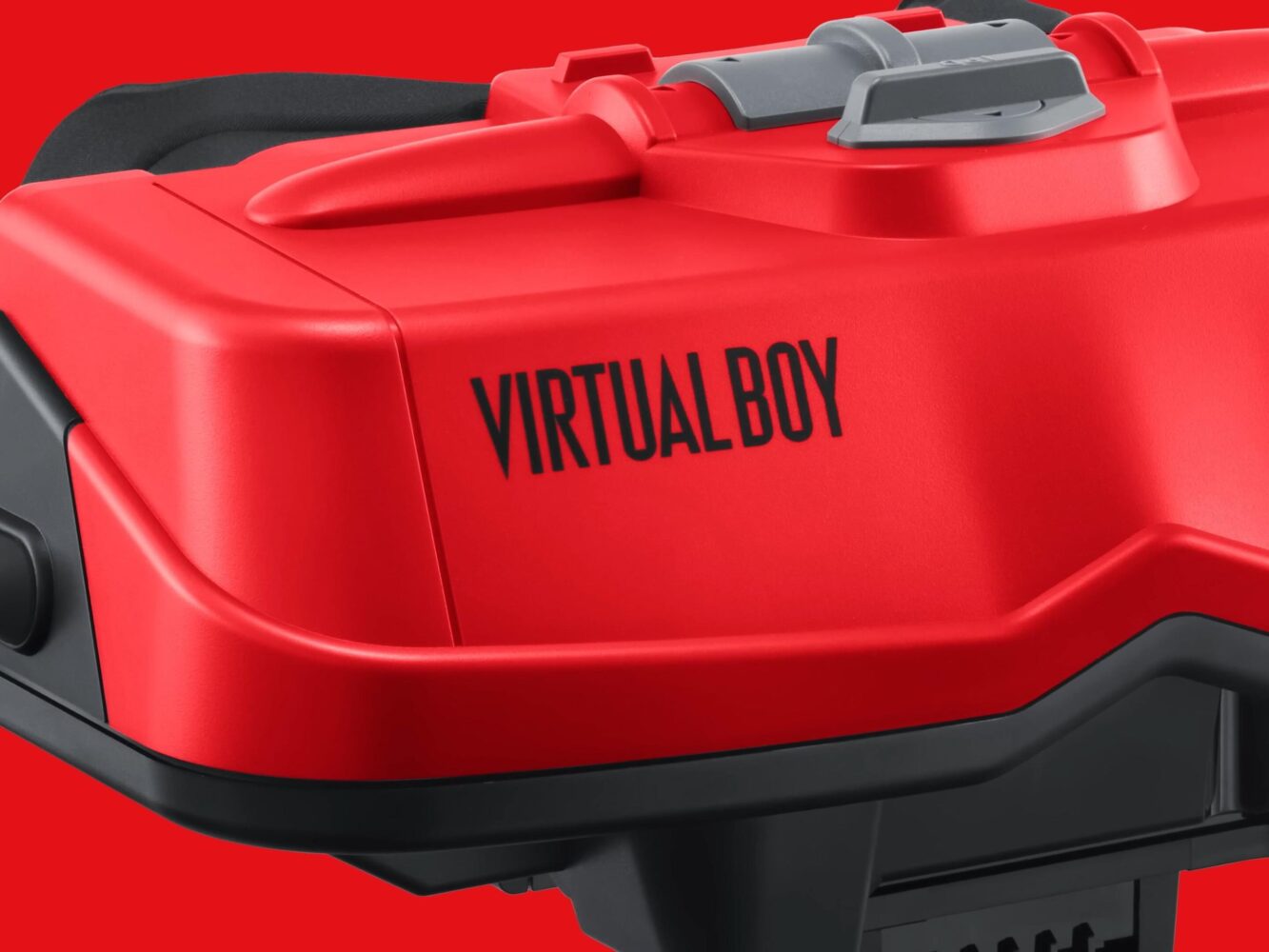
TL;DR: The new Virtual Boy accessory is a niche, nostalgia-fueled oddity that nails the vibe of the original. Short sessions only. Wario Land rules. If you love retro gaming weirdness, it’s worth it.
Virtual Boy for Nintendo Switch
I never thought I’d willingly press my face into a red plastic migraine machine again, but here we are. Nintendo’s new Virtual Boy accessory for Switch and Switch 2 is real, it costs $99, and it resurrects what is arguably Nintendo’s most infamous console flop. The original Virtual Boy sold around 770,000 units in the mid-’90s — a number so small it makes the Wii U look like the PlayStation 2. And yet, here I am, hunched over my desk like a gremlin peering into a cursed View-Master, grinning like it’s 1995.
This Nintendo Virtual Boy revival is not practical. It is not necessary. It is not for children. It is a weird, wonderful shrine to one of gaming’s strangest detours — and I kind of love it.
The red plastic time machine
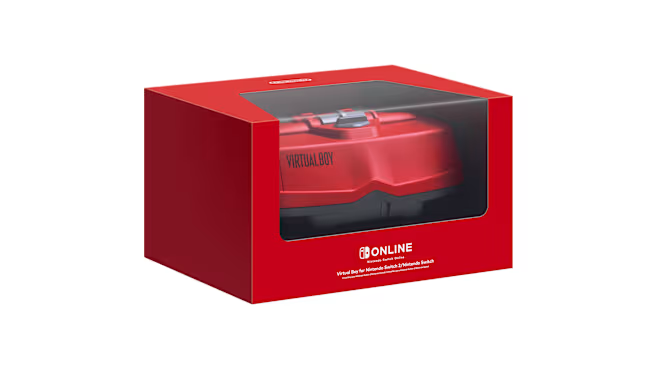
The first thing that hit me wasn’t nostalgia. It was disappointment. The packaging for this new Virtual Boy is aggressively modern and boring. A clean red box, very on-brand, very minimal. It looks like any other Nintendo accessory. And that’s a shame. The original Virtual Boy box art was gloriously unhinged ‘90s chaos — gradients, exploding polygons, fonts that screamed “THE FUTURE IS NOW.” If you’re selling to elder millennials and Gen X collectors, give us the ephemera. Give us something display-worthy.
Atari understood that with its 2600 throwback releases. Nintendo, weirdly, did not.
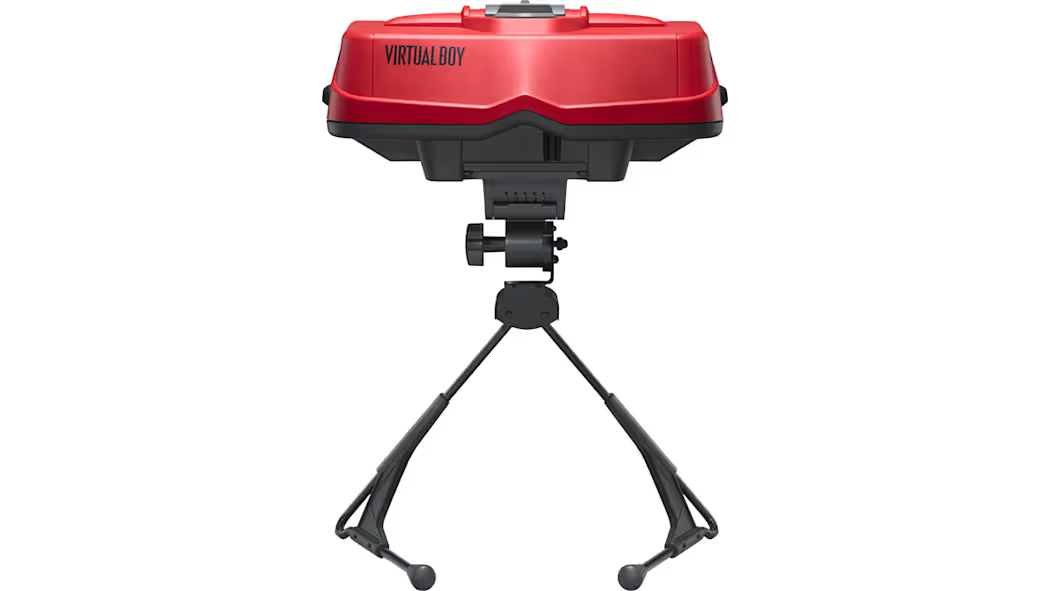
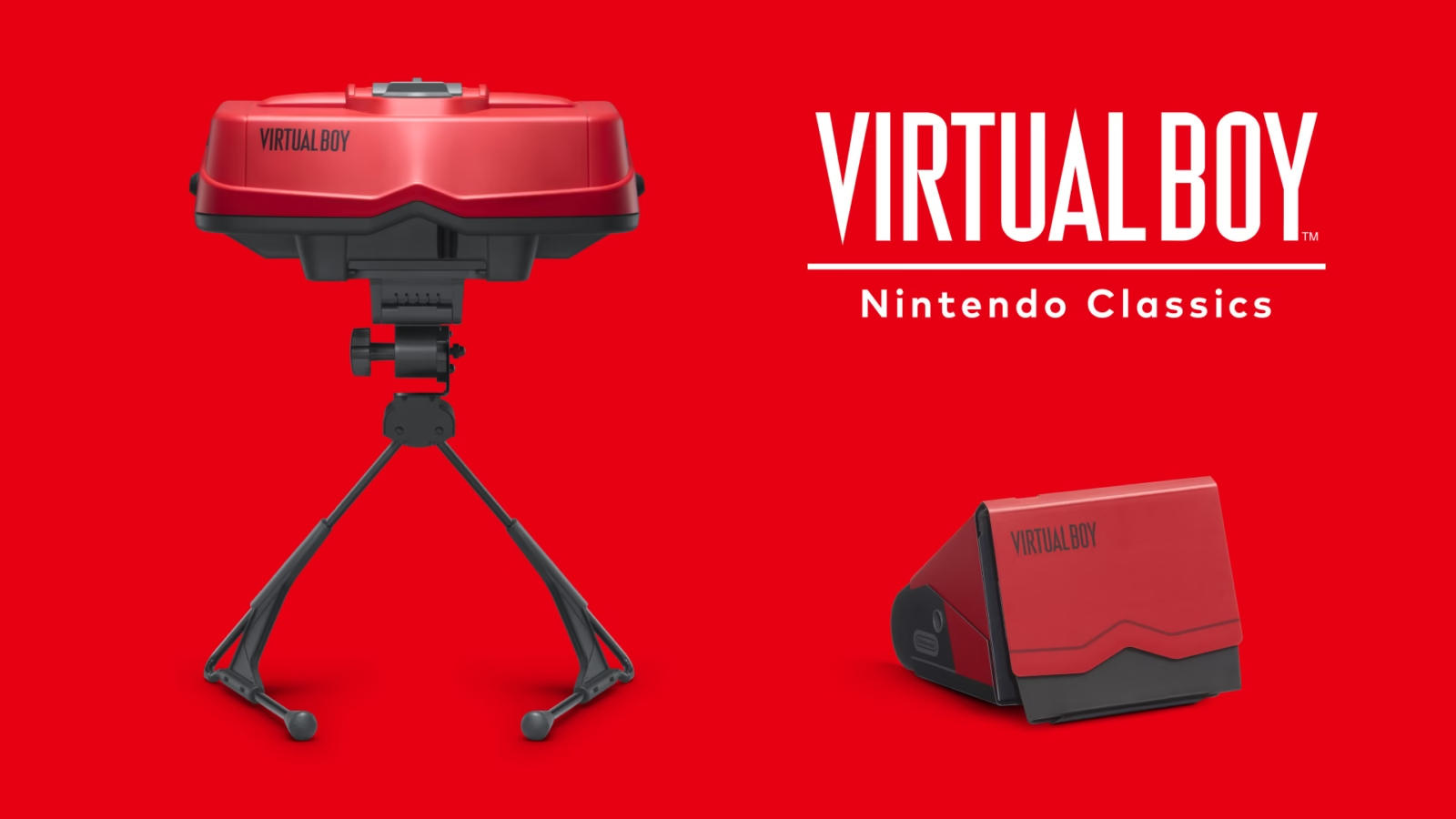
But once I pulled the headset out, the complaints evaporated. The new Virtual Boy is almost eerily faithful to the original design. Same red shell. Same folding metal legs. Same tabletop stance that forces you into a posture your chiropractor would describe as “concerning.”
It sits there like a relic from an alternate timeline where VR went through Hot Topic first.
The ergonomics are still… chaotic
Using the Nintendo Virtual Boy in 2026 feels like willingly signing up for mild discomfort. It’s designed to sit on a table, and unless you are precisely the height of a 1995 Japanese child, you’re going to do some awkward geometry to make it work.
Yes, you can angle the goggles downward. No, it’s not enough. I ended up stacking a couple of hardcover books underneath it to get the height right. At one point I genuinely considered building a small wooden platform like I was setting up a Warhammer diorama.
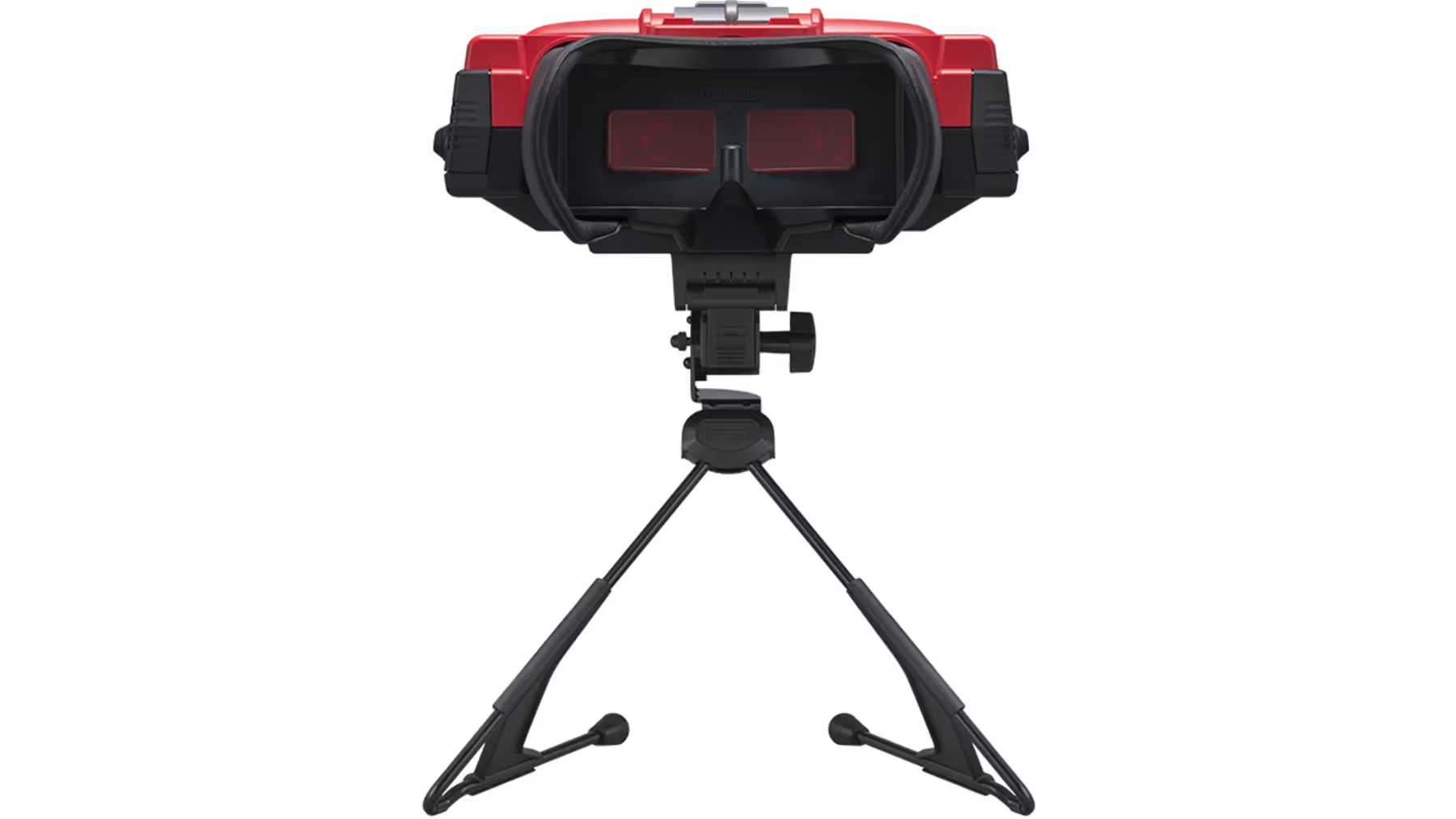
The face opening is slightly larger and more rectangular than the original. That means more light leak. That means less immersion. It also means I kept shoving my face closer and closer into the unit to block out ambient light, resulting in perfectly angular indents on my forehead. I looked like I’d lost a fight with a fax machine.
And yet — once you’re in — it’s magic.
Switch-powered, nostalgia-fueled
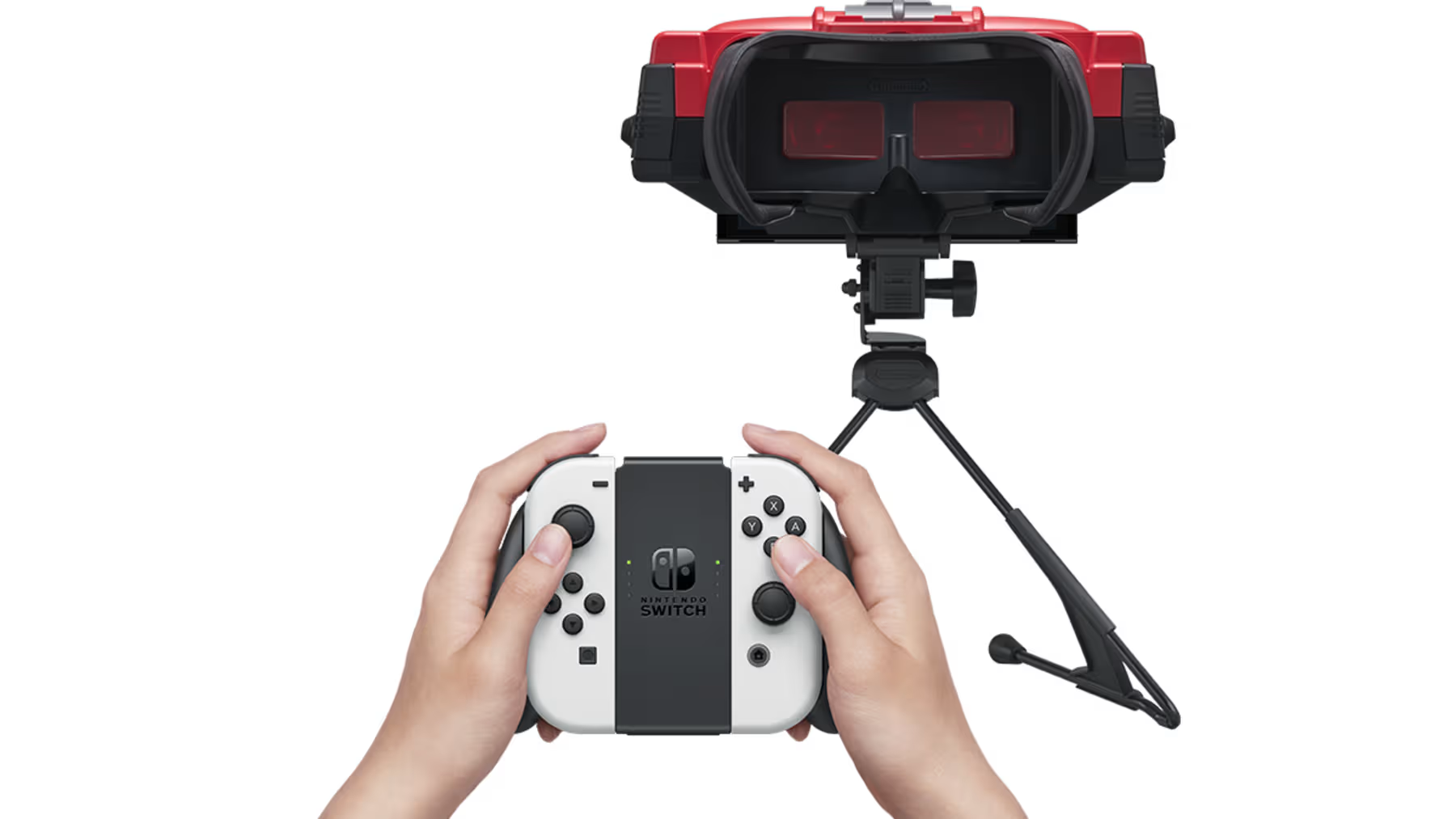
Instead of cartridges and six AA batteries (six!), the new Virtual Boy flips open at the top so you can slot in a Nintendo Switch or Switch 2 screen. It’s a clever piece of engineering. The Switch 2 mounting plate comes pre-installed; if you’re using the original Switch, you’ll need to swap the plate with a screwdriver like you’re performing minor console surgery. It’s mildly annoying but also deeply on-brand for a device that has always required commitment.
The detail work is what sold me. The focus slider and IPD adjustment knobs on top? Fake. The volume wheel, headphone jack, controller port on the bottom? Also fake. Purely cosmetic. Nintendo recreated the aesthetic of functionality without the functionality itself. It’s cosplay hardware.
I respect the bit.
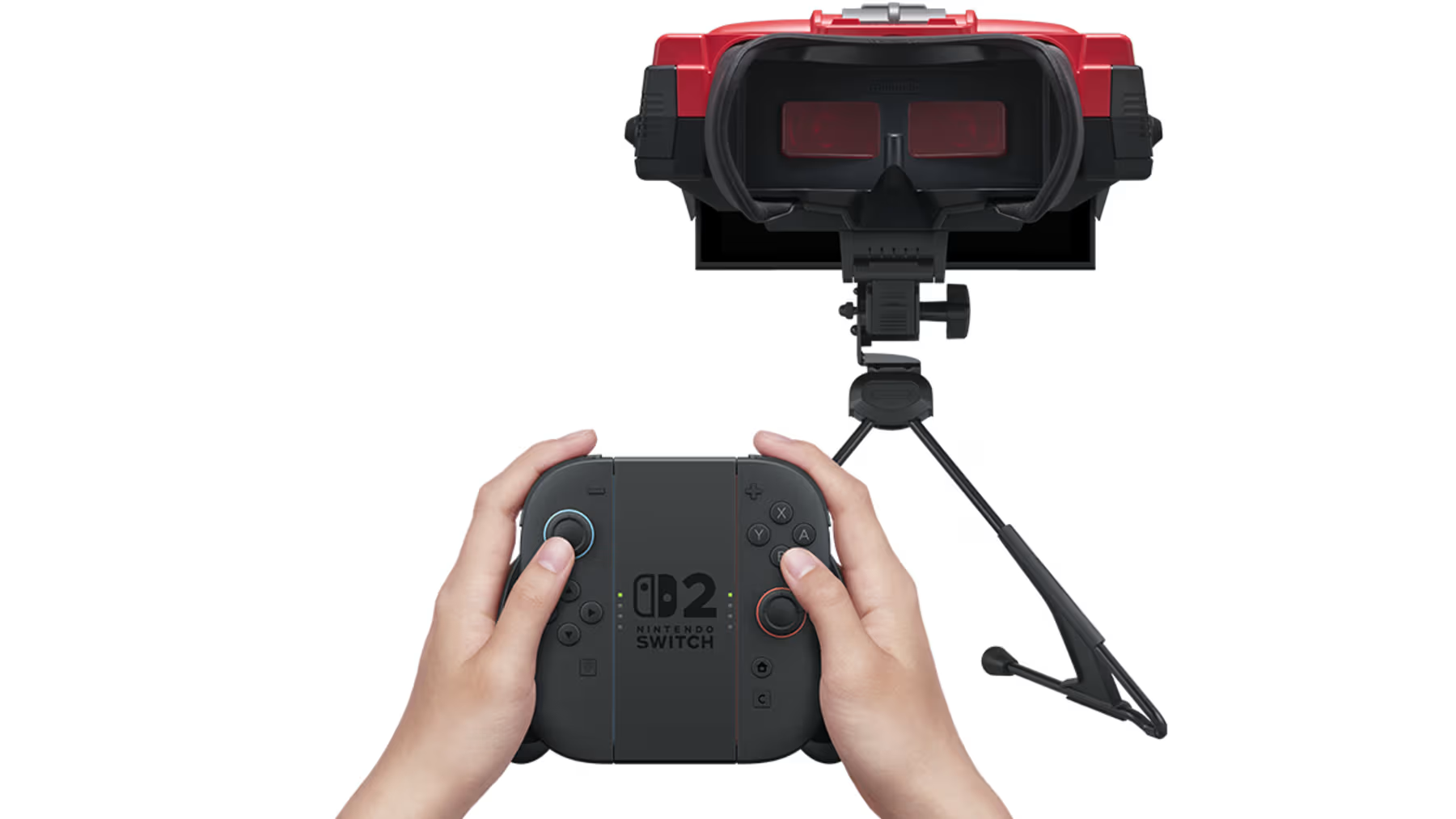
That said, I do miss the original Virtual Boy controller. That strange dual D-pad brick felt like someone mashed an NES controller and a sci-fi prop together. No replica here, which is understandable at the $99 price point, but still — it would have completed the ritual.
The red void still hits different
Let’s talk about the real reason anyone buys this thing: the games.
Right now, there are seven Virtual Boy games available via Nintendo Switch Online + Expansion Pack. That subscription costs $49.99 a year, which means yes — you’re paying for the accessory and the membership. I don’t love that. But let’s be honest: if you’re the kind of person considering a Virtual Boy in 2026, you probably already have the Expansion Pack.
The current lineup includes 3D Tetris, Galactic Pinball, Golf, The Mansion of Innsmouth, Red Alarm, Teleroboxer, and Wario Land. It’s a mixed bag in the way only mid-’90s experimental Nintendo could be.
Wario Land is the crown jewel. Playing Wario Land on Virtual Boy in 2026 feels like uncovering a secret Nintendo timeline. It’s a 2D platformer, but it plays with depth in clever ways, hopping between foreground and background layers. The sprites look like papercraft cutouts suspended in a red abyss. It’s charming. It’s weird. It’s surprisingly good. I played it long enough to earn those forehead indents, and I regret nothing.
Red Alarm, meanwhile, is an absolute wireframe fever dream. I am terrible at it. Embarrassingly bad. But the minimalist, low-poly spaceship tunnels feel like you’re inside a Tron prototype built in someone’s garage. I adore it aesthetically, even as it destroys me.
Galactic Pinball is pure short-session bliss. Golf is aggressively mid. Teleroboxer still overcomplicates what should have been Punch-Out with robots. 3D Tetris made me want to lie down. The Mansion of Innsmouth confused me so thoroughly that I mostly replayed the intro cinematic like it was avant-garde horror art.
It’s uneven. It’s messy. It’s fascinating.
And here’s the thing: the red LED effect is still hypnotic. The monochrome depth illusion shouldn’t work as well as it does, but it does. I caught myself just staring into the void, watching shapes drift in layers. It feels tactile. Physical. Different from modern VR. Less immersive, maybe — but more distinct.
Short sessions only, please
The warnings are still there, loud and clear: do not play for long periods. And honestly? That’s good advice.
Around the 15- to 20-minute mark, I started feeling slightly woozy. Not sick, just gently reminded that my eyes are not 12 years old anymore. That said, the experience feels less eye-searing than I remember. Maybe it’s the Switch’s modern screen and digital focus adjustments. Maybe my memory exaggerated the pain. Either way, I never felt true strain — just a polite nudge from my optic nerves saying, “Okay champ, that’s enough red dimension for today.”
This is not a primary gaming device. It’s not even a secondary one. It’s a ritual object.
Who is this actually for?
The Nintendo Virtual Boy accessory is not for casual players. It is not for kids. It is not for someone looking for “the best VR headset in 2026.” It is for collectors. For retro gaming enthusiasts. For people who remember reading about the Virtual Boy in magazines and thinking, “This looks like the future,” only to find out the future sometimes has migraines.
It’s kitsch. It’s conversation-starting. It’s the kind of thing your friends will try once at a party and then talk about for months.
And for $99? Honestly, that feels fair.
Verdict
The Nintendo Virtual Boy for Switch and Switch 2 is a lovingly weird resurrection of gaming’s most infamous flop. It’s awkward, slightly uncomfortable, and locked behind a subscription, but it perfectly captures the trippy red magic of the original. As a retro gaming accessory and collector’s piece, it absolutely delivers. As a practical gaming device, it’s gloriously unnecessary. I wouldn’t recommend it to everyone — but for the right kind of nerd, it’s irresistible.