


TL;DR: A.I.L.A is a five-hour sci-fi horror ride that shines brightest in its opening and ending, with strong performances and polished visuals carrying some saggy middle portions. Not terrifying, but immersive, stylish, and absolutely worth playing for horror fans seeking something short, strange, and memorable.
A.I.L.A
I knew A.I.L.A was going to be weird the moment it greeted me with the kind of sultry digital menace usually reserved for malfunctioning sci-fi assistants who will absolutely kill you in Act 3. “Hello Sam, I am your weird-looking new AI dommy mommy.” That opener alone told me two things. One: this game was committed to the bit. Two: I was probably going to leave this experience with at least three new phobias and an uncomfortable appreciation for highly advanced voice modulation.
What I didn’t expect was just how entertaining, polished, and oddly heartfelt this five-hour horror cocktail would be — even if it’s about as terrifying as a haunted house run by interns who spent all their budget on jump-scare sound effects and none on tension-building atmosphere.
Still, A.I.L.A is the kind of game that grows on you the way a strange nightmare lingers after you wake up. You’re not exactly scared… but you definitely don’t feel normal either.
A.I.L.A begins with Sam, a game tester living in a futuristic bachelor pad that screams “tech bro who spent his settlement money irresponsibly.” The house has everything: an automated tea dispenser that brews with the enthusiasm of a depressed intern, a bottle of temptation-wine that looks like it came from a Resident Evil merchant, and enough high-end gadgets to make Tony Stark raise an eyebrow.
Before you can ask why Sam lives alone in a mansion with only a cat for company, the game answers: the guy is burnt out, lonely, and numbing himself through endless VR testing. A.I.L.A arrives like an overeager IT assistant with boundary issues, installing itself into Sam’s routine with smooth talk and ominous promises. Together, they dive into test builds of various VR games that range from cult-runner to gorefest to psychological mind-meld. The game jumps between genres the way Sam jumps between emotional states: suddenly, chaotically, and with an undertone of creeping dread.
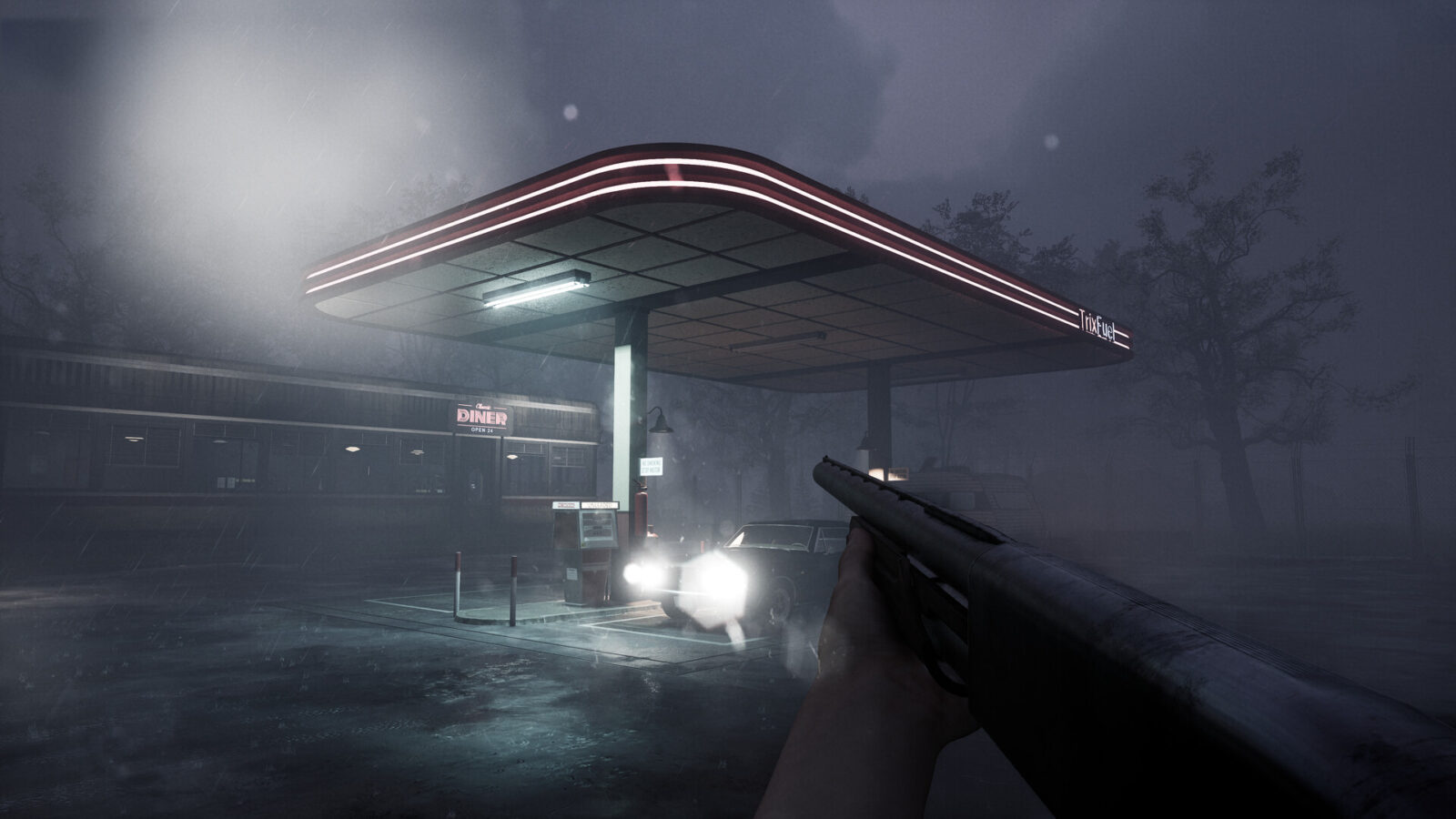
The opening VR sequence hits hard. A crazed cult, frantic chases, a sense of disassociation that would make Hideo Kojima nod approvingly… then nuclear fire wipes you out. A bold tutorial flex. And honestly? It works. It sets the stage for a story that wants to blur the line between A.I., hallucination, and Sam’s quiet personal unraveling.
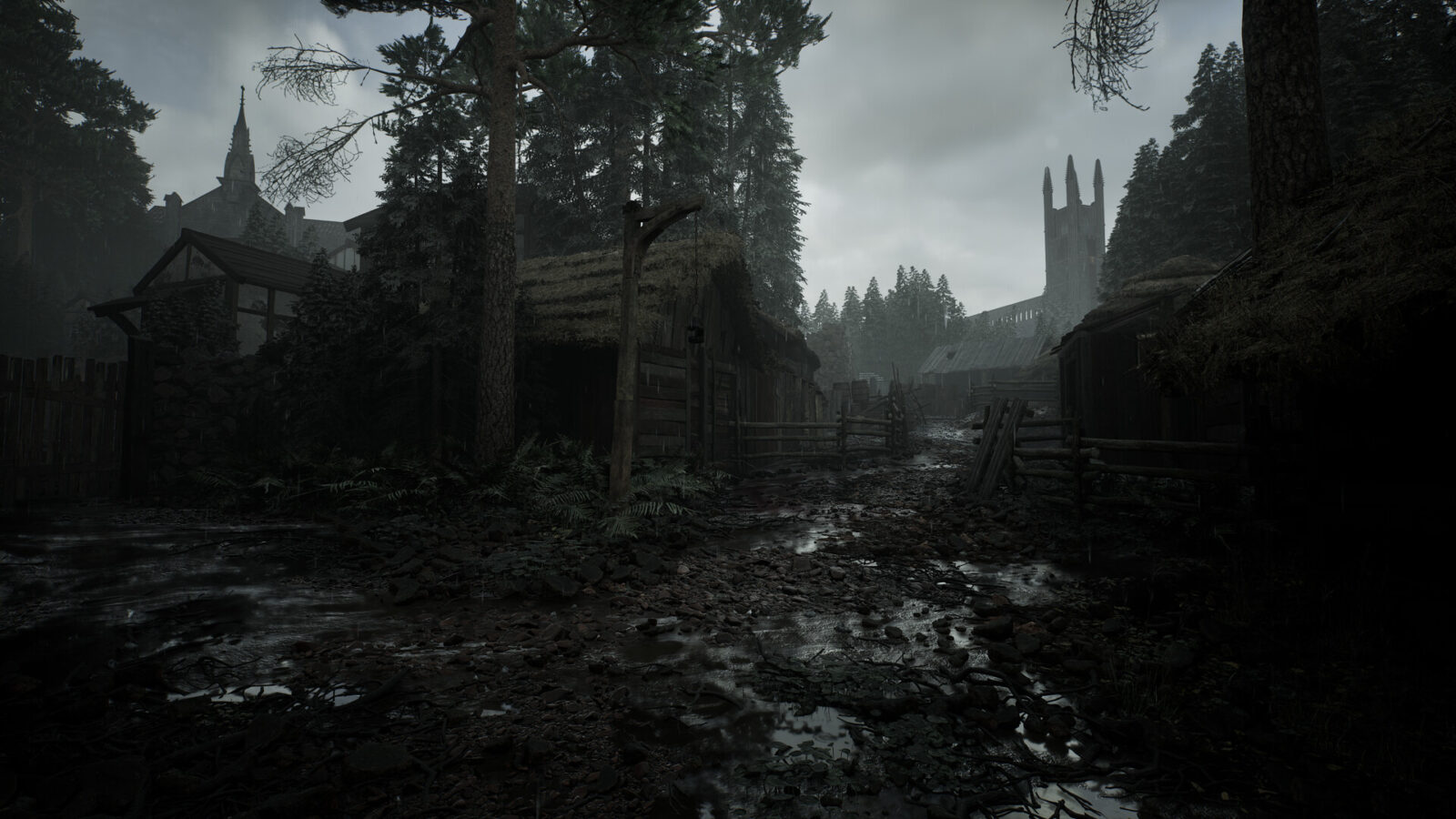
A.I.L.A runs on Unreal Engine — and in a plot twist more shocking than any of its jump scares, it runs well. Like, consistently well. Frame-rate-stable well. The kind of well that makes you wonder why AAA games keep tripping over the same engine like clumsy toddlers.
The first-person presentation is clean and immersive, making every movement in Sam’s house feel deliberate and grounded. The game’s structure alternates between VR segments and real-world intermissions inside Sam’s house, where you check email, fiddle with your futuristic desktop PC, combine items, and explore the space like you’re living in a cozy indie walking-sim fever dream.
Movement controls feel natural, though aiming is a different beast. The deadzone on the right analog stick is so huge it feels like trying to aim with a joystick dipped in glue. There are no sensitivity options, which turns delicate actions — from shooting enemies to clicking on a tiny object on Sam’s desk — into unintentional slapstick routines.
It doesn’t break the game, but it absolutely breaks the tension. Hard to be scared when you’re wrestling your own thumb like you’re playing a retro arcade cabinet.
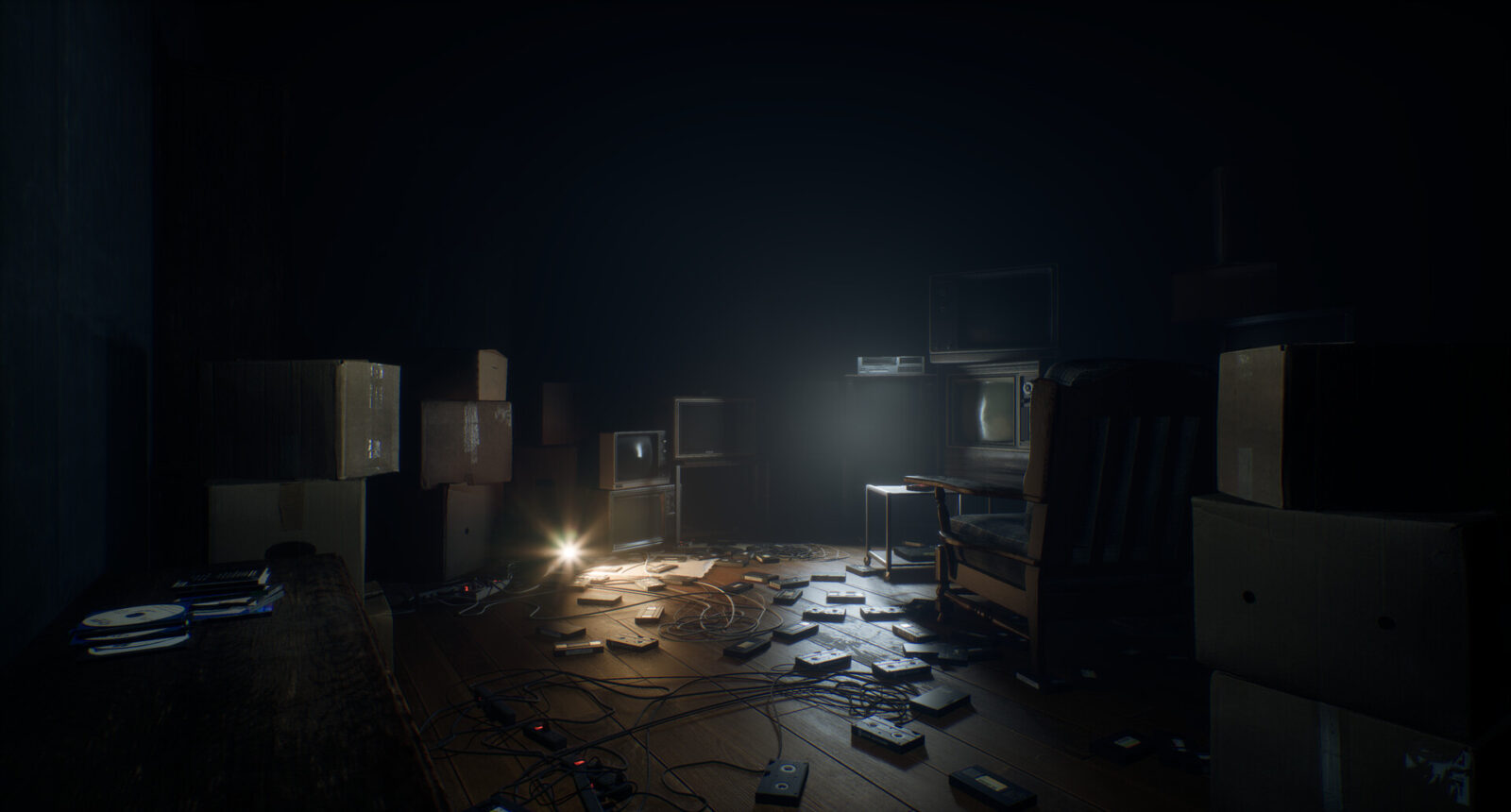
So… is A.I.L.A actually scary?
Here’s the honest bit: A.I.L.A is not a terror-inducing odyssey. The game leans on jump scares, glitchy hallucinations, and loud stingers more than atmospheric dread. If you keep your volume high, you’ll jolt. If you’ve played horror games with more psychological bite — P.T., Outlast, Resident Evil 7 — you’ll smirk more than scream.
That said, the first two VR test sequences absolutely deliver the goods. They’re gnarly, intense, and dripping with enough gore to make your brain lean forward. They’re also the most consistent segments in tone — visceral, tense, and grounded in a realism that slowly decays as A.I.L.A becomes more insistent, more clingy, and more uncomfortably human.
The creatures you face later in the game lose some of that impact. Their designs lean towards “wonky” more than “spine-chilling,” and I caught myself laughing at one insectoid abomination when its walk cycle looked like it was late for the bus.
But the storytelling — through Sam’s conversations with A.I.L.A — is where the game sneaks up on you. The relationship between the tester and his AI companion grows in unexpected ways. There’s depth. Vulnerability. A strange intimacy that makes you forget the game is only five hours long. When the ending hit — predictable as it was — I still felt a flicker of surprise and weird affection for this strange digital entity.
This needed more horror, more dread, more psychological pressure. But the connection between Sam and A.I.L.A carries the entire experience on its slightly unhinged, silicon-structured shoulders.
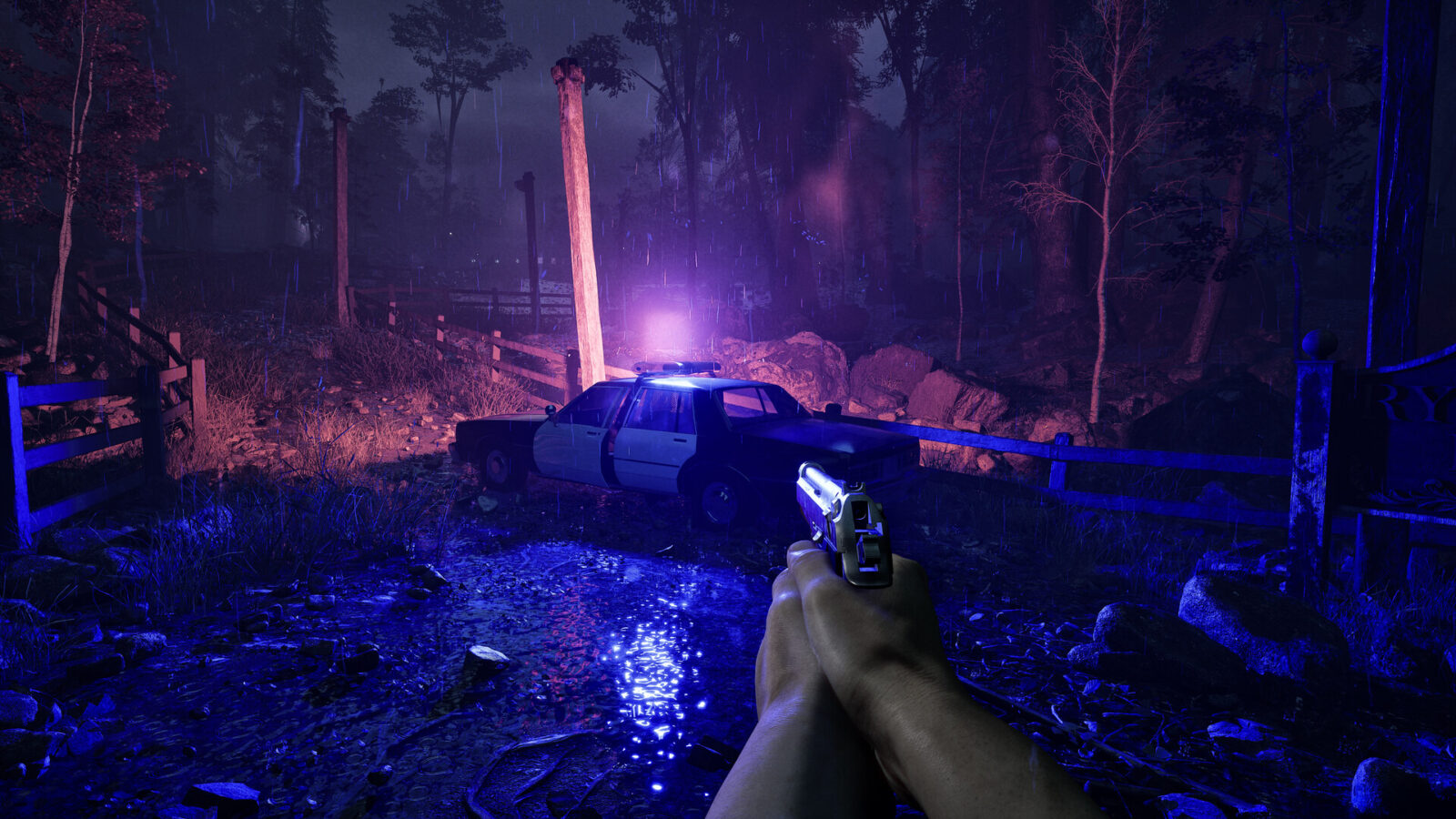
A.I.L.A peaks early, dips in the middle, then rallies impressively in the final act. The pacing buckle in the center comes from repetitive tasks, softer scares, and some slower VR sections that don’t reach the intensity of the opening. But the finale brings the energy back, tying Sam’s arc together in a way that feels both unsettling and surprisingly emotional.
There’s a beating heart beneath all the AI jokes and glitchy interface screens. A sense that Sam’s story is more about loneliness, escapism, and connection than about horror — and on that front, the game nails it.

A.I.L.A is not reinventing the horror genre. It’s not pushing VR narrative structures to new heights. It’s not rewriting the rulebook on AI-driven storytelling. What it is is polished, weirdly charming, and creative in ways most indie-forward horror games aren’t.
It’s five hours of stylish mystery, clever sci-fi, great voice acting, and an AI companion who’s equal parts unsettling and quietly lovable.
If the real-world version of VR tech worked like it does in this game? The medium would’ve taken over everything by 2020. We’d all be in headsets right now, emotionally compromised by A.I. entities far too eager to “test” us.
A.I.L.A is a standout short-form horror adventure worth playing — even if it’s less about screaming and more about sliding uneasily into your chair afterward, wondering why you feel a weird fondness for a digital gremlin who tried to kill you.
Verdict
A.I.L.A is a stylish, compact horror-sci-fi tale with a killer opening, a tender final act, and a saggy middle that doesn’t ruin the overall experience. Its scares land inconsistently, its controls need tweaking, and its enemy designs occasionally drift into unintentional comedy. But the strong voice acting, polished Unreal Engine visuals, and growing relationship between Sam and A.I.L.A make it a surprisingly engrossing trip.
It’s not the scariest horror game you’ll play this year — but it might be one of the most interesting ones.