

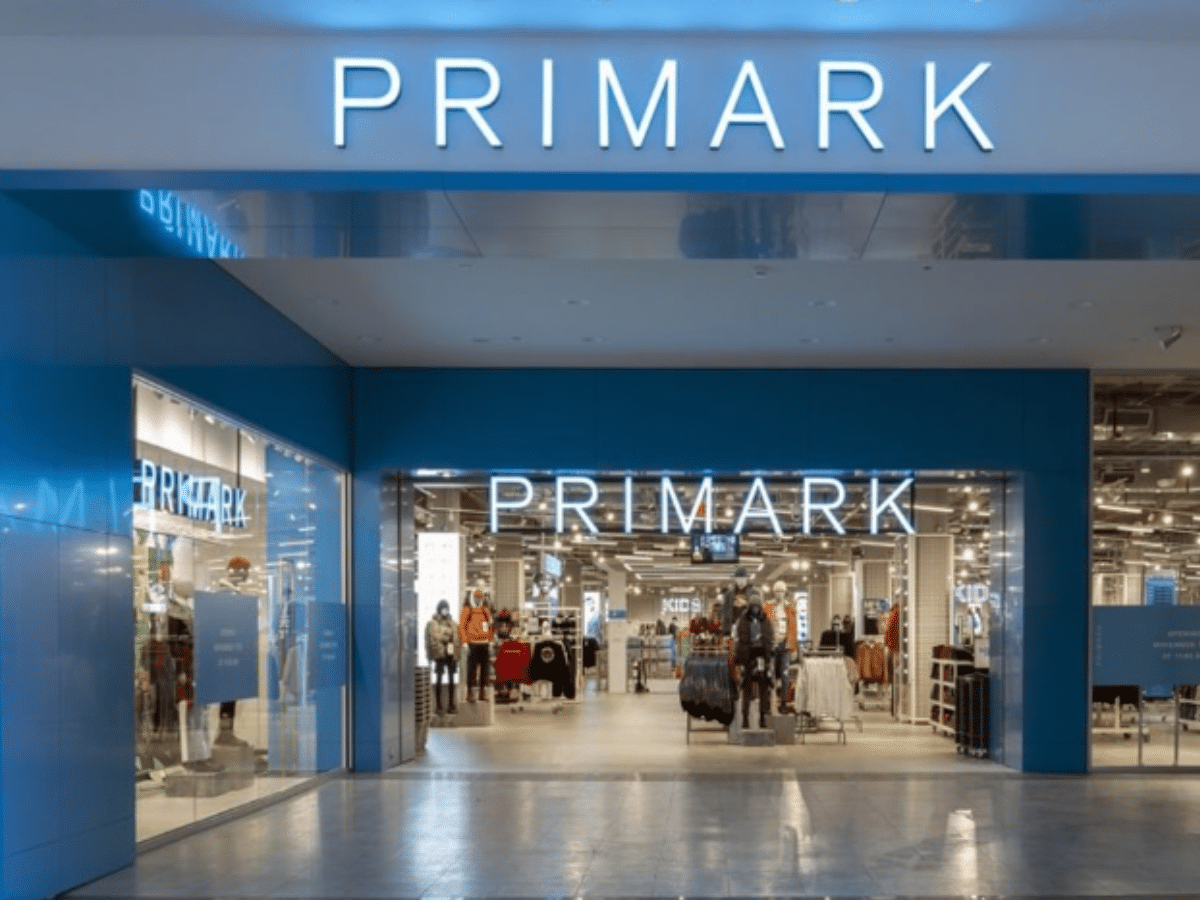
Primark has entered the UAE retail market with the opening of its first store in Dubai, located in The Dubai Mall, marking a regional expansion in partnership with Alshaya Group. The launch represents the retailer’s first presence in the UAE and its second store in the Middle East, following its earlier debut in Kuwait in late 2025.
The Dubai Mall location spans more than 60,000 square feet on a single floor and is expected to employ around 600 staff. The store introduces the brand’s standard retail format to the local market, offering a broad mix of clothing, accessories, home items, and beauty products across womenswear, menswear, and childrenswear. Alongside everyday basics, the range includes licensed collections tied to global entertainment and sports brands, as well as a slightly higher-tier line referred to as “The Edit.”
This opening is part of a wider rollout plan rather than a standalone launch. Two additional stores are scheduled to open in Dubai in the coming months, with City Centre Mirdif expected to follow in April and Mall of the Emirates in May. Beyond the UAE, further expansion is planned across the Gulf region, including locations in Bahrain and Qatar later in 2026. These moves will extend Primark’s footprint to more than 20 international markets.
The partnership with Alshaya Group plays a central role in this expansion strategy. As a long-established franchise operator in the region, Alshaya provides the infrastructure and local market expertise required for large-scale retail rollouts. The collaboration mirrors similar arrangements used by other international retailers entering Middle Eastern markets, where local partnerships often determine the pace and reach of expansion.
Primark’s retail model, which focuses on high-volume, low-cost apparel sold primarily through physical stores, arrives in a market already saturated with both fast fashion and mid-range global brands. Its success in the UAE will likely depend on how well it adapts to local consumer preferences, particularly in areas such as seasonal collections, sizing, and product mix. Pricing strategy will also be closely watched, as maintaining perceived affordability while managing import and operational costs in the region can be challenging.
The emphasis on large-format physical stores reflects the company’s continued reliance on in-person retail experiences, even as many competitors invest more heavily in e-commerce. Whether this approach resonates with UAE shoppers, who are already accustomed to a mix of online and mall-based shopping, remains to be seen.
Overall, the Dubai launch signals a measured but significant step in Primark’s Middle East expansion. The coming months, particularly with additional store openings, will provide a clearer picture of how the brand performs in a highly competitive and fast-evolving retail environment.