
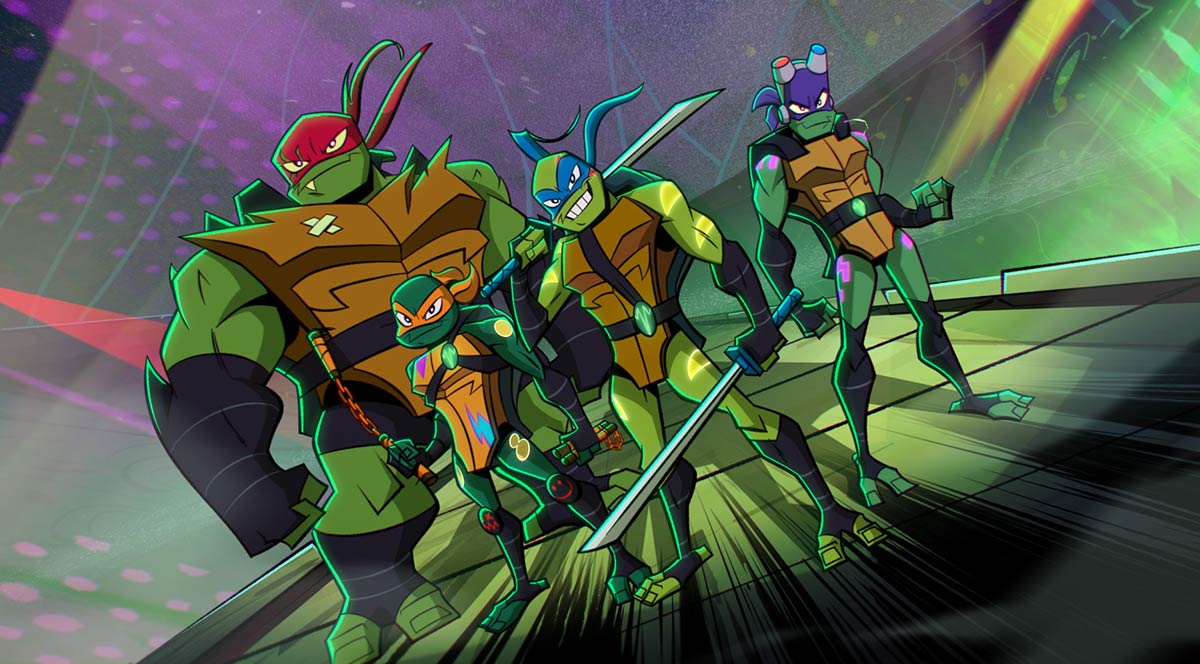
The Teenage Mutant Ninja Turtles have always been defined by their core four—Leonardo, Raphael, Donatello, and Michelangelo—but the franchise has never been short on variations, alternates, and unexpected additions. Through a multiversal crossover that leans into the long and sometimes contradictory history of the property, the turtles’ unofficial fifth brother, Slash, has now returned to canon storytelling after years on the sidelines.
Slash’s reappearance comes in Teenage Mutant Ninja Turtles: Battle Nexus #1, a new miniseries from IDW Publishingthat positions itself as a cross-canon tournament drawing characters from across different eras and continuities. The premise allows long-separated versions of familiar characters to collide, opening the door for storylines that would otherwise be impossible within a single timeline. Within that framework, Slash’s return is less a resurrection in the traditional sense and more a narrative retrieval, pulling a fan-favorite character back into relevance.
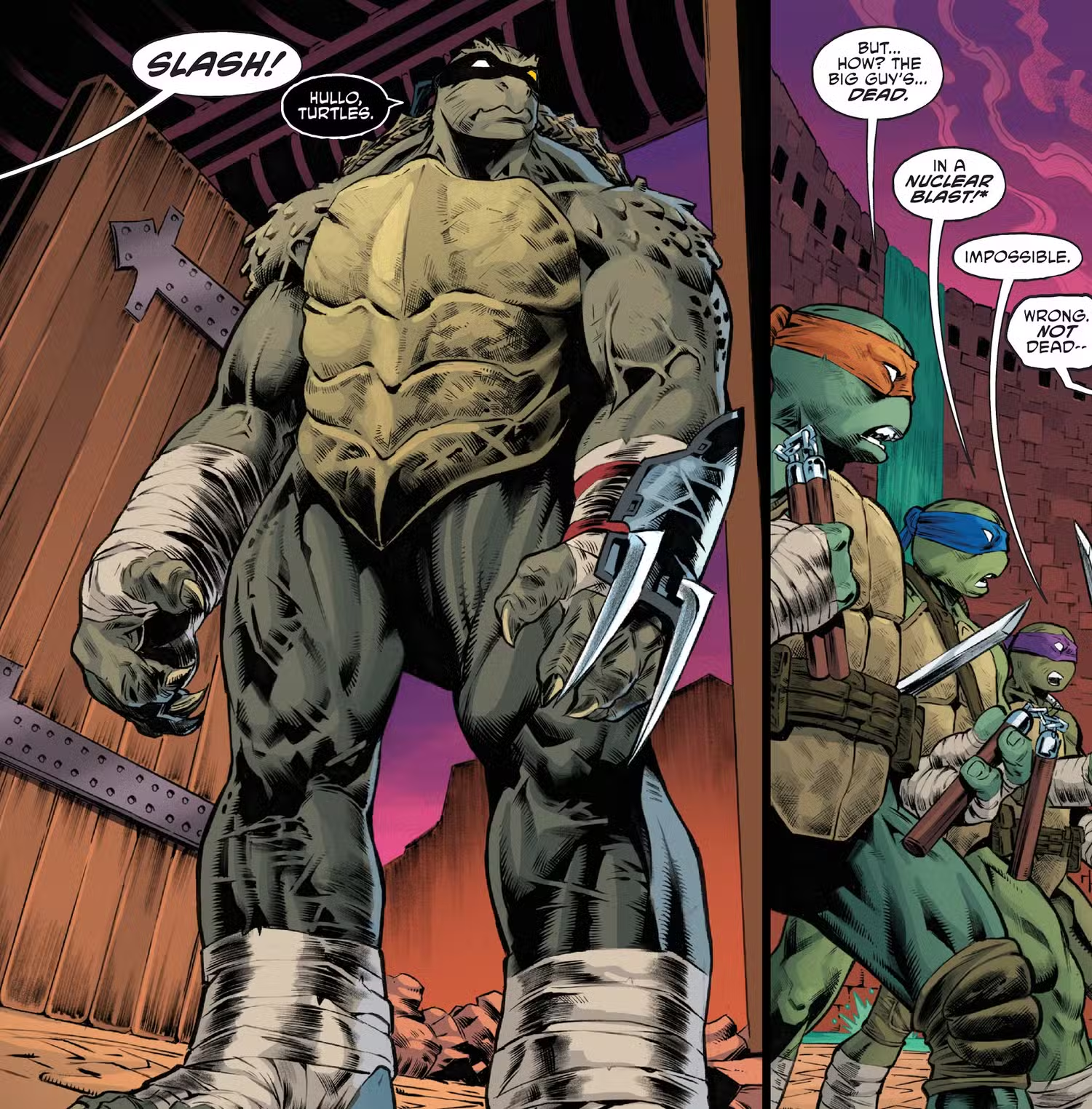
Originally introduced during the early 1990s expansion of the TMNT animated and comic universe, Slash stood out immediately for his size, raw strength, and volatile temperament. Over time, the character evolved beyond a simple antagonist, shifting into a tragic and often misunderstood ally. In later comics, Slash’s arc culminated in a self-sacrificial death in Teenage Mutant Ninja Turtles #89 in 2018, an ending that positioned him as something closer to a true fifth turtle rather than a recurring side character. Michelangelo’s eulogy in that issue framed Slash as the embodiment of the team’s collective strengths, reinforcing his emotional importance within the narrative.
Battle Nexus reintroduces Slash as a combatant rather than a peaceful returnee. Early promotional material suggests that his presence may lead directly to a confrontation with Michelangelo, turning what could have been a reunion into a test of loyalty, grief, and unresolved conflict. According to series writer Erik Burnham, the matchup was designed around emotional contrast as much as physical opposition, placing Slash’s anger and intensity against Michelangelo’s optimism and restraint.
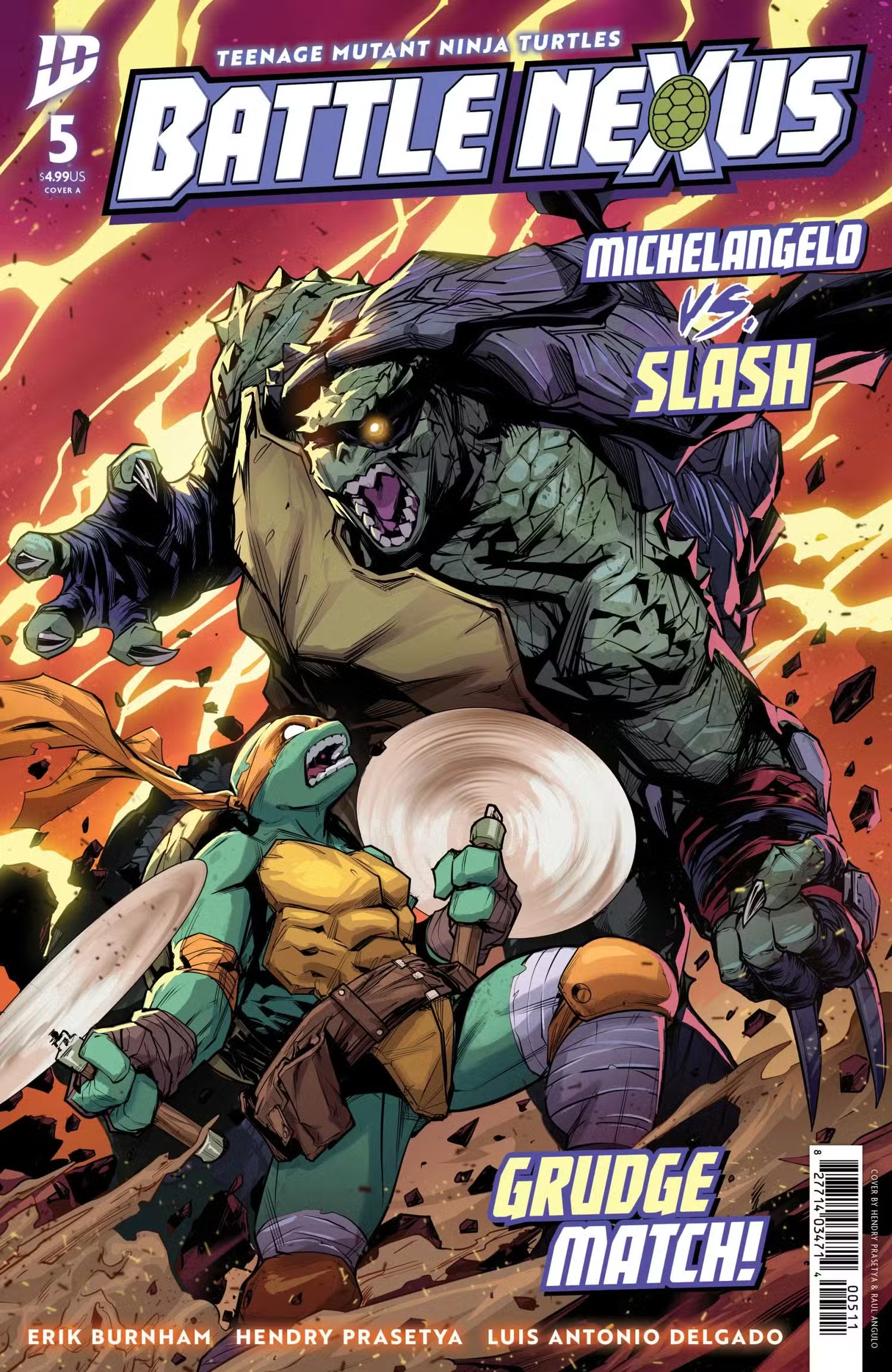
The structure of Battle Nexus allows the series to explore these confrontations without permanently reshaping the franchise’s primary continuity. That flexibility is central to why characters like Slash can be revisited without undoing previous endings. Rather than cheapening his death, the series treats his return as an opportunity to examine what he represented to the team and how his absence still shapes them.
For long-time fans, Slash’s reappearance is less about spectacle and more about closure and reinterpretation. His role has always sat at the intersection of strength and vulnerability, and Battle Nexus appears intent on revisiting that balance rather than presenting him as a simple power escalation. Whether the story ultimately restores him to a lasting role or frames his return as temporary remains to be seen, but his presence alone reinforces how flexible and self-referential TMNT storytelling has become.
Teenage Mutant Ninja Turtles: Battle Nexus #1 is available now in comic stores, marking the start of a series that trades strict continuity for character-driven matchups and long-deferred encounters.