
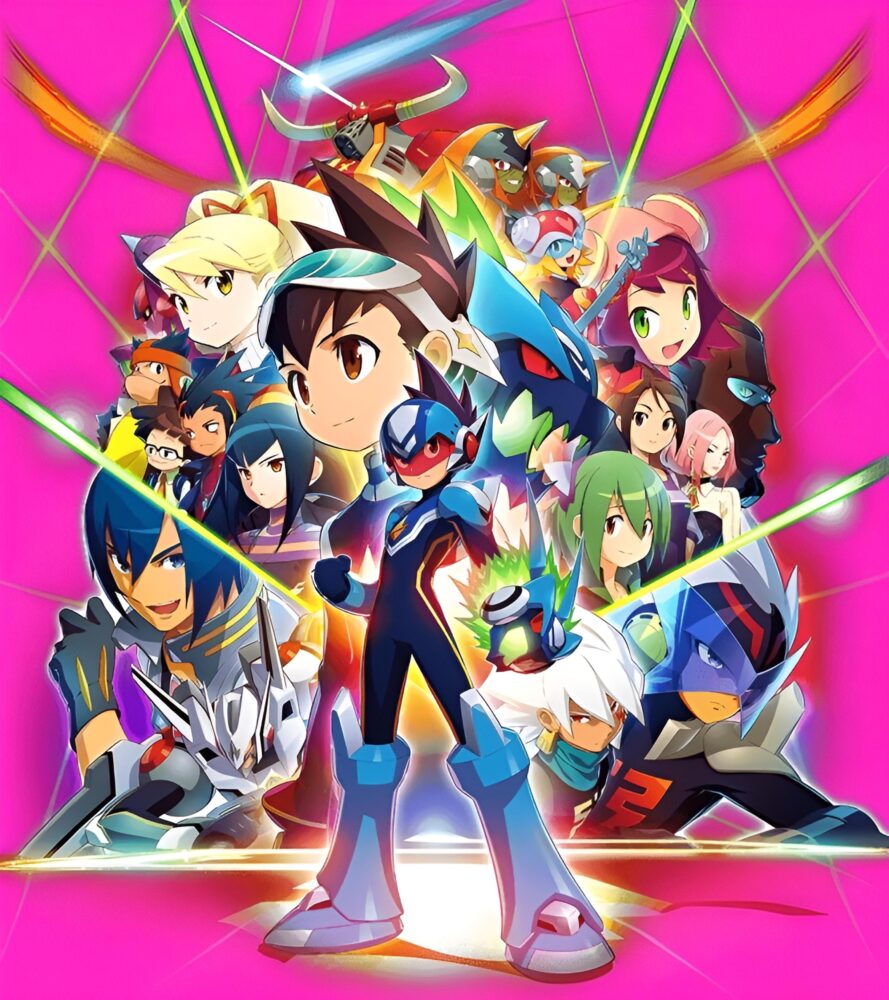
TL;DR: A lovingly updated trilogy with addictive card-based combat and a surprisingly emotional story. One weak entry aside, this is easily the definitive way to play Mega Man Star Force in 2026—and it still holds up better than you’d expect.
Mega Man Star Force Legacy Collection
I didn’t expect Mega Man Star Force Legacy Collection to hit me with a weird cocktail of nostalgia, secondhand embarrassment, and genuine warmth—but here we are. Revisiting this trilogy in 2026 feels a bit like opening an old group chat from your teenage years. You cringe at half the messages, question your life choices for a moment, and then—somewhere between the chaos—you remember why those connections mattered in the first place. That’s basically the emotional arc of this collection.
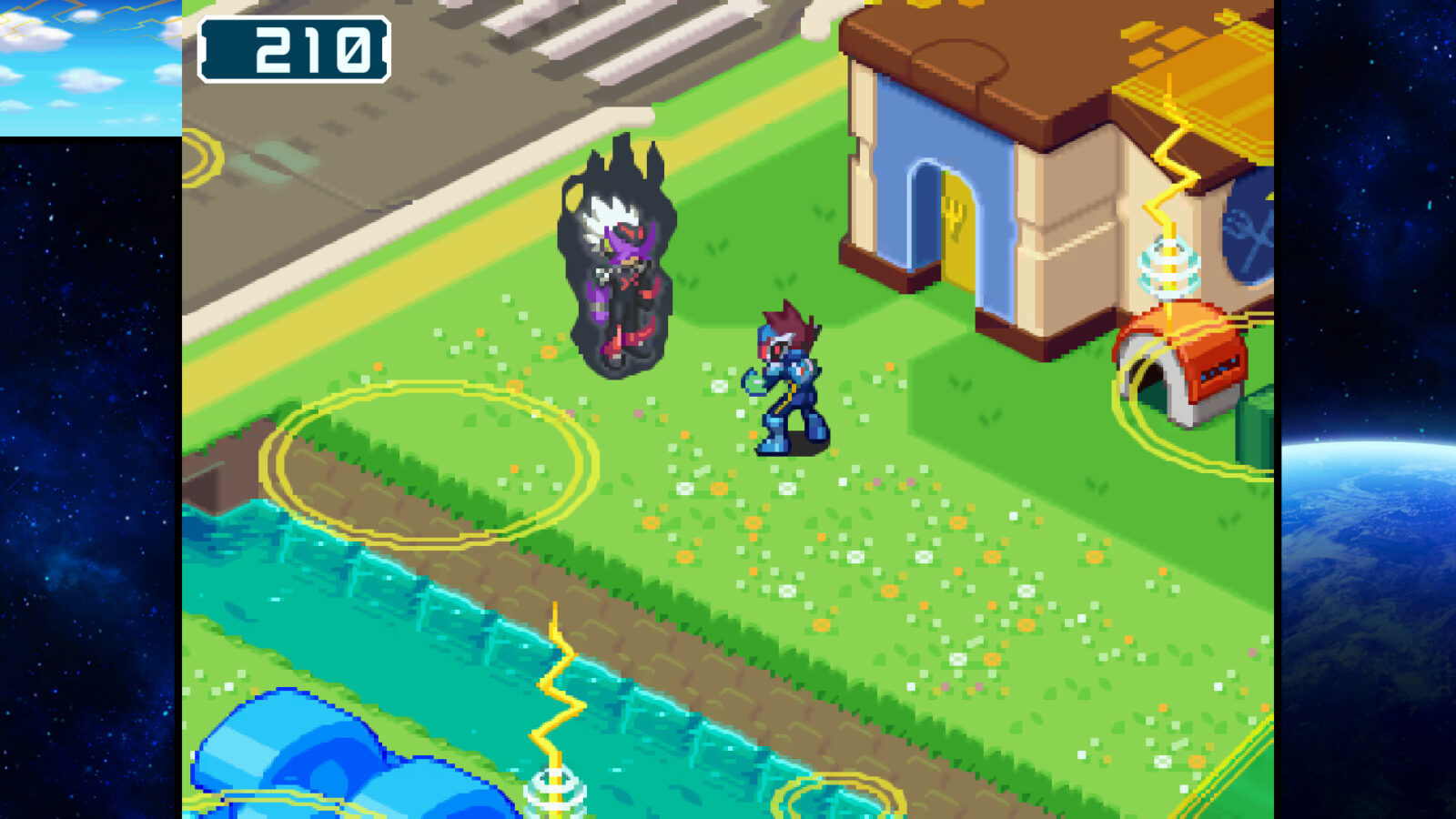
And yeah, let’s get this out of the way early for anyone Googling “Mega Man Star Force Legacy Collection review” looking for a quick answer: this is absolutely the best way to experience one of the most overlooked branches of the Blue Bomber’s family tree. It’s not flawless, but it’s surprisingly heartfelt, mechanically satisfying, and packaged with enough modern upgrades to make the whole thing feel less like a museum piece and more like a living, breathing RPG trilogy.
I booted it up expecting a light nostalgia trip. What I got instead was a slow-burn reminder of why these games mattered in the first place—and why they still kind of do.
The awkward charm of growing up, one battle card at a time
Coming back to Geo Stelar as an adult is… an experience. Back in the DS era, his whole “loner kid dealing with trauma and learning to trust people again” arc felt deep in that very specific middle-school way where everything feels profound because you’re feeling it for the first time. Now? Some of the dialogue lands with all the subtlety of a Saturday morning cartoon villain yelling about the power of evil.
But here’s the thing: once I got past the initial eye-roll reflex, I found myself weirdly invested again.
There’s something disarmingly sincere about how Mega Man Star Force tells its story. It doesn’t hide behind irony or try to be clever. It just goes all-in on themes like friendship, grief, connection, and purpose. Geo’s evolution from a shut-in kid to someone who actually shows up for people still works, even if the script occasionally feels like it was written by someone who just discovered what emotions are.
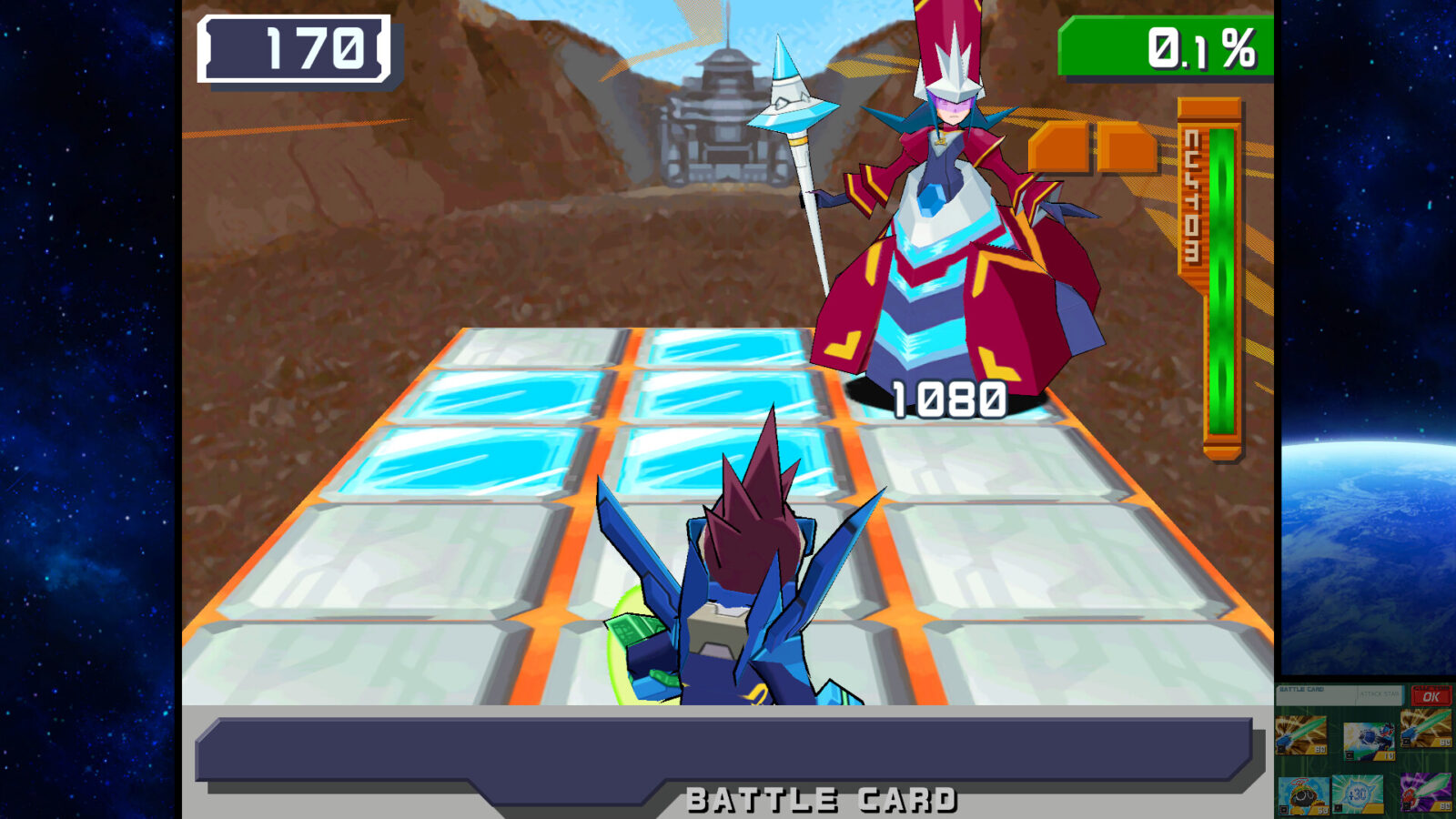
The first game carries that weight the best. Its “monster of the week” structure actually gives the supporting cast room to breathe, and I ended up caring more than I expected about characters like Luna and Sonia. Their personal struggles aren’t exactly subtle, but they’re effective. There’s a rhythm to it—problem, corruption, battle, emotional resolution—that shouldn’t work as well as it does, but somehow still lands.
Then comes the second game, which… stumbles. Harder than I remembered, honestly. The emotional core gets diluted, the villains feel flatter, and the whole thing leans too much on repeating the formula without understanding why it worked the first time. It’s not terrible, but it’s definitely the part of the trilogy where my attention started drifting toward my phone.
And then Star Force 3 comes in like it’s trying to make up for everything—and mostly succeeds. It’s bigger, more confident, and surprisingly ambitious with its themes. It still hammers its message home like it’s trying to break through a wall, but there’s a sincerity to its focus on purpose and connection that feels like a proper conclusion. By the end, I wasn’t just playing for completion—I actually wanted to see how things wrapped up.
Combat that still feels weirdly ahead of its time
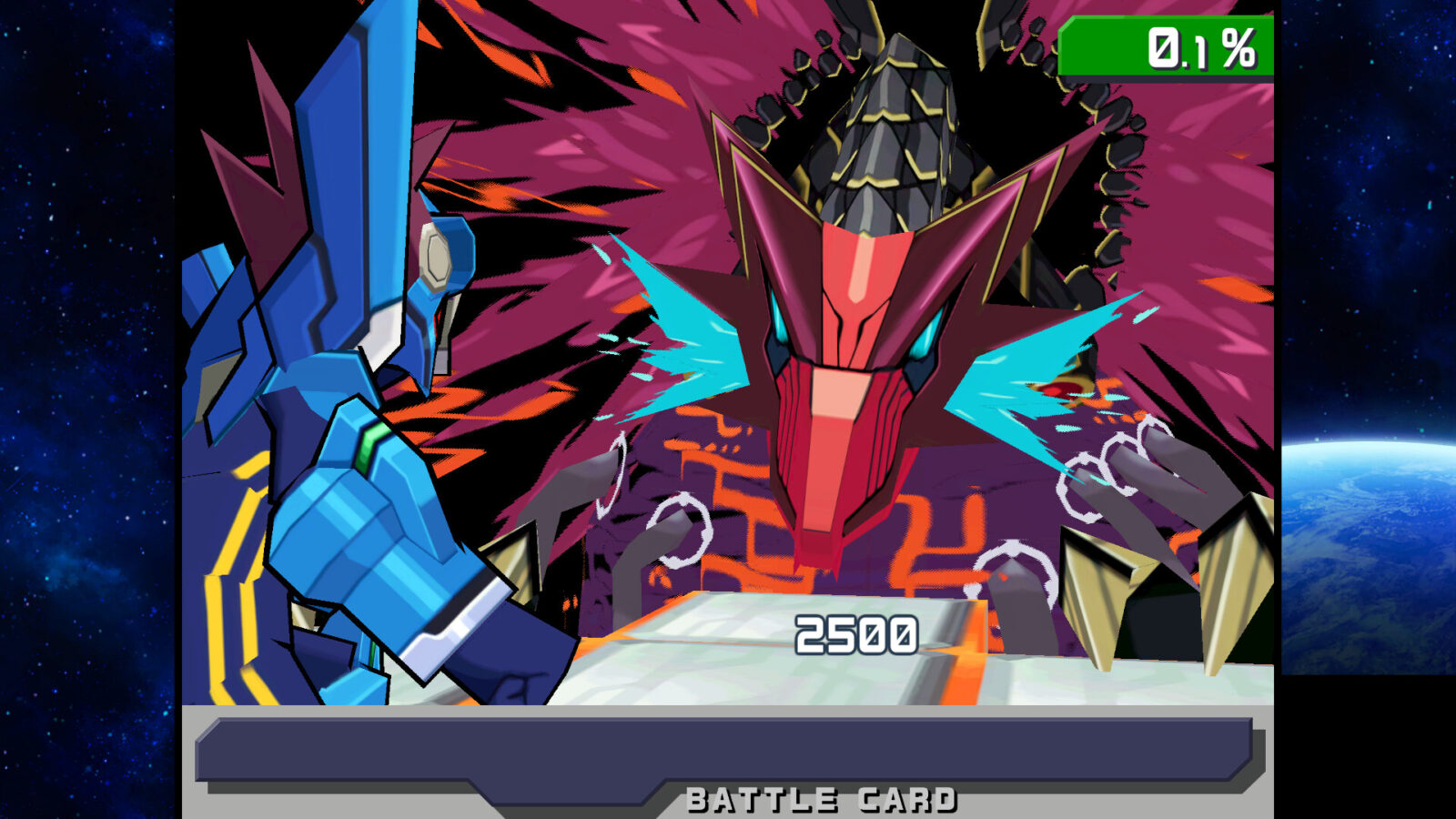
If you’ve ever dabbled in Mega Man Battle Network, you’ll feel right at home here—but also slightly disoriented. Star Force takes that grid-based, card-driven combat and rotates it into something that feels more immediate and, honestly, a bit more intense.
You’re locked into left-right movement, your perspective flipped, and suddenly positioning becomes this tight, reactive dance instead of a tactical stroll across a grid. It shouldn’t feel like such a big change, but it does. I found myself more engaged in fights than I expected, especially once things started getting hectic.
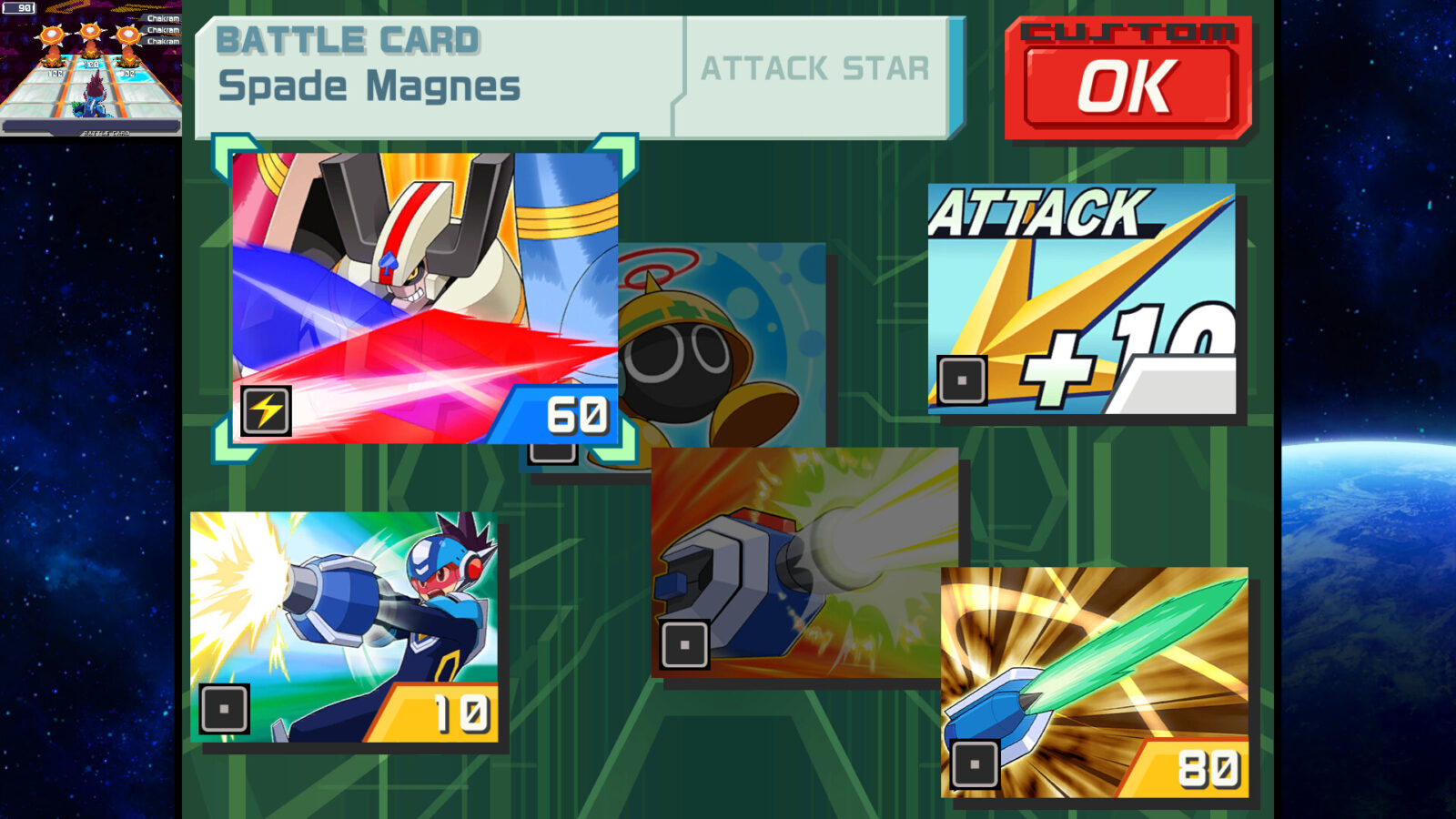
The card system still slaps. Drawing from your folder, trying to line up combos, deciding whether to play it safe or go all-in—it scratches that same itch modern roguelike deckbuilders do, even if it technically came way before them. There’s a constant push-pull between planning and improvisation that keeps battles from feeling repetitive.
And then there’s the counter system. Landing a perfectly timed counterattack still gives me that tiny dopamine spike, like hitting a parry in a Souls game but with less punishment attached. It rewards patience without demanding perfection, which is a sweet spot a lot of modern games still struggle to hit.
By the time I got to Star Force 3, the systems had evolved into something genuinely impressive. The Noise mechanic alone adds a layer of chaos and experimentation that kept me tinkering with builds longer than I expected. Unlocking new forms, combining abilities, chasing that perfect setup—it turned the endgame into a playground.
Honestly, this might be the most underrated combat system Capcom has ever made. It’s fast, strategic, and just messy enough to stay interesting.
A remaster that actually respects your time
One of the biggest reasons this collection works so well in 2026 is that it doesn’t just dump the old games on modern hardware and call it a day. It actually tries to meet you halfway.
Auto-save alone feels like a lifesaver. If you ever played the original DS versions, you know the pain of losing progress because you forgot to manually save before getting wiped. That kind of design just doesn’t fly anymore, and thankfully, it doesn’t here.
Then there’s the ability to tweak things like encounter rates, damage, and general pacing. This is the kind of stuff that quietly transforms the experience. Star Force 2 in particular benefits massively from these changes, turning what used to feel like a slog into something much more manageable.
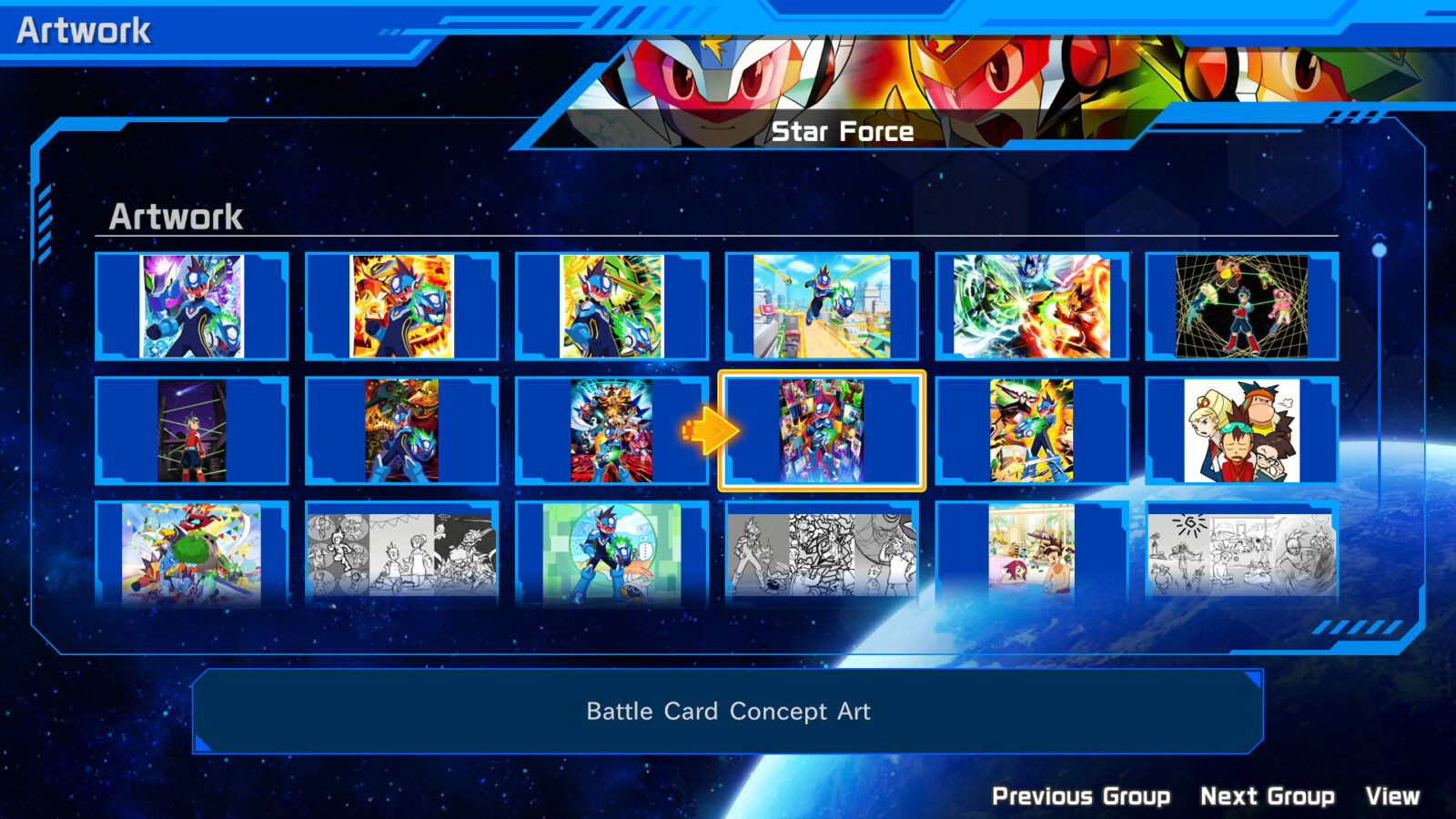
Movement speed adjustments, restored content, downloadable event cards—it all adds up to a version of Star Force that feels complete in a way it never quite did before. Even the smaller touches, like updated visuals and rearranged music, help smooth over the rough edges without erasing the original identity.
That said, not everything is perfect. The lack of crossplay for online features feels like a missed opportunity, especially for a series that leans so heavily into the idea of connection. It’s not a dealbreaker, but it does feel oddly out of step with the rest of the package.
Still, when I look at everything included here, it’s hard not to appreciate the effort. This isn’t just a re-release—it’s a thoughtful reconstruction.
Why this collection hits harder than expected
What surprised me most about Mega Man Star Force Legacy Collection wasn’t the gameplay or even the nostalgia—it was how cohesive the whole thing feels when played back-to-back.
Individually, these games have their ups and downs. But together, they form a surprisingly compelling arc about growth, connection, and figuring out your place in the world. Watching Geo evolve across three games gave the story a sense of continuity that I never fully appreciated back on the DS.
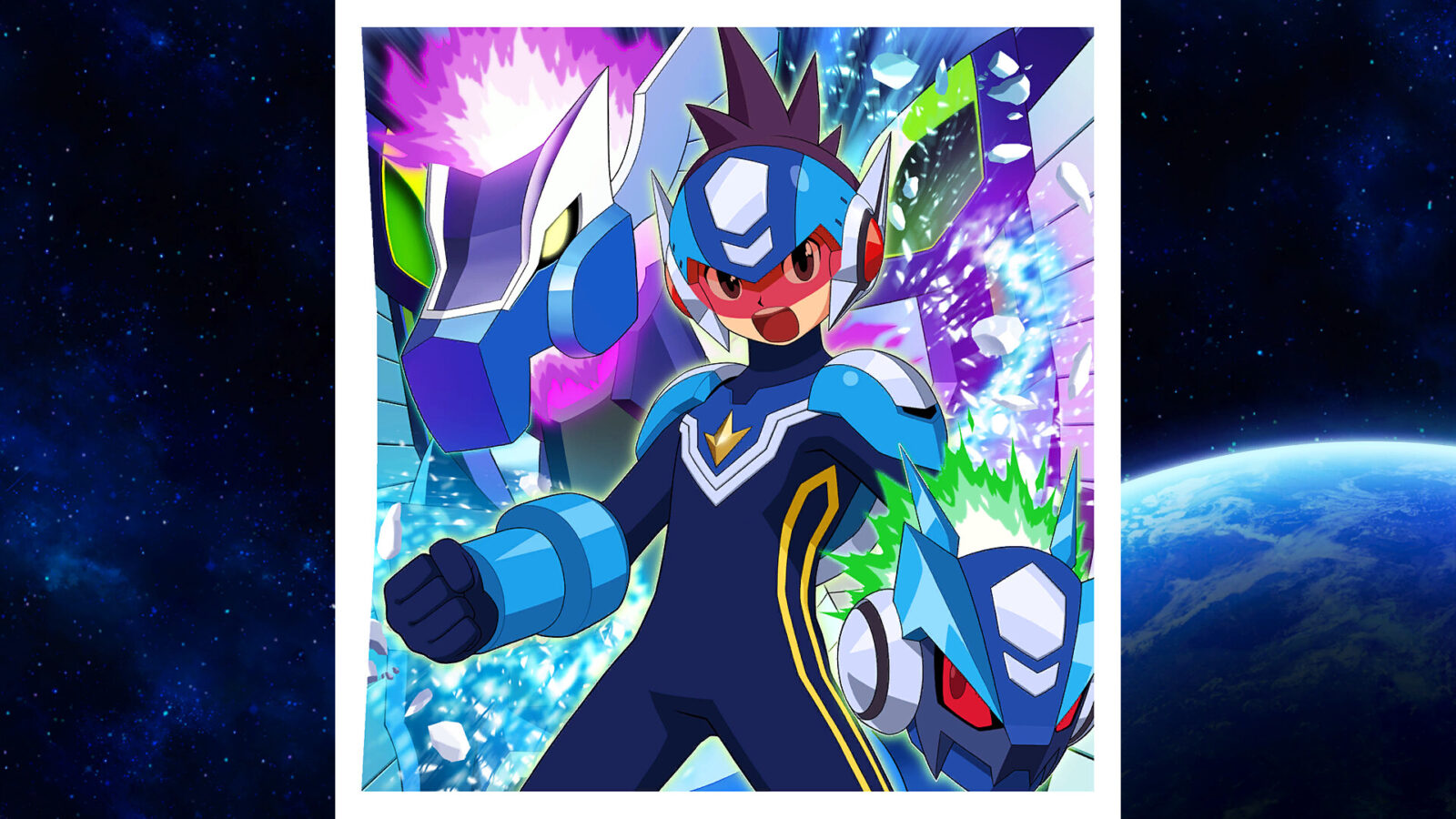
By the end, I felt that weird, bittersweet satisfaction you get from finishing a long-running series. Not because everything was perfect, but because the journey felt meaningful.
And yeah, maybe some of the dialogue still makes me wince. Maybe the themes are about as subtle as a meteor crashing into Earth. But there’s an honesty to it that’s hard to dismiss.
Sometimes, earnest beats clever.
Verdict
Mega Man Star Force Legacy Collection is a rare kind of remaster that doesn’t just preserve a series—it reframes it. Despite a weaker middle chapter and a few missing modern conveniences, the collection delivers a heartfelt story, a surprisingly deep combat system, and enough quality-of-life upgrades to make the entire trilogy feel fresh again. It’s not just nostalgia bait; it’s a reminder that even the “forgotten” corners of a franchise can still shine when given the right treatment.