

TL;DR: Zero Parades: For Dead Spies delivers a charming, dialogue-heavy spy adventure full of memorable characters and clever mechanics, even if it stays a bit too close to Disco Elysium’s formula. The relationships and roleplaying shine brightest, making it a must-play for fans of thoughtful RPGs despite some clunky bits and vocal performances.
Zero Parades: For Dead Spies
I booted up Zero Parades: For Dead Spies expecting the kind of razor-sharp espionage thriller that would have me questioning every shadow and double-cross, the sort of game where peeling back layers of conspiracy feels like cracking open a fresh comic book arc. What I got instead was something far more intimate and strangely personal—a return trip to a headspace I thought I’d left behind after Disco Elysium, but now dressed up in trench coats, red briefs, and lunar-level paranoia. This isn’t just another RPG; it’s a love letter to the weird, wordy, deeply human corners of interactive storytelling that ZA/UM basically invented, even if it sometimes reads like they’re afraid to stray too far from the original blueprint.
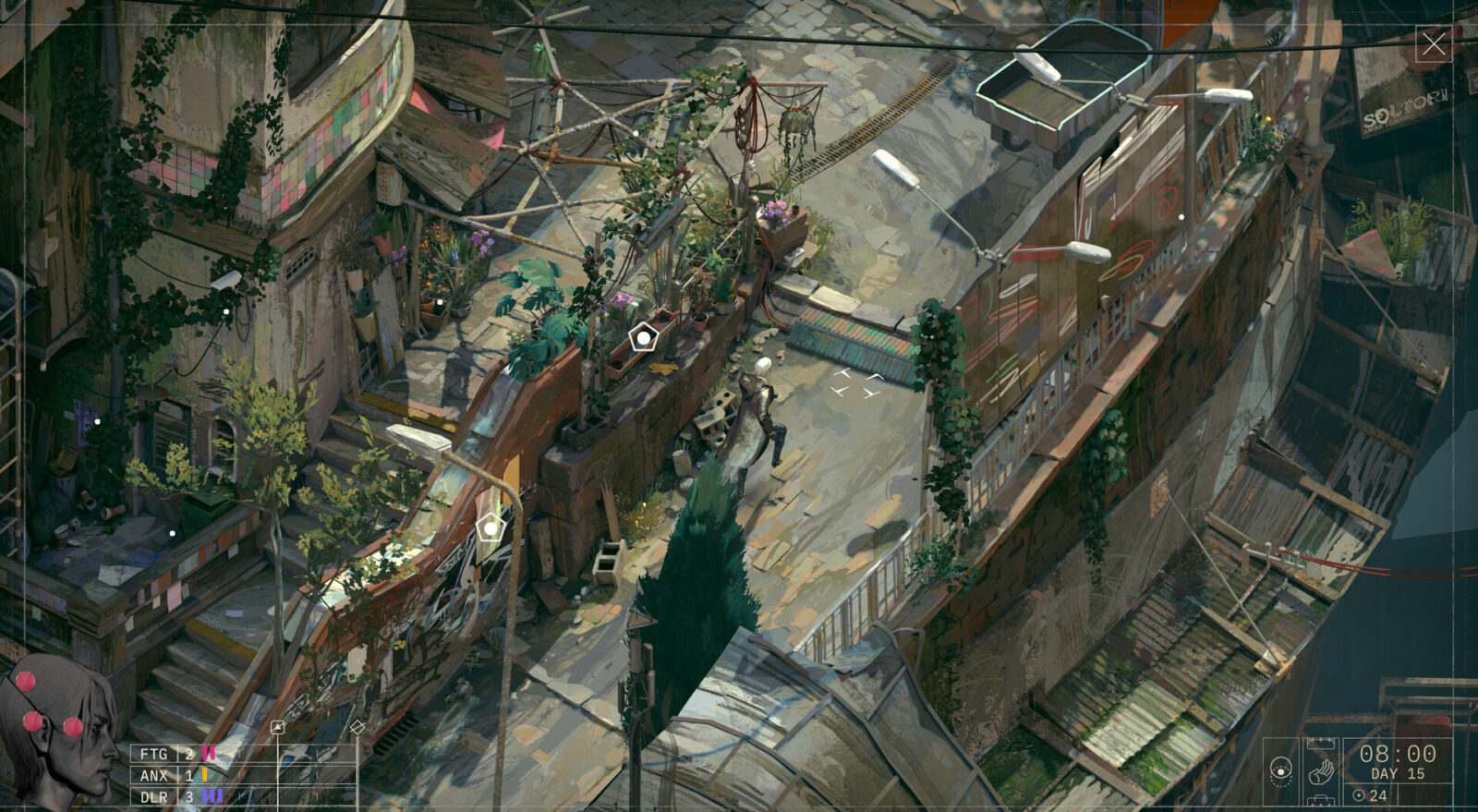
From the moment you wake up in that dingy safehouse above a 24-hour photo shop in Portofiro, the game grabs you by the collar and refuses to let go. There’s your partner, slumped like a discarded puppet, a silent record spinning on the stereo, and enough unanswered questions to fuel an entire season of some lost Twin Peaks spin-off. The air feels thick with cigarette smoke and unspoken regrets, the kind of atmosphere that makes you lean forward in your chair, controller forgotten in your lap, as the world outside your window fades away. It’s cinematic in that slow-burn, atmospheric way that great spy fiction thrives on—not explosive car chases, but the quiet tension of wondering if the barista across the street just gave you a second glance because she recognizes your face from a five-year-old dossier.
Rebuilding Yourself as the Ultimate Charismatic Cipher in a World Full of Ghosts
One of the smartest moves Zero Parades makes right out of the gate is handing you a protagonist who feels like a blank canvas ready for your own chaotic personality to splash across it. I went full Roger Moore Bond with my CASCADE—raised eyebrow, charm dialed to eleven, the type who’d rather smooth-talk their way past a locked door than pick it. The archetype system lets you lean into intelligent, charismatic, or physical builds, and mixing Relation as my main faculty with a dash of Action turned every conversation into this delightful game of reading micro-expressions and dropping perfectly timed one-liners that somehow always landed.
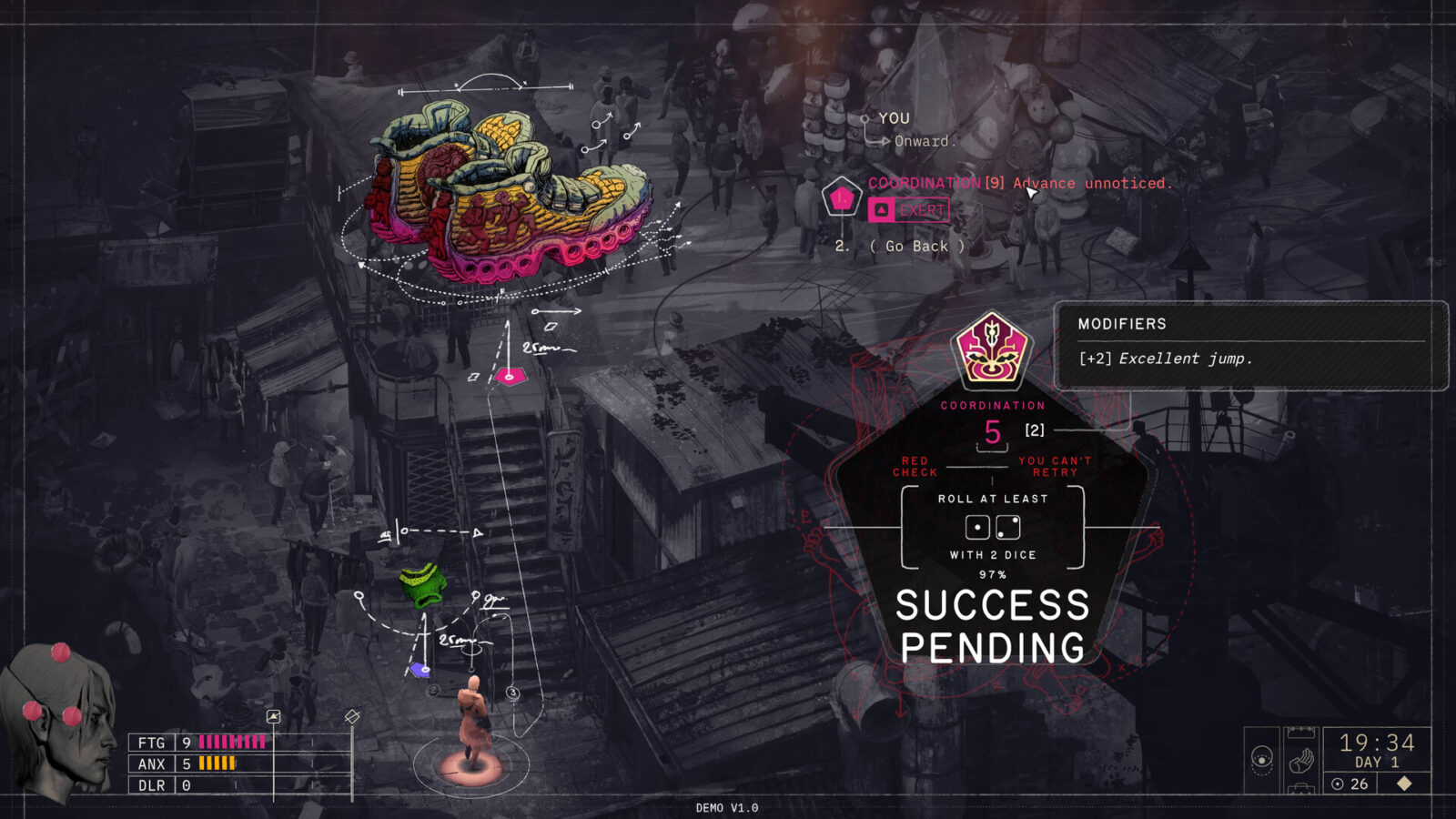
What really hooked me was how these skills breathe life into the roleplaying. Cold Read would ping in my head like a radar blip, revealing the nervous twitch behind someone’s smile, while my hedonistic Sensors skill had CASCADE savoring the crackle of fresh plastic on new gadgets or the way street food smells after a long night of dodging tails. It’s the kind of system that rewards you for staying true to the character you’re building, whether that’s a reckless escalation junkie or a careful observer piecing together the puzzle. I found myself laughing out loud when my choices spiraled into ridiculous outfits—neon wig, Christmas lights draped like a spy who moonlights as a festival extra—but that’s the beauty of it. This malleability turns the game into your personal spy fantasy, not just a scripted narrative you’re along for.
The Conditioning mechanic adds another delicious layer, letting you slot in multiple thought patterns that nudge your playstyle without forcing it. Loading up something like “Unguided Missile Strikes” made me bolder, pushing conversations into riskier territory just to see what exploded. It feels like outfitting your brain with gear, each one carrying its own little rule set that shapes how you approach the world. In a genre stuffed with skill trees that often feel like homework, this setup stays playful and tied directly to the story’s emotional core, encouraging you to experiment rather than optimize.
The High-Stakes Dance of Anxiety, Fatigue, and Delirium in the Spy Game
Zero Parades doesn’t let you coast on charm alone. The status bars—fatigue, anxiety, and delirium—replace the simpler health and morale of older systems with something that mirrors the real mental grind of living a double life. Pushing hard on a Relation check might spike your anxiety, but riding that edge gives you better dice outcomes, creating these tense moments where you’re gambling your mental stability for intel. I loved how caffeine shifts the burden to anxiety, alcohol dials up delirium, and a smoke brings it all crashing back to fatigue. It’s uncomfortably accurate, the kind of cycle that had me pausing to reflect on my own late-night gaming habits.
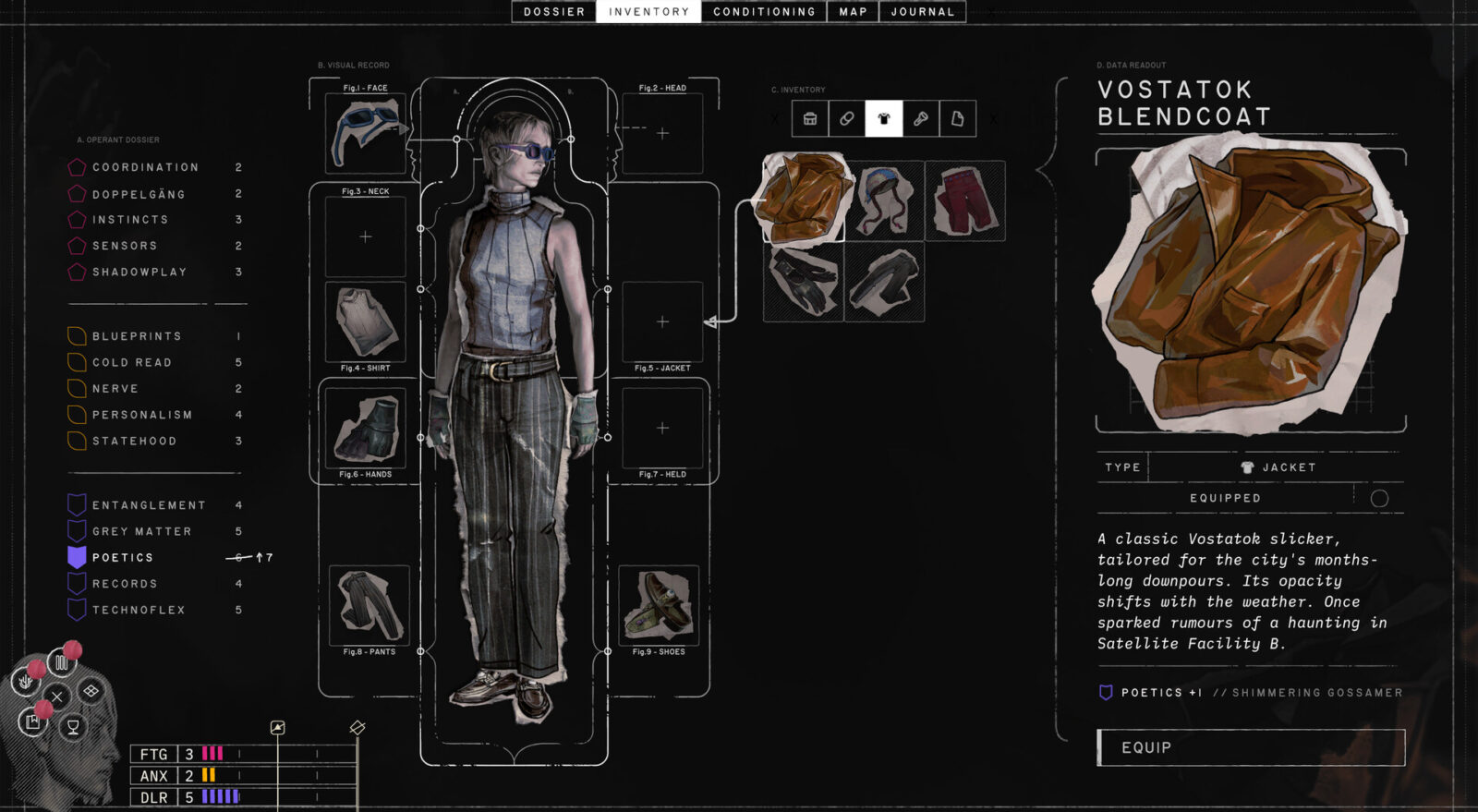
These mechanics shine brightest during intense sequences. Yet they can occasionally trip into resource-management busywork, especially when delirium maxes out at the weirdest times, like mid-shopping spree, forcing you to fill narrative gaps with your own head-canon. Still, when it clicks, it elevates the espionage from pure mechanics into something that feels lived-in and psychologically raw, the sort of depth that makes you care about CASCADE’s breaking points as much as the plot twists.
When the Voices Start Talking—And Why You Might Want to Hit Mute
Almost every line in the game comes voiced, a bold swing that aims for immersion but sometimes lands like an overeager party guest who won’t stop monologuing. The writing remains some of the richest in the business, packed with razor wit, philosophical detours, and that signature ZA/UM blend of horny intellect and street-level poetry. Conversations unfold like novels you’re directing, full of branching paths that reward curiosity and multiple playthroughs.
Yet the voice acting often competes with your own reading rhythm, turning flowing text into a slight chore. Some performances grate quickly, pulling you out right when the story wants to pull you deeper. I ended up toggling it off after a while, letting the words breathe on their own, which let the game’s personality shine without the occasional off-key delivery. It’s a reminder that even ambitious experiments can have rough edges, but the core dialogue—those weird, wonderful exchanges with a ragtag crew of ex-spies and oddballs—still delivers the goods.
Piecing Together Old Crews, Lunar Conspiracies, and the Human Cost of Secrets
The story starts slow, deliberately so, building from that comatose partner and silent record into a web that stretches from missing popstars to full-blown lunar conspiracies. At its heart, though, it’s a “get the band back together” tale, hunting down old comrades you once failed or betrayed, reconnecting across years of separate lives. These relationships form the emotional backbone, turning CASCADE from a cipher into someone haunted by real ghosts. Watching old wounds reopen and tentative amends form felt genuinely moving, the kind of payoff that makes the slower early hours worth it.
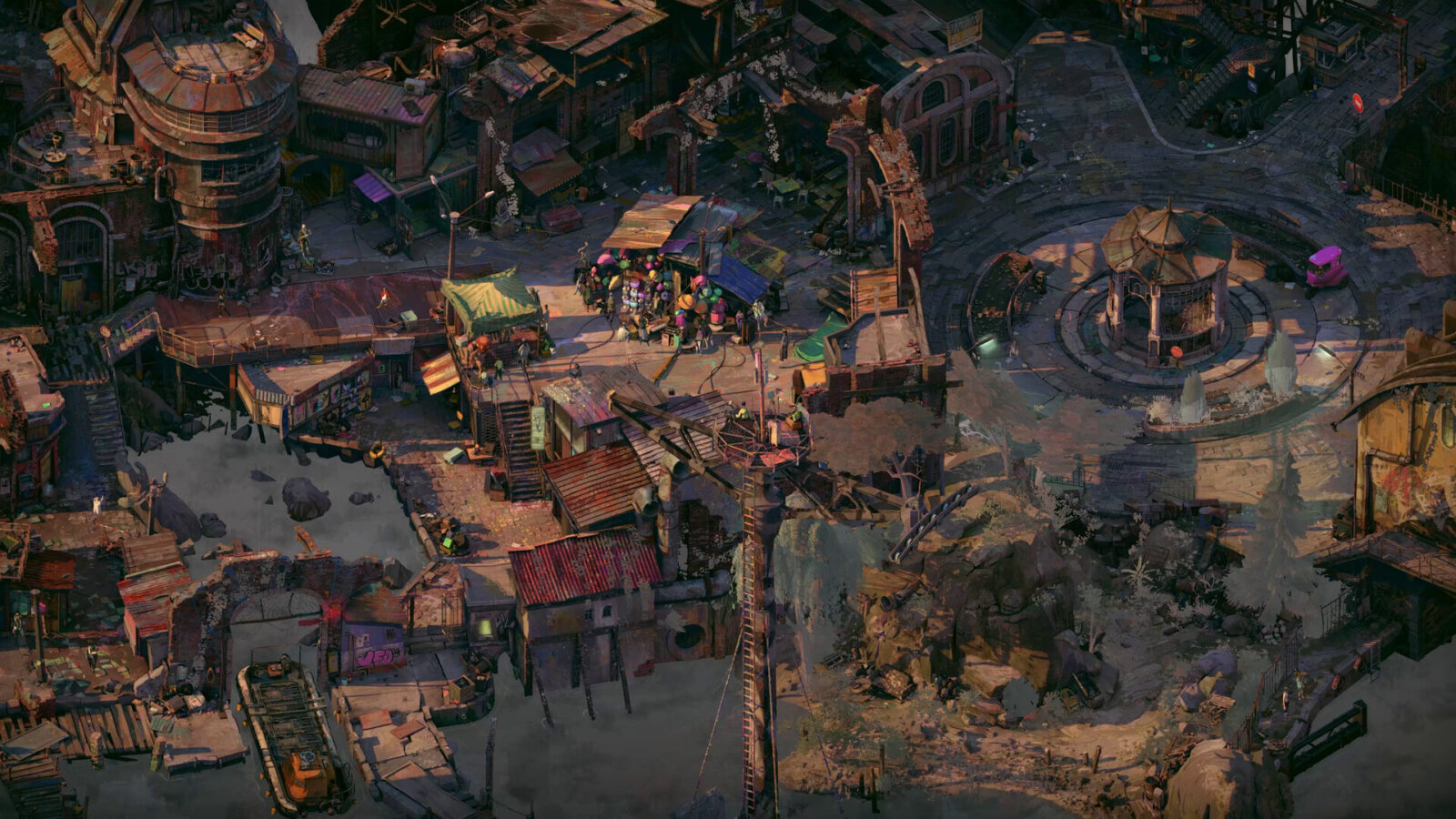
Portofiro itself pulses with life, a Mediterranean-tinged hub where every alley and café hides another thread in the tapestry. The spy-fi tone nails that sweet spot between grounded tradecraft and bonkers supernatural-adjacent weirdness, keeping you guessing without ever jumping the shark. It’s the kind of narrative that lingers long after you’ve put the controller down, sparking late-night thoughts about loyalty, ideology, and what it really means to rebuild trust.
The Inevitable Shadow and the Moments That Still Spark Joy
No discussion of Zero Parades can dodge its massive Disco Elysium-shaped shadow. The DNA is everywhere—from the opening beats to the skill checks to that unmistakable narrative voice—and while it inherits the charm, it also carries forward some clunkiness. Inventory fiddling feels dated, controller targeting can be imprecise, and the game occasionally bombards you with personality before it earns the right. These aren’t deal-breakers, especially if you vibe with the style, but they do make the experience feel like a refined sequel rather than a bold evolution.
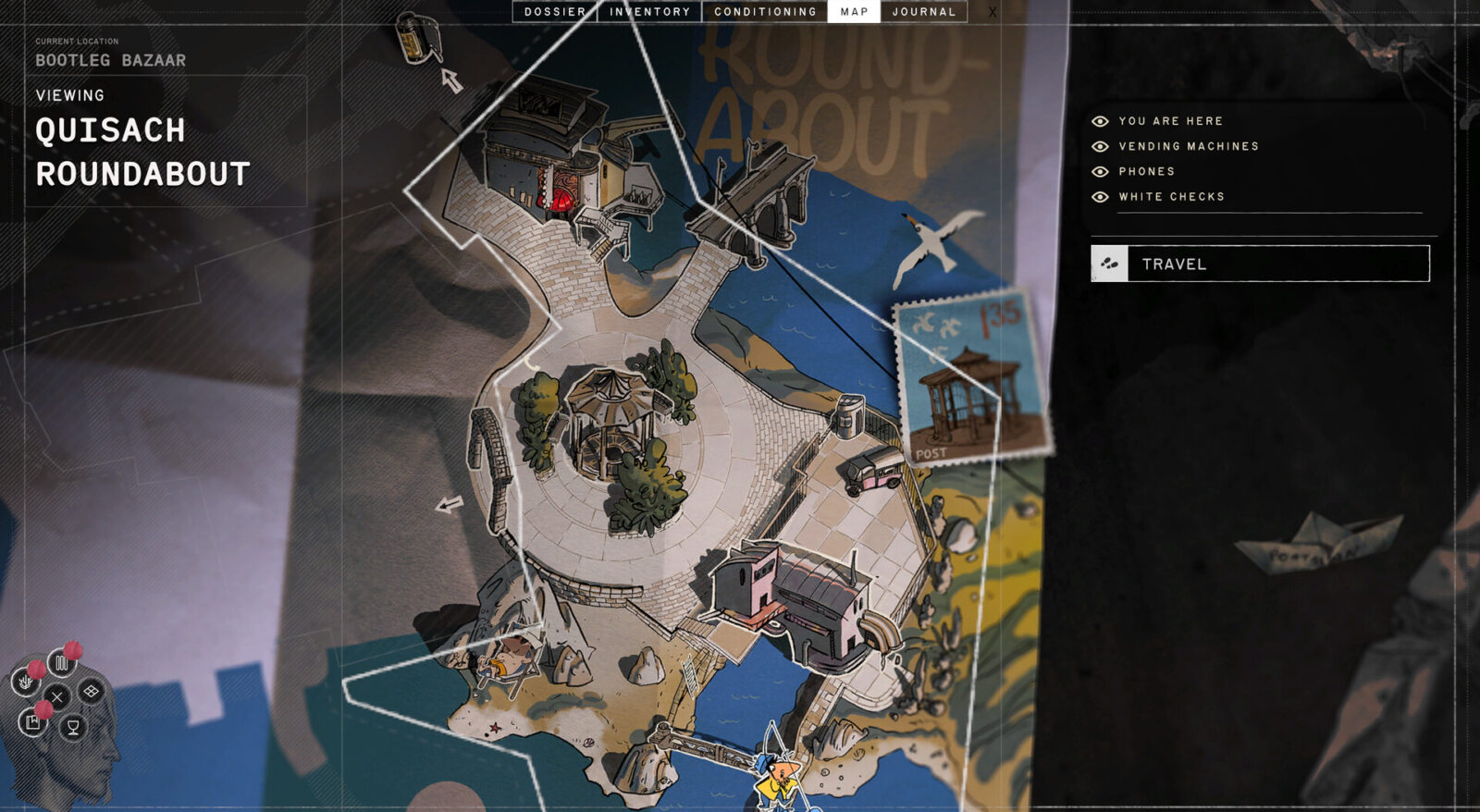
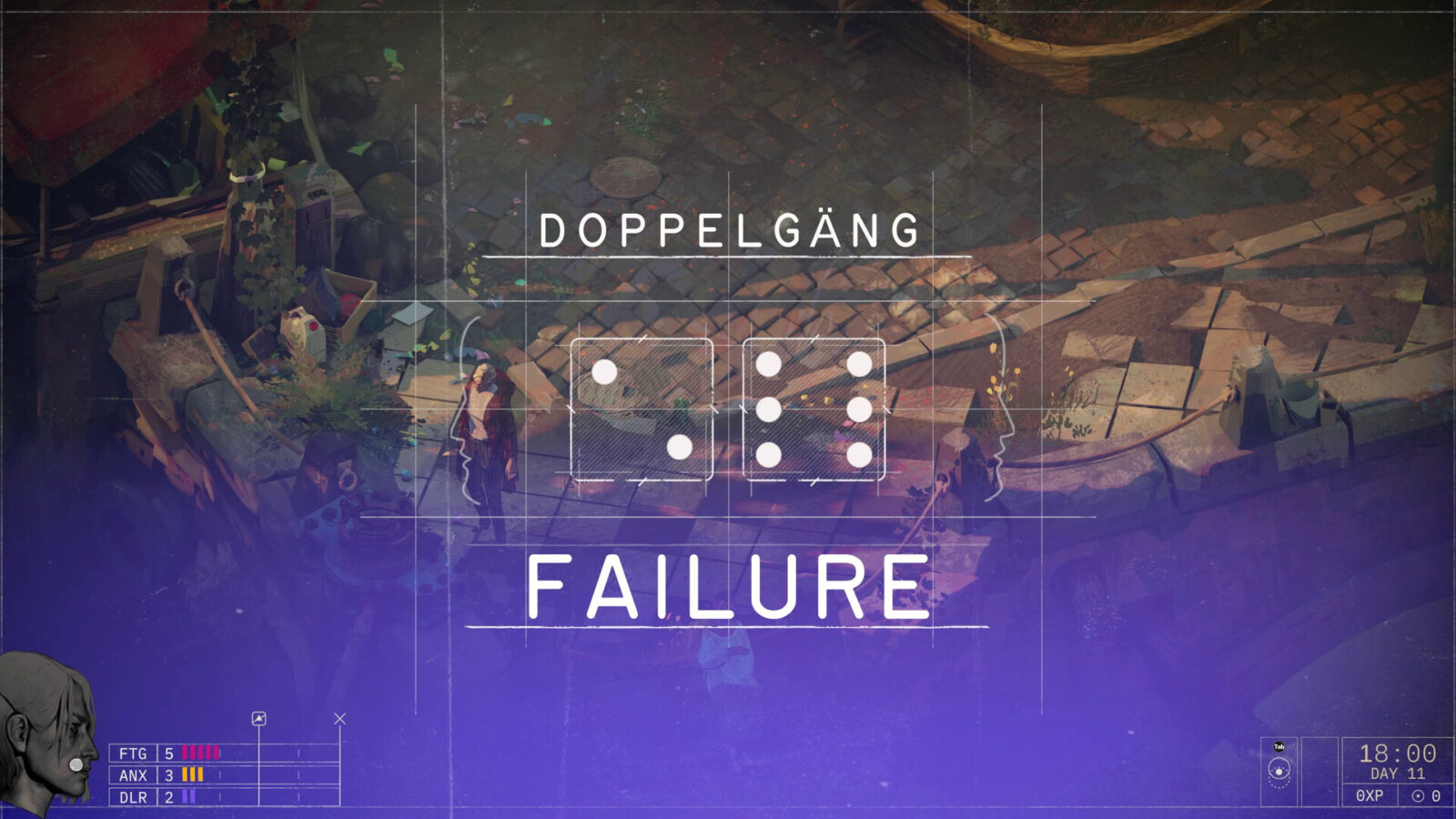
Yet when it clicks, it really clicks. The writing still sparkles with clever observations and human insight. The crew you assemble becomes a found family worth rooting for. And in a year full of bombastic AAA spectacles, there’s something refreshing about a game that trusts you to sit with its ideas, roll the dice, and embrace failure as part of the spy life. It’s not flawless, but its heart beats strong in that geeky, passionate space where mechanics and storytelling intertwine.
Verdict
Zero Parades: For Dead Spies is a deeply compelling spy RPG that thrives on rich characters, inventive systems, and writing that pulls you into its world even as it wrestles with its own legacy. It doesn’t fully escape its predecessor’s shadow, and some rough edges show, but the human connections and playful roleplaying freedom make it a standout experience for anyone craving thoughtful, wordy adventures in a sea of action-heavy blockbusters. If you loved the mind-bending charm of ZA/UM’s past work, there’s plenty here to fall for again—just maybe turn down the voices and lean into your own chaotic spy persona.