
TL;DR: Yakuza Kiwami 3 fixes the original’s worst problems with better combat, pacing, and heart, while Dark Ties is uneven but saved by an excellent roguelike mode. Not perfect, but absolutely worth revisiting.
Yakuza Kiwami 3 & Dark Ties
I have a complicated relationship with Yakuza 3. It’s the game I respect in theory, admire in hindsight, and actively avoided replaying for well over a decade. Not because I hated it, but because I remembered exactly how it felt in my hands: stiff, defensive enemies who blocked like they were being paid per raised forearm, story beats that wandered off for cigarettes and came back an hour later, and combat that made me miss punches instead of savoring them. So when Ryu Ga Gotoku Studio announced Yakuza Kiwami 3 & Dark Ties, I didn’t feel hype so much as cautious curiosity. This was the black sheep of the series getting a second chance. Not a nostalgia remaster, but a full-on intervention.
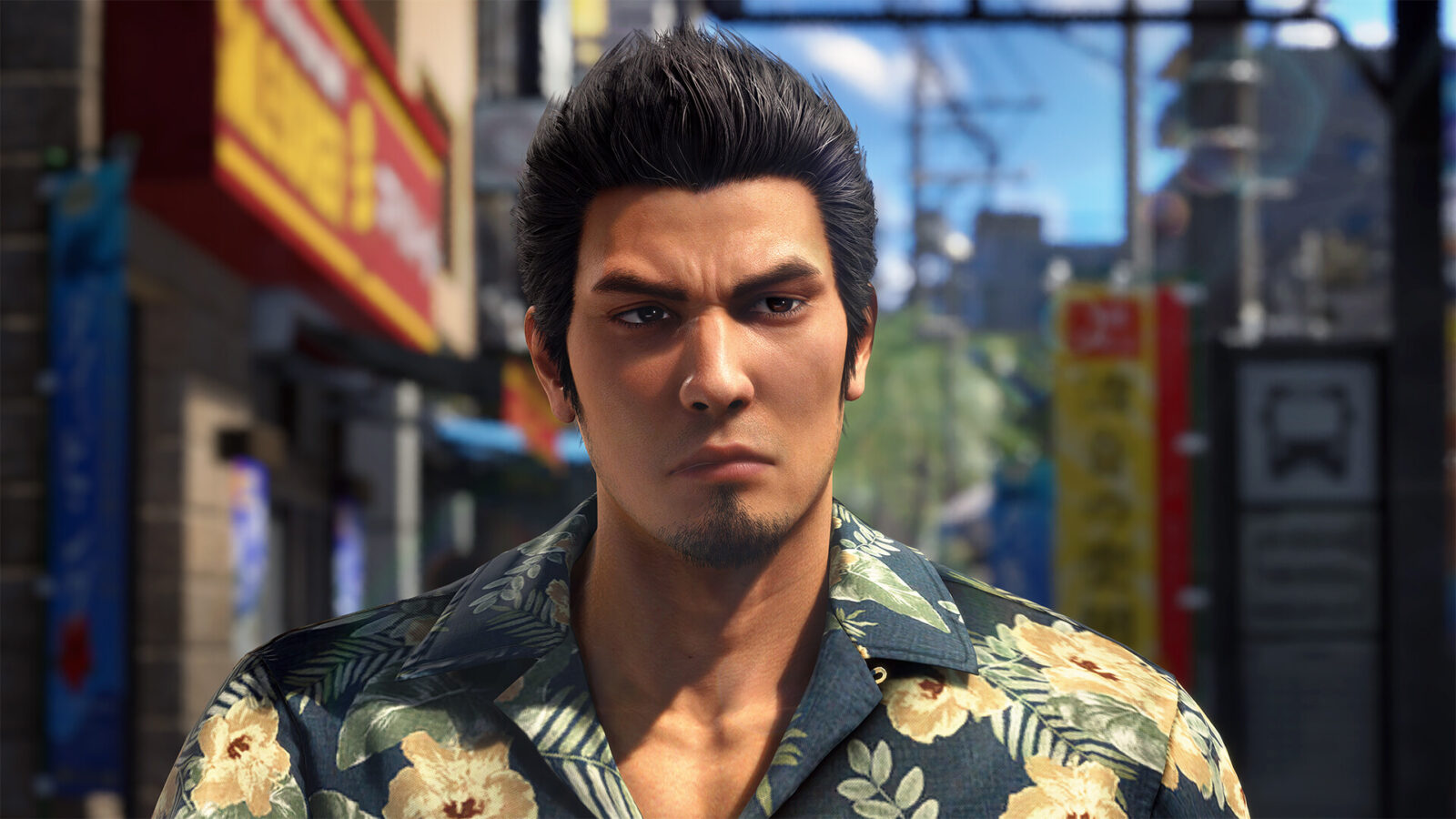
After spending dozens of hours back in Kiryu’s snakeskin shoes, I can say this: Kiwami 3 doesn’t just rehabilitate Yakuza 3. It finally lets it stand shoulder to shoulder with the modern Like a Dragon era, even if it still stumbles a little under the weight of its own past.
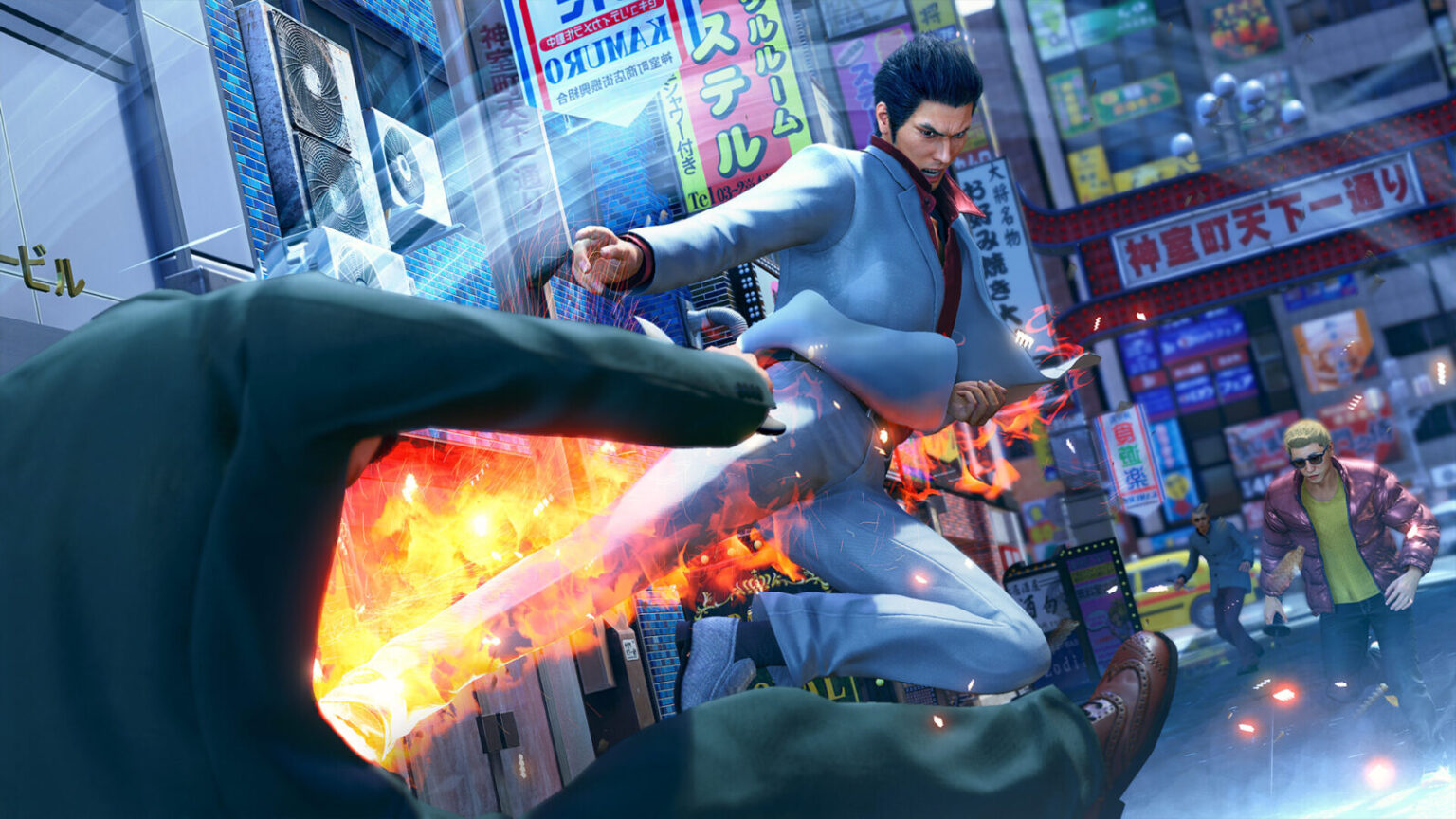
The biggest miracle here happens the moment I throw my first punch. The old version of Yakuza 3 treated combat like a negotiation. You asked politely, jabbed carefully, waited for an opening, and still got blocked. Kiwami 3 throws that entire philosophy into the Pacific Ocean. Enemies are faster but fairer, aggression is rewarded, and Kazuma Kiryu finally feels like the walking urban legend he’s always been described as. His Dragon of Dojima style hits with a satisfying heaviness, every combo landing with the kind of crunch that makes you lean back in your chair and nod to yourself like yeah, that felt right.
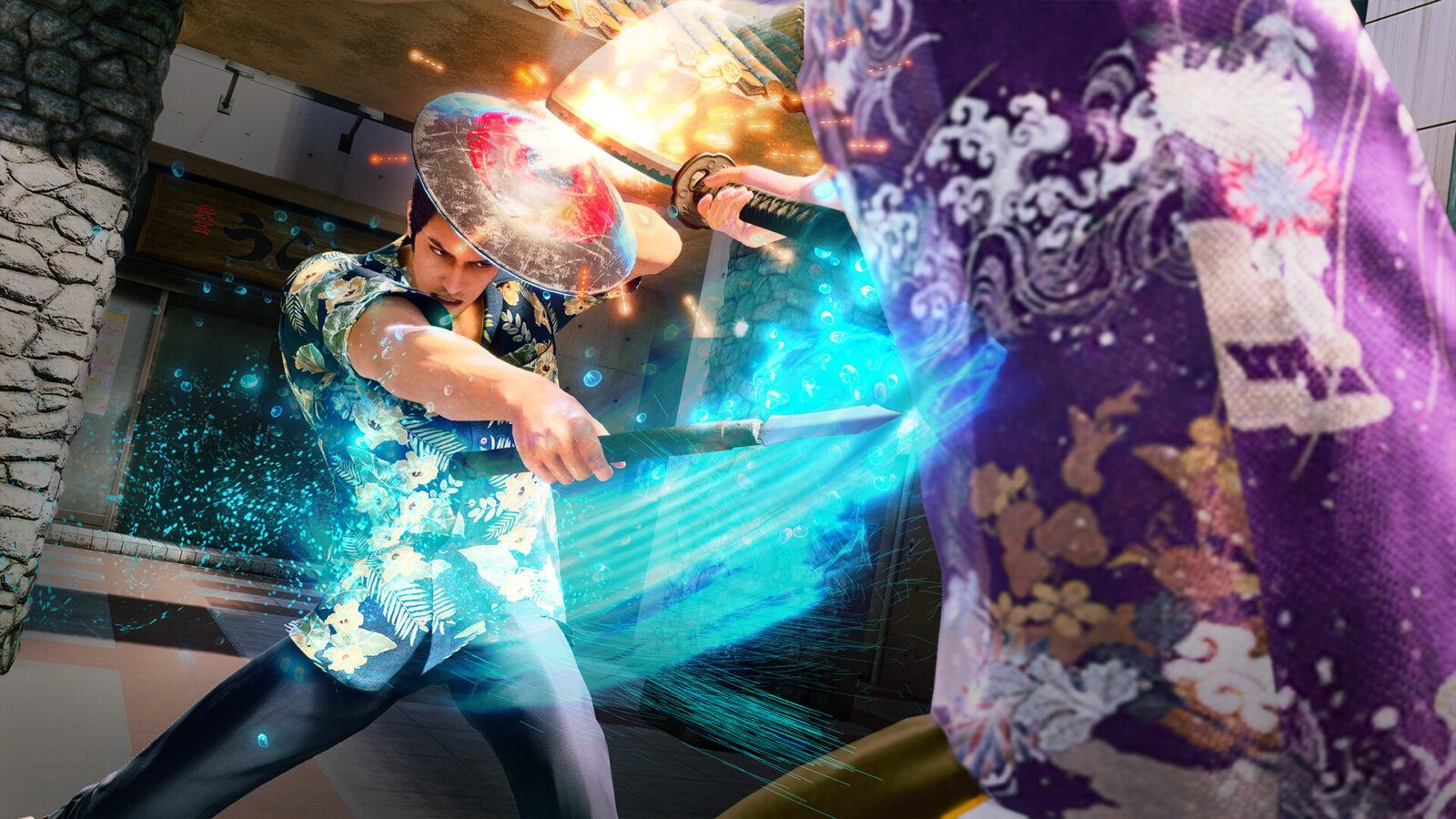
But the real revelation is the secondary combat style, which essentially turns Kiryu into a one-man weapon museum without ever forcing me into menus or durability babysitting. I’m flowing between tonfa, scythes, shields, brass knuckles, and nunchucks through pure muscle memory, chaining attacks in a way that feels more like choreography than button mashing. It’s fast, flexible, and weirdly elegant. Where the original game’s weapons felt disposable and fragile, this system feels intentional, like Kiryu finally learned how to weaponize improvisation itself. Combat in Yakuza Kiwami 3 isn’t just improved. It’s reborn.
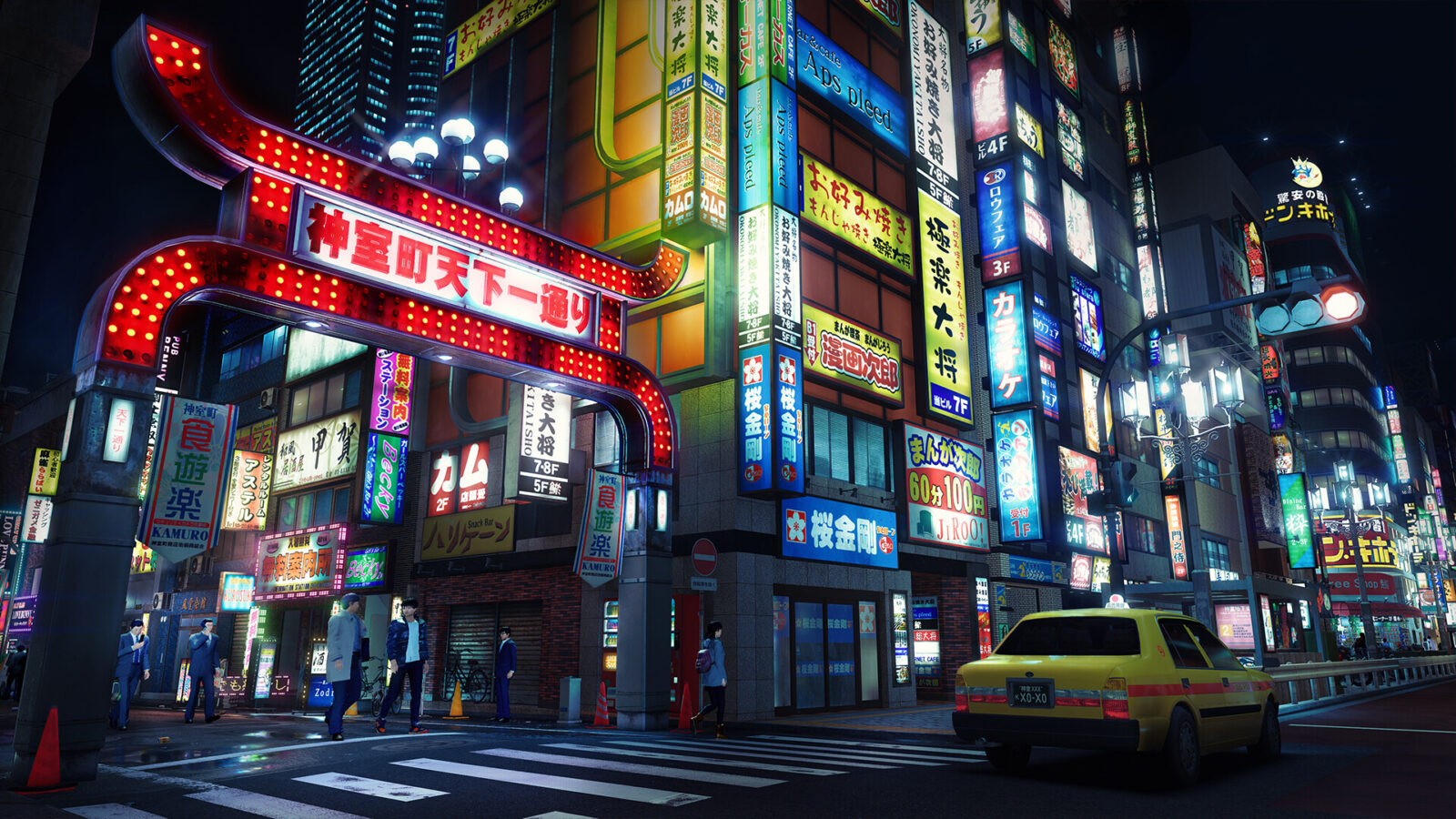
That rebirth extends to how the game looks and feels. Kiwami 3 brings Yakuza 3 into visual parity with more recent entries, and it matters more than I expected. Character models are sharper, animations have more snap, and the particle effects during fights explode with just enough excess to sell the fantasy without drowning it in neon. And then there’s Okinawa. Sunlit, relaxed, almost sleepy compared to Kamurocho’s constant sensory overload. Returning here felt like a vacation I didn’t know I missed. It’s smaller, yes, but deliberately so, and that contrast makes the moments of violence feel more jarring in a good way. Paradise is fragile. Kiwami 3 understands that.
The story restructuring surprised me even more than the combat changes. The Morning Glory orphanage segments were always the most divisive part of Yakuza 3, and honestly, I was ready to sprint past them this time too. But Kiwami 3 does something clever: it makes them optional without making them meaningless. Domestic life becomes a playground of inventive mini-games, transforming chores into kinetic distractions that are actually fun to engage with. I found myself racing against the clock to finish homework, spearfishing like my pride depended on it, and sewing at such breakneck speed that it felt like Sega briefly forgot what genre this series belongs to.
Somehow, against my better judgment, I started caring. Not in a forced, sentimental way, but in that slow, sneaky way where you realize you’re smiling during quiet moments. So when the story inevitably drags Kiryu back into violence, the emotional stakes land harder. The pacing still isn’t perfect. There are exposition-heavy cutscenes that stretch patience and one infamous meeting room sequence that feels like it’s daring you to look at your phone. But overall, the narrative flows better, hits cleaner, and kept me engaged all the way to its bruising finale.
Outside the main campaign, Kiwami 3 piles on the distractions, and this is still very much a Yakuza game in that sense. I bounced between delivering absurdly tall ice cream cones, bombing stand-up comedy at a cabaret club, decking out Kiryu’s flip phone like it was 2007 again, and losing entire evenings to karaoke and batting cages. The reduced substory count initially raised an eyebrow, but in practice it’s a blessing. Fewer filler quests, more memorable encounters. Quality finally wins over quantity here.
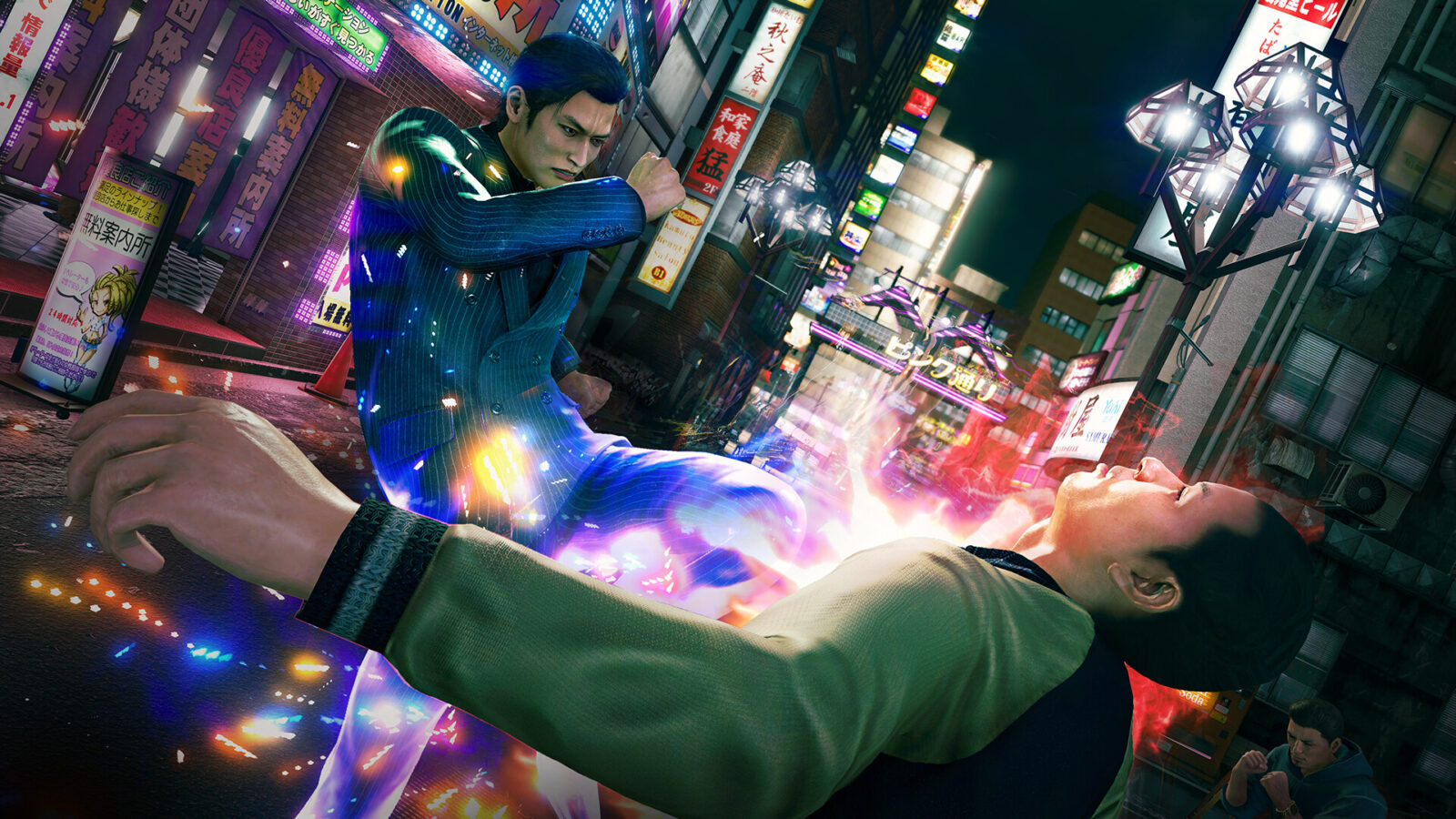
Dark Ties, the standalone story starring Yoshitaka Mine, is where things get complicated. On paper, this should be the crown jewel. Mine is a fascinating antagonist, and controlling him feels immediately different thanks to his shoot-boxing combat style. He’s faster, more acrobatic, and his Dark Awakening attacks are gleefully brutal. When Dark Ties lets me fight, it sings.
The problem is how often it doesn’t. Marketed like a full companion game, Dark Ties is closer to an extended side story padded with errands that sap momentum. Progress is frequently locked behind reputation-grinding tasks that range from mildly amusing to aggressively tedious. Without Kiryu’s mobility options, traversal becomes a chore, and there were long stretches where I felt less like a rising underworld power and more like an overqualified intern.
Then there’s Survival Hell. The roguelike dungeon mode hidden inside Dark Ties has no business being this good. Timed runs, escalating difficulty, meaningful risk-reward decisions, and enough unpredictability to keep me coming back long after the credits rolled. It’s chaotic, tense, and endlessly replayable. If anything in this package deserves its own spotlight, it’s this mode. It single-handedly redeems Dark Ties from being a missed opportunity into something I’m still thinking about days later.
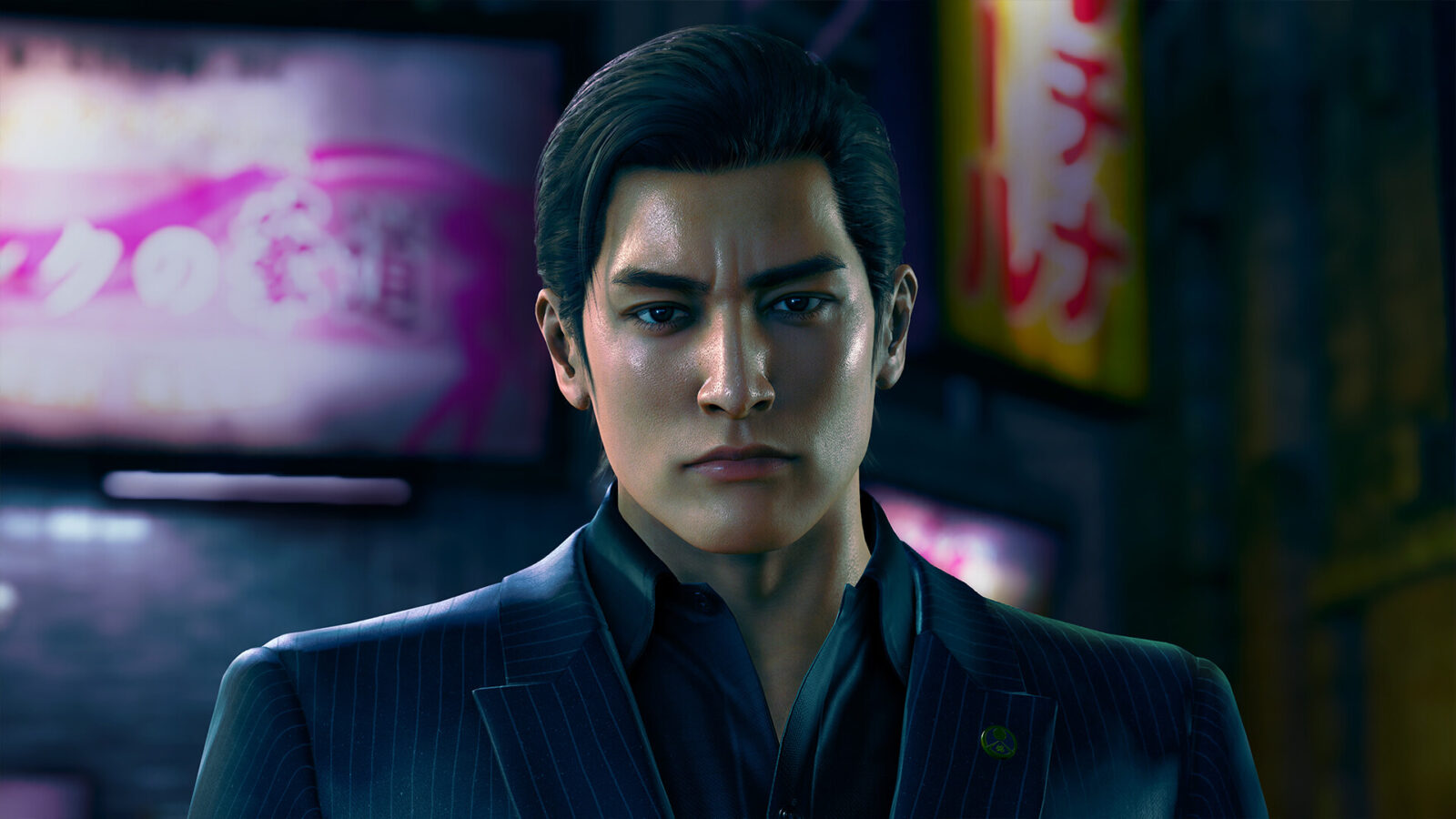
By the time I stepped away from Yakuza Kiwami 3 & Dark Ties, I realized something unexpected had happened. I wasn’t just impressed. I was grateful. Grateful that this awkward middle child of the series finally got the care it deserved. It’s not flawless, and Dark Ties especially feels like it could have been sharper, leaner, and braver. But as a whole, this package succeeds at the hardest task of all: making Yakuza 3 fun to return to.
Verdict
Yakuza Kiwami 3 & Dark Ties is a thoughtful, aggressive, and mostly successful reinvention of one of the series’ most divisive entries. Combat has been transformed into a genuine highlight, the Okinawa setting finally gets to shine, and the reworked story structure gives emotional beats more room to breathe. Dark Ties stumbles with padding and limited scope, but its Survival Hell mode is an absolute standout. This isn’t the definitive Like a Dragon experience, but it’s a redemption arc worthy of the Dragon of Dojima.