


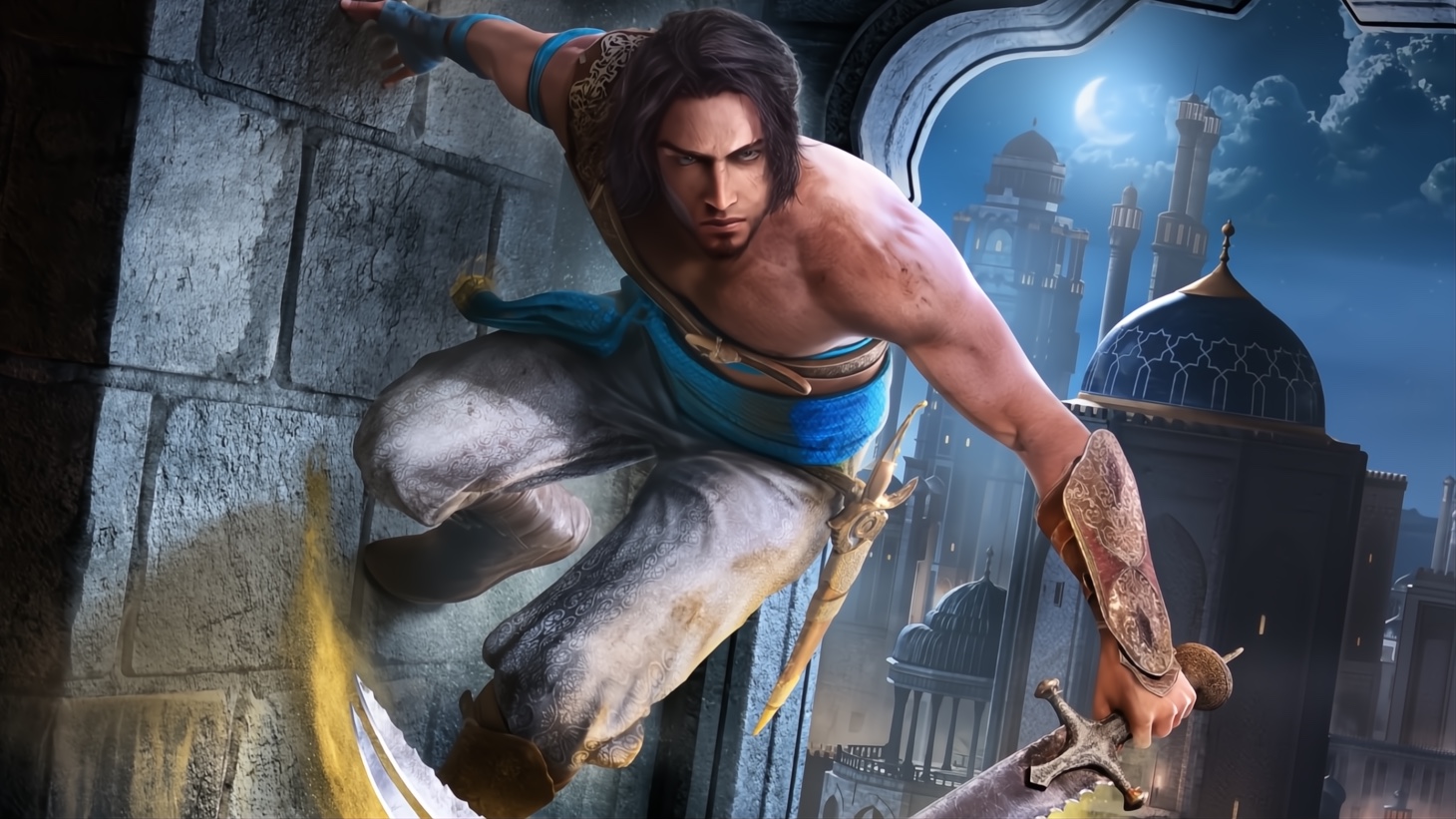
Ubisoft has confirmed a significant internal restructuring that will see six projects canceled, at least seven titles delayed, two studios shut down, and additional layoffs across multiple teams. Among the canceled projects is the long-troubled remake of Prince of Persia: The Sands of Time, a title that had already undergone one full reboot during development and had become emblematic of the publisher’s production challenges over the past several years.
The announcement reflects a broader shift in strategy at Ubisoft, which is narrowing its development focus toward open-world releases and live-service games. Of the six canceled projects, three were unannounced new intellectual properties, one was a mobile title, and the remaining two have not been publicly identified. Ubisoft has offered limited detail on the seven delayed games, though one of them is widely believed to be a remake of Assassin’s Creed IV: Black Flag, previously expected to launch before the end of the current fiscal year. That project is now slated for release sometime before March 31, 2027.
The restructuring also includes the full closure of Ubisoft Stockholm, a studio that previously contributed to Avatar: Frontiers of Pandora, as well as the shutdown of Ubisoft Halifax, a mobile-focused team whose closure was reported earlier this month. Additional restructuring has taken place at Ubisoft offices in Abu Dhabi, at RedLynx, and at Massive Entertainment, the studio behind The Division. Alongside these changes, Ubisoft is mandating a return to in-office work five days a week, with a limited annual allowance for remote days.
Financially, the company has withdrawn its previous guidance for the full fiscal year and now expects net bookings of approximately €1.5 billion, a reduction of €330 million from earlier projections. According to Ubisoft, this reflects changes to its release pipeline and the postponement of certain partnership negotiations as part of its revised operating model. Executives have framed the move as a response to a more crowded and selective global games market, where fewer releases achieve sustained commercial success.
Structurally, Ubisoft is reorganizing its global development teams into five semi-autonomous “Creative Houses.” One unit will continue overseeing the company’s largest franchises, while others will be organized by genre and audience. These include a division focused on shooters such as Ghost Recon and Splinter Cell, another centered on live-service titles like For Honor and Skull and Bones, and a narrative-focused group housing series such as Anno, Rayman, and Prince of Persia. A final unit will manage family and casual games, including Just Dance and Uno.
While Ubisoft has emphasized long-term stability and competitiveness as the goal of this overhaul, the scale of the cuts underscores ongoing pressures facing large publishers. The cancellation of a high-profile remake and the closure of established studios suggest a period of consolidation rather than expansion, as Ubisoft recalibrates its ambitions amid shifting market conditions.