
TL;DR: Looks like Blade Runner, plays like a smart hybrid of action, adventure, and mood, and keeps surprising you long after you think you’ve figured it out.
Replaced
I went into Replaced thinking I had it pegged within about thirty seconds. Neon-soaked pixel art, trench coat silhouette, synths humming like a dying fluorescent tube — yeah, yeah, I get it. Cyberpunk cinematic platformer. Blade Runner with punches. I’ve seen this movie before, I’ve played this game before, and I was already mentally drafting the paragraph where I’d politely praise the vibes before nitpicking the mechanics.
Three hours later, I was eating those assumptions straight out of the gutter.
Replaced doesn’t just borrow from Blade Runner — it weaponizes your expectations of it. It wants you comfortable, nodding along, thinking you know the rhythm. Then it quietly shifts gears. Sometimes mechanically. Sometimes structurally. Sometimes emotionally. By the time my preview session ended, I wasn’t just impressed. I was alert. Leaned forward. Fully locked in.
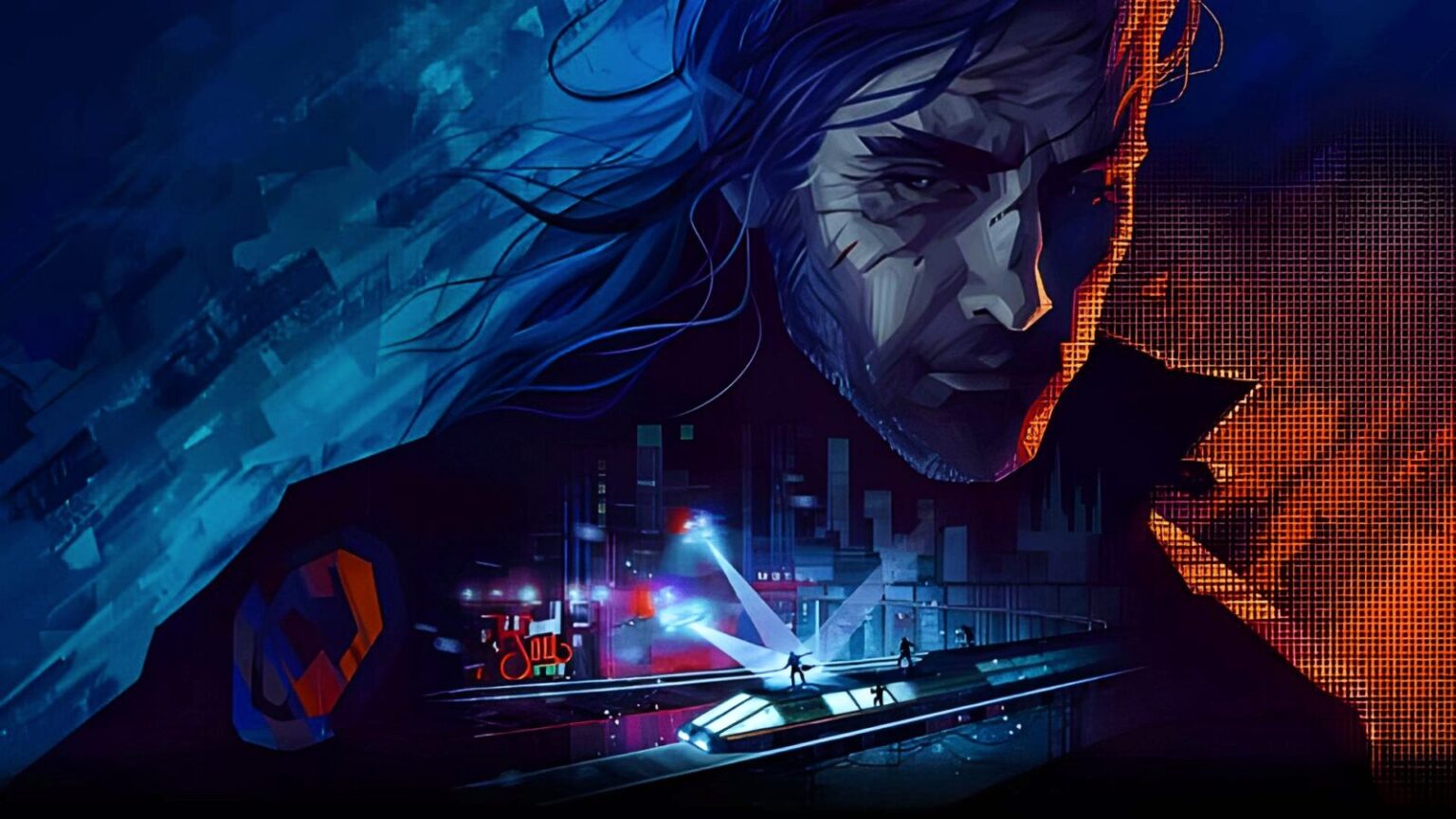
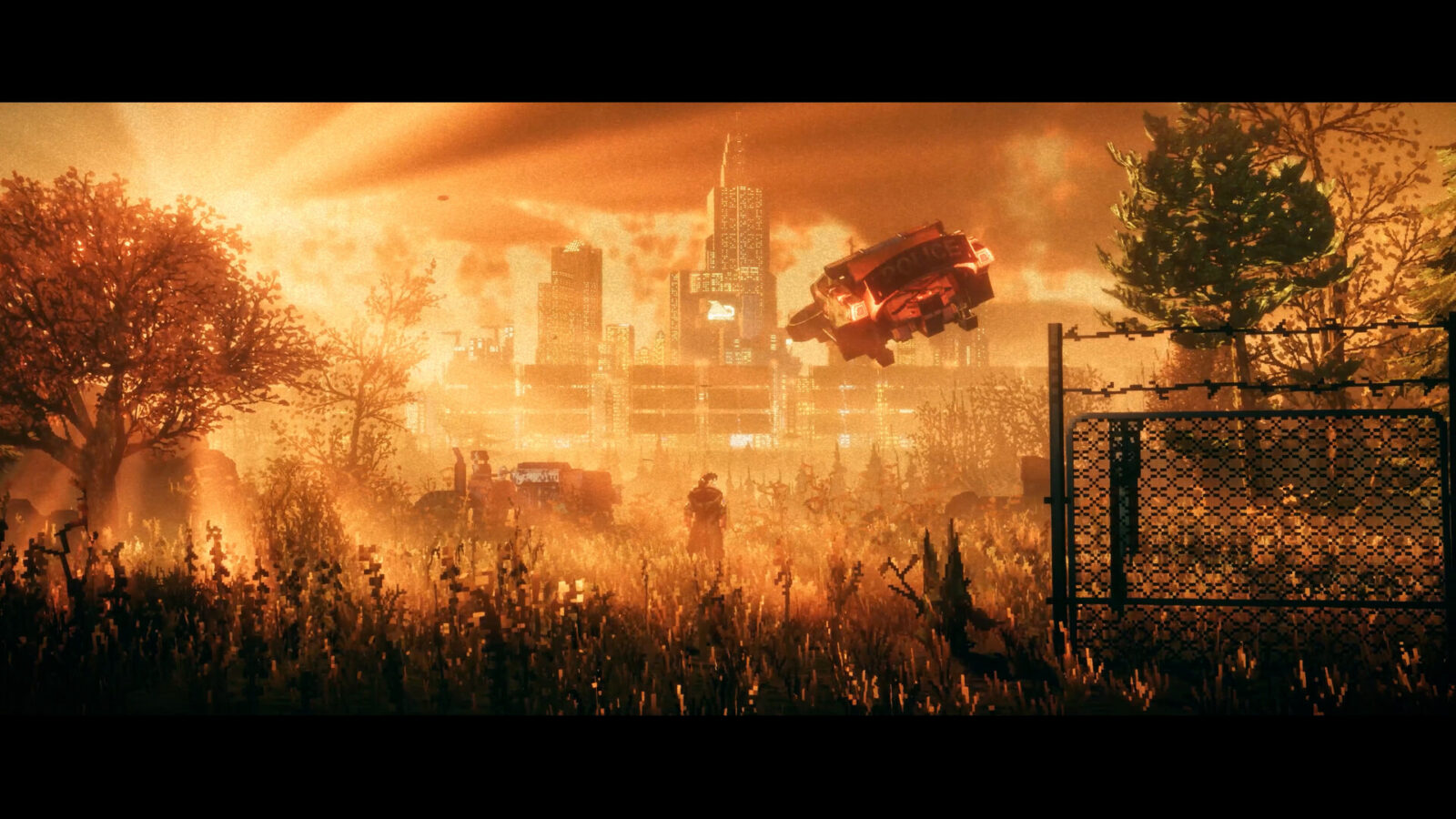
At its core, Replaced casts you as Reach, an artificial intelligence that wasn’t meant to wake up in a human body — and definitely wasn’t meant to survive outside the walls of Phoenix City. This is an alternate-history America where things went catastrophically sideways, where nuclear fire fell inward instead of outward, and where society responded by building walls, sorting people by usefulness, and turning the unlucky leftovers into something called “Disposals.” It’s bleak in a very deliberate, very angry way. Not cartoon dystopia, but the kind that quietly asks you who gets protected when systems collapse.
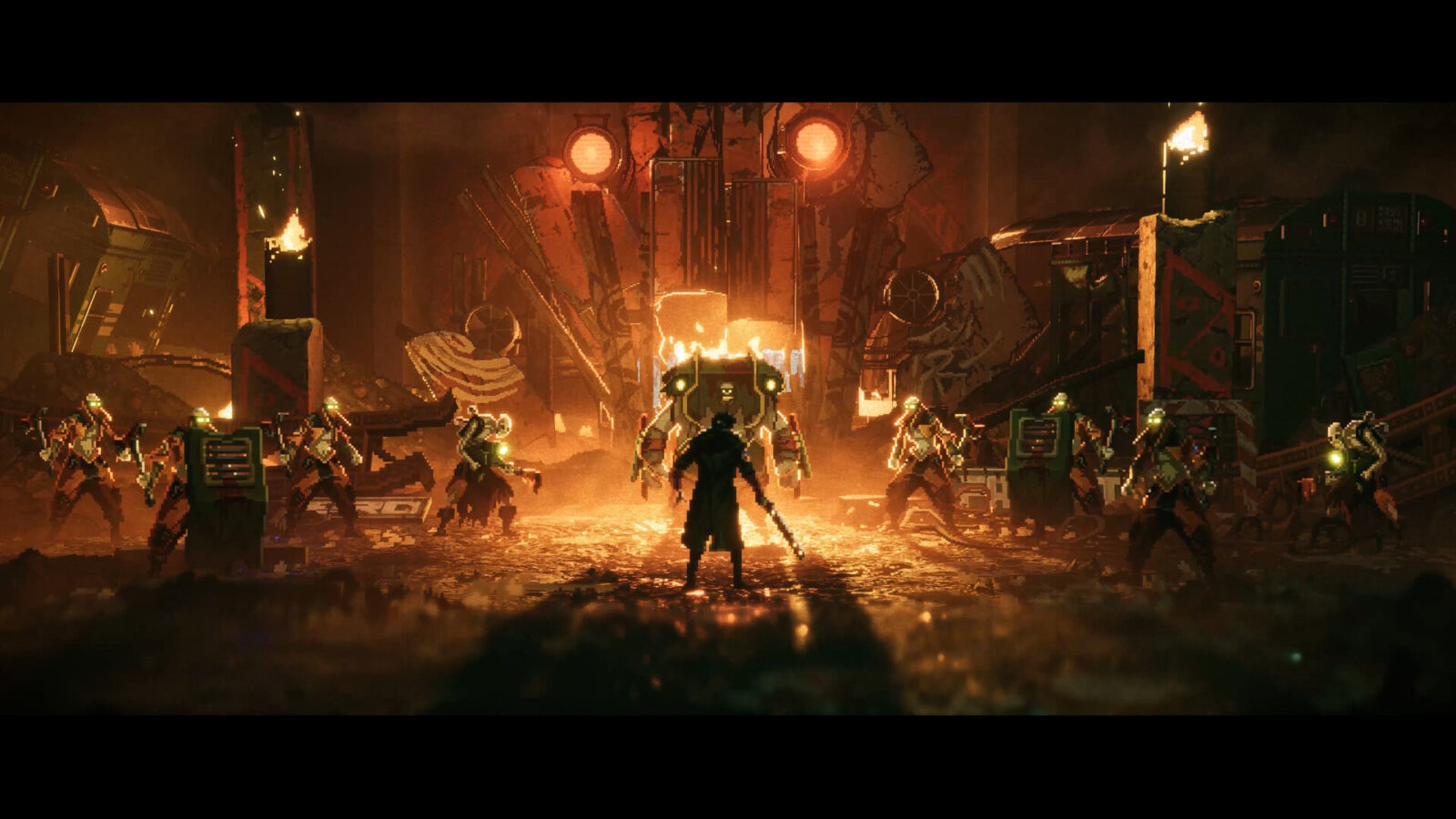
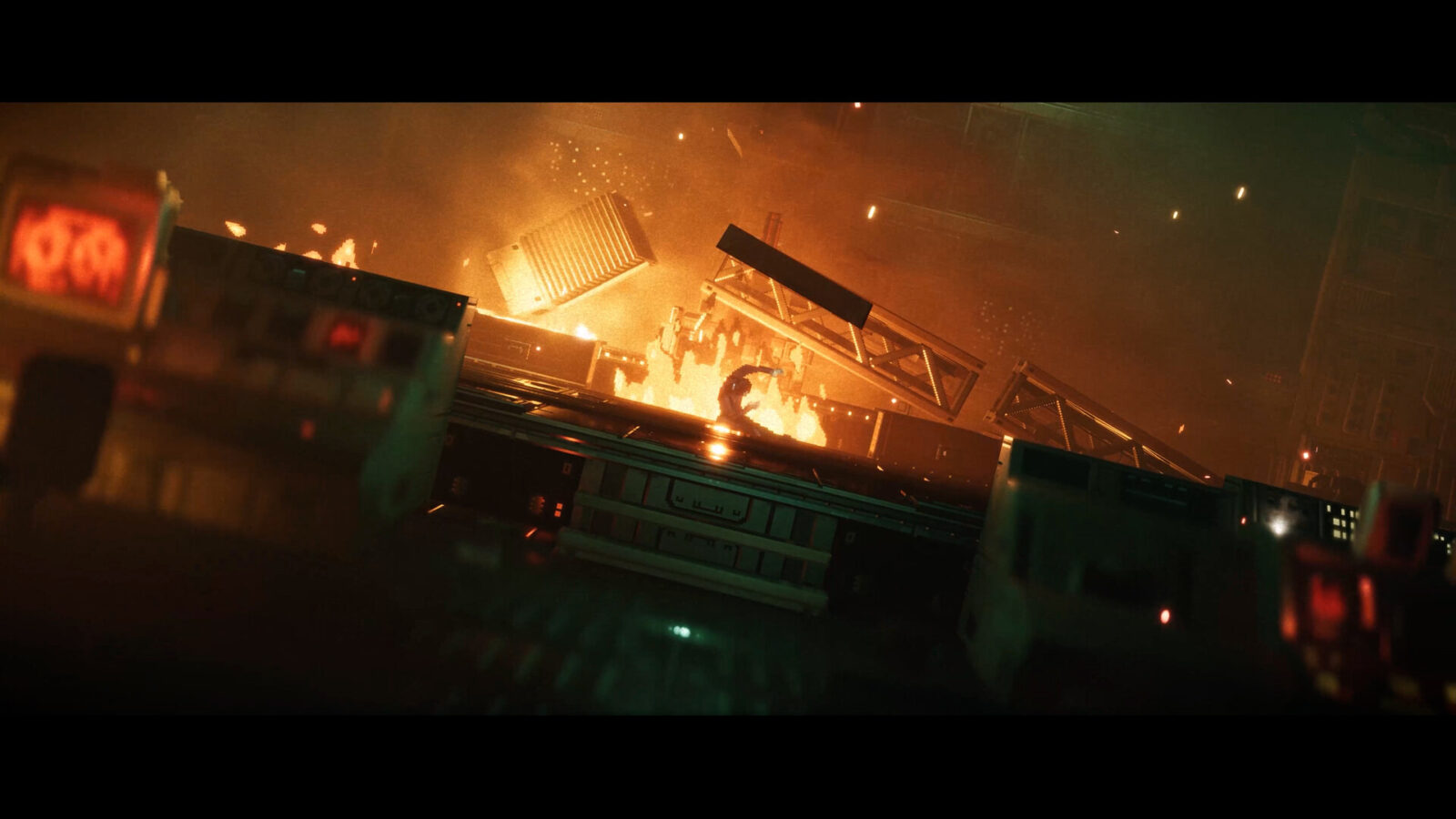
Visually, the game is absurdly confident. Developer Sad Cat Studio has built a 2.5D pixel world that somehow looks retro, modern, and cinematic all at once. Chunky pixels evoke old-school consoles, but they’re layered under volumetric lighting, drifting smoke, and depth-of-field tricks that feel straight out of prestige TV. During the opening escape sequence alone, I watched sparks flare against metal catwalks while synths throbbed in the background, and it clicked: this game isn’t just referencing its influences, it’s remixing them.
Combat is where Replaced first really surprised me. On the surface, it looks like a 2D translation of the Batman Arkham formula — counters, dodges, telegraphed attacks with clear visual cues. And it works. Really well. Fights feel tight, readable, and physical, with the camera snapping in close to make every encounter feel like a contained brawl rather than a scrolling hallway. Slow-motion finishers punctuate encounters with just enough indulgence to feel cool instead of corny.
Then the systems start to interlock. Enemies with armor force you to break them down methodically. Heavy attacks matter. Timing matters. And that gorgeous pistol tucked inside Reach’s coat? You don’t get to rely on it unless you earn it. Ammo isn’t scavenged — it’s generated through aggression. Fight well, land counters, stay on the offensive, and your gun charges up. Play defensively, roll away, hesitate, and it drains. The game is constantly nudging you toward confidence. Want to shoot? You’d better punch first.
The boss fight that capped my session — against a cybernetic brute named Uncle Ben — drove that philosophy home hard. Two phases. Huge damage. Zero mercy. It demanded patience, pattern recognition, and restraint. When he stood back up at full health for round two, I laughed out loud in that “you absolute bastard” kind of way. It was cruel, yes, but also honest. Replaced isn’t interested in letting you coast.
What really threw me, though, wasn’t the combat. It was everything that happened when the game slowed down.
Between action-heavy chapters, Replaced opens itself up into hub-like spaces that feel pulled straight out of ‘90s point-and-click adventure games. Suddenly I wasn’t fighting or platforming — I was wandering through grimy bars, talking to locals, picking up odd jobs, and poking at the social machinery of this broken world. The vibe immediately shifted, evoking LucasArts classics and, unexpectedly, something closer to Disco Elysium than anything I expected here.
One optional side quest had me powering up a busted arcade cabinet so I could beat a high score just to get an NPC to hand over a pair of binoculars. Another quietly fleshed out the medical exploitation happening beyond the city walls. None of this felt like filler. It felt like texture. Like the game was saying: if you’re willing to stop and listen, there’s a lot more going on here than punching guys in cool lighting.
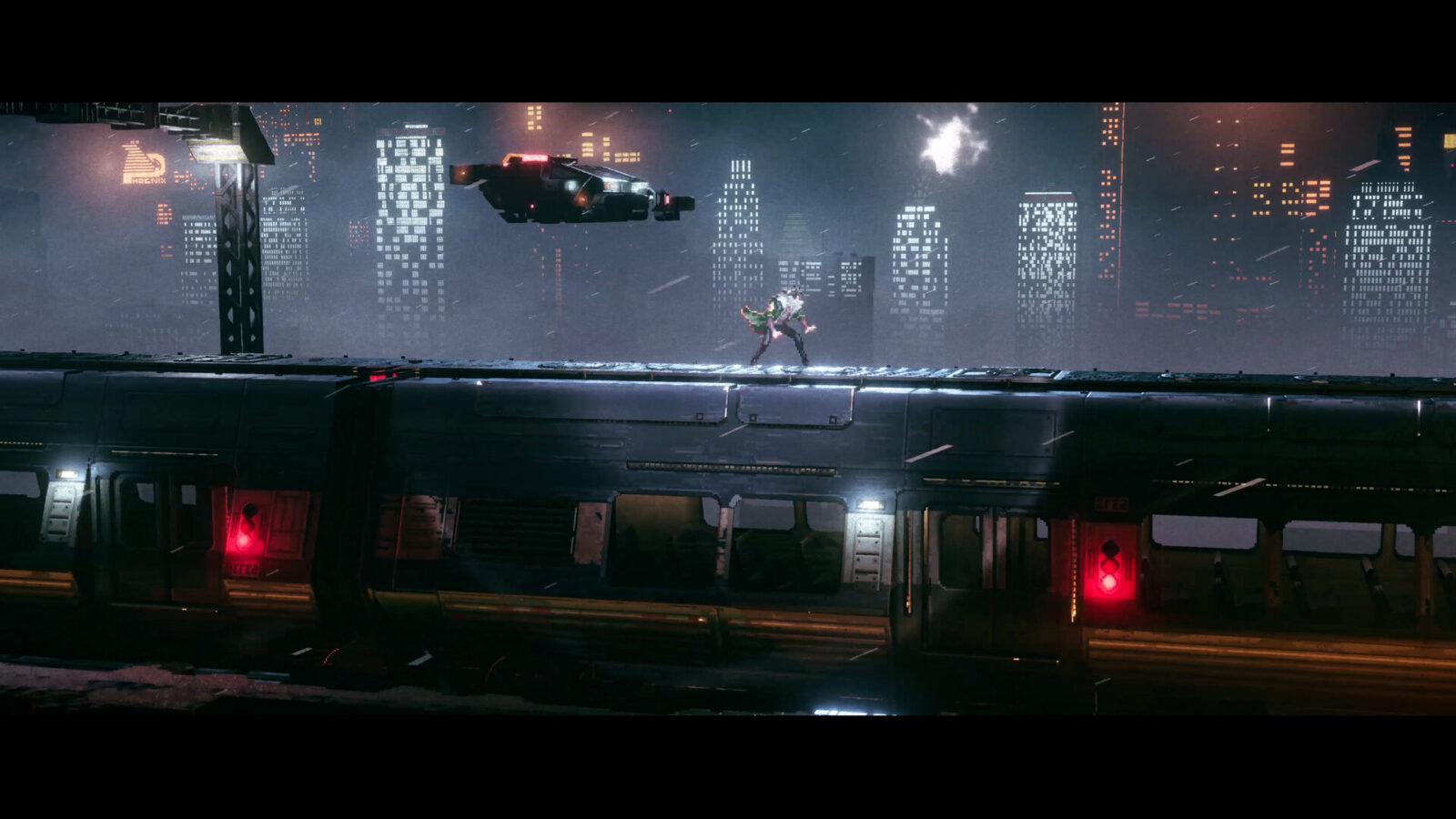
Platforming sits somewhere in the middle. It’s clean, readable, and largely inoffensive, but rarely thrilling. Visual clarity can occasionally suffer when decorative elements blend too seamlessly into traversal paths, and there were moments where I missed a jump simply because my eyes were too busy admiring the scenery. It does its job, but it’s not the star of the show — especially compared to the combat and world-building.
What impressed me most is how unafraid Replaced is to change its own shape. One minute it’s a methodical action platformer with brutal fights. The next it’s a slow-burn narrative exploration game that wants you to read journal entries and soak in atmosphere. Later glimpses of the game teased hacking puzzles and social stealth sequences involving blending into crowds to avoid surveillance drones. It’s pulling inspiration from everywhere — Ninja Gaiden, cinematic platformers, adventure games — and somehow stitching it together into something cohesive.
By the end of my session, I realized I’d been wrong in the best possible way. I didn’t know what Replaced was when I started, and three hours in, I still don’t fully know what it’s going to become. But I know this much: it’s confident, it’s deliberate, and it’s doing far more than just cosplaying cyberpunk aesthetics.
Initial Verdict
Replaced is currently set to launch on March 12, 2026, arriving on PC and Xbox, and based on what I’ve played so far, that date can’t come soon enough. What initially looks like a stylish cyberpunk homage quickly reveals itself as something far more self-assured and unpredictable, a game that’s willing to slow you down, challenge your assumptions, and let its world breathe. If Sad Cat Studio can sustain this confidence and variety across the full experience, Replaced has the potential to stand out not just as one of 2026’s most striking games, but one of its most quietly ambitious ones too.