

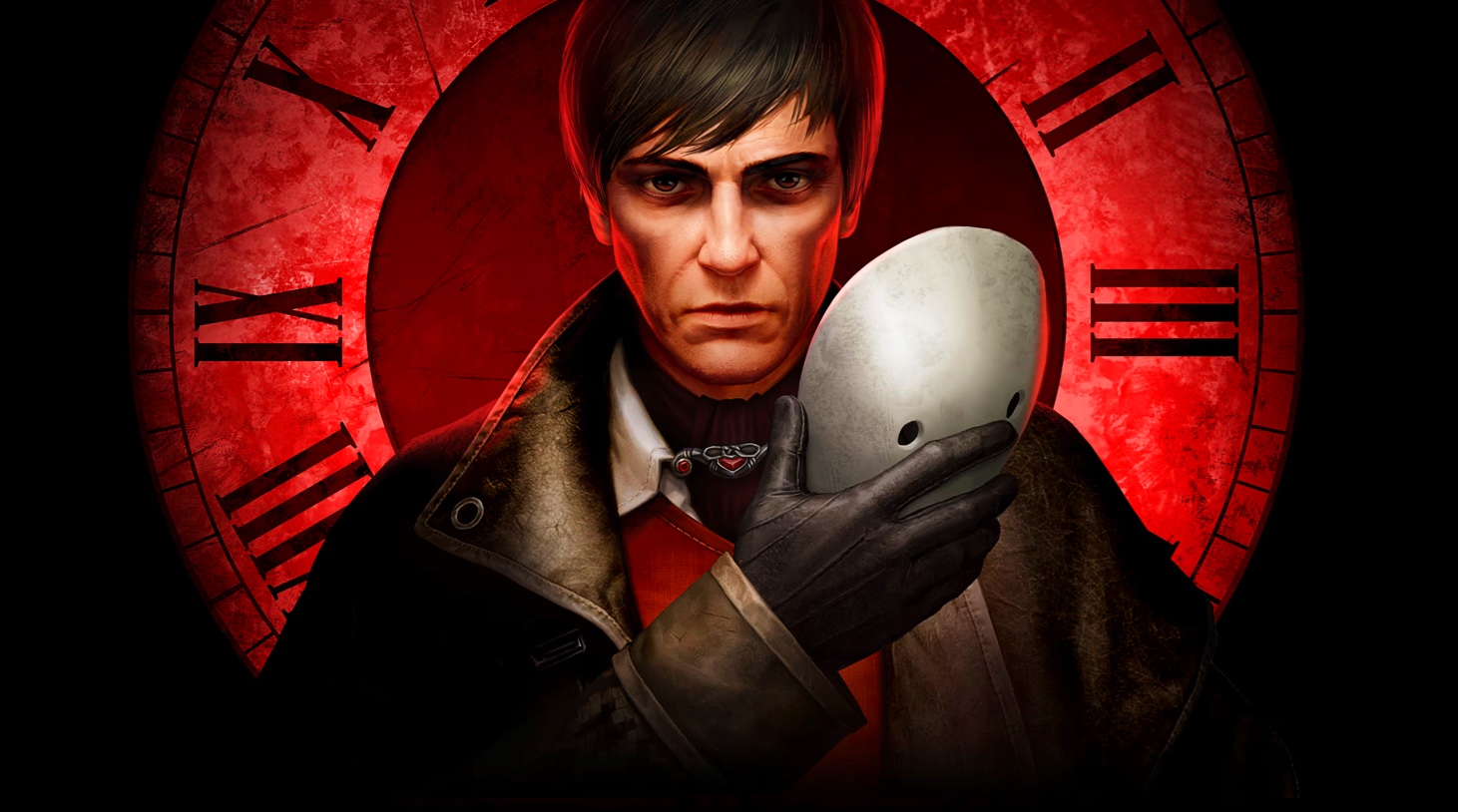
TL;DR: Pathologic 3 is a punishing, deeply intelligent survival detective sim that weaponizes repetition and consequence. It’s rough, demanding, and occasionally frustrating, but for players willing to engage on its terms, it delivers a bleak, unforgettable experience that rewards thought over reflex.
Pathologic 3
There are games that hold your hand, games that gently explain themselves, and then there’s Pathologic 3, a game that throws you into the deep end, removes the ladder, and quietly asks whether you actually deserve to survive. After spending dozens of hours with it, I can confidently say this is one of the most intellectually confrontational games I’ve played in years. It doesn’t just want your time. It wants your attention, your patience, and occasionally your dignity.
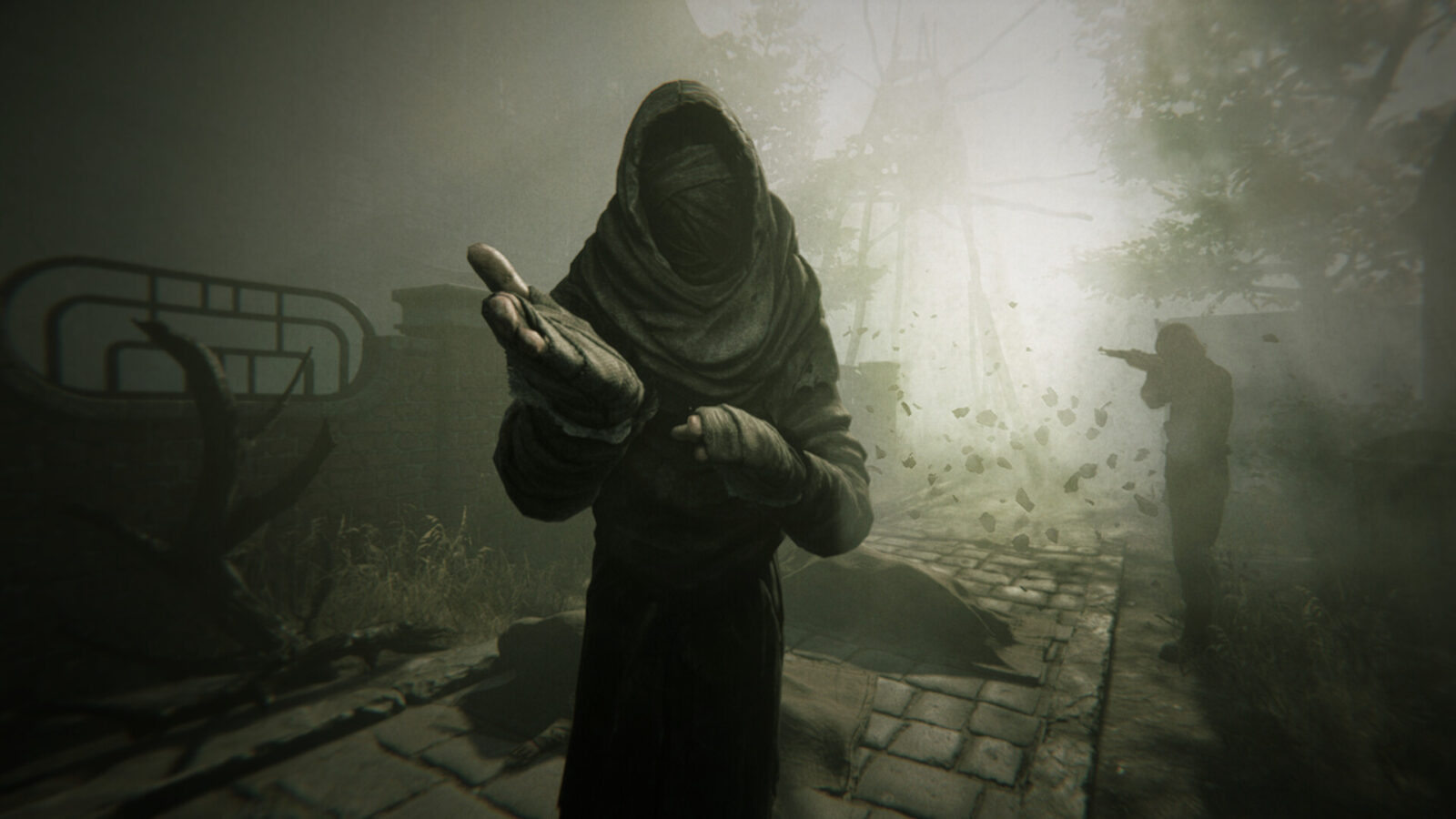
I’ll be upfront. The first few hours of Pathologic 3 are miserable in the most intentional way possible. I wasn’t sure if I was making progress or actively sabotaging my own run. I didn’t know whether I was playing correctly, playing badly, or simply misunderstanding what the game even wanted from me. And that confusion is not a failure of design. It’s the thesis.
This is a game built on repetition, consequence, and the creeping realization that knowledge is the only real resource that matters. Everything else, food, medicine, time, sanity, is secondary.
From the moment you arrive in the town as Daniil Dankovsky, a physician chasing rumors of immortality, Pathologic 3 establishes its tone with brutal efficiency. Information is withheld. Systems overlap in ways that are never cleanly explained. The UI communicates stress more than clarity. The town itself feels like it’s actively resisting your presence. I’ve played plenty of survival games that threaten me with death, but few that make me feel this persistently unwelcome.
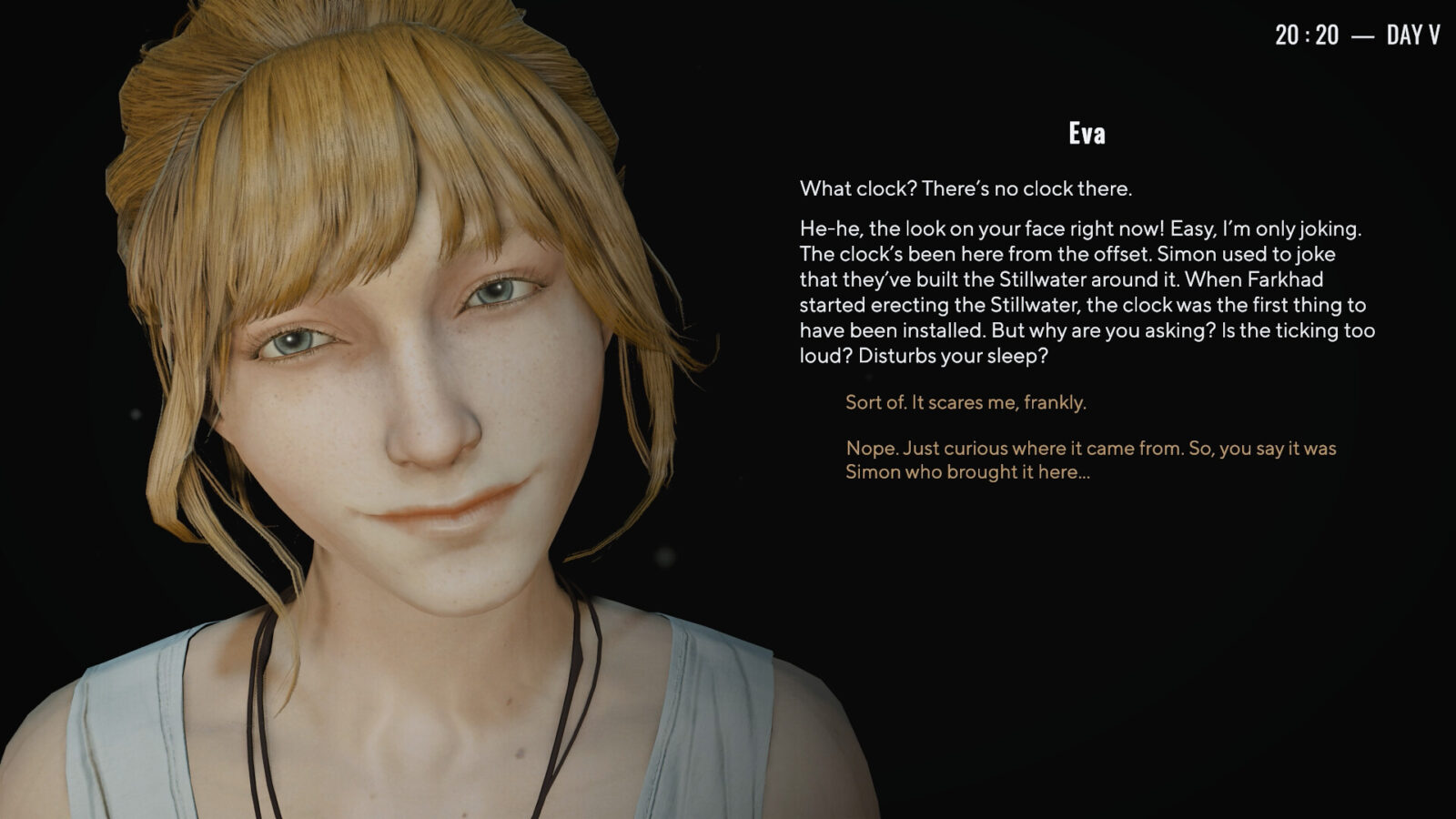
What initially looks like a plague-ridden survival horror experience slowly reveals itself to be something stranger and far more compelling. Once the time manipulation mechanics enter the picture, the game transforms into a detective simulation wrapped in existential dread. Rewinding days, replaying conversations, correcting mistakes, and uncovering how even minor dialogue choices ripple forward into catastrophic or redemptive outcomes becomes the core loop. It reminded me of the structural cleverness of Deathloop, but stripped of power fantasy and humor, leaving only consequence and regret.
Unlike many games that flirt with branching narratives, Pathologic 3 commits fully. If you anger a powerful family early on, that decision doesn’t politely reset or funnel you back to the main path. It locks doors, erases opportunities, and dares you to live with the outcome. Or, if you’re clever, to rewind time and handle things differently. That mechanic never feels like a cheat. It feels like a second chance you have to earn through understanding.
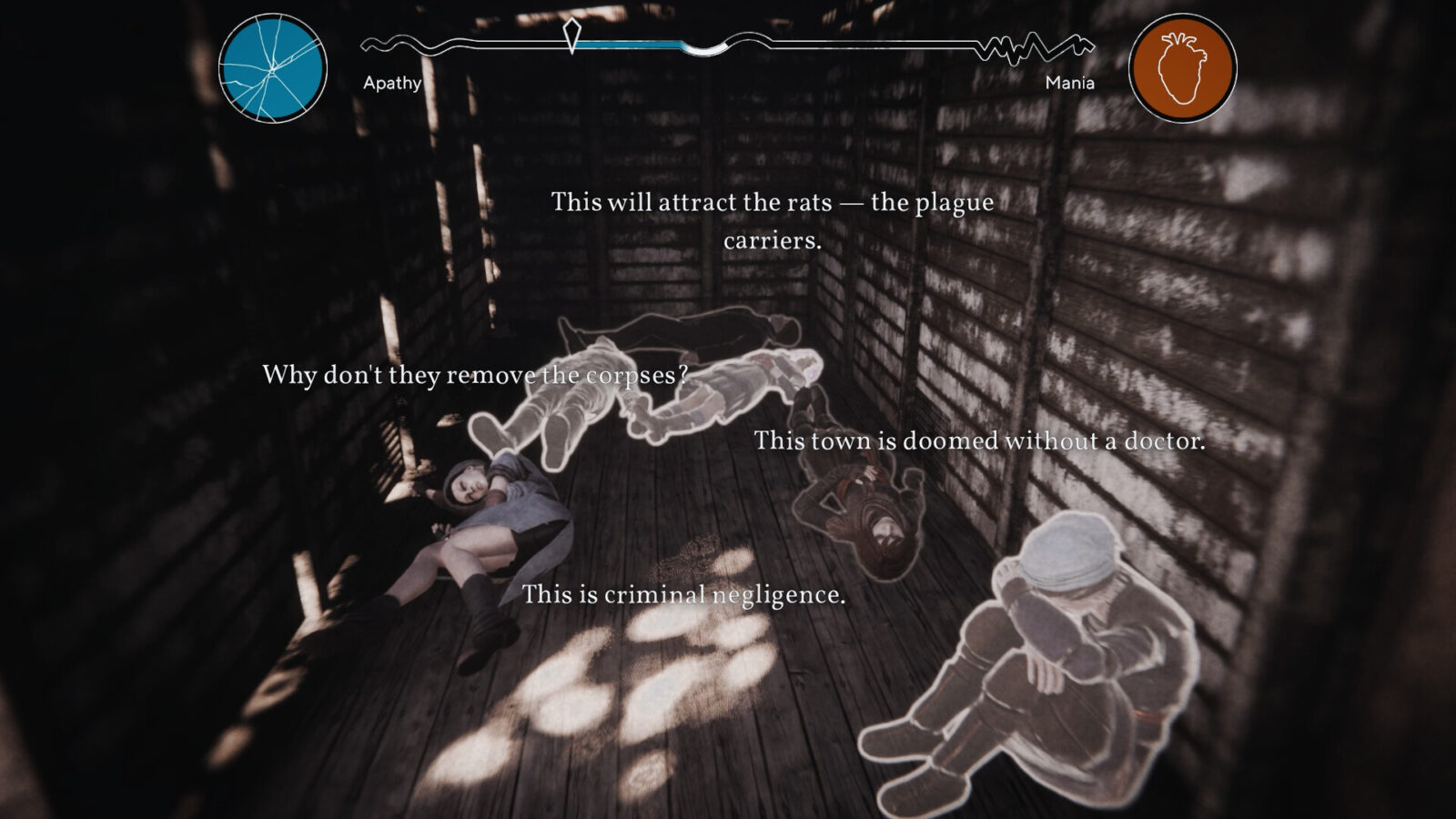
The story itself is deceptively simple on paper. A town is dying. A plague is spreading. You are a doctor. Fix it. But layered beneath that is a dense web of philosophical questions about agency, responsibility, and whether preventing disaster is always morally clean. Daniil is not a hero in the traditional sense. He’s arrogant, clinical, and often emotionally detached, which makes the mental-state mechanics feel especially cruel. The game constantly monitors where you sit between Mania and Apathy, and either extreme is lethal.
This psychological balancing act is one of Pathologic 3’s smartest evolutions. Traditional hunger and exhaustion systems are largely gone, replaced by a mental tug-of-war that governs how fast you move, how much damage you take, and ultimately whether Daniil decides life is worth continuing. Let Apathy consume you and the game ends with a bullet. Let Mania spiral and your health drains until death catches up. It’s not subtle, but it’s effective. I found myself making decisions not just based on efficiency, but on emotional cost.
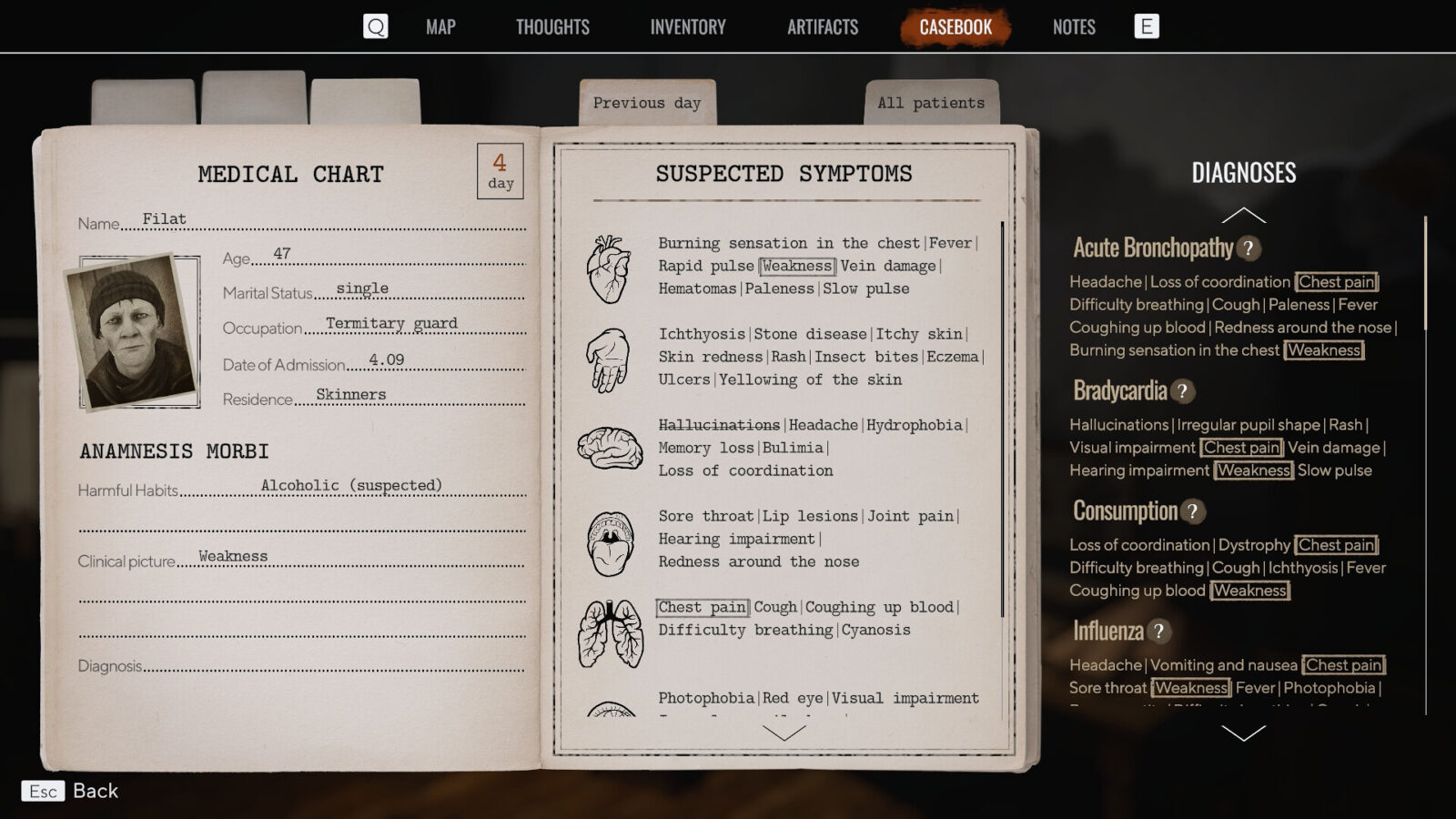
The hospital gameplay is where everything really clicks. Each day, patients arrive with symptoms that demand careful observation, questioning, and diagnosis. This isn’t a flashy minigame. It’s slow, methodical, and deeply textual. You read case notes. You notice inconsistencies. You chase leads into the town, sometimes uncovering horrors that have nothing to do with the original illness. One early case that looked like simple alcoholism turned into a chilling realization about environmental infection, and the consequences of that discovery echoed days later.
What I love is how these investigations often intersect with the broader narrative. Side cases bleed into main story threads. Casual conversations become critical hours later. This is where Pathologic 3 feels closest to a systemic immersive sim, echoing the DNA of Dishonored, but without the empowerment. Knowledge replaces weapons. Time replaces stealth.
That said, the game demands a tolerance for reading that will absolutely turn some players off. NPC dialogue can be dense, circular, and occasionally frustrating. Some characters, especially children, ramble endlessly without clear payoff. Skipping dialogue is possible, but doing so directly feeds into the Apathy system, punishing impatience in a way that feels almost smug. I admire the commitment, even when I’m grinding my teeth at it.
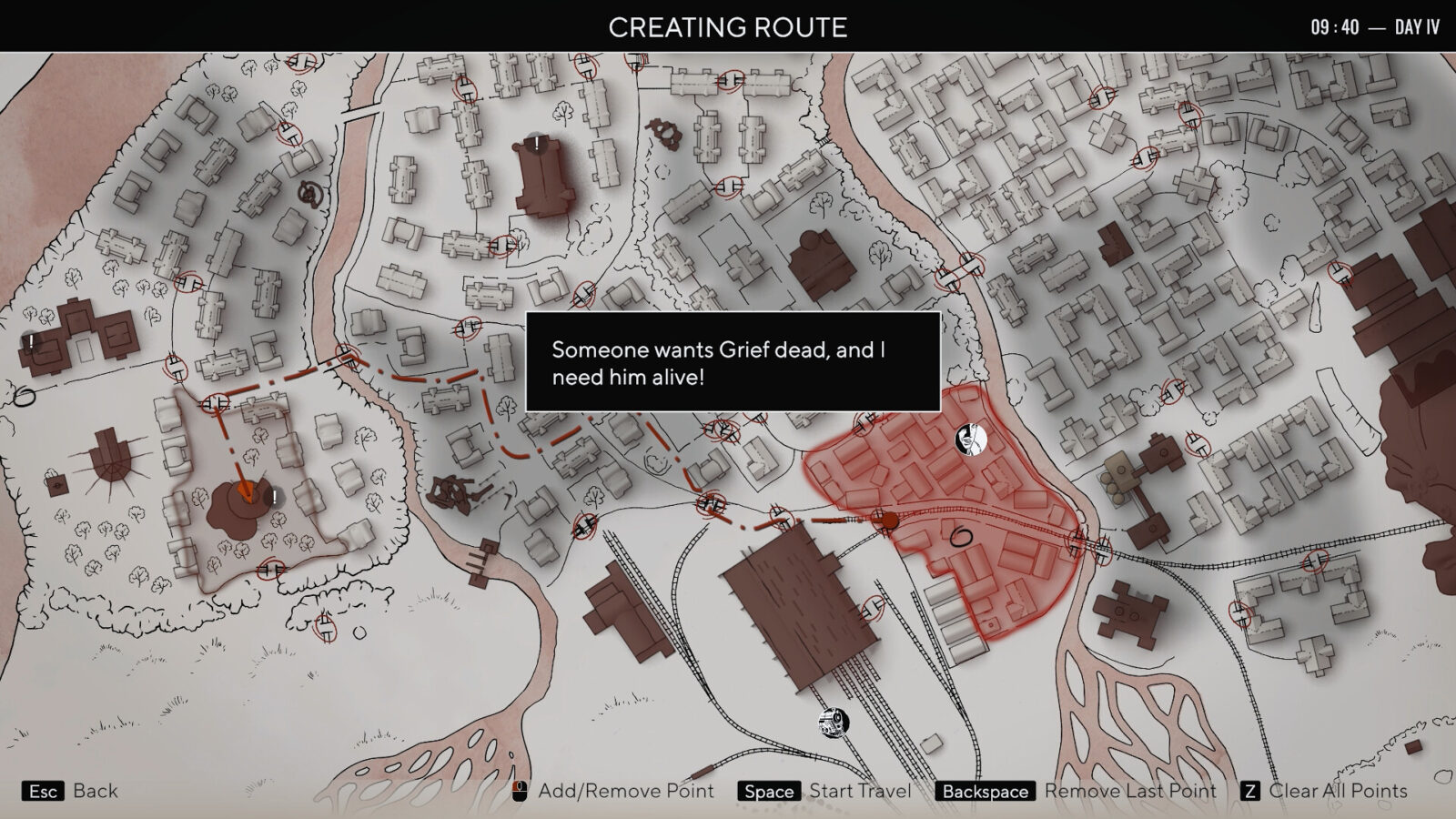
Time management is the silent antagonist here. Every day has a hard cutoff. Miss key diagnoses and the consequences are permanent. The game doesn’t remind you gently. It lets you fail quietly. Later chapters expand this further by locking objectives behind precise timings, forcing route planning that feels closer to a strategy game than a narrative adventure. When it works, it’s brilliant. When it doesn’t, it can feel suffocating.
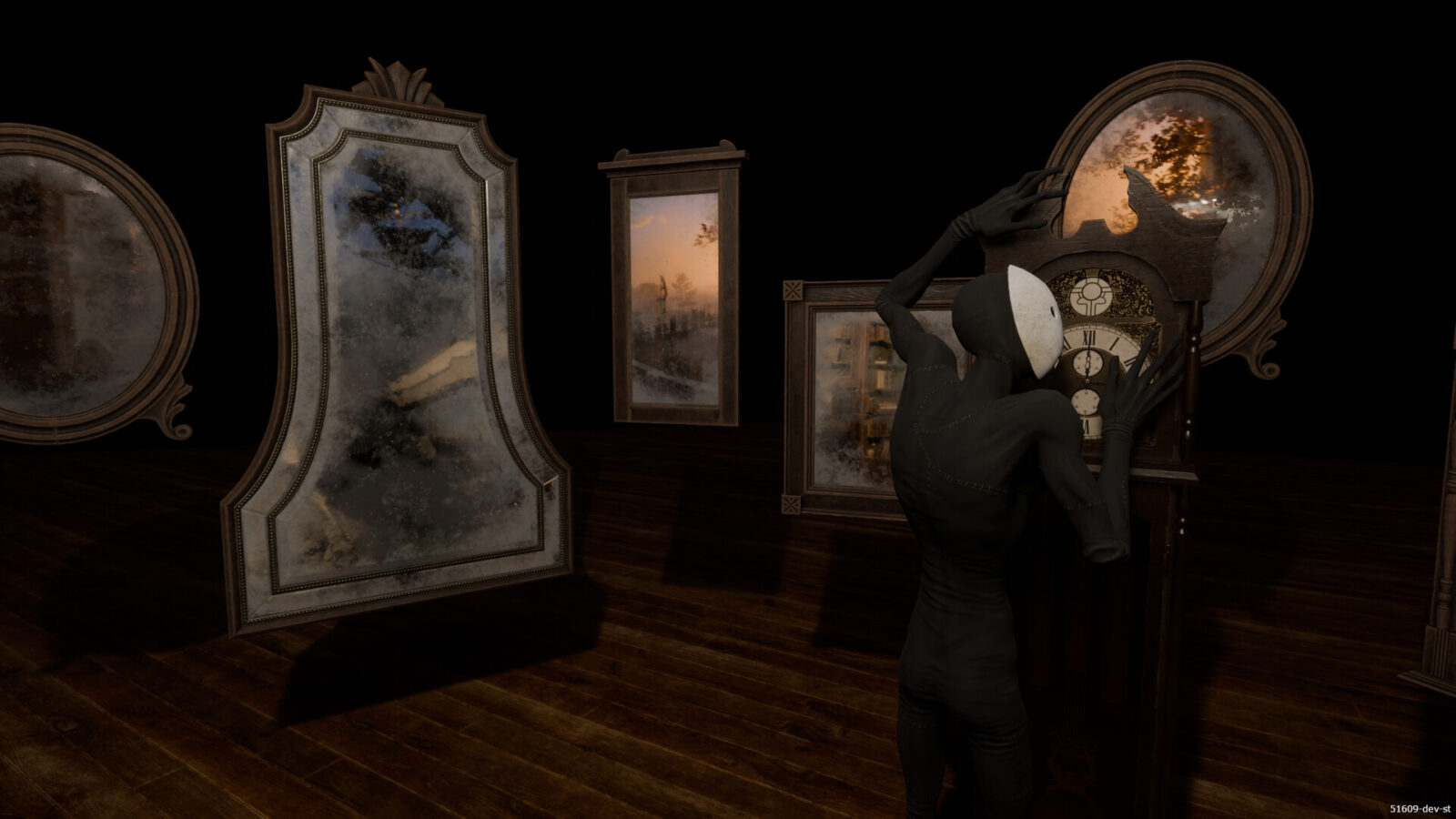
Not all systems hold up equally well. Later in the game, crafting Bromide undermines much of the Mania risk-reward loop, allowing you to move at high speed without meaningful downside. It’s baffling, given how carefully tuned everything else feels. Similarly, infected zones look terrifying but quickly reveal themselves as predictable obstacle courses. The mystery evaporates too fast, turning dread into routine.
Fast travel is another immersion-breaking compromise. The town is segmented into districts connected by loading screens disguised as map animations. Each transition eats time, which should add tension, but instead becomes something you learn to exploit. By re-entering zones strategically, you can bypass danger entirely. It’s clever, but it chips away at the oppressive atmosphere the game works so hard to build.
Visually, though, Pathologic 3 is striking. The town’s architecture is bizarre, hostile, and almost theatrical. Characters look like they stepped out of a fever dream. The sound design is restrained but unsettling, using silence as effectively as music. Voice acting is minimal, but when it appears, it carries weight.
In the end, Pathologic 3 is not a game I’d recommend casually. It’s abrasive, slow, and often deliberately unfair. But it’s also one of the most confident, uncompromising narrative games I’ve played in recent memory. It doesn’t care if you’re comfortable. It cares if you’re paying attention.