
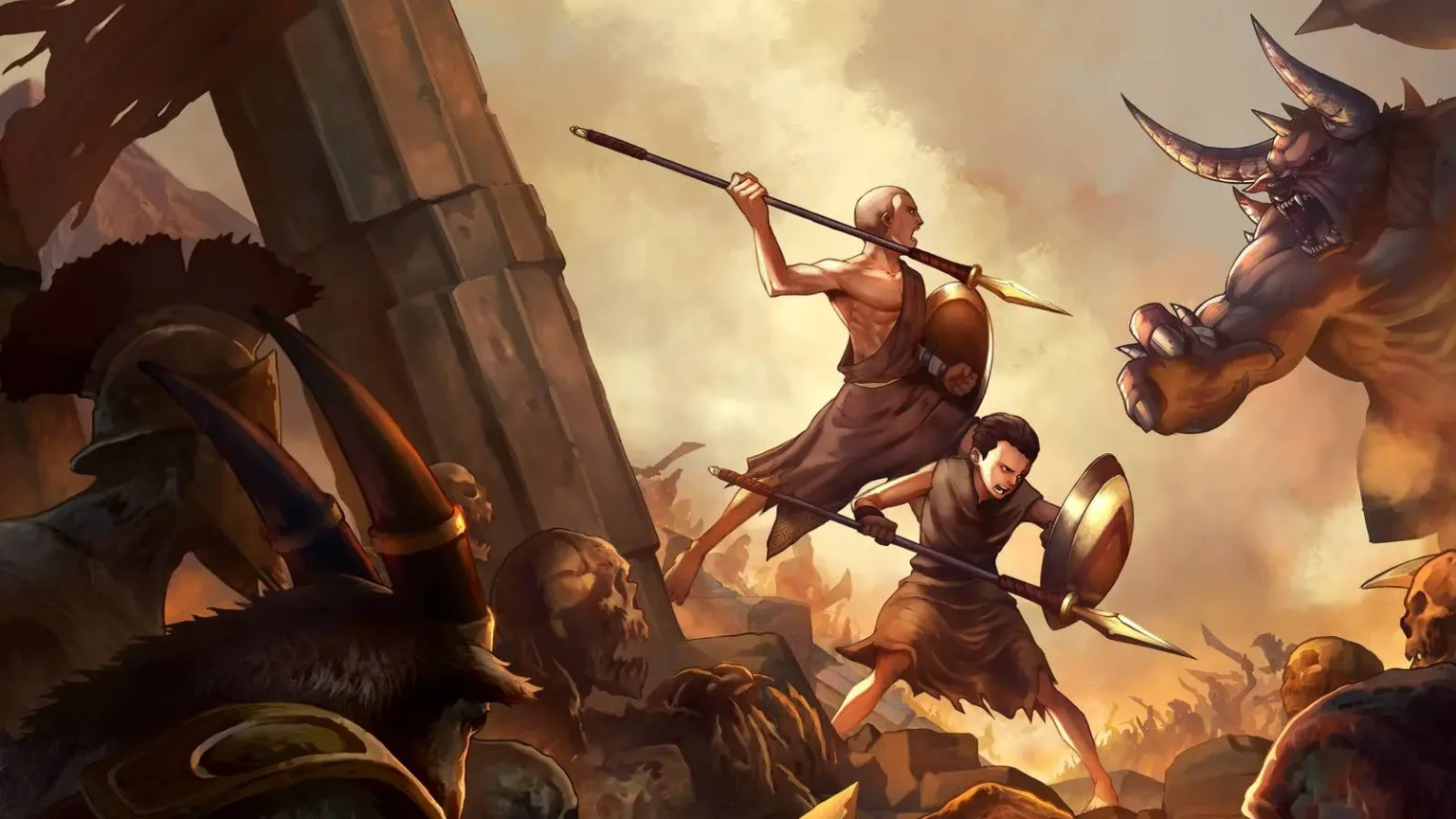
TL;DR: A thoughtful, combat-driven prequel that trades chaos for character. Not the most visually daring entry, but a strong and satisfying chapter in Kratos’ story.
God of War: Sons of Sparta
Kratos has lived in my head rent-free for twenty years. Ever since I mashed square on a DualShock 2 and watched him tear through Greek mythology like it owed him money, I’ve been hooked. The original God of War burned itself into my brain with chaos blades, operatic violence, and a man too angry to die. Then the Norse saga arrived and rewired everything. Suddenly, Kratos wasn’t just rage with abs. He was grief. He was restraint. He was a dad trying very hard not to relapse into god-killing habits.
So when I heard about God of War: Sons of Sparta, a retro-inspired Metroidvania set before the chaos, I felt that familiar mix of excitement and suspicion. A side-scrolling throwback about young Kratos? No Blades of Chaos? No cinematic, over-the-shoulder brutality? It sounded like fan fiction with a budget. And yet, after rolling credits, I can say this prequel experiment mostly works. It doesn’t redefine the franchise, but it earns its place in the myth.
A Spartan Childhood, Framed by Memory
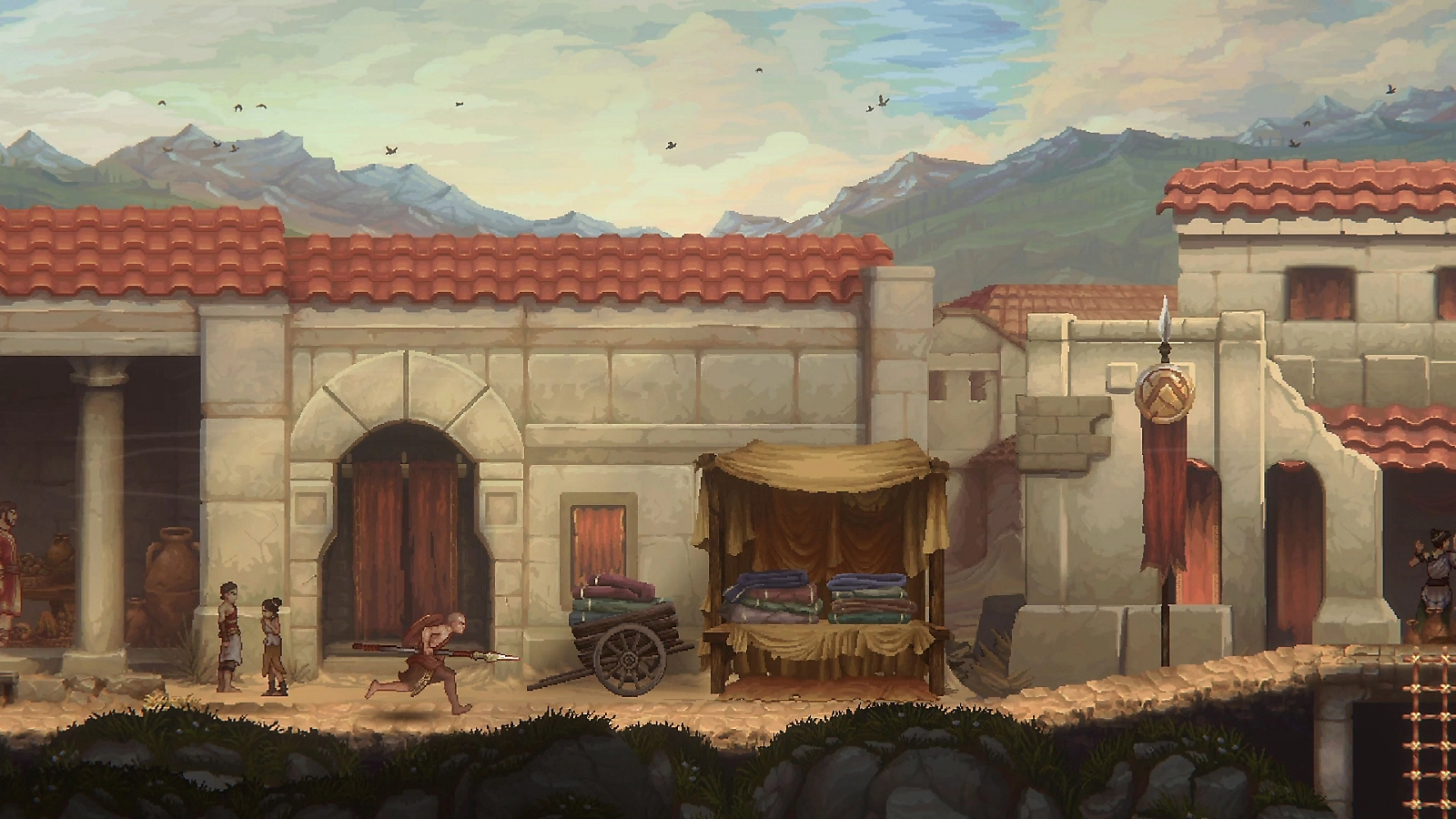
Sons of Sparta opens with narration from T.C. Carson, whose voice still feels like it’s carved from marble. The story is framed as Kratos recounting his childhood to Calliope, which instantly shifts the emotional temperature. Instead of the usual fury, we get reflection. Memory. Regret simmering beneath the surface.
The game takes place in a Spartan military camp where Kratos and his brother Deimos are still boys, still malleable. I didn’t expect to feel anything beyond curiosity, but the sibling dynamic pulled me in. Young Kratos is already obsessed with honor and the gods. Deimos questions everything. He’s reckless, skeptical, and constantly poking at authority. Watching them clash felt less like epic myth and more like two brothers arguing over who gets the last slice of dignity.
When a friend goes missing during a field mission, the rescue quest kicks off what becomes a surprisingly layered journey. This isn’t just about slaying monsters. It’s about identity forming under pressure. Mega Cat Studios smartly threads narrative beats between exploration segments, so the story never fades into the background like it often does in Metroidvania games. Instead, it feels present, intentional. Every new area uncovered carries emotional context.
For a game that leans heavily into retro design, the storytelling feels distinctly modern.
The Metroidvania Structure, Spartan Edition
Let’s talk about what Sons of Sparta actually is: a full-on retro Metroidvania wearing a Spartan helmet.
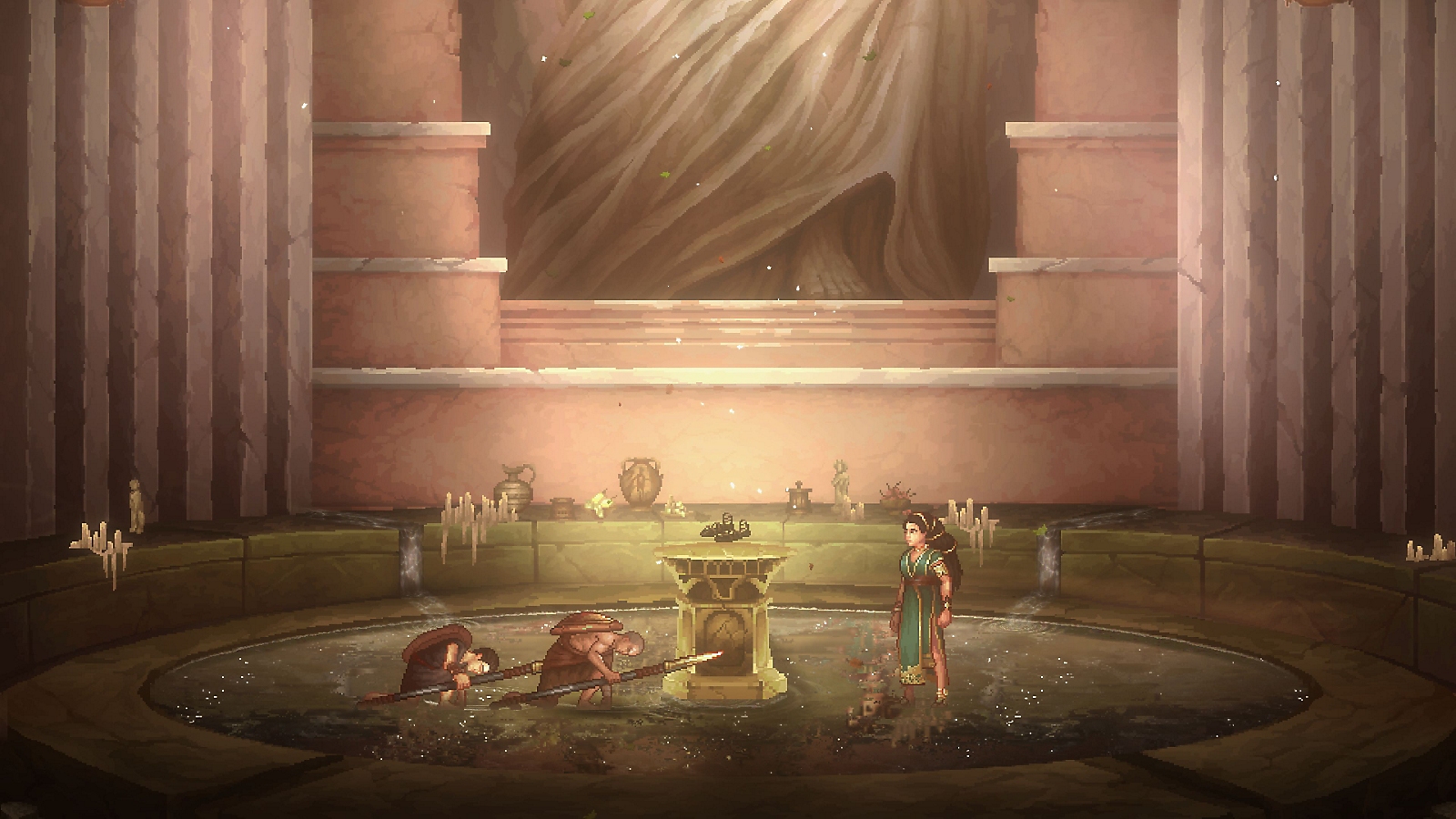
You explore a sprawling, interconnected map, unlocking abilities that let you backtrack and uncover secrets. Double jumps, traversal upgrades, spirit-based powers—they all slot neatly into the genre’s familiar rhythm. And yes, it adheres closely to convention. If you’ve played Hollow Knight or Castlevania: Symphony of the Night, you’ll recognize the loop immediately.
But here’s the thing: it’s well executed.
Level design is tight and purposeful. Every corridor feels handcrafted. Branching paths lead to hidden challenge rooms and valuable gear upgrades. I found myself happily detouring off the main route just to see what secrets were tucked behind suspicious walls. That “just one more room” compulsion hit hard during late-night sessions.
Progression starts slow. The early hours feel almost restrained, as if the game is hesitant to unleash its potential. But once abilities stack up and combat options expand, the experience opens beautifully. The skill tree allows for meaningful customization. I leaned into defensive upgrades and parry-focused perks, turning young Kratos into a precision counter machine rather than a button-mashing berserker.
It’s not revolutionary. It is refined.
Combat Without the Blades of Chaos
One of my biggest questions going in was how combat would feel without the Blades of Chaos. The answer? Surprisingly solid.
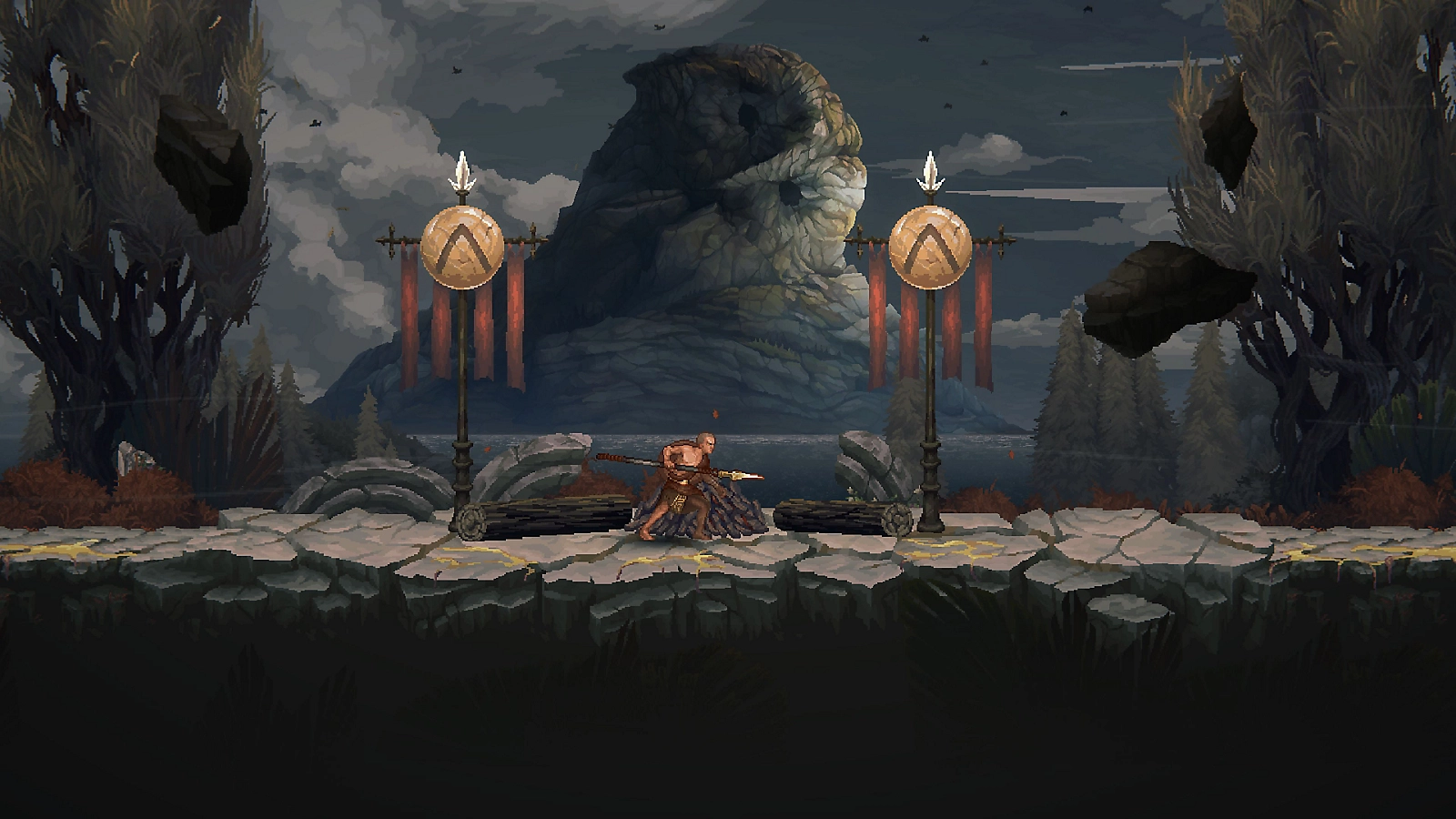
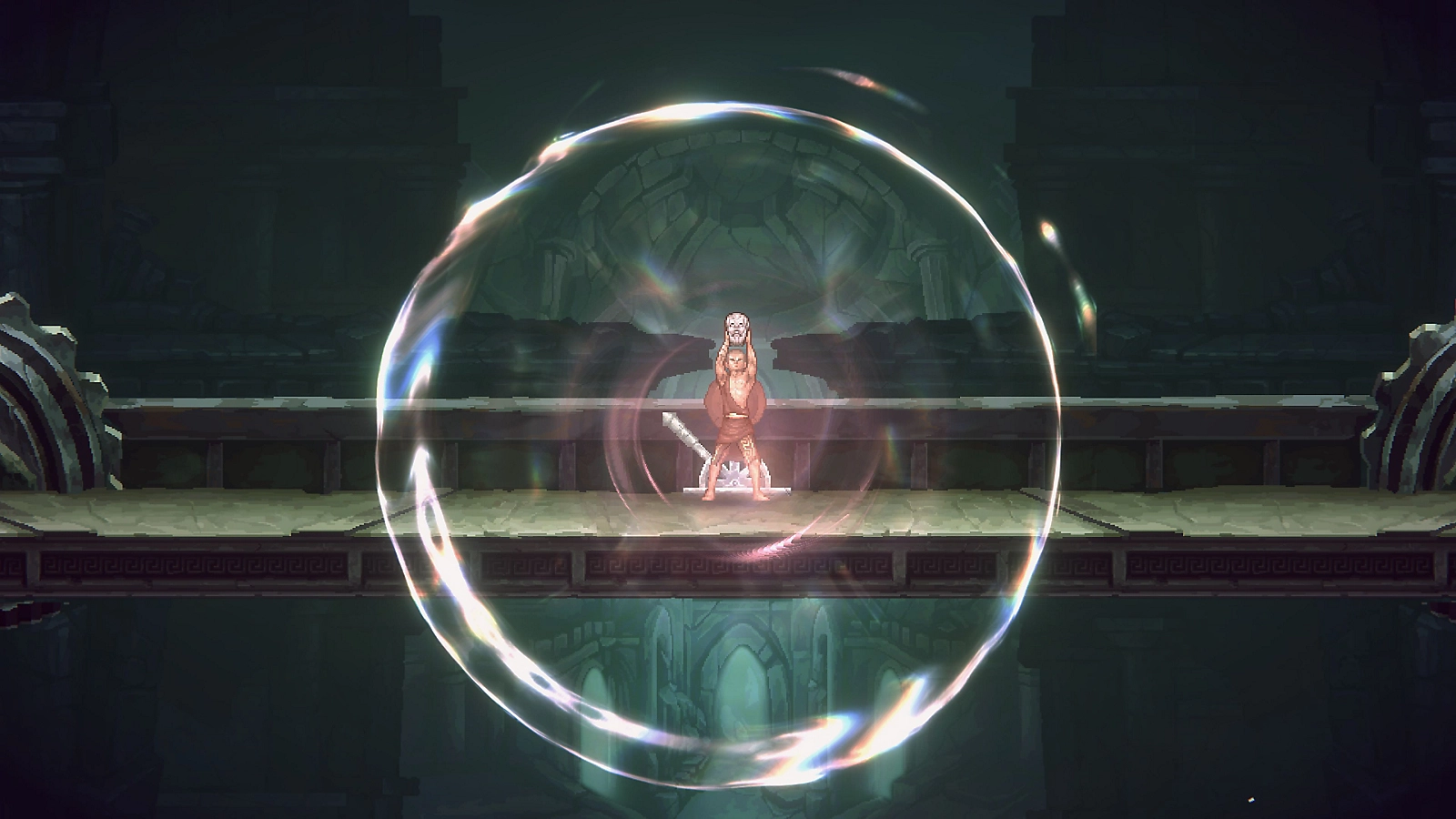
Young Kratos wields a spear and shield, and combat revolves around reading enemy patterns and responding correctly. Dodge. Block. Parry. Strike. It’s less spectacle, more discipline. The parry mechanic, in particular, feels excellent. Landing one slows time briefly, giving you that delicious window to retaliate. It scratches the same itch as perfect deflections in Sekiro, just scaled to a 2D plane.
Enemies telegraph attacks with color indicators. Certain hues mean “block this.” Others scream “get out of the way.” Some glow to signal the use of magic or spirit attacks. It sounds like a lot to track, but once it clicks, combat becomes this rhythmic dance of awareness and execution.
Interestingly, many enemy archetypes mirror those from other God of War titles. It’s a subtle continuity trick that grounds the experience. Even as a child, Kratos is already fighting the same horrors that will shape him.
The only real disappointment comes from the kill animations. Historically, God of War has delivered some of the most brutally cathartic finishers in gaming. Here, they feel muted. Functional. Effective for points, but lacking that savage punctuation mark. I get that we’re dealing with a younger Kratos, but part of me still wanted a little more theatrical cruelty.
Boss Fights That Demand Respect
Where Sons of Sparta truly flexes is in its boss encounters.
These fights are multi-phase gauntlets that test everything you’ve learned. Pattern recognition. Platforming precision. Stamina. I died more than I’d like to admit, but each loss felt fair. The bosses don’t cheap-shot you. They overwhelm you until you adapt.
There’s a particular joy in finally cracking a boss’s rhythm after repeated failures. It’s that Dark Souls-adjacent satisfaction where victory feels earned, not handed over. In a game rooted in myth, these towering threats feel appropriately epic, even within the constraints of pixel art.
They’re easily the highlight of the entire experience.
Retro Aesthetic: Love Letter or Limitation?
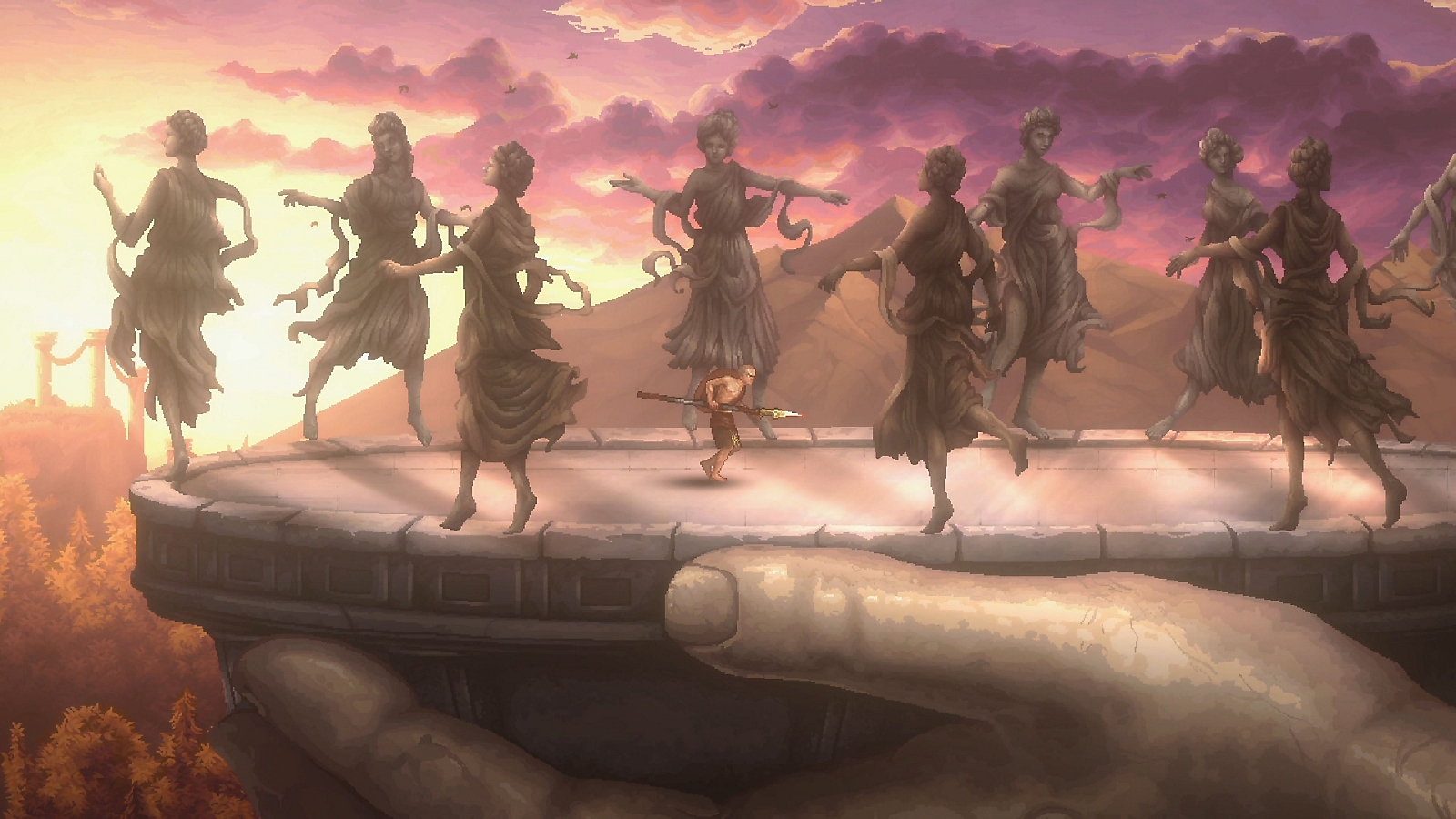
Visually, God of War: Sons of Sparta commits hard to a PlayStation 1-inspired aesthetic. Low-poly models. Slightly muddy textures. A muted color palette that leans more brown than I’d prefer.
There’s clear affection here. The environments are detailed. Animations are smooth. The soundtrack captures that era-authentic vibe beautifully. But I can’t shake the feeling that the art direction plays it too safe.
The original God of War thrived on spectacle and grandeur. Even the Norse entries radiated visual personality. Sons of Sparta, by comparison, feels competent but restrained. It doesn’t quite carve out a bold visual identity of its own.
That said, performance on PlayStation 5 is smooth and stable. No hiccups. No immersion-breaking stutters. Just pure, steady action.
Does God of War: Sons of Sparta Capture the Myth?
Here’s the thing about prequels. They risk diminishing the mystery.
Sons of Sparta doesn’t cheapen Kratos’ legend. Instead, it contextualizes it. Seeing him as a boy desperate to embody Spartan ideals makes his later transformation more tragic. The seeds of obsession are already there. The reverence for the gods. The hunger to prove himself. Knowing where he ends up adds weight to every childhood moment.
Is it as mythic as the mainline entries? No. It doesn’t reach those operatic highs. But as a retro Metroidvania entry in the God of War universe, it stands tall enough to justify its existence.
It’s a love letter. Not a revolution.
Final Verdict: God of War: Sons of Sparta is a well-crafted retro Metroidvania that smartly explores Kratos’ early years without undermining his legacy. Combat is tight, boss battles are thrilling, and progression feels rewarding once it hits its stride. While the art direction lacks the franchise’s usual grandeur and the finishers miss that brutal edge, the game remains a compelling and respectful addition to the God of War saga.