
TL;DR: WWE 2K26 still delivers great wrestling gameplay and tons of modes, but disappointing Showcase and MyRise campaigns plus some bugs make it feel like a step sideways rather than forward for the series. Fans will enjoy it, but it’s not the franchise’s best year.
WWE 2K26
I’ve spent a frankly embarrassing amount of time inside the WWE 2K series over the last few years. The reboot that began with WWE 2K22 felt like a genuine redemption arc for the franchise. Every year since then—WWE 2K23, WWE 2K24, and WWE 2K25—has added something meaningful. Not dramatic, revolutionary shifts, but steady improvements that made the games feel sharper, deeper, and more confident about what they were trying to be.
So when I booted up WWE 2K26 for the first time, controller in hand and the faint smell of energy drink lingering in the air like any good late-night gaming session, I expected another step forward.
Instead, what I got was something a little stranger.
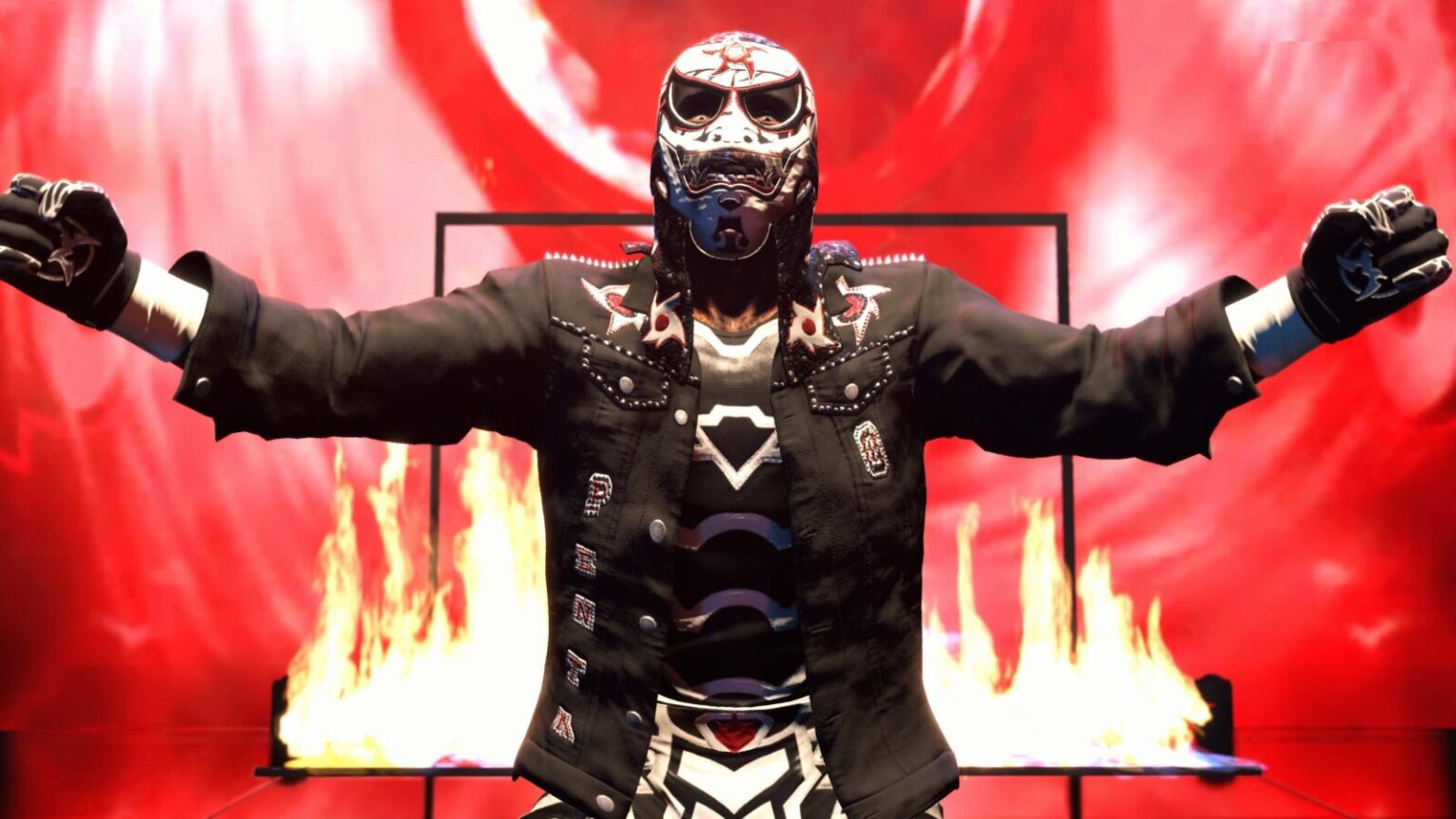
WWE 2K26 isn’t a bad wrestling game. Not even close. But after years of upward momentum, this year’s entry feels like the series paused mid-stride. The result is a game that still plays well, still delivers plenty of content, but occasionally feels like it forgot what made the previous entries special.
And honestly, that’s a weird place for a franchise that’s been on such a solid comeback tour.
The Ring Still Feels Like Home
If there’s one area where WWE 2K26 absolutely refuses to stumble, it’s the actual wrestling. The moment the bell rings, this is still one of the most convincing digital wrestling simulations we’ve ever had.
There’s a rhythm to matches now that genuinely feels like televised WWE. You can start a match cautiously with chain wrestling, circle your opponent like two people trying to read each other’s tells, or immediately cheap-shot someone like a heel who just heard the crowd chanting for blood. That flexibility makes matches feel less like scripted gameplay loops and more like little improvised wrestling stories.
What surprised me the most was the AI. During one match, an opponent Irish-whipped me into the corner, sprinted across the ring, and blasted me with a running strike in a way that looked eerily close to something you’d see on Monday Night Raw. It wasn’t some elaborate scripted sequence—it just happened organically.
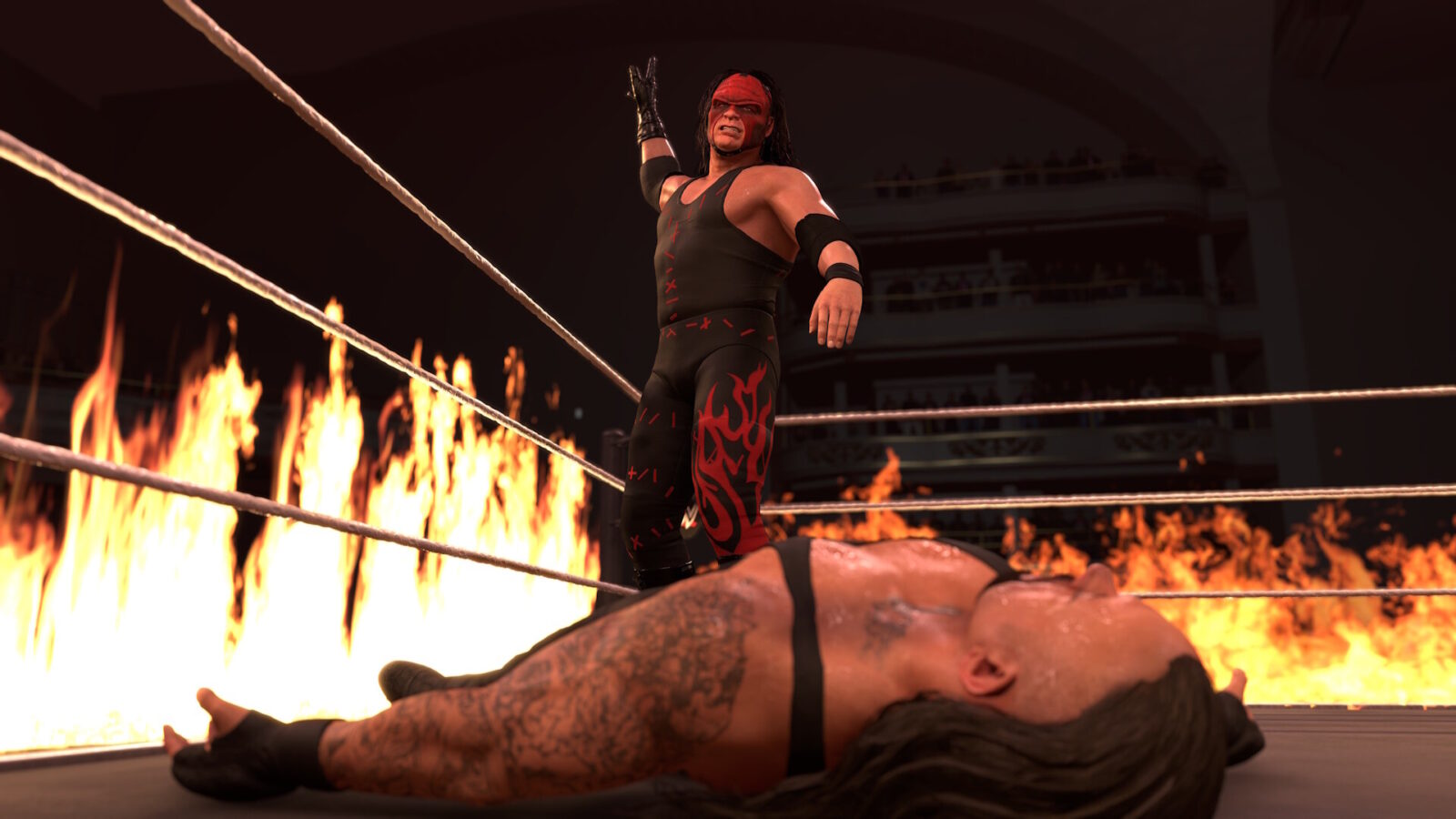
That kind of emergent wrestling drama is the real magic of the WWE 2K gameplay system right now.
The presentation helps sell the illusion too. Character animations have weight, the camera work captures the chaos of the ring nicely, and the little face/heel personality flourishes give superstars subtle emotional texture during matches. It’s the closest the series has come to making you feel like you’re performing rather than simply pressing buttons.
But—and there’s always a but—WWE 2K26 does stumble in ways its predecessors mostly avoided.
Bugs occasionally break the illusion, and once you notice them, they start sticking out like a botched spot during WrestleMania. One of the most bizarre glitches I encountered involved Irish whipping someone into a table outside the ring only for them to suddenly teleport back into the middle of the ring like a confused magician.
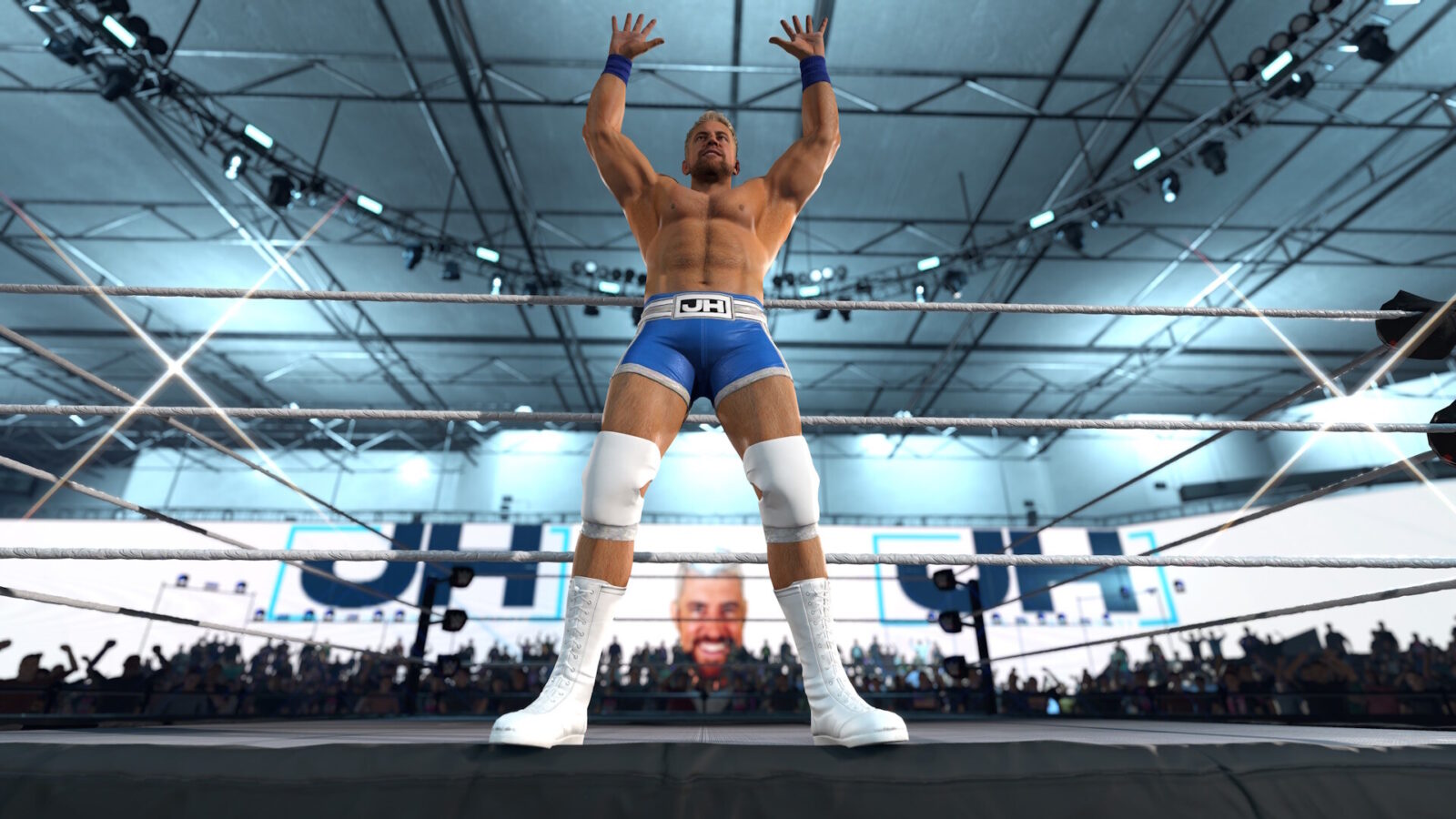
Top-rope moves sometimes land perfectly yet register as if they missed entirely, leaving your opponent standing there unfazed while your wrestler sells nothing but disappointment.
These moments don’t destroy the game, but they absolutely chip away at immersion. WWE 2K26 never approaches the legendary chaos of WWE 2K20, but it definitely feels rougher around the edges than the games that came before it.
And that’s not the only odd design decision this year.
The Ringside Pass: The Battle Pass That Won’t Leave You Alone
One of the most noticeable additions to WWE 2K26 is the Ringside Pass system, which works exactly how you’d expect if you’ve played basically any live-service game in the past five years.
It’s a progression track that rewards you with unlockables simply for playing the game. New superstars, bonuses for certain modes, and other little goodies trickle in as you rack up matches.
On paper, it’s actually pretty harmless. I was expecting something aggressively monetized, dripping with FOMO and limited-time nonsense, but the system is surprisingly relaxed. I progressed through the early tiers just by playing normally, barely thinking about it.
The real problem isn’t how it functions.
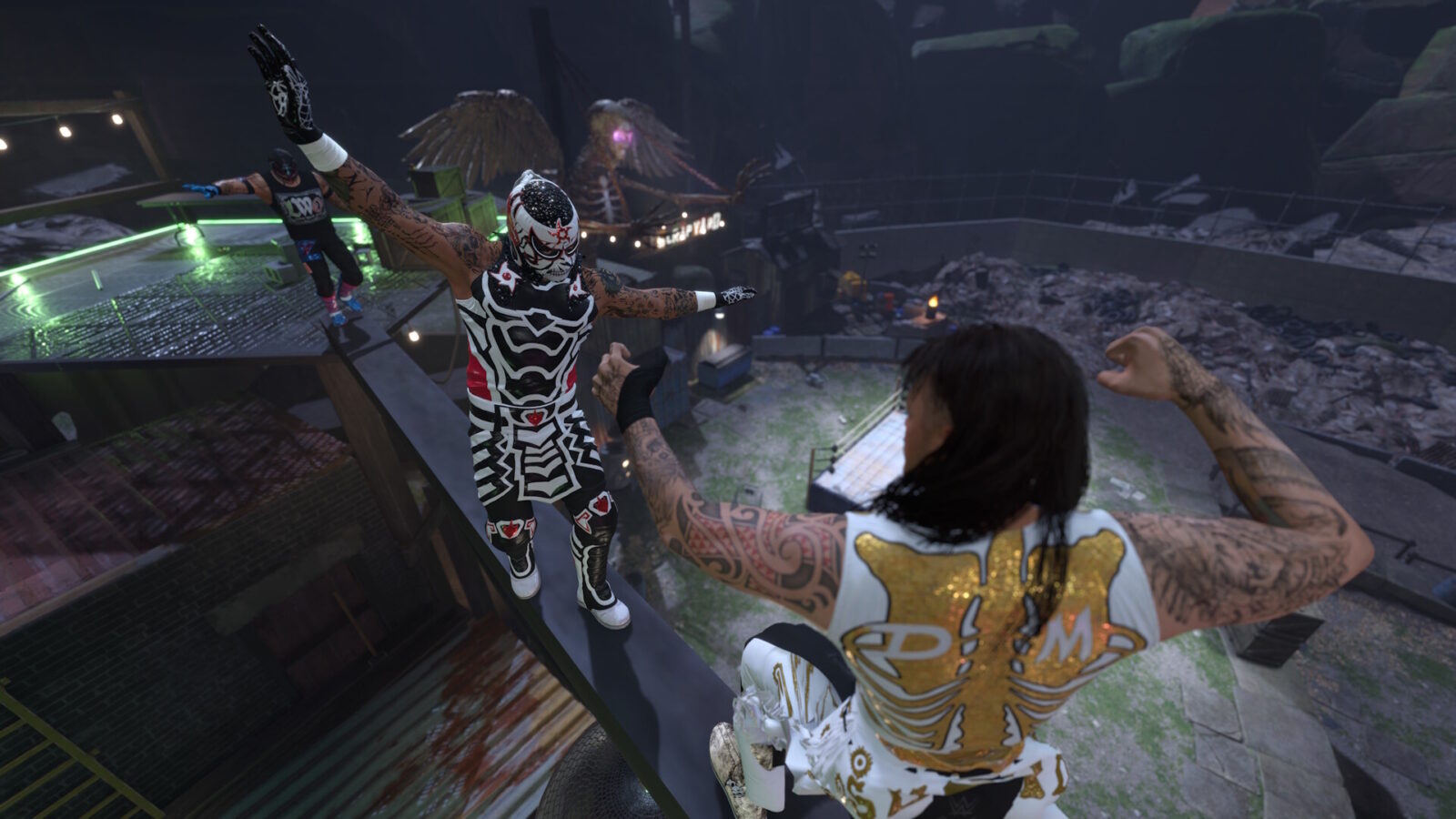
The problem is that WWE 2K26 refuses to stop reminding you it exists.
Unless you’re actively inside a match, the Ringside Pass indicator sits in the corner of the screen like an overly eager marketing intern who keeps tapping you on the shoulder. When rewards are available, the notification glows with just enough visual flair to constantly pull your attention away from whatever menu you’re actually trying to navigate.
And I spent an embarrassing amount of time searching the settings for an option to hide it.
There isn’t one.
It’s not predatory. It’s not game-breaking. It’s just… irritating in a way that feels totally unnecessary.
And that slightly awkward design philosophy extends into some of the game’s bigger modes too.
A Massive Amount of Content… That Sometimes Trips Over Itself
One of the defining strengths of the WWE 2K series has always been its sheer volume of modes. If you like wrestling games, these titles basically function like an all-you-can-eat buffet of content.
WWE 2K26 continues that tradition with Showcase Mode, MyRise, MyGM, Universe Mode, MyFaction, The Island, and the usual exhibition chaos.
If anything, the game might be suffering from too much going on.
Take MyGM, for example. I’ve always loved this mode—it scratches the same part of my brain that once spent entire summers running fantasy wrestling leagues on message boards.
This year’s version feels stronger than ever.
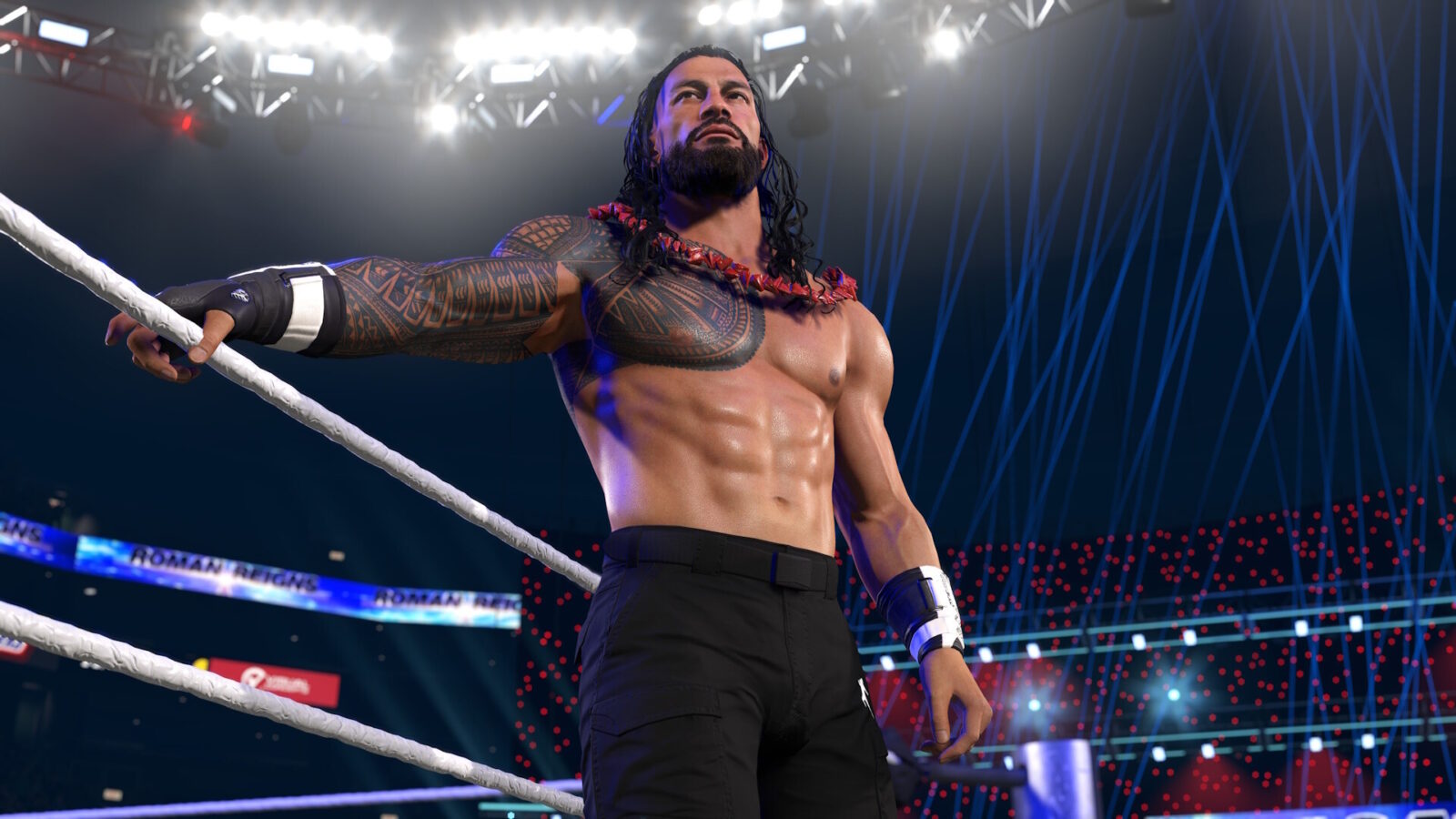
The extended season length makes the whole experience feel more strategic. Injuries become a real factor, roster management matters more, and the expanded match types allow for chaotic multi-man events that genuinely feel like premium live event spectacles.
Booking an eight-man match and watching the chaos unfold feels exactly like the kind of overbooked nonsense that wrestling thrives on.
But not every mode gets the same level of attention.
Some of them feel like they’re running on autopilot.
The Showcase Mode Problem
In theory, the WWE 2K26 Showcase Mode should have been a slam dunk.
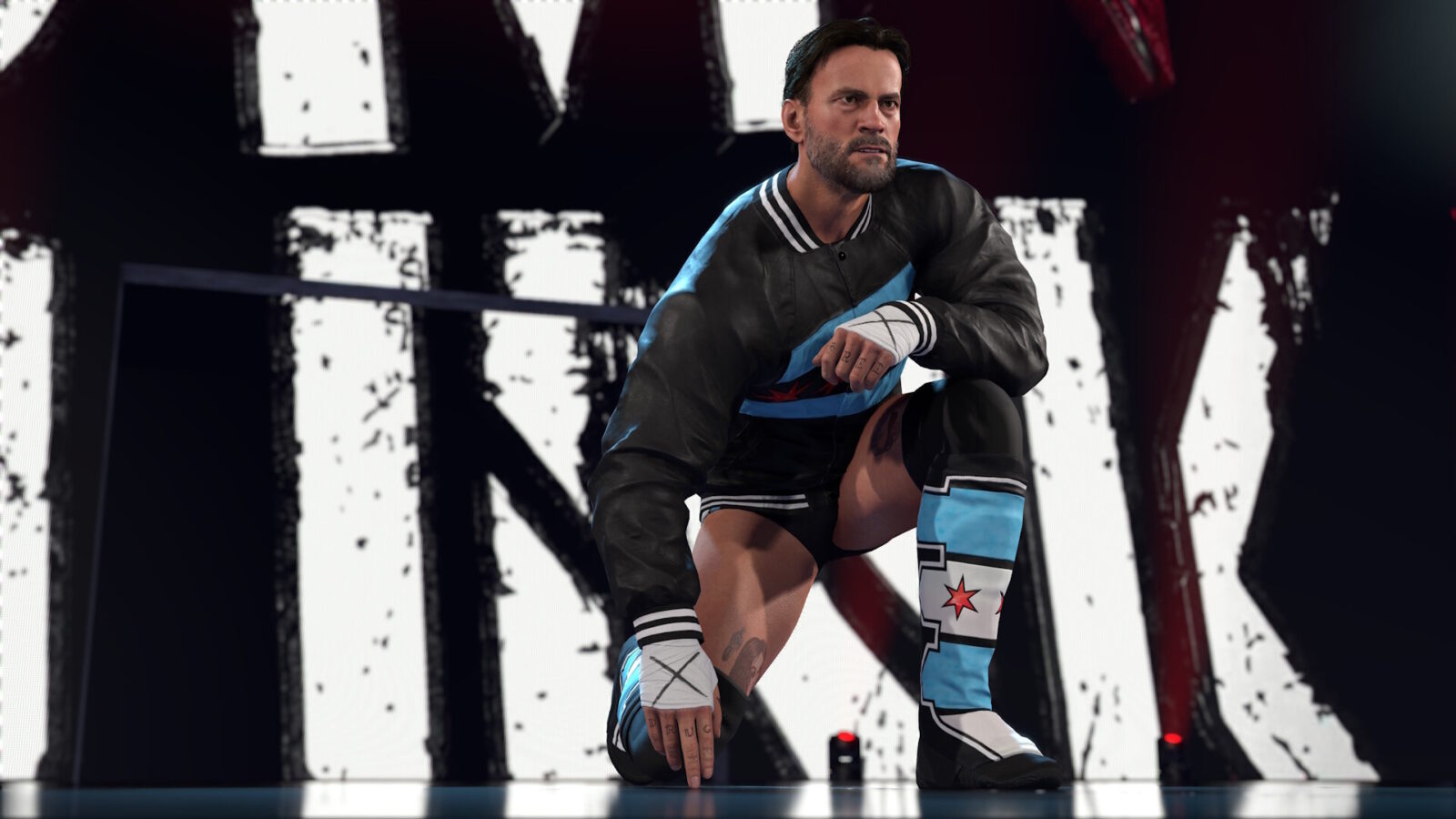
It centers around CM Punk, one of the most compelling personalities wrestling has ever produced. The guy can deliver a promo that makes you feel like the wrestling industry itself just caught fire.
So naturally, I was excited.
Unfortunately, the showcase mode in WWE 2K26 feels weirdly flat.
The biggest problem is the narration. Punk’s voiceovers sound like someone handed him a script five minutes before recording and asked him to read it with minimal enthusiasm. This is the same man who delivered the legendary “pipe bomb” promo, yet here he sounds like he’s narrating an airline safety video.
To make things even stranger, the mode constantly repeats the phrase “slingshot technology,” referencing the game’s transition system between gameplay and archival footage.
The first time you hear it, it’s fine.
The tenth time, it starts sounding like a corporate buzzword that escaped from a marketing meeting.
By the twentieth time, I was half expecting Punk to start selling me a streaming subscription.
The match selection doesn’t help either. Showcase modes usually celebrate real wrestling history, recreating iconic matches while occasionally throwing in a fun “what if” scenario.
Here, nearly half the matches feel like hypothetical fantasy bookings instead of actual historical moments.
Those matches can still be fun, especially when the game lets you choose either wrestler, but it makes the entire showcase feel oddly unfocused. It’s like half a career retrospective and half a weird alternate universe.
And unfortunately, MyRise struggles even more.
MyRise: A Story That Barely Exists
MyRise has had some genuinely fun storylines in past WWE 2K games. They weren’t Shakespeare, but they had personality. There was always some ridiculous wrestling drama pulling you through the campaign.
WWE 2K26’s version feels… thin.
The central story about the Archetype’s return could practically fit on a sticky note. Large chunks of the mode feel like recycled beats from older games, sending your character on familiar detours through fictional promotions and endless filler matches.
Both the men’s and women’s versions of the story follow almost the exact same path, with different characters swapped into identical roles.
And the progression system doesn’t help. The mode repeatedly forces you to complete unrelated “Rise matches” to earn stars before the story continues, which creates stretches where you’re grinding random bouts that have nothing to do with the narrative.
At one point I realized I had spent more time earning stars than actually advancing the story.
That’s… not ideal.
There are still fun moments sprinkled throughout. R-Truth randomly parodying Jey Uso’s “Yeet” catchphrase by yelling “Neat!” genuinely made me laugh out loud.
But when that becomes one of the campaign’s standout moments, you know something’s missing.
A Good Wrestling Game That Feels Creatively Stuck
The strange thing about WWE 2K26 is that it’s never boring.
The core gameplay remains fantastic. The roster is huge. The modes still offer dozens—if not hundreds—of hours of wrestling chaos to dive into.
But compared to the steady evolution of WWE 2K22 through WWE 2K25, this year’s entry feels like the series hit a creative plateau.
The foundation is still rock solid.
The ambition just isn’t quite there this time.
And when a franchise has spent years climbing upward, even standing still can feel like a step backward.
Verdict
WWE 2K26 is still a good wrestling game, and fans of the series will absolutely find plenty to enjoy once they step into the ring. The in-ring gameplay remains the strongest it has ever been, and modes like MyGM continue to deliver the deep sandbox experience wrestling fans love. But weaker storytelling in MyRise, an underwhelming CM Punk Showcase Mode, and a few technical hiccups keep it from reaching the heights of its recent predecessors. WWE 2K26 isn’t a disaster—it’s just the first entry in years that feels like it stopped evolving.