
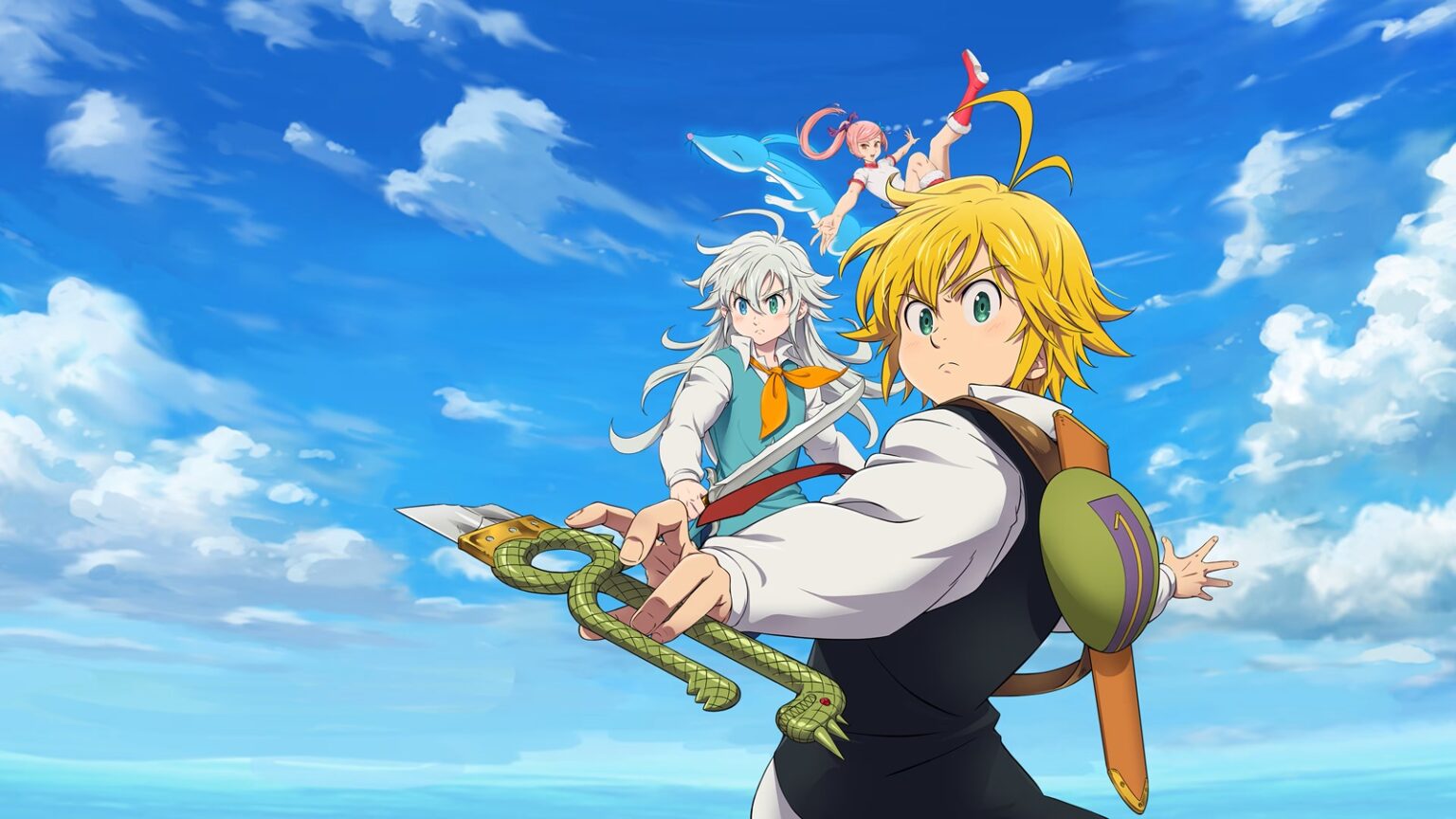
TL;DR: Pretty cel-shaded Britannia, fun traversal with a glider and pig mount, serviceable but shallow combat, and a story that starts strong before getting buried under gacha busywork and technical hiccups.
The Seven Deadly Sins: Origin
Late one sticky night, that dangerous little voice in my head whispering “just one more quest” convinced me to dive headfirst into The Seven Deadly Sins: Origin. The opening cutscene washed over me like a burst of pure anime adrenaline, dropping me straight into a vibrant, cel-shaded Britannia where Prince Tristan stood brooding like the ultimate fantasy heir. For those first blissful hours, Netmarble’s new gacha adventure dangled the tempting promise of recapturing everything I once loved about the Sins – the flashy swordplay, the lovable misfits, and that irresistible mix of spectacle and heartfelt lore. It really felt like this could be the one that finally delivered. Then the midgame grind rolled in like that friend who crashes the party full of hype but brings zero actual snacks, and the whole illusion started cracking faster than a dodgy texture up close.
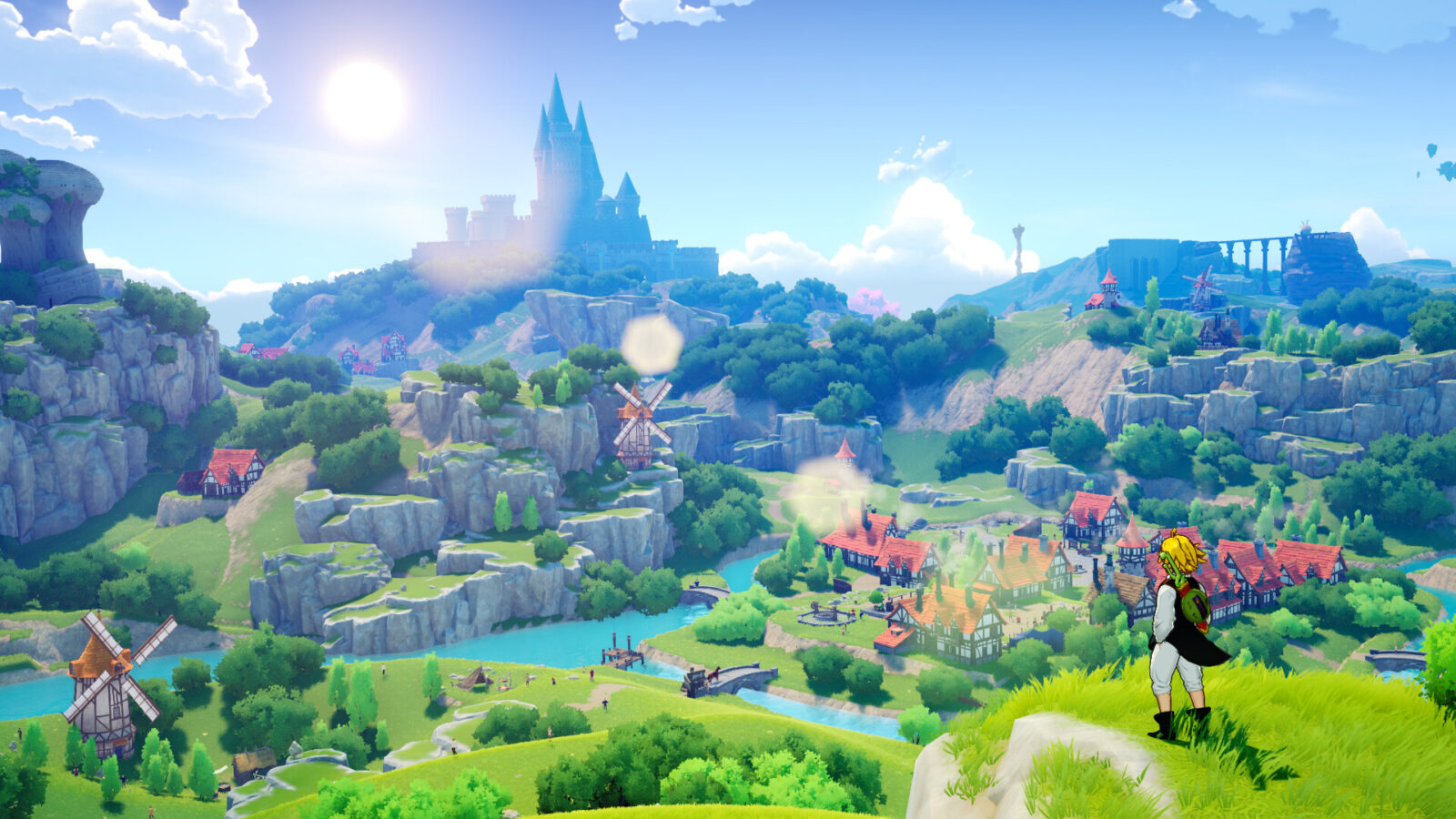
The Seven Deadly Sins: Origin review I’m writing today is the story of a game that looks the part, borrows the coolest toys from its open-world inspirations, yet somehow still ends up feeling like just another face in the crowded gacha crowd. It’s not a disaster. Far from it. But after sinking more than fifty hours into its time-bending mystery, I walked away with the same bittersweet aftertaste you get from binge-watching a show that started strong only to fizzle out in the back half of the season.
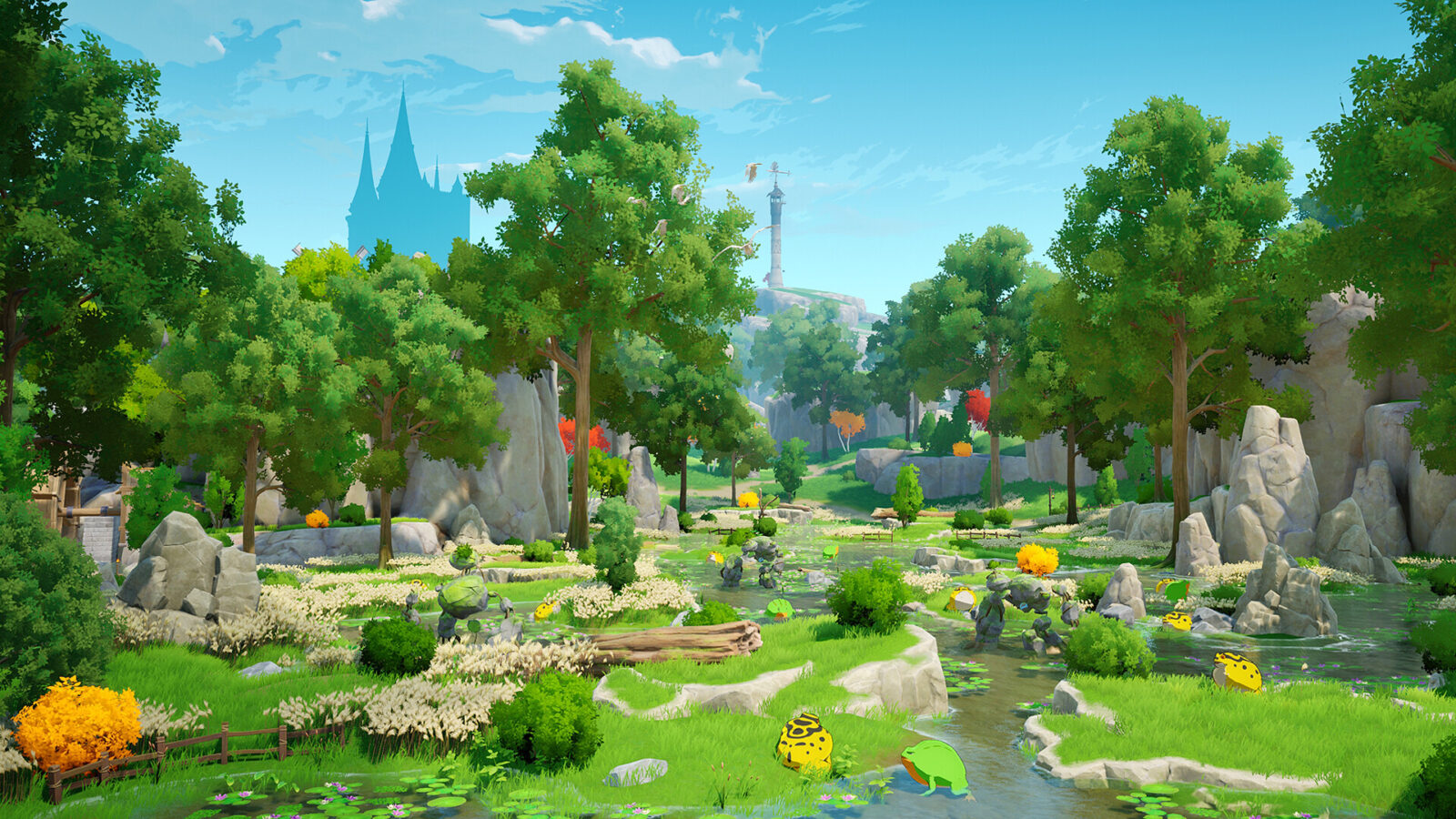
From the moment you step into the Kingdom of Liones as Tristan and his sister Tioreh, the world tries really hard to win you over with pure visual charm. Those sprawling pastoral glades, the towering dragon-bone graveyards, the castle grounds that feel ripped straight from a particularly lush episode of the anime, they all look stunning at a distance. I caught myself pausing just to stare at the sky, wondering what was nesting in those floating bird platforms, or whether that suspicious rock formation was hiding a chest. The cel-shading nails the anime fantasy aesthetic so well that for the first few hours I genuinely felt transported. It reminded me why I used to love this universe, its lovable misfit knights, over-the-top power levels, and that perfect blend of medieval flair with supernatural flair.
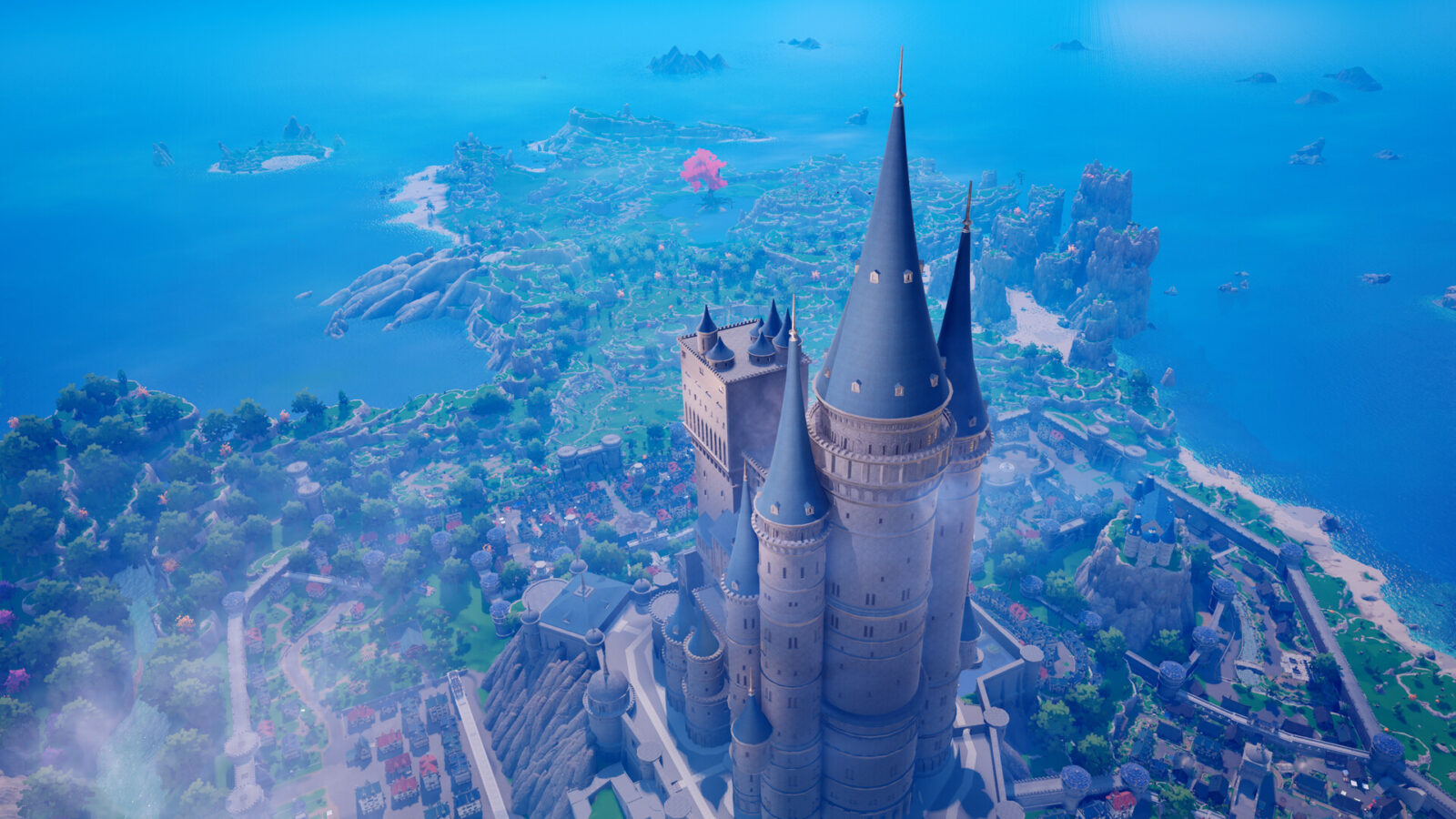
But the closer you get, the more the illusion cracks. Textures turn muddy when you press up against them, rabbits move in eerie synchronized hops like they’re auditioning for a backup-dancer gig, and poor Tristan’s climbing animation makes him look like he’s doing an awkward interpretive dance rather than scaling a cliff with heroic determination. Camera glitches forced me to restart the game more times than I care to admit, yanking me out of whatever story momentum was building. It’s not that any single bug is game-breaking, but they pile up like laundry you keep meaning to fold, slowly turning what should feel like an epic journey into a slightly irritating hike.
Traversal, at least, offers a welcome distraction. Unlocking climbing, swimming, that delightfully janky wooden glider, and most importantly, our favorite garbage-eating pig Hawk as a mount, gave me genuine moments of joy. There’s something ridiculously charming about charging across fields on a chubby swine while he cracks wise in the background. The stamina system is surprisingly forgiving early on, letting you cheese your way across huge chunks of the map and feel like a proper open-world explorer. I spent one lazy afternoon just gliding from peak to peak, unlocking warp points and pretending I was doing important reconnaissance when really I was just avoiding the next story beat. For a while it scratched that Breath of the Wild itch I still chase in every new fantasy game, even if the world never quite feels as alive or reactive as Hyrule did.
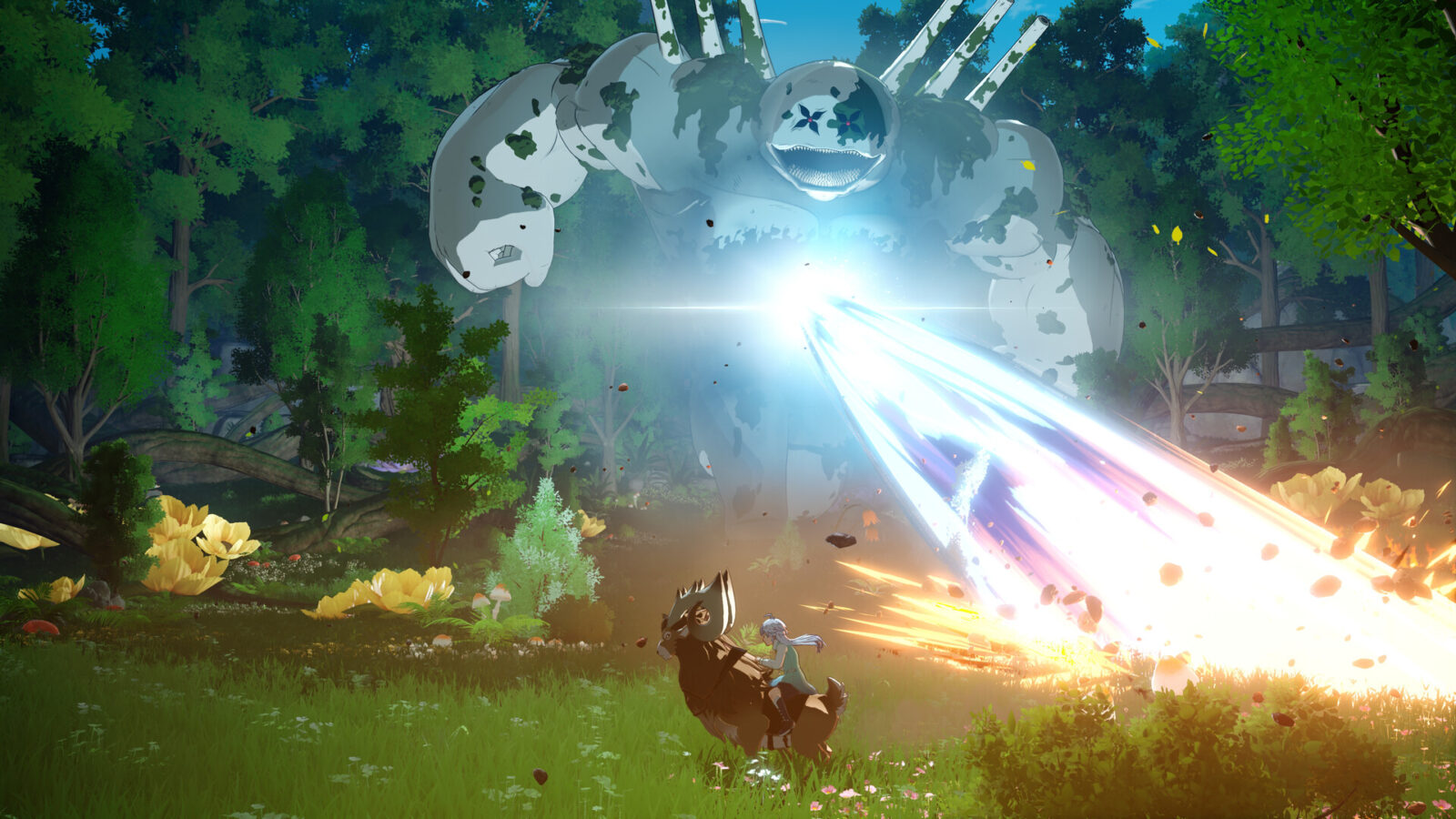
Combat starts out as the brightest spot in the whole package. The system is flashy, approachable, and satisfying in that classic character-action way. Normal attacks flow into special moves, cooldowns keep things from getting too spammy, and each hero’s ultimate is a little animated spectacle that never failed to put a grin on my face. Watching Tristan swing his sword with volcanic fury still makes me pump my fist like I’m back in middle school cheering for the good guys. The moveset feels weighty enough to be fun without demanding frame-perfect mastery, which is exactly what you want when you’re juggling a party of up to four characters pulled from the ever-growing roster.
The problem is the enemies rarely rise to meet that energy. Most foes act like aggressive roombas, locked into patrol zones and mindlessly charging until one of you falls over. Boss fights, even the big flashy ones referencing iconic creatures from the manga, tend to boil down to “dodge the obvious telegraphs, smack the glowing weak point, repeat.” I found myself fighting one particular lumbering fire beast that played out almost beat-for-beat like a lazy homage to every colossus-style encounter I’ve seen since Shadow of the Colossus, complete with awkward stamina-gated climbing sections that killed all pacing. It wasn’t terrible, but it also wasn’t exciting enough to make me want to master the combat instead of just mashing my way to the next checkpoint. When a game gives you stylish tools but never really asks you to use them cleverly, the shine wears off faster than you’d expect.
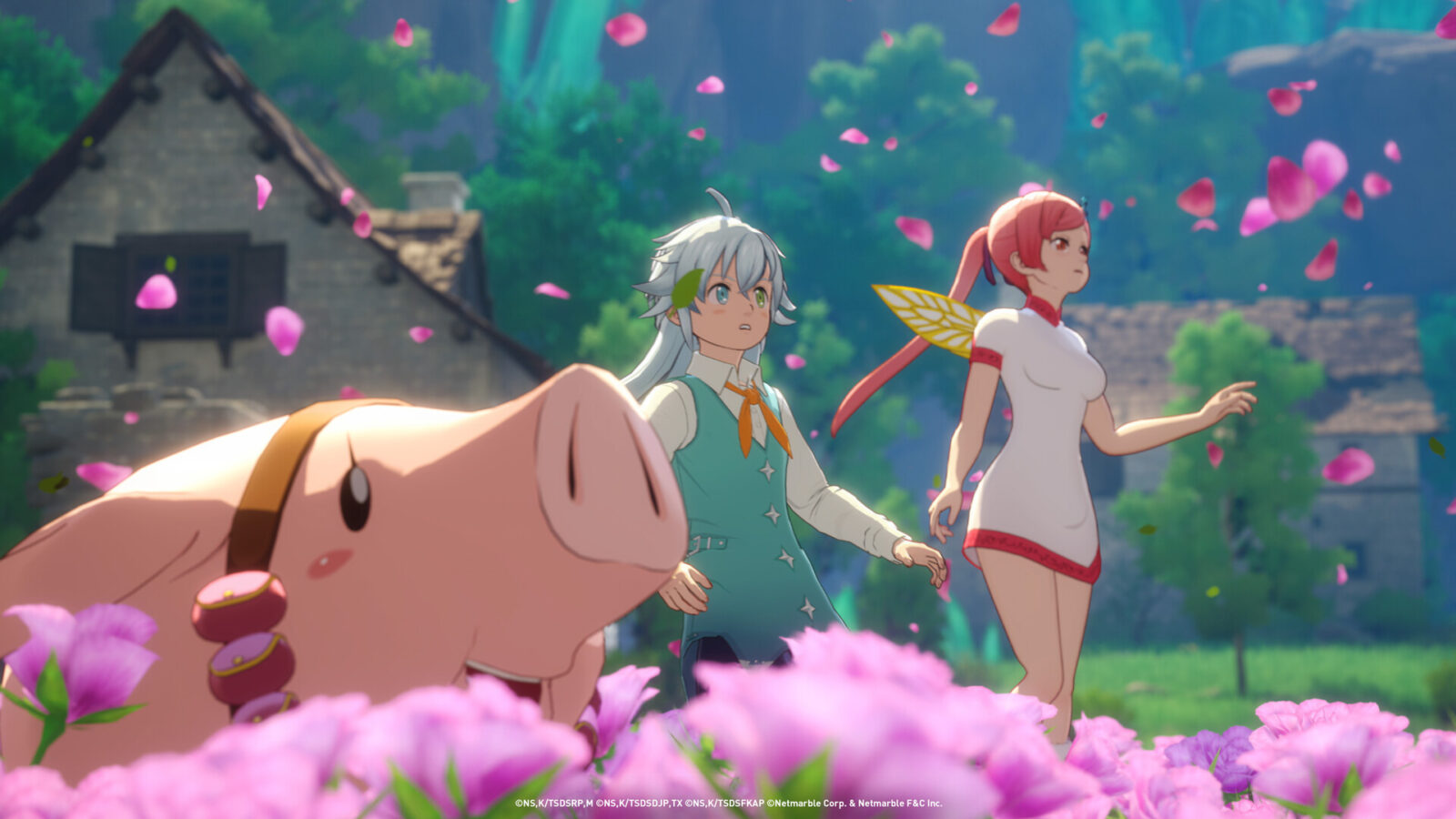
And then, of course, there’s the gacha elephant in the room. The Seven Deadly Sins: Origin leans hard into the familiar Star Memory pull system, dangling new heroes and gear in front of you while feeding you just enough premium currency through normal play to keep you hungry. After grinding for over fifty hours I barely scraped together enough pulls for a handful of attempts, most of which landed on duplicates or filler that did little to change how my party actually felt in battle. The shop menus are a labyrinth of convoluted systems designed to gently nudge your wallet open, and while the game never forces you to spend real money, it also never feels particularly generous in rewarding time invested. That’s the classic gacha trap, and Origin doesn’t do much to innovate around it. Instead of making every new character feel like a meaningful addition to the story or gameplay, too often they just become another collectible in a menu that grows more overwhelming the deeper you go.
The story itself, a fresh time-bending twist involving an ancient infection and the next generation of Sins, actually has some real heart. The dialogue carries that signature cheeky charm, and the nostalgia hits keep coming as familiar faces pop up in clever new contexts. I wanted to care more about Tristan’s plight, but the repetitive mission structure kept dragging me back into busywork that felt engineered to pad playtime rather than deepen the adventure. It’s the kind of design that makes you wonder whether the goal is genuine fun or simply keeping you logged in long enough to glance at the store tab one more time.
By the time I hit the later regions, that initial spark of excitement had dimmed into something closer to dutiful completionism. I still enjoyed the occasional soaring glider ride or the silly banter with Hawk, but the magic was gone, replaced by the nagging sense that I was playing a game that knew exactly what it wanted from me (more time, more attention, maybe more money) without ever fully committing to being the best possible version of itself.
In the end, The Seven Deadly Sins: Origin is a visually striking gacha action-adventure that borrows heavily from better open-world games and the beloved anime source material, yet never quite transcends its genre conventions enough to stand out. It has charm, decent combat, and enough nostalgic Easter eggs to keep dedicated fans of the franchise entertained for dozens of hours. But the technical roughness, shallow enemy design, unrewarding progression, and all-too-familiar gacha grind keep it from becoming the definitive Sins experience many of us were quietly hoping for.
Verdict
This is a game that looks and sounds like it belongs in the same conversation as the great anime open-world adventures, but repeatedly trips over its own feet in the execution. If you’re a die-hard fan of The Seven Deadly Sins who can overlook repetitive missions and a stingy reward loop in favor of flashy sword swings and familiar faces, there’s enough here to justify a playthrough. Everyone else would be better off revisiting the original series or waiting to see if Netmarble patches in more soul (and more generous drops) down the line.