
TL;DR: Planet of Lana II is a gorgeous, heartfelt sci-fi puzzle platformer with smart design and incredible art direction. It’s a little short, but absolutely worth your time.
Planet of Lana II: Children of the Leaf
Planet of Lana II: Children of the Leaf review is one of those rare assignments where I knew, about thirty minutes in, that I was going to recommend it… and still felt a tiny sting of disappointment when the credits rolled. Not because it failed. Quite the opposite. It ended just as I was settling into that cozy, transportive rhythm that only great sci-fi adventure games manage to achieve.
Back in 2023, the original Planet of Lana blindsided me. It arrived quietly, like a soft piano note in a room full of gunfire, and reminded me that indie games can still feel intimate and grand at the same time. Now, three years later, developer Wishfully returns with Planet of Lana II: Children of the Leaf, and somehow makes its alien world feel both bigger and more personal.
This is my full Planet of Lana II review after finishing the game on PC, and yes, I’m still thinking about it.
A hand-painted sci-fi world that breathes
The first hour had me fooled. The opening tutorial leans into darker caves and tighter corridors, and for a moment I wondered if the sequel was going grittier, moodier, maybe even more claustrophobic. Then the world opens up.
And wow.
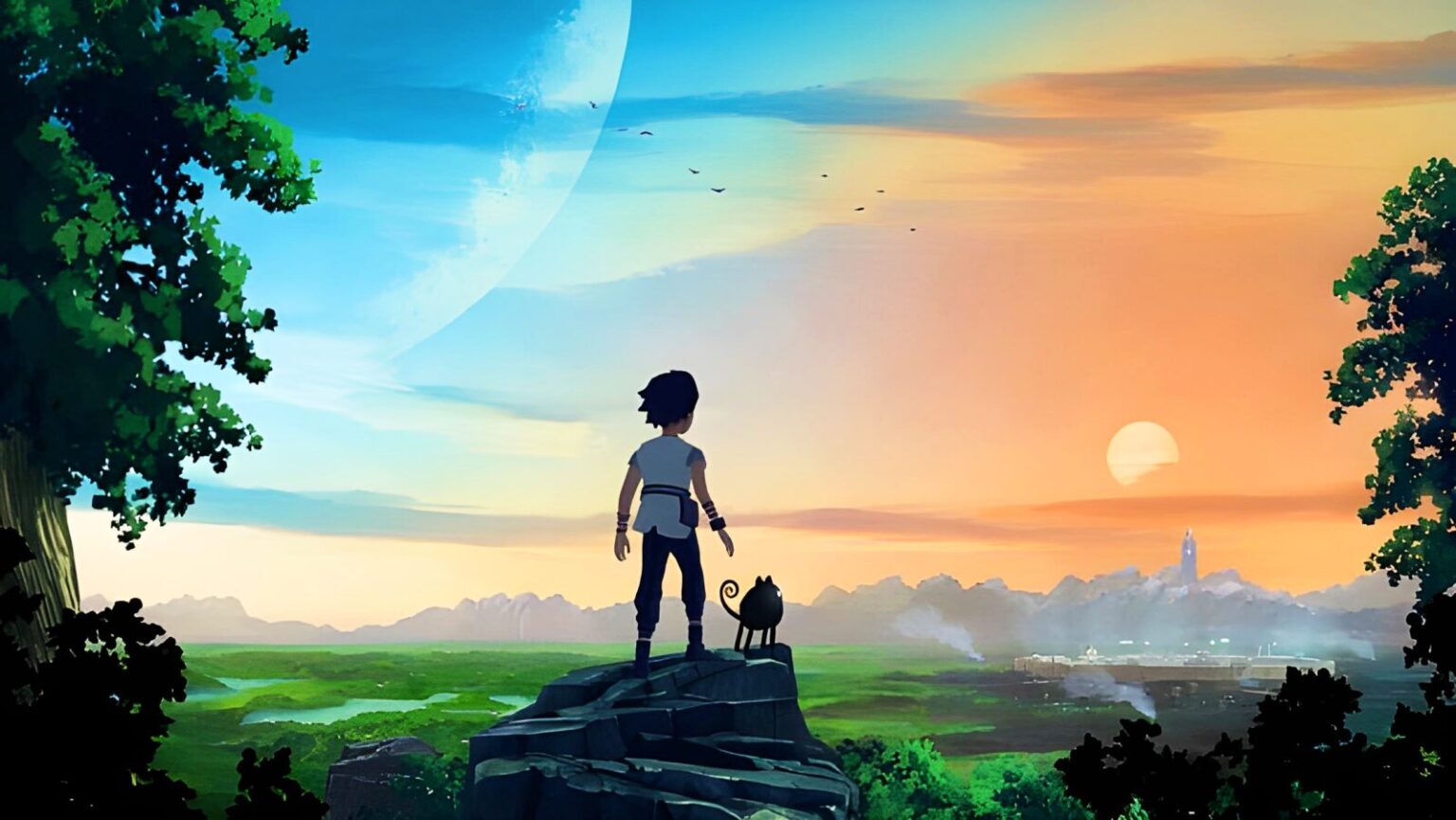
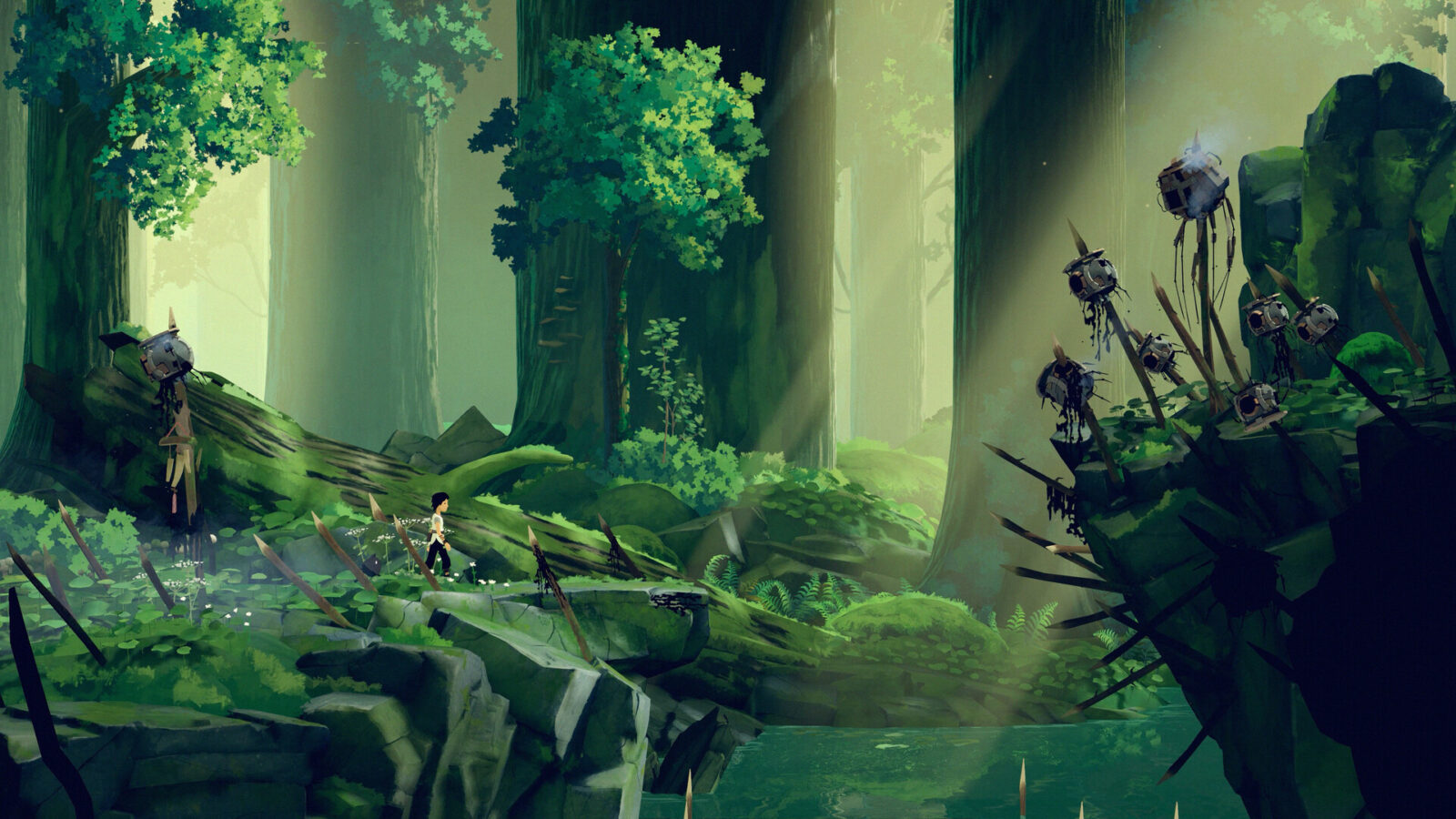
The surface of this alien planet unfolds like a living watercolor painting. Rolling green hills stretch into the horizon. Forests glow with layered depth. Villages hum with small, believable details. I kept stopping just to watch background animations, like some digital tourist who forgot there was a plot to follow.
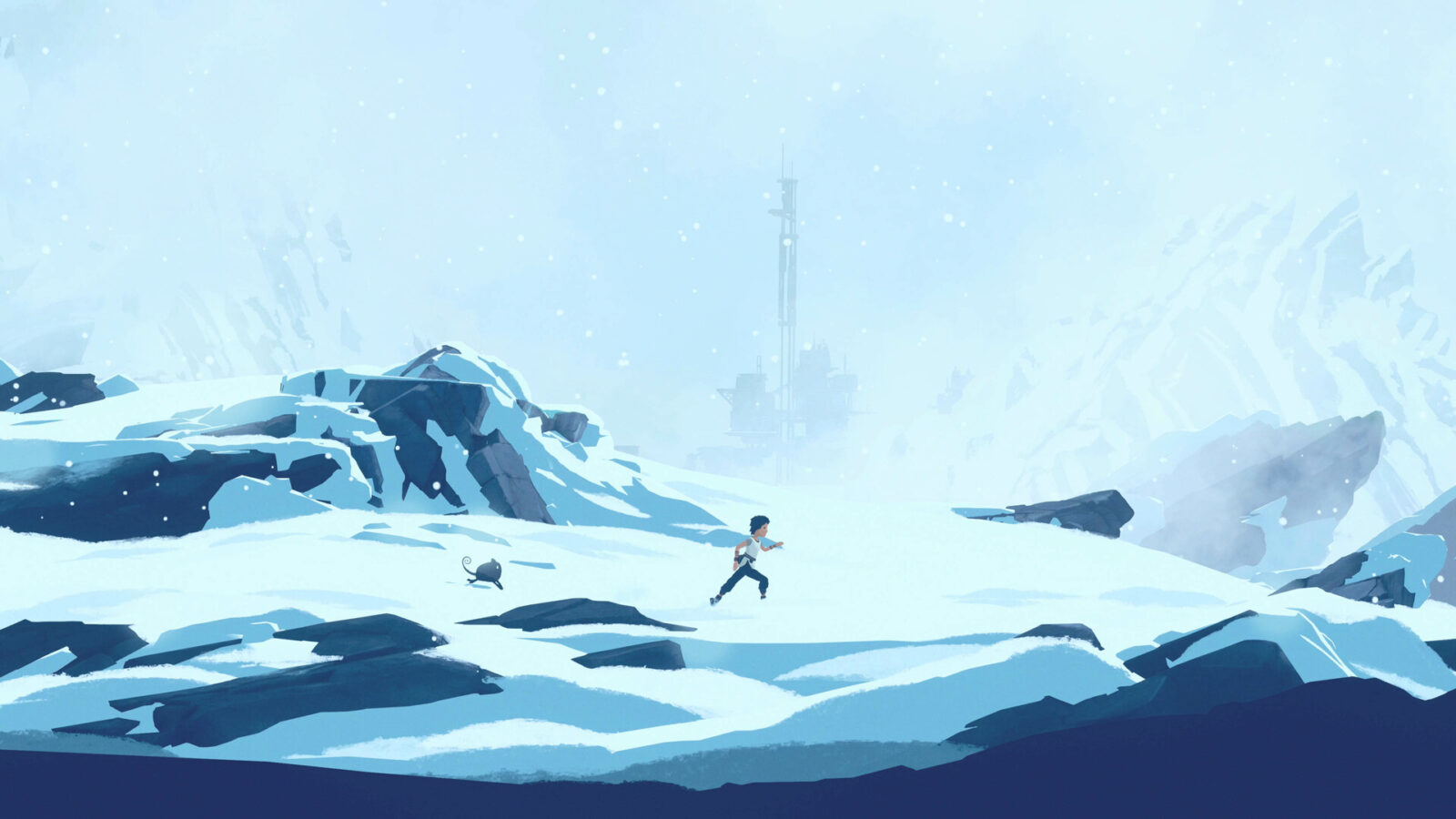
Planet of Lana II doubles down on what made the original’s art direction so special. There are no harsh outlines screaming for attention. Everything feels brushed in, blended, lit with intention. It’s the kind of visual design that makes you lean closer to the screen, not because you’re struggling to see, but because you don’t want to miss anything.
Even the tech in this world feels poetic. Friendly robots help villagers fish or haul cargo, and they don’t feel like invaders. They feel woven into the ecosystem. That balance between nature and machinery is at the heart of Planet of Lana II: Children of the Leaf, and it gives the game a quiet identity that most sci-fi platformers never quite nail.
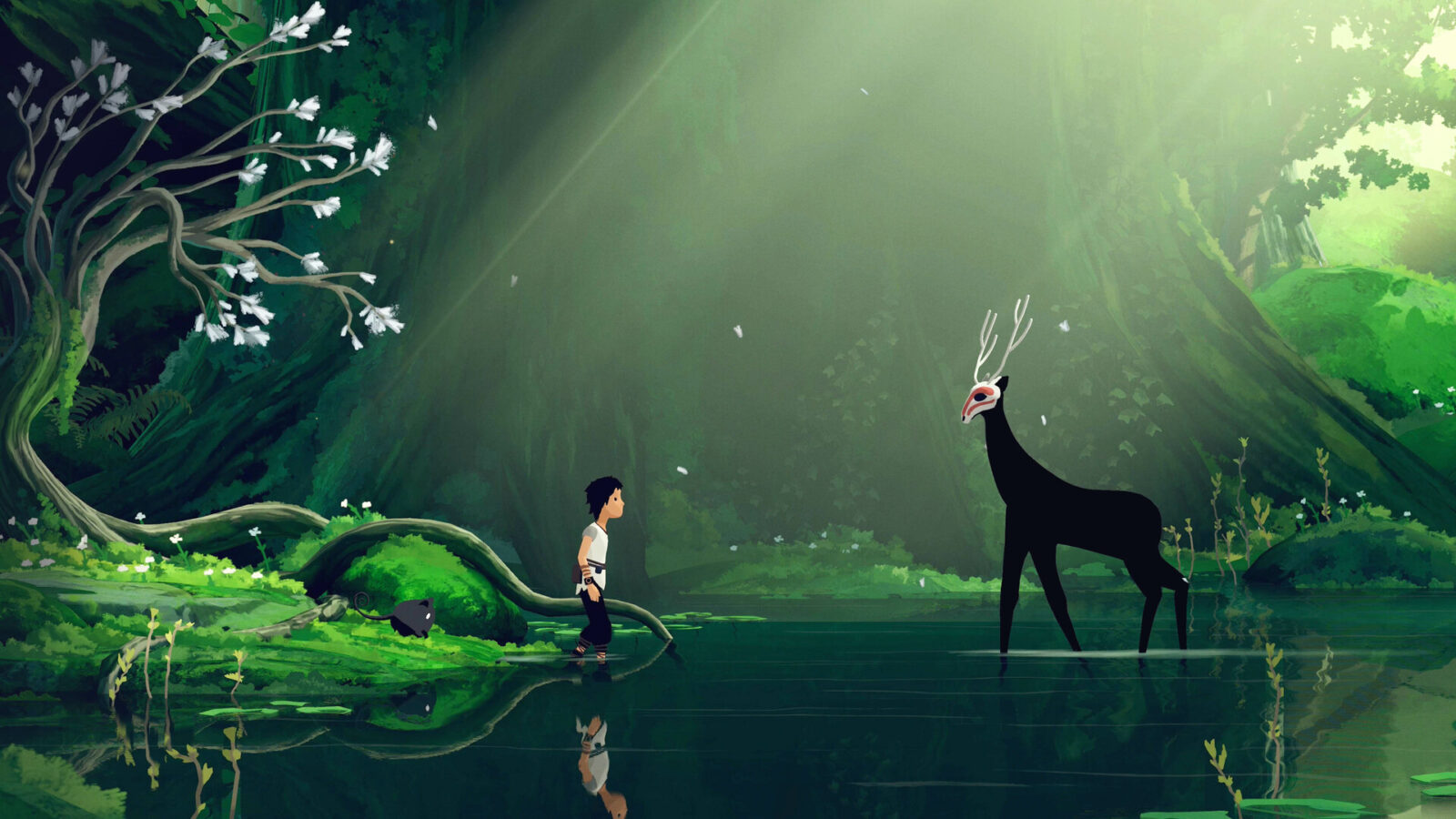
Lana and Mui still carry this universe
At the center of this Planet of Lana II review, I have to talk about the duo that makes everything click: Lana and Mui.
Lana is still the emotional engine. She’s brave to the point of recklessness, but not in a superhero way. In a very human way. This time, her journey revolves around trying to find a cure for a sick child, and that grounding motivation gives the adventure weight. It’s not about saving the galaxy. It’s about saving someone who matters.
Mui, meanwhile, remains one of the most charming non-verbal companions in modern gaming. A small, cat-like being with ancient sci-fi abilities, Mui balances cosmic mystery with the energy of a clingy house pet. Watching Mui hesitate near water never stopped being funny to me. The game builds entire swimming sections around that fear, forcing Lana to find clever, waterproof solutions to move forward.
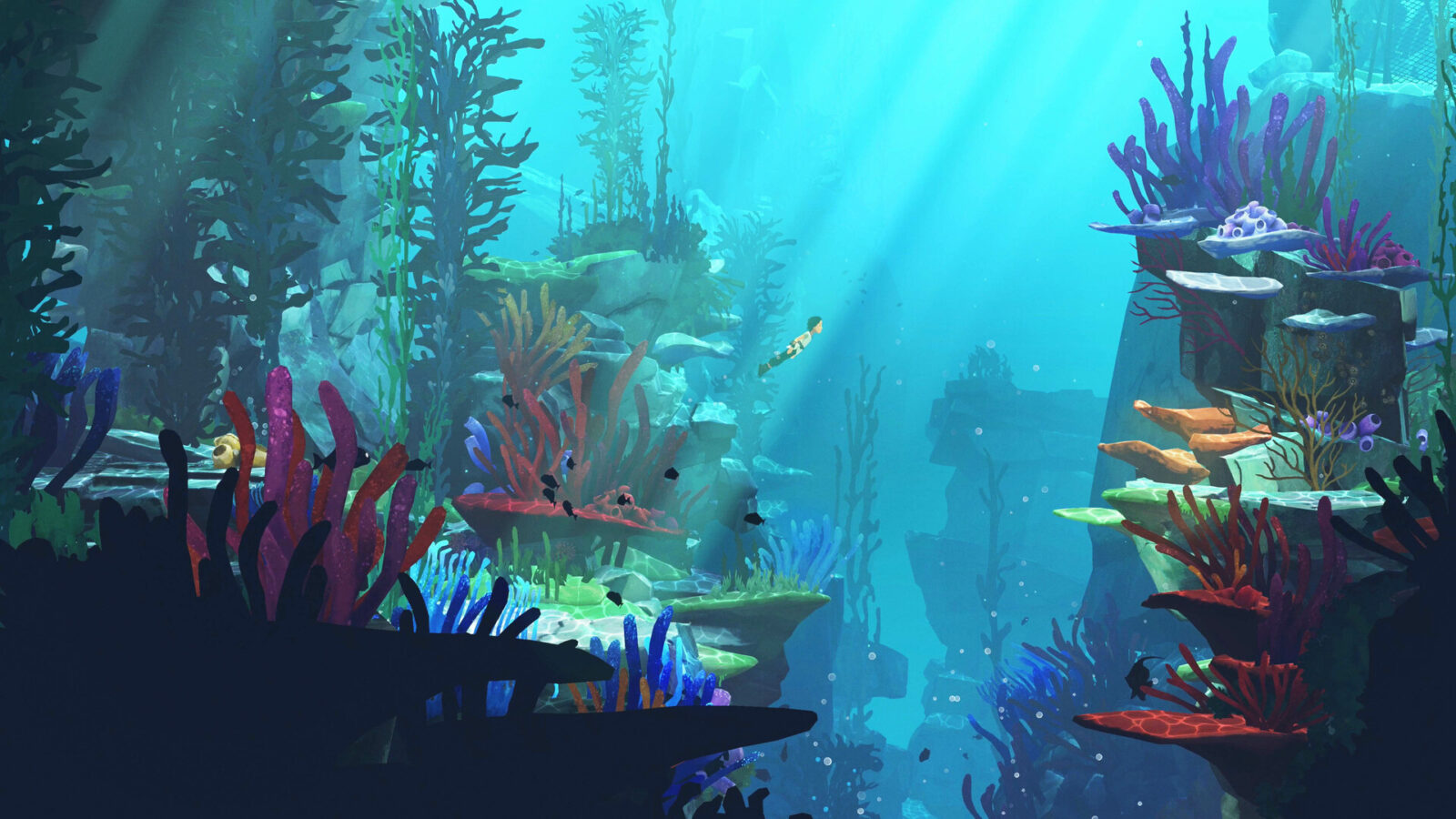
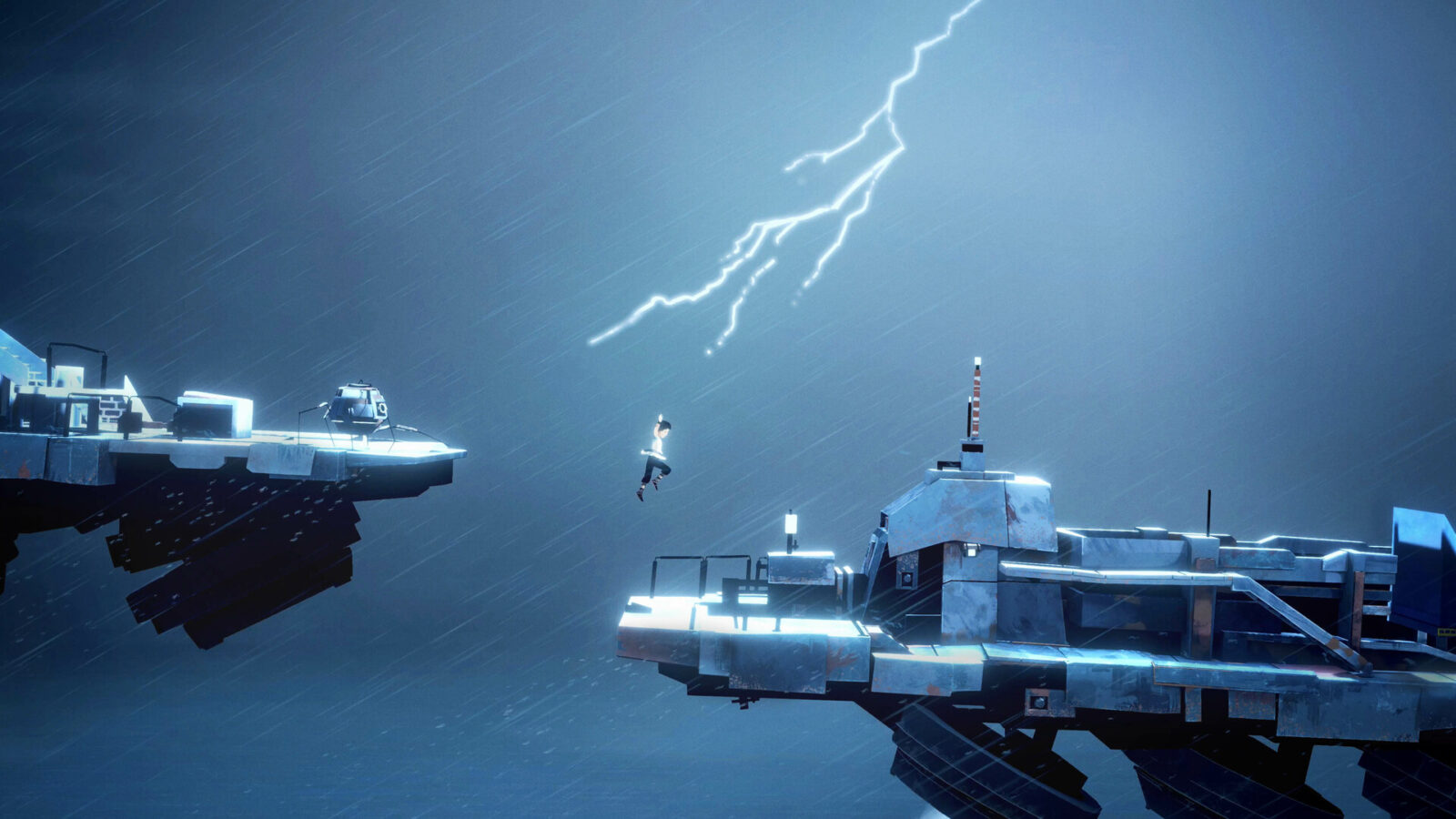
Mechanically, Planet of Lana II sticks to side-scrolling puzzle-platformer fundamentals. Climb this. Time that. Avoid being spotted. Run when something enormous chases you. The controls are tight in that reassuring way where every mistake feels like mine, not the game’s. I never once blamed the physics or hit detection. In a genre where precision matters, that’s huge.
The chase sequences deserve special praise. They’re cinematic without being over-scripted. Fast decisions, shifting terrain, orchestral swells. I had flashbacks to the tension of Inside, but with more color and a bit more heart.
Puzzles that respect your brain
The real evolution in Planet of Lana II gameplay comes through Mui’s expanded abilities. You can position Mui to activate machinery, manipulate devices, and even control certain creatures. The game smartly keeps all critical elements visible on-screen, which prevents the frustration of scanning multiple layers for hidden triggers. The characters themselves become your puzzle-solving tools.
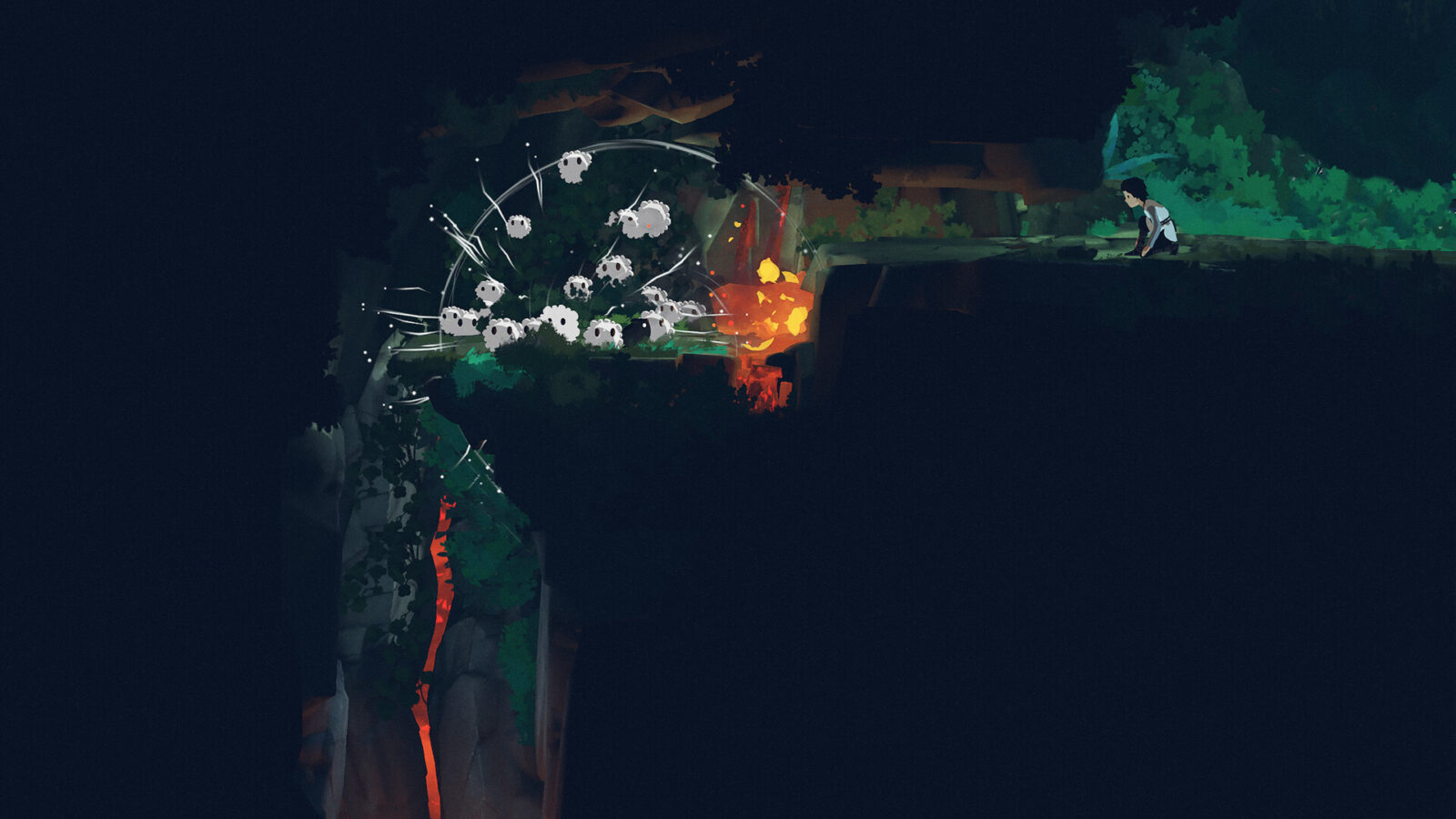
There’s a rhythm to the design that I deeply appreciated. Instead of throwing brand-new mechanics at you and demanding instant mastery, the game introduces ideas gently, then recombines them in clever ways. It trusts you to remember. It trusts you to experiment.
That said, not every experiment lands perfectly. When Mui takes control of specific animals, the game sometimes shifts into tighter, more timing-heavy sequences. A few of these dragged longer than I wanted. They aren’t bad, but they interrupt the otherwise smooth pacing. For a series that thrives on flow, those moments feel slightly overextended.
Still, I’d say about three-quarters of the puzzles hit that sweet spot where I immediately understood the goal but still had to think through the execution. That balance is harder to achieve than most developers realize.
A wordless story that somehow says everything
One of the boldest aspects of Planet of Lana II: Children of the Leaf is its refusal to rely on real language. Characters communicate in expressive gibberish. Robots respond in musical tones. There are no subtitles to lean on.
And yet, I never felt lost.
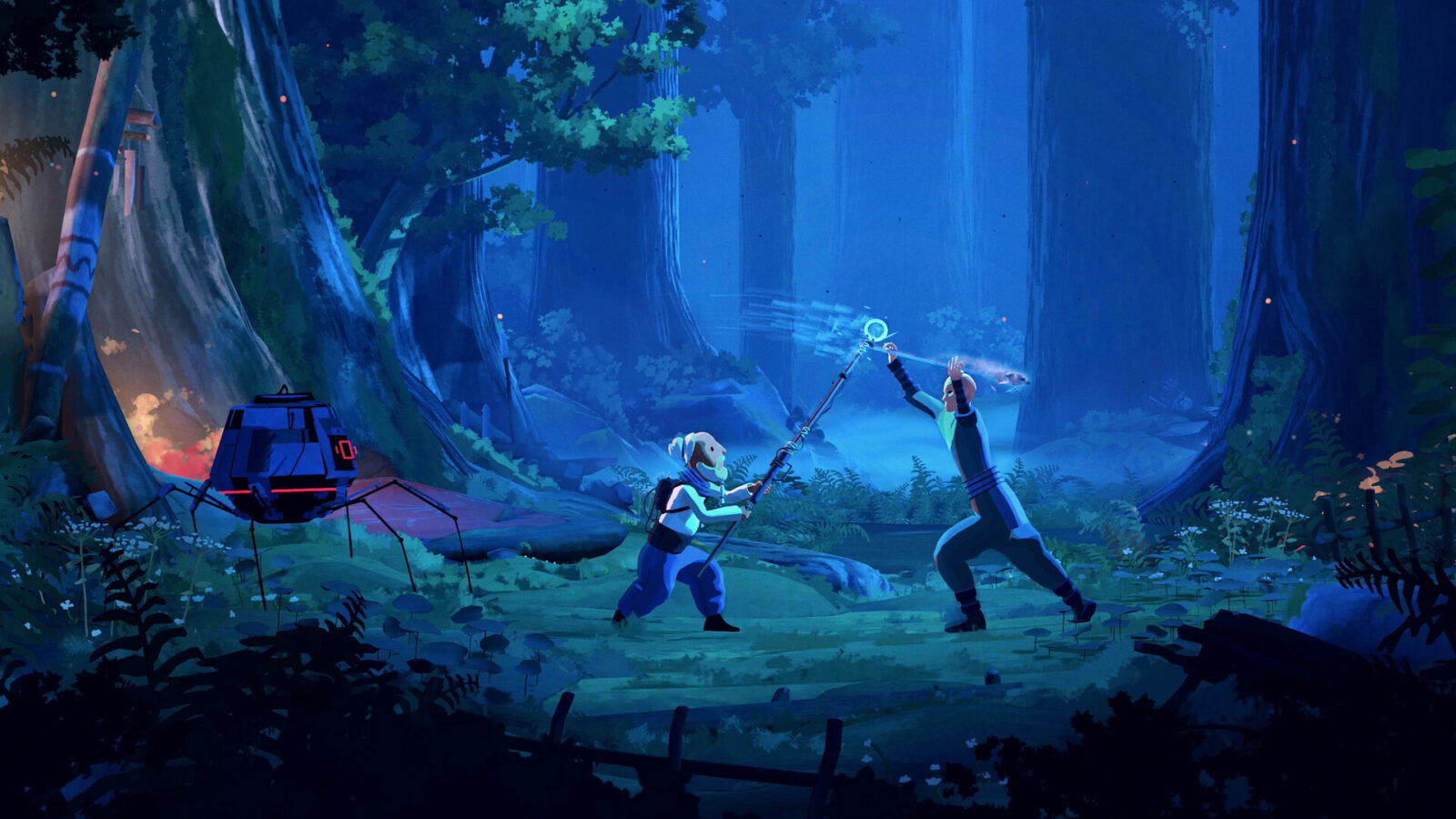
The animation does the heavy lifting. A gasp, a glance, a subtle shift in posture. The characters look toward danger, and your eyes follow. The direction is meticulous. It reminded me how powerful visual storytelling can be when developers commit to it fully.
The soundtrack amplifies everything. Composer Takeshi Furukawa returns, and you can feel the continuity. The orchestral score swells during chases and softens during reflective moments. There are recurring melodic motifs that anchor the world emotionally. I’m a sucker for a strong, recognizable theme, and Planet of Lana II absolutely delivers one.
The music doesn’t just accompany the story. It feels embedded in the planet’s culture. In a game where language is abstract, melody becomes meaning.
The one thing I wish lasted longer
Here’s where this Planet of Lana II review turns slightly bittersweet.
Wishfully described this sequel as a longer experience, roughly six to eight hours. I finished it in about five, taking my time, exploring, not skipping anything. When the credits began to roll, I genuinely thought I was at the midpoint. I was ready for another biome, another twist, another escalation.
Instead, it was over.
To be clear, the story feels complete. It doesn’t abruptly cut off. But the pacing builds such a strong sense of momentum that I expected one more act. One more grand reveal. One more extended sequence to push the mechanics further.
At $19.99, it’s still a fair value. And if you’re playing through Xbox Game Pass, it’s an easy recommendation. I just can’t shake the feeling that this universe has room to stretch even further.
Planet of Lana II: Children of the Leaf is a stunning sci-fi puzzle platformer that refines almost everything from the original. The hand-painted visuals are breathtaking, the puzzles are thoughtful without being punishing, and the wordless storytelling hits harder than many fully voiced AAA games. Its only real flaw is that it ends just as it feels like it’s hitting its stride. Even so, this is one of the most beautiful and emotionally resonant indie adventures you can play in 2026.