

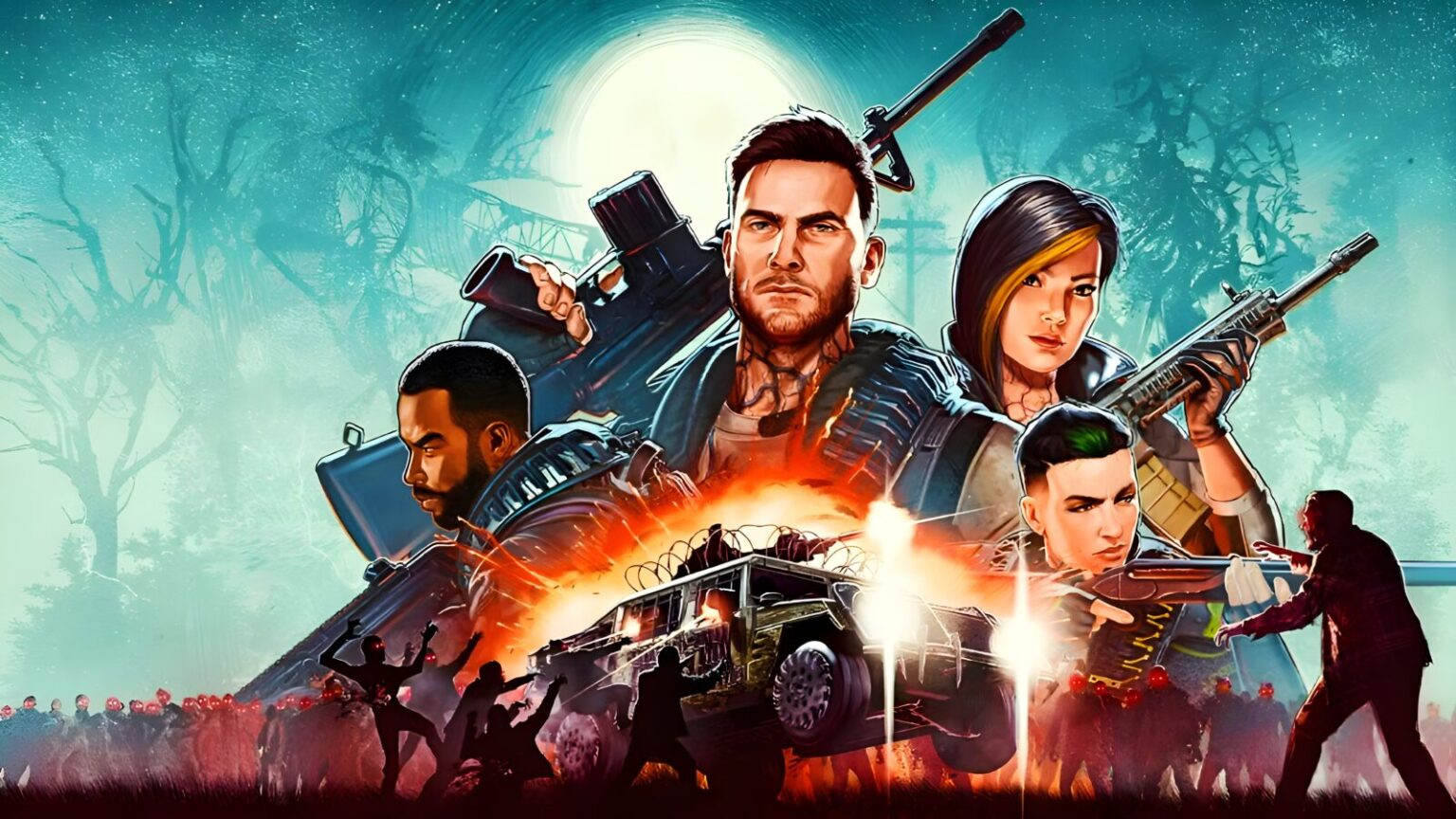
TL;DR: A chaotic, 80s-inspired zombie horde shooter that trades depth for pure fun—and mostly gets away with it.
John Carpenter’s Toxic Commando
I booted up John Carpenter’s Toxic Commando expecting chaos, and within minutes I was knee-deep in it—bullets flying, engines roaring, and zombies popping like overripe fruit at a farmer’s market gone very, very wrong. There’s a certain kind of game that doesn’t bother pretending it’s here to change your life. It just wants to grab you by the collar, shove a shotgun into your hands, and say, “go make a mess.” This is absolutely one of those games, and honestly, I kind of missed that energy.
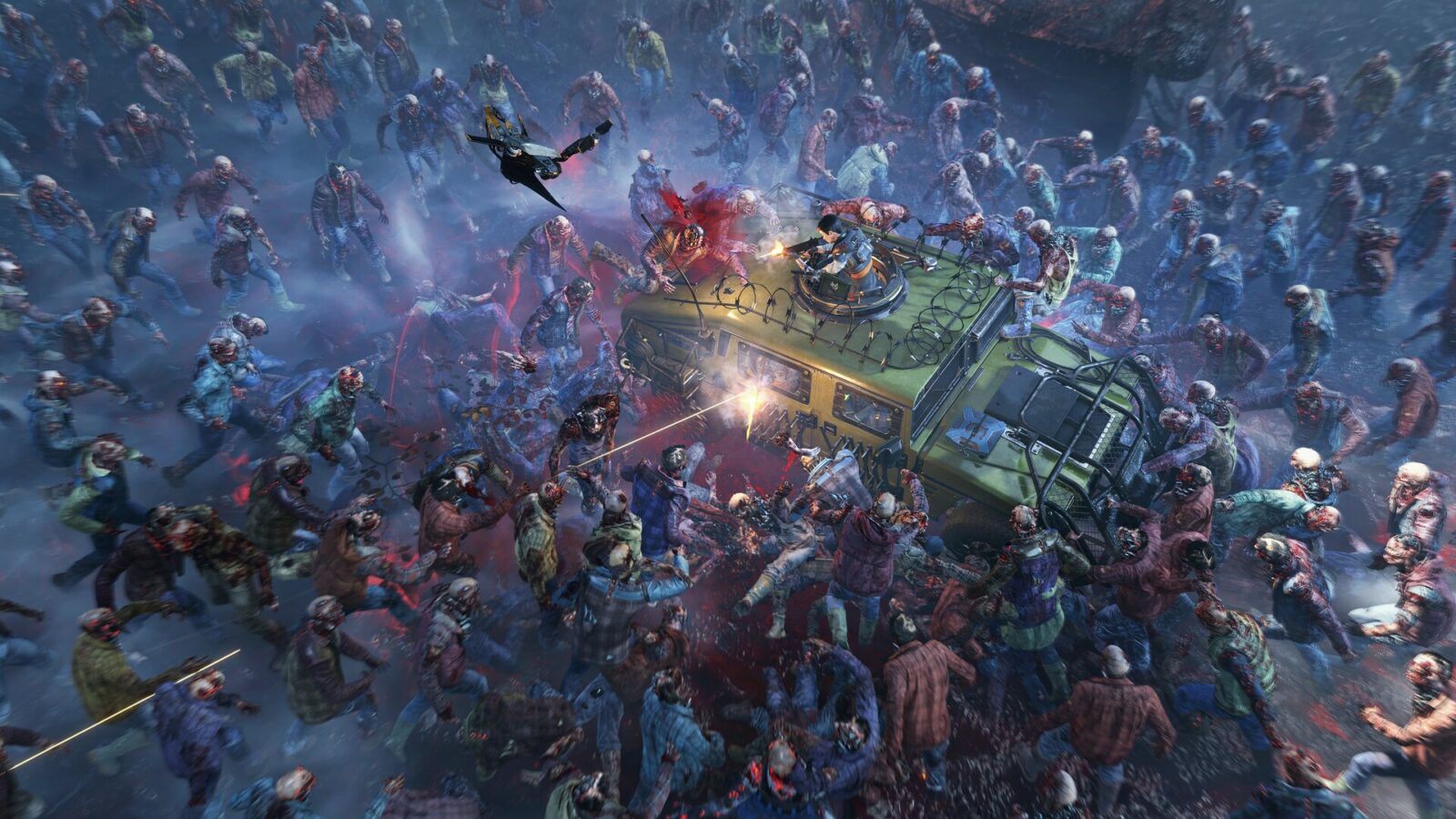
The horde shooter genre has been doing laps around itself for years now. Every time I think I’ve had my fill of co-op zombie carnage, something else comes along promising bigger systems, deeper builds, or more “meaningful progression.” Toxic Commando doesn’t care about any of that. It feels like a game that walked into the room, looked at the genre’s overcomplications, and quietly slid them into the trash. What you’re left with is something almost suspiciously straightforward—and that’s exactly why it works.
From the moment I dropped into my first mission, the loop clicked instantly. Move forward, grab the thing, survive the swarm, repeat. It’s the kind of structure that would sound boring if you wrote it on paper, but in practice, it becomes this hypnotic rhythm. There’s always another wave, always another objective just far enough away to keep the tension humming. I didn’t find myself thinking about optimal builds or min-maxing stats. I was too busy unloading a flamethrower into a crowd while my friend screamed over voice chat because he’d wandered off and immediately regretted it.
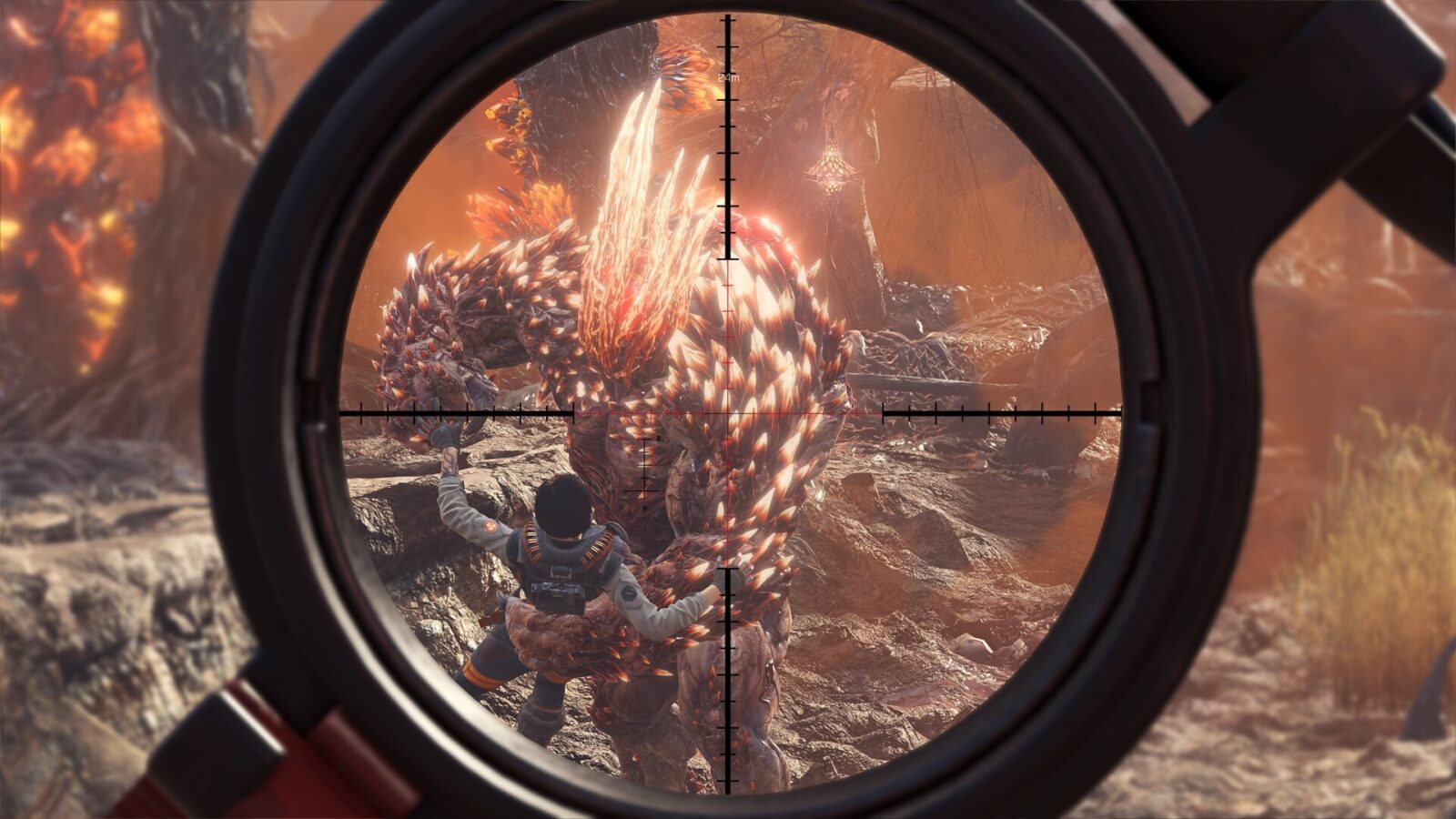
And that’s really the secret sauce here. Toxic Commando understands that these games live or die on how they feel moment-to-moment, not how impressive they look in a skill tree menu. The weapons hit that sweet spot between arcade nonsense and satisfying feedback. Every gun feels like it has a personality, even if that personality is just “loud and irresponsible.” I spent an embarrassing amount of time swapping loadouts, not because I had to unlock anything, but because the game just hands you the toys and says, “try everything.” It’s refreshing in a way that almost feels rebellious in 2026.
The classes and upgrades are there, sure, but they never get in the way. They’re more like seasoning than the main dish. I appreciated that I could tweak my playstyle without needing a spreadsheet or a YouTube guide open on a second screen. It kept the focus exactly where it should be: on the chaos.
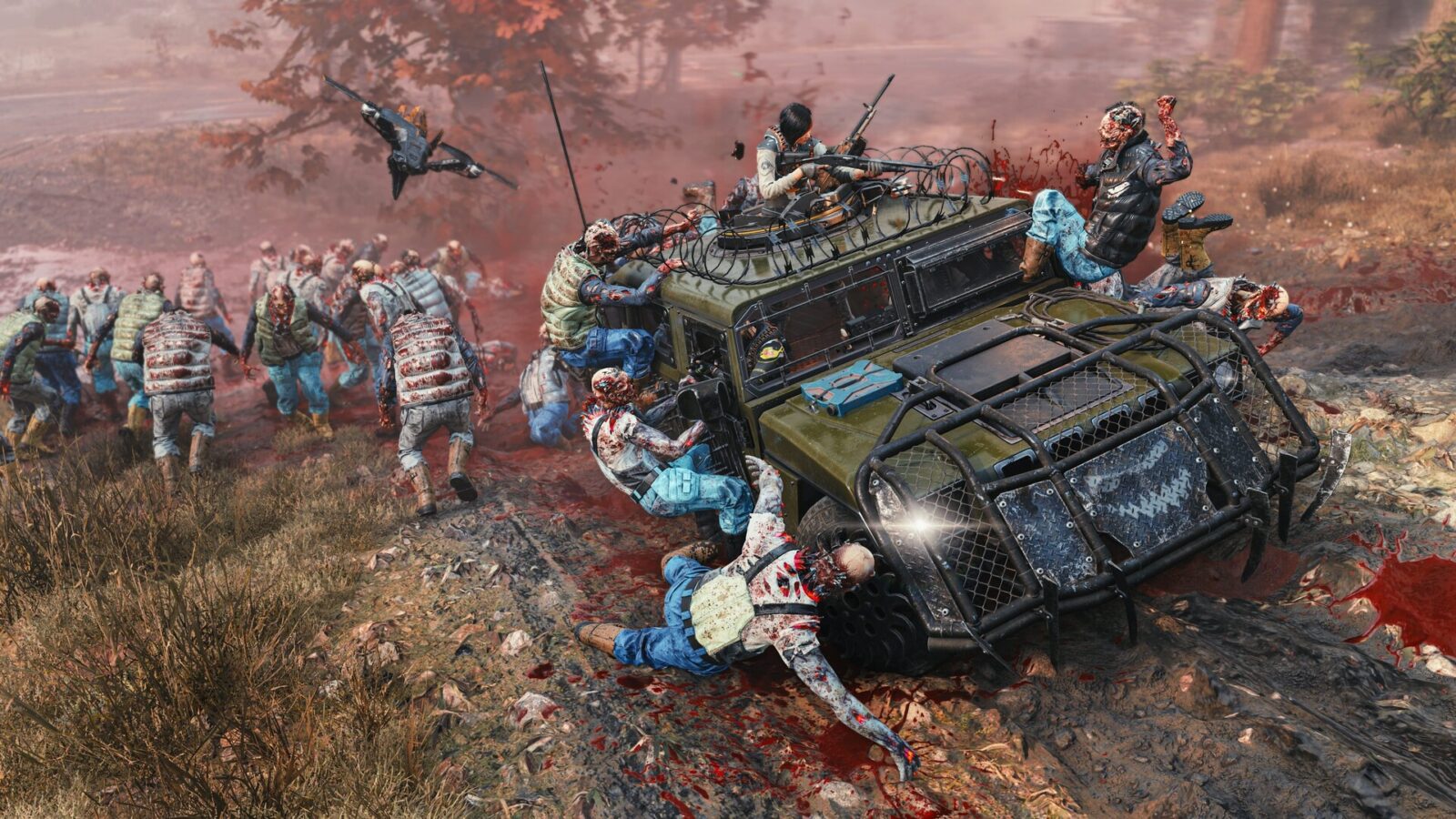
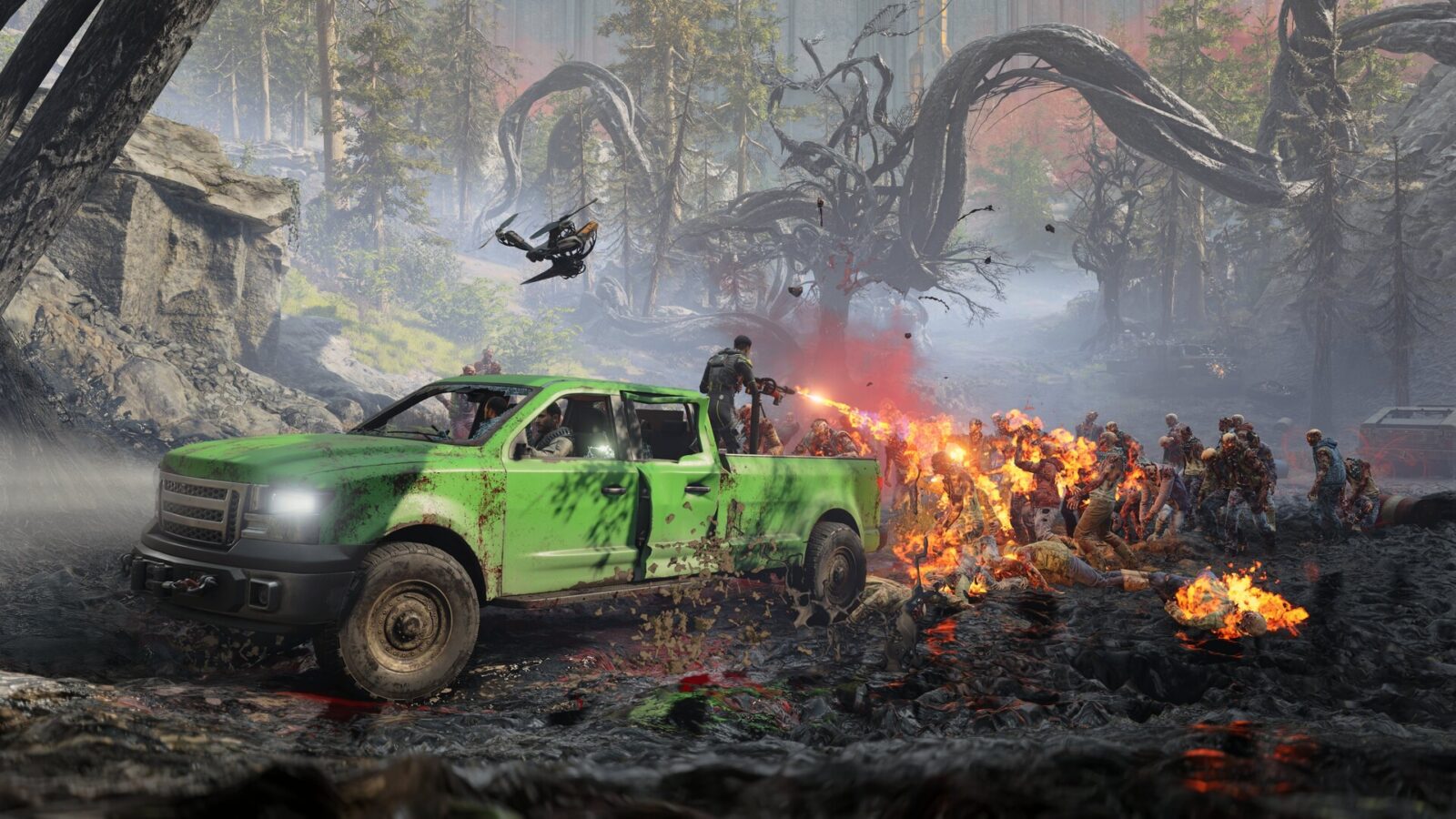
Then there are the vehicles, which might be my favorite addition. The first time my squad rolled up in what was essentially a weaponized ambulance, I realized Toxic Commando had quietly added a layer of strategy without making a big deal about it. These aren’t just ways to get from point A to point B. They’re lifelines, panic buttons, and occasionally, giant explosive statements. There’s something deeply satisfying about piling into a truck, mowing down a horde, and then bailing out at the last second before it turns into a fireball. It adds just enough variety to keep things from feeling like a pure on-foot grind.
Tonally, the game leans hard into its 80s horror DNA, and I mean that in the best way possible. Everything feels drenched in neon grime and synth-heavy attitude. It’s campy without being annoying, ridiculous without losing its edge. There were moments where I genuinely felt like I was playing through some lost VHS-era action-horror flick, the kind you’d discover at 2 a.m. and end up loving despite—or because of—its excess.
That said, not everything lands perfectly. The character banter starts off charming, but after a few hours, it begins to loop in a way that made me reach for the imaginary “skip dialogue” button that doesn’t exist. It never becomes unbearable, but it does lose its spark. And if you’re playing solo, the AI teammates feel like they showed up for the shooting and skipped every other part of the assignment. They can hold their own in a fight, but ask them to do anything remotely thoughtful and they suddenly develop the awareness of a houseplant.
The bigger issue, though, is something I didn’t expect to feel so quickly: I wanted more. Not in a “this is incomplete” way, but in that slightly frustrating “I’m having too much fun and now it’s over” way. The missions are enjoyable, and there’s some replayability baked in with shifting objectives and layouts, but after a while, you start to see the edges. The maps feel a little too familiar, the encounters a little too predictable. It’s the kind of game that begs for a steady drip of new content, even if it never fully commits to being a live-service beast.
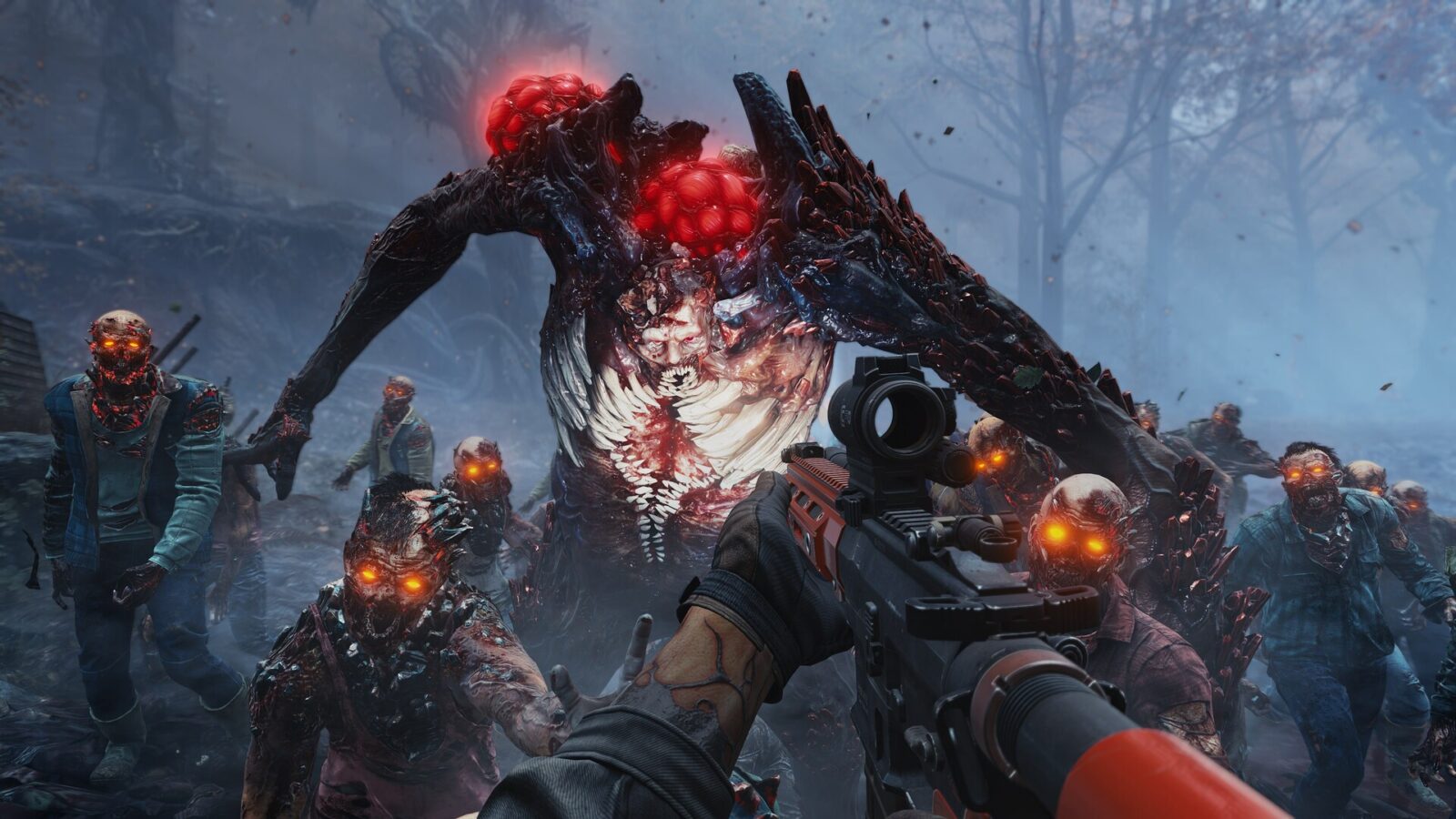
Still, I kept coming back. Not because I needed to grind or unlock something, but because it’s just… easy to enjoy. There’s a purity to Toxic Commando that’s hard to find right now. It doesn’t waste your time. It doesn’t pretend to be deeper than it is. It just delivers exactly what it promises: loud, messy, co-op zombie carnage with a ridiculous grin on its face.
By the time I wrapped up my sessions, I realized something that surprised me. This isn’t a game that’s trying to evolve the horde shooter genre. It’s trying to remind you why you liked it in the first place. And honestly, it succeeds.
Verdict
John Carpenter’s Toxic Commando is a stripped-down, unapologetically fun return to the roots of co-op zombie shooters. It doesn’t innovate much, but it doesn’t need to. By focusing on satisfying combat, accessible design, and chaotic multiplayer energy, it captures the magic that made the genre great—though it could use more content to sustain that magic long-term.