
TL;DR: Esoteric Ebb is basically a fantasy CRPG that channels Disco Elysium’s narrative magic while injecting its own absurd humor and political intrigue. It’s funny, smart, surprisingly deep, and absolutely worth the ride if you love story-driven RPGs. Score: 4/5.
Esoteric Ebb
I went into Esoteric Ebb expecting a Disco Elysium tribute act. You know the type. A clever indie RPG wearing the same wrinkled trench coat, mumbling philosophical monologues while rolling dice behind the curtain. I figured I’d poke around for a few hours, smile at the references, maybe appreciate the ambition, and move on.
Instead, I got sucked into one of the weirdest, funniest, and most unexpectedly thoughtful fantasy CRPGs I’ve played in a long time.
Esoteric Ebb isn’t just inspired by Disco Elysium. It absolutely is. The bones are unmistakable. But what surprised me is how confidently it twists those bones into something that feels like its own strange organism. It’s a game that looks like a mimic chest labeled “Definitely Not a Mimic,” and the moment you lean in to inspect it, it snaps shut with a grin.
And honestly? I kind of love it for that.
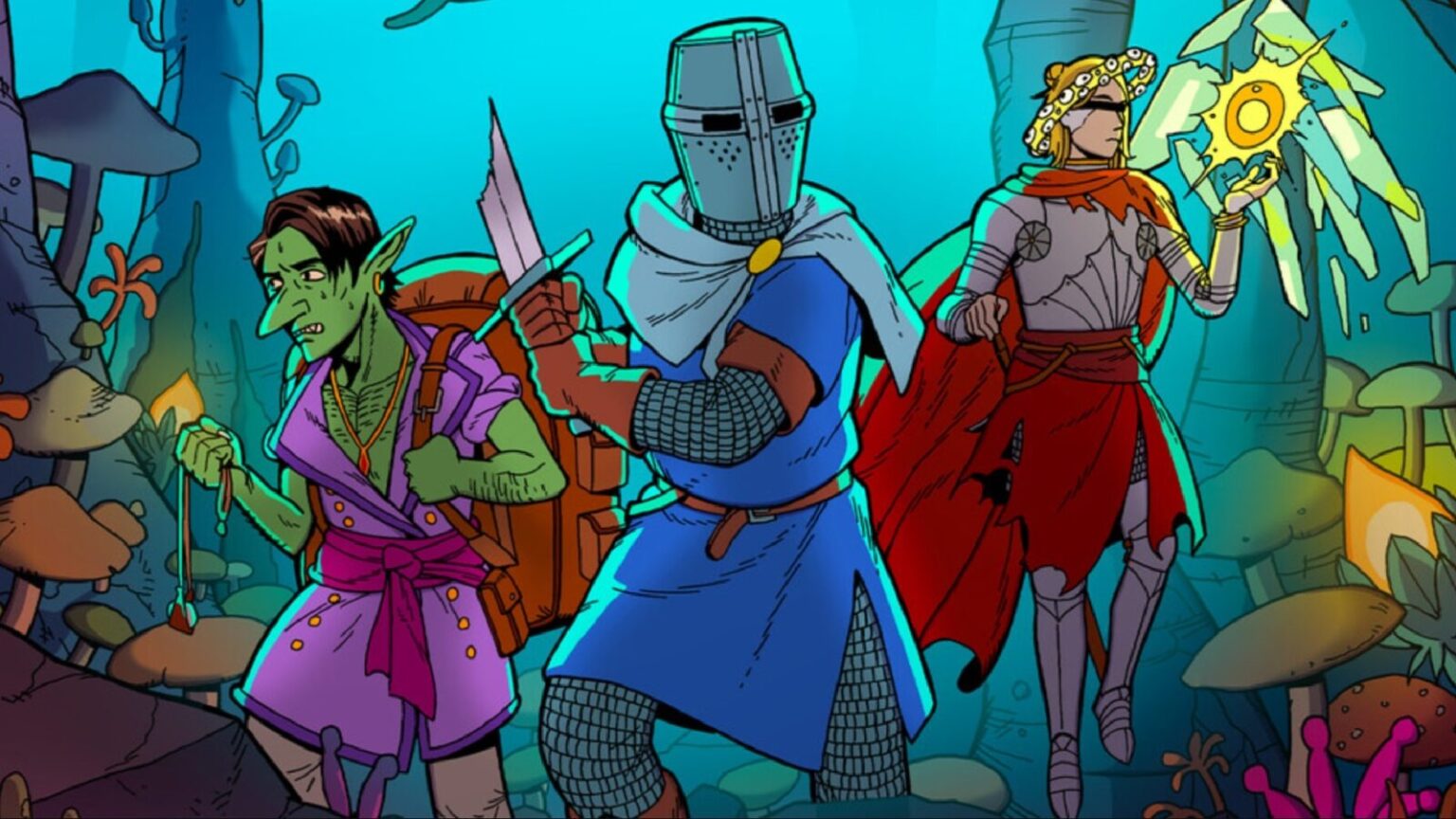
The first thing the game does is throw you into absolute chaos. You play as a character simply known as the Cleric, which sounds respectable until you realize this particular cleric is a spectacular disaster of a human being. When I first met him, the guy had literally just been pulled out of a river after dying and being resurrected by what might be the most suspicious medical duo imaginable: a mortician and a dentist.
That’s the tone Esoteric Ebb sets right out of the gate. This is a fantasy world, sure, but one that constantly feels like someone took traditional RPG tropes and ran them through a late-night improv comedy session.
The story kicks off with what should be a simple investigation: a tea shop explosion in the city of Norvik. But the timing couldn’t possibly be worse. The city is in the middle of a heated political referendum that could reshape its future. Different factions are scrambling for influence, ideologies are colliding, and every citizen seems to have an opinion about what the city should become.
What I didn’t expect was how much the game wants you to talk to absolutely everyone about that.
Seriously. Everyone.
Norvik is packed with characters, and the game gently nudges you to ask them a deceptively simple question: who they’re voting for. At first it feels like casual flavor dialogue. But the more I did it, the more I realized this question is quietly shaping the entire identity of your character.
This is where Esoteric Ebb starts showing its real ambitions as a narrative CRPG.
The Cleric begins as a blank slate in the worst possible way. Not heroic. Not noble. Just deeply confused and trying to figure out who the hell he even is after apparently dying. Through dozens of conversations, arguments, awkward encounters, and the occasional humiliating failure, you slowly sculpt the person he becomes.
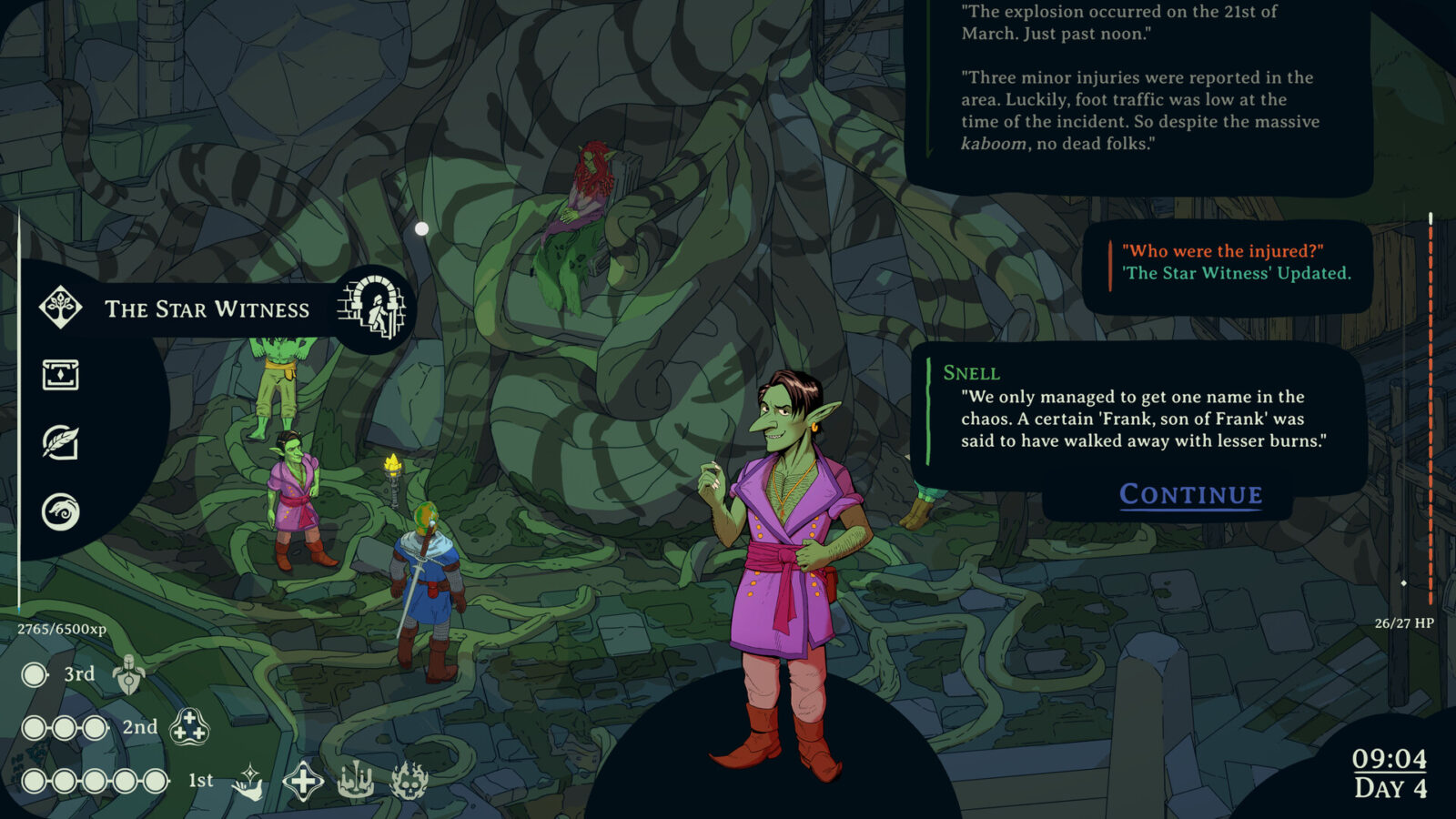
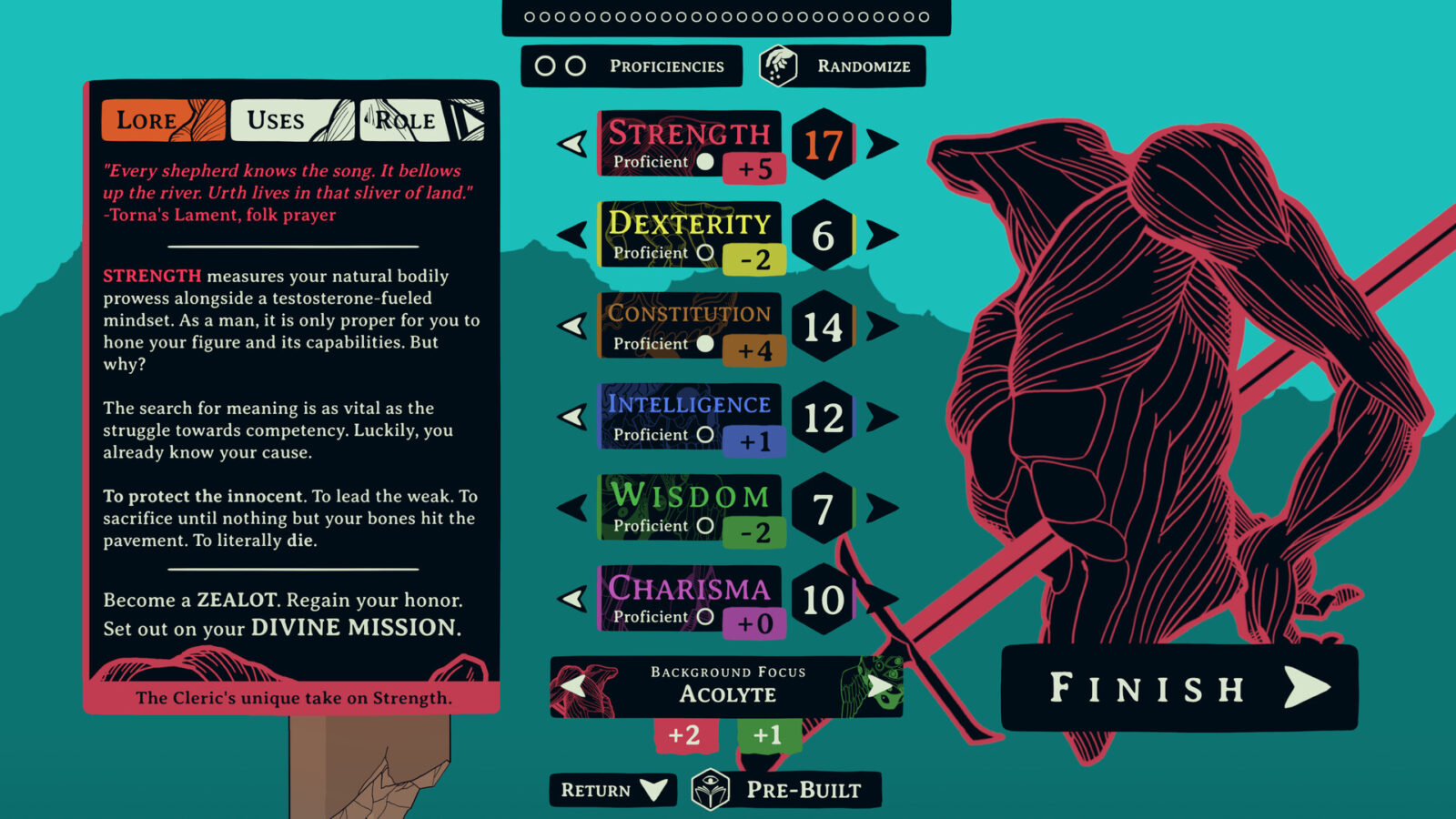
Alignment, political beliefs, magical specializations, personality quirks — they all evolve through dialogue choices and skill checks rather than rigid class systems.
At one point my Cleric tried to sound confident during a conversation and absolutely botched the roll. The result was a painfully awkward confession that spiraled into social suicide. I’ve rarely seen a game punish bad dice rolls with such theatrical humiliation.
And it’s hilarious.
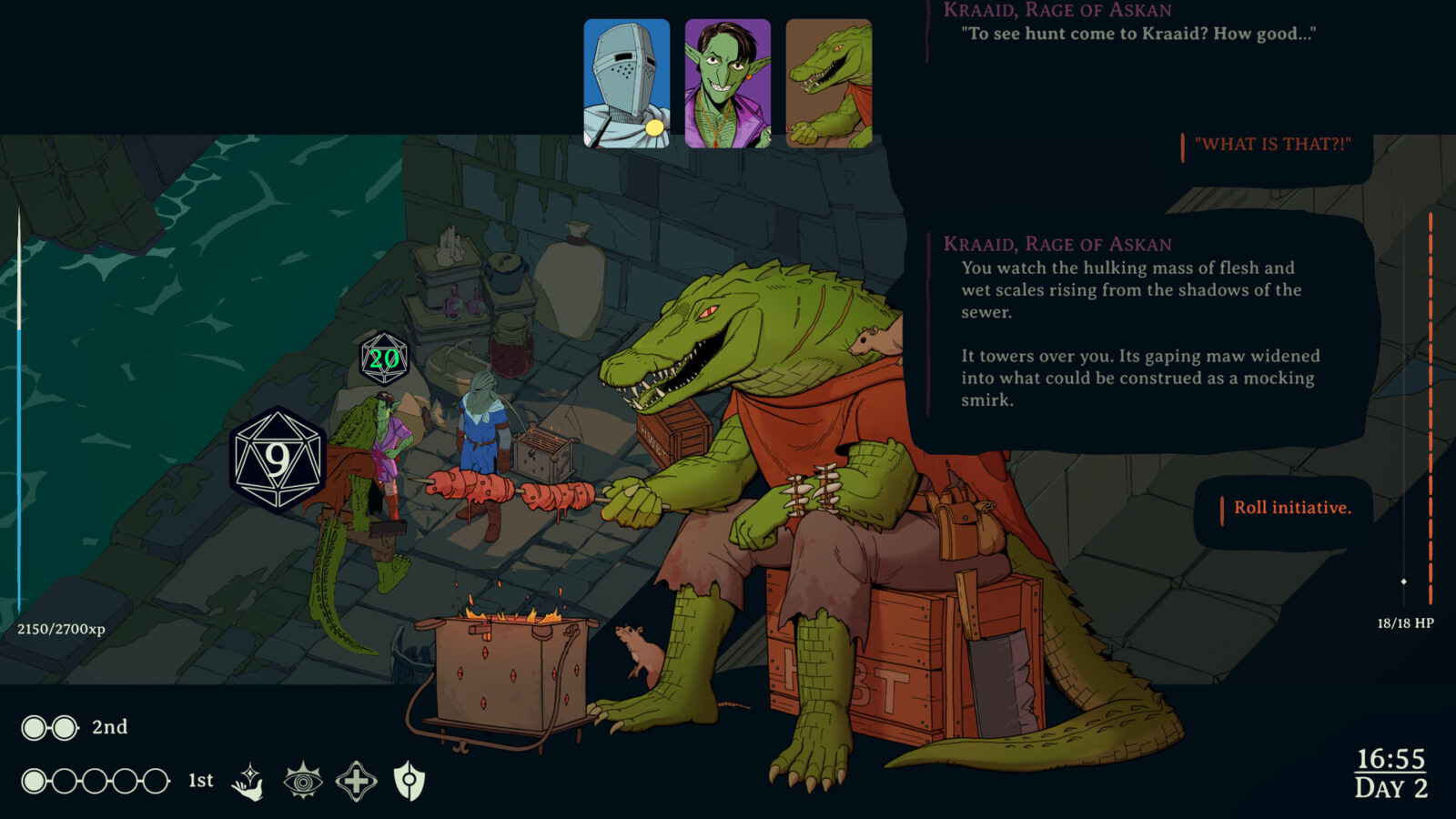
Like Disco Elysium, much of the gameplay revolves around text-driven interactions and skill checks rather than traditional combat systems. Dice rolls determine whether your character can bluff, intimidate, analyze, or completely embarrass himself in public. Your stats even appear in dialogue like little voices in your head, chiming in with advice, doubts, or questionable ideas.
It’s the kind of RPG design that lives or dies by the writing.
Thankfully, the writing here is fantastic.
The world of the Esoteric Coast feels like a fantasy setting that’s been allowed to loosen its tie and crack jokes at its own expense. I kept stumbling into little bits of absurdity that made the whole place feel alive.
Clerics riding bicycles. A sphinx permanently parked in a tavern drinking river wine like a washed-up philosopher. A telepathic ant that casually participates in conversations. At one point I discovered that the “language of cats” in this world is literally Spanish.
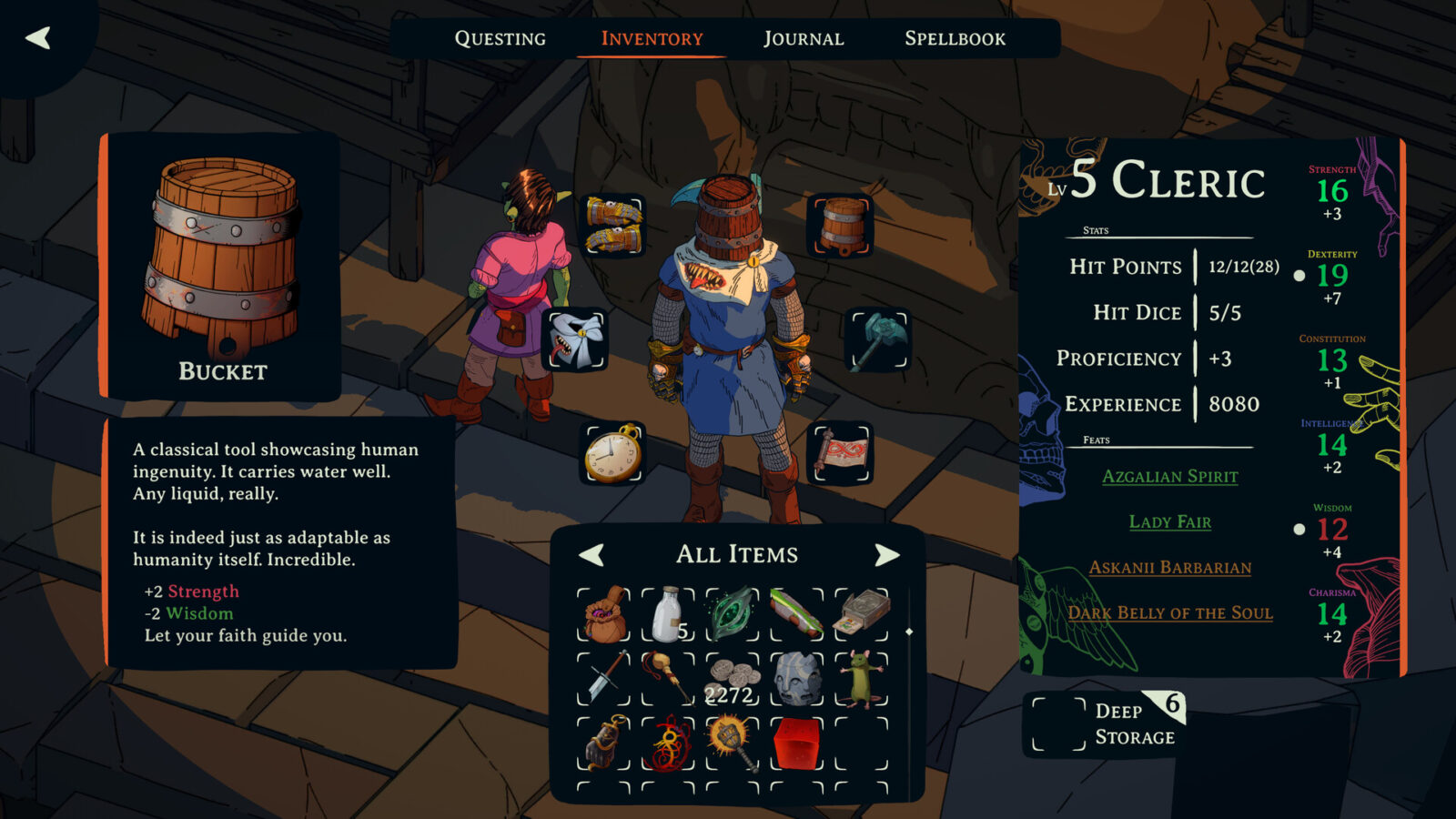
It’s that kind of game.
But beneath the silliness is a surprising amount of thematic weight. Esoteric Ebb constantly drifts into conversations about governance, economics, morality, religion, and identity. Some of these moments feel like political debates disguised as RPG dialogue trees, but they rarely come across as preachy.
Instead, they feel like messy, human conversations.
You can spend one moment participating in a ridiculous pyramid scheme involving milk sales and the next moment debating the philosophical underpinnings of authoritarian ideology. Somehow the game manages to make both feel like natural parts of the same world.
That tonal balancing act is where the game really shines.
A lot of RPGs struggle when they try to mix comedy with serious themes. One tone usually ends up undermining the other. Esoteric Ebb, weirdly enough, manages to let both coexist without stepping on each other’s toes. I laughed a lot while playing it, but I also had moments where I genuinely paused to think about what a character had just said.
And that’s rare.
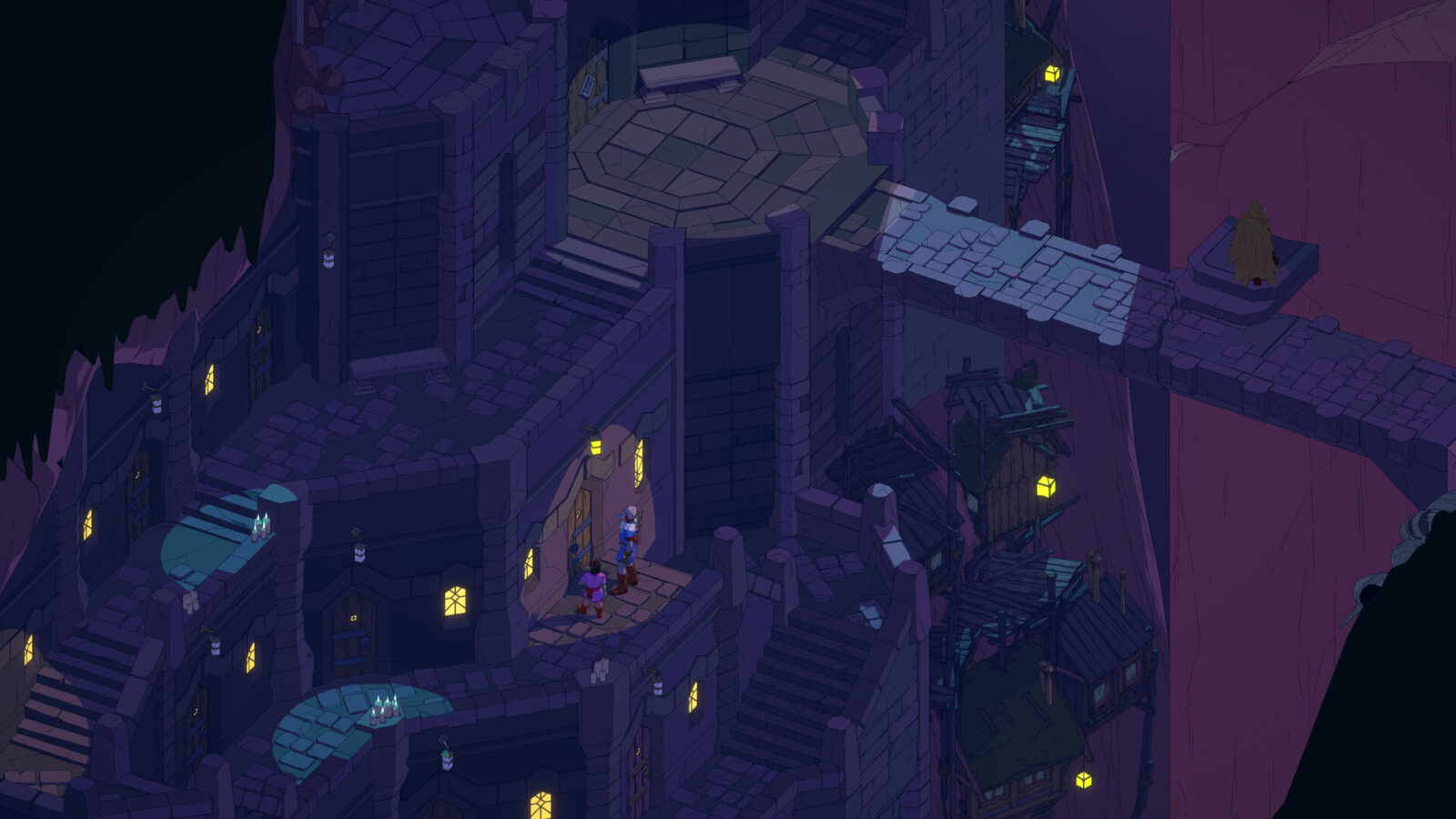
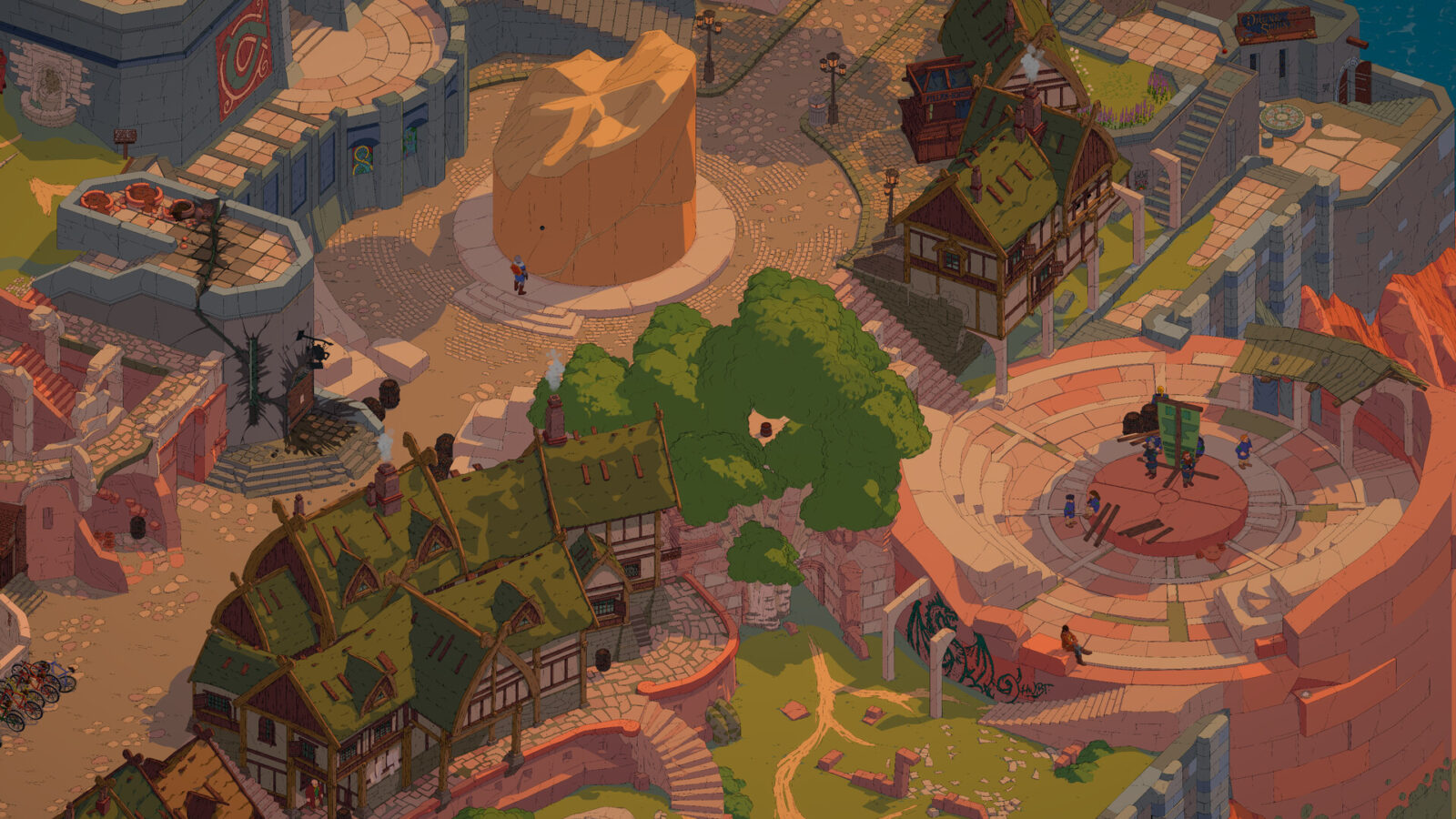
The setting helps a lot with that immersion. Norvik is a compact city, but it’s dense with detail and side stories. It reminded me of the feeling I had exploring Revachol in Disco Elysium — not in terms of aesthetics, but in how every alleyway feels like it might contain another strange little narrative thread.
I kept wandering into situations that felt completely optional but somehow unforgettable. One minute I was chasing clues related to the tea shop explosion, and the next I was tangled up in a bizarre business scheme that somehow involved dairy products and social manipulation.
The game is surprisingly concise for a CRPG too. My first playthrough wrapped up somewhere under 30 hours, which felt refreshing compared to the 100-hour epics that dominate the genre. But the structure clearly invites replayability. Different political alignments, different character builds, and different dialogue approaches can dramatically reshape how certain quests unfold.
Even combat encounters — which mostly exist as text-driven scenarios — can sometimes be avoided or altered through clever roleplaying.
It’s a game that rewards curiosity more than efficiency.
If there’s a catch to all this, it’s that Esoteric Ebb wears its inspirations very openly. Anyone familiar with Disco Elysium, Planescape: Torment, or even Baldur’s Gate 3 will immediately recognize the DNA. At times the similarities feel almost like homage bordering on imitation.
But the more time I spent in this strange world, the more that stopped bothering me.
Because what Esoteric Ebb ultimately offers isn’t just imitation. It’s enthusiasm. The entire game feels like a love letter to the kind of narrative RPGs that trust players to sit down, read a lot of dialogue, roll some dice, and think about complicated ideas.
That kind of design philosophy doesn’t show up often anymore.
By the time the credits rolled, I felt like I had barely scratched the surface of the Esoteric Coast. There are clearly more factions, more ideological rabbit holes, and more character paths waiting to be explored in future playthroughs.
And honestly, I’m looking forward to going back.
Verdict
Esoteric Ebb is a chaotic, clever, and deeply charming narrative CRPG that proudly wears its Disco Elysium inspirations on its sleeve. But instead of feeling like a cheap copy, it comes across as a passionate reinterpretation of that formula set inside a bizarre and hilarious fantasy world. With excellent writing, memorable characters, and an RPG system that thrives on dialogue and roleplaying choices, Esoteric Ebb delivers a weirdly thoughtful adventure that manages to be both ridiculous and insightful at the same time.