

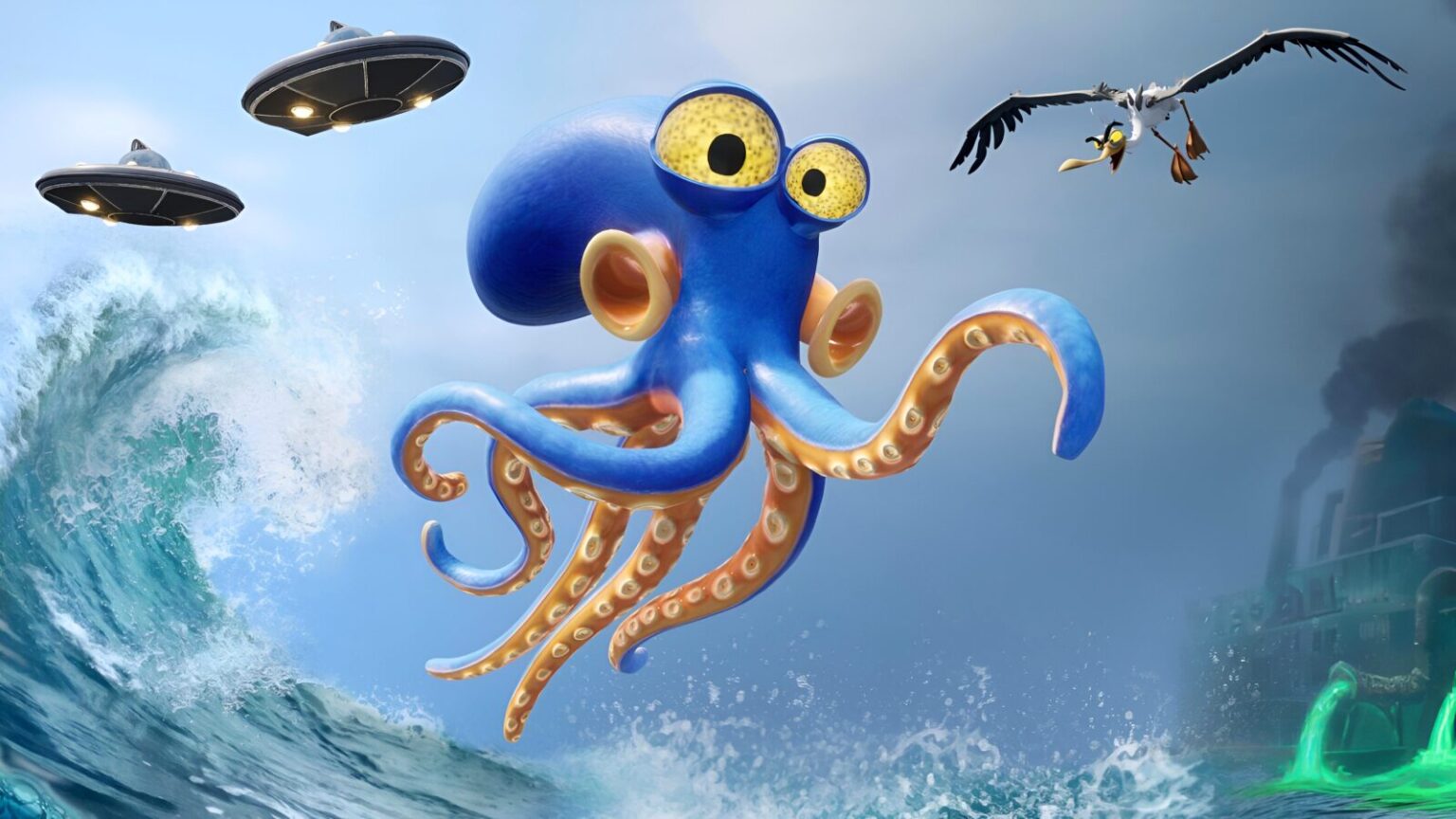
2026 needs more platformers and Darwin’s Paradox! arrives today as a refreshing anomaly.
Darwin’s Paradox
Developed by ZDT Studio and published by Konami, this 2.5D puzzle-platformer puts players in control of Darwin, a bright blue octopus ripped from his ocean home and thrust into a sprawling, mysterious industrial complex. What follows is an experience that blends stealth, puzzle-solving, and platforming into something both whimsical and tense at the same time.
At its core, Darwin’s Paradox is built on a simple premise: survive, adapt, and escape. The game’s narrative begins with Darwin being abducted from the ocean and waking up in a strange, hostile environment filled with machines, creatures, and hidden environmental dangers.
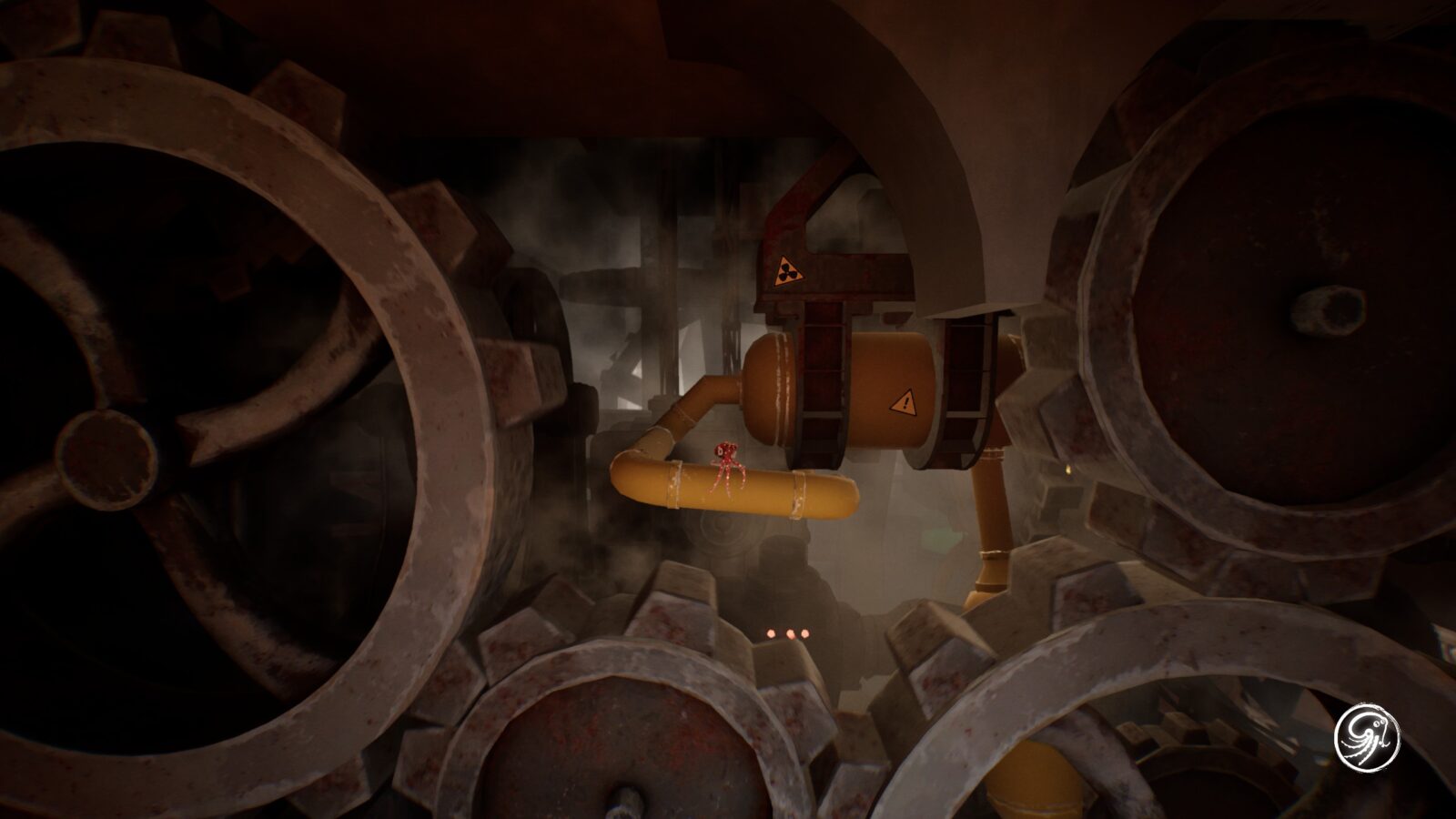
From the outset, the game leans heavily into atmosphere. The industrial setting feels oppressive yet strangely alive, and there’s an undercurrent of mystery that drives you forward. The story unfolds gradually, hinting at a larger conspiracy that could have far-reaching consequences beyond Darwin’s personal struggle.
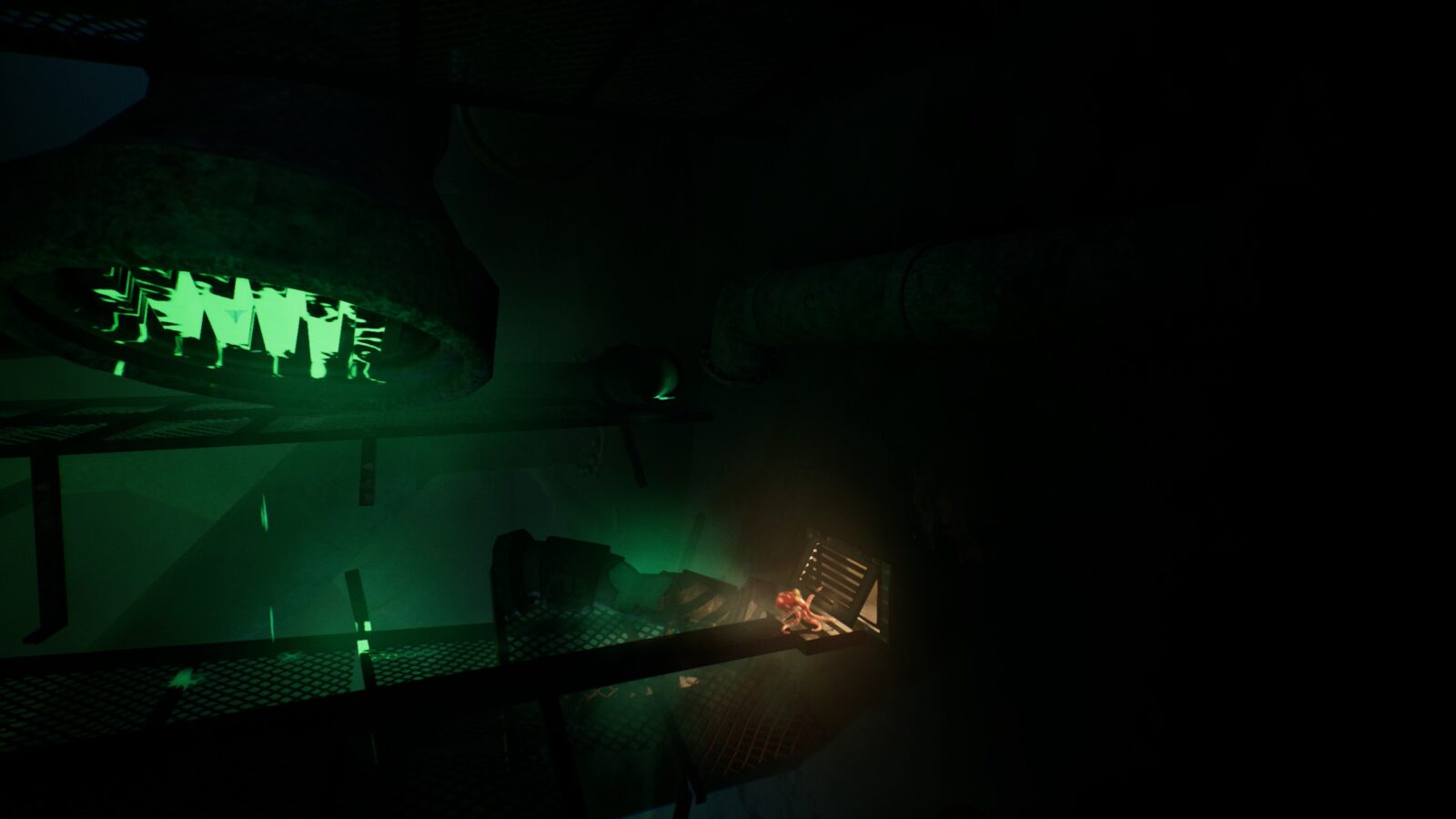
Playing as an octopus is the foundation of the entire gameplay experience. Darwin’s abilities let you swim in water, camouflage into his surroundings to avoid getting killed, squeeze through tight spaces, and use suction to interact with the environment. These abilities which you learn across the game are deeply integrated into level design and puzzle-solving.
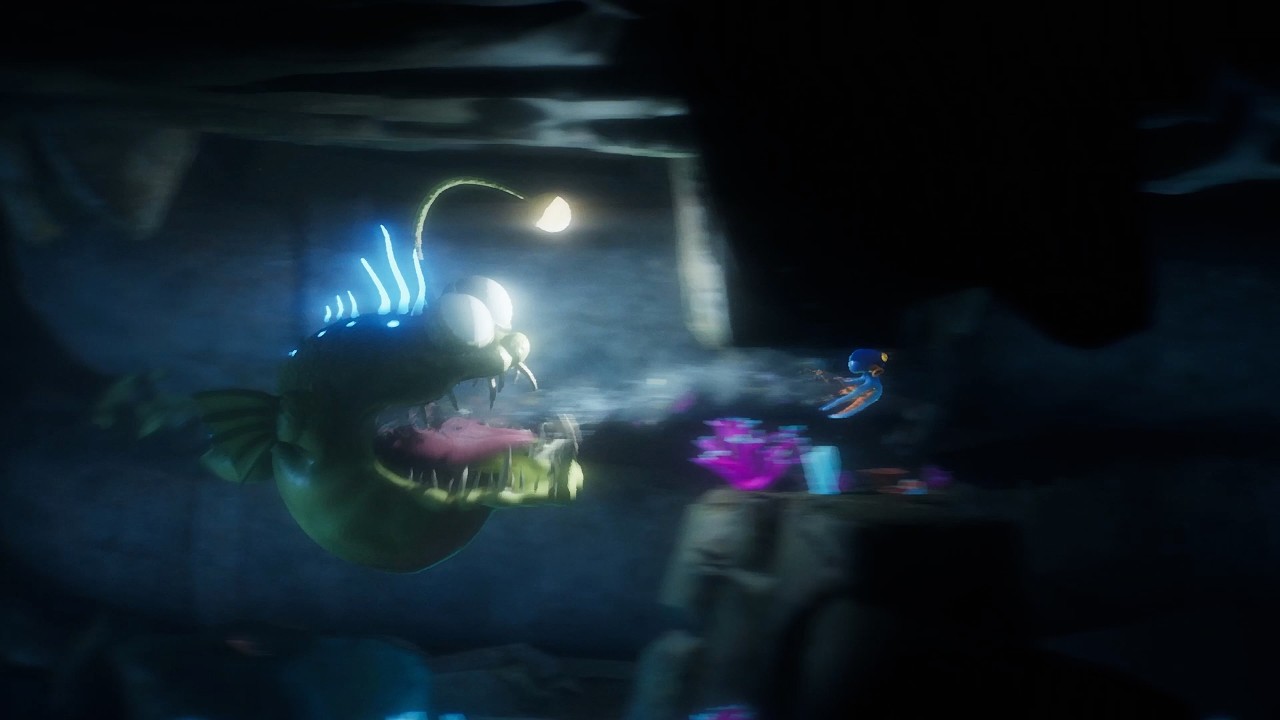
Much of the game’s progression sees you split between land and water. On land, Darwin is more vulnerable, and the game leans into stealth. You’ll often find yourself sneaking past enemies, hiding in shadows, or using clever distractions to progress. Some sequences even evoke classic stealth games, with Darwin resorting to humorous tactics like hiding in boxes to avoid detection, there’s even a nod to a favourite protagonist from Metal Gear Solid, what with this being a Konami published game. In water, however, the tone shifts. Movement becomes fluid and dynamic, and the focus leans more toward puzzle-solving and exploration. This duality keeps the gameplay fresh, preventing it from becoming repetitive.
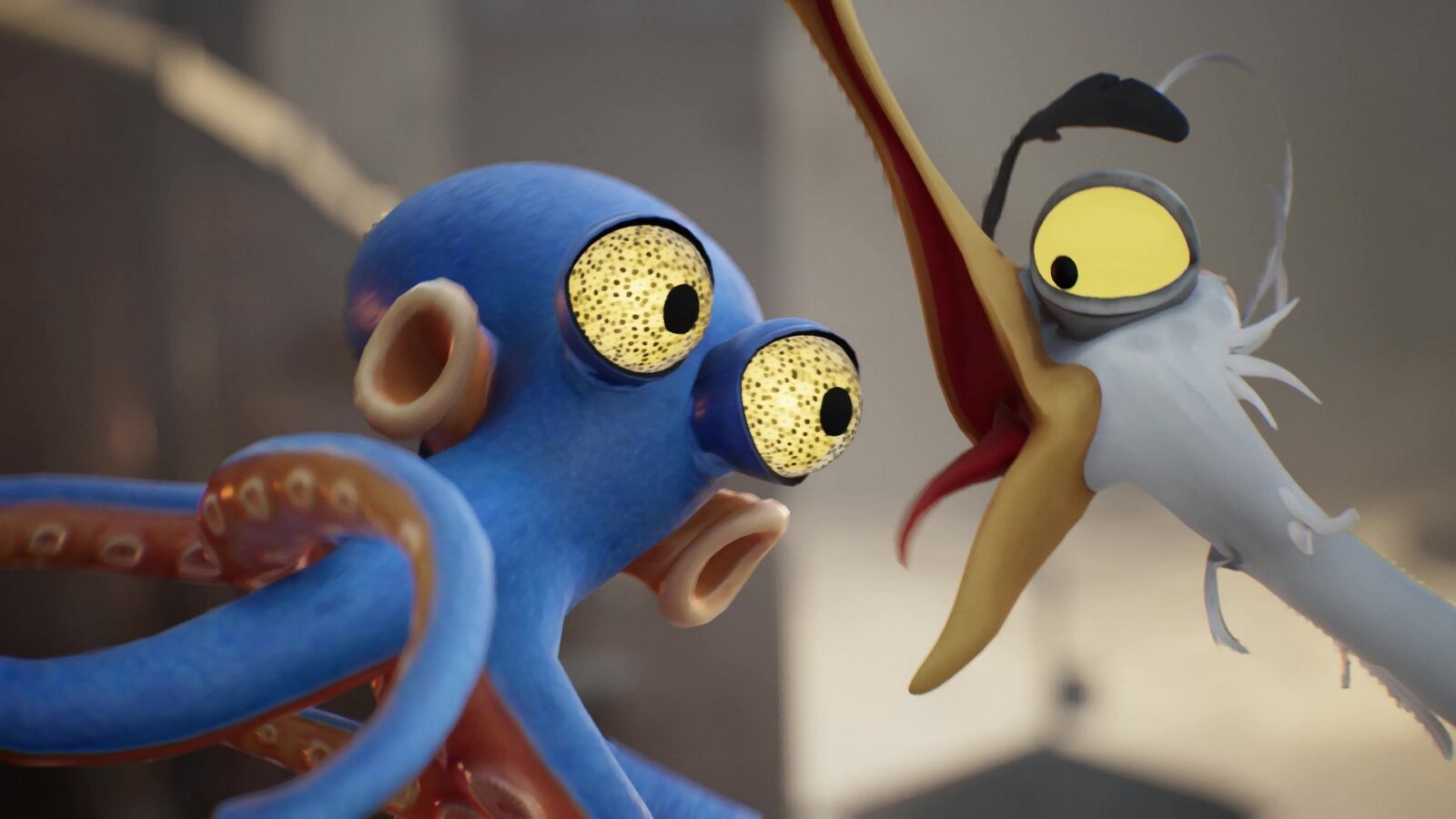
Visually, Darwin’s Paradox is stunning. The art direction strikes a balance between realism and stylization, creating a world that feels both believable and fantastical. The environments are richly detailed, from grimy factory floors to shimmering underwater sections, and Darwin himself stands out with expressive animations that give him a surprising amount of personality.
Some comparisons have been made to titles like Little Nightmares or Inside, and while those influences are evident, Darwin’s Paradox manages to carve out its own identity through its unique protagonist and tone, which is very Looney Tunes esque and it works well for an adventure like this one.

The sound design complements the visuals beautifully. Subtle ambient noises heighten tension in stealth sections, while the music adds emotional weight to key moments. The soundtrack fits the game’s tone, enhancing both its charm and sense of immersion.
That said, the game isn’t without its flaws. The pacing can feel uneven at times, particularly when transitioning between stealth-heavy land sections and more relaxed underwater exploration. Some players may find the stealth mechanics slightly underdeveloped, with enemy AI occasionally feeling predictable.
Additionally, while the puzzles are generally well-designed, they rarely reach the level of complexity that might challenge more experienced players and if you do get stuck, you’ll probably be forced to use a walkthrough as some background elements do make it obvious you need to interact with it. Another minor issue lies in visual clarity. Despite the game’s beautiful environments, there are moments where Darwin can blend into the background a little too well, especially during darker sequences. The last drawback is that this is a fairly short adventure by most accounts with the story looking very likely to build upon a future sequel.
Darwin’s Paradox succeeds in delivering a memorable and engaging experience. Its greatest strength lies in its creativity and the willingness to build an entire game around the abilities and perspective of an octopus results in gameplay that feels genuinely different. The mix of stealth, platforming, and puzzle-solving is well-balanced, and the game’s charming presentation ensures that even its weaker moments are easy to forgive.
Ultimately, it is a game that thrives on its originality and heart. It may not reinvent the genre, but it offers a fresh perspective that stands out in a crowded market.
For players looking for something a little different, a game that combines clever mechanics with a strong sense of personality, it’s well worth diving into, no pun intended.
Darwin’s Paradox was reviewed on Steam with a review code provided by the publisher.